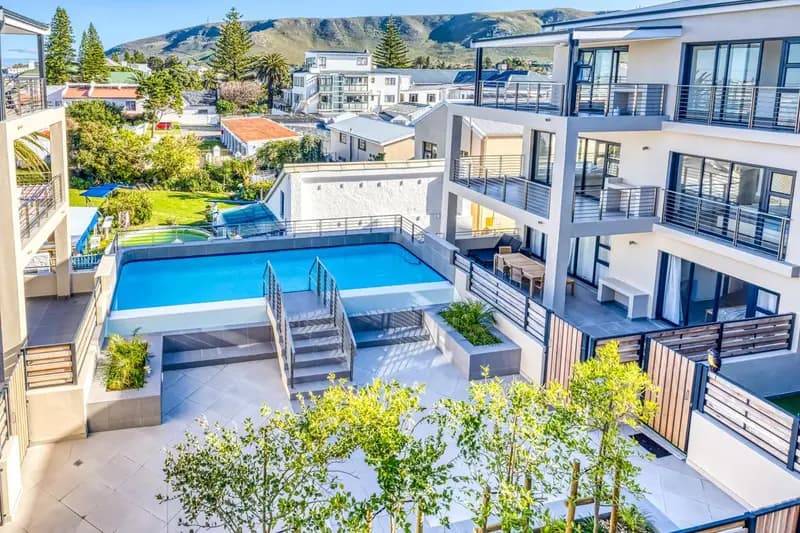
The W-Collection Esplanade Hermanus
★ 9.4/10 (2,522 reviews)
46 km away as the crow flies
Dive centre · Hermanus · South Africa
4.9150 Google reviewsExplore the wreck-strewn waters of False Bay from a PADI 5 Star IDC centre in Gordon's Bay.
For subtitles in English: start the video firstthen click the gearat the top right of the video, select “Subtitles/CC”, then “Auto-translate” and choose “English”.
Located in Gordon's Bay, just a short drive from Cape Town and Stellenbosch, Just Africa Scuba serves as a professional hub for divers exploring the False Bay coastline. The centre operates as a family business, combining local expertise with a broader reach into African diving expeditions.
As a PADI 5 Star Instructor Development Centre (IDC), the facility is geared towards both recreational enthusiasts and professionals looking to advance their careers. Whether you are looking to complete your initial certifications or are an experienced diver seeking guided wreck tours, the centre provides a structured approach to diving in this unique marine environment.
The centre holds a high level of accreditation as a PADI 5 Star IDC, meaning they are authorised to conduct the full range of professional training. This includes courses for Divemasters and the Instructor Development Programme, making it a destination for those looking to enter the professional diving industry.
Instruction is conducted in English, and the team covers a wide spectrum of training, from entry-level courses to specialised skills like freediving and underwater photography. Their expertise extends beyond local waters, as they organise and lead custom diving trips to locations such as the Red Sea, Madagascar, and Saint Helena.
The training catalogue is comprehensive, covering the entire PADI progression. You can start with the Open Water Diver course and move through to Advanced Open Water Diver and Rescue Diver certifications.
For those looking to specialise, the centre offers PADI Digital Underwater Photography and dedicated underwater photography courses. They also provide EFR First Aid training and freediving instruction. Professional divers can utilise the centre for their entire career path, from Divemaster through to Instructor training.
The centre utilises a RIB (rigid inflatable boat) for its diving operations, providing a stable and efficient platform for reaching local sites. These vessels are well-suited for navigating the coastal waters of the Western Cape.
A full range of diving equipment is available for hire, allowing you to travel light if you prefer. The centre's shop also functions as a watersports hub, stocking kit for paddleboarding, surfing, and snorkeling.
Onshore, the facility is set up to support both training and recreational divers, providing the necessary infrastructure to prepare for your sessions before heading out to the boats.
The SS Maori is a massive British cargo ship, 122 metres long, which has become a thriving ecosystem. It lies at a depth of 20 metres and is characterised by a dense forest of kelp surrounding the wreck.
For wreck enthusiasts, the Bos 400 offers a different experience. This 100-metre French lifting barge sits at 23 metres and features large rocks that create various swim-throughs and areas covered in kelp.
The MV Katsu Maru is a Japanese trawler resting on its side at depths between 21 and 28 metres. The wreck is well-preserved, with part of the superstructure partially buried in the sand, offering interesting perspectives for photographers.
The Gordon's Bay reefs provide a variety of environments for all levels, from shallow spots to deeper sites like Steenbras Deep. These rocky reefs reach depths of up to 35 metres and are ideal for observing local marine life.
And some of the dive sites the centre runs.
The local reefs are a hotspot for diverse marine life, especially between September and March. You can expect to encounter Cape fur seals, dolphins, and whales, alongside rays and various species of octopus and cuttlefish. The kelp forests, particularly the *Ecklonia maxima*, provide a rich habitat for hottentot seabream and many other reef fish.
Macro life is abundant for those with an eye for detail. You will find various nudibranchs, anemones, and octopus hiding within the crevices of the reefs and wrecks.
For those seeking larger pelagics, the area is known for sightings of sharks, including pajama sharks. Depending on the season and luck, divers may also encounter Mola mola and various types of rays.
Diving in this region is subject to the influence of the swell, which can create active surface conditions and a noticeable surge underwater. It is worth noting that low tide periods can reduce available depth and increase this surge effect.
Upwellings are common in these waters, bringing nutrients to the surface that support a healthy ecosystem, though they can occasionally impact visibility. The best time to plan your diving is between September and March.
Hello, I'm Marina, DivingDeal.com's AI assistant. I answer in detail about hotels, dive centres and liveaboards.

Thinking about the whole trip and the flights? Talk it over with Edith →
Marina is an AI. Some links are affiliate links: DivingDeal may earn a commission, at no extra cost to you. Bookings are made with the partner.
★ 9.4/10 (2,522 reviews)
46 km away as the crow flies
★ 9.2/10 (867 reviews)
46 km away as the crow flies
★★★★
★ 8.8/10 (1,210 reviews)
46 km away as the crow flies
★★★★
★ 8.6/10 (2,144 reviews)
less than 1 km away as the crow flies