photo coming soon

Plongée au Blackbird Caye Resort
★ 4.5/5 (81 reviews)
28 km away as the crow flies
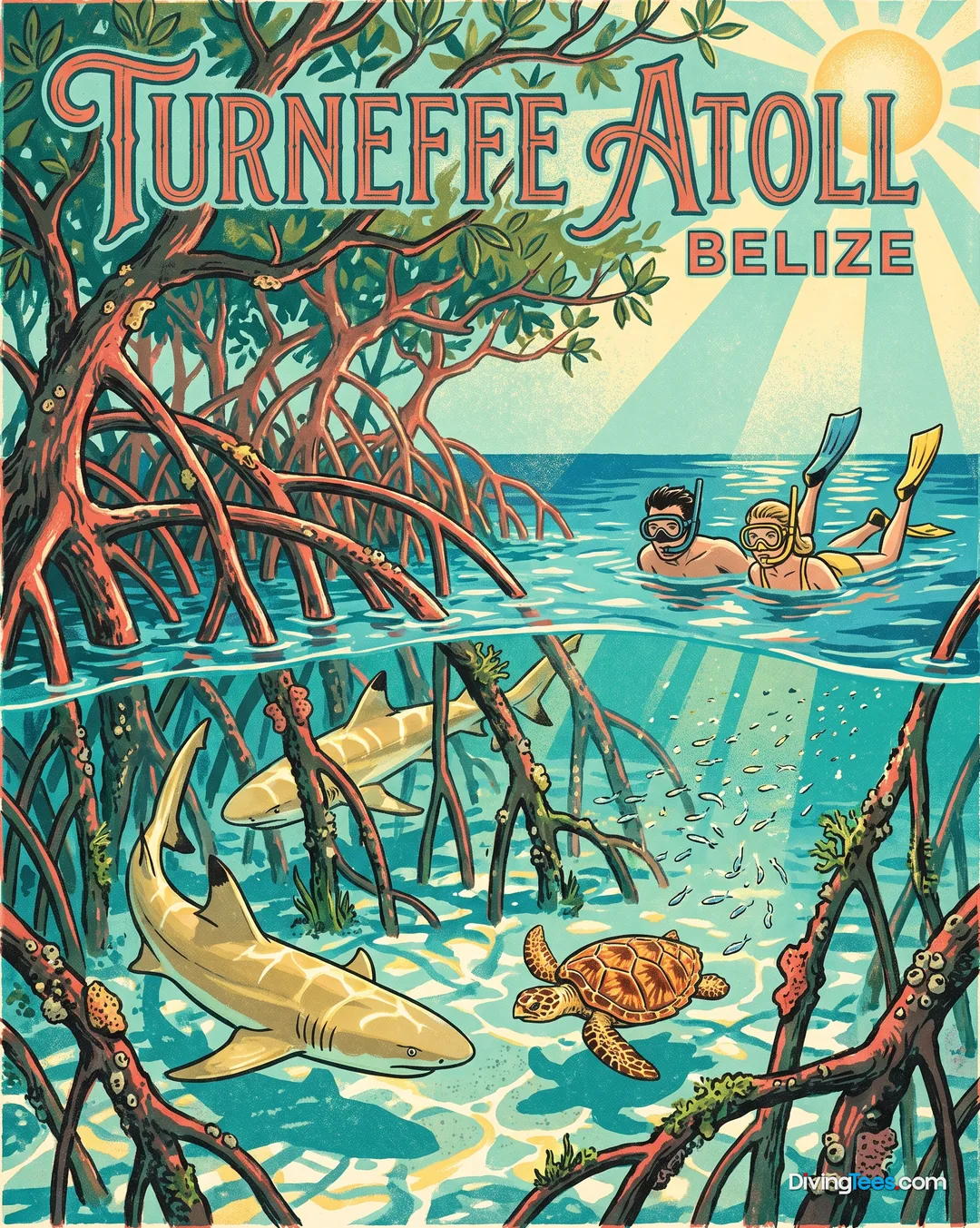
Turneffe Atoll · Belize · Americas
Max. depth · 130 mDescend into a geological marvel, where colossal stalactites bear witness to a prehistoric era.
For subtitles in English: start the video firstthen click the gearat the top right of the video, select “Subtitles/CC”, then “Auto-translate” and choose “English”.
Diving the Great Blue Hole is a journey into Earth's distant past. This colossal underwater sinkhole, located 50 miles off the coast of Belize in the center of Lighthouse Reef, spans 300 meters in diameter and descends to 130 meters. Its deep, almost turquoise waters invite a demanding dive, revealing a world shaped by millennia of geological forces rather than modern coral reefs.
The dive profile involves a descent into a submerged cavern, quickly transitioning from the sunny surface to the deep blue of the hole. As you descend through the initial layers, the scale of this geological wonder becomes apparent. The primary appeal lies in the primordial formations lining its depths, offering an encounter with our planet's history.
You will encounter the main features at the upper depths: giant stalactites, some over 12 meters long, hanging silently. These formations are a striking reminder that this structure was once a dry cave, slowly submerged as sea levels rose. Exploring these enormous concretions provides a tangible link to the geological timescale, a silent testament to immense environmental changes.
While the Great Blue Hole is primarily celebrated for its geological architecture, observant divers may encounter sharks in its deeper areas. Although the site is not defined by prolific coral or an abundance of small reef fish, the deep blue offers glimpses of larger marine life patrolling the edges of this vast cavern. Encounters are often solitary, reflecting the scale and depth of this unique environment.
The Great Blue Hole is an advanced dive site. The sinkhole descends to a maximum depth of 130 meters. Recreational diving occurs in the upper section, along the wall and stalactites. Reaching the bottom at 130 meters requires technical diving (Trimix, rebreather). Factors that contribute to its advanced rating include depth exposure and the demanding nature of the dive. Divers should possess recent experience with deep diving, ideally a dive to at least 24 meters within the last six months. Currents are generally mild, but can occasionally be present. Visibility is typically good, often exceeding 30 meters. The best diving conditions generally occur between April and June.
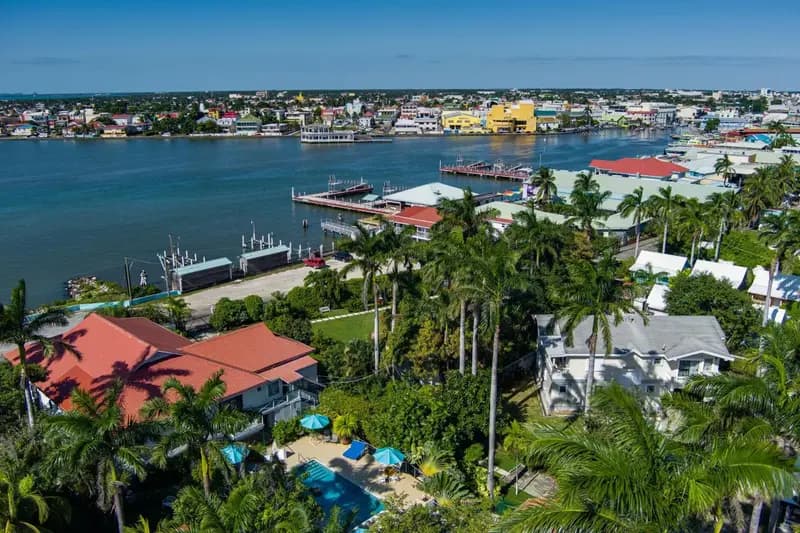
★ 8.6/10 (354 reviews)
71 km away as the crow flies
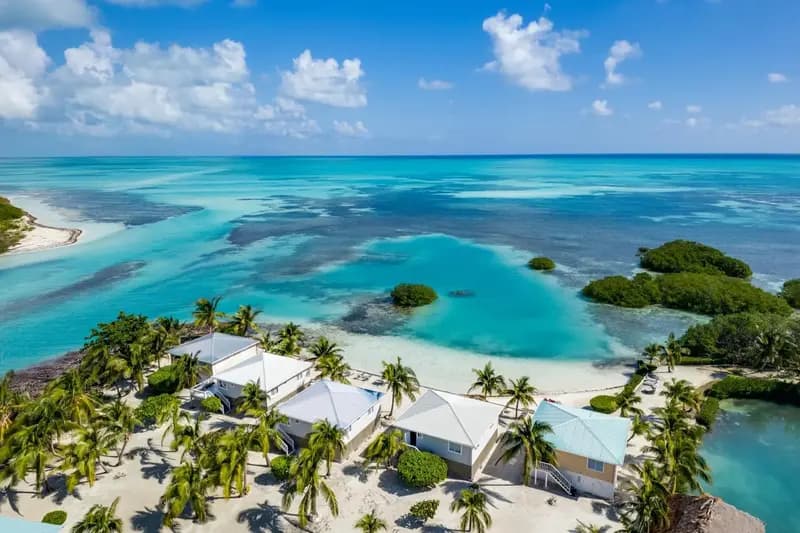
★ 9.8/10 (17 reviews)
63 km away as the crow flies
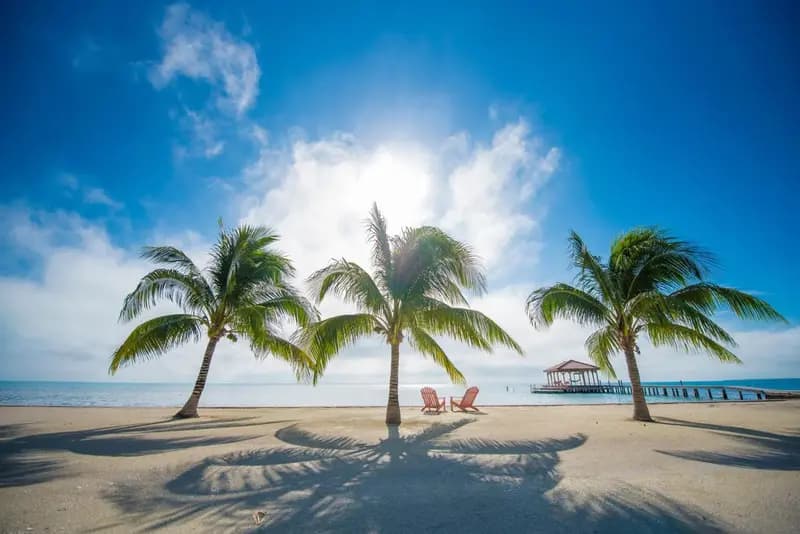
★ 9.2/10 (12 reviews)
63 km away as the crow flies
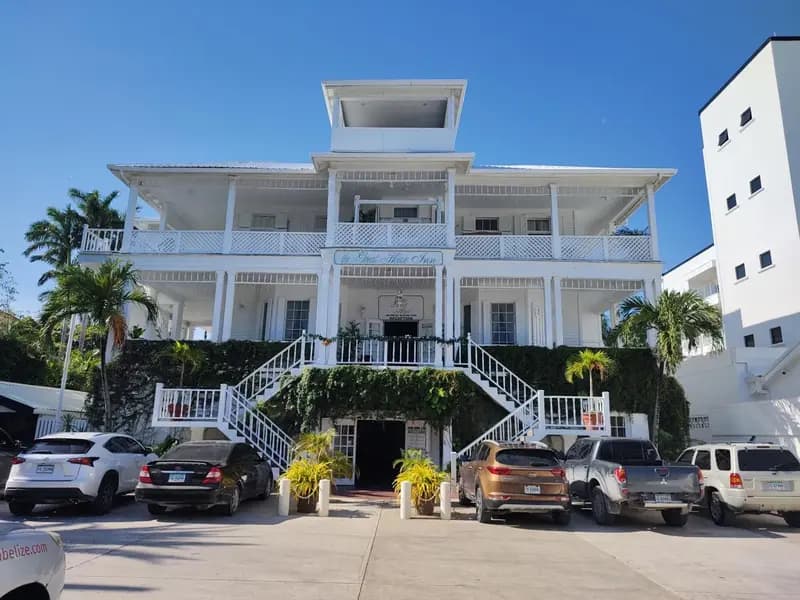
★★★★
★ 8.3/10 (280 reviews)
71 km away as the crow flies