
Turneffe Island Resort Dive Center
Google 4.9/5 (100 reviews)
3 km away as the crow flies
Turneffe Atoll · Belize · Americas
Descend into the calm waters of Turneffe Atoll to explore the Sayonara Wreck, a unique dive into Belize's underwater past.
The Sayonara Wreck lies within the Turneffe Atoll, offering a distinct wreck dive experience. As you descend, the clear Caribbean light filters down, revealing the structure that has become part of the seascape. This site is strategically located just minutes from the resort, making it an accessible addition to a diver's itinerary in the region. The initial approach to the wreck provides a sense of anticipation, preparing you for the details that will emerge from the blue as you get closer to the structure.
This particular wreck offers a departure from the typical reef dives common in Belize, shifting the focus to a submerged structure. The Sayonara was a small passenger/cargo boat, intentionally sunk in 1985 as an artificial reef. It rests on a bed of coral and sand at around 15 metres depth, listing slightly to starboard. The wreck has about 4 to 5 metres of relief, providing a clear profile against the seabed and the adjacent luxuriant coral growth.
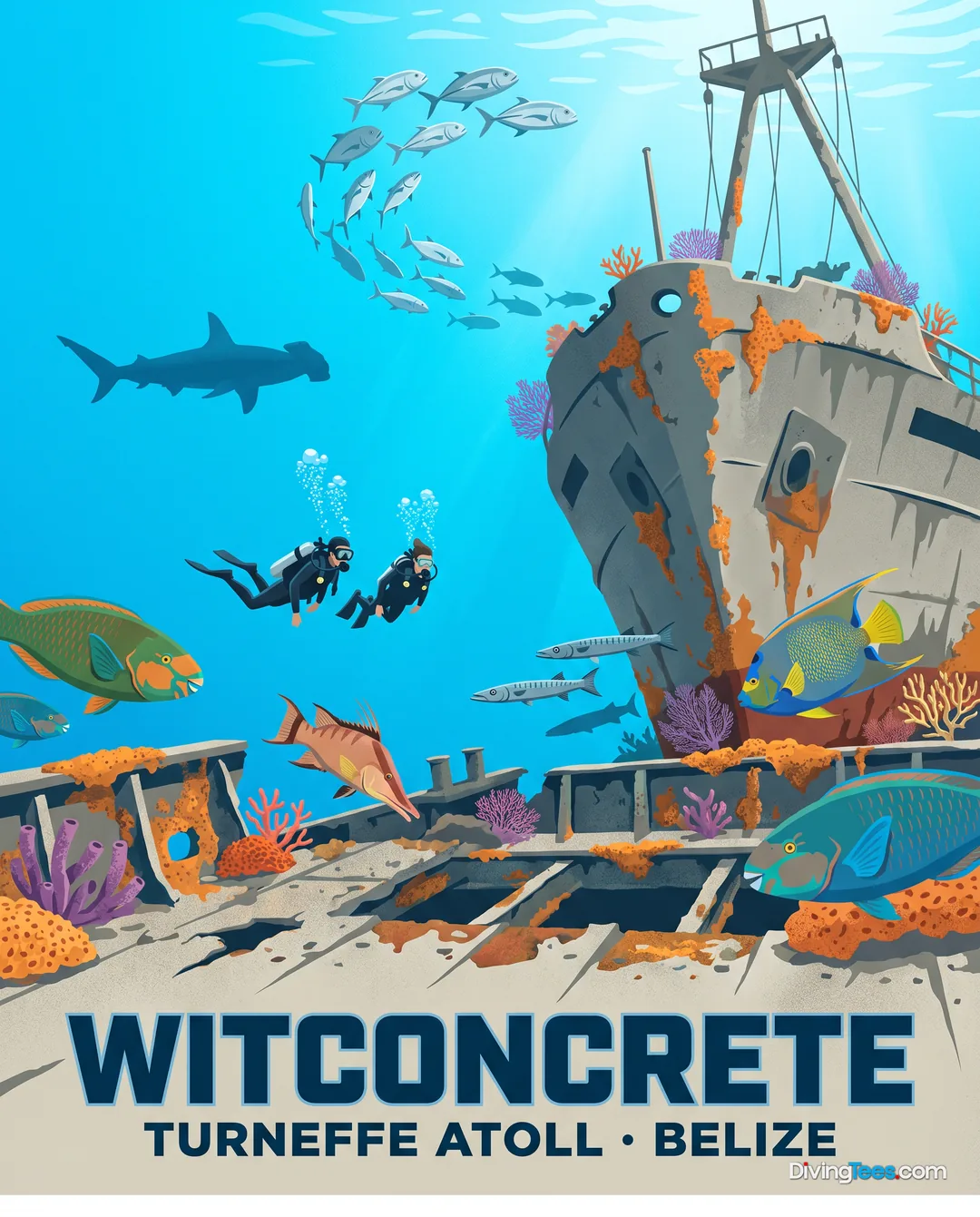
The wooden hull and frame of the Sayonara have deteriorated significantly over the years, particularly after a 2003 hurricane. What remains today are mainly cables, pipes, metal frames, and a skeletal imprint of the original vessel. This transformation creates a unique visual tapestry, as the interplay between the wreck's metal frame and the soft corals or sponges that attach themselves to such structures evolves with each passing year. You will observe how marine growth has started to colonize its surfaces, creating new habitats beneath the waves.
While the wreck itself is the primary focus, the surrounding reef and wall drop deeper along the southern promontory of Turneffe, adding another dimension to the dive. The current around this southernmost promontory is generally from the north, but its direction and strength are inconsistent. You can encounter anything from light to stronger flow depending on conditions, so it's essential to check the current when planning your dive to ensure a relaxed pace as you circuit the wreck.
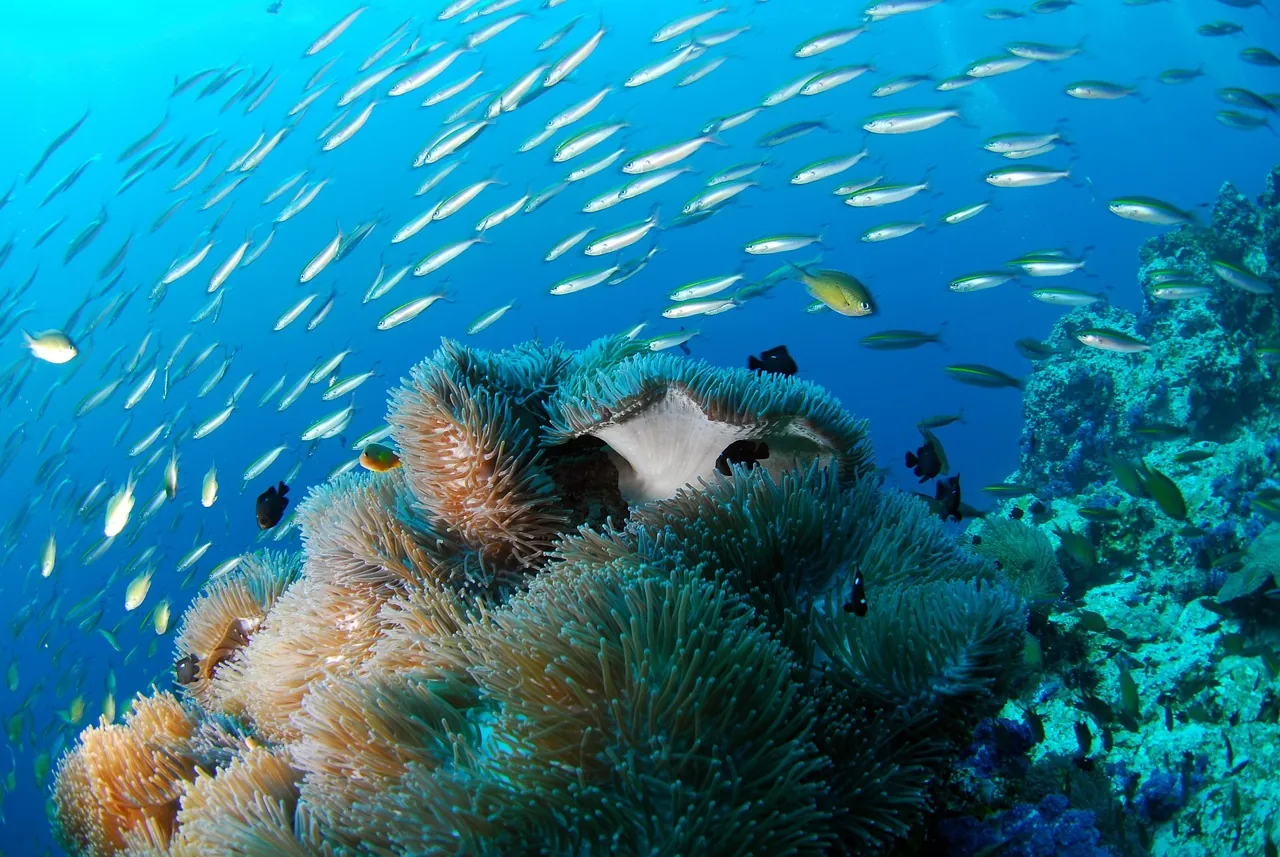
The Sayonara and its surrounding reef host rich invertebrate life and fish. As you navigate the wreck, keep an eye out for smaller fish darting through openings, or perhaps larger reef inhabitants using the structure for shelter. You might spot a basket star (Gorgonocephalus caputmedusae) or a brittle star (Ophiothrix fragilis) nestled within the structure. Banded coral shrimp (Stenopus hispidus) and spiny lobster (Panulirus argus) are also common residents, utilizing the wreck for refuge.
The fish life here is accustomed to divers, making for close encounters. French angelfish (Pomacanthus paru) and queen angelfish (Holacanthus ciliaris) are often seen, along with various parrotfish (Scaridae family), ocean triggerfish (Canthidermis sufflamen), wrasse (Labridae family), and filefish (Monacanthidae family). Barracuda (Sphyraena barracuda) are also present, often patrolling the perimeter of the wreck, adding to the dynamic environment.
Due to the deterioration of the wooden hull and frame, entry into the cabin or interior of the Sayonara is strongly discouraged. The structure is unstable, and sediment can be easily disturbed, compromising visibility and safety. This site is best explored from the exterior, focusing on the intricate details of the wreck's skeletal remains and the vibrant marine life that has made it home.
The Sayonara Wreck is accessible for recreational divers comfortable around 15 to 20 metres, making it suitable for inexperienced wreck divers. The minimum depth is 15 metres. Visibility typically ranges from 20 to over 30 metres. Currents around the southernmost promontory of Turneffe, where the site is located, are variable; while generally from the north, their direction and strength are inconsistent and must be checked before the dive. The area is exposed, deep, and wide, so divers can encounter anything from light to stronger flow depending on conditions.
Sayonara Wreck suits recreational divers who are comfortable in the fifteen to twenty metre range, including inexperienced wreck divers. You can explore the site from the exterior, but entry into the cabin or interior is strongly discouraged because the deteriorated structure is unstable and sediment may reduce visibility and safety.
Sayonara Wreck rests at around fifteen metres, with a minimum depth of fifteen metres and about four to five metres of relief above the seabed. The submerged passenger and cargo boat lies on coral and sand, listing slightly to starboard, while the surrounding reef and wall descend deeper.
At Sayonara Wreck, currents around Turneffe Atoll’s southernmost promontory are variable. They are generally from the north, but their direction and strength are inconsistent. Because the exposed, deep, wide area can produce anything from light to stronger flow, you should check the current before planning to circuit the wreck.
At Sayonara Wreck, you can examine the skeletal remains of a small passenger and cargo boat, including cables, pipes, and metal frames covered by soft corals and sponges. The wreck and reef shelter invertebrates, French and queen angelfish, parrotfish, triggerfish, wrasse, filefish, and barracuda.