Malpelo Island · Colombia · Americas
Max. depth · 35 mAquamarina, Malpelo: Pinnacle diving with oceanic sharks
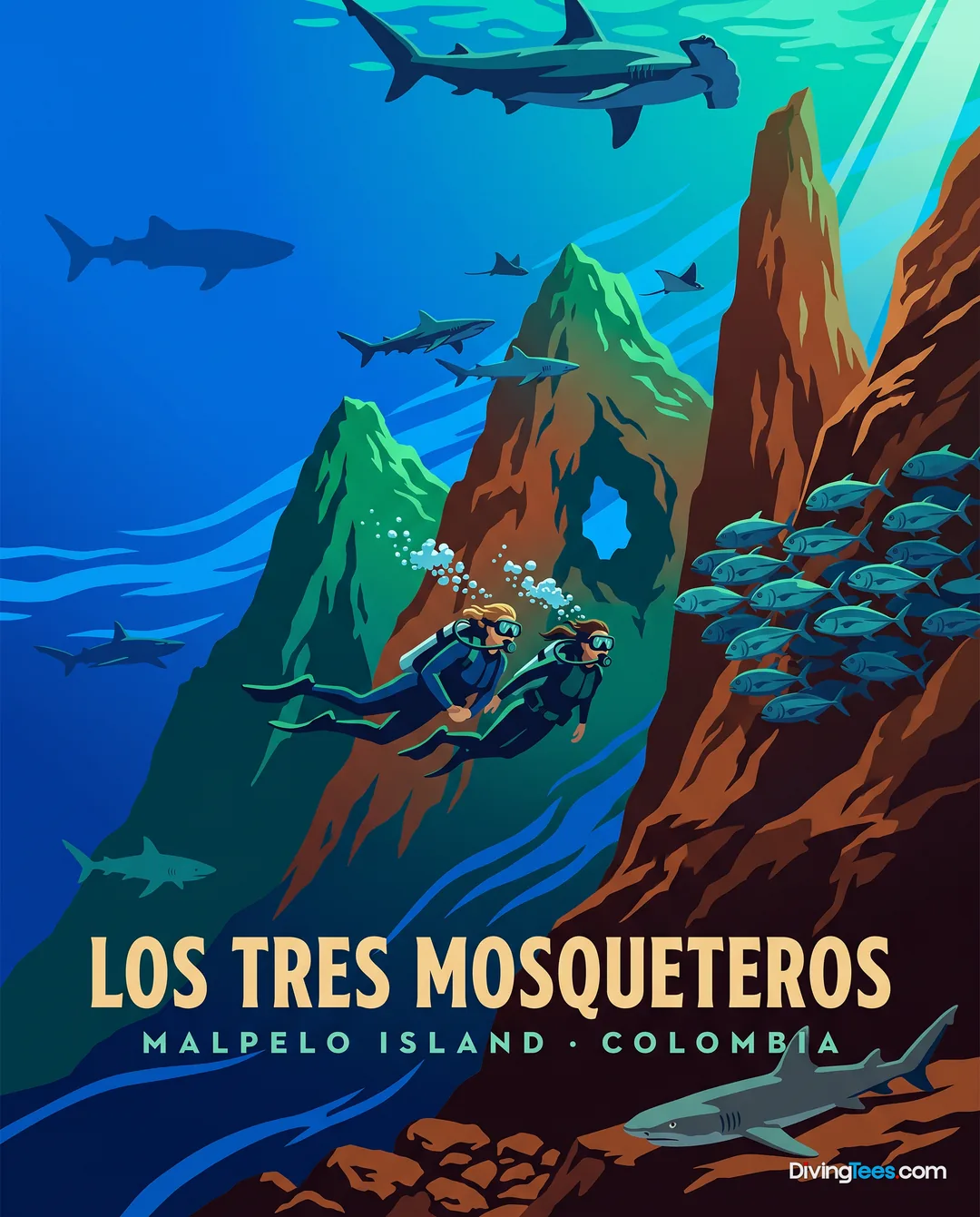
Aquamarina on Malpelo Island offers a volcanic pinnacle dive defined by strong currents and consistent encounters with large pelagic species, particularly hammerheads and silky sharks.
What makes this site special
- Volcanic pinnacle structure between 25-35 meters
- Consistent strong currents
- Frequent hammerhead shark encounters
- Dense aggregations of silky sharks
- Abundant schools of bluefin trevally and amberjack
- Opportunity to spot Galapagos and whitetip reef sharks
- Seasonal whale shark presence (June-November)
- Rocky base with varied fish life
Aquamarina about the site
Aquamarina, sometimes referred to as El Acquario or Aquarium, is a volcanic pinnacle situated on the southwest side of Malpelo Island. The dive profile here centers around a steep, hard-bottom structure, dropping from around 25 meters down to 35 meters. It's not a flat reef but a prominent rocky feature, and as you descend, you'll see how the topography funnels the current and marine life.
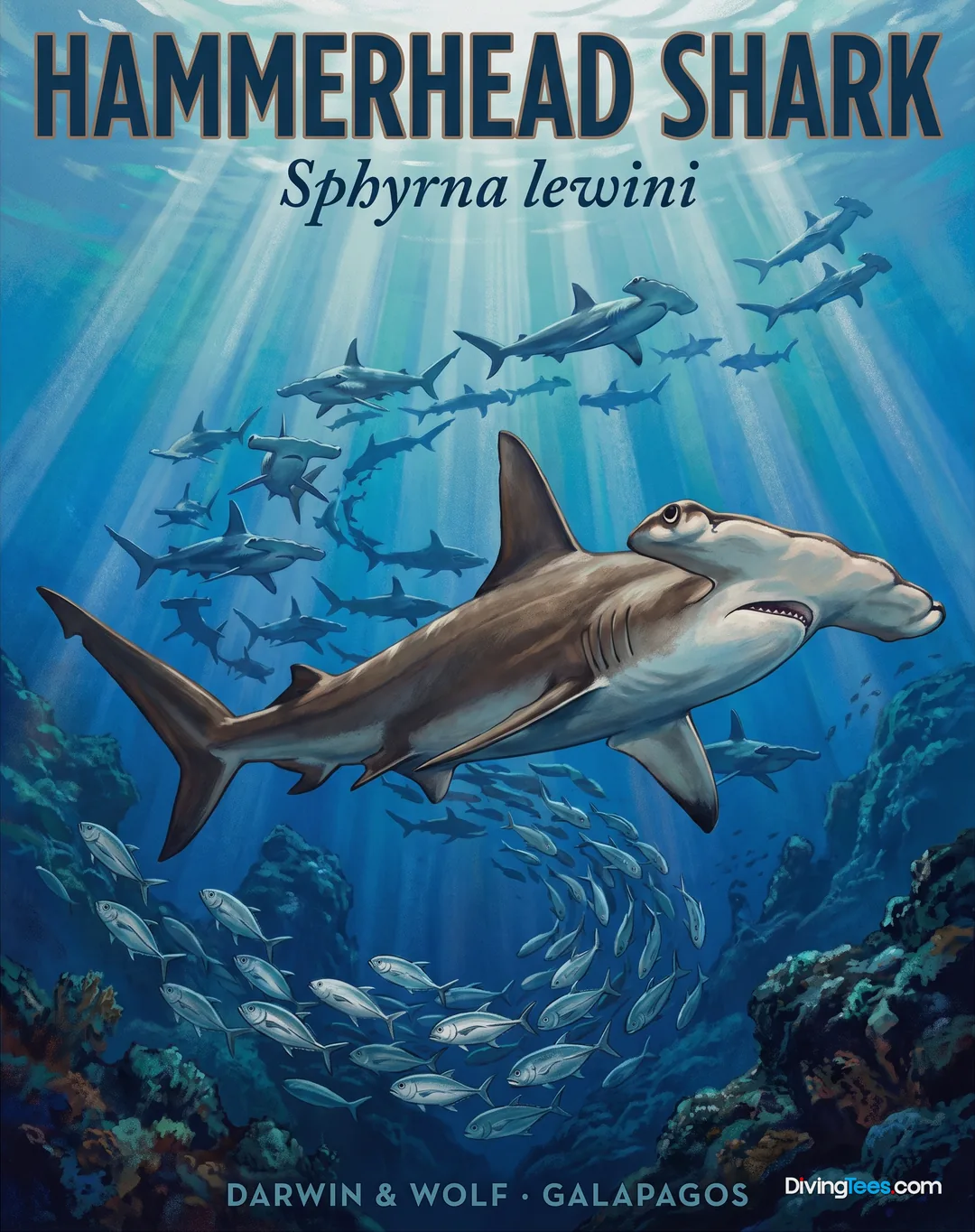
The primary draw at Aquamarina is the concentration of pelagic species. Hammerhead sharks (Sphyrna lewini) are a consistent presence, often encountered in groups, along with silky sharks (Carcharhinus falciformis). You'll also find whitetip reef sharks (Triaenodon obesus) and Galapagos sharks (Carcharhinus galapagensis), navigating the currents that sweep around the pinnacle. These interactions are a defining characteristic of this site.
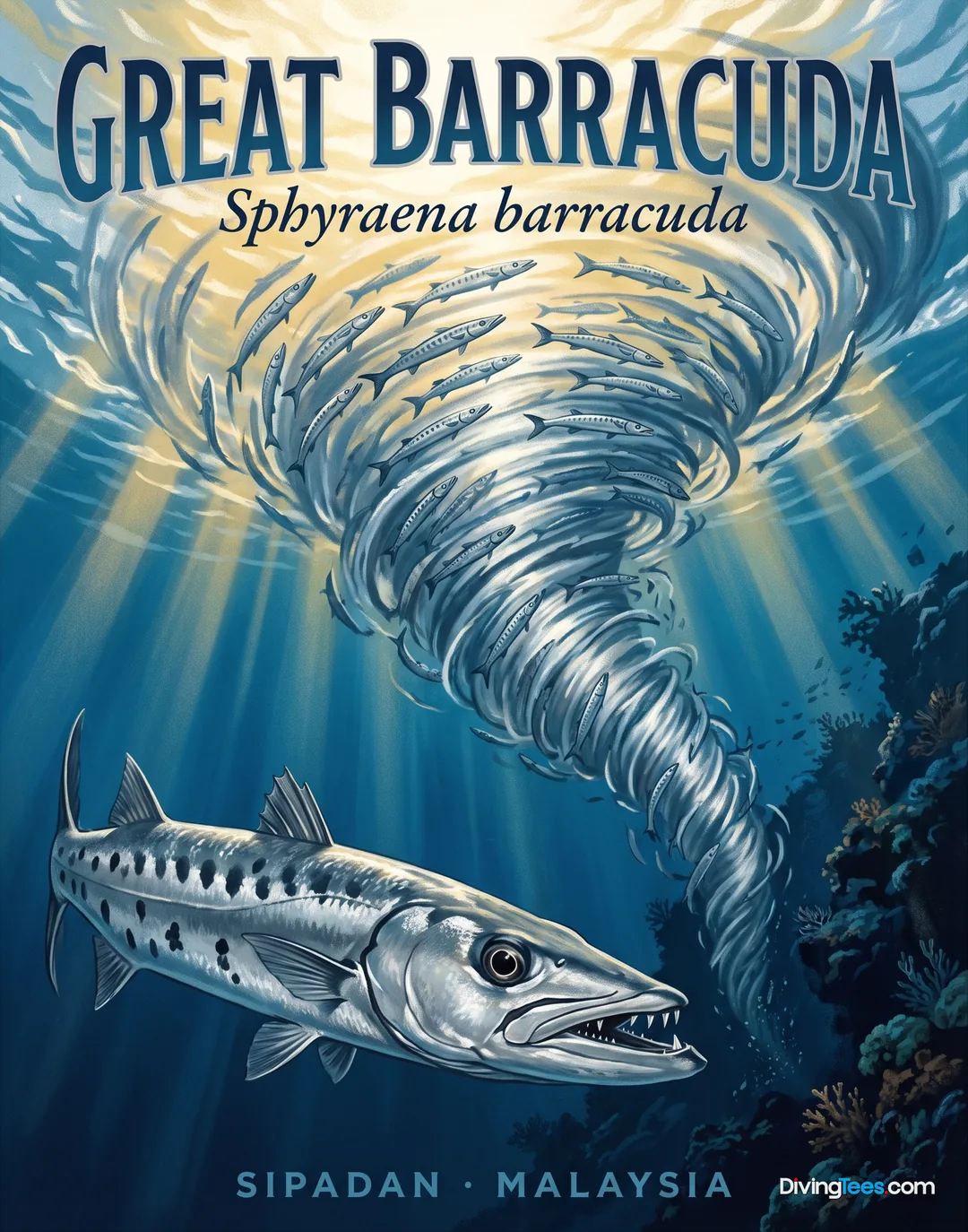
Descending onto the pinnacle, you'll notice how the structure itself provides refuge and hunting grounds. Moray eels (Muraenidae family) inhabit the crevices, while schools of bluefin trevally (Caranx melampygus), amberjack (Seriola dumerili), snapper (Lutjanidae family), and barracuda (Sphyraena barracuda) aggregate around the rocky base and extend into the blue water. The sheer volume of fish life here is directly linked to the site's exposure to oceanic currents.
Currents at Aquamarina are consistently strong, a condition that defines the dive experience. These thermoclines created by the current often act as corridors for shark movement, making the pelagic encounters more predictable. Navigating these currents requires experience, as conditions can be further influenced by Malpelo’s seasonal winds, upwelling, and plankton blooms, which can also impact visibility.
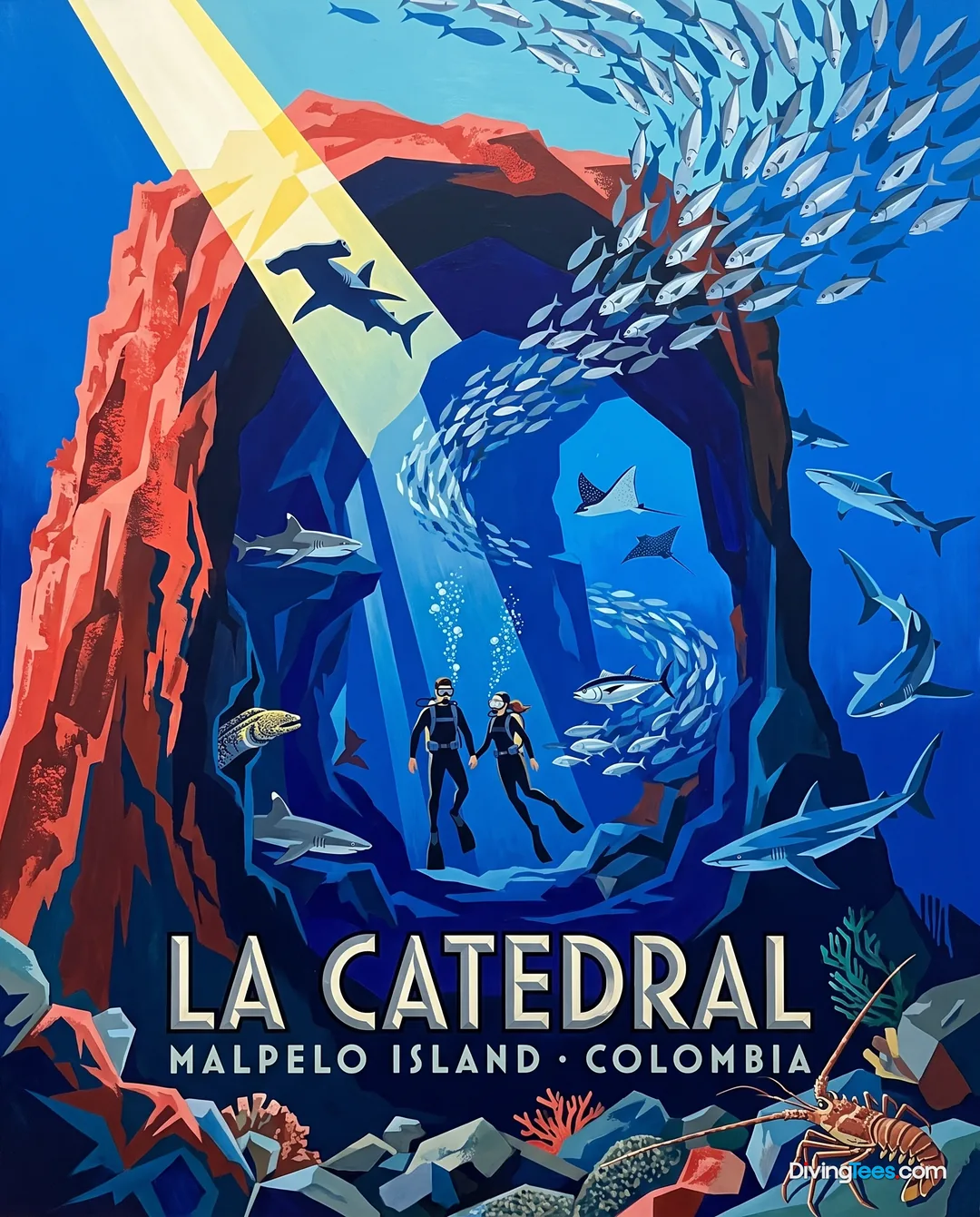
While Malpelo is known for pelagic encounters across several sites, Aquamarina is specifically noted for its strong-current pinnacle profile and the consistent density of large fish aggregations. It offers a different experience than the more sheltered cleaning stations, demanding more from the diver but rewarding with intense interactions in the open water. There are also reports of a cavern entrance at the site, adding another element to the exploration.
Visibility at Aquamarina can range from 10 to 30 meters. It often varies with the same conditions that affect currents: plankton blooms, while attracting more large feeders, can temporarily reduce visibility. Planning your dive here involves understanding these dynamics to best appreciate the site's unique blend of topography and dense marine life.
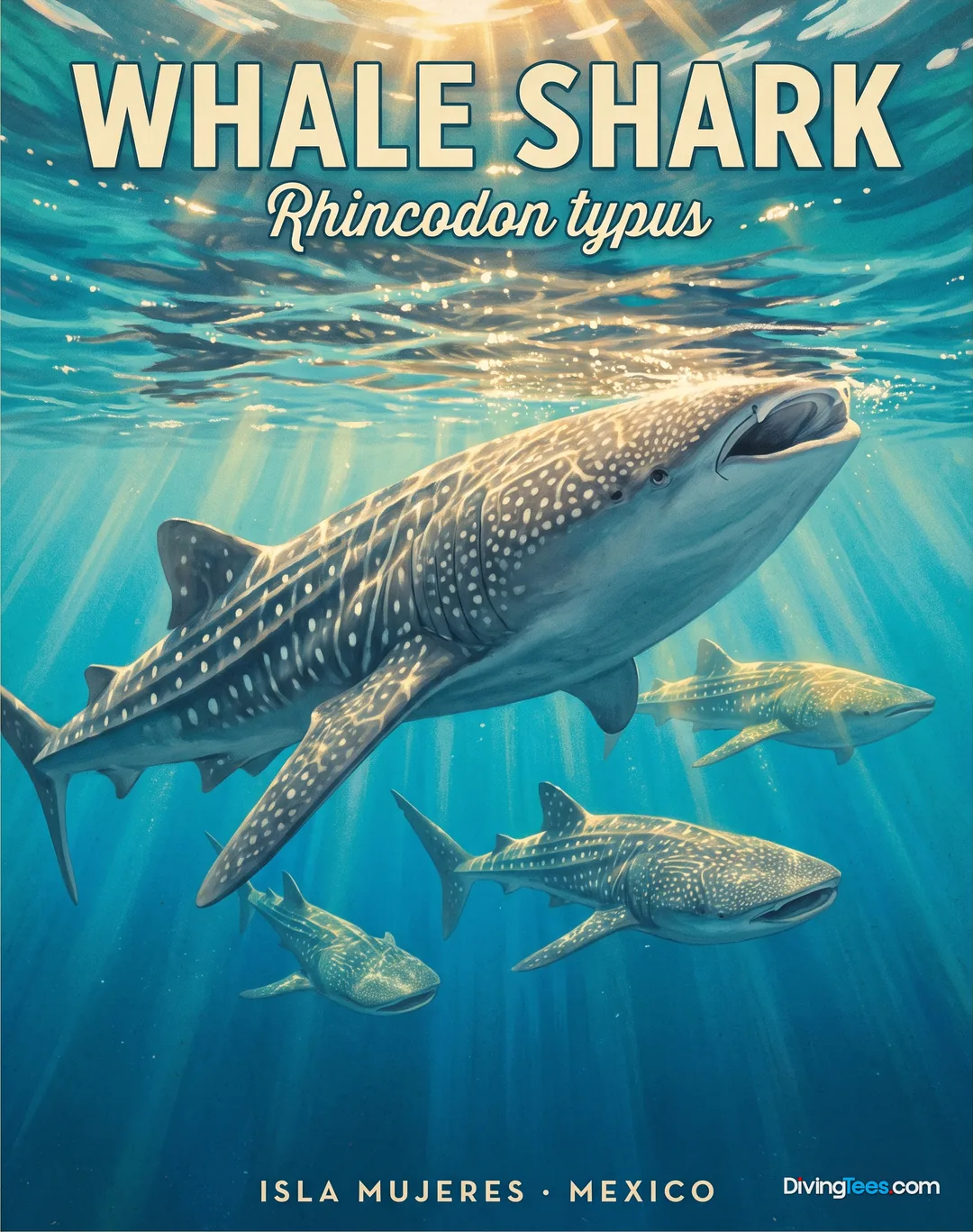
For whale shark (Rhincodon typus) encounters, the period between June and November, with a peak from July to September, typically offers the best chances. Otherwise, December to April is generally reported as the clearest period for diving, potentially offering better overall visibility for general pelagic viewing.
Diving Aquamarina: the marine life you’ll meet

Diving conditions
Aquamarina is an advanced dive, suitable for divers with strong current experience, requiring a minimum certification of Advanced Open Water and preferably at least 50 logged dives in similar conditions. The dive profile extends from a minimum depth of 25 meters down to a maximum of 35 meters. Currents are consistently strong here, a key characteristic of the site that funnels pelagic life. Visibility typically ranges from 10 to 30 meters, influenced by seasonal conditions like plankton blooms. The clearest diving conditions are generally found between December and April, while whale shark encounters are more frequent from June to November.