
Medusa Divers Dive Center
★ 5/5 (605 reviews)
4.5 km away as the crow flies
Perhentian Islands · Malaysia · Asia
Max. depth · 18 mDescend to 18 metres onto three intentionally sunk fishing vessels at San Choi, now teeming with fish schools and resident reef life.
For subtitles in English: start the video firstthen click the gearat the top right of the video, select “Subtitles/CC”, then “Auto-translate” and choose “English”.
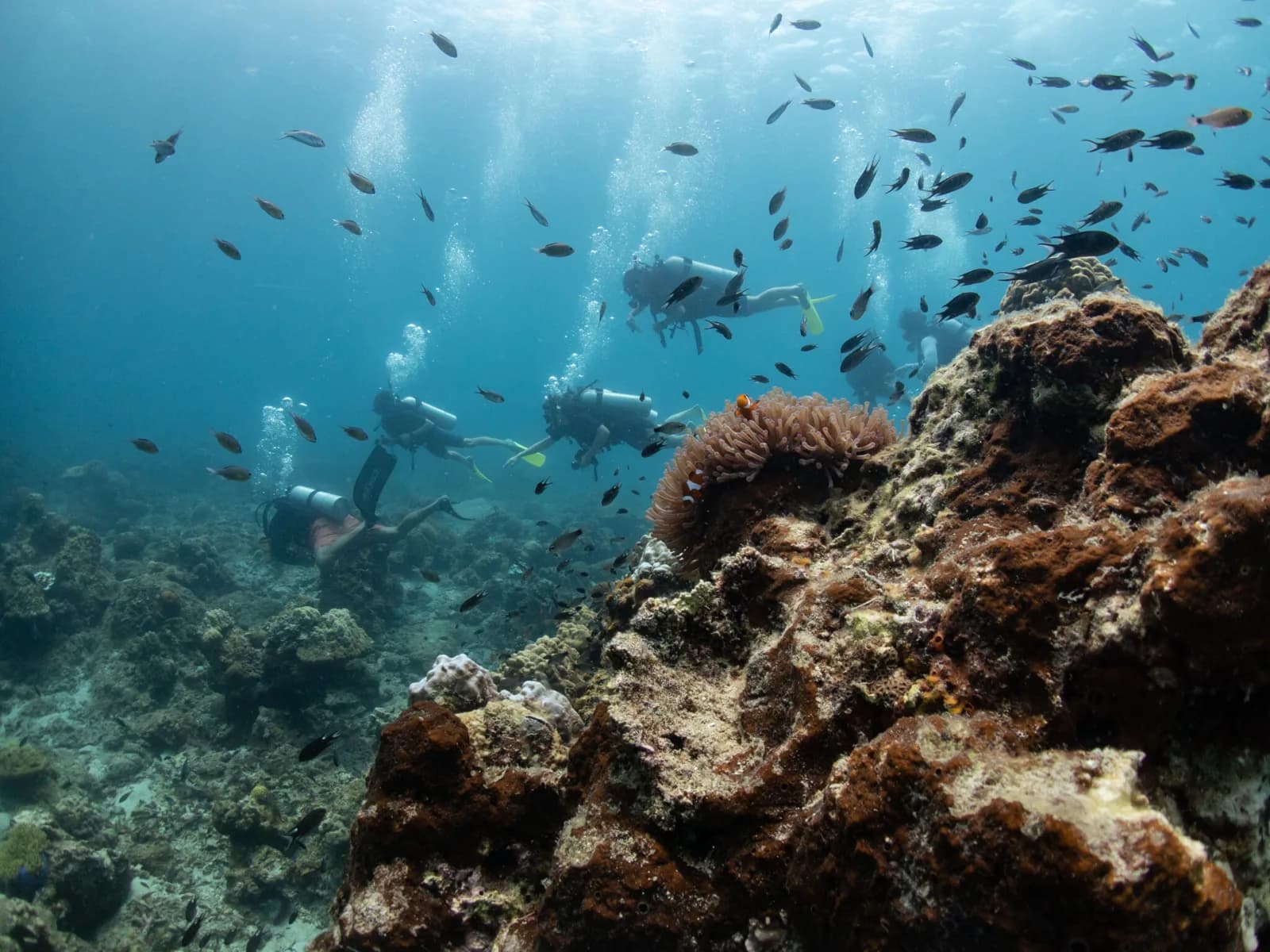
The San Choi site is home to three fishing vessels, purposefully sunk in 2018 to create an artificial reef. Sitting on a sandy bottom at a maximum depth of 18 metres, these wrecks are close enough to explore together on a single dive. The name 'San Choi' itself means 'three boats' in Chinese, a simple descriptor for a site that quickly delivered on its promise of becoming a thriving marine habitat in the Perhentian Islands. You will find yourself navigating the structures as though through a maze, each section now host to diverse ecosystems.
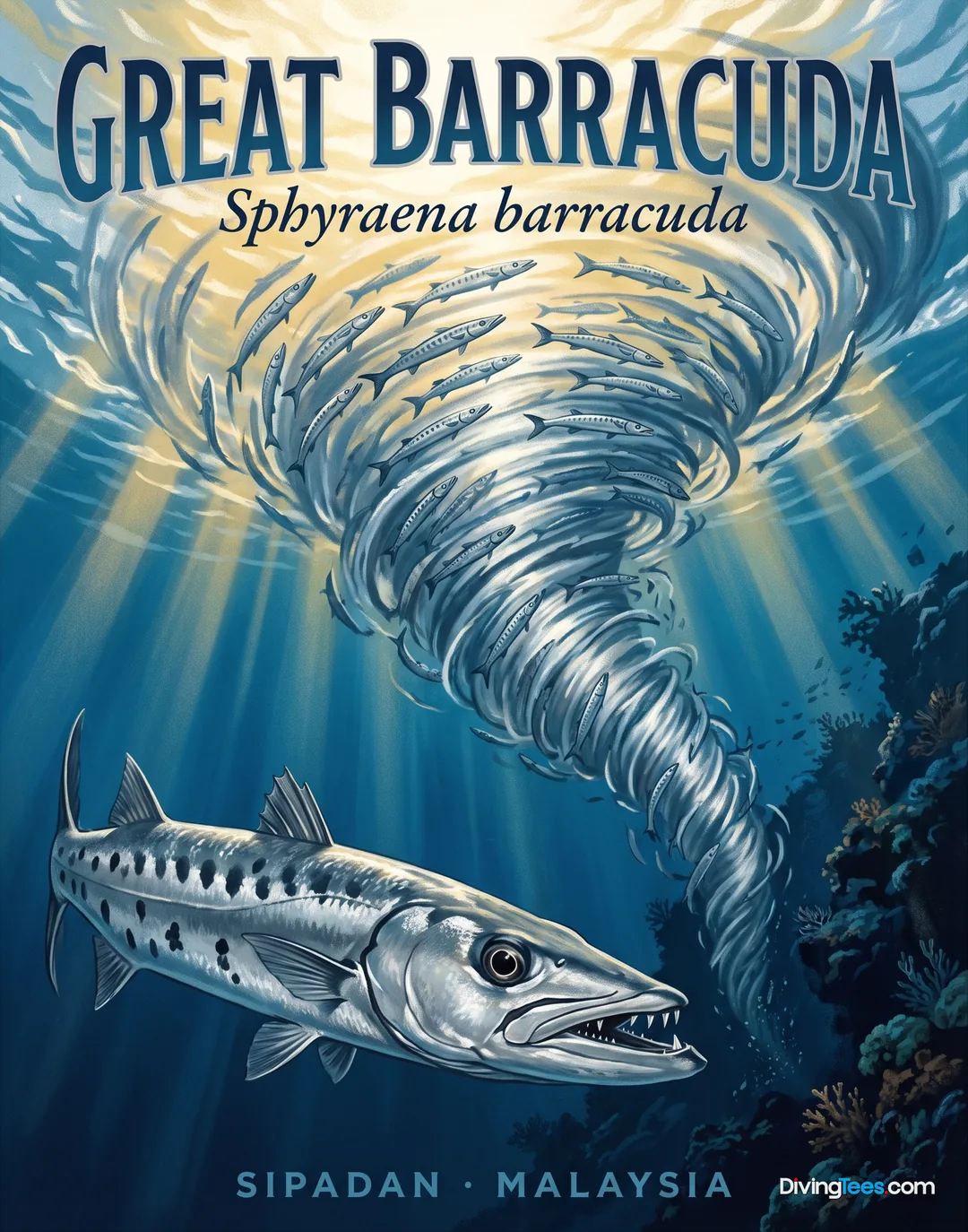
Upon descent, the wrecks immediately present themselves as a dark outline against the blue, quickly resolving into structures encrusted with coral and sponges. The main attraction here, beyond the wrecks themselves, is the sheer volume of fish aggregating around them. It is common to find schools so dense, particularly barracudas, snappers, and ponyfish, that they temporarily obscure the wrecks from view. You will experience this phenomenon as a living curtain, parting and enveloping you as you move through the site.
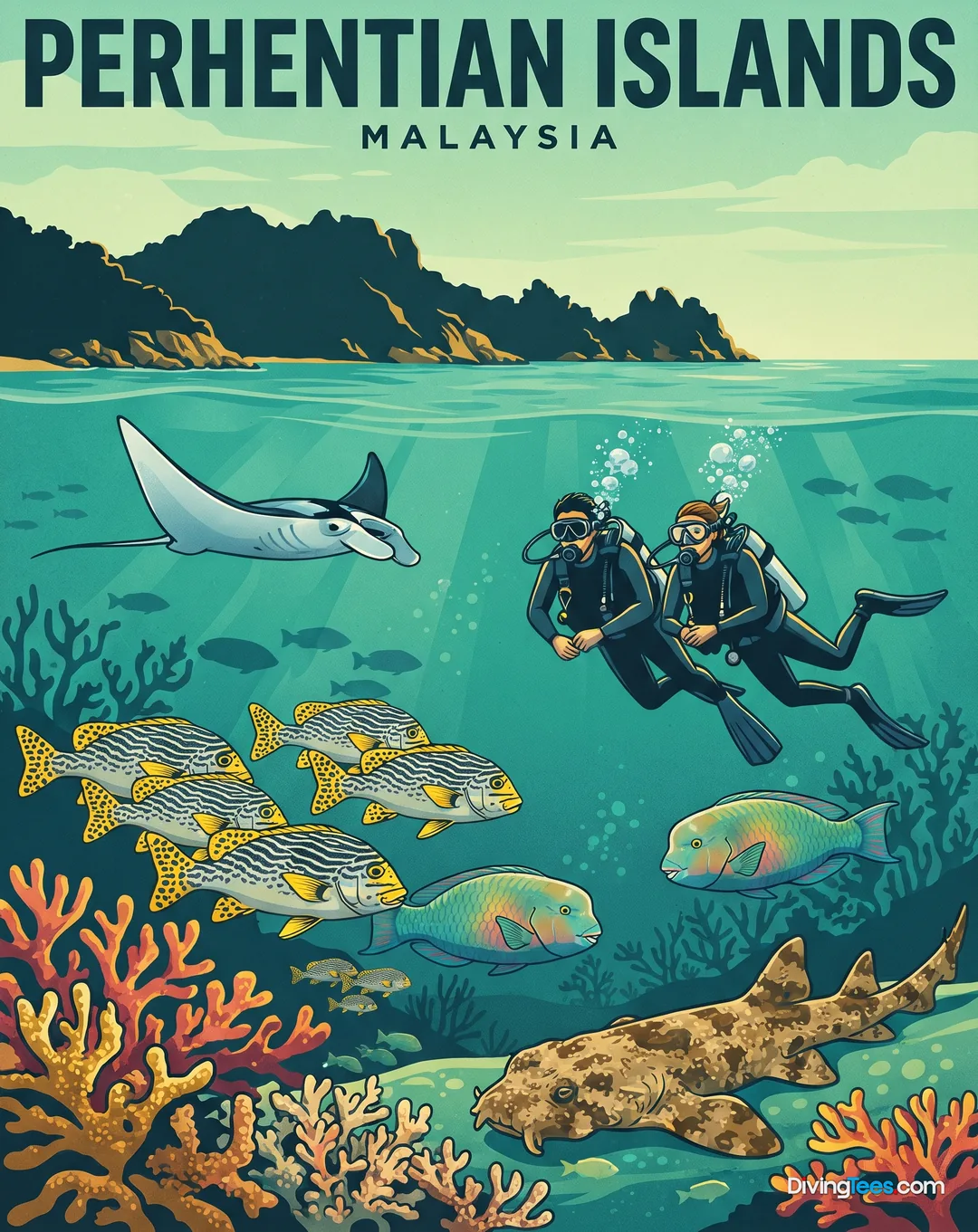
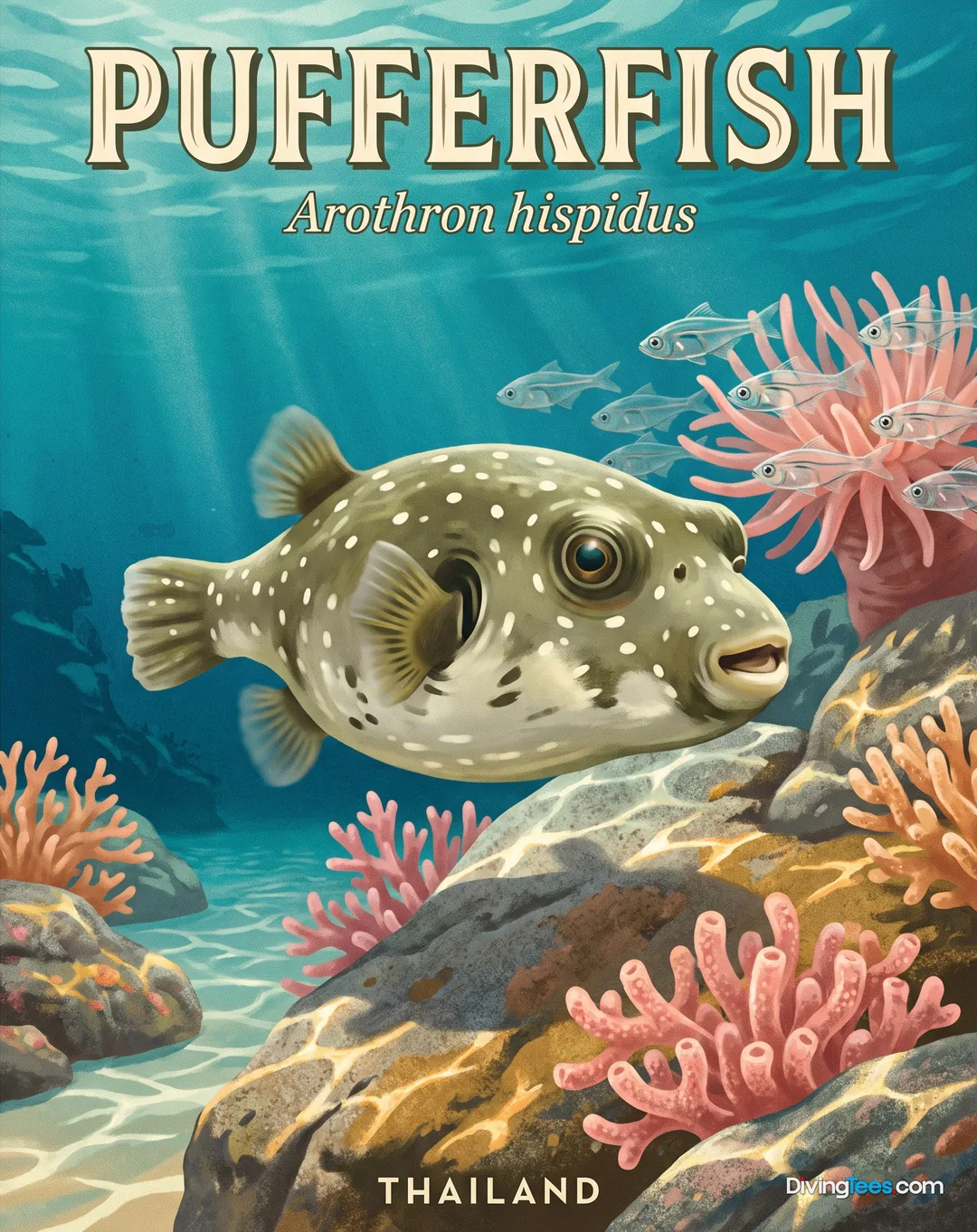
Exploring the San Choi Wreck means encountering numerous residential species that have made these vessels their home. Keep an eye out for bamboo sharks, often resting on the sandy bottom or tucked within the wreckage. Jenkins' whiprays and blue-spotted fantail rays are also frequently observed, gliding over the sand or near the hull. Inside and around the structures, you'll spot diverse macro life including cuttlefish, squid, pufferfish, and porcupinefish, which find refuge and hunting grounds within the metal. Watch the nooks for crabs and shrimp, while moray eels often peer from shadowed openings.
The wreck structures themselves offer numerous entry points and swim-throughs for those with appropriate training and comfort levels. These passages, now adorned with coral growth, provide intriguing routes for exploration, allowing you to move through different sections of the former fishing boats. Even if you choose to stay exterior, the outlines of the vessels are distinct, providing ample surface area for observing the encrusting life and hovering fish. Each turn around the wreckage can reveal new life, from juvenile reef fish seeking shelter to larger predators patrolling the perimeter.
Beyond the schools and residents, the San Choi Wreck offers opportunities to observe a variety of other reef fish. Snappers and fusiliers are constantly present, creating a dynamic backdrop to the wreck. Scorpionfish, with their camouflage, blend seamlessly into the corals and sponges, requiring a keen eye to spot. You might also encounter boxfish, identifiable by their distinct, rigid bodies, moving slowly across the reef. The site's character is defined by this rapid colonization of artificial structures, transforming inert metal into a complex, living environment in just a few years.
While the San Choi Wreck caters to all diver skill levels, the experience of navigating through the dense fish schools and exploring the varied architecture of the three boats rewards attentive diving. You will notice the intricate details of coral growth on the metal, some already forming substantial colonies. This continuous transformation makes every dive a unique experience, as the ecosystem adapts and grows. The density of marine life ensures there is always something to observe, whether it's a large school or a small, camouflaged creature.
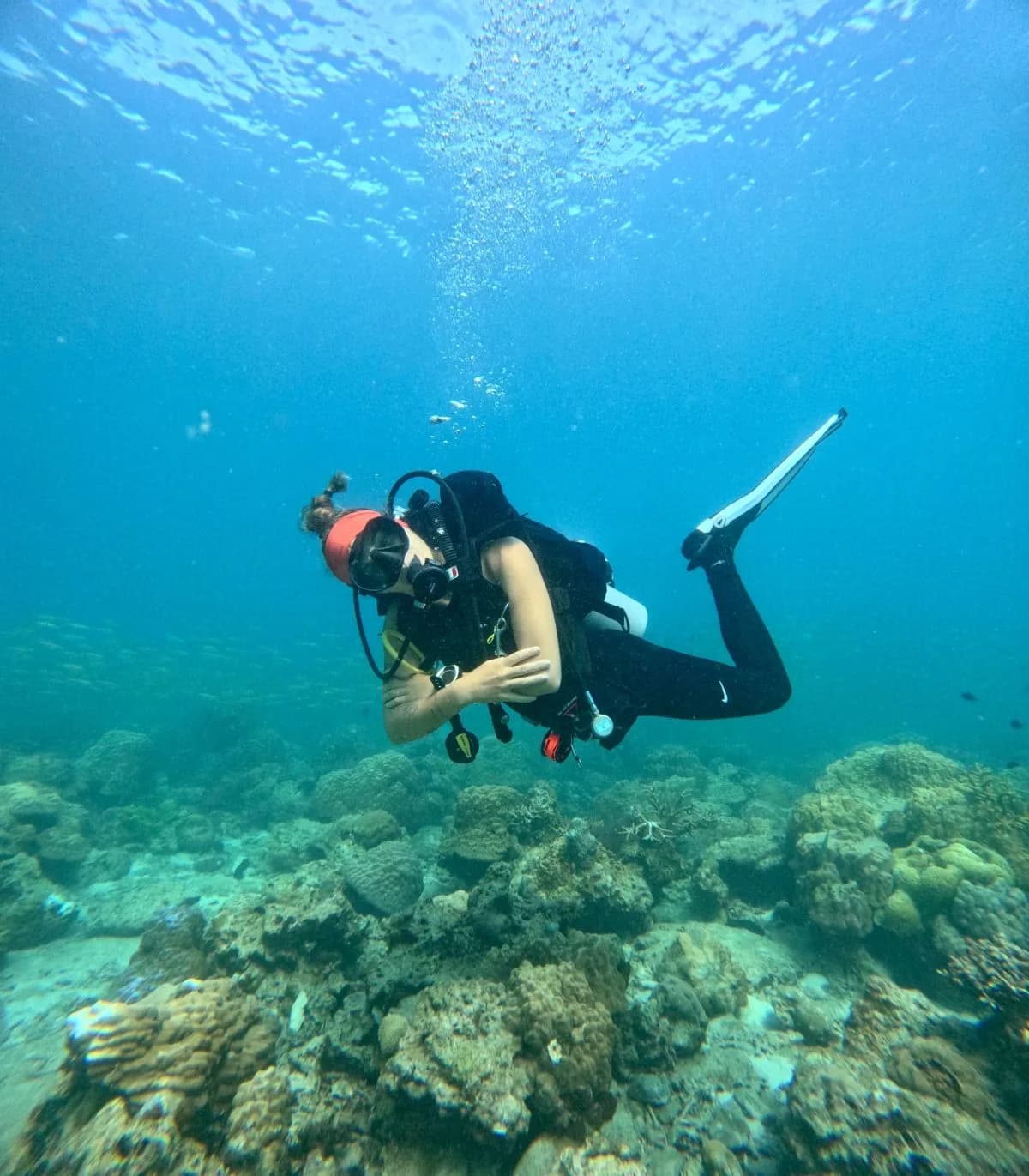
The San Choi Wreck is accessible for all diver levels, offering a welcoming dive profile with a maximum depth of 18 metres. You can expect good to excellent visibility, typically ranging between 10 to 30 metres, depending on the season and local conditions. While currents can vary in the Perhentian Islands, this site generally experiences mild to moderate conditions, making it comfortable for exploration. The best time to dive here aligns with the dry season, from March to October, with peak conditions usually found between June and August when the water is calm and warm, averaging 28 to 30°C.