Azores · Atlantic
Diving Graciosa: volcanic walls, arches and Atlantic wrecks
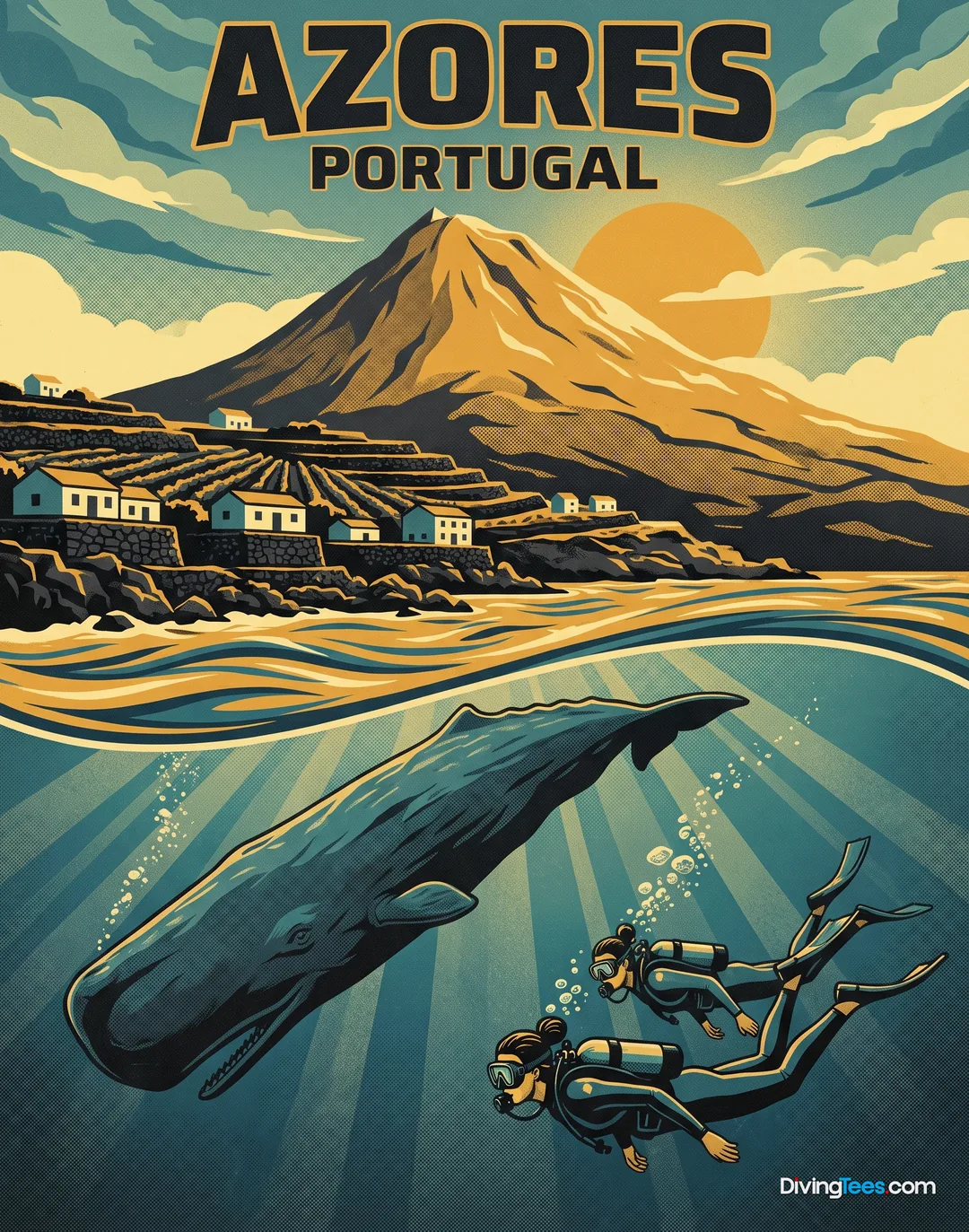
Black volcanic walls, sea caves and the 40-metre Terceirense wreck make Graciosa a quiet base for temperate Atlantic diving.
What makes this destination special
- The Terceirense wreck resting at 21 metres
- Black volcanic walls, arches and underwater cavities
- Shore and boat diving shaped by Atlantic conditions
- Summer schools of Atlantic pelagic fish
- Occasional summer encounters with blue sharks
- Occasional summer visits from manta rays
- A quiet island base within Parque Natural da Ilha Graciosa
For subtitles in English: start the video firstthen click the gearat the top right of the video, select “Subtitles/CC”, then “Auto-translate” and choose “English”.
Overview
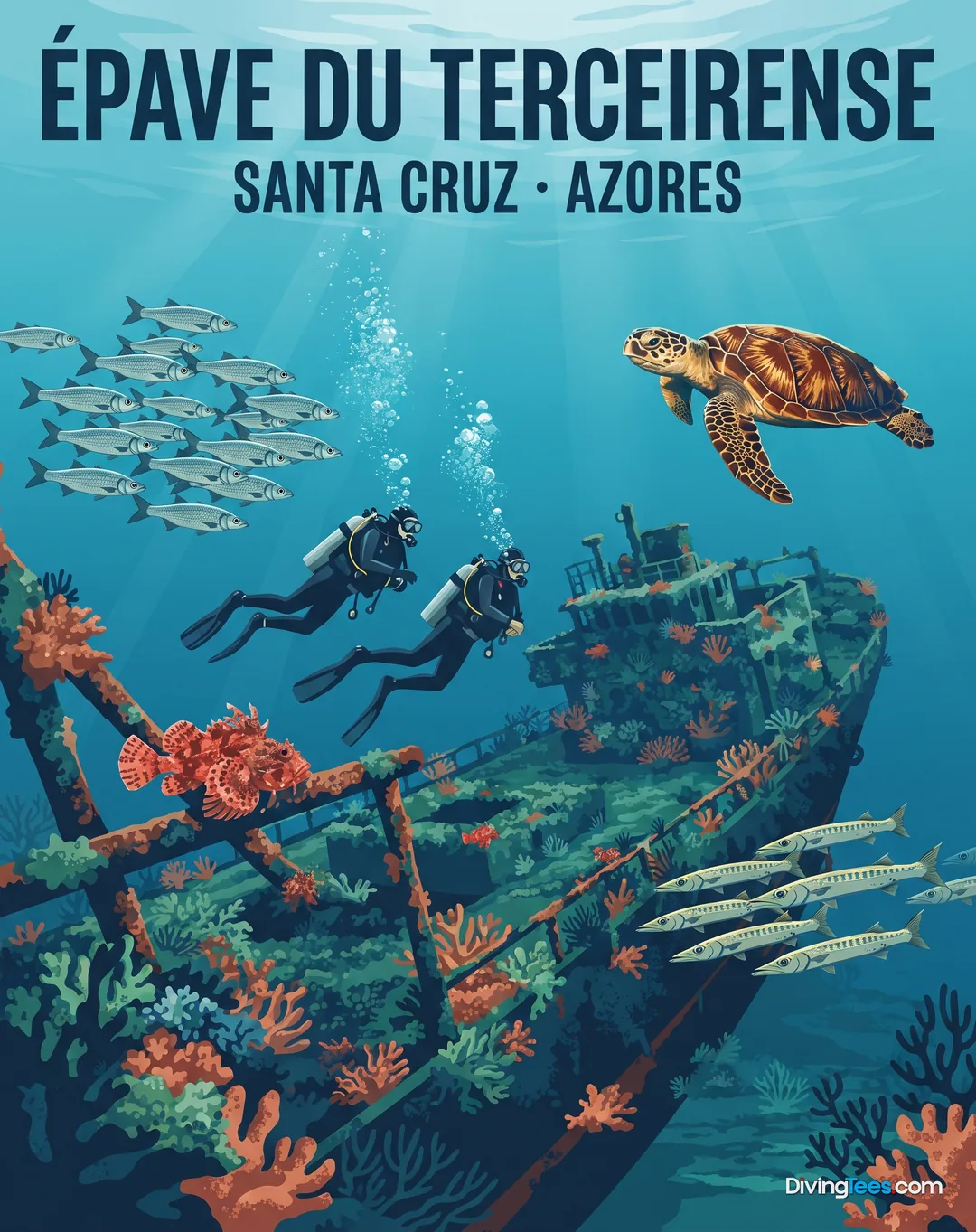
The Terceirense cargo ship lies off Santa Cruz, its 40-metre hull resting at 21 metres and offering a straightforward wreck dive in clear Azorean water. Around it, Graciosa delivers the darker scenery of a volcanic island: black rock, arches and cavities, explored from the shore or by local boat. This is a land-based diving holiday rather than a resort or liveaboard operation, suited to divers who prefer a small island, modest infrastructure and time allowed for the Atlantic to set the pace.
Diving here
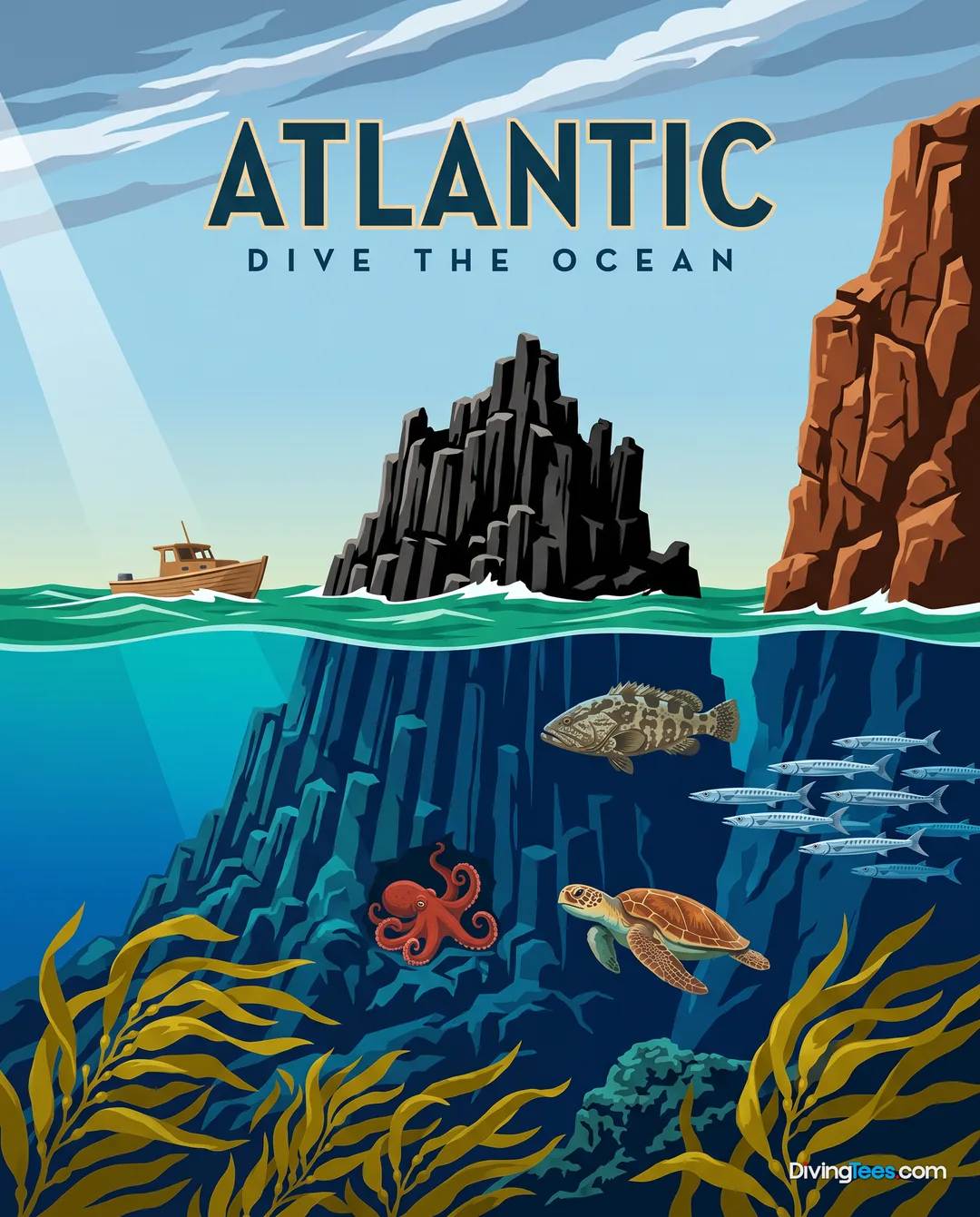
Graciosa's underwater character comes from volcanic relief rather than coral colour: dark rock faces, arches and cavities create the structure, while boat and shore dives provide different ways into it. The Terceirense is a useful example of the scale involved, with the wreck resting at 21 metres and enough structure to explore without committing to a deep technical profile. Currents are variable and more frequent around exposed island edges, although the wreck's coastal position can make them more moderate. Visibility around the Azores is commonly described in the 10-to-30-metre range, but it belongs to the day and the site. Advanced training is helpful when depth, current and repeated boat profiles combine; Nitrox can also make sense for a full programme of local dives.
One dive not to miss
The underwater wildlife
The attraction is Atlantic life rather than a guaranteed single-species encounter. In summer, regular schools of pelagic Atlantic fish can add movement above the black volcanic ground, while manta rays and blue sharks are occasional visitors rather than dependable fixtures. That distinction matters: Graciosa rewards attention to the water column, but it should not be booked as a dedicated shark or manta trip. The Terceirense also gives smaller marine life somewhere to occupy the wreck's surfaces and structure, while arches and cavities change the way light falls across the rock. June to September is the most sensible period for these seasonal possibilities, with the best chances coming when weather allows the planned boat programme to run.
When to go
June to September is the practical window, with October still potentially workable for the Terceirense and local diving. Summer generally brings the steadier conditions available in the northern Atlantic around the Azores, making boat launches and exposed volcanic sites easier to plan. It is also when pelagic Atlantic fish are regularly encountered, with occasional manta rays and blue sharks adding interest without becoming a promise. November through February is a poor choice for a short, tightly scheduled trip: more formed seas and greater variability can remove dives from the programme. The busiest period is summer, but pressure remains moderate, and outside that window the island becomes noticeably quieter.
Level required
Graciosa is suitable for all levels, provided a diver is comfortable with changing Atlantic conditions and can maintain position over volcanic ground. Beginners should expect the day’s plan to depend on sea state rather than personal preference. Advanced certification is useful for deeper profiles and repeated boat dives, while Nitrox may be worthwhile for an intensive schedule. BSAC, PADI and SSI divers should find the relevant experience requirements familiar, but recent practice in current and boat procedures is more valuable than collecting another speciality.
On the ground
From London or Manchester, Graciosa is reached through the Azores network rather than as a large international gateway. The final approach is either an inter-island flight to the island’s airfield or a ferry from another Azorean island. That makes the inter-island timetable the part of the journey to plan carefully: connections need breathing space, and a missed link can affect the whole start of the holiday. Once on Graciosa, distances are short. Depending on the accommodation, reaching the dive base may be possible on foot, or may require a short local transfer or taxi. There is no need to build the trip around long road journeys; the effort lies in arriving on the island.
Local tips
Allow four to seven days rather than trying to fit Graciosa into a brief island hop. A single spell of rougher Atlantic sea can remove a useful part of a short diving window, so keeping a non-diving day in reserve is practical. Leave room for the plan to switch between boat and shore diving; that flexibility is more valuable here than fixing every dive before arrival. Check which format is operating during the intended period, since the character of the holiday changes with the balance of shore and boat work. Bring essential personal equipment if fit and comfort matter, as a small island base may have fewer sizes and models than a continental operation. Most importantly, do not arrive expecting a tropical reef or a big safari itinerary: Graciosa makes sense as volcanic Atlantic diving, paced around weather, short local journeys and the Terceirense’s 21-metre wreck.
Planning your stay
A four-to-seven-day land-based stay gives the island time to absorb a weather interruption without turning the trip into a race. Diving can alternate between shore sites and local boat outings, with the programme adjusted to wind and sea conditions. Non-divers are best suited to Graciosa’s slower rhythm: coastal walks, volcanic scenery, villages and quiet viewpoints rather than a packed activity schedule. The island works well for a couple or small group who are happy to leave space in the day.
Hello, I'm Marina, DivingDeal.com's AI assistant. I guide you through destinations, areas and countries.

Thinking about the whole trip and the flights? Talk it over with Edith →
Marina is an AI. Some links are affiliate links: DivingDeal may earn a commission, at no extra cost to you. Bookings are made with the partner.