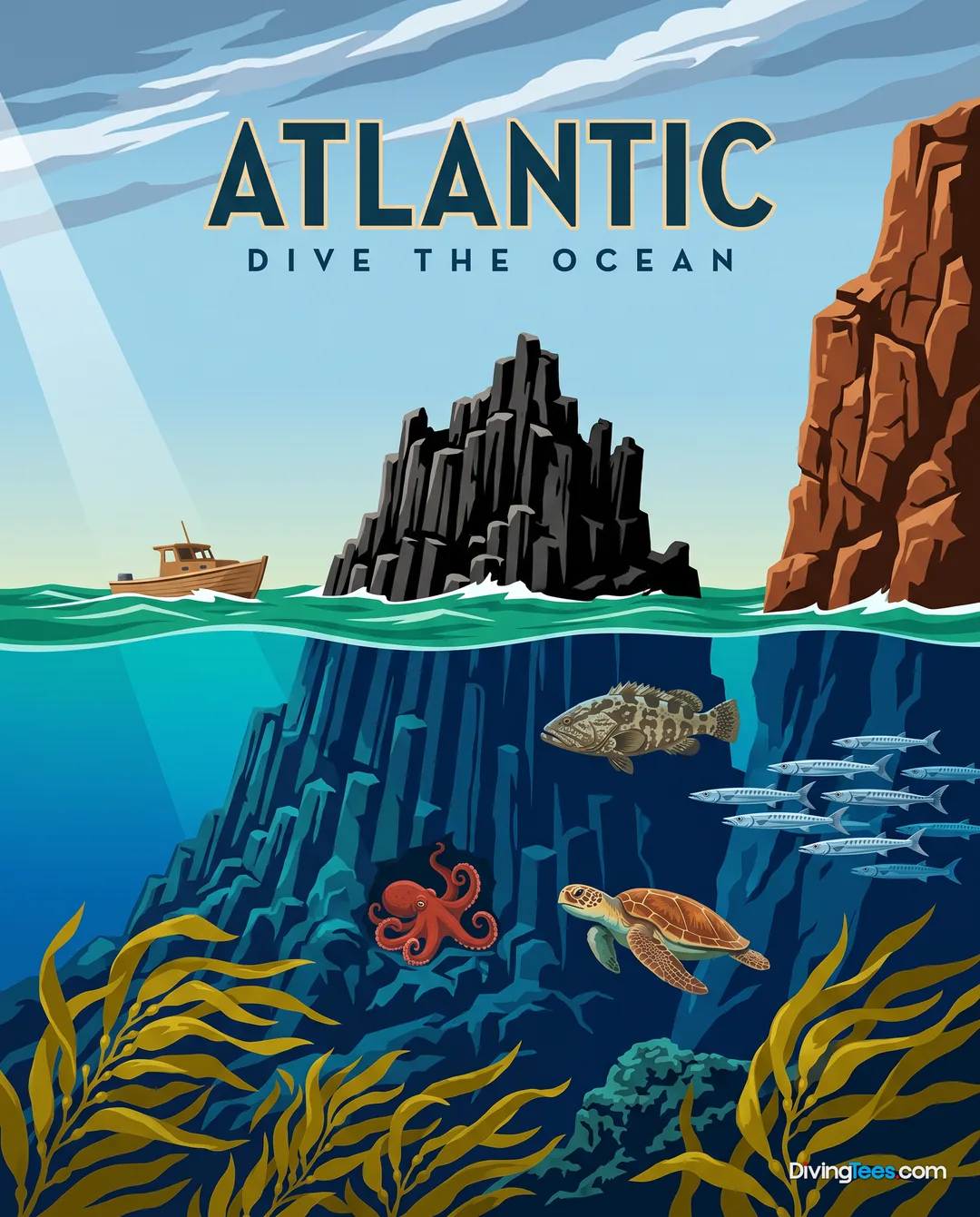
Atlantic
Azores: volcanic islands and Atlantic seamounts
The Azores pair Horta’s ocean-going harbour with Furnas’s volcanic cooking, while Faial, Pico and Santa Maria give a holiday its distinct island shape.
What makes this country unique
- Faial and Pico linked across the central Atlantic
- May to September for every active diving area
- Manta rays around Santa Maria and Sao Miguel
- Alcatra served across Terceira’s Angra do Heroísmo
- Horta Marina and Peter Café Sport ashore
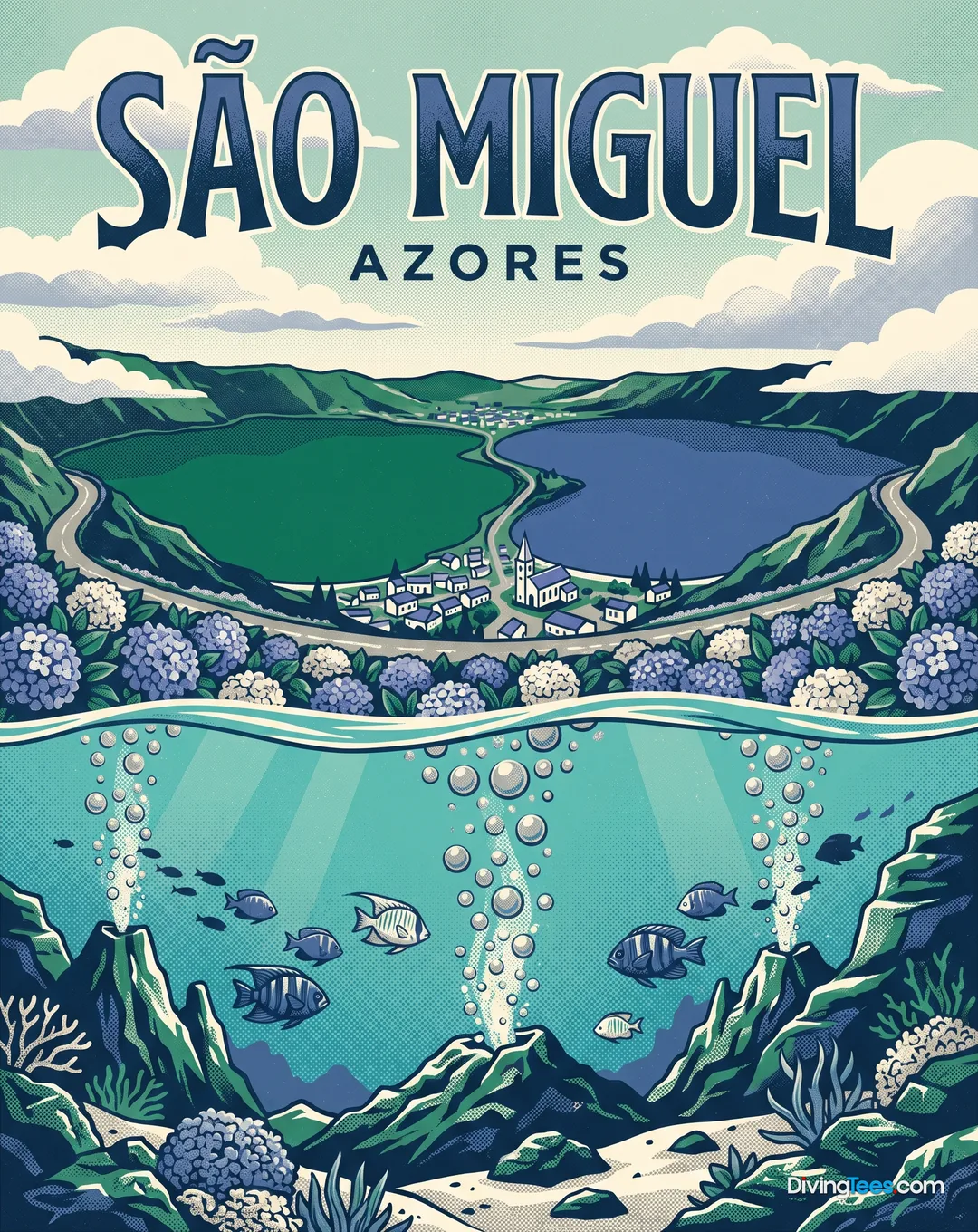
- Furnas geothermal cooking on São Miguel
- Princess Alice bank for experienced Faial itineraries
For subtitles in English: start the video firstthen click the gearat the top right of the video, select “Subtitles/CC”, then “Auto-translate” and choose “English”.
This country for a diver
For a diver, the Azores are an Atlantic island journey rather than a single resort. Set apart from mainland Portugal by volcanic landscapes and oceanic seamounts, the archipelago combines sheltered coastal sites with boat trips into open water. Conditions and site choice vary sharply between islands, yet barracuda, moray eels and nudibranchs are found across the country. Currents remain variable, so a sensible itinerary leaves room for the local skipper to choose the workable side of an island rather than treating a map as a promise.
How the country divides
The country divides naturally into two practical groupings. Faial, Pico and Terceira form the broad central choice: they suit divers who want several island identities within one trip, with Faial better matched to experienced divers and Pico particularly dependent on boat diving. Santa Maria and Sao Miguel make the southern pairing, attractive to divers interested in larger pelagic encounters and to mixed-level groups. Their shared season makes the choice less about calendar than about travel style, exposure and the wildlife you want to build a holiday around. On Pico, Banc Princesa Alice belongs to the island’s own diving offer; it should not be confused with the similarly named Faial site.
Diving destinations
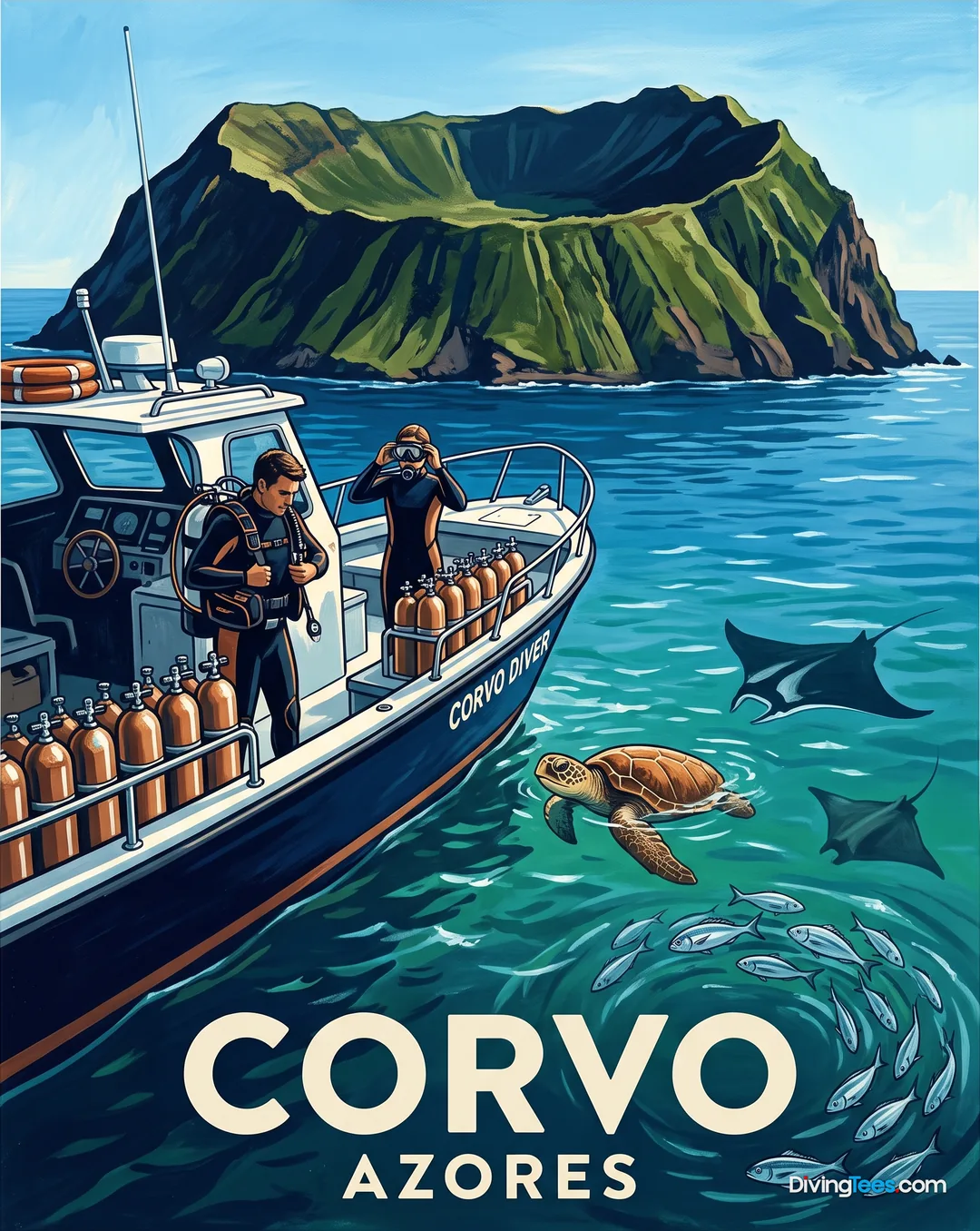
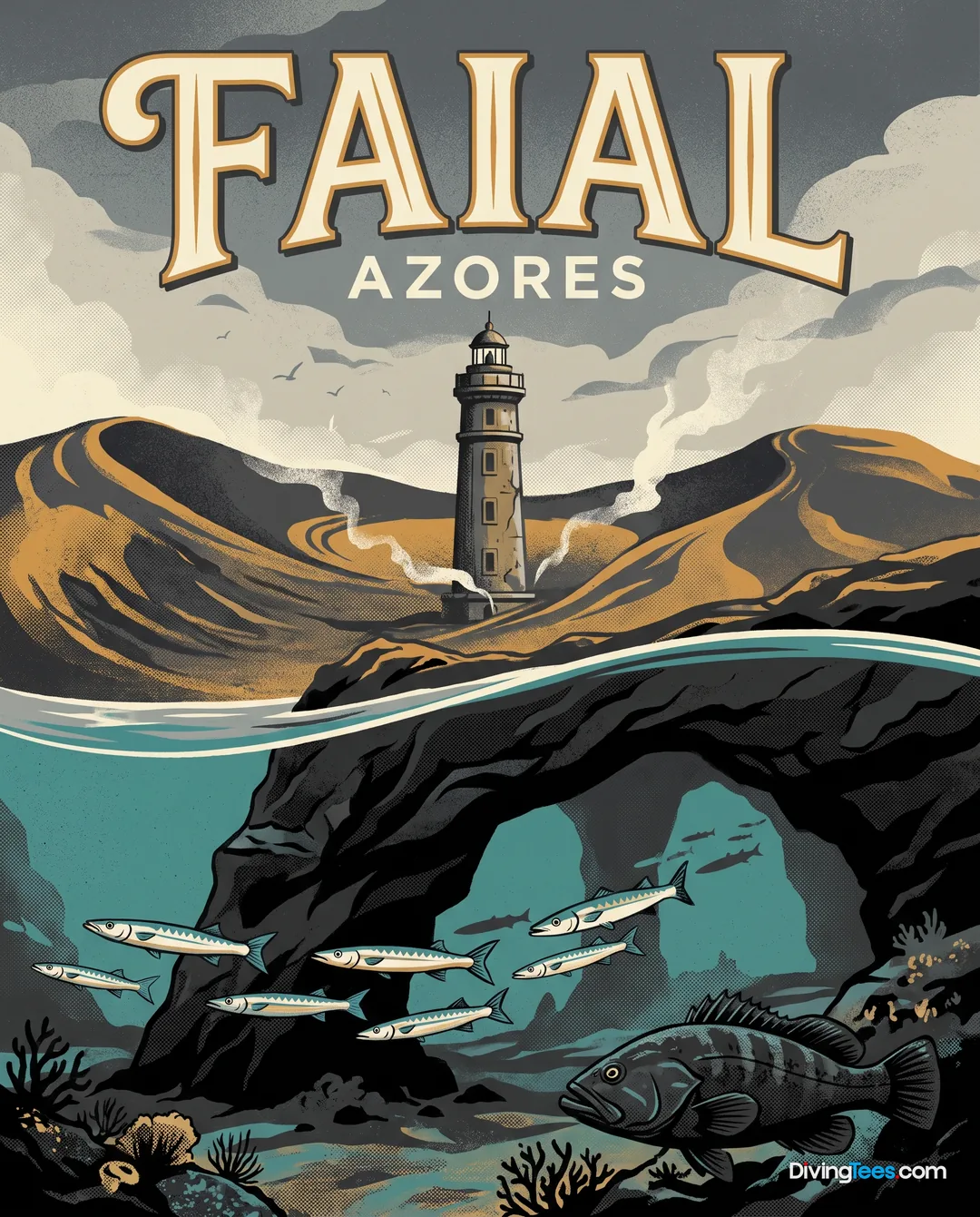
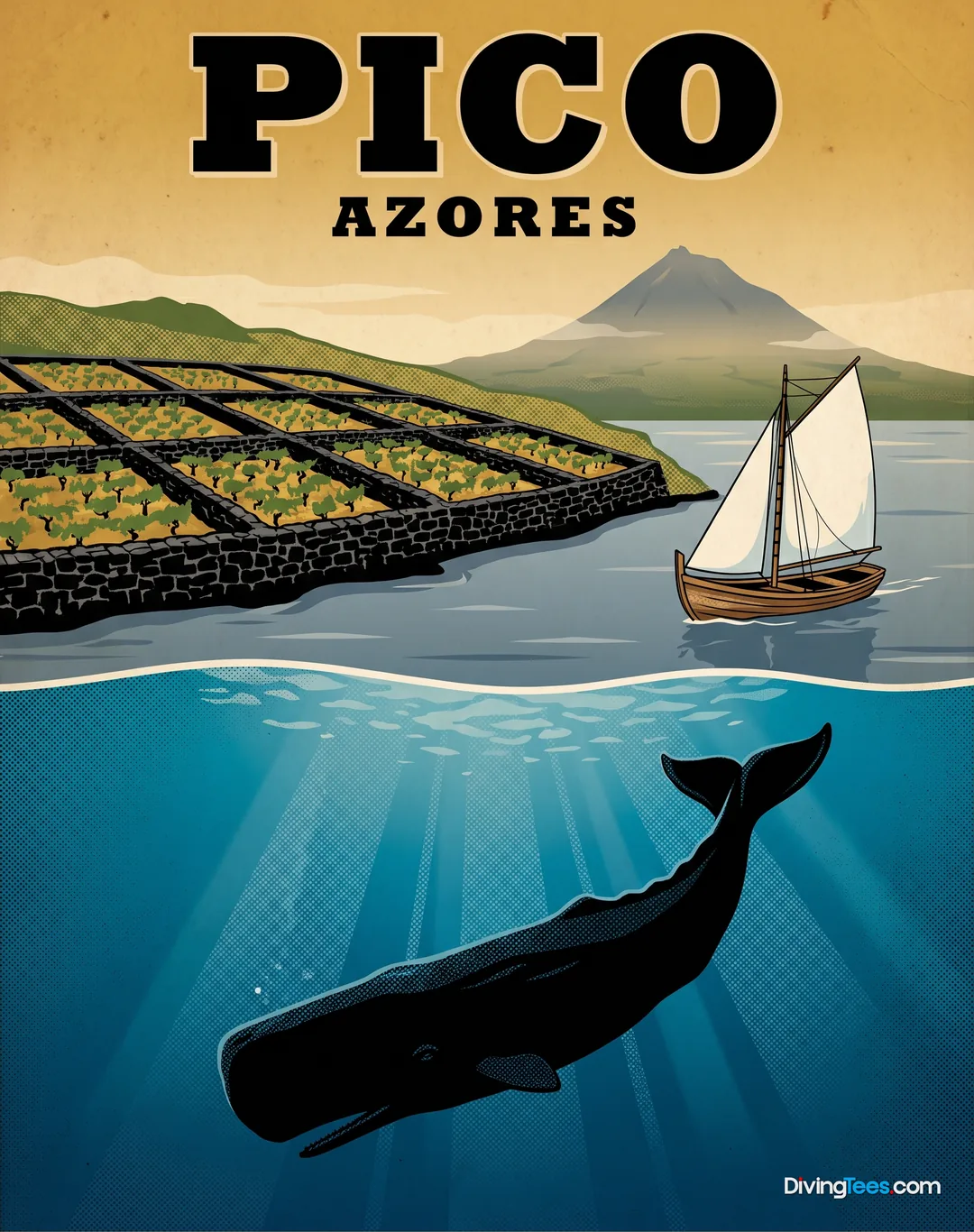
Dive centres

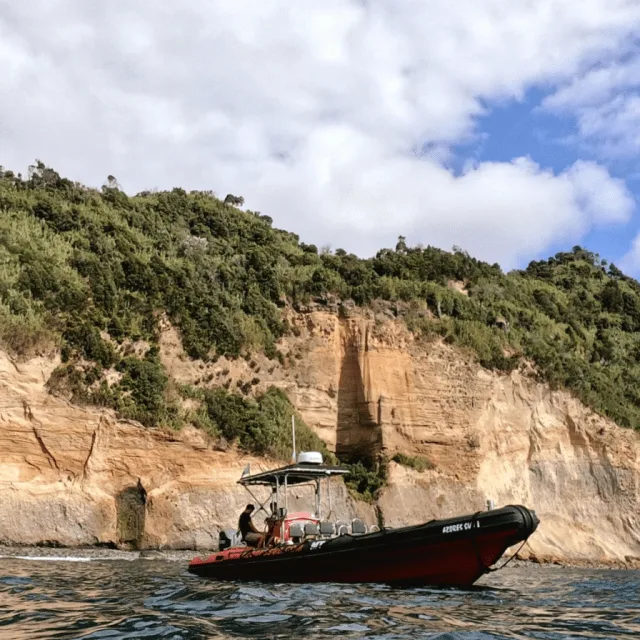
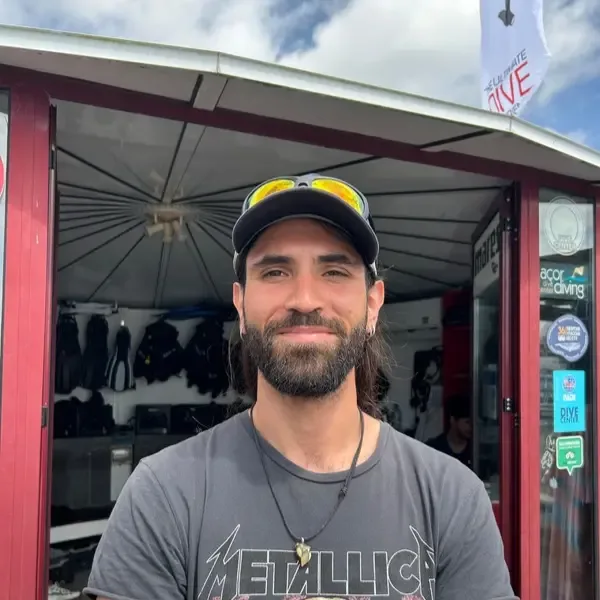


Hotels
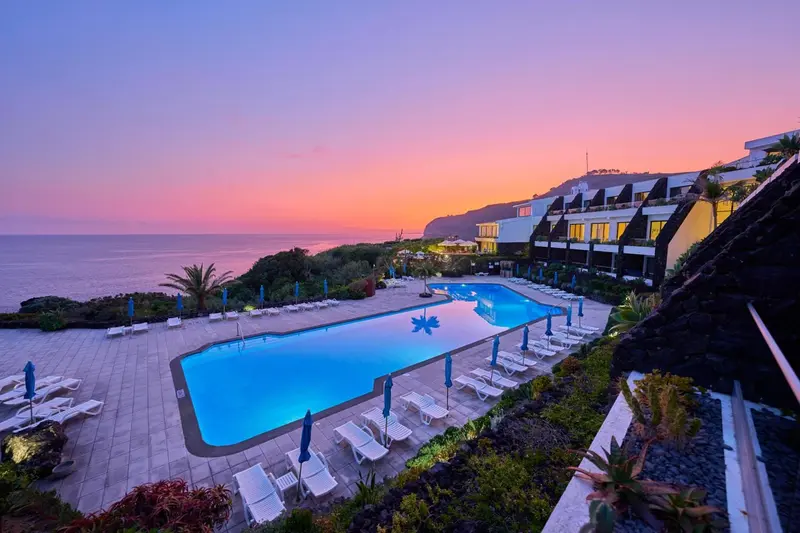
When to go, and where by month
The country-wide diving window runs from May through September. May opens the practical season across Faial, Pico, Santa Maria, Sao Miguel and Terceira; June, July and August keep the same broad choice, while September closes it without forcing a change of island. January, February, March and April do not form part of that shared window, and October, November and December do not either. There is no opposite-season pattern dividing one coast from another. The important variation is local exposure: one face of an island can be workable while another is stopped by swell on the same day. Even during the common season, morning departures may offer calmer water before the sea builds. Keep a spare day for an exposed pelagic outing, and let the operator move you towards a more sheltered sector when Atlantic conditions turn.
Marine life, coast by coast
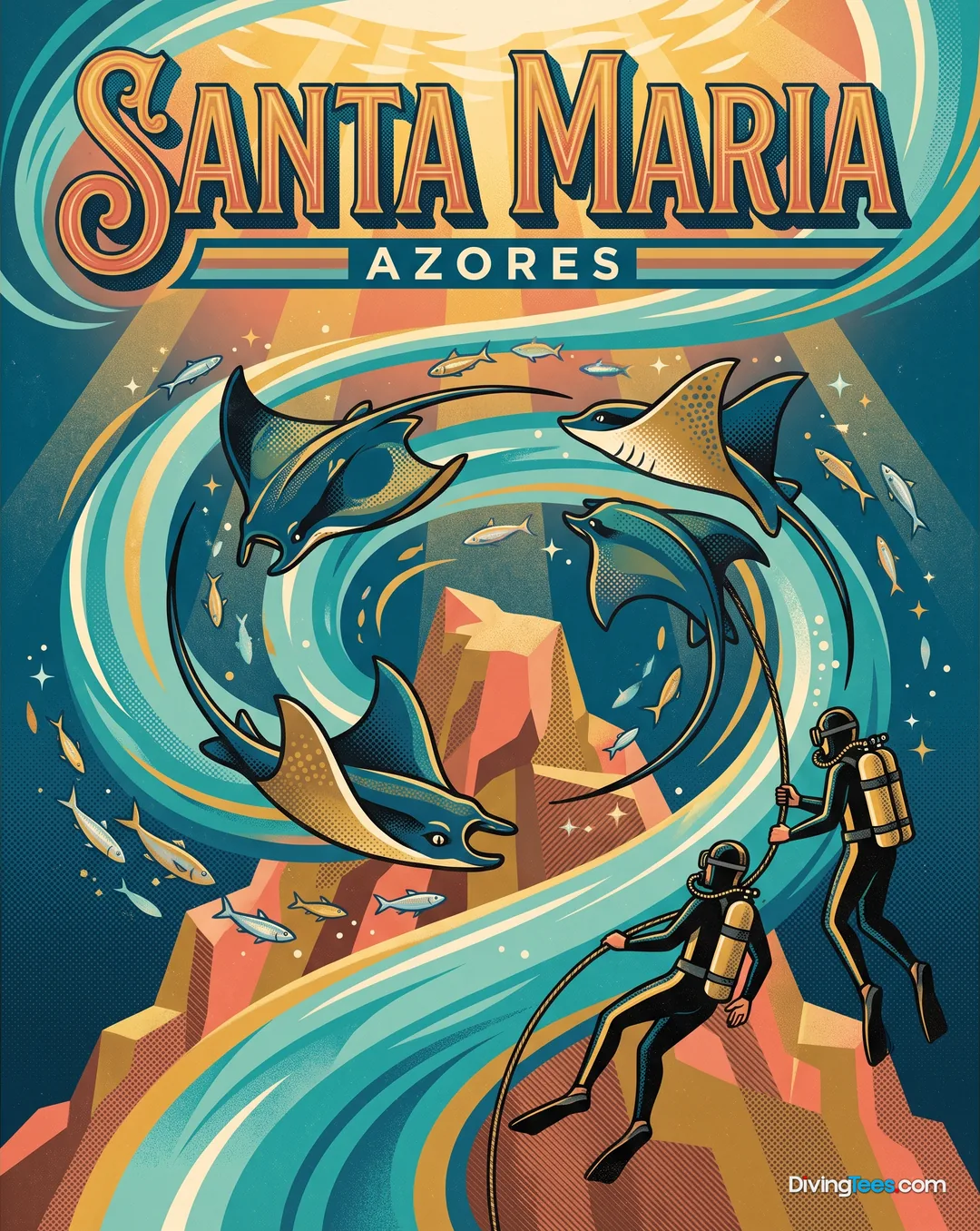
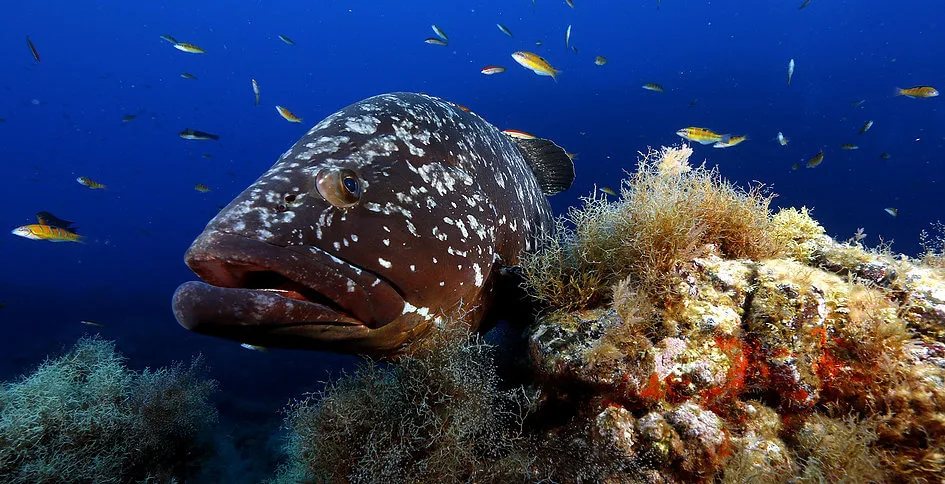
Barracuda, moray eels and nudibranchs provide the country-wide thread, but the itinerary changes when you move between island groupings. Around Faial, Pico and Terceira, divers may encounter triggerfish, gilthead bream, brown grouper, reef sharks, Atlantic bonito and common stingrays. The southern pair of Santa Maria and Sao Miguel is the clearest choice for manta rays, mobula rays, pelagic fish, badèche and bicuda. That distinction matters more than simply collecting islands: a central-island stay gives variety around volcanic relief, while a southern plan is shaped around the possibility of larger animals in open water.
Getting between the areas
The most straightforward island combination is Faial and Pico, only 36 kilometres apart and linked by the central ferry pattern; Horta and Madalena can be connected in about an hour. Santa Maria and Sao Miguel also make a natural pair at 99 kilometres, while Pico and Terceira remain a realistic link at 111 kilometres when schedules fit. Faial to Terceira stretches to 138 kilometres, so changing base needs more planning than a short crossing. The longer links are not sensible day-to-day hops: Sao Miguel to Terceira is 165 kilometres, and Pico to Sao Miguel reaches 238 kilometres. The triangle of Faial, Pico and São Jorge works well as a week-long island journey, using ferries and travelling as a foot passenger. More distant islands, including Santa Maria or Corvo, are better treated as separate flight connections rather than casual additions.
Take off your mask
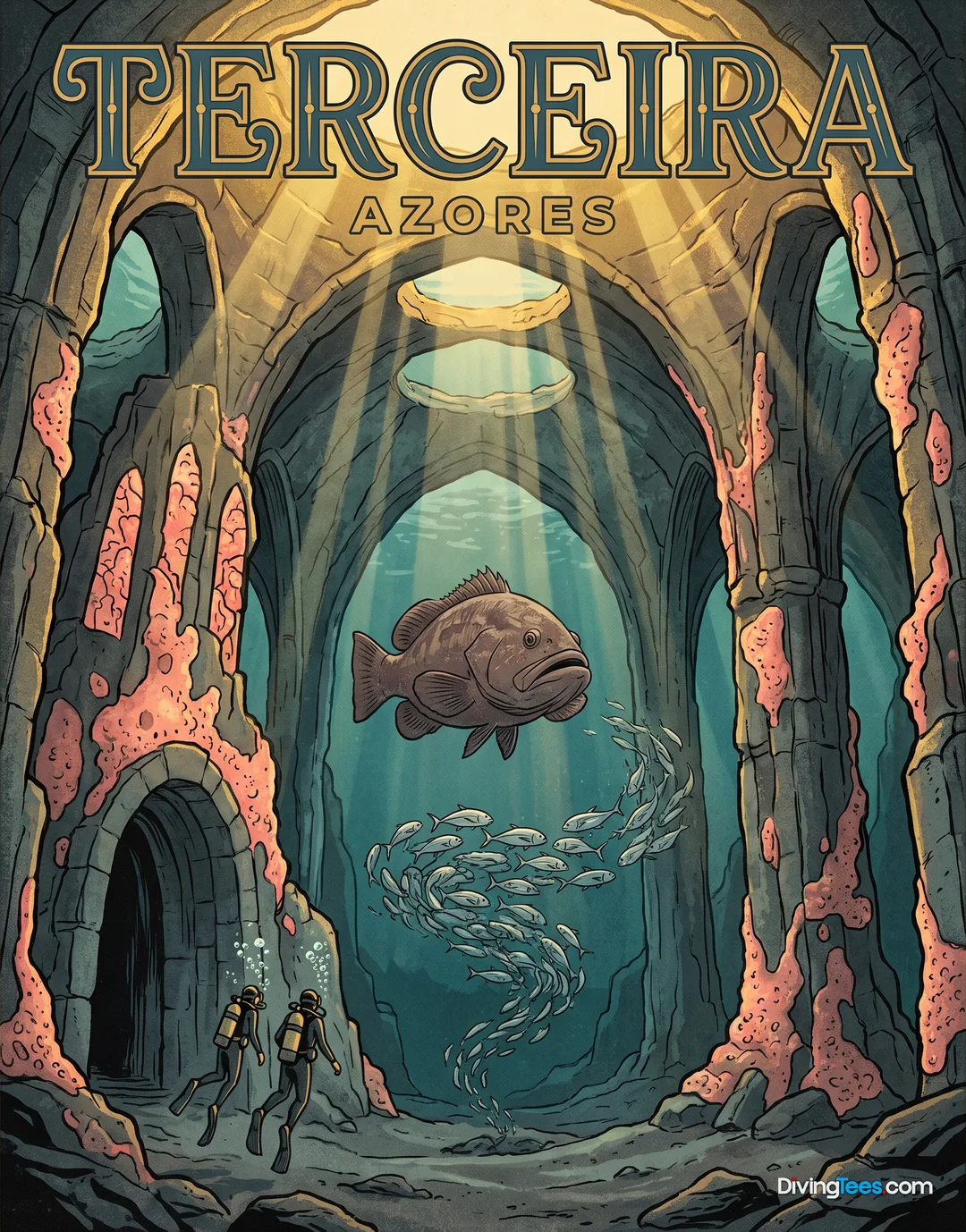
The landward character of the Azores is volcanic, maritime and distinctly island-based. In Angra do Heroísmo, Terceira, the UNESCO centre brings together the Sé Catedral, Praça Velha, Jardim Duque da Terceira and Alto da Memória; Algar do Carvão offers a half-day descent into a basaltic volcanic chimney. On Faial, the Capelinhos landscape and its interpretation centre show the raw aftermath of the 1957–58 eruption, while Horta Marina and Peter Café Sport retain the port’s international seafaring atmosphere. Pico turns to vineyards enclosed by basalt walls around Madalena, with wine museums and villages providing a full day ashore. São Miguel brings a different volcanic experience at Furnas, where the cozido das Furnas cooks underground in geothermal heat. Eat that dish in Furnas, alcatra in Terceira, and Queijo de São Jorge on São Jorge. The calendar is equally local: festas do Espírito Santo run from May to September, Sanjoaninas animate Angra in June, and touradas a corda take place across Terceira.
What holds true everywhere here
Across the Azores, current is variable and the most rewarding outings may be oceanic rather than reef-like. Seamount trips need a proper briefing for the anchor line, a rapid descent, a controlled ascent and the possibility of a drift dive; a downcurrent is a practical concern, not a theoretical one. Bring buoyancy skills that keep you clear of volcanic relief and protected areas, and agree in advance how the safety stop will be handled. Keep a weather margin around a pelagic or seamount day, because a quick change in Atlantic conditions can remove the principal outing from the plan. Morning departures are often the sensible choice when the sea is calmer. Ask about Nitrox if you are planning repetitive diving, but let the actual sequence determine whether it earns its place.
Frequently asked questions about Azores
When should you go diving in Azores?
Plan your Azores diving holiday from May to September, when every active diving area is highlighted for diving. This period also suits itineraries linking Faial and Pico across the central Atlantic. Your timing can therefore support a central-island trip focused on volcanic relief and varied encounters between the islands.
What diving level suits Azores, and which itinerary needs experience?
Azores offers diving areas around Faial, Pico, Terceira, Santa Maria and São Miguel, with different itinerary demands. The Princess Alice bank appears on experienced Faial itineraries, so you should choose that plan only when your diving experience suits it. Other island choices can shape your trip around reefs, volcanic relief and open water.
What can you see while diving in Azores?
In Azores, you may encounter barracuda, moray eels and nudibranchs across the islands. Central areas around Faial, Pico and Terceira can bring triggerfish, gilthead bream, brown grouper, reef sharks, Atlantic bonito and common stingrays. Around Santa Maria and São Miguel, manta rays, mobula rays, pelagic fish, badèche and bicuda shape the diving.
How should you plan your island stay in Azores?
Shape your Azores stay around the island grouping that matches your interests. A central plan links Faial, Pico and Terceira with volcanic relief and varied encounters, while Santa Maria and São Miguel focus on the possibility of larger open-water animals. You can also include Horta harbour, Furnas geothermal cooking or Terceira’s Angra do Heroísmo.