

Best Spot Azores Dive Center
Google 4.9/5 (1,355 reviews)
Azores · Atlantic
Volcanic walls, the Dori wreck, Vila Franca’s cannon-strewn seabed and summer mobula encounters shape diving from São Miguel, with changing Atlantic conditions.
For subtitles in English: start the video firstthen click the gearat the top right of the video, select “Subtitles/CC”, then “Auto-translate” and choose “English”.
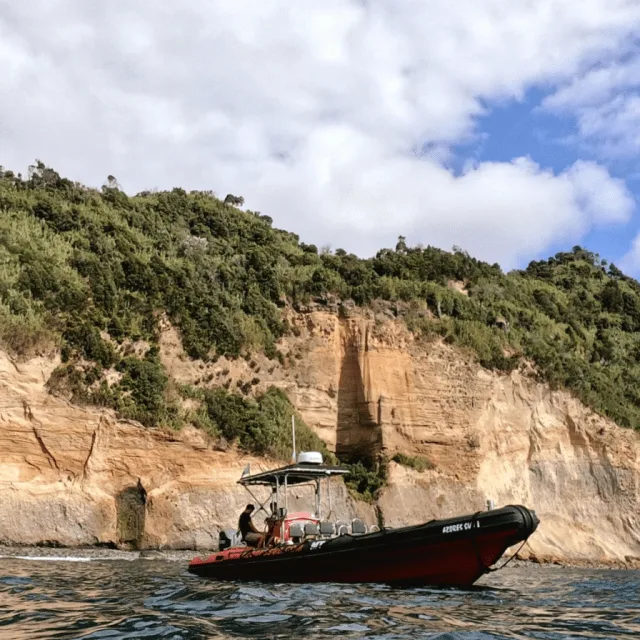
São Miguel is a land-based diving destination built around volcanic coastlines rather than a tropical reef. Shore dives and boat trips lead to walls, cavities, arches, wrecks and offshore seamounts, with occasional pelagic encounters adding interest. The Dori offers a piece of wartime history, while Ilhéu de Vila Franca do Campo combines shallow volcanic terrain with scattered cannon remains. It suits divers who want several kinds of day out, and companions who prefer walking, lakes and thermal bathing.
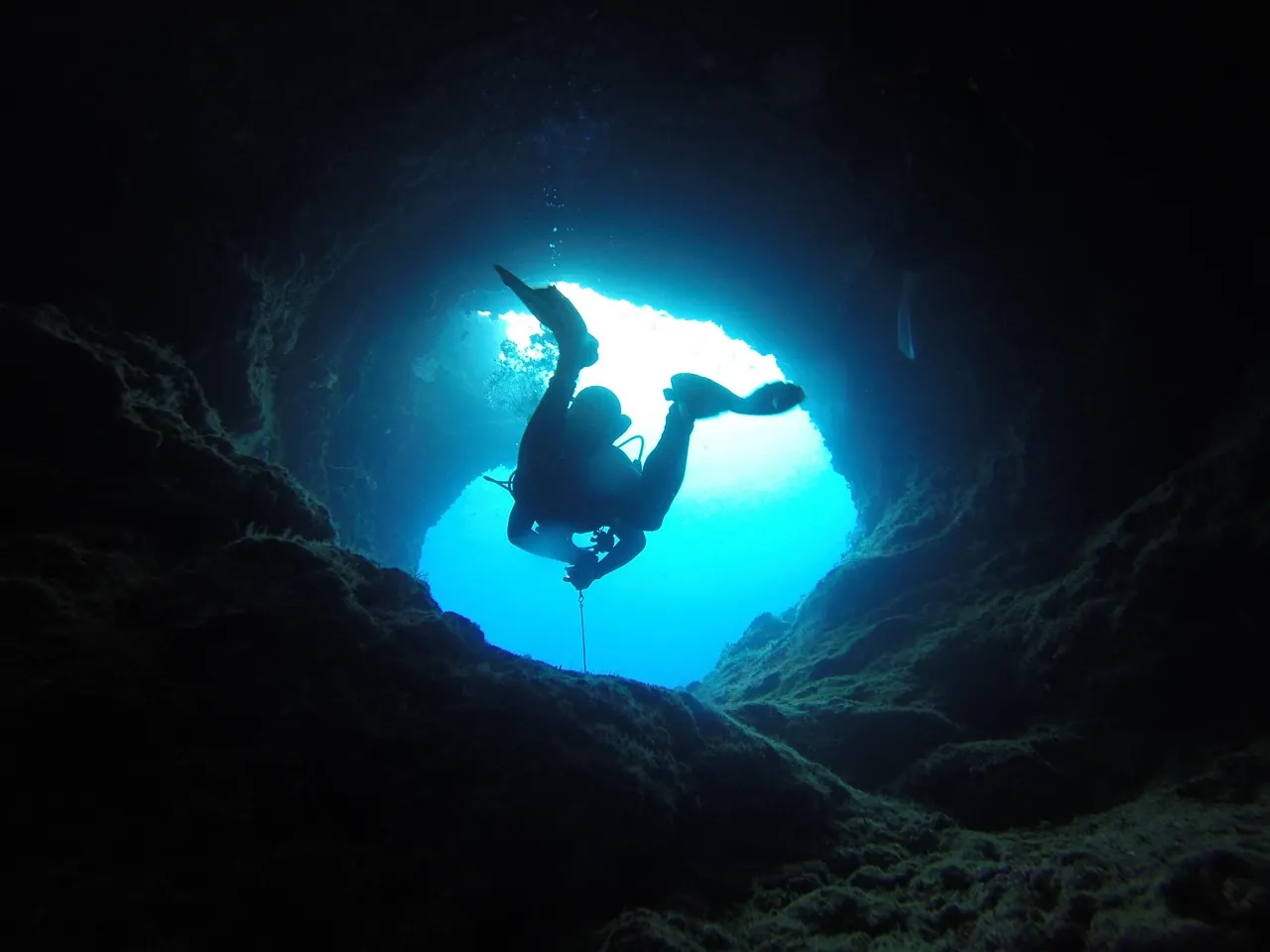
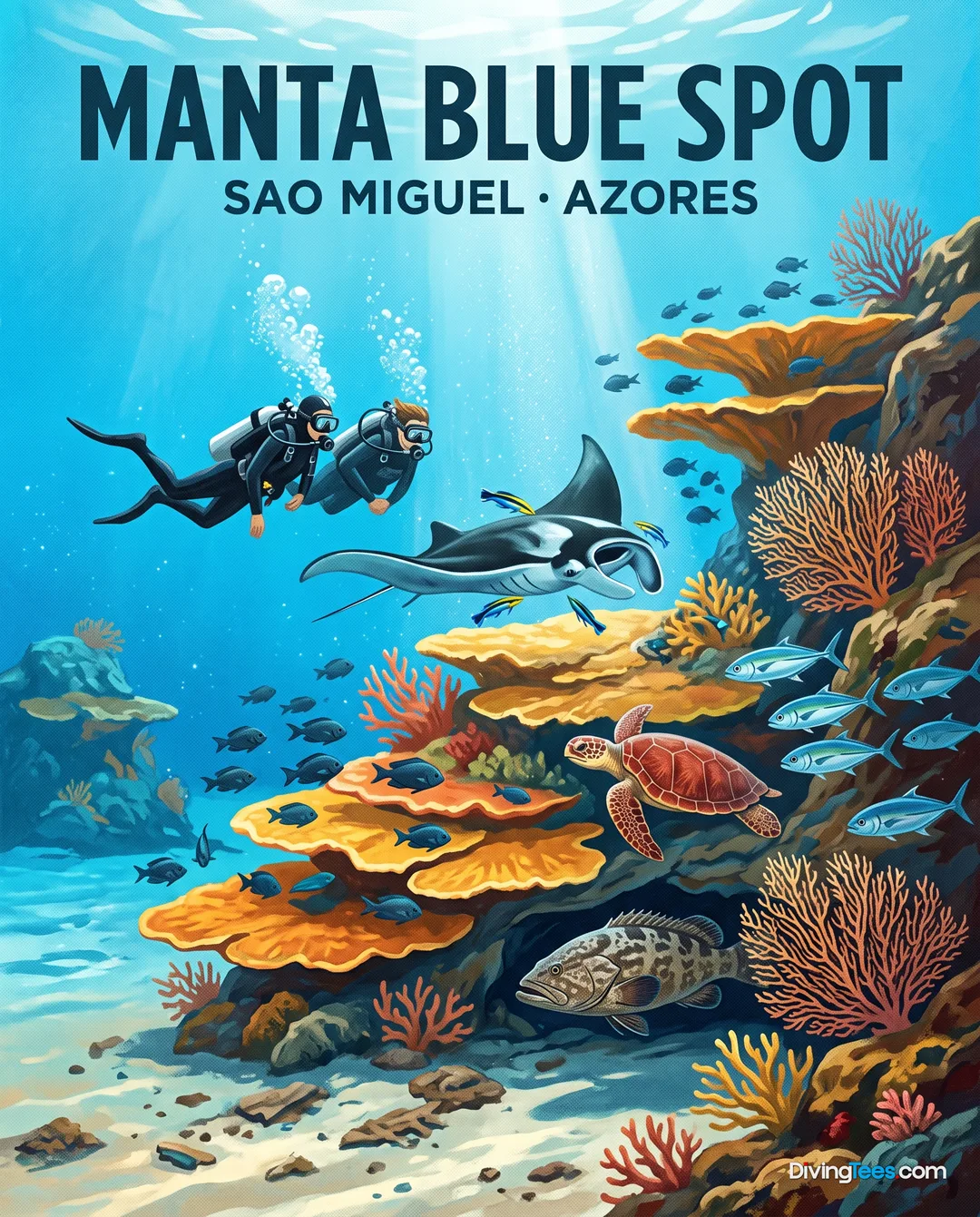
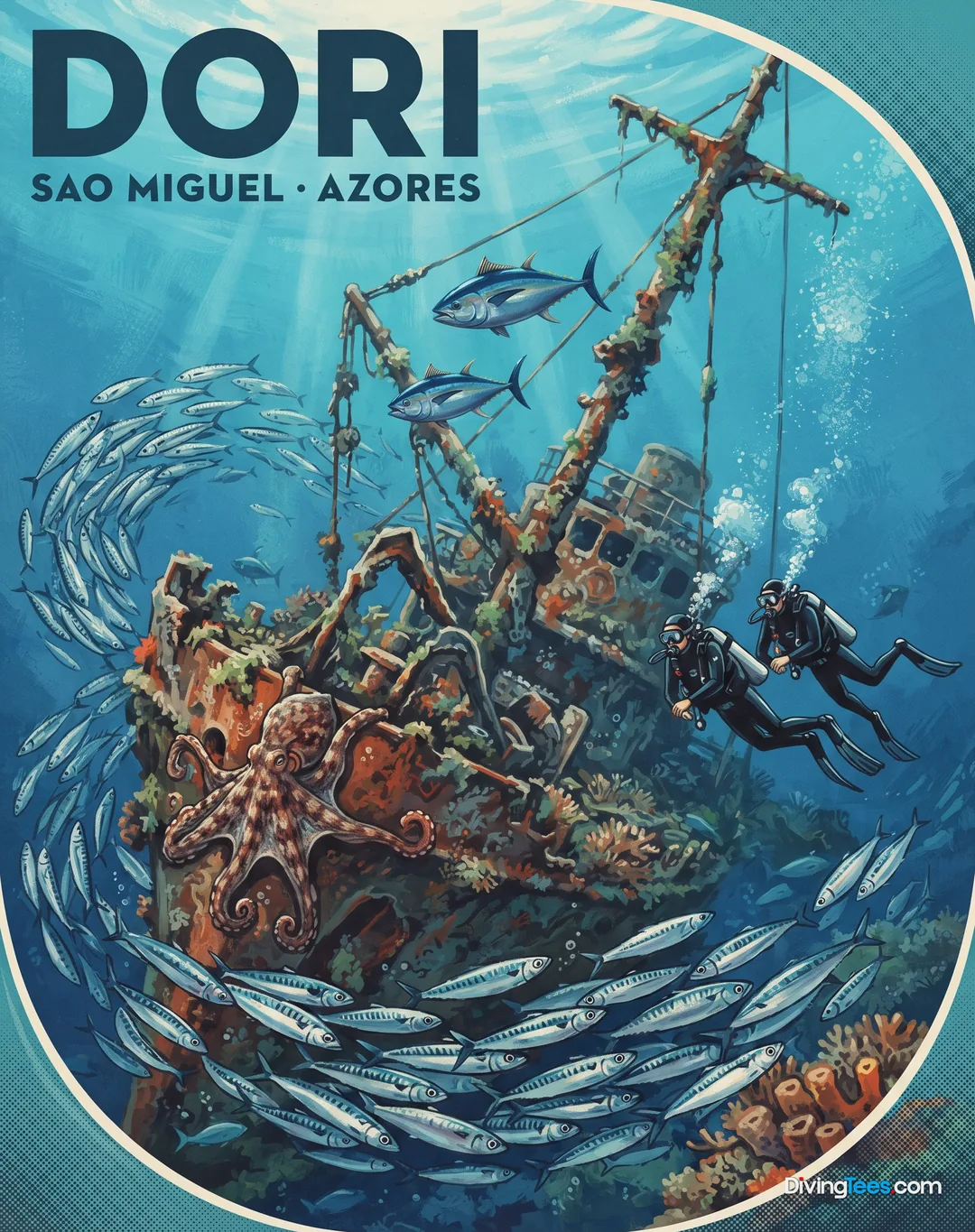
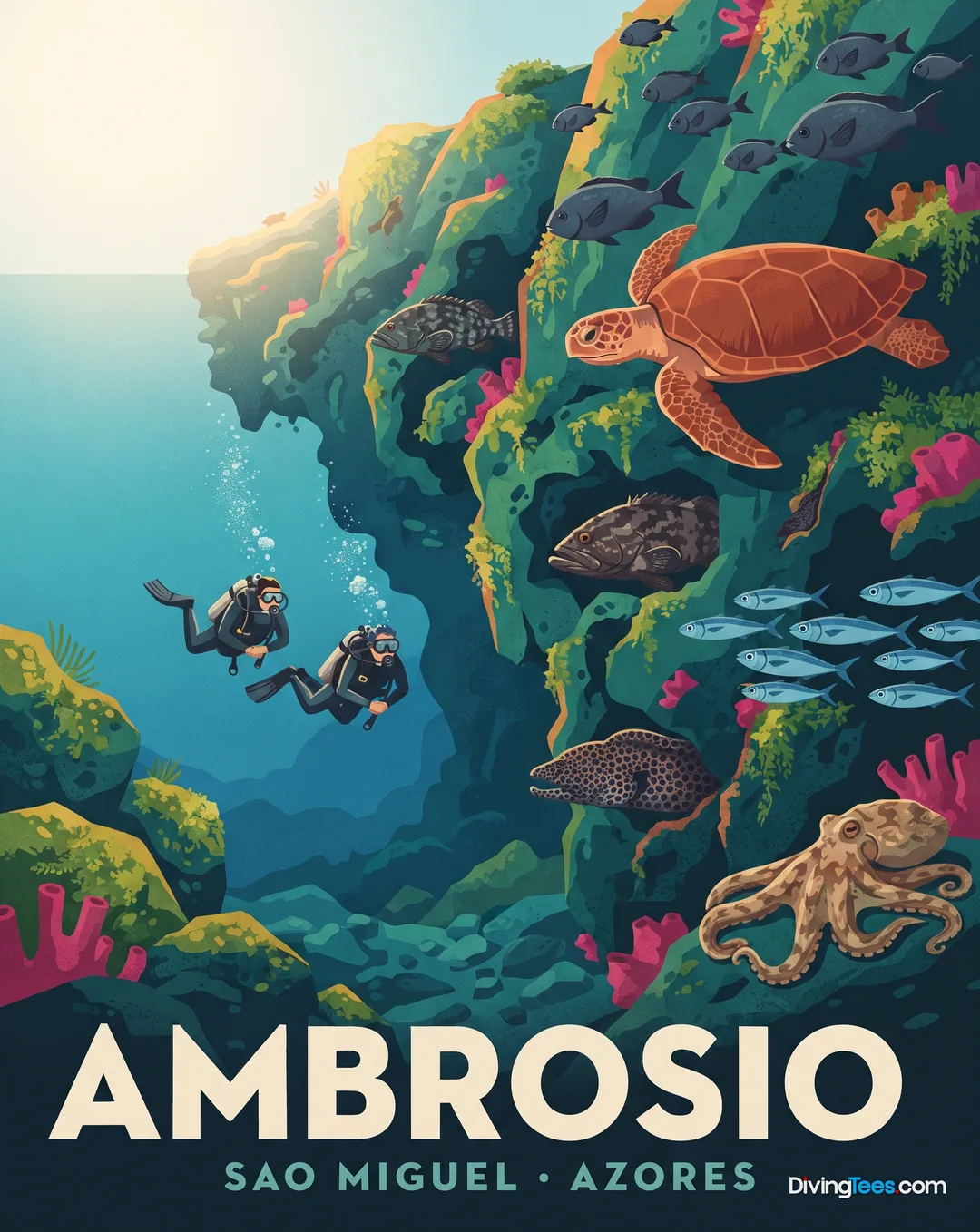
Underwater, São Miguel is shaped by volcanic rock: walls, ledges, holes, arches and cavities provide the structure, while wrecks add a different kind of terrain. Diving mixes accessible coastal sites with boat sorties that reach more exposed ground. Ilhéu de Vila Franca do Campo runs from five to 22 metres, with generally light current and occasional wave action in particular corridors. The Dori lies between nine and 21 metres and is usually straightforward. Offshore, Manta Blue Spot is a mid-water dive between roughly ten and 20 metres over a seamount whose shallowest point is far deeper, so the blue water is part of the experience. Ambrósio is more demanding: current can be strong and current management matters. Visibility varies with weather, swell and local mixing, but individual sites report anything from ten to 40 metres.
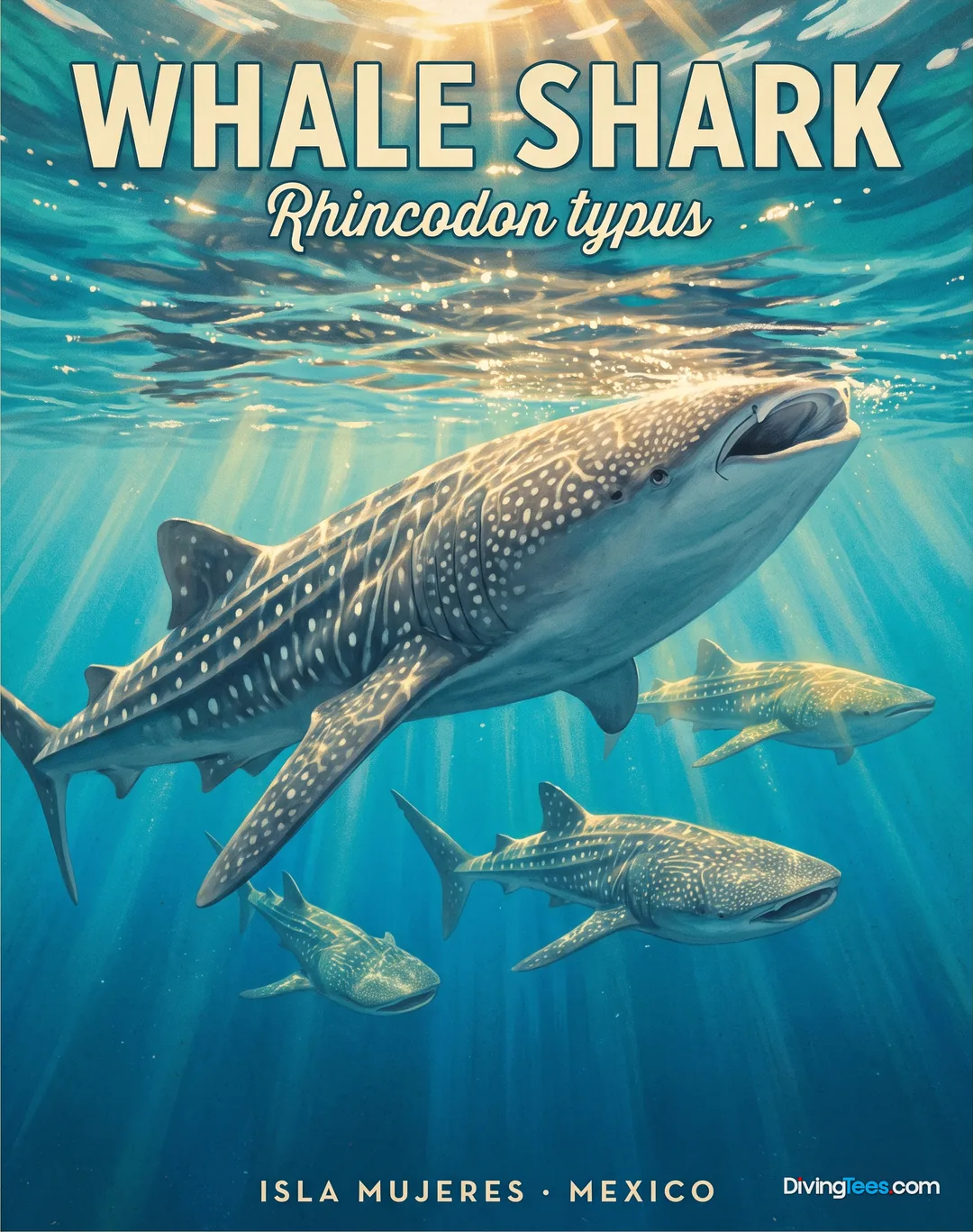
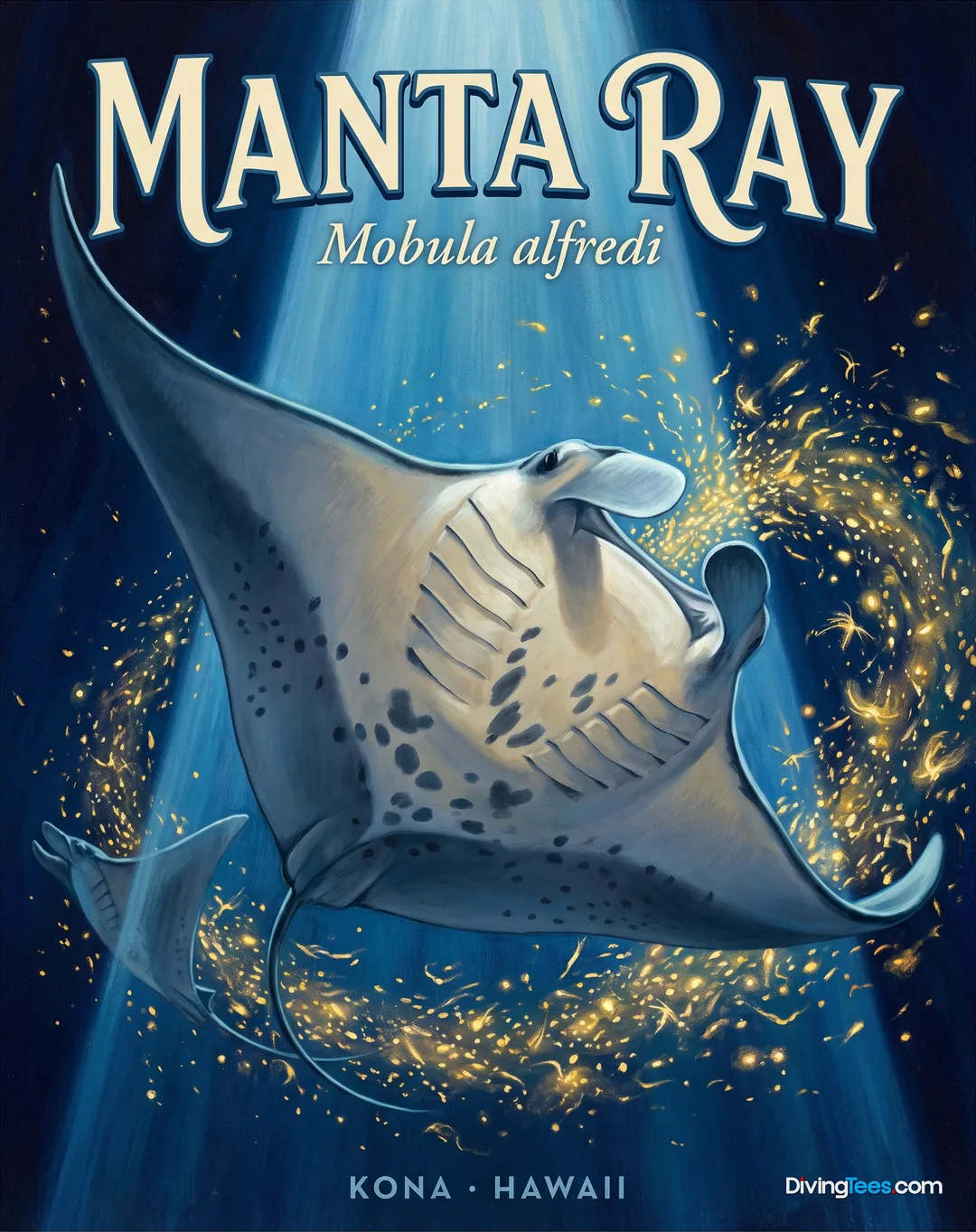
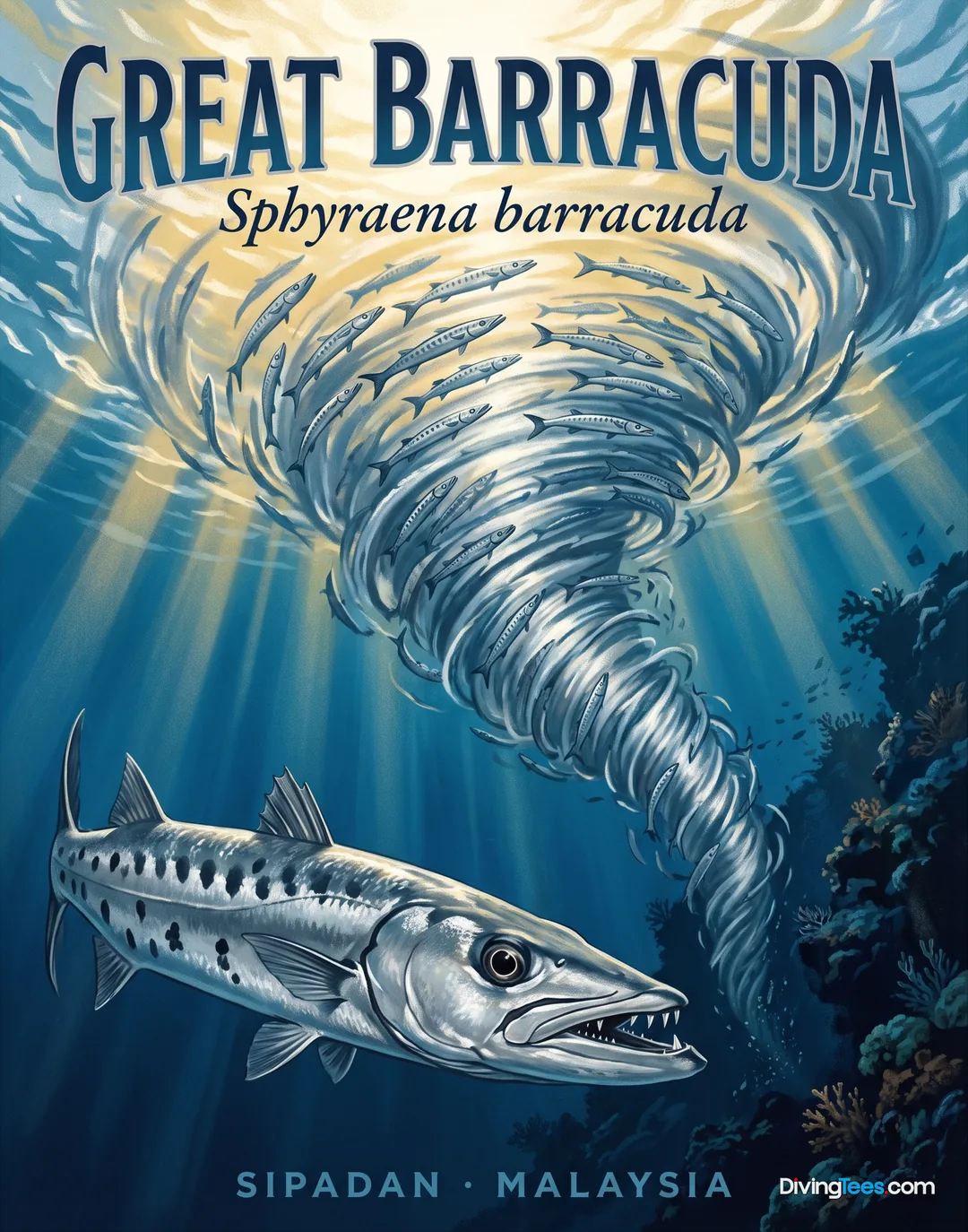
The volcanic features shelter familiar Atlantic life rather than coral-reef species. Moray eels and nudibranchs reward a careful look into holes and along the rock, while great barracuda, wahoos and other pelagic fish may turn the open water into a faster-moving scene. The wrecks carry their own interest: at Ilhéu de Vila Franca do Campo, cannon remains lie scattered across the seabed, while the Dori’s steel structure has become marine habitat. Devil rays and mobula rays are the encounters that give the offshore trips their particular pull. Mobulas and mantas are associated mainly with the summer season, while passing tuna and other pelagic fish, and more rarely whale sharks, are occasional summer-to-autumn possibilities rather than fixed appointments.
The measured calmest period runs from May to September, which is the most useful window for planning boat diving around São Miguel. June through September generally offers the most settled summer conditions, while October can still work and is included in the wider favourable period for the island. The reason to favour these months is practical: less disruptive weather and swell make exposed sites and boat departures easier to run. Conditions become more changeable as autumn progresses and Atlantic depressions arrive. The seasonal pelagic interest also falls in summer and early autumn, so this is the period that best combines workable sea conditions with the possibility of mobulas, mantas and passing pelagic fish.
São Miguel is suitable for all levels, with introductory and beginner-friendly diving at sites such as Ilhéu de Vila Franca do Campo and the Dori. The more exposed sites require a cooler head in open water. Advanced Open Water, or an equivalent BSAC or other international qualification, is useful for deeper seamount work and stronger current. A coastal dive before Manta Blue Spot is recommended, while Nitrox can be worthwhile when the programme involves repeated recreational dives. Experience in variable Atlantic conditions matters more than collecting a particular card.
From London Heathrow, London Gatwick or Manchester, the practical starting point is a flight to Ponta Delgada, São Miguel’s main arrival point, with TAP Air Portugal among the European connections listed for the route. São Miguel itself does not require a ferry to reach its dive sites: once on the island, the remaining journey is by road. Divers generally reach the diving base on foot, by taxi or with a hire car from Ponta Delgada or nearby coastal communities. Those adding another Azorean island need a domestic flight or ferry, and inter-island timetables can restrict how neatly diving days connect. Sea conditions can also alter excursion plans, so a rigid island-hopping schedule leaves little room for adjustment.
Treat São Miguel as a volcanic Atlantic trip, not a substitute for a tropical reef holiday. The reward is visible in the rock itself: walls, cavities, arches and wreckage, with rays appearing only occasionally rather than on demand. Keep the diving programme flexible, particularly when planning exposed boat sites such as Manta Blue Spot or Ambrósio; leave weather-sensitive activities room to move, and avoid committing every day to one exposed coast. Ask in advance which outings can be run from shore and which depend on a boat, then spread the plan between sheltered coastal areas and open-water excursions. Group dives in the morning where possible, leaving afternoons for the island’s lakes, volcanic landscapes and thermal baths. Do not build the itinerary around the rare whale-shark possibility. In protected coastal areas, follow local rules, touch neither animals nor volcanic substrate, and treat the cannon remains and wreckage as something to observe rather than handle.
A five-to-seven-day stay gives enough room to combine coastal dives, boat trips and the island’s land-based attractions without turning every day into a weather gamble. São Miguel works particularly well for pairs where one person dives and the other does not: morning immersions leave time for crater lakes, coastal viewpoints, natural pools and thermal bathing. Keep the least flexible sightseeing plans away from the most changeable sea days, and use the island’s road network to vary the setting between dives.
Hello, I'm Marina, DivingDeal.com's AI assistant. I guide you through destinations, areas and countries.
Thinking about the whole trip and the flights? Talk it over with Edith →
Marina is an AI. Some links are affiliate links: DivingDeal may earn a commission, at no extra cost to you. Bookings are made with the partner.
Your last day stays dry: no diving in the 18-24 hours before a flight, the perfect window to see the destination from another angle.
 Culture
⏱ 7 h · ★ 5.0 (49 reviews)
from £251$336€300
see on Viator ↗
 Nature
⏱ 2 h · ★ 5.0 (41 reviews)
from £167$224€200
see on Viator ↗
 Adventure
⏱ 4 h · ★ 5.0 (40 reviews)
from £40$54€48
see on Viator ↗
 Nature
⏱ 4 h · ★ 5.0 (31 reviews)
from £193$257€230
see on Viator ↗
Ratings and reviews collected by Viator and Tripadvisor.
May through September is the calmest period for diving around Sao Miguel, with June through September generally bringing more settled summer conditions. October can still work, but Atlantic weather and swell become more changeable as autumn progresses. Summer and early autumn also bring the best chance of seeing mobulas, mantas and passing pelagic fish.
Sao Miguel suits all levels, with introductory and beginner-friendly diving at Ilhéu de Vila Franca do Campo and the Dori. More exposed sites demand comfort in open water, while stronger current and deeper seamount dives benefit from Advanced Open Water or equivalent training. Experience with variable Atlantic conditions is especially useful.
Diving in Sao Miguel reveals volcanic walls, ledges, holes, arches and cavities, along with wrecks and scattered cannon remains. You may find moray eels, nudibranchs, barracuda, wahoos and other pelagic fish. Offshore trips can bring devil rays, mobulas and mantas, while passing tuna and other pelagic species are occasional.
Base yourself near Ponta Delgada or a coastal community and keep the diving schedule flexible around weather and swell. Mix sheltered coastal dives with exposed boat outings, asking which sites depend on a boat. Morning dives leave time for lakes, volcanic landscapes and thermal bathing, while a longer stay allows plans to adjust.