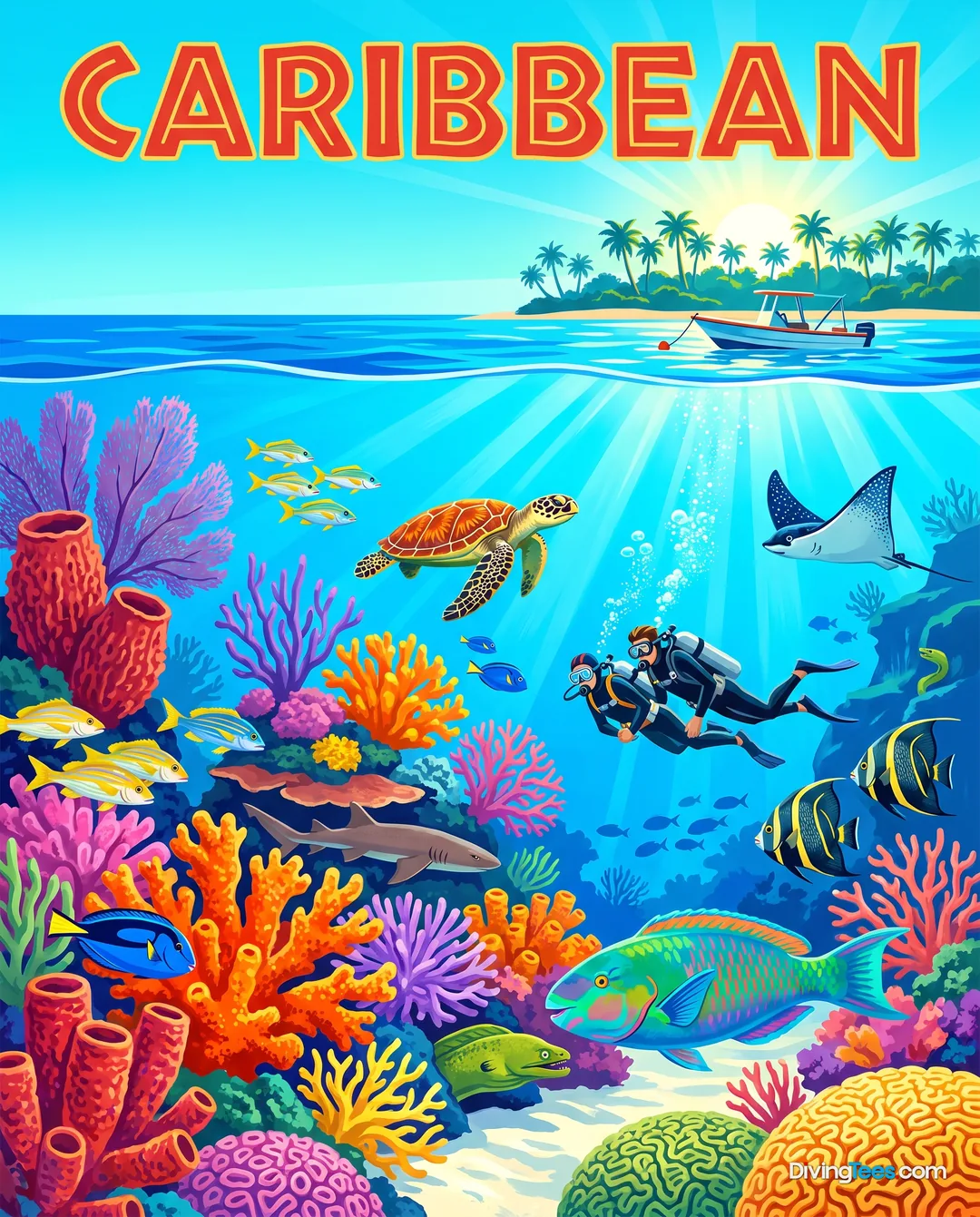
Caribbean
Bahamas: island groups, seasons and shark routes
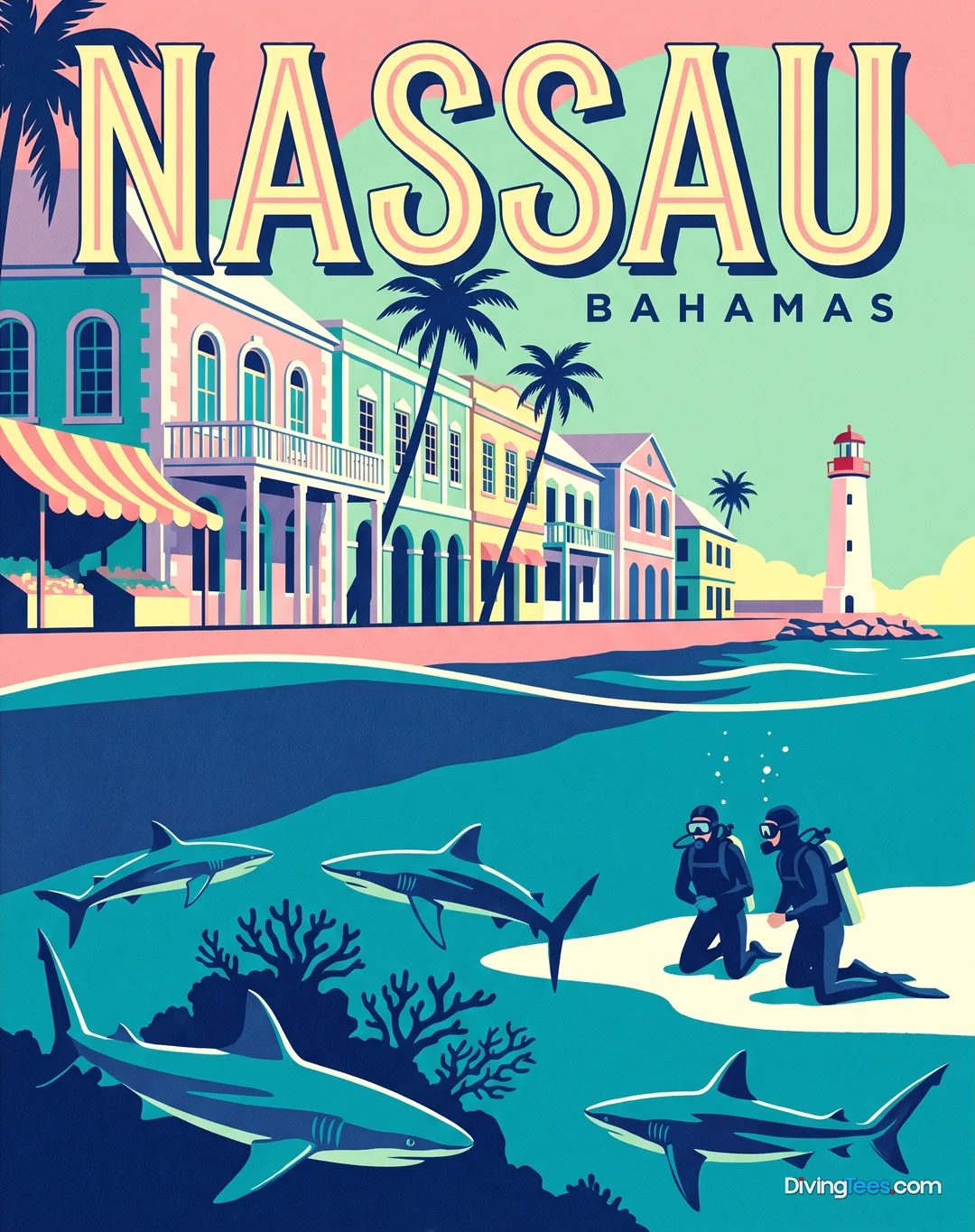
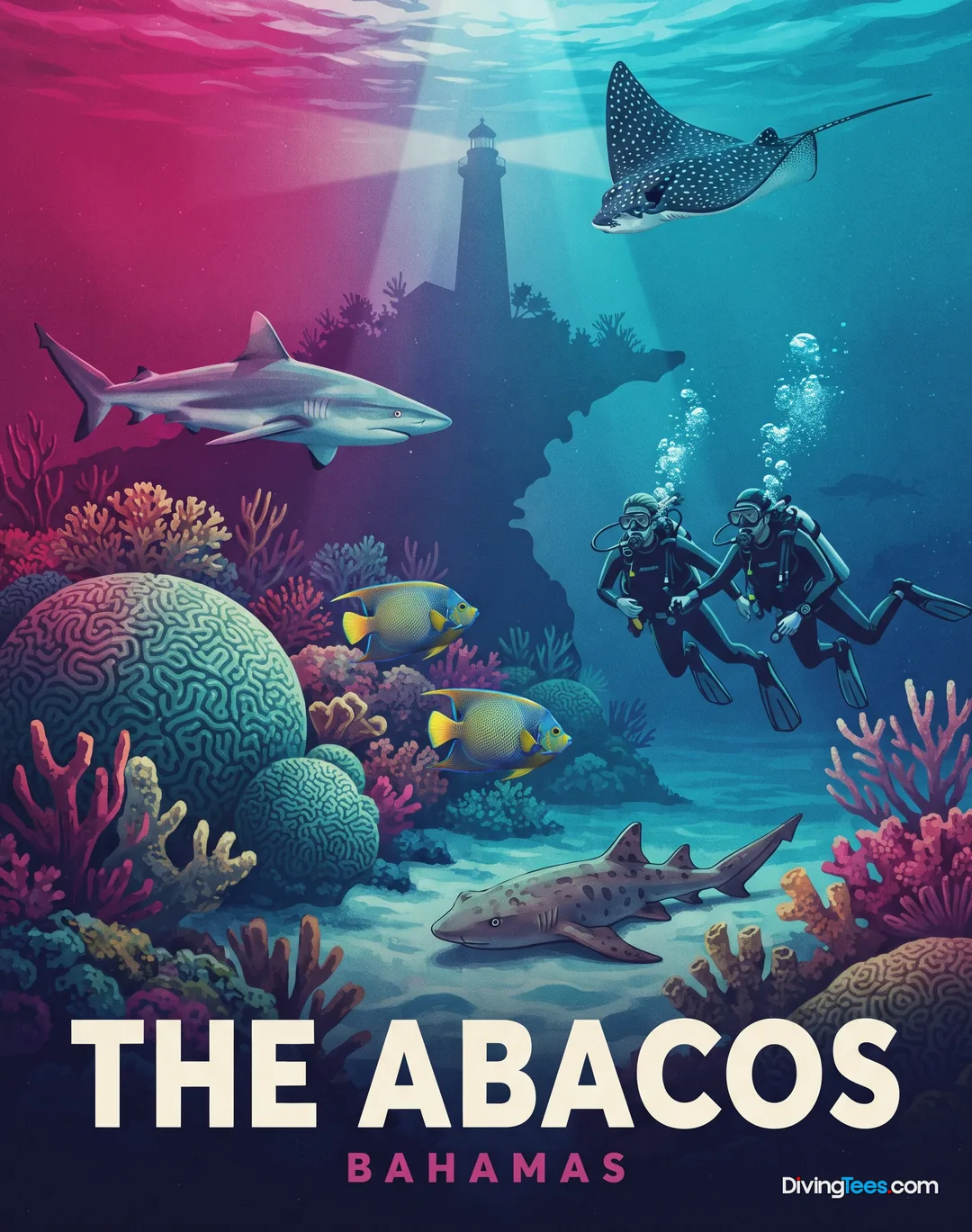
The Bahamas links Bimini, Nassau and the Out Islands with May-to-September diving, parrotfish around Grand Bahama, and shark-focused water around Bimini.
What makes this country unique
- Bimini shark diving from May through September
- Parrotfish around Bimini and Grand Bahama
- Andros and New Providence in the same season
- Nassau-Paradise Island and the Out Islands
- Bimini Bread with coconut and honey
- Bahamian fried fish after a dive
- Nassau’s underwater museum
For subtitles in English: start the video firstthen click the gearat the top right of the video, select “Subtitles/CC”, then “Auto-translate” and choose “English”.
This country for a diver
For a diver, the Bahamas is an archipelago to be planned by island rather than treated as one continuous destination. Its useful distinction is the choice between compact island pairings and longer cross-archipelago transfers. Andros, Bimini, Grand Bahama and New Providence share a mixed diving character, with sites reached mainly by boat and conditions that can range from light to variable current. Diving is accessible to all levels, but the reef picture is mixed. Bimini adds a particularly strong shark identity, while the country’s practical value lies in choosing the right island combination rather than chasing a generic Bahamas experience.
How the country divides
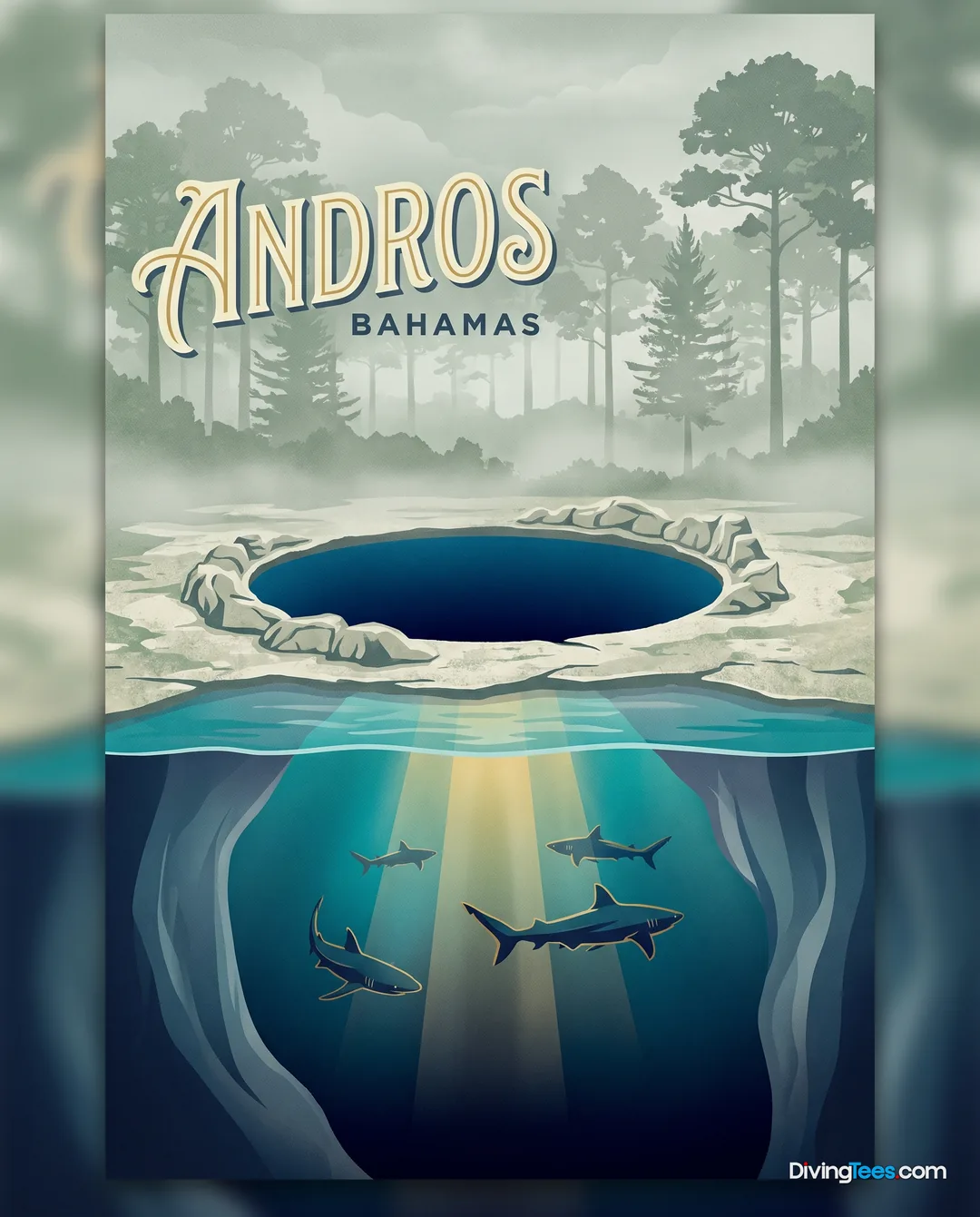
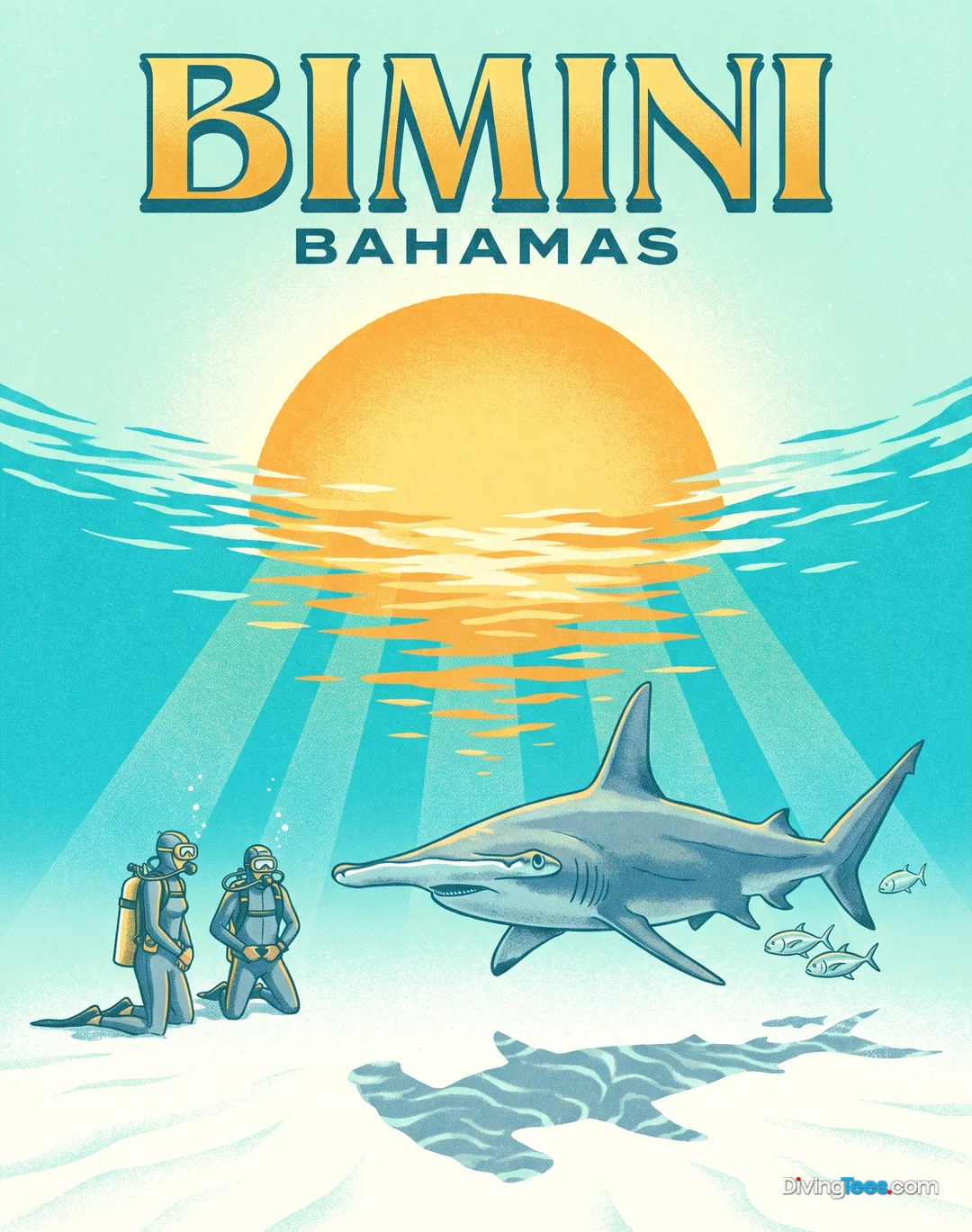
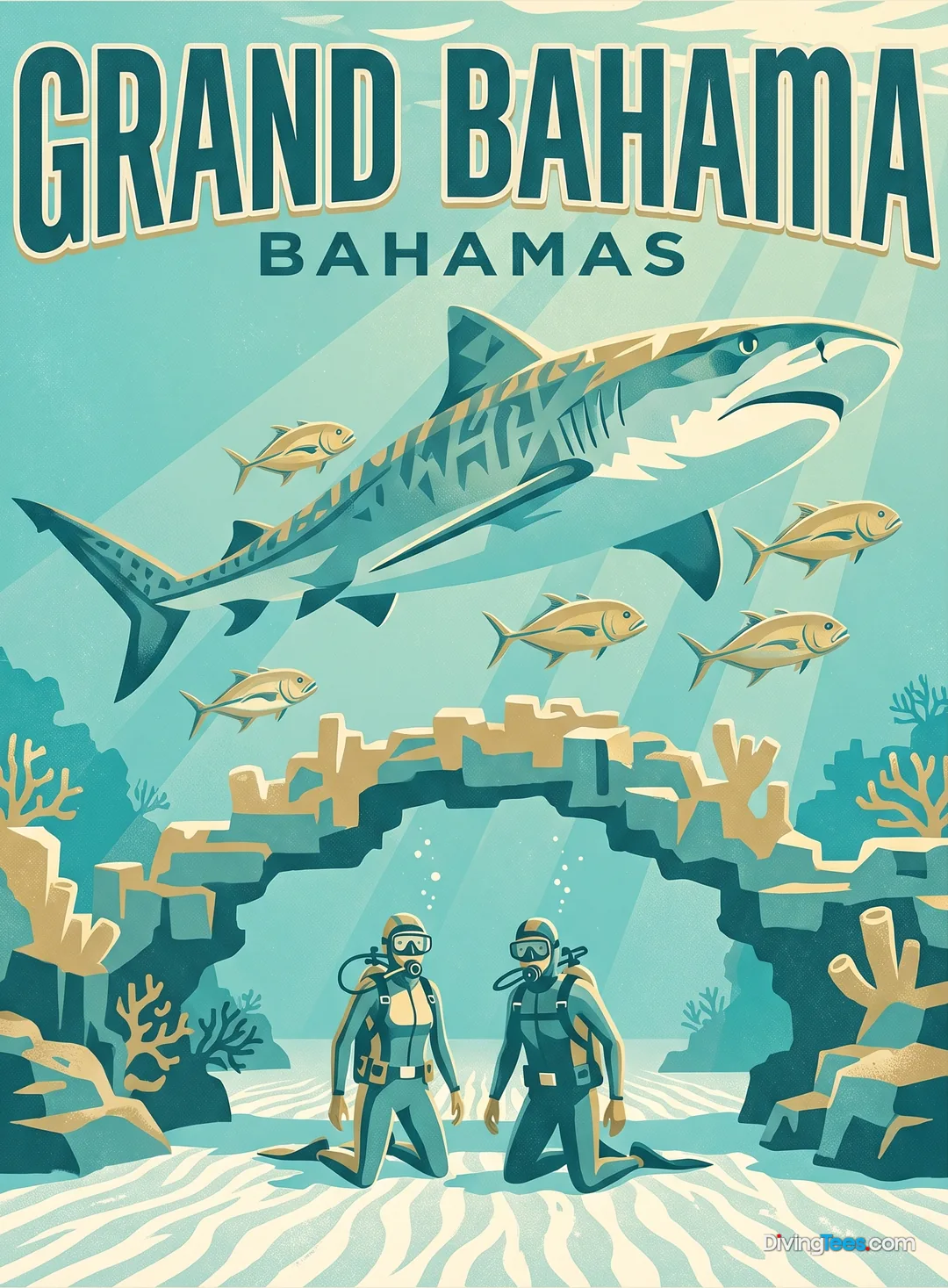
The Bahamas falls naturally into two working island groups. Bimini and Grand Bahama belong together geographically and operationally: they are 109 kilometres apart, share the May-to-September season, and offer a moderate-priced base with moderate tourist pressure. Bimini is the clearer choice when shark diving is the priority, while Grand Bahama gives the pair a broader mixed-diving context and access to parrotfish encounters. Andros and New Providence form the other useful pairing, only 44 kilometres apart and also in season from May to September. Andros is the quieter, moderate-priced option, with variable current and no liveaboard possibility. New Providence is more expensive and busier, with lighter current and a strong Nassau-based day-boat structure. Choose this group when repeated daily departures and varied local sites matter more than building a shark-led itinerary. The groups are not interchangeable: one is shaped by Bimini’s reputation and the other by Nassau’s operational convenience.
Diving destinations
Dive centres
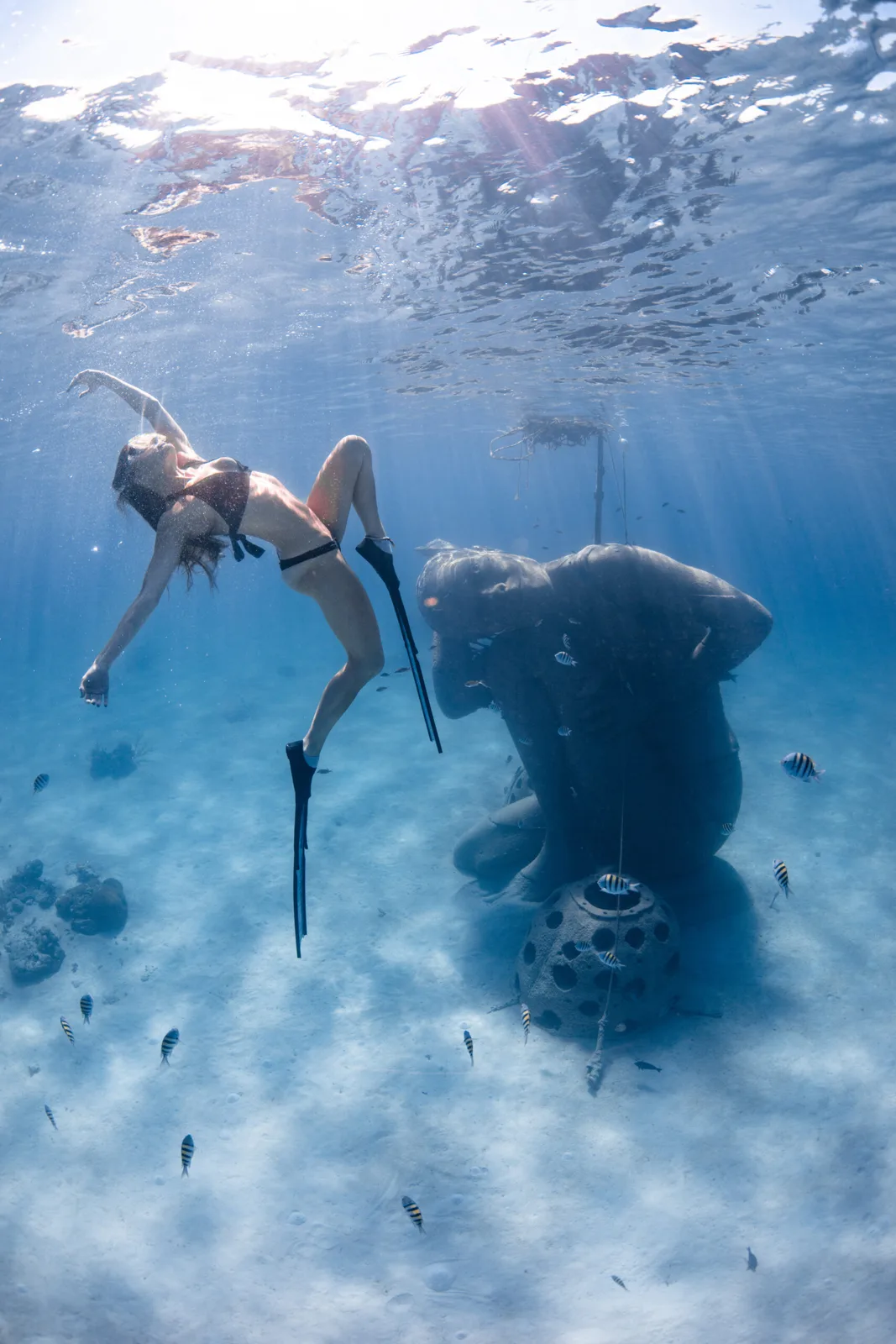

Made in Water Excursions - Snorkelling, Underwater photos and Diving in Bahamas
New Providence, Nassau
Google 5/5 (232 reviews)
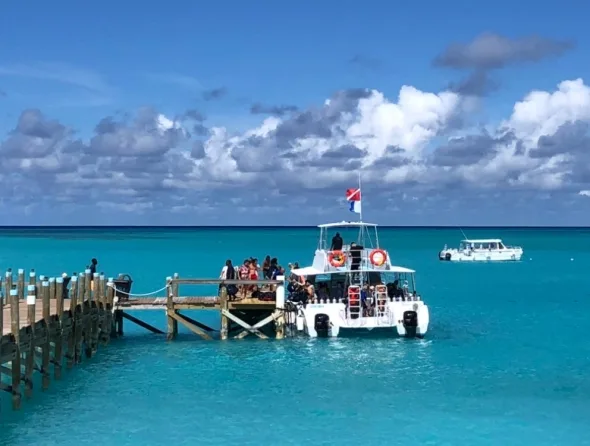
Only Blue Diving Dreams
Cockburn Town
Google 4.9/5 (110 reviews)
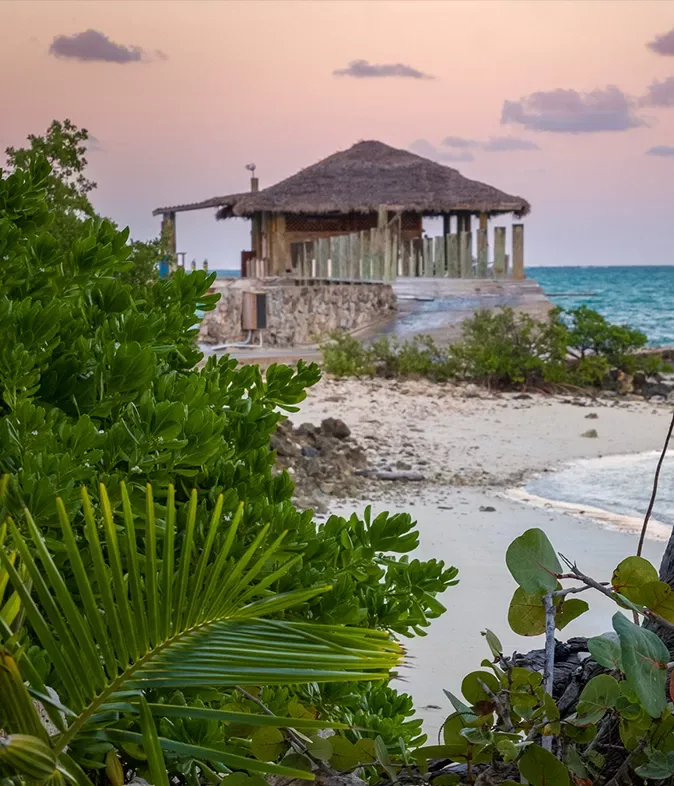
Small Hope Bay Lodge Dive Center
Andros
Google 4.8/5 (142 reviews)
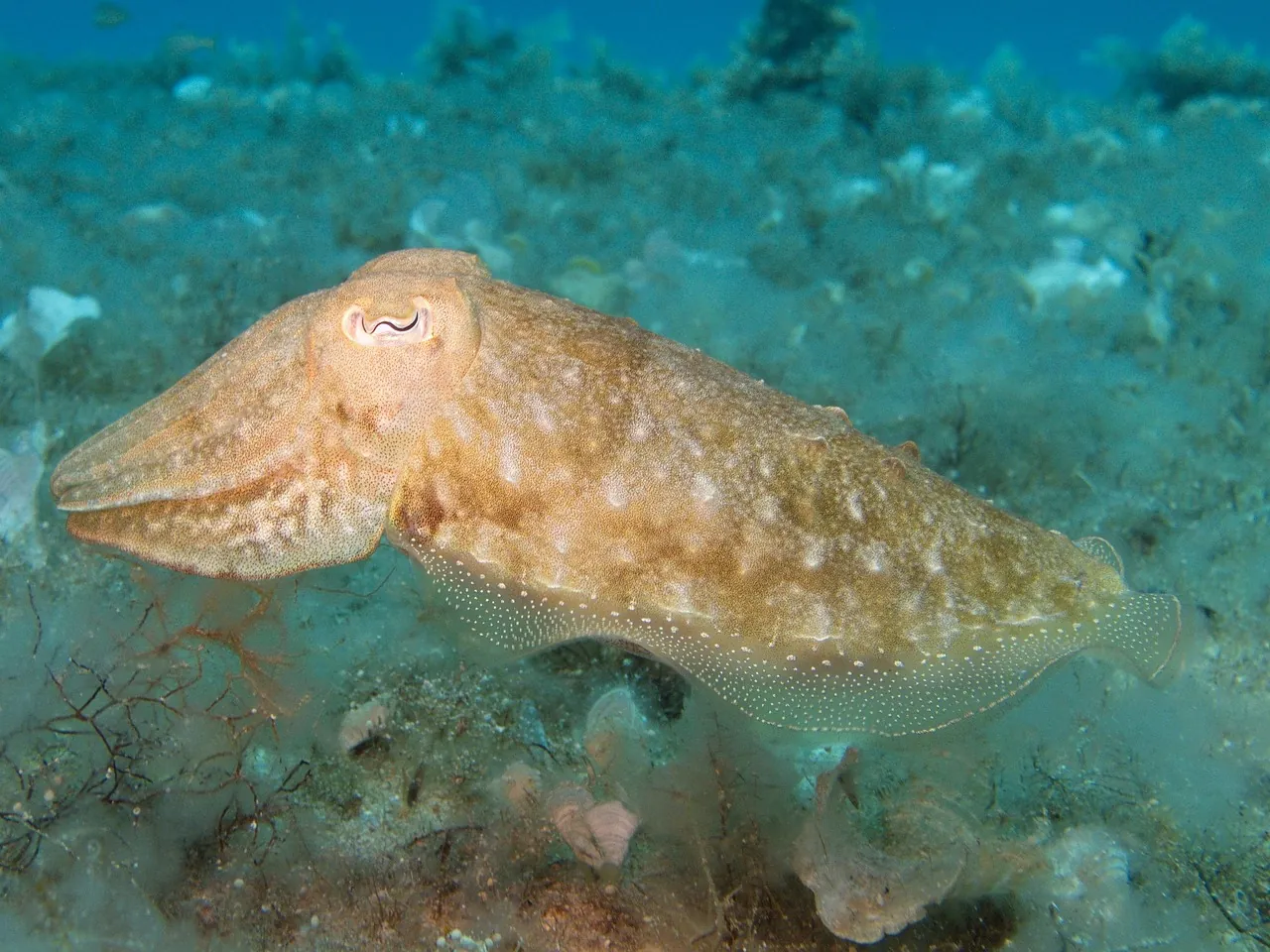
Greenwood Beach Resort
Cat Island
Google 4.8/5 (84 reviews)
Hotels


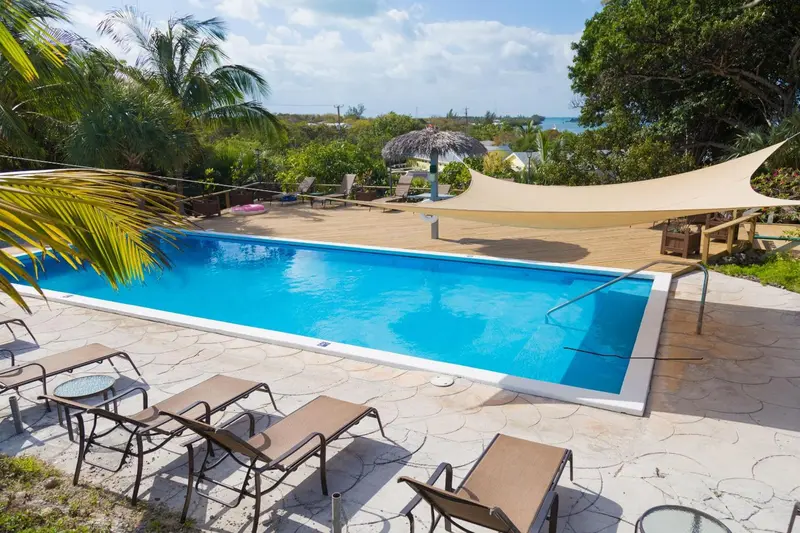
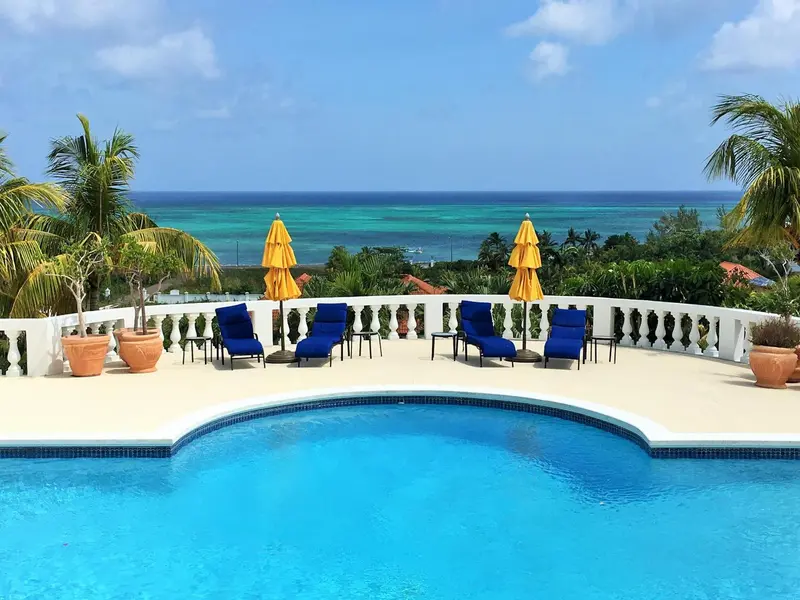
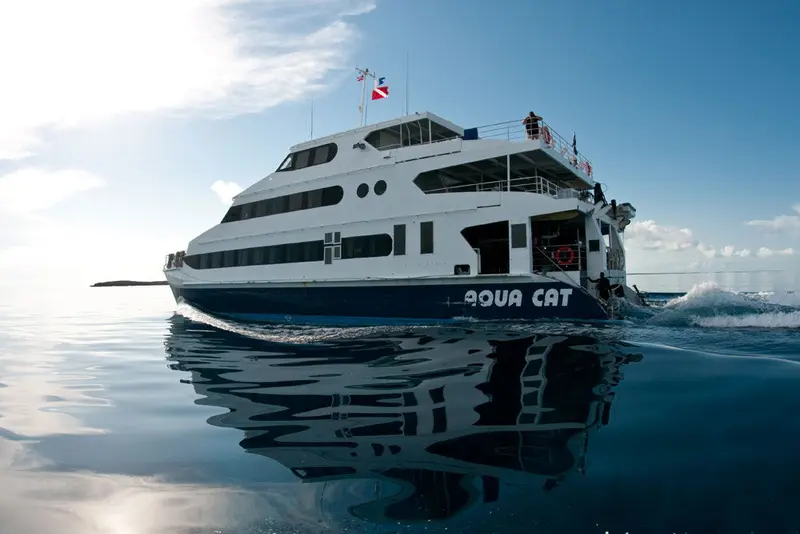
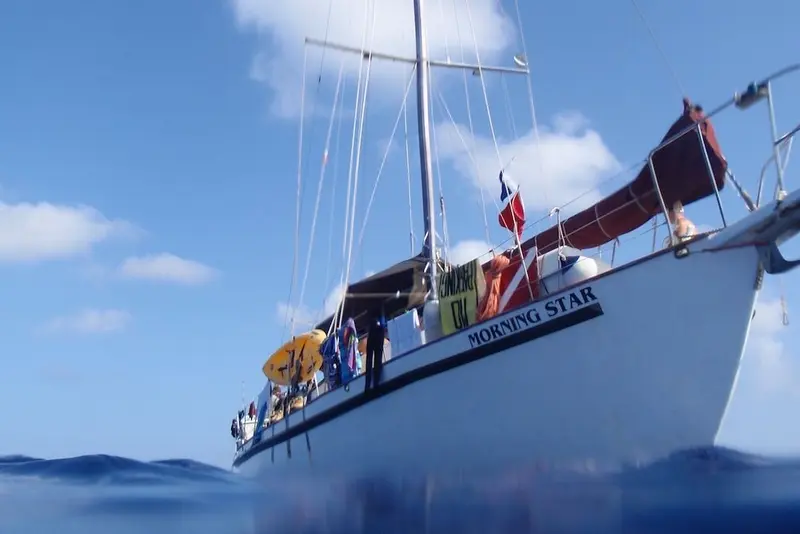
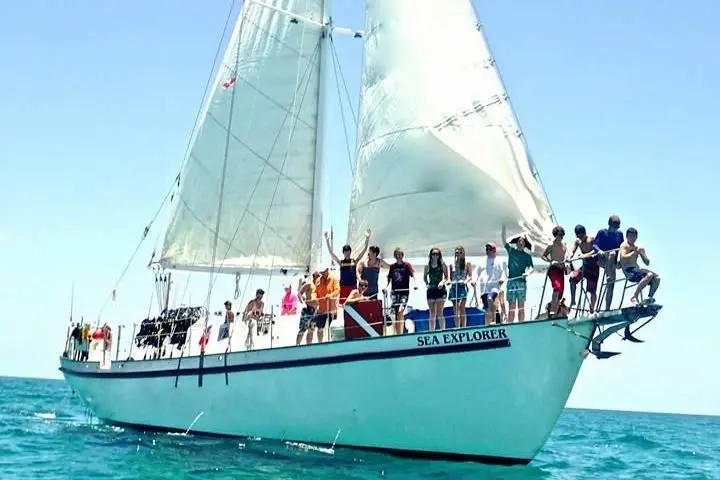
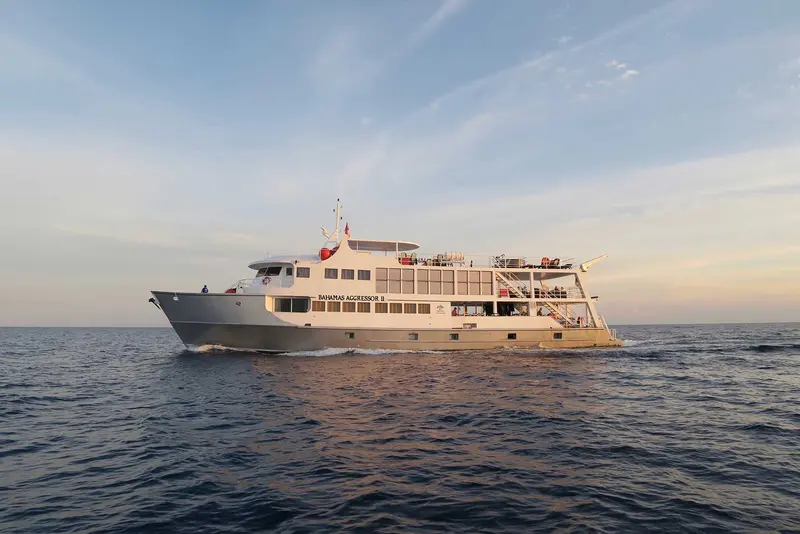
Liveaboards
When to go, and where by month
The seasonal message is unusually straightforward. May, June, July, August and September are the months when all four principal islands (Andros, Bimini, Grand Bahama and New Providence) are in season. January through April, then October through December, do not provide a listed in-season window for these areas. There is therefore no opposing coast to exploit: the Bahamas does not present one island group opening as another closes. Both pairings share the same May-to-September timing, so the decision is about the character of the trip rather than chasing a calendar gap. Select Bimini and Grand Bahama when shark-focused diving and the parrotfish thread matter most. Select Andros and New Providence when the shorter island link and Nassau’s repeated day-boat operation make the overall journey more manageable. A single May-to-September window also means that combining groups is a routing decision, not a way to extend the season.
Marine life, coast by coast
The Bahamas does not offer one wildlife theme that usefully covers every island. The clearest country-level planning distinction is between a shark-led Bimini itinerary and the more specific parrotfish thread found around Bimini and Grand Bahama. That makes the western pairing relevant to divers who want wildlife to shape the route rather than appear as an incidental bonus. Bimini’s shark reputation also changes how the dives should be approached: buoyancy and trim matter when viewing large animals at close range. The same discipline applies on wreck dives, where structure is part of the attraction. Elsewhere, the material points to mixed diving rather than a single named encounter. For a short trip, decide whether sharks or the broader island mix is the priority before choosing the group; moving islands will not create a different season.
Getting between the areas
The two practical combinations are Andros with New Providence, 44 kilometres apart, and Bimini with Grand Bahama, 109 kilometres apart. These are the pairings that make sense within one journey, although even a short-looking island transfer needs checking against the exact marina and embarkation point. The other crossings are not casual hops: Andros to Bimini is 185 kilometres, Bimini to New Providence 202 kilometres, Grand Bahama to New Providence 207 kilometres, and Andros to Grand Bahama 213 kilometres. An itinerary that tries to link the two groups can consume a travel day once flights, boats and the correct side of the channel are allowed for. For a short stay, putting signature dives first is sensible. Verify the island of departure before booking, particularly after a domestic flight; the correct airport does not necessarily place you beside the right marina.
Take off your mask
On land, Nassau-Paradise Island provides the most recognisable urban base, while the Out Islands offer a quieter island setting and a more local rhythm. Nassau is also associated with an underwater museum, giving the capital a cultural link to the sea beyond ordinary boat trips. Bimini rewards slower wandering. Its artisan markets are a place to look at straw goods, and the Maison du Dauphin is known for its striking mosaics. Bimini Bread, made with coconut and honey, is the island speciality to seek out, while local beers suit an unhurried evening. Across the islands, Bahamian fried fish and a beach cocktail provide the straightforward post-dive choice. The country’s traditions and local culture are part of the appeal, but the material gives no detailed regional culinary map beyond these named tastes. A marine-biologist guide at Tiamo Resort also places emphasis on local species, breeding cycles and the human impact on the sea.
What holds true everywhere here
Several practical choices make sense across the Bahamas rather than at one particular island. Repetitive day-boat diving is common enough that Nitrox can be genuinely useful, especially over several consecutive days. Carrying your own computer and delayed-surface-marker buoy avoids relying entirely on local equipment and suits a full run of boat dives. Buoyancy and trim deserve more attention here than a generic reef reminder: they protect both wreck structure and close shark encounters. Ask whether the operator uses moorings rather than free anchoring, since busy marine traffic makes anchoring practice relevant to the reef. Finally, confirm the exact embarkation island, channel side and marina before travelling. In the Bahamas, an apparently correct domestic arrival can still leave you on the wrong side of the boat departure.
Frequently asked questions about Bahamas
When should you choose the Bahamas for diving?
Choose the Bahamas for diving from May through September, the season highlighted for Bimini shark diving. Andros and New Providence are also presented within this season. If you are planning around wildlife, remember that changing islands will not create a different season, so set your travel dates before choosing your route.
What experience level and skills suit diving in the Bahamas?
The Bahamas material emphasizes buoyancy and trim when you view large animals at close range, especially during shark-focused dives around Bimini. The same control helps on wreck dives, where the structure is part of the attraction. Choose a group and itinerary that fit your comfort with these skills and environments.
What can you see while diving in the Bahamas?
Around Bimini, you can focus on sharks and look for parrotfish, while Grand Bahama is also associated with parrotfish. Diving elsewhere is described as mixed rather than centered on one named encounter. A Bahamas stay can also include Nassau’s underwater museum, alongside the marine life and wreck attractions.
How should you plan a diving stay in the Bahamas?
Decide whether sharks or a broader island mix should shape your Bahamas itinerary before choosing your group. A western pairing of Bimini and Grand Bahama suits divers interested in wildlife, while Nassau-Paradise Island and the Out Islands offer other route options. Moving between islands will not create a different season.