
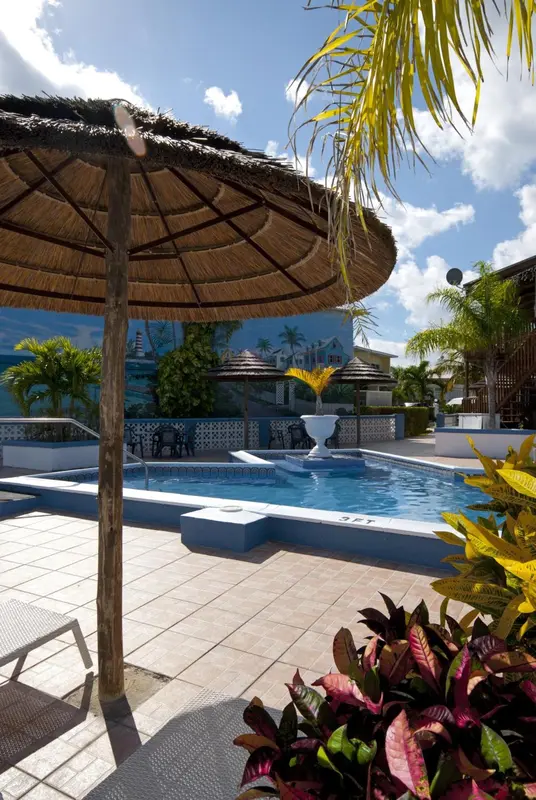
 Dive centre in the hotel
Ocean Reef Yacht Club & Resort
★★★
Google 4/5 (572 reviews)
The dive centre
Grand Bahama Scuba
SDI
Google 4.7/5 (82 reviews)
Dives: The Barrier Reef, Angel Camp, Badger
Bahamas · Caribbean
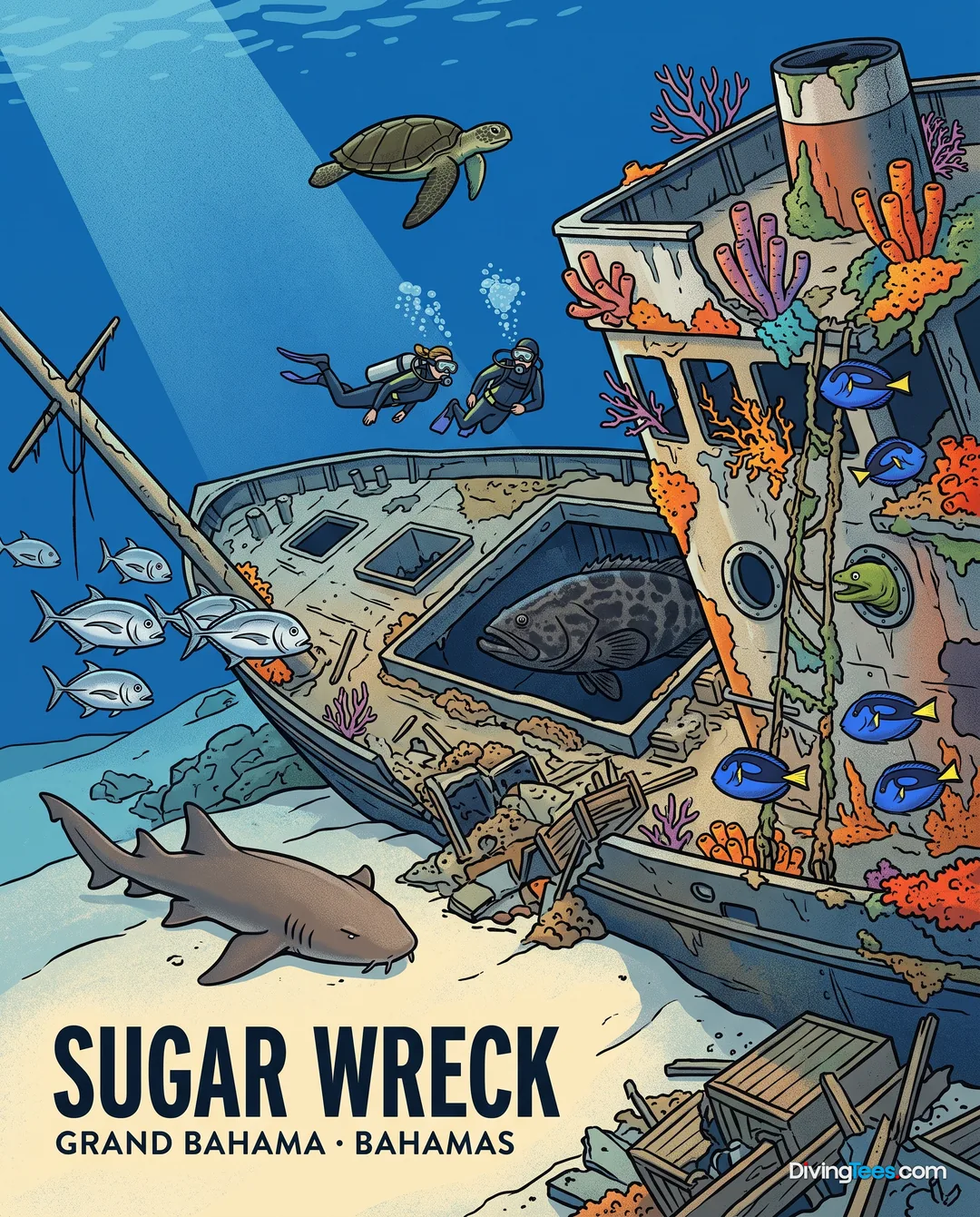
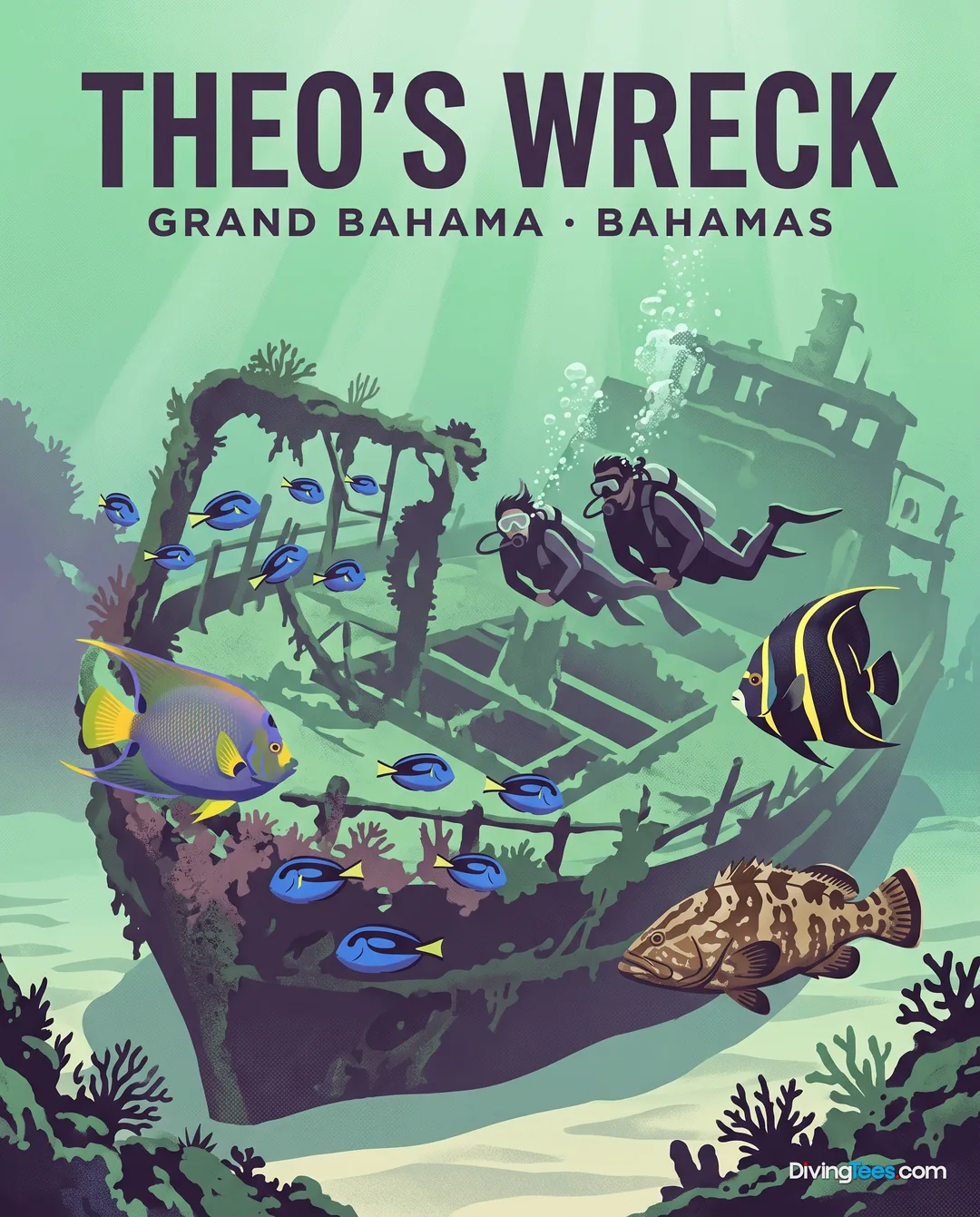
Sugar Wreck’s shallow hull, Theo’s deeper structure, tropical fish and occasional pelagic sharks make Grand Bahama a practical island base for varied boat diving.
For subtitles in English: start the video firstthen click the gearat the top right of the video, select “Subtitles/CC”, then “Auto-translate” and choose “English”.
Grand Bahama works well as a settled island base for divers who want more than one sort of underwater day. Sugar Wreck lies in shallow water, where a historic sailing ship has become an artificial reef for close-up photography and long, unhurried bottom times. Theo’s Wreck offers a much deeper profile, with tropical fish around a deliberately scuttled vessel. Between dives, Freeport and the island’s west end provide the practical infrastructure of a normal holiday rather than the restricted routine of a liveaboard.
The diving is a mixture of reefs, blue-water walls and wrecks reached by day boat. Sugar Wreck is the easy-going end of the range: six to ten metres, generally light current and visibility commonly holding between twenty and thirty metres. It is a sensible place to slow the pace, work close to the hull and make the most of a camera. Theo’s Wreck changes the character of the day. The wreck sits from twenty-five to thirty-one metres, and current can become strong with tidal changes because of its position near the reef edge and continental shelf. Optional entry into the engine room and cargo holds makes it more demanding still. Conditions are variable across the island, so the useful question each morning is which side and which site are best suited to the weather and current.
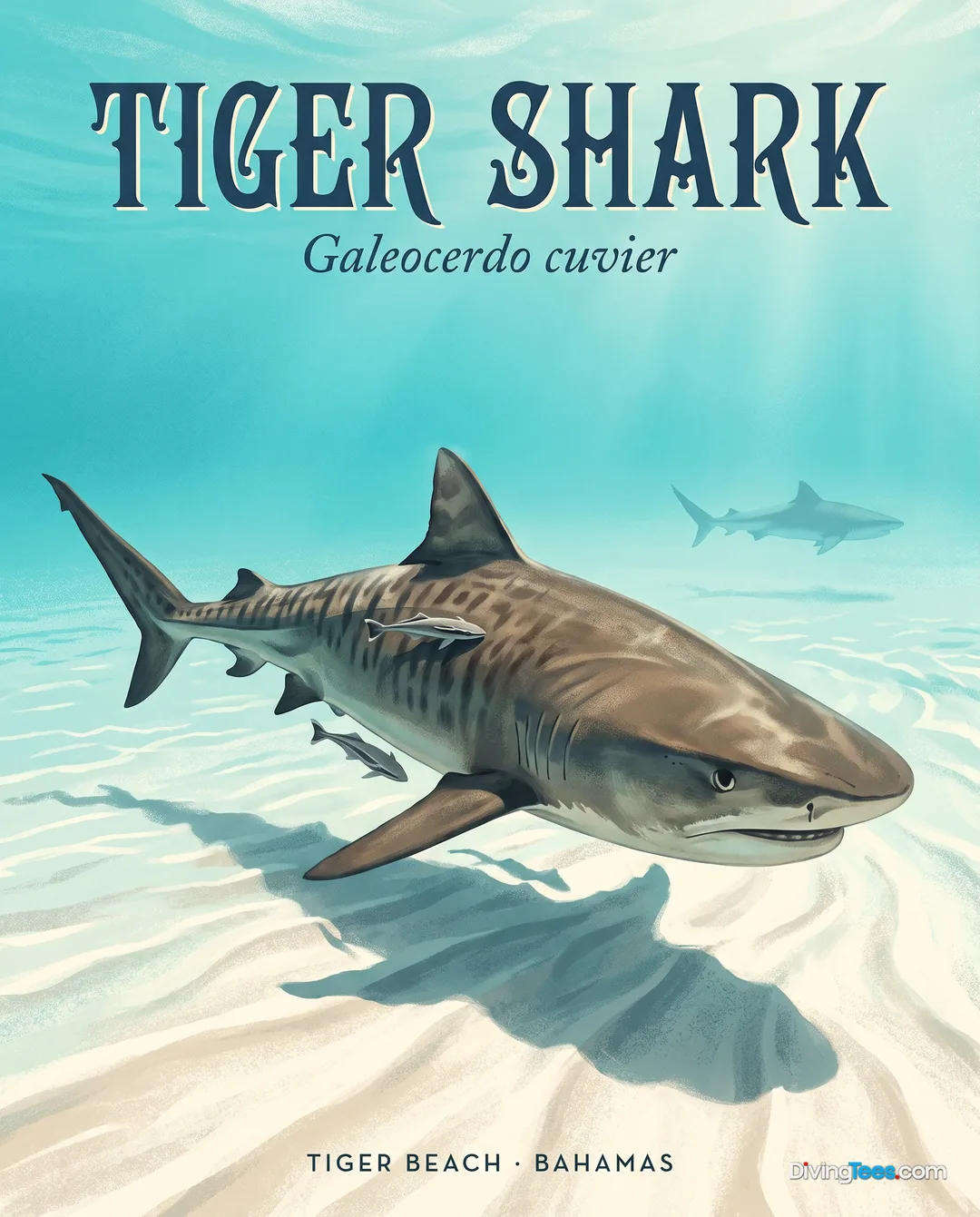
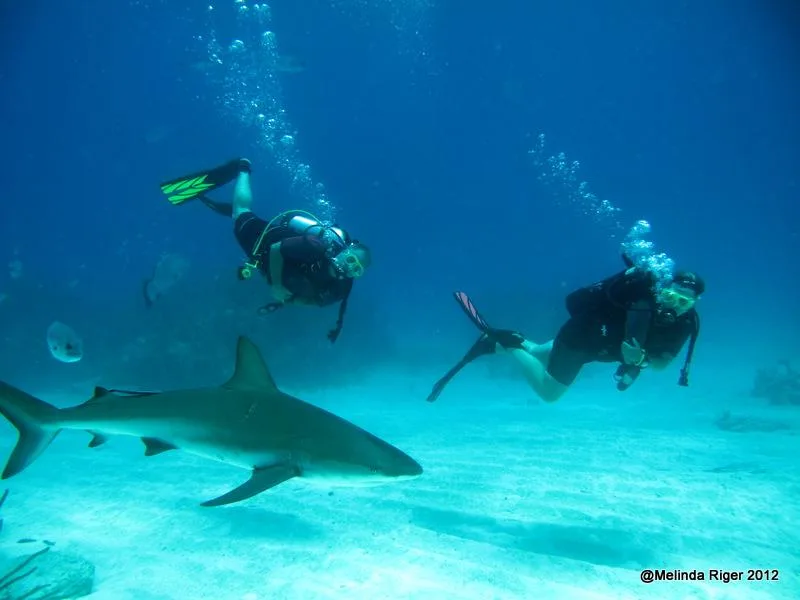
Sugar Wreck has developed into a busy artificial reef, with prolific fish life using the old sailing ship for shelter. Tropical fish also gather around Theo’s Wreck, where the vessel’s structure provides plenty of cover and something substantial to explore rather than just a passing reef scene. Large pelagic sharks may sometimes appear at Sugar Wreck, adding an unpredictable blue-water element to an otherwise shallow dive. The site material identifies May to September as the most favourable period for visiting, while those months also bring the calmest sea and therefore better chances of running the intended boat programme. Encounters remain encounters, not a timetable: the attraction is the combination of wreck structure, fish activity and the possibility of something larger arriving.
May to September is the clearest practical window for a Grand Bahama diving holiday because the sea is generally at its calmest then. That matters more here than a promise of one fixed seasonal speciality: diving is organised from boats, and exposed sites can respond noticeably to weather and current. The calmer period gives the skipper more flexibility between reef, wall and wreck options, and makes it easier to protect a planned day around Sugar Wreck or Theo’s Wreck. A five- to seven-day stay is sensible, leaving room to move dives around rather than treating one forecast-affected day as decisive.
This coast is exposed to sargassum strandings, whose intensity varies greatly from year to year. To find out more, see the “Sargassum” panel on this page.
Grand Bahama suits all levels, provided the chosen site matches the diver’s experience. An Open Water diver, including an equivalent BSAC qualification, can manage Sugar Wreck if comfortable with boat diving, shallow water and basic current awareness. Theo’s Wreck is better suited to intermediate or advanced divers, particularly where the profile reaches thirty-one metres or optional penetration is considered. Advanced Open Water training is useful for the deeper and more exposed options. Nitrox is worth considering for repeated boat diving over several days, especially for divers who prefer a measured pace without shortening every second dive.
From London Heathrow, London Gatwick or Manchester, travellers should expect at least one connection through a North American or regional hub before flying to Grand Bahama. There is no ferry-only stage built into the journey: the island is reached by air, followed by a road transfer to the relevant Freeport or west-end base. Dive centres may arrange hotel collection, while taxis or other local road transfers cover the remaining practical movement on land. The boat departure is then from the coast. Accommodation choice therefore matters less for airport access than for being reasonably close to the launch point, particularly when a stay combines different dive areas rather than using one single district.
Plan Grand Bahama around flexibility rather than a rigid list of essential dives. Ask whether the proposed sites are on the more exposed or more sheltered side of the island, because the conditions are not uniform and one area may be a better use of the day. Keep at least one day uncommitted within a five- to seven-day stay so weather can move a reef or wreck outing without wrecking the holiday. Comparing bases by their actual launch point is worthwhile: Freeport and the west end are not one interchangeable dive district. A well-fitting personal mask and exposure suit are useful luggage choices when rental sizes may be limited. Nitrox has practical value for repeated day-boat diving, not as a badge of experience but because several consecutive dives can otherwise make the schedule feel unnecessarily compressed. Do not approach Grand Bahama as a liveaboard destination, and do not assume one island-wide marine-park rulebook governs every site. A land-based plan is the simpler fit.
A typical stay combines several boat-diving days with a weather buffer and a non-diving day. The underwater programme can move between Sugar Wreck’s shallow artificial reef, Theo’s Wreck’s deeper structure and other reef or wall options according to conditions. Staying near a practical land base keeps transfers manageable, while companions have beaches, swimming, sightseeing and ordinary town-based downtime on hand. Five to seven days gives the trip enough shape without turning every day into a dive day.
Hello, I'm Marina, DivingDeal.com's AI assistant. I guide you through destinations, areas and countries.
Thinking about the whole trip and the flights? Talk it over with Edith →
Marina is an AI. Some links are affiliate links: DivingDeal may earn a commission, at no extra cost to you. Bookings are made with the partner.
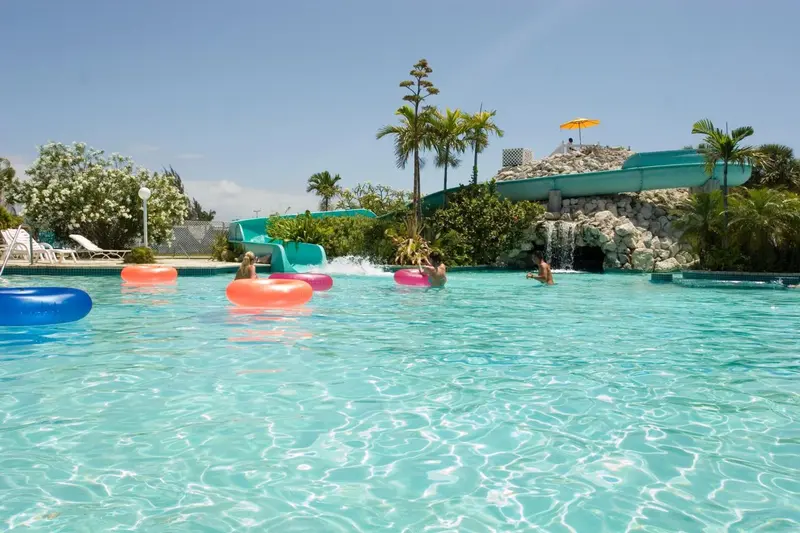
In each one, the dive centre is inside the hotel: step out of your room and go diving.
Dive centre in the hotel★★★
Google 4/5 (572 reviews)
The dive centre
Grand Bahama Scuba
SDI
Google 4.7/5 (82 reviews)
Dives: The Barrier Reef, Angel Camp, Badger
Your last day stays dry: no diving in the 18-24 hours before a flight, the perfect window to see the destination from another angle.
 Culture
⏱ 3 h · ★ 5.0 (15 reviews)
from £61$81€73
see on Viator ↗

⏱ 6 h · ★ 4.8 (18 reviews)
from £152$203€182
see on Viator ↗
 Nature
⏱ 4 h · ★ 4.5 (32 reviews)
from £205$275€245
see on Viator ↗

⏱ 4 h · ★ 5.0 (3 reviews)
from £46$61€55
see on Viator ↗
Ratings and reviews collected by Viator and Tripadvisor.
May to September is the clearest practical window for a Grand Bahama diving holiday because the sea is usually calmest then. Calmer conditions give boat skippers more flexibility between reef, wall and wreck sites, while exposed locations can still respond to weather and current. Encounters with pelagic sharks remain unpredictable.
Grand Bahama suits different experience levels when you choose an appropriate site. Open Water divers comfortable with boat diving, shallow water and basic current awareness can manage Sugar Wreck. Theo’s Wreck is more suitable for intermediate or advanced divers, especially at greater depth or where optional entry into the engine room and cargo holds is considered.
Grand Bahama offers shallow and deep wrecks, reefs, blue-water walls and tropical fish. Sugar Wreck is an artificial reef at six to ten metres, with fish life, twenty to thirty metres of visibility and occasional large pelagic sharks. Theo’s Wreck descends to thirty-one metres and attracts tropical fish around its structure.
Plan Grand Bahama as a land-based trip with several boat-diving days, a weather buffer and a non-diving day. A five- to seven-day stay allows outings to shift between Sugar Wreck, Theo’s Wreck and other sites when conditions change. Choose accommodation near your actual launch point, with Freeport and the west end serving different areas.