
Turtle Caye - Brendal's Dive Center
Google 4.5/5 (62 reviews)
Bahamas · Caribbean
Tarpon at fifteen metres, coral caverns, sand-cut reefs and a nineteenth-century steamboat wreck shape a quiet, boat-based diving holiday through the Abacos.
For subtitles in English: start the video firstthen click the gearat the top right of the video, select “Subtitles/CC”, then “Auto-translate” and choose “English”.
The Abacos are an Out Islands archipelago where diving fits around island life rather than replacing it. Boats leave from local marinas for coral gardens, walls, caverns, channels and coastal wrecks, with most profiles staying comfortably within recreational limits. The underwater scenery changes from the tarpon-filled Original Tarpon Dive to the twelve-metre San Jacinto and the deeper sponge country of Valley of the Sponges. Above water, beaches, villages and inter-island navigation make the destination work for mixed groups.
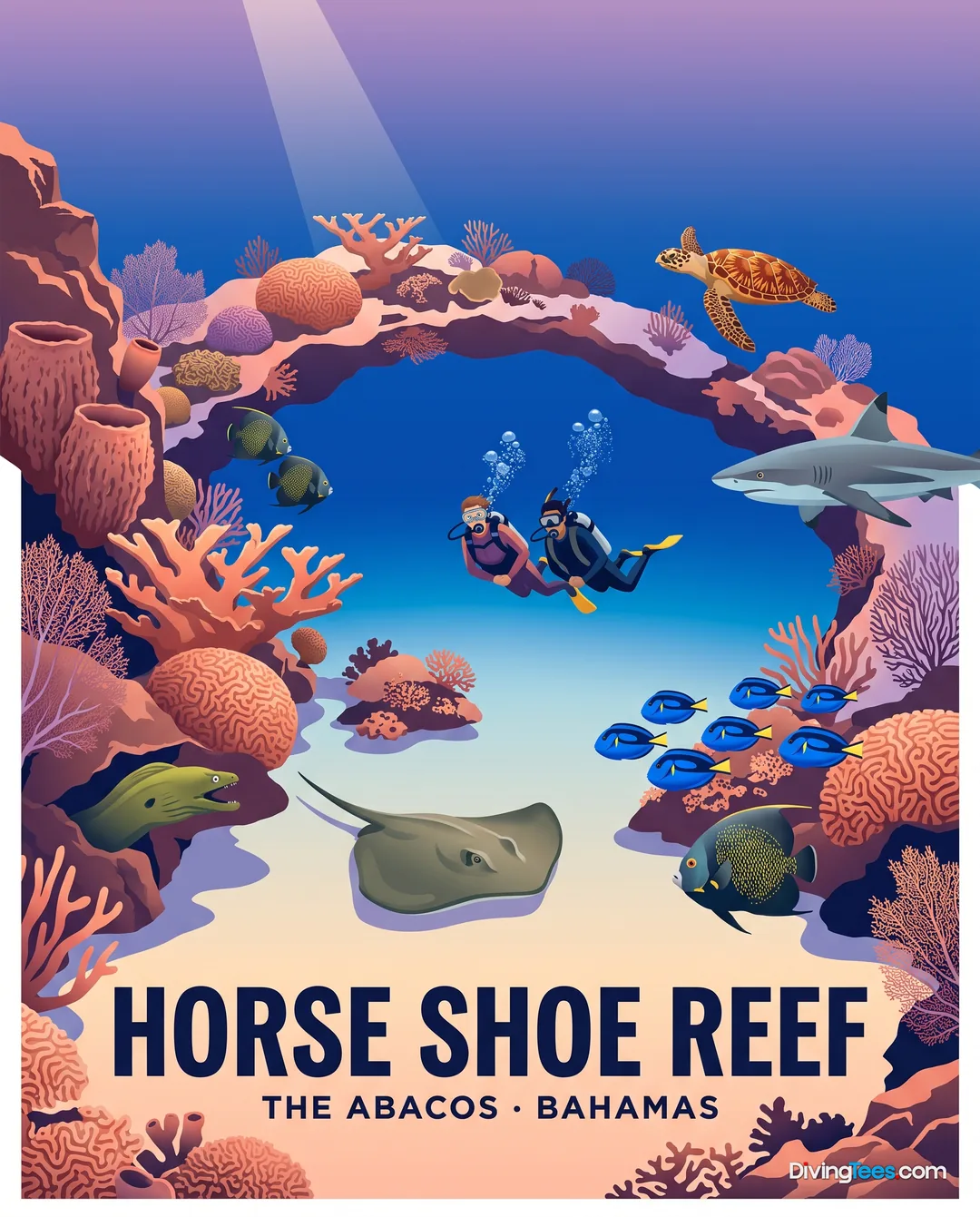
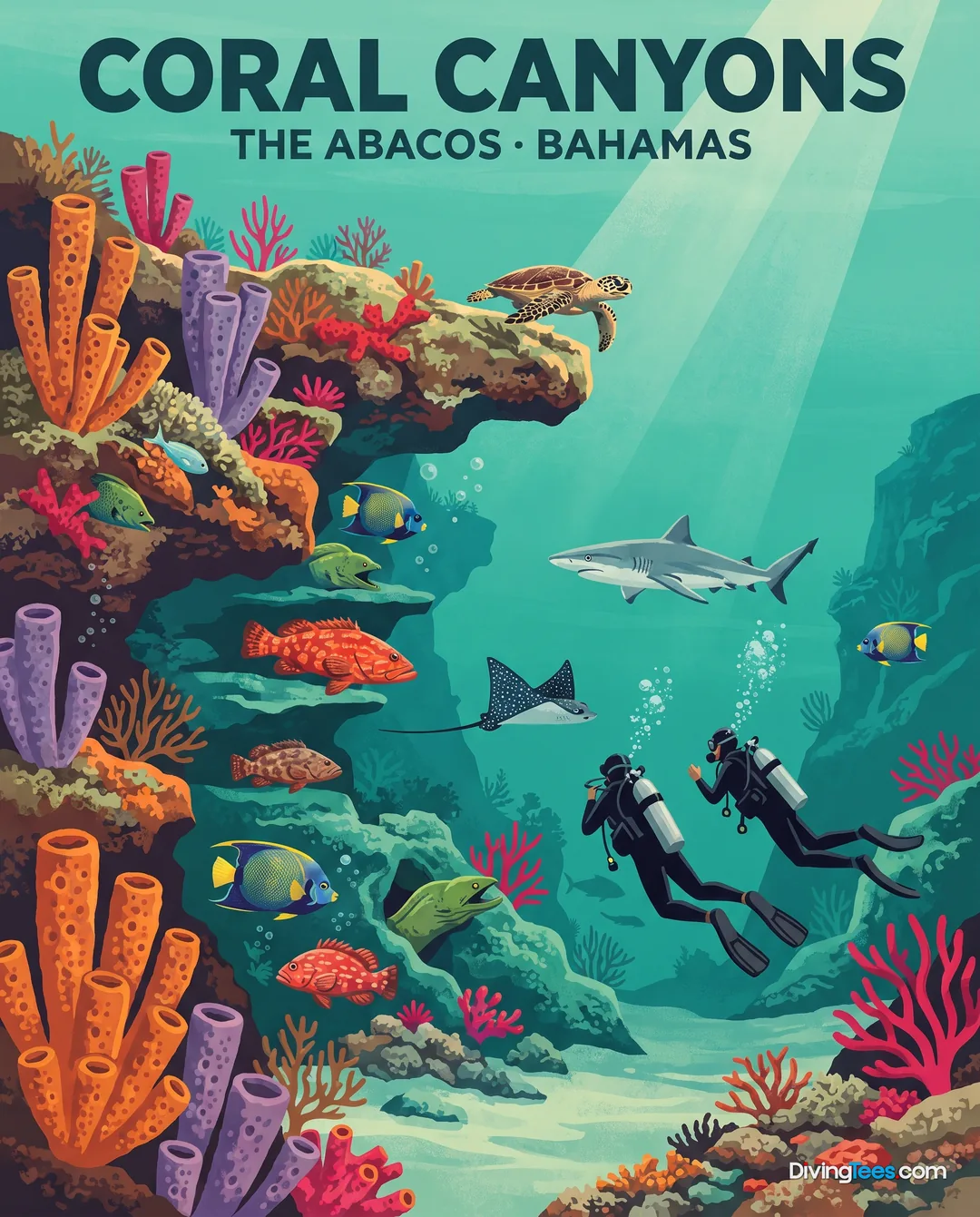
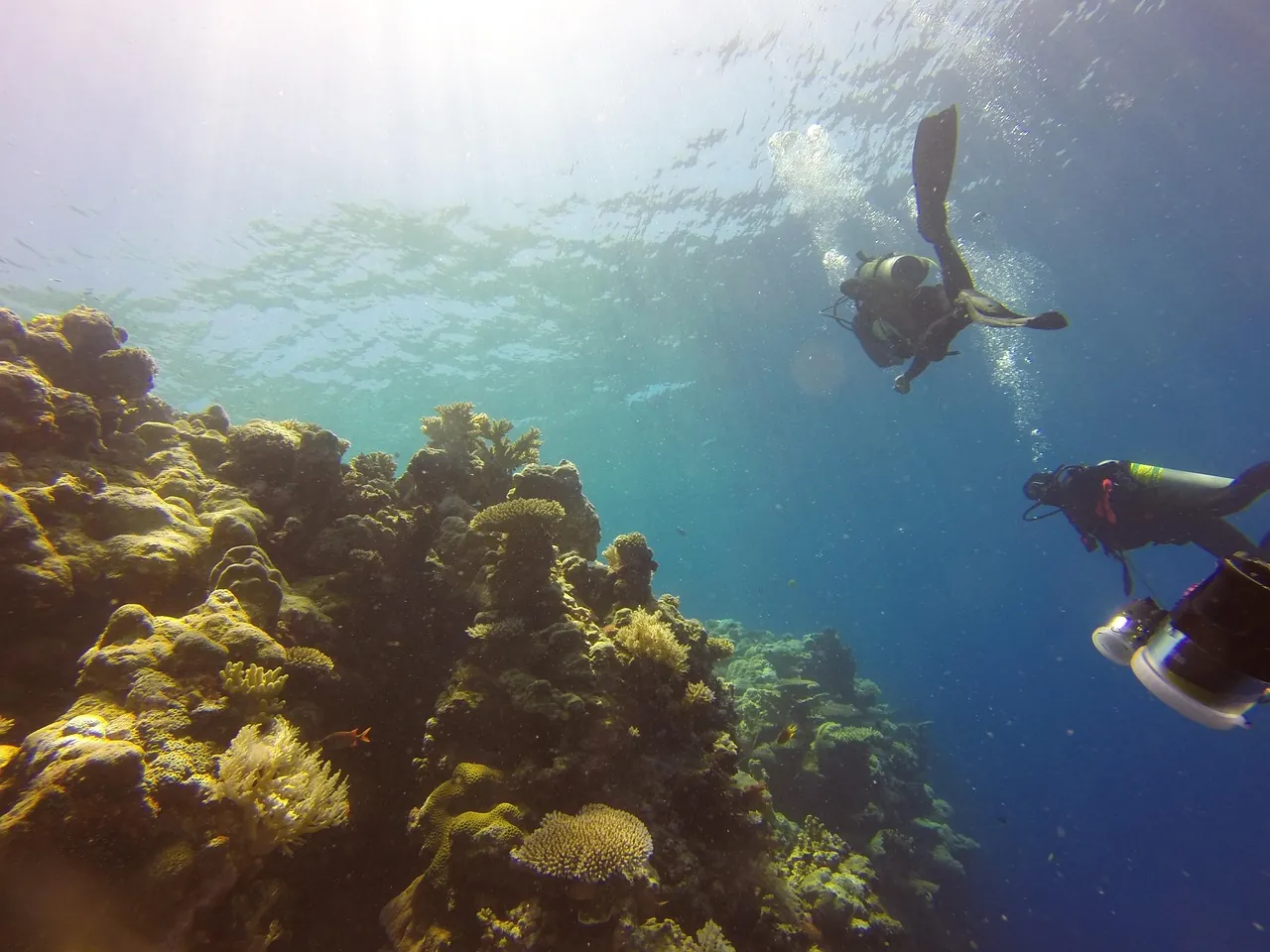
Boat diving is the rule, with light current generally leaving time to look rather than fight the water. The sites range from shallow coral formations at around twelve metres to walls and reef slopes reaching thirty metres. Coral Caverns offers connected grottoes at fifteen metres, while Coral Canyons uses crevassed passages and swim-through-like corridors between twelve and eighteen metres. Horse Shoe Reef is built around sand channels cutting between coral heads; The Coral Gardens gives a gentler view of fans and gorgonians at twenty-four metres. Visibility is commonly good, often between fifteen and thirty metres, and can exceed thirty metres at Coral Caverns. Occasional tidal flow can gather around structures such as The Pillars or Grouper Alley, so the guide’s briefing still matters even when the general character is relaxed.
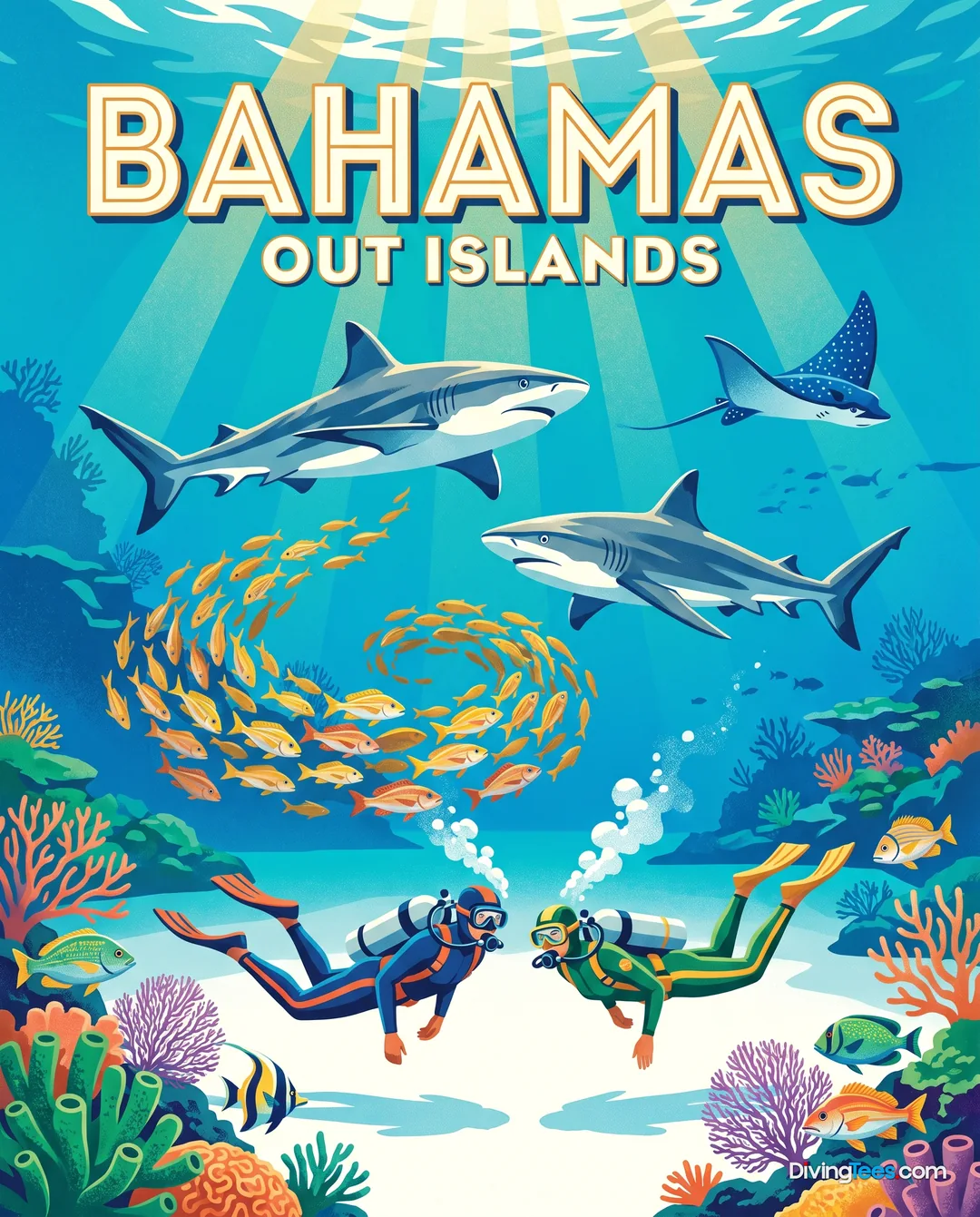
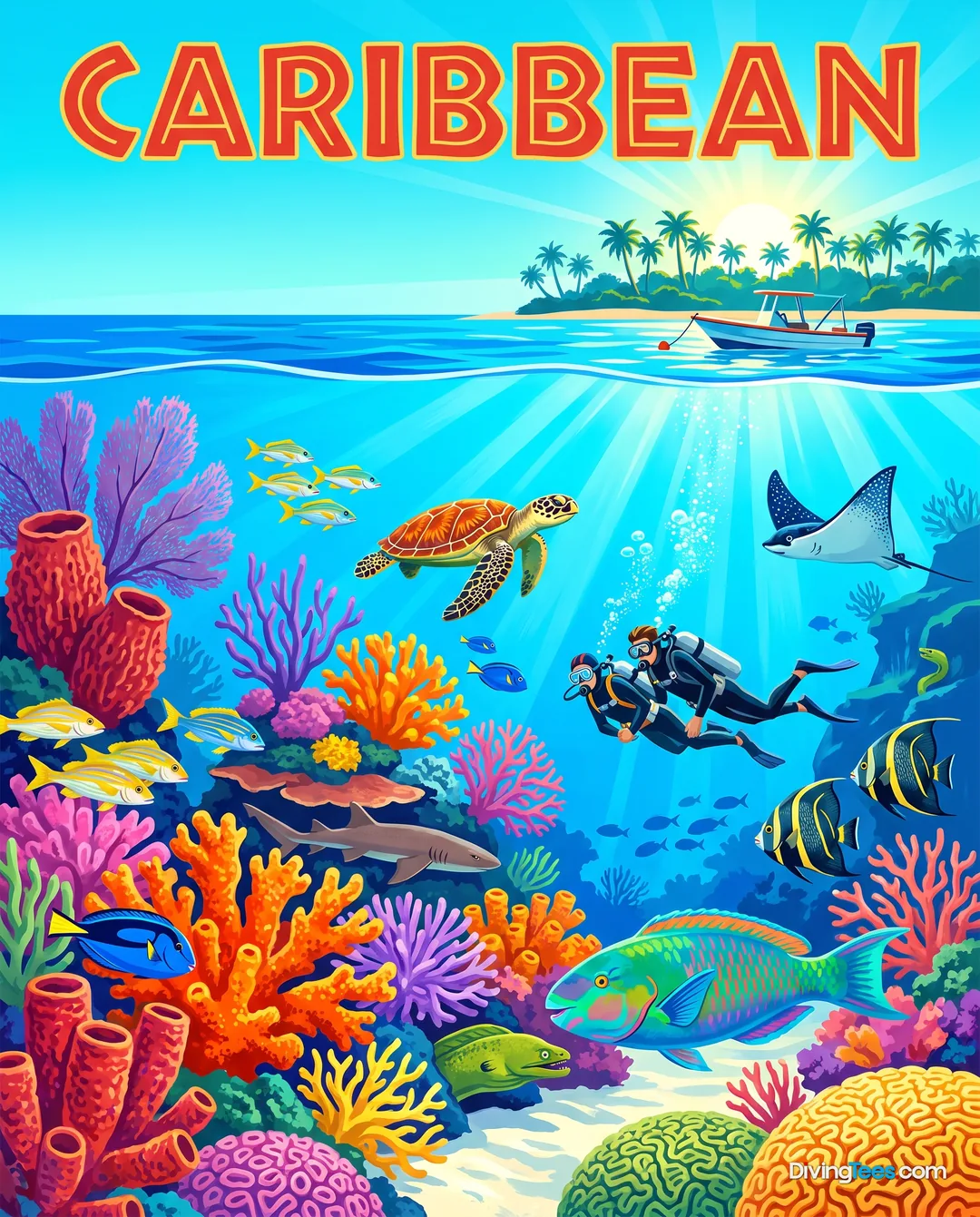
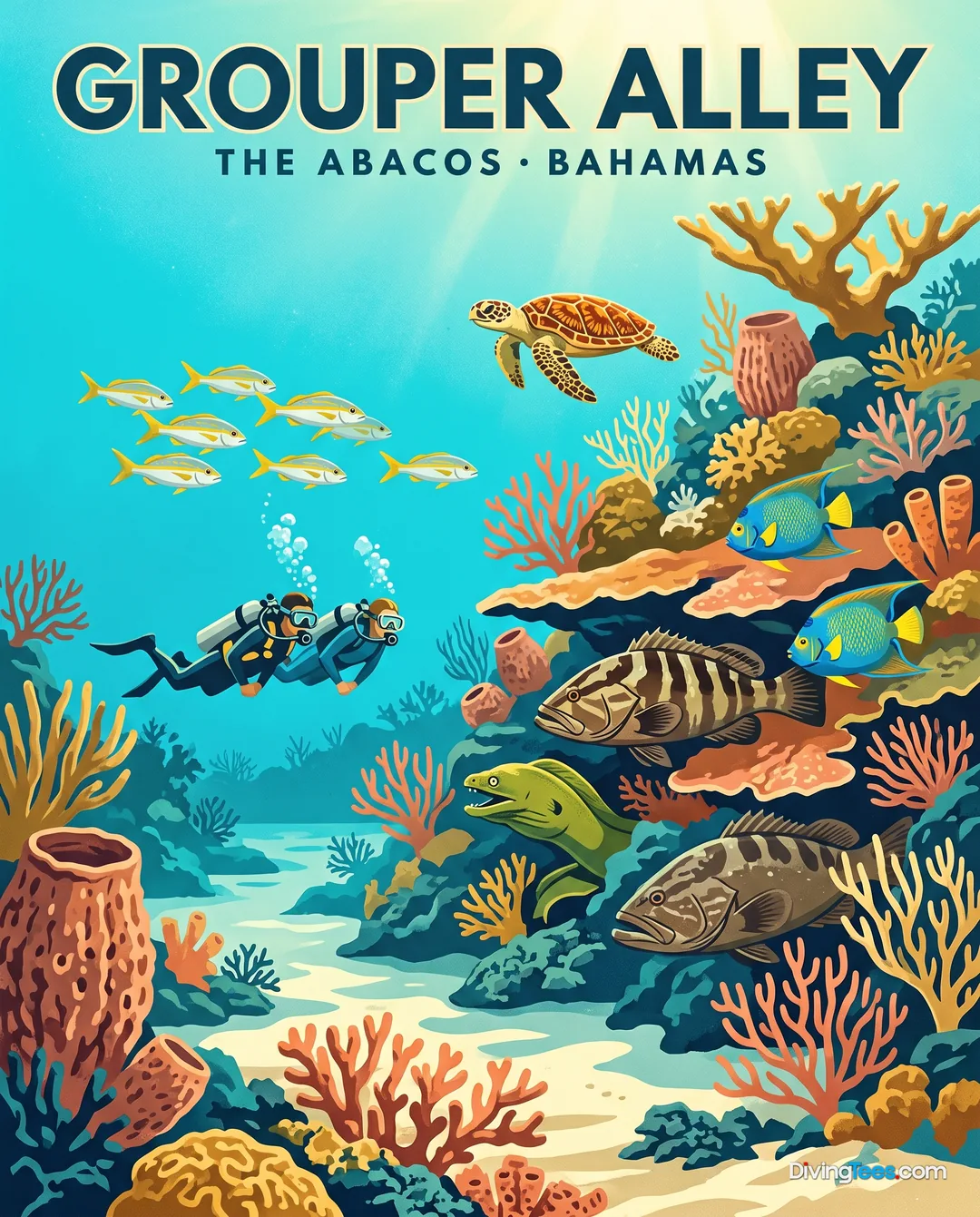
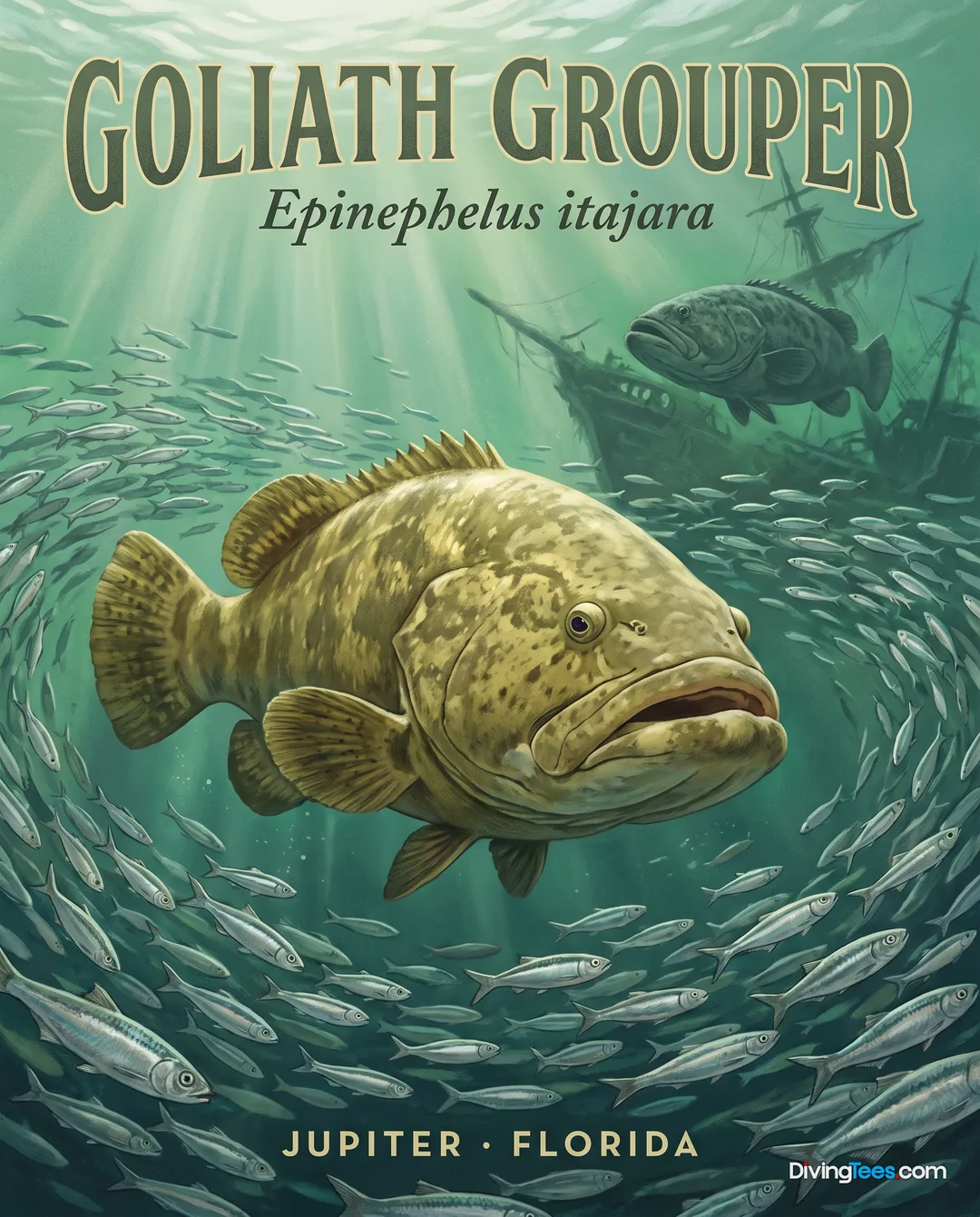
The Abacos reward patient looking rather than a single promise of rare animals. Tarpon gather at The Original Tarpon Dive, where a resident grouper known as Grouper Junkanoo adds character to the coral wall. Grouper Alley is about schools of large groupers, while The Ledge places these substantial fish among soft corals and sponges at thirty metres. Coral Caverns can fill with silversides and tropical fish, and The Catacombs brings frequent visits from cruising turtles over shallow reef. Green moray eels give the San Jacinto wreck a living detail, while parrotfish, angelfish, sea turtles, eagle rays and Caribbean reef sharks form part of the wider Bahamian cast. These encounters are presented as resident or recurring features rather than a seasonal migration, so the wildlife interest is not tied to one narrow window.
Diving is generally possible throughout the year in the Abacos, and the sites described here are not tied to a single seasonal event. The practical reason to travel is therefore less about chasing a particular month and more about allowing several days for boat departures and changing sea conditions between islands. Water temperatures are described at roughly twenty-four to thirty-one degrees Celsius, while visibility is often strong. A five-to-seven-day stay gives the best balance: enough days to make use of calm boating opportunities, without turning the trip into a purely dive-focused schedule.
This coast is exposed to sargassum strandings, whose intensity varies greatly from year to year. To find out more, see the “Sargassum” panel on this page.
This is suitable for all levels, provided the diver is comfortable with boat procedures and the site briefing. Shallow reefs, the twelve-metre San Jacinto and fifteen-metre Coral Caverns are approachable for newer divers, while The Ledge at thirty metres requires the appropriate depth training. PADI, SSI and BSAC qualifications fit the recreational character of the destination. Nitrox is useful for repeated boat diving, and a wreck qualification adds confidence around the San Jacinto, although the wreck itself is accessible to divers of varied experience.
From London Heathrow, London Gatwick or Manchester, the journey is built around a connection through Nassau or another Bahamian hub, followed by a domestic flight to Marsh Harbour or Treasure Cay. There is no direct overland route into the Abacos: this is an archipelago, and the final transfer matters. The airport alone does not identify the right base, so the island and marina used by the dive operation should be confirmed before booking accommodation. Once there, the practical link between lodging and diving may be a walk, taxi, local transfer or shuttle, depending on the island. Boat, local transport and taxi arrangements are therefore part of reaching the diving, not an afterthought. Domestic schedules and operating patterns can vary by season and provider.
Treat the Abacos as a chain of islands, not one continuous resort. Confirm the exact island and marina where the boat leaves, particularly after arriving at Marsh Harbour or Treasure Cay; being on the wrong side of a channel can turn a simple morning into a missed departure. Do not arrive expecting shore diving to fill the week: the useful access is by boat. Build in at least two or three sea days, since wind and inter-island conditions can affect departures, and keep a non-diving plan for a weather-bound day. A self-sufficient luggage setup is sensible if a particular mask, suit size or accessory matters, because island stock may be limited. The destination is also the wrong fit for anyone expecting a liveaboard itinerary; its rhythm is land-based, with local day boats. Finally, avoid booking every day around one supposed signature site. The Abacos work better when tarpon, caverns, reefs and wrecks are treated as a sequence of outings, with room for the sea to dictate the order.
A five-to-seven-day stay suits the Abacos well. Base the trip near the relevant port, marina or dive operation, then use several days for boat diving while keeping time for beaches, villages and inter-island cruising. Non-divers have genuine alternatives, including swimming, kayaking, coastal sightseeing and navigation between islands. The result is a calm mixed holiday rather than a concentrated liveaboard programme, with the diving woven into the wider geography of the archipelago.
Hello, I'm Marina, DivingDeal.com's AI assistant. I guide you through destinations, areas and countries.
Thinking about the whole trip and the flights? Talk it over with Edith →
Marina is an AI. Some links are affiliate links: DivingDeal may earn a commission, at no extra cost to you. Bookings are made with the partner.
You can generally dive in The Abacos throughout the year, since the sites are not tied to a single seasonal event. Plan several days to allow for boat departures and changing sea conditions between islands. Strong visibility and water temperatures around twenty-four to thirty-one degrees Celsius support flexible timing.
The Abacos suit divers of all levels who are comfortable with boat procedures and site briefings. Shallow reefs, the San Jacinto and Coral Caverns suit newer divers, while deeper sites require appropriate depth training. Nitrox helps with repeated boat dives, and a wreck qualification adds confidence around the San Jacinto.
You can encounter tarpon, large groupers, turtles, silversides, tropical fish, moray eels, eagle rays and Caribbean reef sharks. The diving also includes coral gardens, caverns, sand-cut reefs, soft corals, sponge country and the San Jacinto wreck, with different sites offering walls, passages, channels and shallow formations.
Plan a five-to-seven-day, land-based stay near the island, marina or dive operation used by your boat. Confirm the exact departure point before booking accommodation, and allow several sea days because wind and inter-island conditions can affect departures. Keep time for beaches, villages, kayaking, coastal sightseeing and inter-island cruising.