
Made in Water Excursions - Snorkelling, Underwater photos and Diving in Bahamas
Google 5/5 (232 reviews)
Bahamas · Caribbean
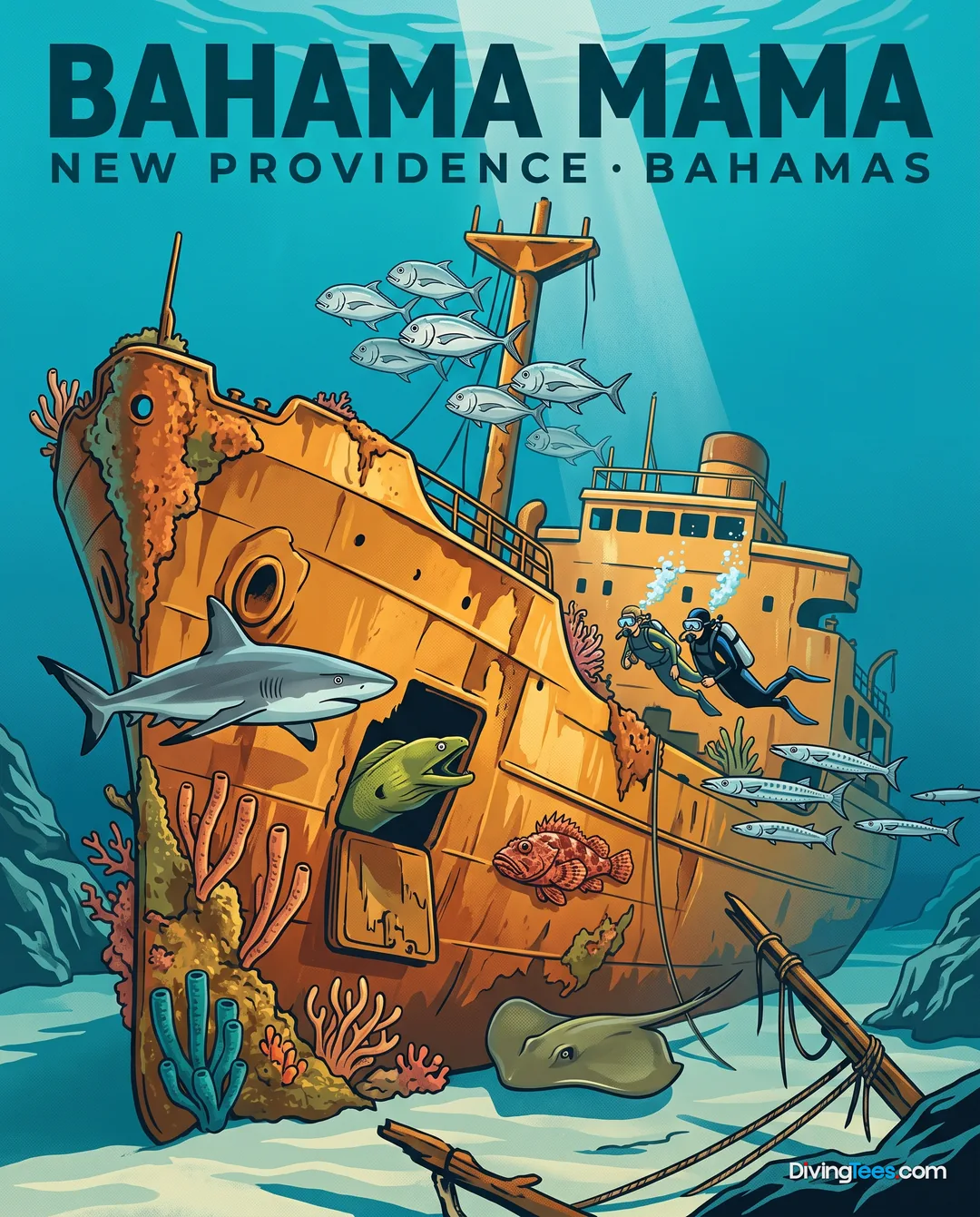
Purpose-sunk wrecks, a 60-metre blue hole, reef walls and Caribbean reef sharks shape Nassau’s varied boat diving from New Providence.
For subtitles in English: start the video firstthen click the gearat the top right of the video, select “Subtitles/CC”, then “Auto-translate” and choose “English”.
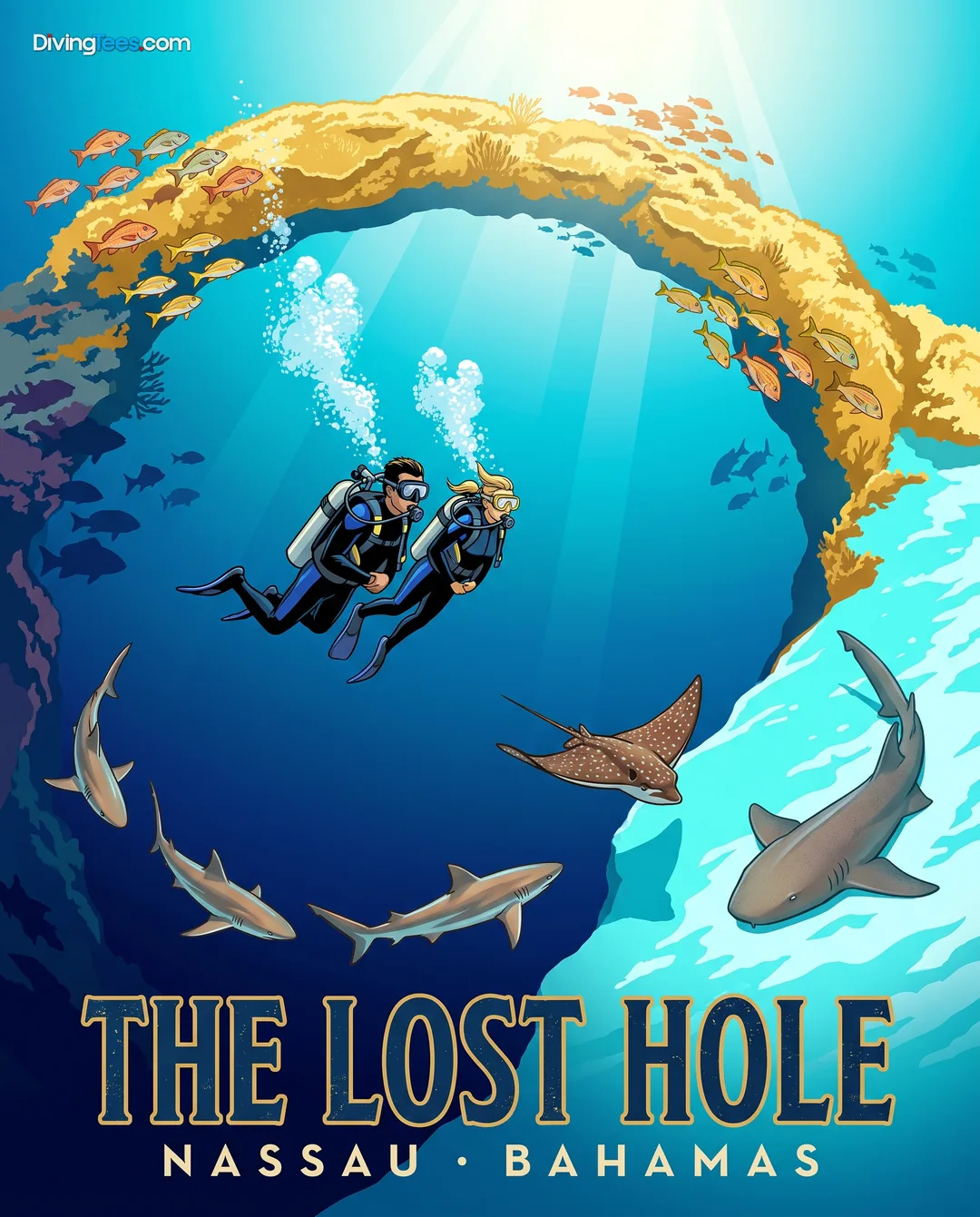
The Lost Hole, also known as Lost Blue Hole, gives Nassau a distinctive underwater landmark: a reef rim at 12 metres surrounding a circular depression that continues far beyond recreational depth. Elsewhere, boat trips combine shallow reefs, wrecks, walls and drift dives around New Providence and nearby islands. Nassau suits divers who want several different types of day boat diving without moving between remote bases. It also works well for a mixed group, with beaches, town and excursions available to non-divers.
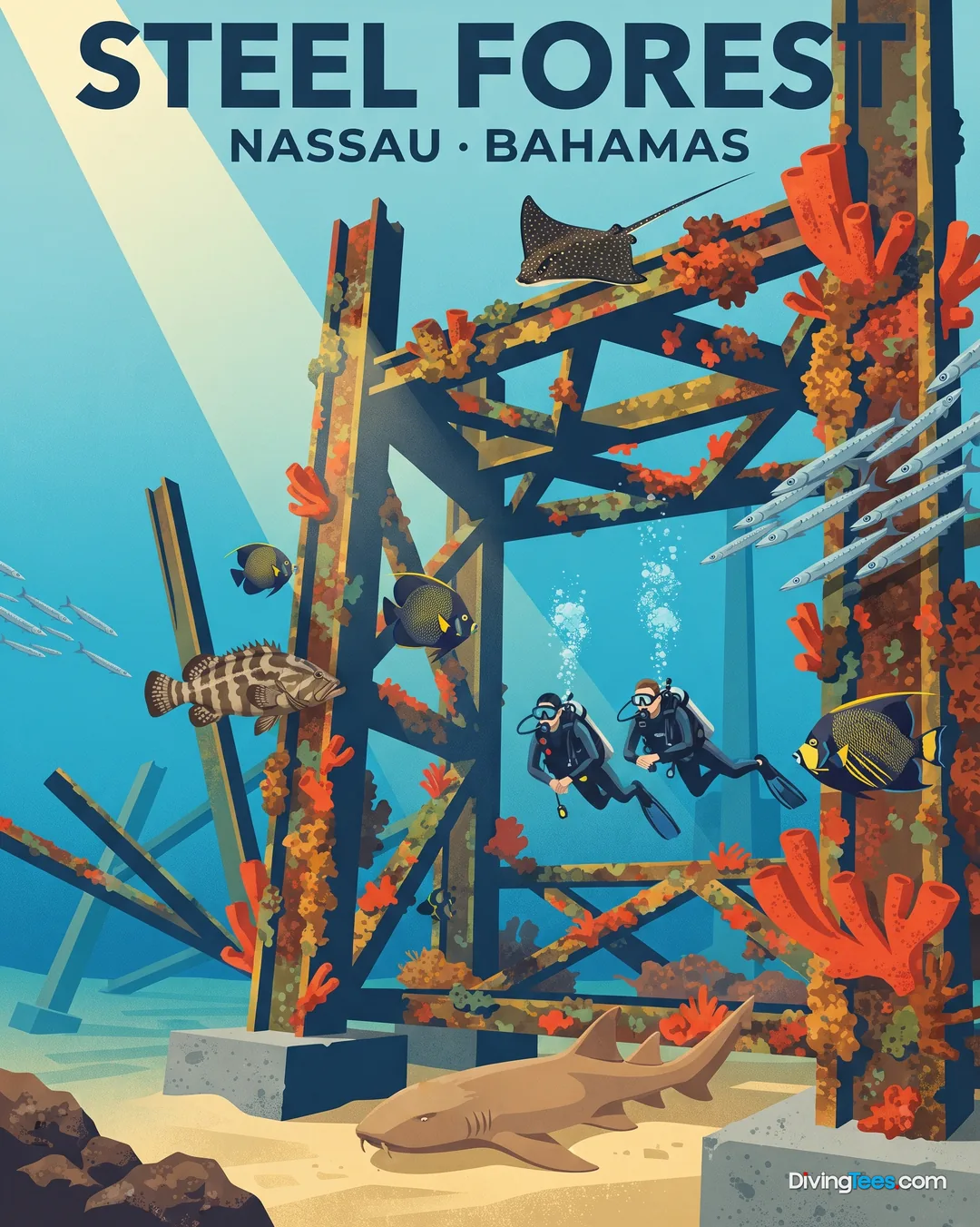
Nassau’s diving is built around short boat runs from Nassau or Paradise Island, with the underwater scenery changing from reef and sand to wreck structure, cavities and exposed walls. The Lost Hole starts simply enough at its rim, but the blue-hole shaft reaches 60 metres, making depth control central to the dive rather than an afterthought. Steel Forest places three wrecks bow-to-stern on sand from 9 to 33 metres, with the Tongue of the Ocean wall immediately adding a sense of depth and open water. Currents are variable, particularly around open-ocean features and wall edges, so drift procedures and a controlled ascent matter. Visibility at The Lost Hole is typically 18 to 30 metres; conditions elsewhere depend on the site and day. Most diving is arranged as repeated morning or daytime boat outings.
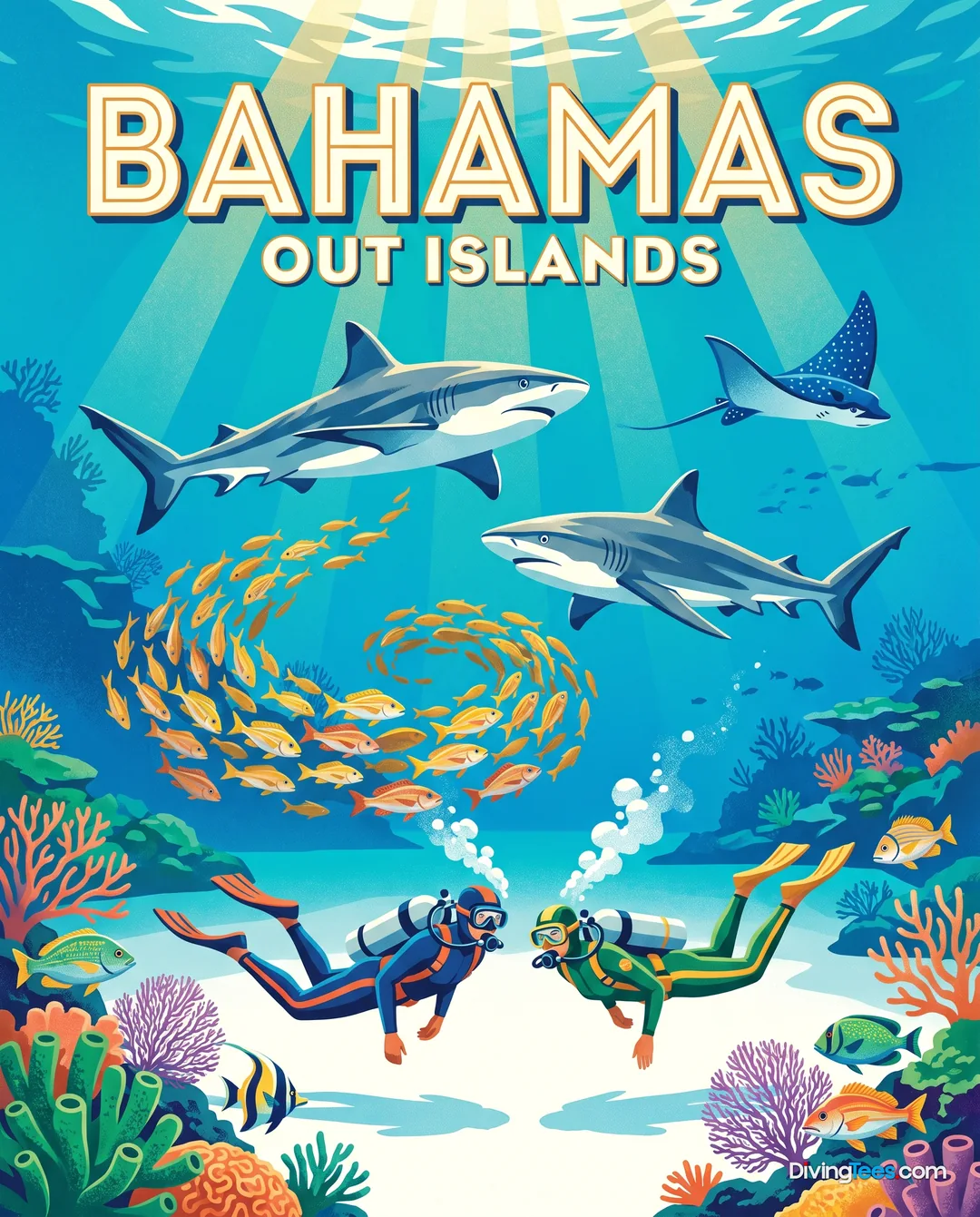
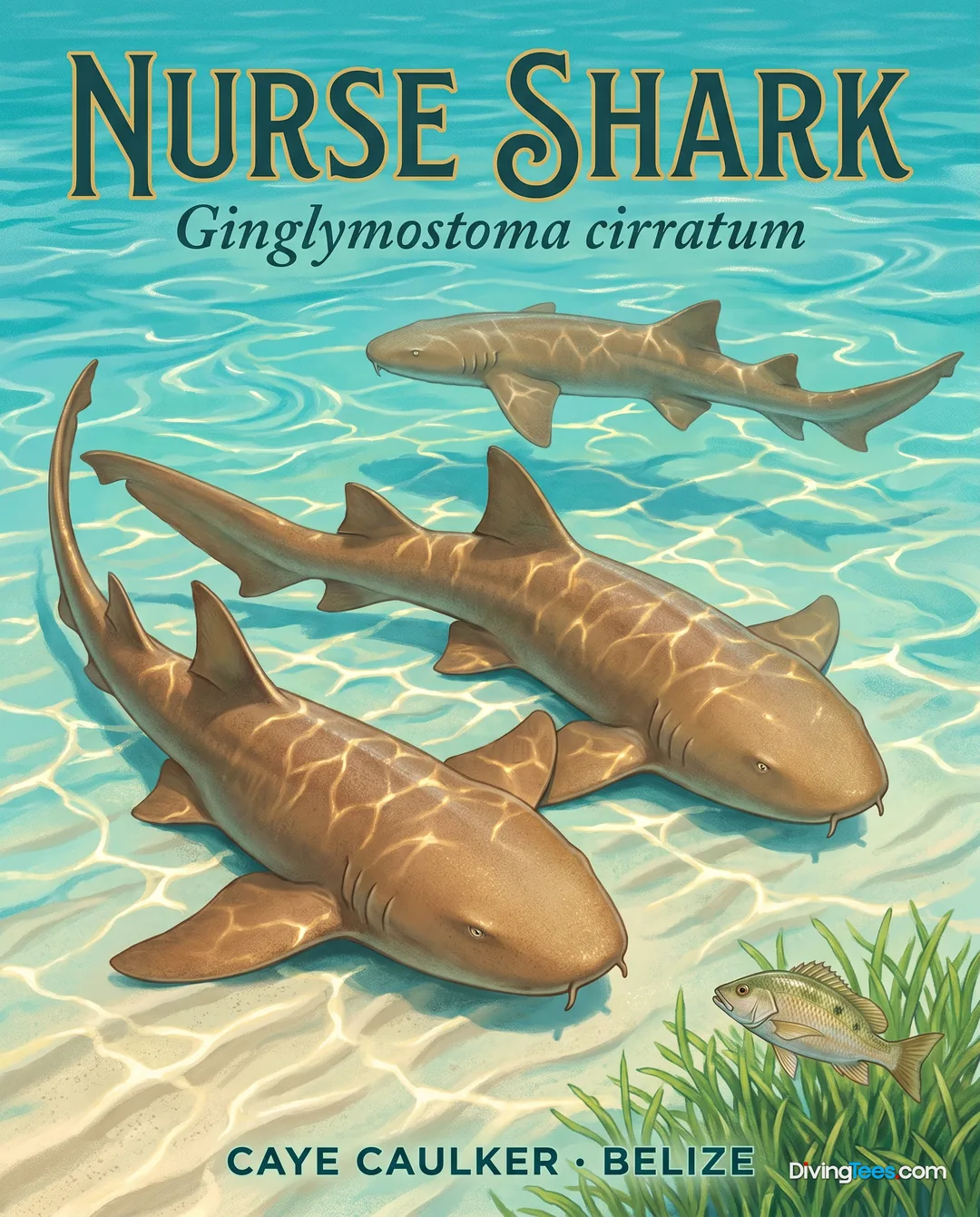
Caribbean reef sharks are one of Nassau’s clearest underwater signatures, with The Lost Hole known for regular encounters around its blue-hole topography. Nurse sharks also feature among the local fauna. These sightings are tied to particular sites and conditions rather than a guaranteed seasonal timetable, so the sensible expectation is a chance to see sharks while exploring the reef rim, sand and blue water, not a wildlife schedule. Steel Forest offers a different kind of interest: the wrecks create hard structure against the sand, while the adjacent deep-water wall gives the blue-water backdrop. Divers coming primarily for small creatures or macro subjects may find Nassau less compelling than those happy to watch larger animals and read the terrain.
Nassau does not call for a rigid month-by-month strategy. The practical choice is a period when the itinerary can absorb a weather-related change, while avoiding the heaviest concentration of cruise calls, holidays and short stays if quieter boats matter. Open-ocean sites such as The Lost Hole and wall-edge dives are particularly sensitive to changing sea conditions and tides, so flexibility is more useful than chasing a supposed perfect window. A four- to seven-day stay leaves room to repeat the sort of sites that suit the day, rather than making one weather-dependent outing carry the whole trip.
This coast is exposed to sargassum strandings, whose intensity varies greatly from year to year. To find out more, see the “Sargassum” panel on this page.
The area includes straightforward dives for beginners, but its range is best appreciated by divers comfortable with changing profiles and boat procedures. Open Water divers can approach suitable sites, while Advanced certification or equivalent BSAC experience is useful for The Lost Hole and Steel Forest. The Lost Hole’s 60-metre depth is well beyond a normal recreational profile, despite its accessible 12-metre rim, so the deeper section should be treated as an Advanced or technical proposition. Nitrox is useful for repeated day-boat diving, provided the planned profiles remain within training and gas limits.
From London, departures from Heathrow or Gatwick, and from Manchester, normally involve a connection, often through London, Paris or a major North American hub, before reaching New Providence. The journey can produce a late arrival, so a tightly planned first diving morning leaves little margin for disrupted connections, settling in or collecting equipment. Once on Nassau or Paradise Island, divers generally reach the boat base by taxi, shuttle or on foot, depending on where they are staying. Nassau is not a shore-diving destination in practical terms: the main routine is getting to the boat, returning to town, and repeating the process for the next outing. Keeping accommodation close to the departure point reduces the time lost to urban traffic.
Book the better-known wreck and headline sites early in the stay, because Nassau is also a busy cruise port and boat movements can alter the day’s plan. Morning departures are the sensible choice for popular sites and help avoid the later build-up of leisure traffic. For a short visit, stay on Nassau or Paradise Island rather than adding unnecessary daily transfers; the internal journey is simple, but traffic can still turn a comfortable connection into a missed boat. Bring a personal delayed-surface marker buoy and computer for several consecutive days of repetitive profiles. Do not build the trip around a single wreck or supposed flagship dive: The Lost Hole, Steel Forest, reefs and drift sites are most useful as a flexible mix. Leave one day uncommitted for weather, transport changes or an interrupted outing, and treat the sanctuary’s no-touch and no-collecting rules as part of every dive.
Allow four to seven days on land, with boat diving as the daily structure and one unbooked day to absorb weather or travel disruption. Nassau and Paradise Island make the arrangement easy for a mixed party: divers can spend the morning at reefs, wrecks or walls while non-divers use the beaches, town and shallow-water excursions. A final non-diving day also avoids forcing a boat trip into a rushed journey home.
Hello, I'm Marina, DivingDeal.com's AI assistant. I guide you through destinations, areas and countries.
Thinking about the whole trip and the flights? Talk it over with Edith →
Marina is an AI. Some links are affiliate links: DivingDeal may earn a commission, at no extra cost to you. Bookings are made with the partner.
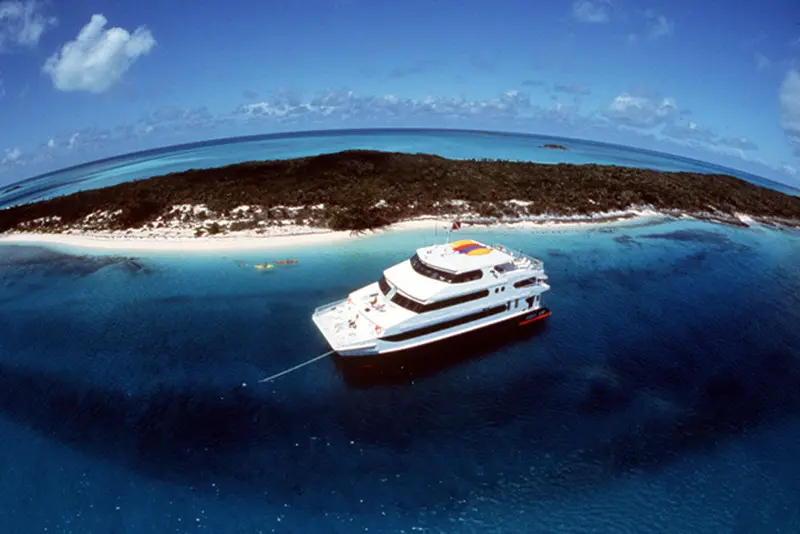
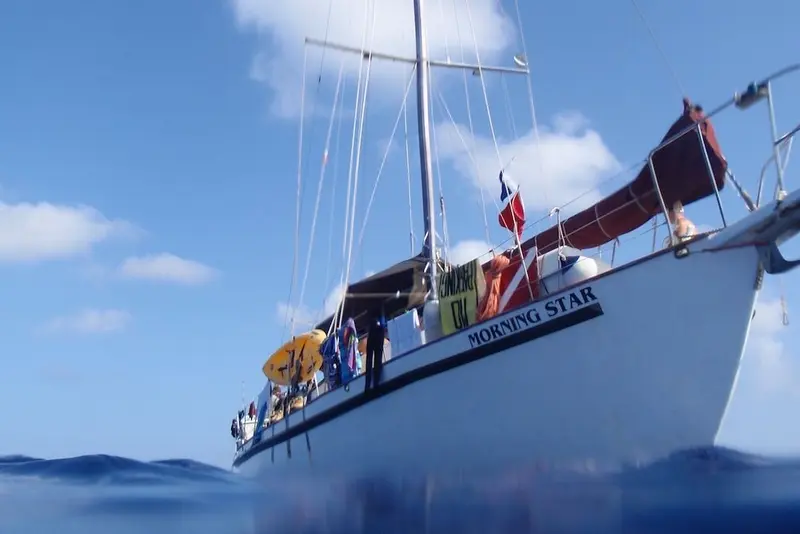
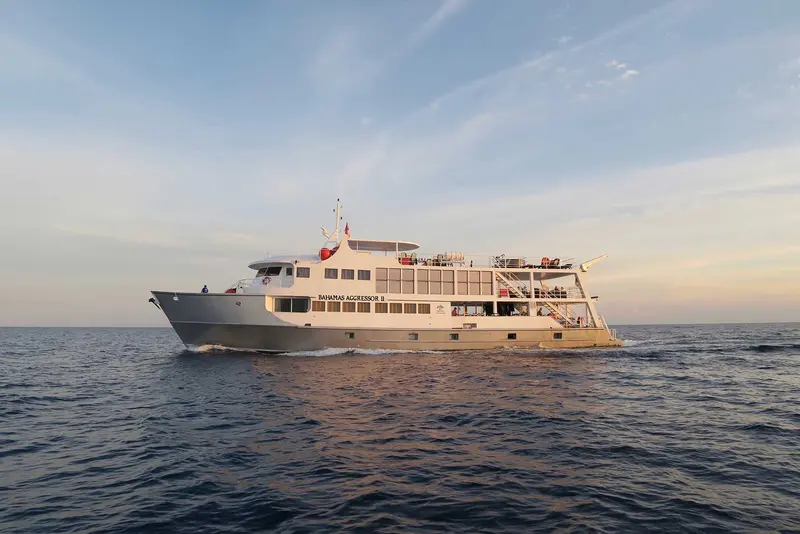
5 liveaboards depart from Nassau another way to explore the region, over several days at sea.
Your last day stays dry: no diving in the 18-24 hours before a flight, the perfect window to see the destination from another angle.
 Nature
⏱ 4 h · ★ 5.0 (25 reviews)
from £160$214€191
see on Viator ↗
 Culture
⏱ 3 h · ★ 5.0 (22 reviews)
from £57$76€68
see on Viator ↗
 Culture
⏱ 3 h · ★ 5.0 (22 reviews)
from £67$89€80
see on Viator ↗
 Adventure
⏱ 1 h · ★ 4.9 (8 reviews)
from £152$203€182
see on Viator ↗
Ratings and reviews collected by Viator and Tripadvisor.
Choose a period when your itinerary can absorb weather-related changes rather than chasing a perfect seasonal window. Open-ocean sites such as The Lost Hole and wall edges respond to sea conditions and tides. Avoid periods with heavier cruise, holiday and short-stay traffic if quieter boats matter, and keep one day flexible.
Nassau includes suitable dives for Open Water divers, but Advanced certification or equivalent experience is useful for The Lost Hole and Steel Forest. The Lost Hole’s rim is at twelve metres, while its shaft continues to sixty metres, so the deeper section requires Advanced or technical planning. Currents and changing profiles also demand controlled ascents.
Nassau offers Caribbean reef sharks around The Lost Hole, with nurse sharks also appearing on local reef dives. You can explore a circular blue hole, reef walls, sand, cavities and three aligned purpose-sunk wrecks at Steel Forest. Drift dives around New Providence add changing terrain, while visibility at The Lost Hole is typically eighteen to thirty metres.
Base yourself on Nassau or Paradise Island and arrange repeated daytime boat trips, since practical diving is boat-based rather than shore-based. Book headline wreck and reef sites early, favour morning departures, and stay near the boat base to reduce traffic delays. Allow several days, leave one unbooked for disruption, and bring a computer and delayed-surface marker buoy.