 Dive centre in the hotel
Bimini Big Game Club Resort & Marina
★★★
Google 4.2/5 (871 reviews)
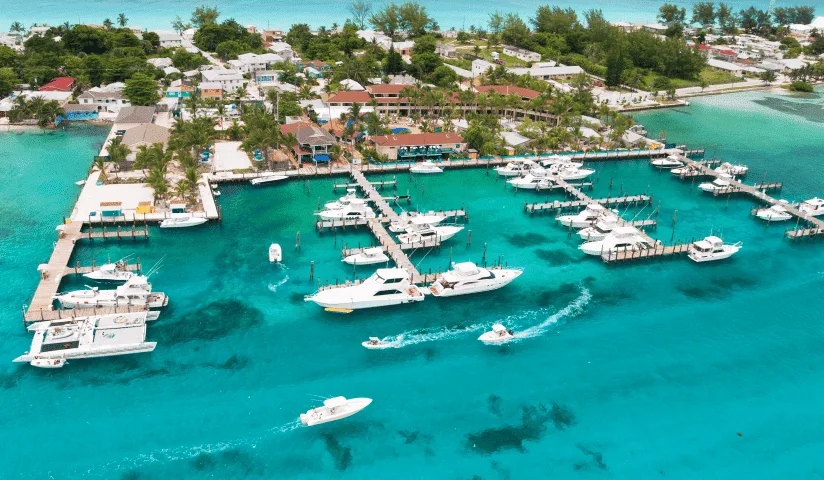
The dive centre
Bimini Big Game Divers
PADI · NAUI
Google 4.2/5 (873 reviews)
Dives: Bimini Road (Atlantis Road), Wall Dive, Shark Encounter
Bahamas · Caribbean
Bimini puts ancient stone formations, the SS Sapona wreck and lemon sharks within short boat trips of a small island base.
For subtitles in English: start the video firstthen click the gearat the top right of the video, select “Subtitles/CC”, then “Auto-translate” and choose “English”.
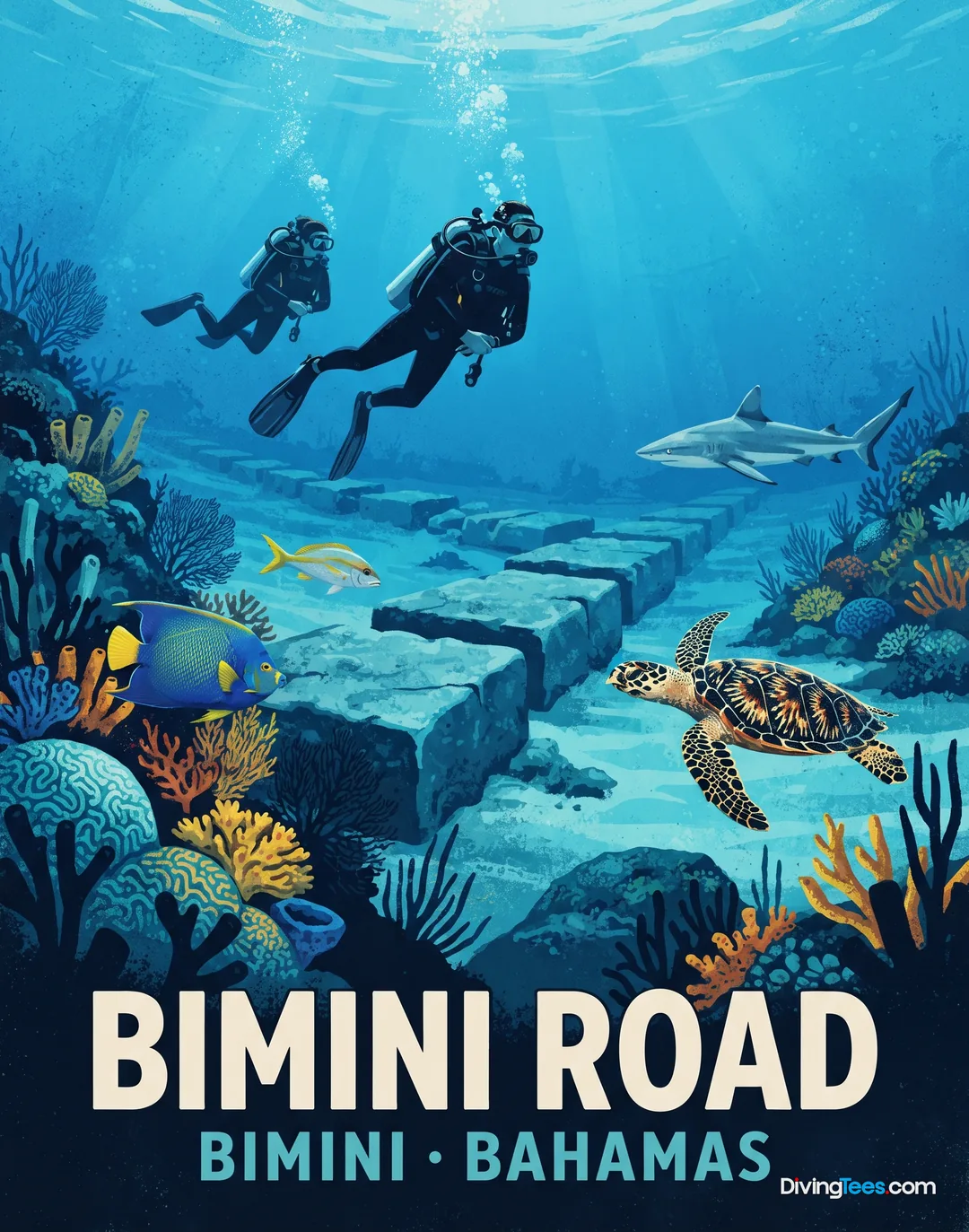
Bimini Road begins with a shallow line of remarkable stones, where divers can examine the formations rather than simply swim past them. Elsewhere, the SS Sapona wreck rests in only four to six metres, making its beams and holds accessible to beginners, snorkellers and photographers. Beyond these easy profiles, Bimini adds reef diving, deeper outings and blue-water shark encounters. It is a compact, boat-based destination for divers who want wrecks and large animals without committing to a liveaboard.
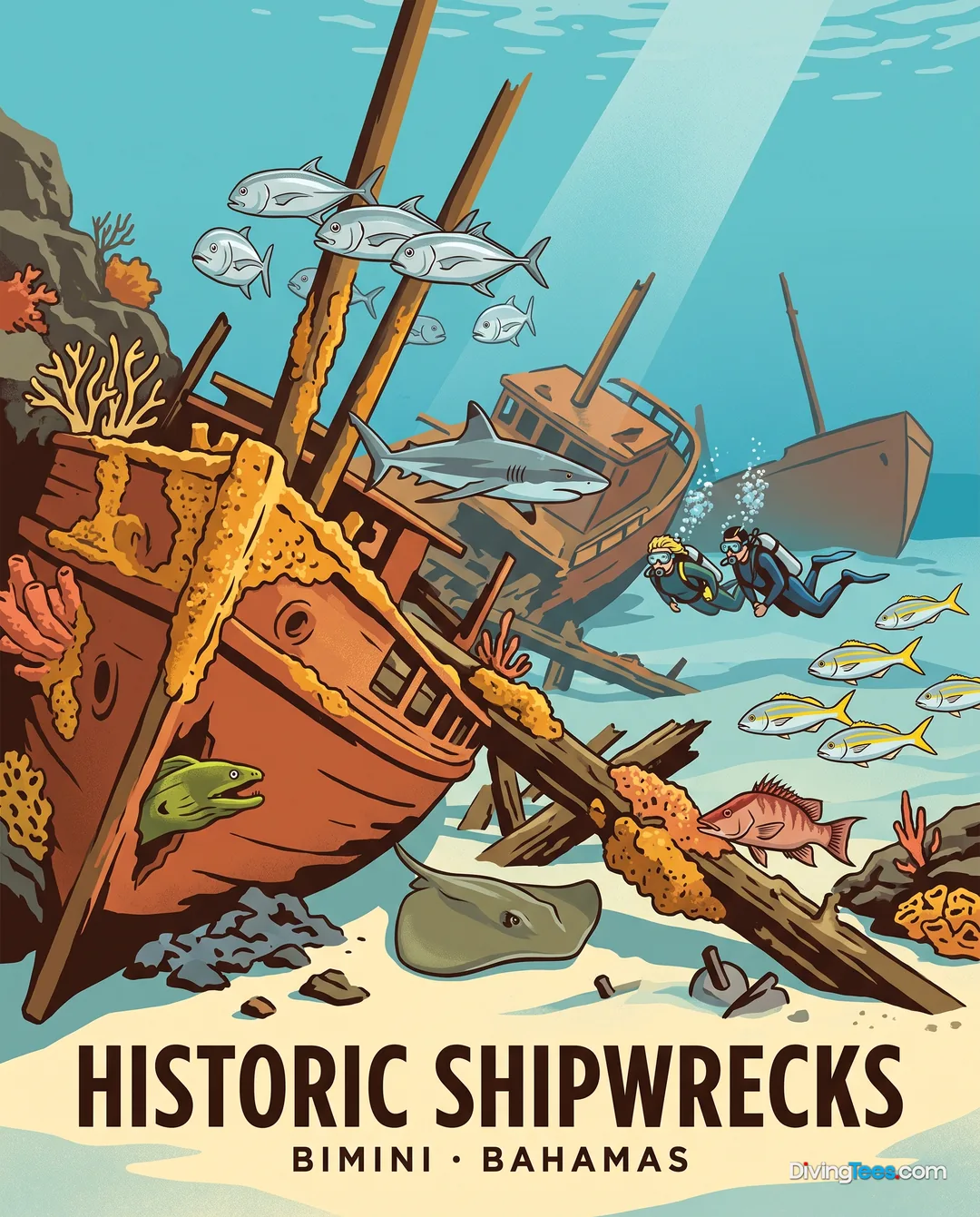
Bimini’s diving moves between shallow stone formations, wreck structure, reefs and open-water shark outings. At Bimini Road, the minimum depth is about four and a half metres, and the generally calm conditions allow time to study the stones closely. Currents can still vary with coastal and tidal influences. The Historic Shipwrecks site, including the SS Sapona, lies between four and six metres, with light current and occasional surface chop from swell; visibility there is typically fifteen to thirty metres. Other dives may involve deeper profiles or more current, particularly where the programme is built around sharks rather than sheltered wrecks. This mixture makes Bimini less predictable than a purely shallow reef holiday, but it also gives experienced divers a reason to vary the week. Nitrox, wreck training and Advanced Open Water experience are useful additions for the more demanding profiles.
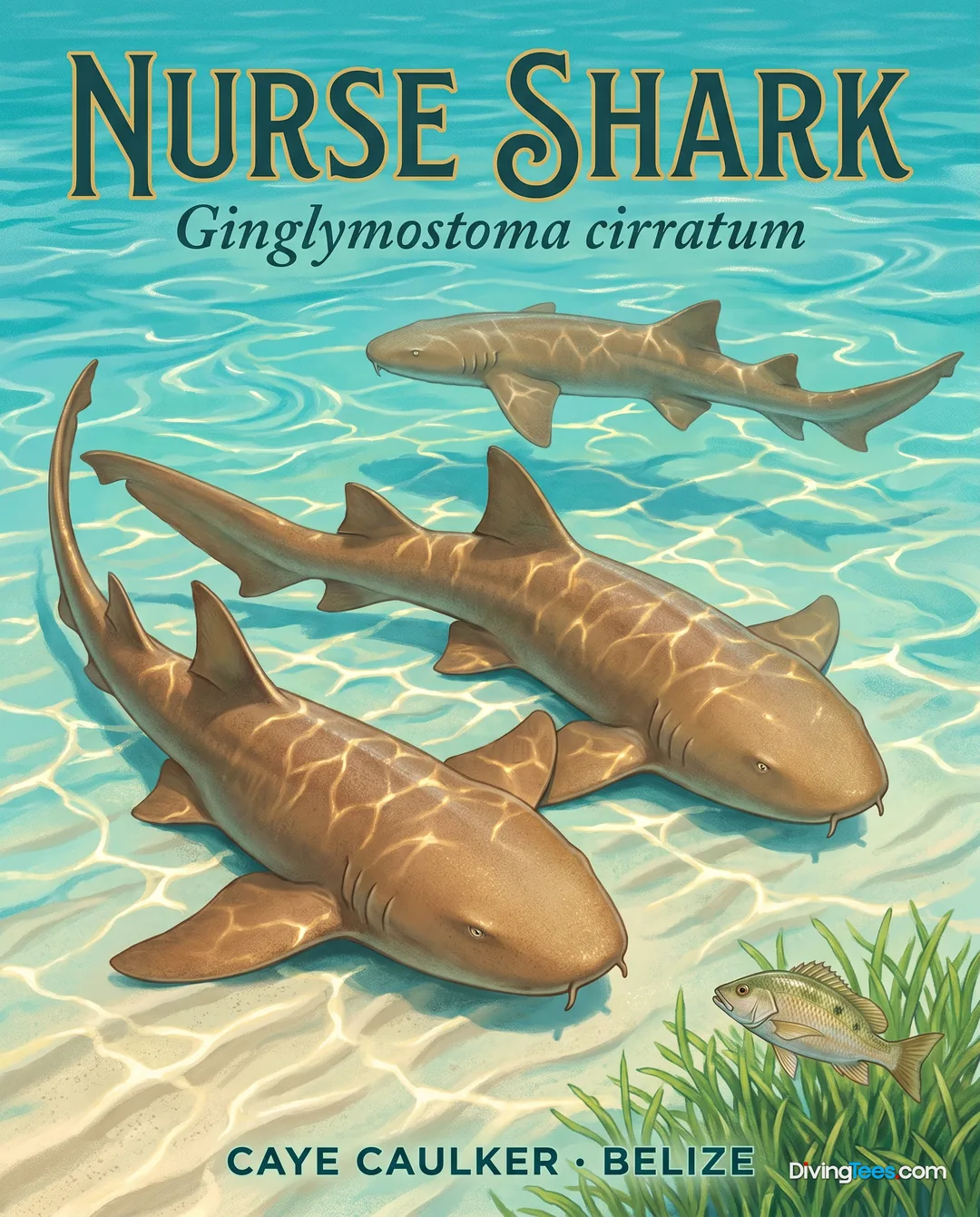
Sharks are central to the Bimini experience. Lemon sharks and nurse sharks can be encountered throughout the year, while whale sharks are associated with spring and are a regular seasonal possibility. Hammerhead sharks are a winter visitor, but sightings are occasional rather than something to build the whole trip around without flexibility. Reef and wreck dives offer a different pace: divers can inspect beams, holds and stone formations while looking for the marine life using those structures as habitat. The sensible approach is to decide whether sharks, wrecks or the spring whale-shark window matter most before booking. Bimini can provide all three styles across one stay, but no species-driven day should be treated as identical to the next.
The measured calmest sea period is May to September, which makes this the most straightforward window for a programme built around regular boat diving and relaxed shallow sites. Rainfall is lowest from November to May, so that period may appeal to travellers who place more weight on generally drier conditions. Species timing adds another layer: spring is the period associated with regular whale-shark encounters, while winter brings an occasional chance of hammerheads. Bimini is not governed by a single monsoon season; sea conditions and the animal being targeted matter more than a simple reef-only calendar. A little flexibility is therefore more valuable than a rigid date choice.
This coast is exposed to sargassum strandings, whose intensity varies greatly from year to year. To find out more, see the “Sargassum” panel on this page.
Bimini works for all levels, provided the itinerary matches the diver. Bimini Road and the SS Sapona are shallow and manageable for beginners, with the wreck also suitable for snorkellers. Divers planning deeper, current-influenced or blue-water profiles should bring appropriate experience rather than relying on the destination’s easy sites. PADI, SSI and BSAC divers should carry certification cards and, for wreck or deeper diving, logbook evidence of relevant training. Nitrox, Wreck and Advanced Open Water qualifications are useful rather than universal requirements.
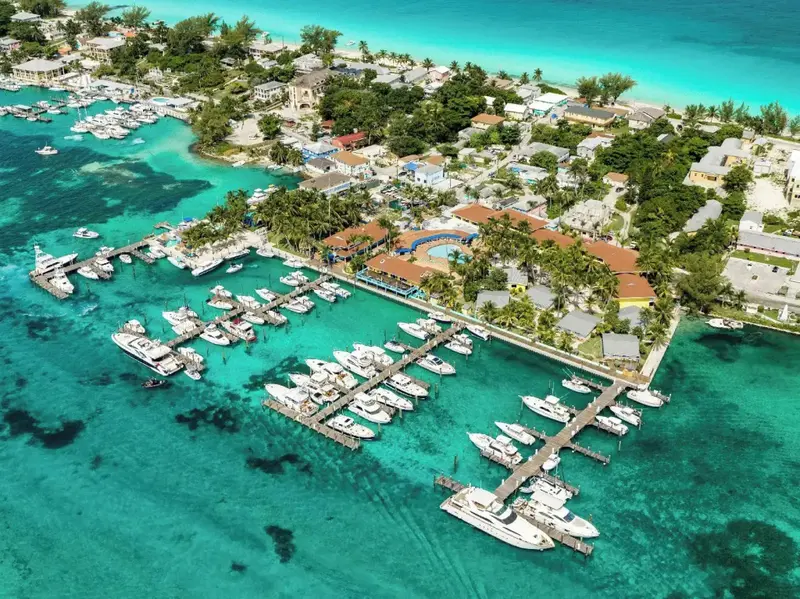
From London Heathrow, Gatwick or Manchester, the structural complication is that Bimini is not connected by road to the rest of The Bahamas. A European journey therefore requires a transatlantic flight to the United States, followed by either a separate onward flight into North Bimini or the ferry from South Florida. The ferry is the main public over-water route; flying is the faster alternative, but both require a properly planned connection rather than a through journey. Once on the small island, divers generally stay near the harbour and boat departures. Short walks, local transfers or a shuttle are normally enough, so there is little reason to build a long land commute into the trip. Connection timing deserves attention on both arrival and departure days, particularly when diving is planned around fixed boat outings.
Bimini rewards a specific plan. Put the signature shark, wreck or seasonal whale-shark outing near the front of the stay, rather than spending the first boat day on a low-priority profile. Keep some flexibility in the schedule: species timing and sea conditions can change the value of a day, and a rigid reef-only expectation misses what makes Bimini distinctive. Bring certification cards and logbook evidence if the plan includes wreck or deeper profiles. On Bimini Road, the point is close examination of the stones in shallow water, not a long, deep profile. At the SS Sapona, expect an easy depth but remember that swell can make the surface less comfortable even when the underwater work is simple. Treat the Bimini Shark Sanctuary rules as part of the dive: no shark take, no harmful contact and no careless contact with the reef. Bimini is not a sprawling resort circuit, so unnecessary island transfers only complicate a trip whose boats already leave from a concentrated harbour area.
A four- to seven-day land-based stay gives enough time for several boat days while allowing room for weather or a species-dependent outing to move. Most divers stay close to the harbour and travel by day boat, with short walks or local transfers handling the rest. Non-diving days suit beaches, shallow-water snorkelling and marine sightseeing. A liveaboard-style shark or wreck itinerary is possible, but the normal Bimini pattern is a small-island stay with diving from shore-based boats.
Hello, I'm Marina, DivingDeal.com's AI assistant. I guide you through destinations, areas and countries.
Thinking about the whole trip and the flights? Talk it over with Edith →
Marina is an AI. Some links are affiliate links: DivingDeal may earn a commission, at no extra cost to you. Bookings are made with the partner.
In each one, the dive centre is inside the hotel: step out of your room and go diving.
Dive centre in the hotel★★★
Google 4.2/5 (871 reviews)
The dive centre
Bimini Big Game Divers
PADI · NAUI
Google 4.2/5 (873 reviews)
Dives: Bimini Road (Atlantis Road), Wall Dive, Shark Encounter
Your last day stays dry: no diving in the 18-24 hours before a flight, the perfect window to see the destination from another angle.
 Culture
⏱ 3 h · ★ 4.3 (6 reviews)
from £91$122€109
see on Viator ↗
 Culture
⏱ 3 h · ★ 3.0 (1 reviews)
from £190$254€227
see on Viator ↗
Ratings and reviews collected by Viator and Tripadvisor.
You can dive Bimini year-round, but May to September generally brings calmer seas for regular boat trips and shallow sites. November to May has lower rainfall. Choose spring for regular whale-shark possibilities or winter for occasional hammerhead encounters. Lemon sharks and nurse sharks may be encountered throughout the year.
You can enjoy Bimini as a beginner at Bimini Road and the SS Sapona, both shallow, with the wreck also accessible to snorkellers. Deeper, current-influenced and blue-water shark dives require suitable experience. Nitrox, Wreck and Advanced Open Water qualifications are useful, while certification cards and relevant logbook evidence support more demanding plans.
You can explore Bimini Road’s shallow stone formations and examine the SS Sapona’s beams and holds in four to six metres. Reef dives add marine life around underwater structure, while shark outings may bring lemon sharks and nurse sharks year-round. Spring offers regular whale-shark possibilities, and winter brings occasional hammerheads.
Plan Bimini as a small-island, boat-based stay near the harbour and departures. A four- to seven-day visit allows several boat days plus flexibility for weather or species timing. Arrange transatlantic travel through the United States, then connect by flight into North Bimini or ferry from South Florida, allowing time for connections.