Liveaboards · Bahamas
All Star Aqua Cat — a spacious Bahamas catamaran built around the diving
What makes this boat unique
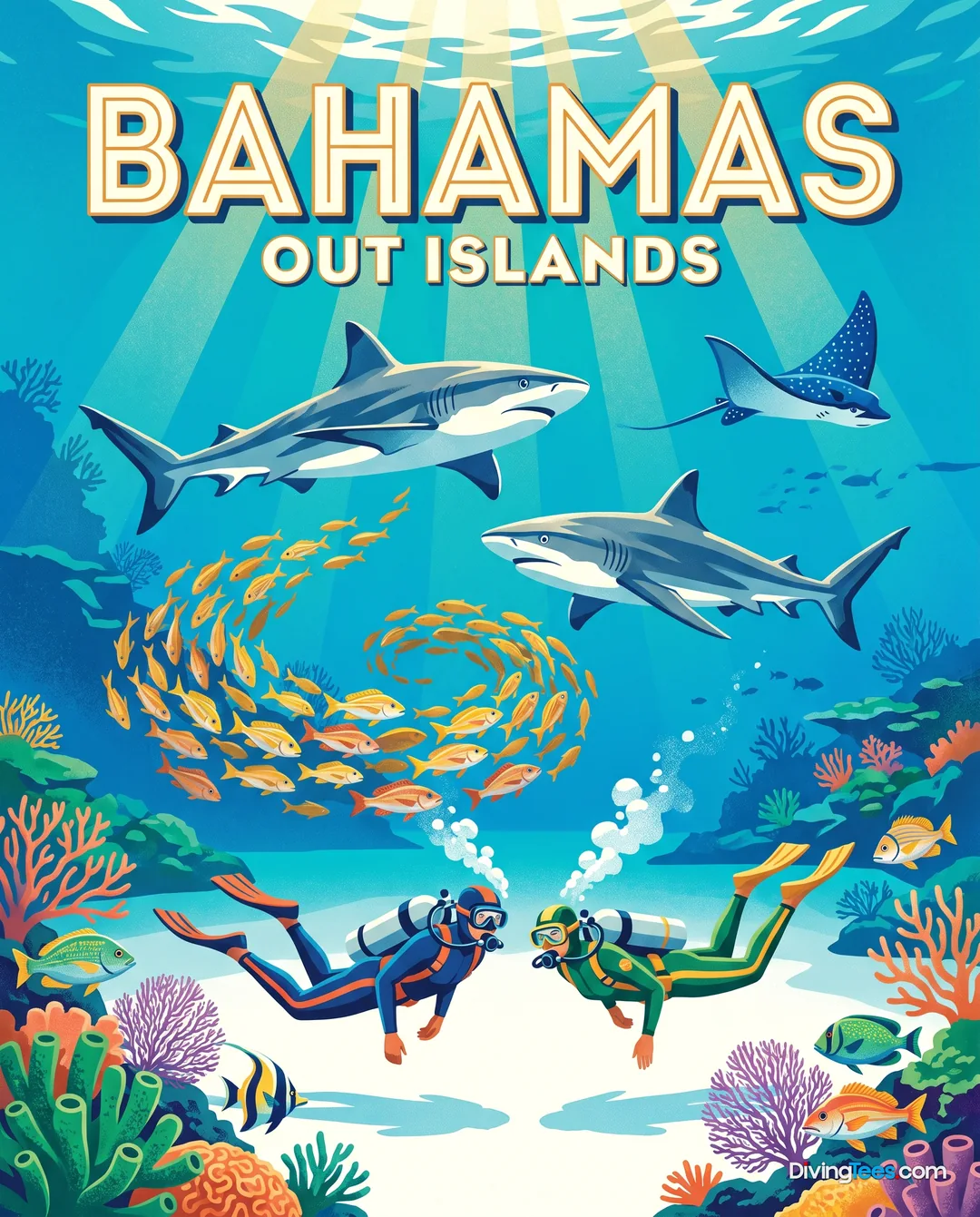
- This 8-day, 7-night Nassau-to-Nassau route combines up to four daytime dives and night dives with shark diving in the Exuma Cays.
- The catamaran offers 11 air-conditioned cabins, each with a private bathroom, with ocean-view, family and bunk-bed configurations.
- The dive deck has personal stations, shaded work areas, camera facilities, hot showers and separate rinse tanks for dive gear and cameras.
- A 28-foot jet-drive launch and two 12-foot inflatables move divers between the boat and the sites.
For subtitles in English: start the video firstthen click the gearat the top right of the video, select “Subtitles/CC”, then “Auto-translate” and choose “English”.
The invitation
The Aqua Cat is for divers who want the Bahamas in a full week rather than as a day boat excursion: Nassau at both ends, the Exuma Cays and other route areas in between, and enough dives to make the crossing worthwhile. Its character is practical comfort around a serious dive programme. Cabins face the sea, the dive deck is arranged for repeated entries and exits, and the route includes shark diving as well as wrecks, blue holes and reef life. The boat also welcomes non-divers and snorkelers, so a mixed group does not have to split up for the whole trip. Choose it when the priority is a high number of dives without giving up air conditioning, private bathrooms, outdoor space and proper camera handling.
Boarding
The Aqua Cat makes a broad, purposeful first impression at the Nassau dock: a catamaran designed to carry divers, their equipment and their recovery time in the same plan. The 2015 renovation matters here; this is not a boat presented as untouched, but one kept in service for the job it does. Once aboard, movement is straightforward between the main-deck cabins, interior lounge, dining area and dive platform. The 28-foot jet-drive launch is the substantial tender, backed by two smaller inflatables for site transfers. The arrangement feels more like a working dive platform than a yacht where diving was added later. That distinction is the point.
The atmosphere on board
The atmosphere is shaped by a crew that has to keep a large group moving through repeated dives without making the boat feel like a timetable. Crew members speak English and Spanish, and their role extends from the dive deck to meals, cabins and the evening reset. The passenger experience is strongest where people notice the work most: food that keeps arriving, equipment that has a place, hot showers after the dive and a tender ready for the return. By evening, the lounge and bar become the natural meeting point, with the day's photos and shark stories doing most of the social work. The high crew and food ratings fit that practical, generous style.
The sites you’ll dive
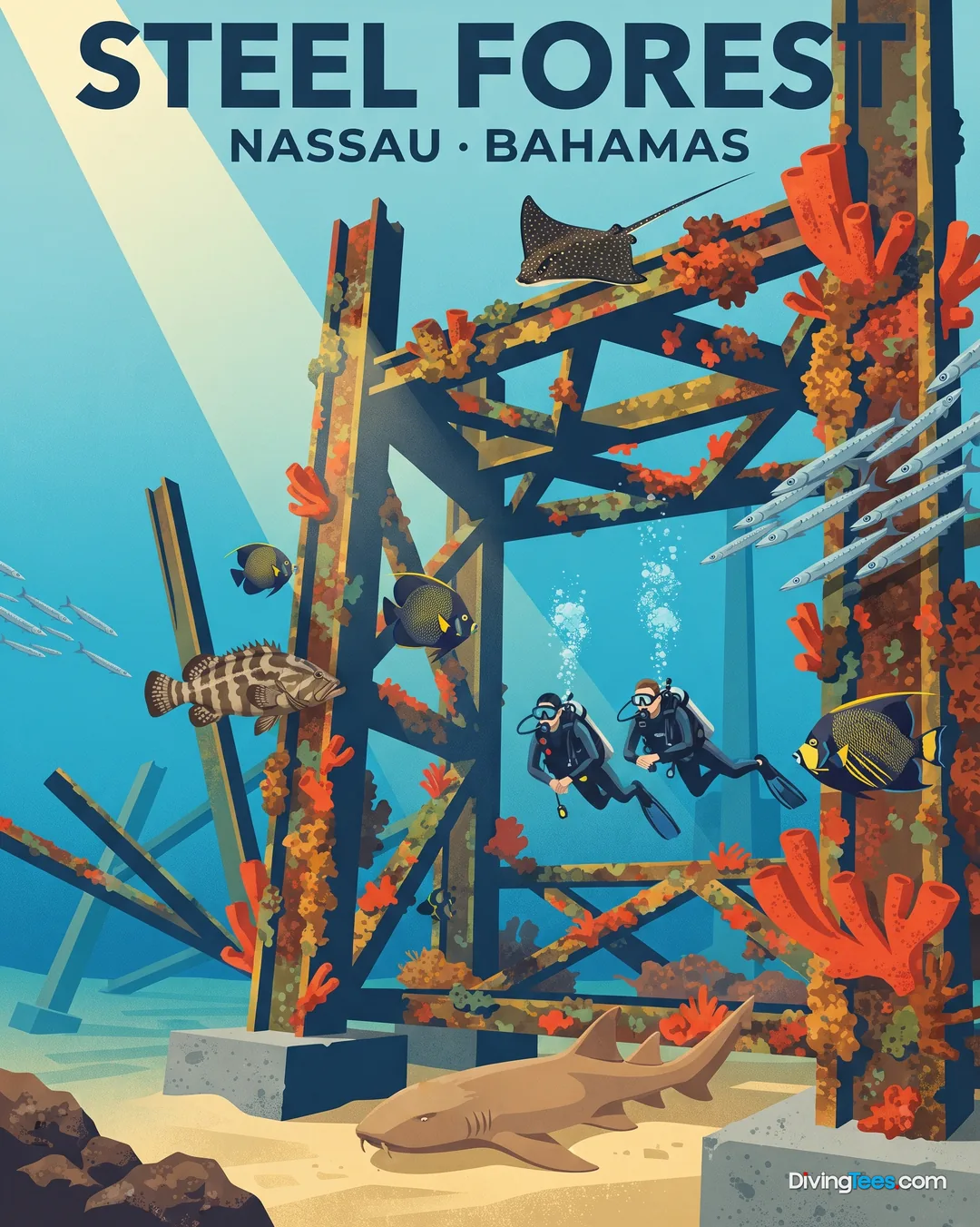
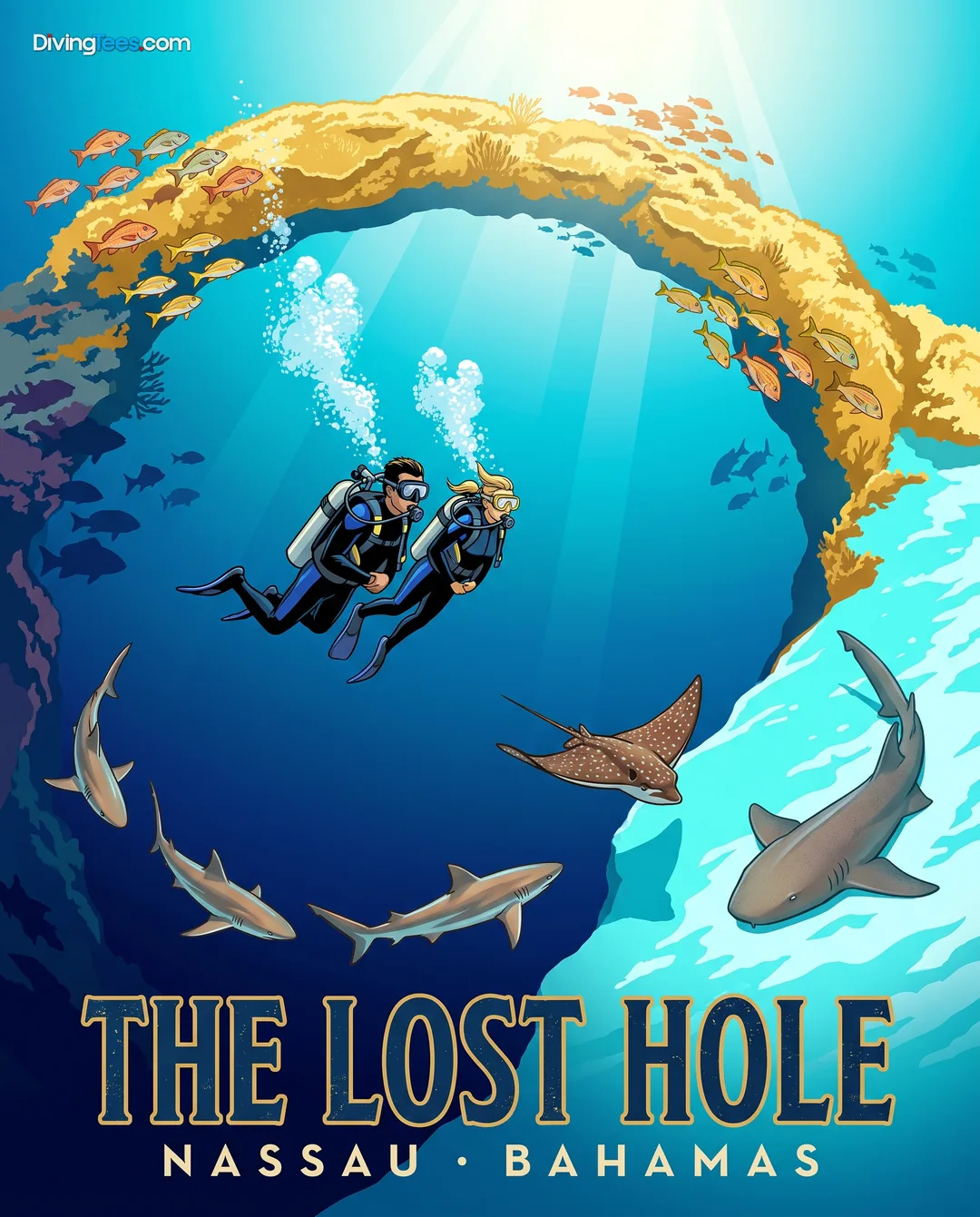
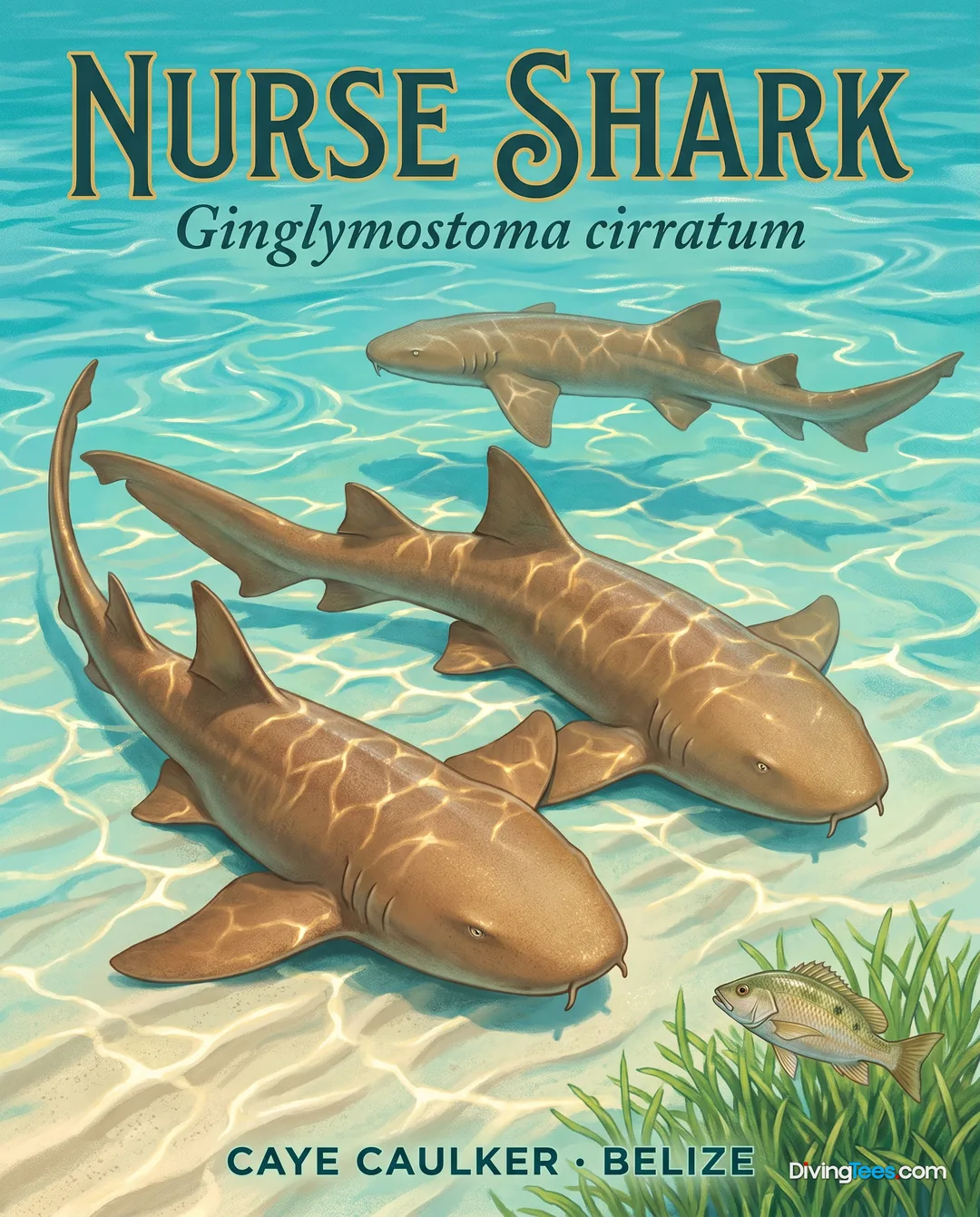
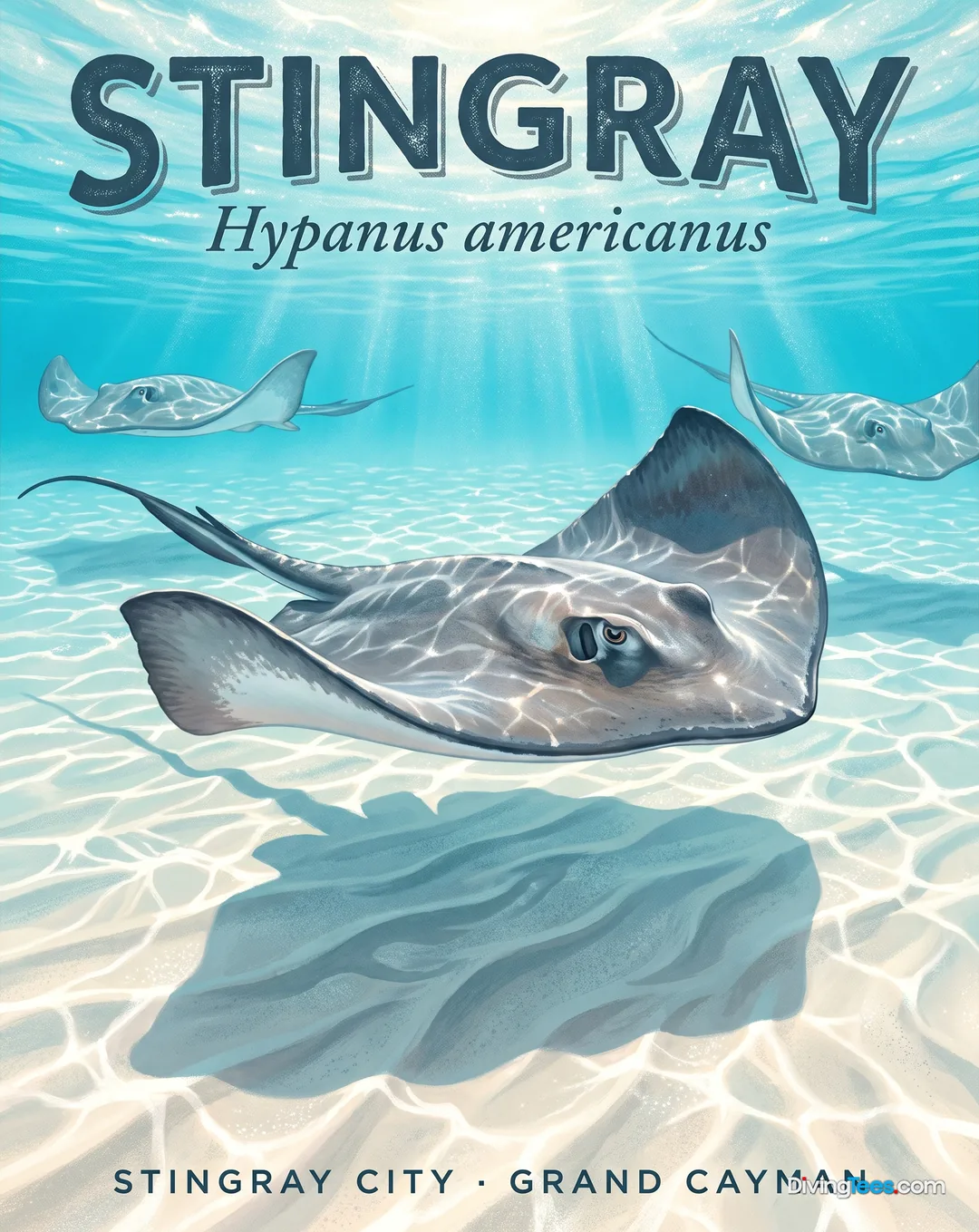
Steel Forest drops divers onto a trio of wrecks where steel structures meet the steep edge of the Tongue of the Ocean. The maximum depth is -33m, with Caribbean reef sharks, nurse sharks, southern stingrays, green turtles, moray eels, Nassau groupers and reef fish moving through the wreck scene. The Lost Hole is a different kind of descent: an oceanic blue hole off Nassau, where the reef rim gives way to a deep void. Its maximum depth is -60m, and Caribbean reef sharks patrol the open water around it, with nurse sharks, eagle rays and larger pelagic fish possible in the blue. These sites sit within the Best of the Bahamas itinerary, an 8-day, 7-night Nassau-to-Nassau cruise. Weather and the final dive plan determine which sites are reached.
Itineraries, dates and prices
Prices per person. Each month shows its lowest price: click a month, or pick an itinerary.
Next departures · 35 departuresfrom £1,862$2,489€2,224
October 2026
November 2026
December 2026
January 2027
See dates and prices
If you click these links and make a purchase on the partner site, DivingDeal may earn a commission, at no extra cost to you.
Dates and prices taken from liveaboard.com, updated 24 October 2026
What you’ll meet underwater
The animal encounters on this route work because the settings change. At Steel Forest, sharks and nurse sharks can pass the wrecks while stingrays, groupers and schools of reef fish hold to the structures and drop-off; green turtles, moray eels and parrotfish are the site-specific reasons to look closely there. The Lost Hole puts the diver at the edge of a deep blue void, where Caribbean reef sharks may be joined by nurse sharks, eagle rays and larger pelagic fish. The contrast is the spectacle: steel and reef life on one dive, open water and shark silhouettes on the next. None of these animals is guaranteed, but the sites give each encounter a clear place and context rather than reducing the route to a species list.
Who puts you in the water
The onboard instructors can support divers from introductory training through advanced courses, including open-water checkout dives for students finishing their certification. Advanced Open Water, Nitrox, Deep Diver, Night Diver, Underwater Naturalist and other specialty training are available when arranged for the trip. Dive briefings precede the entries, and the programme is organised around repeated daytime dives plus night diving rather than one guided outing. The crew speaks English and Spanish. Oxygen, first-aid kits and trained first-aid crew are aboard.
The dive deck and the gear
The dive deck is laid out for repetition: shaded dive space, individual stations, tank and weight-belt support, gear rinse tanks, a separate camera rinse area, a camera table and an air blower. Hot deck showers are available after the dive. DIN adapters are carried, and nitrox is available as an optional extra rather than included by default. Rental equipment can be arranged. The large jet-drive launch is 28 feet long, with two 12-foot inflatables as additional tenders; divers transfer from the platform into the tenders and return to the platform after the dive.
Between dives
The gaps between dives have somewhere to go. The upper deck has an open-air lounge, sun loungers and a hot tub, while the rooftop sundeck gives the boat's non-dive hours a clear destination. The shaded areas on the dive deck are more useful for drying off, checking a computer or waiting for the next briefing. Kayaks, stand-up paddleboards and wakeboarding offer a change from looking down into the water, and shore excursions are offered along the route. Inside, the air-conditioned lounge, bar, library and photo space cover the quieter intervals. The Aqua Cat does not force every hour into an activity; it gives tired divers places to sit.
A day on board
The week begins with Saturday boarding in Nassau, followed by check-in, dinner, unpacking, orientation and the safety briefing. The boat gets under way before first light on the first full diving day. Sunday through Wednesday carry the heaviest rhythm: four daytime dives and one night dive each day in the Exuma Cays and/or Eleuthera, with breakfast, snacks and meals filling the spaces between entries. Thursday keeps four daytime dives, followed by the Captain’s Dinner with photo and video presentations and awards during dessert. Friday is lighter, with two daytime dives before the Aqua Cat returns to Nassau in the afternoon. A farewell cocktail follows, then a final night in port. Saturday morning is for disembarkation. It is a real dive week, with the last day leaving room to come back to Nassau rather than squeezing in one more tank.
What you eat aboard
Meals are served as a full-board programme, with snacks available through the day to match a schedule that can put four dives between breakfast and dinner. The kitchen works across Western and local dishes, with buffet service and a more gastronomic approach than the basic liveaboard standard. Vegetarian and vegan options are available. Dinner includes wine, while non-alcoholic drinks are included and beer is available aboard; welcome cocktails mark the start of the trip. The table is functional in the best sense: it replaces calories, gives divers a place to compare sightings and gets everyone ready for the next entry. Outdoor dining is available when the weather allows.
Nights at sea
The cabins are on the main deck or above, with air conditioning, private bathrooms and standard windows; the ocean-view categories put the sea directly into the room. Twin cabins can be configured for three or four guests, while king cabins can take twin bedding, so the choice is less about decoration than about who is sharing the space. A bunk-bed cabin with a skylight offers the simpler option. Each room has its own bathroom, and hot water is available. After four dives, that private shower and a place to close the door matter more than polished fittings. The cabin is a base between dives, not the reason to stay aboard.
Twin Ocean View with Triple or Quad Capability
King Ocean View Cabin with Twin capability
Queen Ocean View Cabin with Triple Capability.
Bunk-Bed Cabin
What to know before boarding
The Aqua Cat departs from Nassau, Bahamas, and returns there, with boarding on Saturday and disembarkation on Saturday morning after the Friday night in port. An airport transfer to the vessel can be arranged separately. Arriving in Nassau the night before gives the trip more margin than trying to connect directly into boarding.
- Year built
- 2001
- Year renovated
- 2015
- Length
- 31.1 m
- Beam
- 10.7 m
- Maximum number of passengers
- 30
- Number of cabins
- 11
- Number of bathrooms
- 13
- Engines
- 2 Caterpillar 3406E
- Cruising speed
- 14 knots
- Tenders
- 8.5 m jet-drive launch and 2 3.7 m inflatables with 15 hp
- Website
- allstarliveaboards.com ↗
Hello, I'm Marina, DivingDeal.com's AI assistant. I answer in detail about hotels, dive centres and liveaboards.
Thinking about the whole trip and the flights? Talk it over with Edith →
Marina is an AI. Some links are affiliate links: DivingDeal may earn a commission, at no extra cost to you. Bookings are made with the partner.