Bahamas Underground
Google 5/5 (2 reviews)
Bahamas · Caribbean
Shallow hard-coral reefs, the 1865 San Jacinto wreck, drop-offs and island-hopping by boat define diving around the Abacos.
For subtitles in English: start the video firstthen click the gearat the top right of the video, select “Subtitles/CC”, then “Auto-translate” and choose “English”.
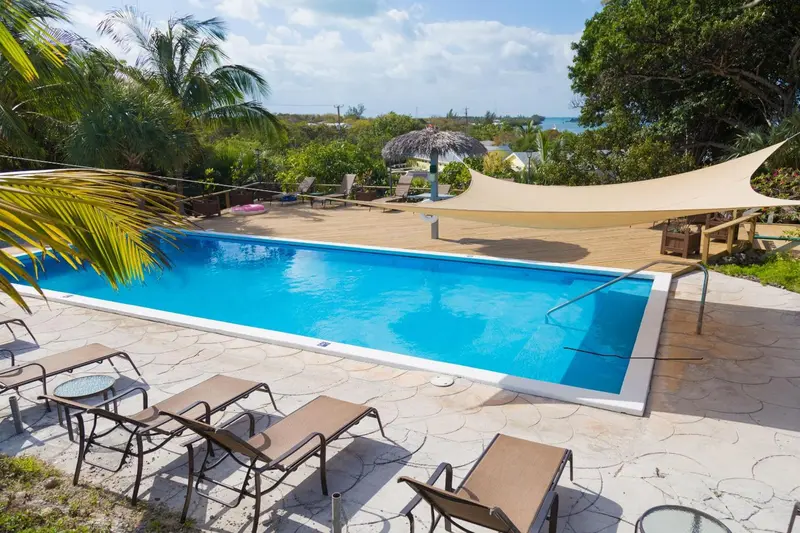
Hard-coral reefs and sheltered shallows make the Abacos approachable, while drop-offs, cavities and the historic San Jacinto wreck give experienced divers something more substantial to seek. Diving is organised mainly from boats around Great Abaco and the surrounding cays, so the choice of base matters almost as much as the choice of site. It is a destination for divers travelling with non-divers too, since beaches, villages, kayaking, fishing and island-hopping fill the days between dives.
The underwater landscape moves from generally shallow coral reefs to drop-offs, tunnels, cavities and more exposed sites reached by boat. Around the protected and sheltered areas, the diving can be straightforward, but conditions are not uniform across the archipelago. Current is variable, and wind or a passing front can change the feel of an exposed outing. The San Jacinto, lost in 1865, adds a historical wreck rather than another reef profile. Visibility is usually helped by the lack of significant run-off from these limestone islands, although swell, wind and unsettled weather can reduce it. Expect daily boat diving, with the crew adjusting the plan to the conditions rather than treating every cay as interchangeable. Advanced Open Water training is useful for deeper sites and drop-offs, while a Wreck qualification brings the right procedures to the San Jacinto and similar sites.
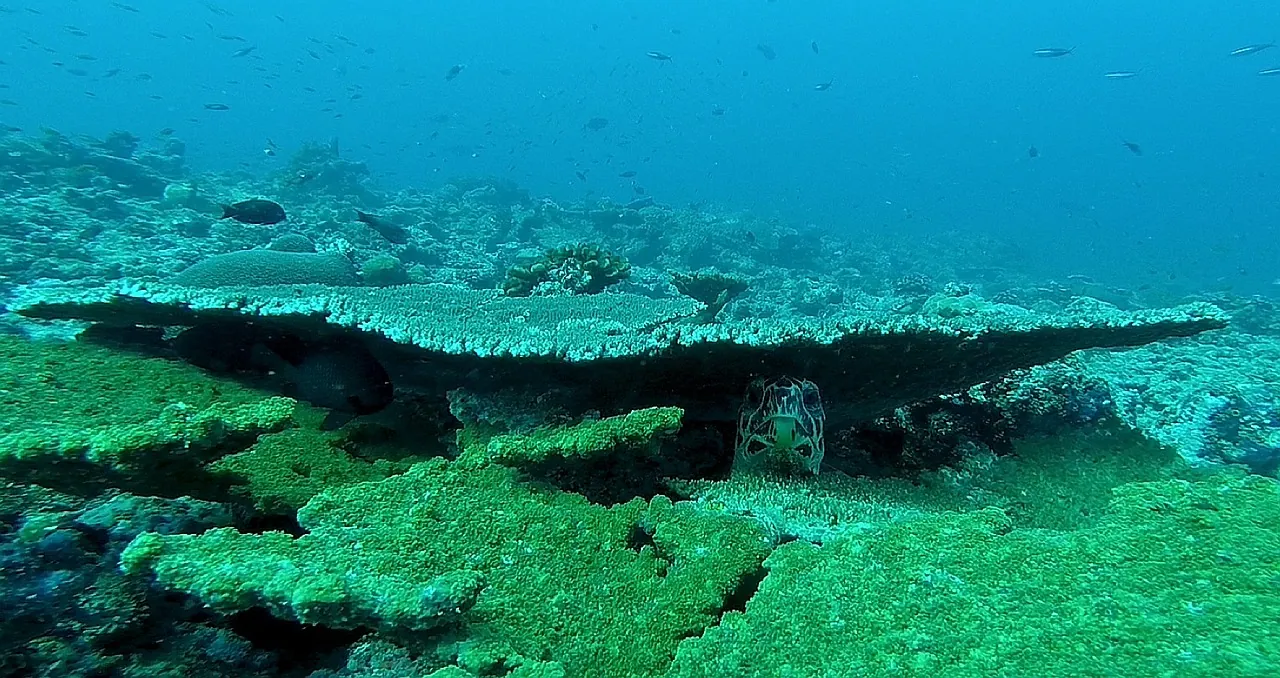
The most dependable encounters are with the reef itself: hard corals, living reef communities and the structures that shelter them. Protected areas also cover mangroves, seagrass beds and other coastal habitats, so the underwater setting is not limited to a single coral wall. The San Jacinto brings the visual contrast of historic timbers and wreck structure against the surrounding reef environment. There is no particular seasonal animal spectacle attached to the Abacos, so plan around habitat, terrain and conditions rather than travelling for a promised species. In marine parks, the rules protect coral, shellfish and other marine organisms, and the value of these areas lies in keeping those habitats functioning across the cays.
November to April is the sensible window for a first visit. The dry season usually brings less rain and more workable conditions for boat trips, with December to April also the busier period. Winter fronts can still affect exposed sites, but visibility may improve after a front has passed. June to October is quieter and can suit divers who value less traffic, yet the rainy season and the possibility of tropical disturbances make boat planning less predictable. The winter months are also the time to pack thermal protection suited to your tolerance, particularly when several dives are planned in a day.
Many Abaco sites suit beginners because they are shallow and often sheltered, but do not assume the whole archipelago is current-free or benign. Exposure varies between the inside waters and sites reached towards the open sea. An entry-level qualification from PADI, SSI or BSAC is enough for suitable shallow dives. Advanced Open Water, or equivalent experience, is useful for deeper drop-offs, and a Wreck qualification is appropriate for the San Jacinto. Nitrox can be worthwhile on repeated boat-diving days where it is available.
From London Heathrow, London Gatwick or Manchester, reach the Abacos by air via a connection in North America or Nassau, then continue to Marsh Harbour on Great Abaco. Marsh Harbour is the practical arrival point for the main island, from which roads lead to local departure points. Reaching the cays adds another layer: regular ferries or water taxis connect Marsh Harbour with Man-O-War Cay, Great Guana Cay, Scotland Cay and Elbow Cay, while Hope Town and White Sound are about twenty minutes across the water. Green Turtle Cay is reached by ferry from Treasure Cay. Check the final ferry timing before booking flights, as late arrivals can leave no workable island connection. Once based on a cay, local movement may involve a taxi, golf cart, organised transfer or another boat.
Choose the base for the sector you want to dive, not simply for the accommodation. Marsh Harbour, Elbow Cay, Great Guana Cay and Green Turtle Cay do not put you beside the same reefs, and a distant room can mean an extra water taxi or transfer before every boat departure. Group dives by sector rather than changing cays halfway through a run of outings. Leave a weather margin for exposed boat trips, and do not put an important dive immediately before an inter-island transfer or flight. Ferry times matter more than the map suggests, especially after a late arrival. Pack thermal protection for the cooler winter months and repeated dives. Ask locally which areas are genuinely sheltered on the day, since a calm Sea of Abaco does not guarantee calm conditions at exposed sites. Finally, do not treat every reef as shallow and current-free, and check the rules for the particular protected area: fishing and collecting shells, coral or marine life are prohibited in national marine parks.
Plan on seven to ten days, using a land-based stay with daily boat trips rather than relying on a dedicated diving cruise. That gives room for weather, ferry connections and a change of cay if the itinerary warrants it. Accommodation may be within walking distance of a dive centre, but elsewhere you will need a taxi, golf cart, water taxi or arranged transfer to the quay. Keep non-diving days for beaches, villages, kayaking, fishing and island-hopping.
Hello, I'm Marina, DivingDeal.com's AI assistant. I guide you through destinations, areas and countries.
Thinking about the whole trip and the flights? Talk it over with Edith →
Marina is an AI. Some links are affiliate links: DivingDeal may earn a commission, at no extra cost to you. Bookings are made with the partner.
November to April is a sensible time to visit the Abacos, with the drier season generally bringing less rain and more workable boat conditions. December to April is busier, while winter fronts can affect exposed sites. June to October is quieter, but rainy-season weather and tropical disturbances make boat planning less predictable.
Many Abacos sites suit beginners because they are shallow and often sheltered, and an entry-level qualification from PADI, SSI or BSAC is suitable for appropriate dives. Conditions vary, with current and exposure at some sites. Advanced Open Water experience helps with deeper drop-offs, while a Wreck qualification suits the San Jacinto.
Diving in the Abacos focuses on shallow hard-coral reefs, living reef communities, drop-offs, tunnels and cavities. Protected areas also include mangroves, seagrass beds and other coastal habitats. The San Jacinto adds historic timbers and wreck structure from its loss in 1865, while marine parks protect coral, shellfish and other organisms.
Choose your base according to the sector you want to dive, since Marsh Harbour and the cays access different reefs. Plan daily boat trips from a land-based stay, allow room for weather and ferry connections, and check final ferry times before booking flights. Keep non-diving days for beaches, villages, kayaking, fishing and island-hopping.