
Only Blue Diving Dreams
Google 4.9/5 (110 reviews)
Bahamas · Caribbean
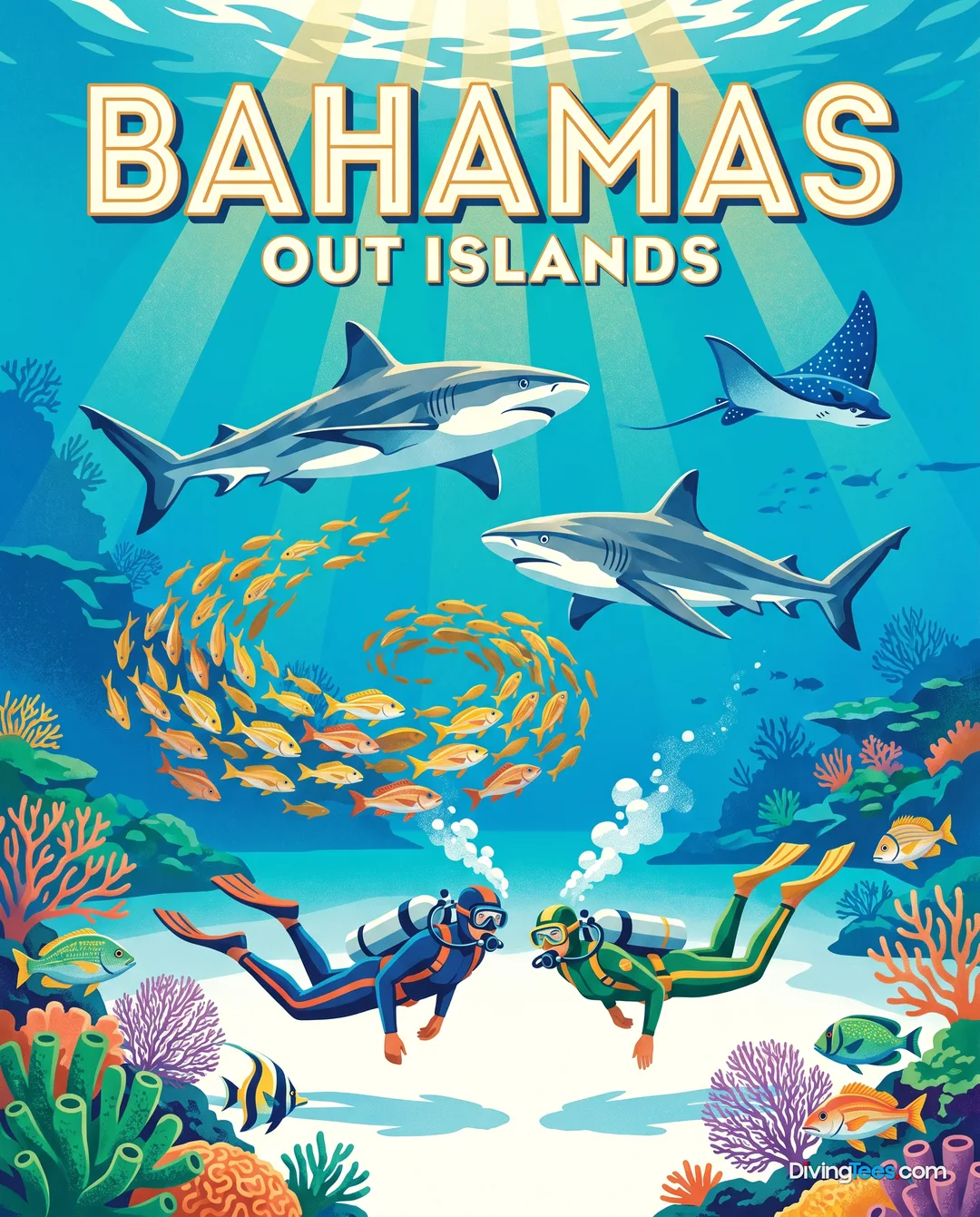
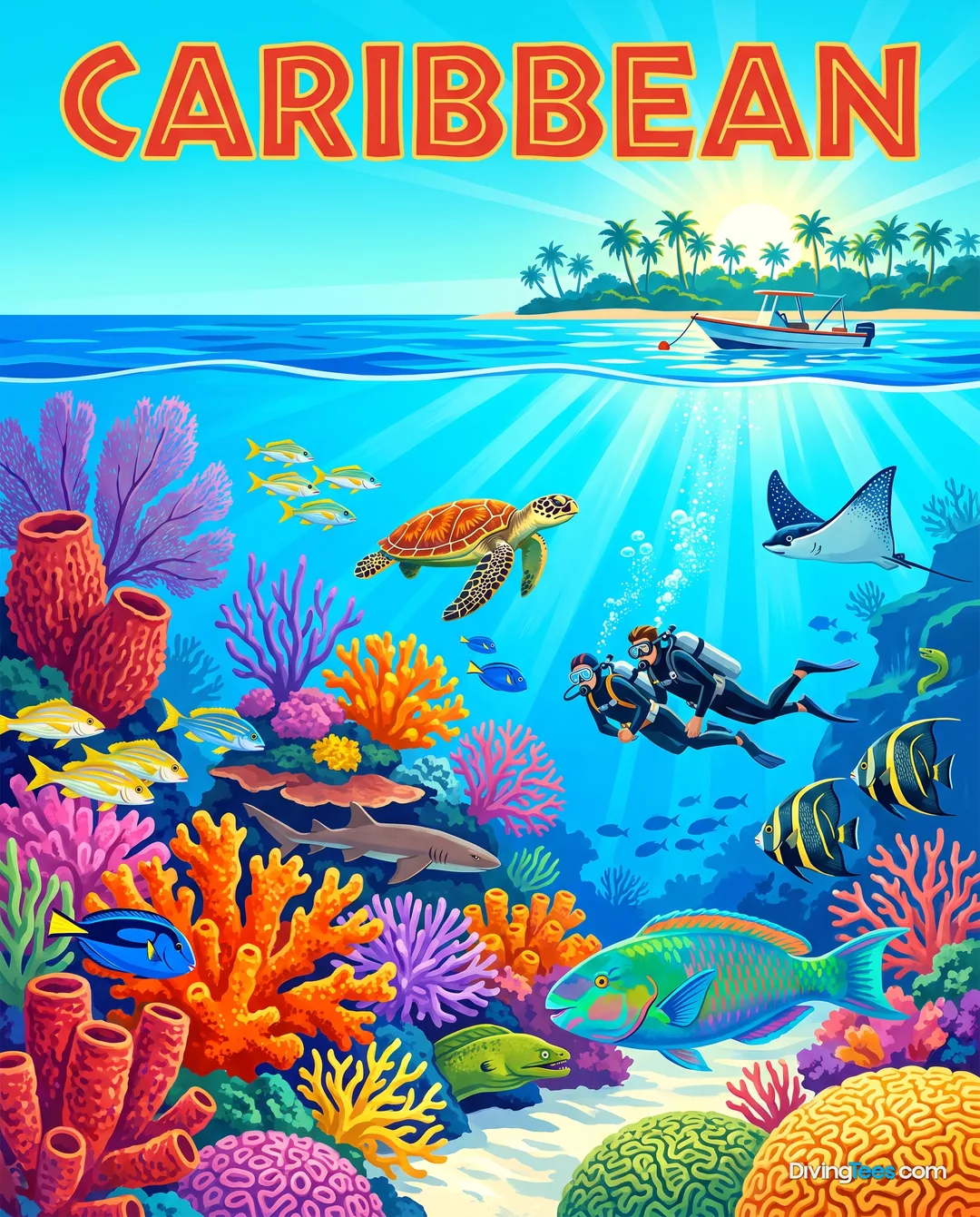
Coral walls, gardens, canyons and caves drop into clear water with Caribbean reef sharks, green turtles and eagle rays close by boat
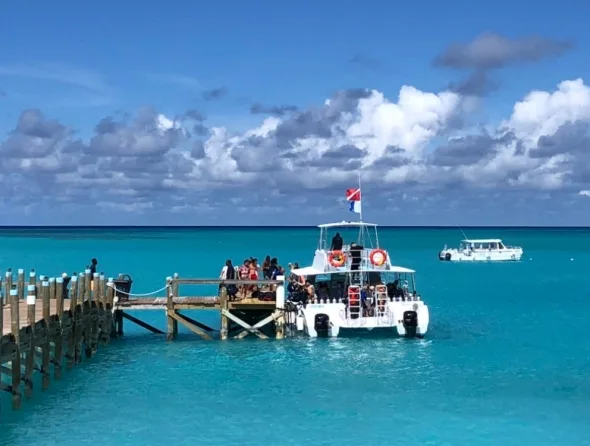
Cockburn Town is the land base for exploring San Salvador’s underwater volcanic edges. Boats leave from the island’s dive complexes for coral walls, gardens, canyons, tunnels, pinnacles and cave sectors, often with the reef beginning modestly before falling away. The attraction is not a busy resort strip, but a quiet island setting and a concentration of proper wall diving, with Caribbean reef sharks a recurring presence. Stay here for a week or more and the diving can be shaped around sheltered reefs, exposed northern walls and the weather.
Most dives are boat dives, with short runs from the bases to reefs and walls around San Salvador. Expect coral gardens and gentler relief on some outings, then canyons, tunnels, pinnacles and cave-like sections where the terrain becomes the dive. Several walls start in manageable depth and drop quickly, while the northern sectors are more exposed and are described as intermediate to advanced. Currents are variable rather than a fixed feature, so a drift dive or a downcurrent section may be possible on one day and unsuitable on another. Visibility is often reported as excellent, sometimes extending beyond 30 metres, though it can vary. The practical routine is a planned descent, a close look at the wall and relief, then a controlled ascent and safety stop back in open water.
Caribbean reef sharks are the dependable headline, with green turtles and hawksbill turtles also regular encounters throughout the year. Eagle rays and dolphins are occasional visitors, adding movement to the open water around the reefs. From November to May, the chances improve for hammerhead sharks, bull sharks and silky sharks, although these remain occasional rather than guaranteed sightings. Oceanic whitetip sharks are a rarer possibility in the same period. The appeal is the combination of animals and terrain: a reef shark passing a coral wall, a turtle moving through a garden, or an eagle ray crossing the blue beyond a pinnacle. This is not a destination to visit solely for a promised shark show, but sharks are woven into the character of the diving.
November to May is the sensible window if sharks are a major reason for travelling, particularly for the occasional hammerhead, bull shark and silky shark encounters. Caribbean reef sharks, turtles and the reef itself remain reasons to dive at other times, and the island’s wall diving continues beyond that seasonal focus. The choice is therefore between targeting the stronger shark period and accepting a broader, more weather-dependent reef trip outside it. Allow flexibility in either case, because exposed sectors can be limited by sea conditions. The rainy season is not a reason supplied here to rule out a particular month, so plan around the shark window rather than an artificial closed season.
This coast is exposed to sargassum strandings, whose intensity varies greatly from year to year. To find out more, see the “Sargassum” panel on this page.
San Salvador can suit beginners, provided the daily plan is matched to their experience and comfort in open water. The same island also offers proper advanced wall diving, especially where the northern sectors become deeper and more exposed. An Advanced Open Water qualification is useful for the deeper walls, while BSAC, PADI and SSI divers should check the planned depth and profile with the boat team. Previous experience with variable currents, negative-feeling wall descents and blue-water ascents will make the more demanding dives considerably more comfortable.
From London Heathrow, Gatwick or Manchester, plan on flying via Nassau and taking a domestic flight onwards to San Salvador. There is no identified direct European air link, so the connection is part of the journey rather than a minor detail. Leave room between the international and domestic sectors, and keep a full day in hand before the return flight in case a disrupted connection affects the island transfer. From San Salvador airport, continue by road to Cockburn Town or to the chosen dive complex. A taxi or other arranged road transfer is needed if the accommodation and diving base are separate. The Nassau mailboat is an alternative, but the crossing can take up to about twelve hours. Yachts can use the local marina.
Book the accommodation and diving together in practical terms, even if they are reserved separately. Cockburn Town and the neighbouring complexes are not interchangeable on foot, and a distant room can mean arranging a road transfer to the quay every diving day. Before committing to a wall, ask the boat team for the planned depth, exposure and required experience, rather than judging a site by its name. Ask which sites lie on the sheltered side when the sea is lively, and keep an alternative reef plan for days when exposed sectors are curtailed. Build the itinerary around the Nassau connection, not around the last possible domestic flight, and keep a complete day free before flying home. Finally, check every booking carefully for San Salvador in the Bahamas: Cockburn Town is also the name of the town on Grand Turk, and confusing the two would derail the journey before the first dive.
A normal stay is land-based, with diving arranged from a resort quay or local base and several boat days spread across the week. Seven to ten days makes sense because it absorbs the Nassau connections and leaves time to try sheltered reefs as well as walls and northern reliefs. Non-diving days can include beaches, kayaking, fishing, birdwatching or the historic sites associated with Christopher Columbus. The island remains primarily a diving destination, so companions should be happy with a quiet, lightly developed setting.
Hello, I'm Marina, DivingDeal.com's AI assistant. I guide you through destinations, areas and countries.
Thinking about the whole trip and the flights? Talk it over with Edith →
Marina is an AI. Some links are affiliate links: DivingDeal may earn a commission, at no extra cost to you. Bookings are made with the partner.
Choose November to May if hammerheads, bull sharks or silky sharks are a major reason for travelling, although those encounters remain occasional. Caribbean reef sharks, green turtles, hawksbill turtles and wall diving remain available beyond that period. Keep your plans flexible because sea conditions can limit exposed northern sites.
Cockburn Town can suit beginners when the daily plan matches their comfort in open water, but the island also offers advanced wall diving. Northern sectors are deeper and more exposed, and an Advanced Open Water qualification is useful there. Experience with variable currents, wall descents and blue-water ascents helps on demanding dives.
Around Cockburn Town, you can explore coral gardens, steep walls, canyons, tunnels, pinnacles and cave-like sections. Caribbean reef sharks are a recurring presence, while green and hawksbill turtles occur throughout the year. Eagle rays and dolphins are occasional visitors, and seasonal shark encounters may include hammerheads, bull sharks and silky sharks.
Plan a land-based stay with diving arranged through a resort quay or local base, and match your accommodation to the departure point because complexes are not interchangeable on foot. Fly via Nassau, allow time between connections, arrange road transport when needed, and keep a full day before your return flight. Consider sheltered reefs as alternatives when exposed sites are curtailed.