Stella Maris Resort Club
Google 4.3/5 (90 reviews)
Bahamas · Caribbean
Dean’s Blue Hole, western walls, wrecks and shark sites sit alongside shallow coastal reefs and a day boat to Conception Island.
Dean’s Blue Hole is the landmark that gives Long Island its identity, but it is only one part of the picture. Around the island, shallow coastal reefs lead to western drop-offs, wrecks and shark sites, while Conception Island adds a full day on an uninhabited national park island. This is a place for divers who enjoy small boats, open landscapes and a slower land-based trip, with enough variety for beginners and experienced divers to share an itinerary.
Most diving starts from a small boat, with short runs to coastal reefs and longer outings for the western drop-off, wrecks or sites farther offshore. Grouper Valley provides shallow reef diving suitable for a first experience, while the walls demand better depth control and planning. Currents are variable, and some outings use them for a drift dive, so a recognised drift speciality is useful rather than decorative. Conception Island changes the rhythm completely: allow a full day for the boat journey, coral walls and protected island surroundings. Dean’s Blue Hole is a vertical environment, not simply another reef descent. Visibility is part of the attraction, but the sensible approach is to plan around the sea and the specific site rather than assume identical conditions everywhere.
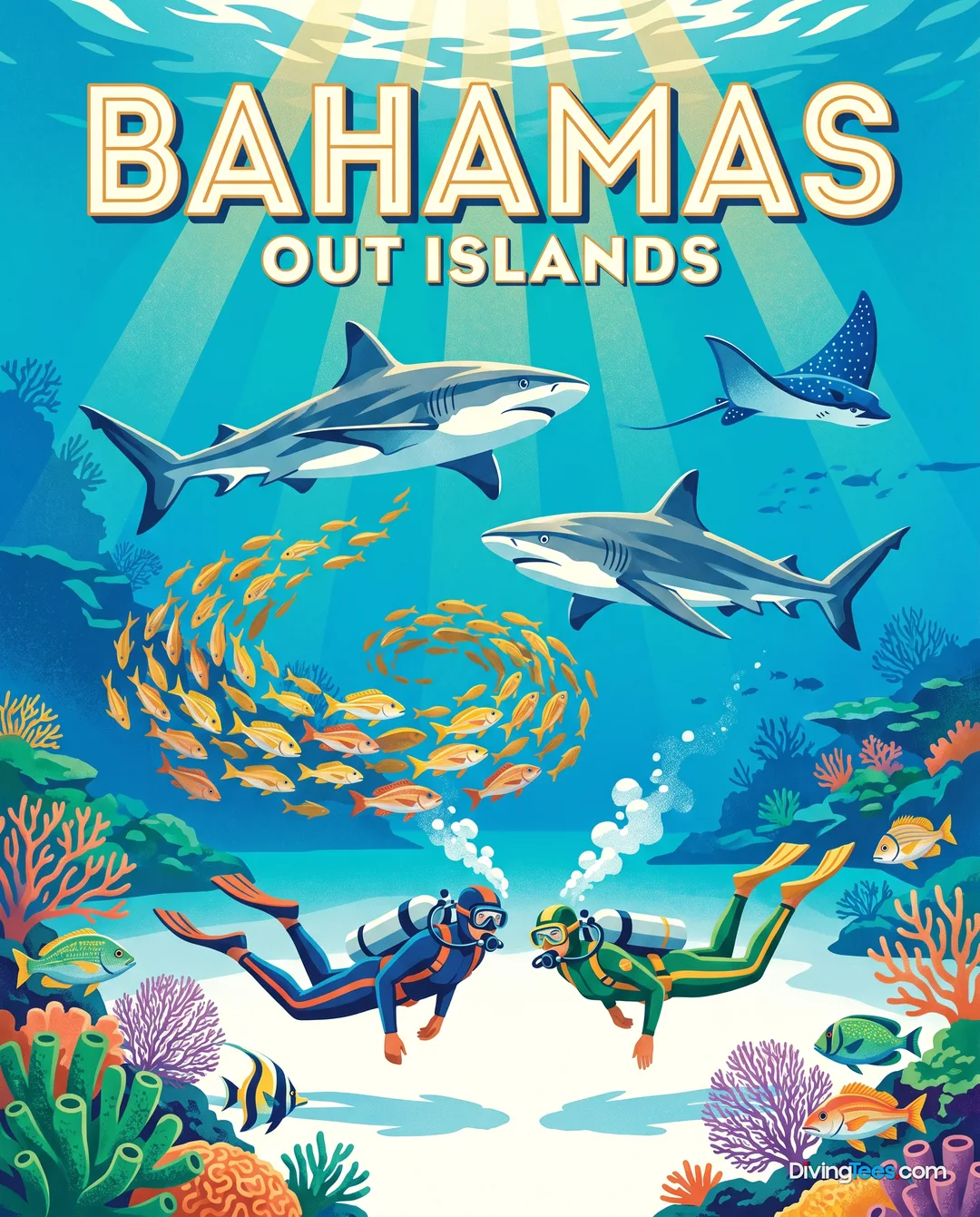
Sharks are part of Long Island’s underwater character, with dedicated shark sites sitting alongside reef and wall diving. On shallow reefs, the interest comes from moving over coral formations and watching the terrain change as the bottom drops away. The western walls bring a more open-water feel, while wrecks provide hard structure and a different way to read the dive. Around Conception Island, the coral walls and protected setting are the main draw, with the journey itself separating the experience from a short coastal outing. Long Island is not about chasing a fixed calendar of named animals. It suits divers who are happy to combine shark encounters, reef scenery, walls and wrecks, accepting that the emphasis shifts with the site and the sea.
The most practical time to go is outside the busiest holiday and organised-trip periods, when the small boats and sites are less likely to feel crowded. There is no need to build the trip around a claimed wildlife window. Instead, leave flexibility for the sea, particularly if Conception Island is important to you. Coastal diving can fill the programme when a longer crossing is unsuitable, while a calmer day can be reserved for the national park. That approach also makes sense for a seven to ten-day stay, giving the island enough time to show its different sectors rather than forcing every outing into a short visit.
This coast is exposed to sargassum strandings, whose intensity varies greatly from year to year. To find out more, see the “Sargassum” panel on this page.
Long Island suits all levels, provided the site matches the diver. Shallow Grouper Valley reefs can work for beginners and first sea dives, while the western walls, deeper wrecks and Dean’s Blue Hole require more experience and disciplined depth planning. Advanced Open Water is useful for the deeper profiles. A drift speciality helps where current is part of the dive. BSAC, PADI and SSI divers should choose outings according to their training, logged experience and comfort in a vertical or moving-water environment.
From London, whether leaving from Heathrow or Gatwick, or from Manchester, plan on travelling via Nassau before taking a domestic flight to Deadman’s Cay or Stella Maris. The choice of Long Island airport matters because the two serve different parts of this extended island, so match it to the accommodation and diving area before booking the final connection. Boat links from Nassau, and at some times from Exuma, are possible, but they take considerably longer and run less frequently than the domestic flight option. Once there, do not assume that everything is close together. Arrange transfers between your arrival point, accommodation and dive operation in advance, particularly if you are not hiring a car.
Treat Conception Island as a separate expedition, not as an extra stop after a morning of coastal diving. Keep a whole day clear, and retain another flexible option in case the sea does not favour the longer crossing. Confirm transport between your chosen airport, accommodation and dive operation before arrival, because Deadman’s Cay and Stella Maris serve different parts of the island and local connections are not something to leave to chance. Take an arrangement that suits deeper or drifting profiles, including your own computer if those are planned, rather than assuming specialised equipment will be available. Dean’s Blue Hole deserves the same caution: use it as a surface visit or snorkelling stop if your training does not cover its depth and vertical geometry. Do not book it as an ordinary reef dive, and do not combine Conception Island with a packed run of coastal dives.
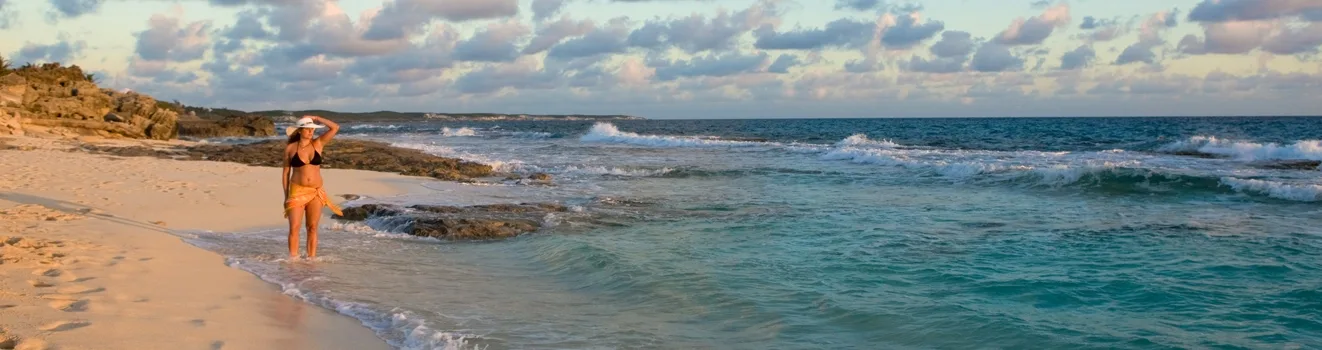
A land-based stay works best, with several days grouped around the coastal reefs and short boat trips, followed by a separately planned day for Conception Island. Seven to ten days gives time to use different sectors, visit Dean’s Blue Hole and keep a weather-flexible day in reserve. Between dives, companions can swim, snorkel, fish, explore beaches and flats, visit villages or look around Conception Island’s ruins.
Hello, I'm Marina, DivingDeal.com's AI assistant. I guide you through destinations, areas and countries.
Thinking about the whole trip and the flights? Talk it over with Edith →
Marina is an AI. Some links are affiliate links: DivingDeal may earn a commission, at no extra cost to you. Bookings are made with the partner.
Choose a period outside the busiest holiday and organised-trip periods, when small boats and sites are less likely to feel crowded. Keep your plans flexible around sea conditions, especially if Conception Island matters. Coastal diving can fill the schedule when a longer crossing is unsuitable, while calmer weather can suit the national park outing.
Long Island suits beginners through experienced divers when the site matches your training. Shallow Grouper Valley reefs can suit first sea dives, while western walls, deeper wrecks and Dean’s Blue Hole call for greater experience and careful depth planning. A drift speciality is useful for outings where current is part of the dive.
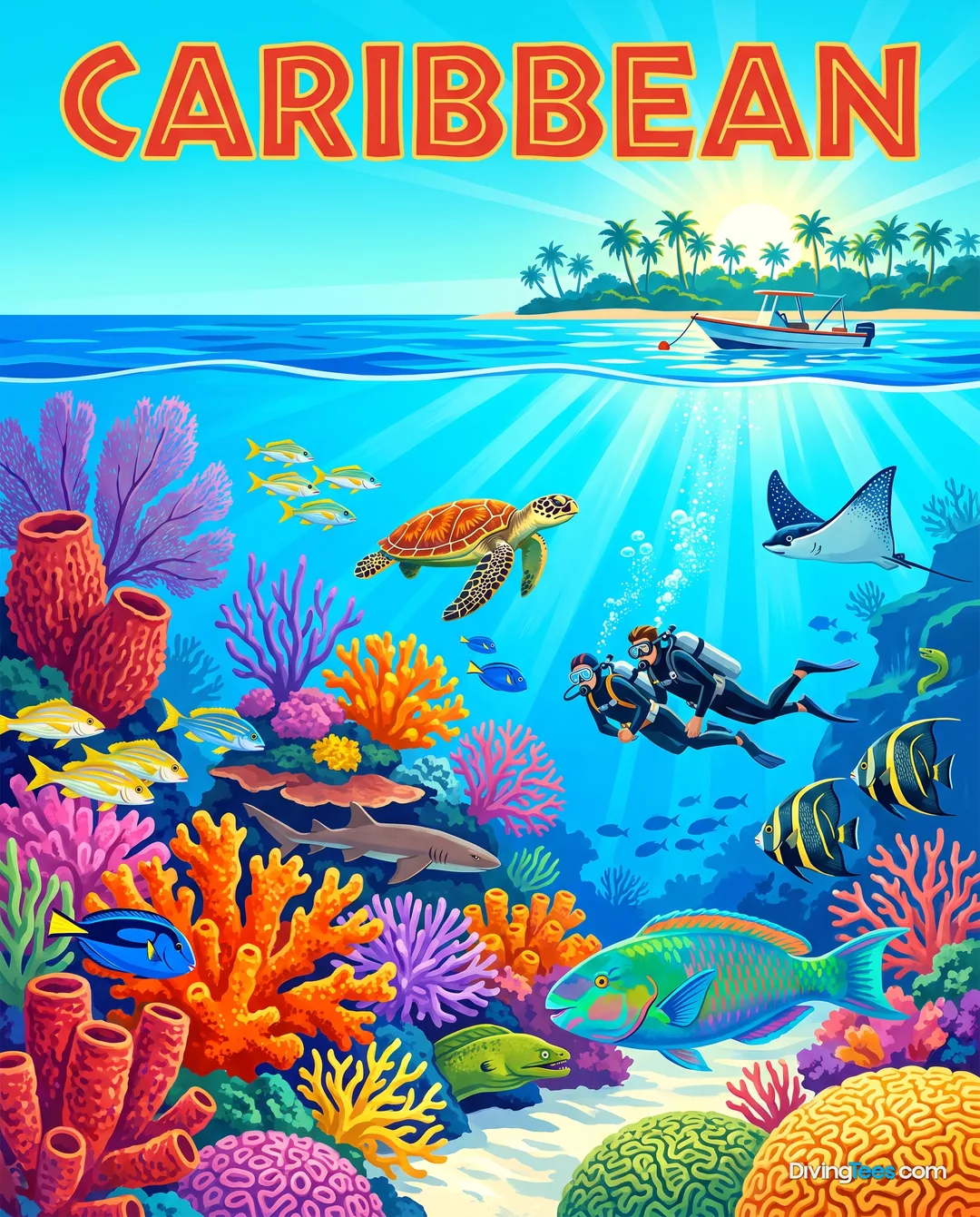
You can combine shallow coral reefs, western drop-offs, wrecks, shark sites and drift dives where currents run. Dean’s Blue Hole offers a vertical environment, while Conception Island brings coral walls, protected surroundings and ruins. The emphasis can shift with the site and sea, rather than following a fixed calendar of named animals.
Plan a land-based stay with several days around coastal reefs and short boat trips, then reserve a separate full day for Conception Island. Choose Deadman’s Cay or Stella Maris according to your accommodation and diving area, and arrange transfers in advance. Keep a flexible day for weather, and do not treat Dean’s Blue Hole as an ordinary reef dive.