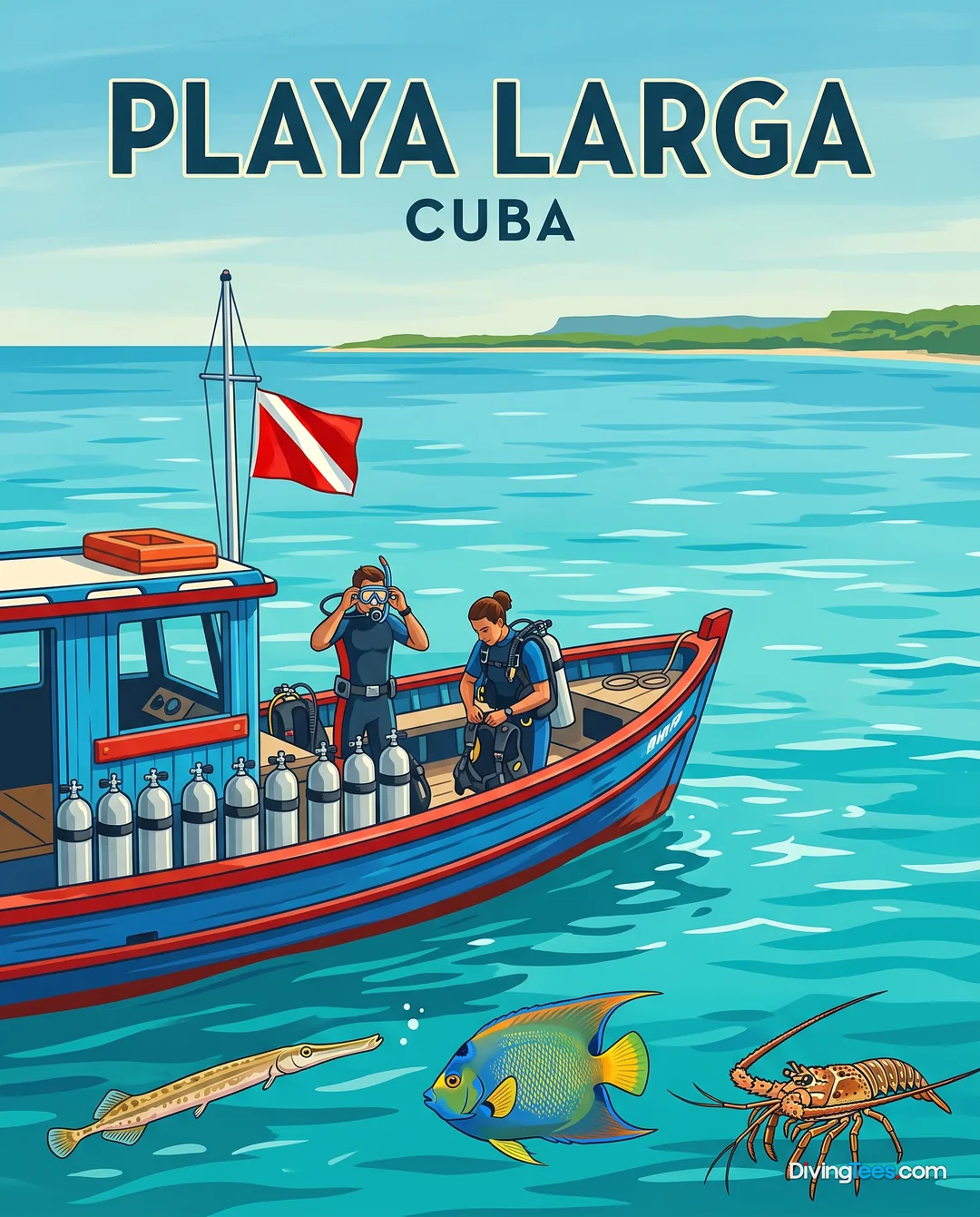
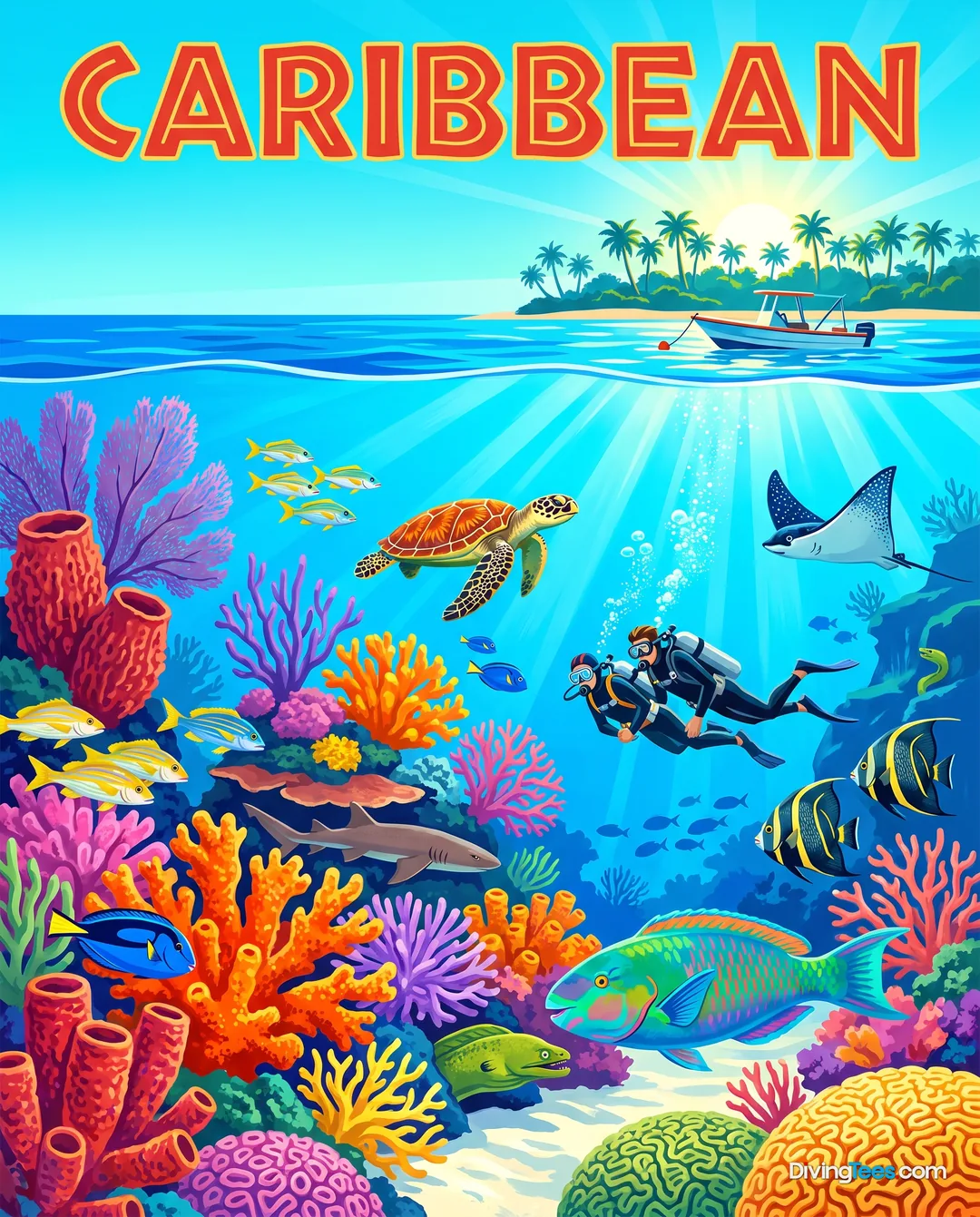
Playa Larga · Cuba · Caribbean
Bay of Pigs, Cuba: Shore and Cenote Diving
Explore a diverse underwater landscape along the Bay of Pigs, offering everything from fringing reefs and dramatic walls to halocline cenotes, all often accessible directly from shore.
What makes this site special
- Exceptional water clarity, often exceeding 30 metres
- Diverse topography: walls, reefs, tunnels, cenotes, wreck
- Extensive shore-accessible dive sites
- Halocline cenotes offering unique dive experiences
- Generally light currents, suitable for all levels
- Abundant reef fish: snapper, parrotfish, wrasse
- Barracuda and stingrays commonly encountered
- Ideal for multi-dive days from coastal entry points
Bay of Pigs about the site
Diving the Bay of Pigs means exploring a wide coastal area, not just one spot. The topography here is exceptionally varied; you can spend your morning on a fringing reef and your afternoon navigating a freshwater-filled cenote. This part of Cuba offers true shore-entry diving, which simplifies logistics and allows for multiple dives at different profiles throughout the day, often from fixed local access points.
The underwater landscape begins close to the coast with sharp drop-offs. These walls are characteristic of the area, plunging from shallow reef sections into deeper water. You’ll find coral-covered swim-throughs and rocky formations along these walls, providing shelter and hunting grounds for various marine life. The clarity of the water here consistently exceeds 30 metres, allowing light to penetrate deep and illuminate the intricate reef structures.
Beyond the traditional reef and wall dives, the Bay of Pigs also offers unique geological features like tunnels, canals, and even true caves and cenotes. Some of these cenotes feature distinct haloclines, where freshwater meets saltwater, creating visible layers underwater. This combination of marine and cavern diving in one region sets the Bay of Pigs apart from many other Caribbean destinations.
While currents are generally light, this can vary slightly depending on the specific site and local weather patterns, given the extensive coastline. However, the area is predominantly known for its calm conditions, making it particularly suitable for divers looking for relaxed explorations. This gentle environment also provides excellent opportunities for photography and for new divers to gain confidence.
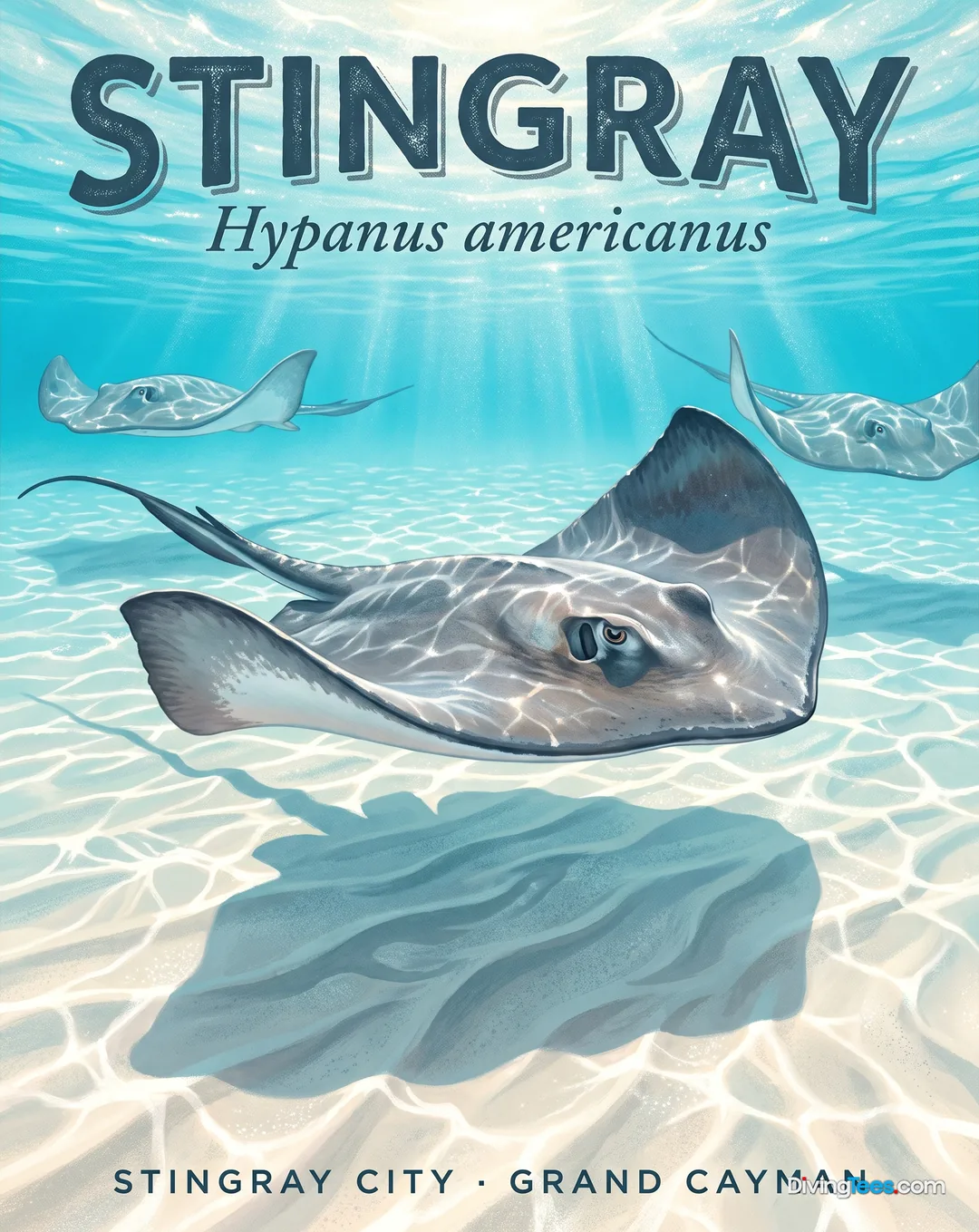
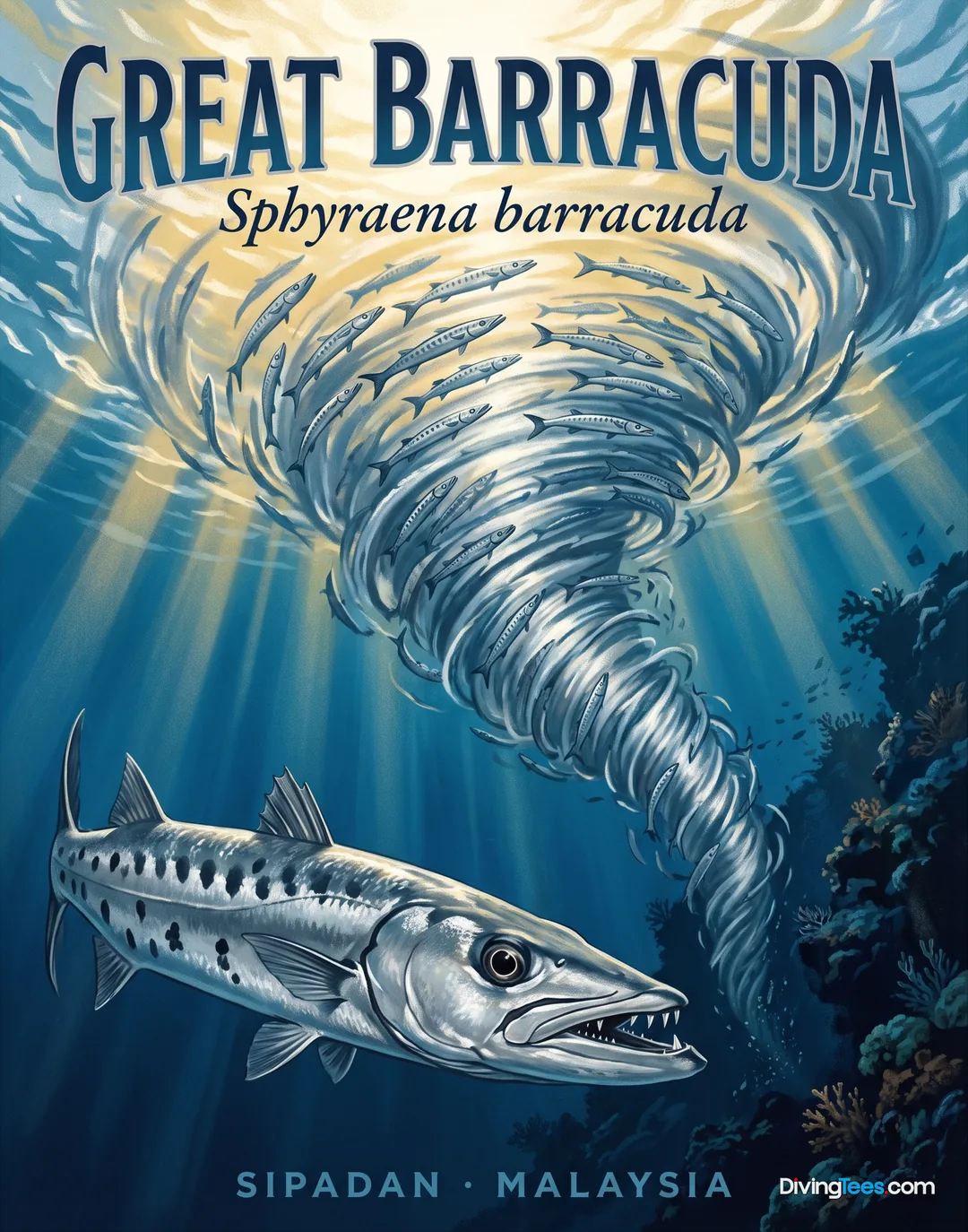
The marine life here includes species such as barracuda, stingrays, and various eels hidden within the coral formations. You'll often spot schools of snappers, including red snapper and yellow snapper, along with parrotfish and wrasse. Smaller creatures like shrimp and conch are also common, particularly in crevices and on the seabed.
You'll encounter smaller, colorful reef fish like blue-headed wrasse, blue chromis, and blue tang navigating the reef structure. French grunt and yellowtail snapper are frequently seen in schools, contributing to the vibrant reef ecosystem. Keep an eye out for spotfin butterflyfish, often in pairs, along the coral. The diversity of the habitat supports a wide range of inhabitants.
The Bay of Pigs offers a distinct advantage for divers who prefer the simplicity of shore access, with many excellent sites reachable directly from Playa Larga and Playa Girón. This ease of access, combined with the clear water and varied dive profiles—from deep walls to cavern explorations—makes it a practical choice for extended diving trips. It’s a site where you can log multiple types of dives without needing constant boat transfers.
For those interested in something different, at least one small wreck, or sunken boat, provides an additional point of interest. These sites typically hold specific populations of reef fish and offer an alternative structure to explore, adding to the overall diversity. Whether you're navigating a reef, a wall, or a cenote, the Bay of Pigs ensures a varied underwater experience.
Diving Bay of Pigs: the marine life you’ll meet
Diving conditions
Diving at the Bay of Pigs is accessible from Open Water Diver level, with some specific sites perfectly suited for beginners due to the calm conditions. Visibility consistently exceeds 30 metres, offering clear views of the underwater topography and marine life. Currents are generally light across the various sites. The best time to visit and dive here is between December and April.
Frequently asked questions about Bay of Pigs
When should you dive Bay of Pigs?
The best time to dive Bay of Pigs is between December and April. During this period, you can explore its coastal sites, reefs, walls, tunnels, cenotes, and wreck without relying on boat transfers. Shore access from Playa Larga and Playa Girón also makes it practical to plan multiple dives throughout the day.
What experience level is suitable for diving Bay of Pigs?
Bay of Pigs is accessible to Open Water Divers, and some sites are particularly suitable for beginners because conditions are calm. The area offers relaxed exploration for divers gaining confidence, while its varied underwater landscape provides interest across reef, wall, cavern, cenote, and wreck dives for more experienced visitors.
What are the currents like at Bay of Pigs?
Currents at Bay of Pigs are generally light across the different sites, supporting calm and relaxed diving. Conditions can vary slightly with the specific location and local weather, so you should still consider the site and day before entering. The gentle environment also suits photography and confidence-building dives.
What can you see while diving Bay of Pigs?
At Bay of Pigs, you can see walls, reefs, tunnels, canals, caves, cenotes, and a small wreck. Marine life includes barracuda, stingrays, eels, snapper, parrotfish, wrasse, shrimp, conch, blue chromis, blue tang, French grunt, yellowtail snapper, and spotfin butterflyfish among coral formations.