
Duiken in Curacao
Google 5/5 (480 reviews)
24 km away as the crow flies
Jan Thiel · Curaçao · Caribbean
Explore the untouched reefs and gentle drift dives around Klein Curaçao, an uninhabited island offering vibrant coral formations and frequent turtle sightings.
For subtitles in English: start the video firstthen click the gearat the top right of the video, select “Subtitles/CC”, then “Auto-translate” and choose “English”.
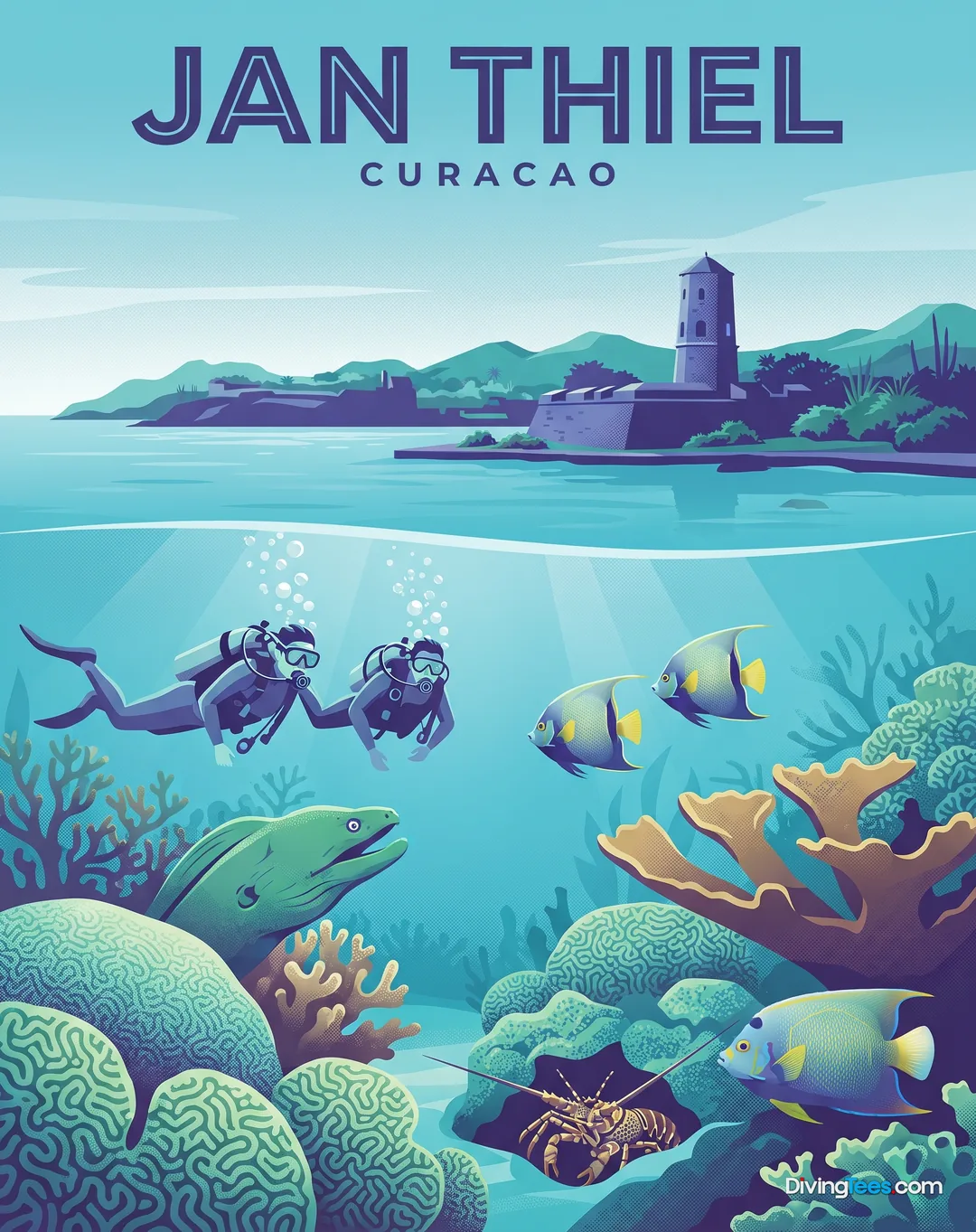
Diving Klein Curaçao takes you to an isolated, uninhabited island roughly 11 kilometres off the southeast coast, accessible typically as a full-day boat excursion. The island itself is marked by white-sand beaches, an old lighthouse, and several shipwrecks above the waterline. Below the surface, the character shifts, offering a mix of vibrant reefs that encircle the island, providing a distinct contrast to the more populated dive sites closer to the main island.
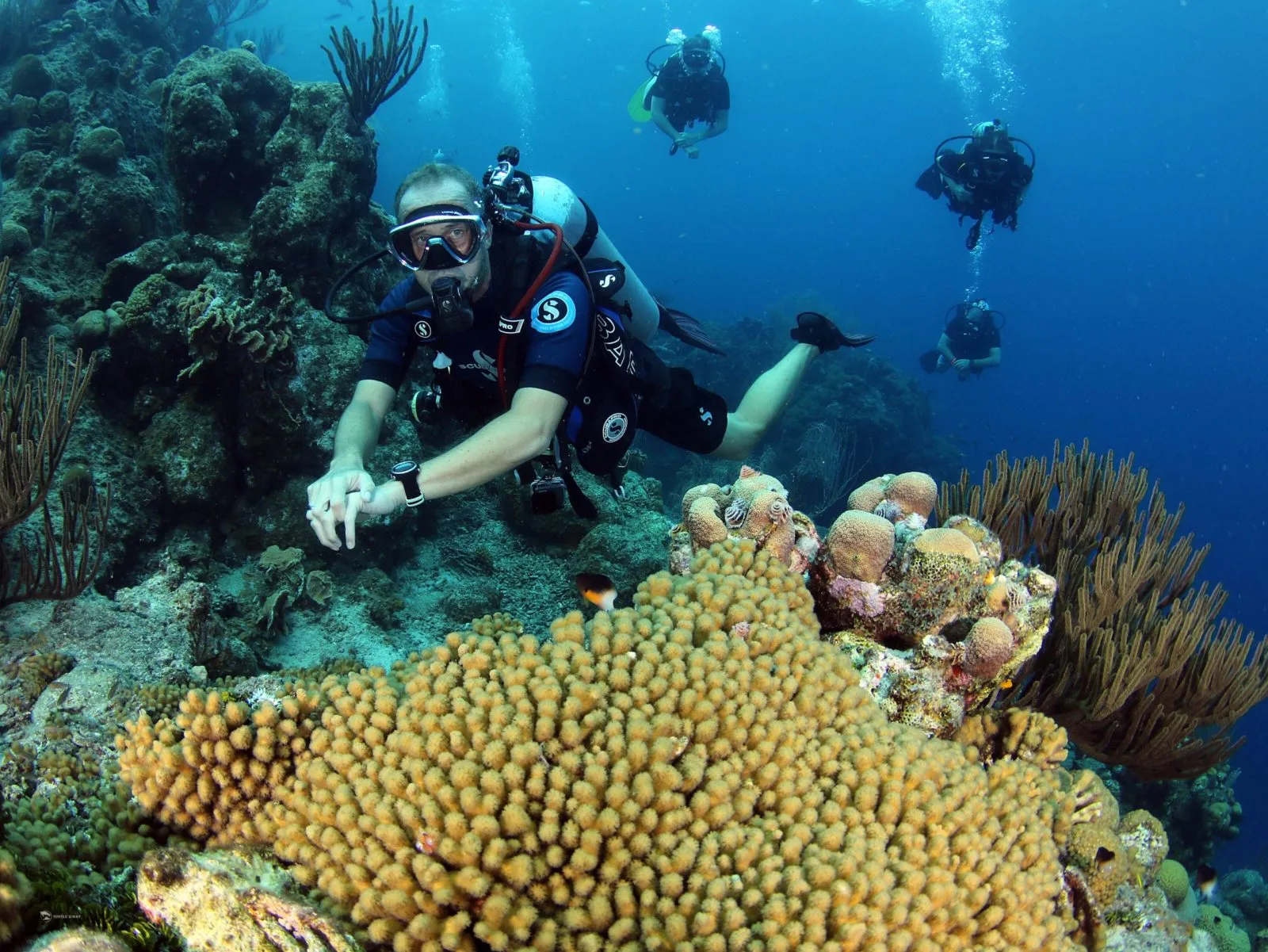
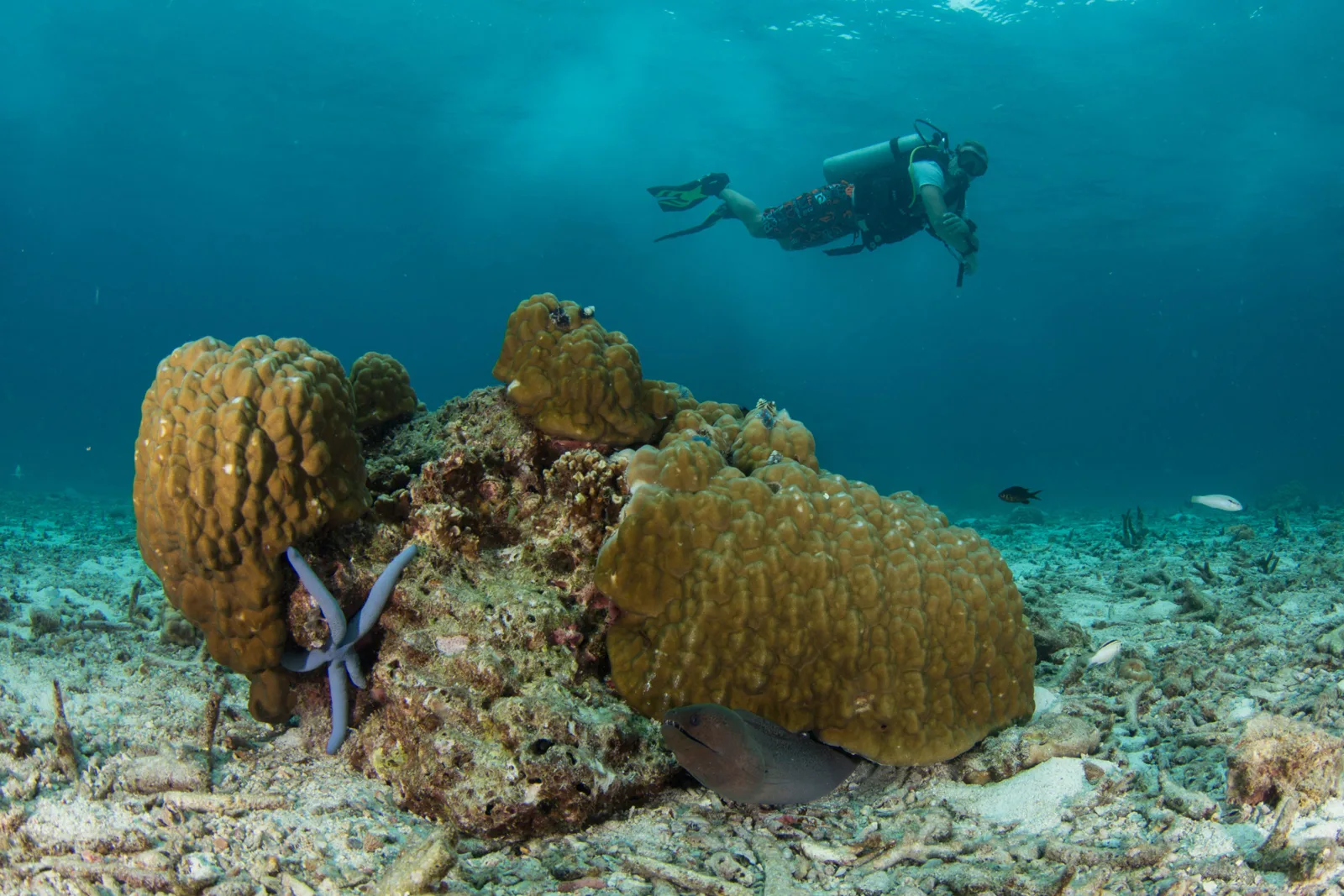
The dive profiles around Klein Curaçao vary, encompassing both walls and expansive sloping reefs. You'll encounter large, healthy coral formations that thrive in the open oceanic environment. The topography also includes underwater caves that add another dimension to the exploration, inviting a closer look into crevices and overhangs where smaller reef life congregates. These features contribute to a dynamic underwater landscape that changes with the contour of the island.
The diverse reef structures serve as home to significant schools of fish, often in numbers not as commonly observed closer to shore. Coral formations include both hard and soft corals, with noticeable gorgonian gardens in areas exposed to moderate currents. This particular combination of environment and topography creates a rich ecosystem that supports a wide range of marine inhabitants specific to healthy, undisturbed Caribbean reefs.
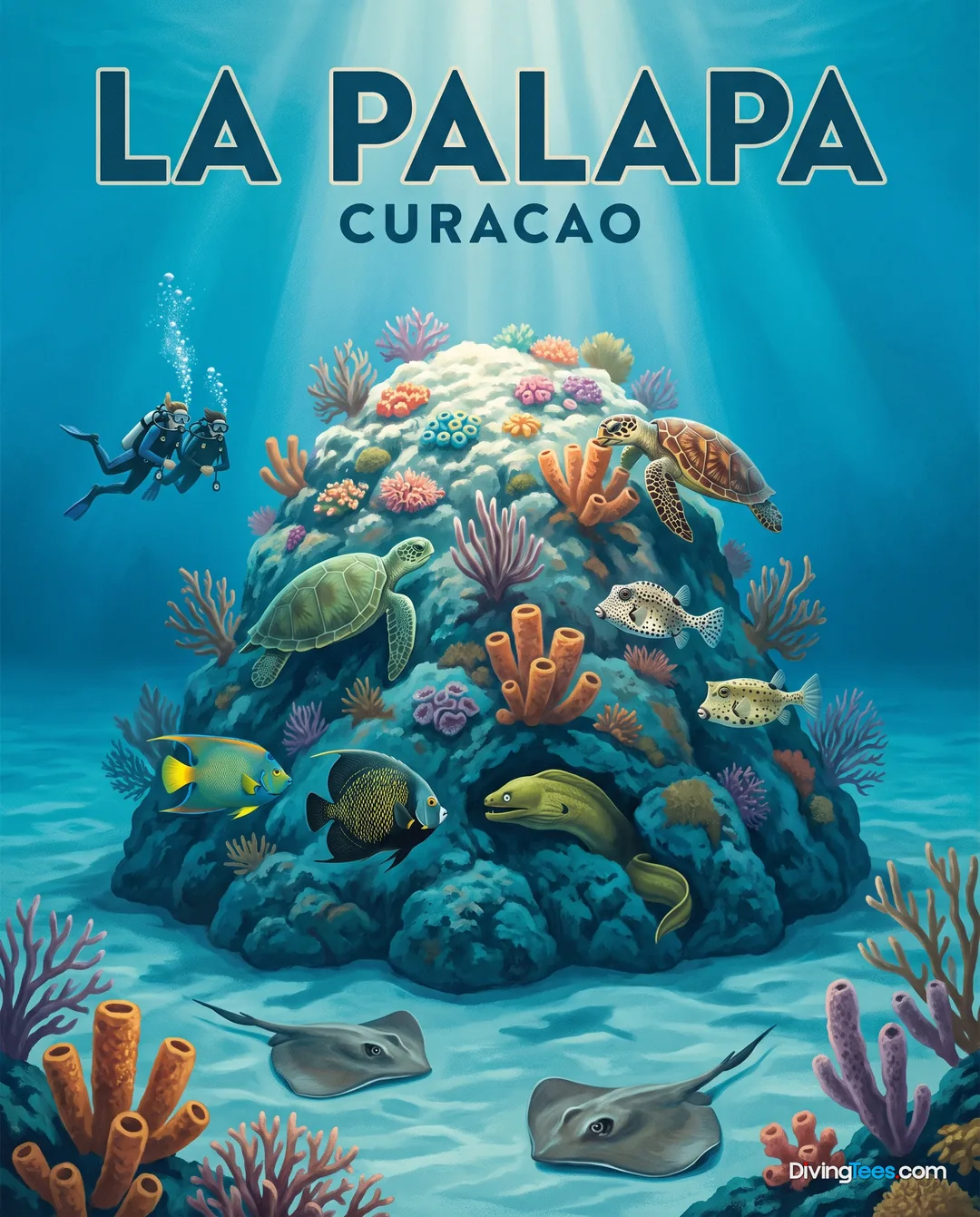
Interaction with marine fauna is a consistent highlight here, especially for those seeking encounters with sea turtles. These animals are regular inhabitants of the Klein Curaçao reefs, often seen gliding undisturbed along the coral slopes or resting in sheltered areas. Beyond turtles, you'll observe rich reef fish populations that benefit from the relatively untouched nature of the site, indicating a healthy and robust ecosystem.
While specific depth ranges are not universally cited, the dive sites typically accommodate divers from Open Water certification upwards, suggesting a profile that generally extends within recreational limits. Some parts of the island offer conditions suitable for drift dives, moving with a moderate current across the extensive reef system. This allows for a relaxed and efficient way to cover more ground underwater, observing the continuous ribbon of coral and marine life unfolding before you.
Klein Curaçao is accessible to Open Water certified divers. Currents here are generally moderate, making some areas suitable for drift diving. Visibility remains consistently clear due to the island's offshore location and limited terrestrial runoff.
Plan for Klein Curaçao as a full-day boat excursion to an isolated, uninhabited island offshore. Its location and limited terrestrial runoff support consistently clear visibility. The site also offers white-sand beaches, an old lighthouse, and several shipwrecks above the waterline for exploring between dives.
Klein Curaçao is accessible to Open Water certified divers. The dive profiles include walls and sloping reefs, with underwater caves, coral formations, and reef structures to explore. Some areas also suit drift diving, allowing you to move with the moderate current across the reef system.
Currents at Klein Curaçao are generally moderate, and some areas are suitable for drift diving. You can move with the current across the extensive reef system while observing coral and marine life along the way. Gorgonian gardens occur in areas exposed to these moderate currents.
At Klein Curaçao, you can explore walls, sloping reefs, underwater caves, and vibrant hard and soft corals with gorgonian growth. The reefs support large schools of reef fish, and sea turtles are regular inhabitants, often gliding along coral slopes or resting in sheltered areas.