
Duiken in Curacao
Google 5/5 (480 reviews)
6.4 km away as the crow flies
Jan Thiel · Curaçao · Caribbean
Max. depth · 40 mMarie Pampoen offers a unique dive profile, transitioning from a shallow, thriving reef directly into a deeper, dramatic "carpile" strewn with historical vehicles.
For subtitles in English: start the video firstthen click the gearat the top right of the video, select “Subtitles/CC”, then “Auto-translate” and choose “English”.
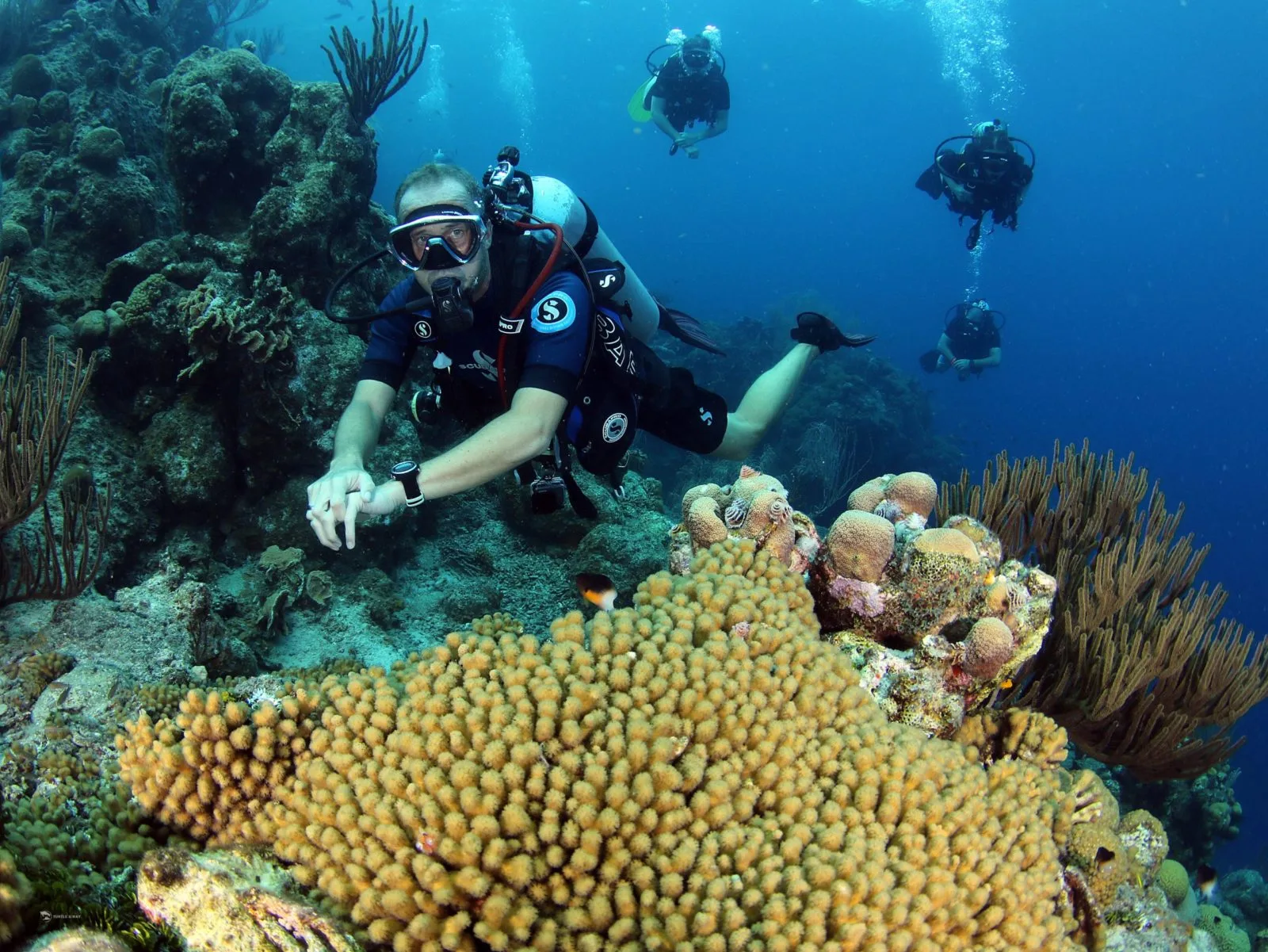
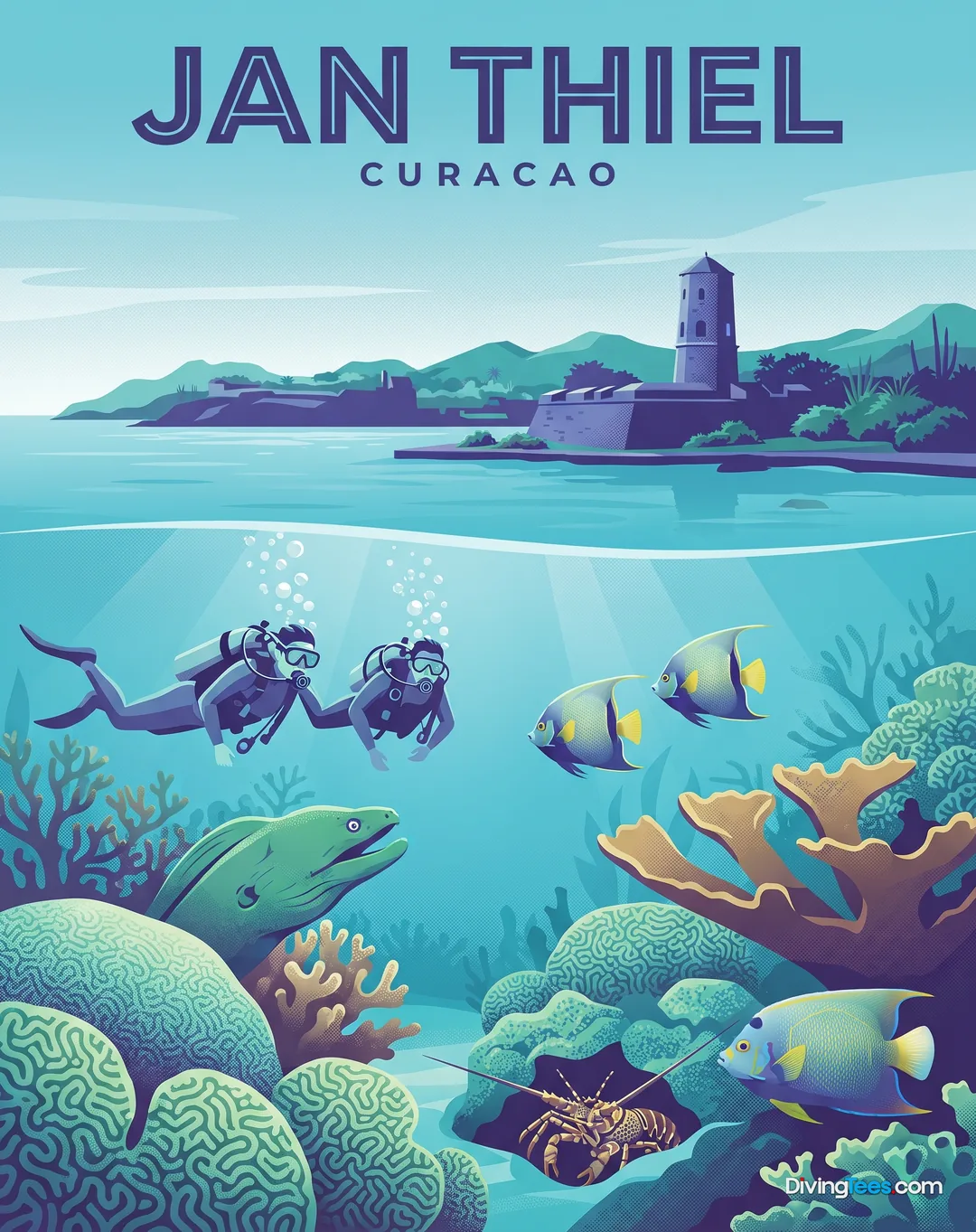
Marie Pampoen is accessed directly from its small, protected bay, which shelters divers from any significant wave action. The entry point means you gear up and walk into the water, a simple shore dive setup. From the moment you submerge, the reef directly offshore presents a vivid and colourful landscape, beginning in very shallow water. This initial section, particularly between 5 and 12 metres, is rich with life, an active nursery where finger-shaped yellow corals and prominent gorgonians give way to expansive fields of staghorn corals and a diverse array of colourful sponges. Hundreds of reef fish inhabit this zone, making it an immediate visual draw for any diver.
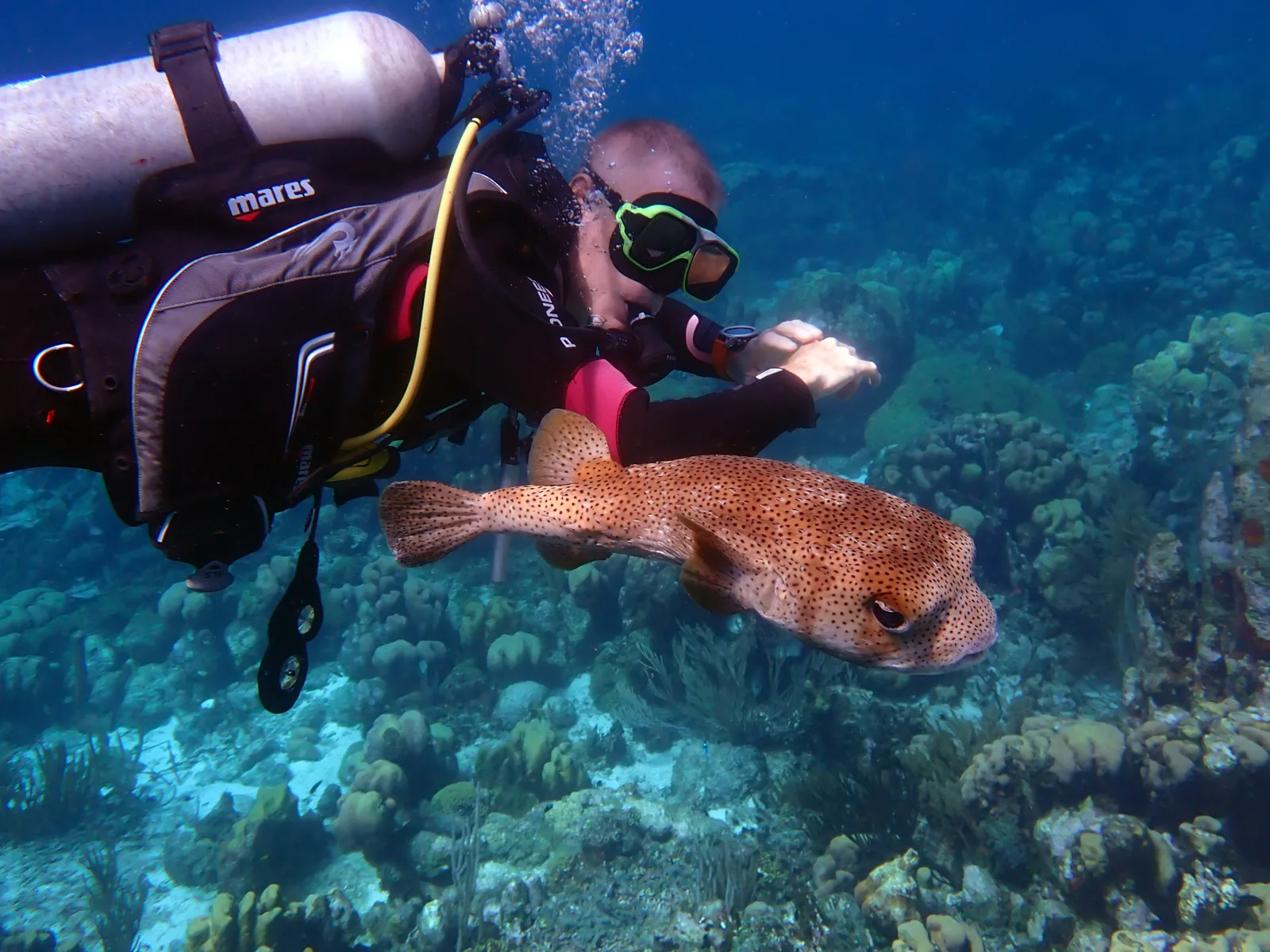
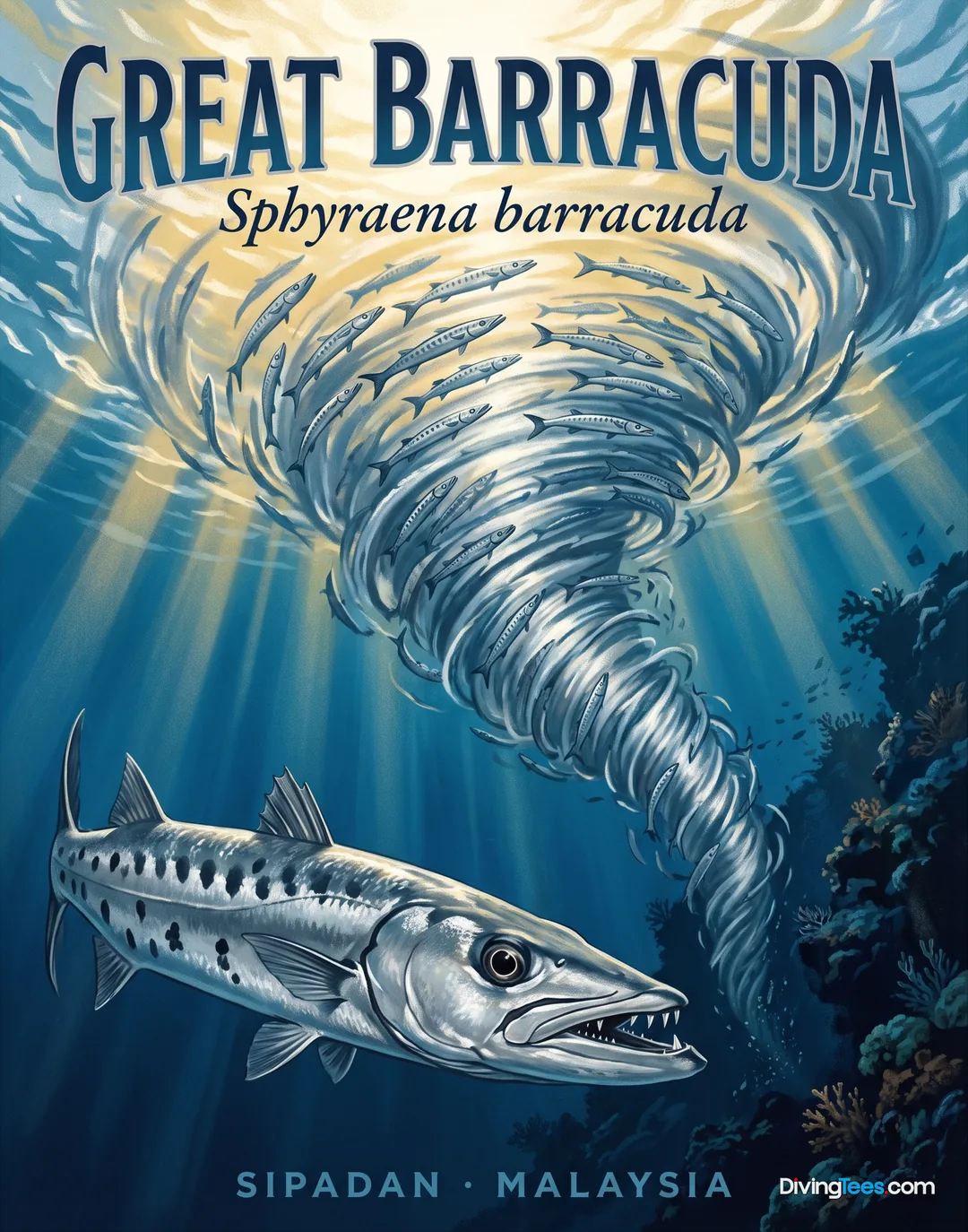
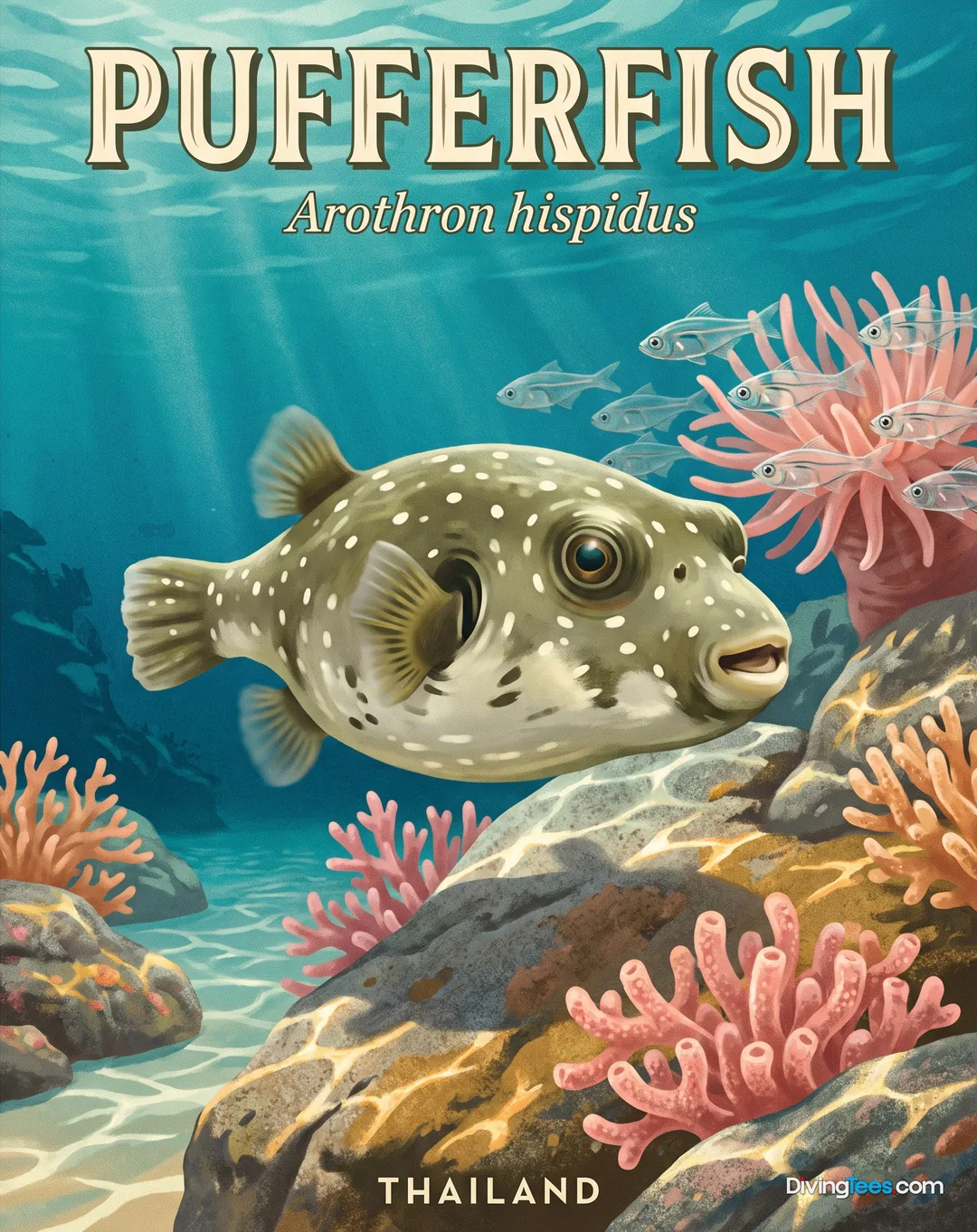
As you move further out from the entry point, the reef continues to develop, leading to its more distinctive features. Along the breakwater, large colonies of elkhorn corals thrive, alongside transplanted staghorn corals, providing shelter for schooling fish. This shallower area, while vibrant, is just the prelude to what lies deeper. During your dive, you will often spot sergeant majors (Abudefduf saxatilis) guarding their dark purple egg patches, silver barracudas (Sphyraena barracuda) patrolling, and the occasional porcupinefish (Diodon holocanthus) navigating the coral formations.
Beyond the shallow reef, the topography drops off into the site's most distinctive feature: the "carpile." This is an underwater graveyard of older vehicles from the 1940s, mixed with metal beams and other scrap, intentionally placed to create an artificial reef. The carpile starts around 15 metres and extends significantly deeper, well beyond 40 metres. It’s a compelling contrast to the vibrant natural reef, offering a different kind of exploration into an ecosystem that has colonised these man-made structures over decades.
The transition from the natural reef to the carpile is distinct. As you descend, the coral cover on the natural slope begins to thin out, and the first scattered pieces of metal and car frames appear, gradually forming larger concentrations as you go deeper. Corals, sponges, and anemones have thoroughly encrusted these structures, turning what was once industrial refuse into a thriving habitat. This deeper section is where you'll encounter a different suite of marine life, often including moray eels (Muraena retifera) finding shelter within the wrecks.
Navigating the carpile requires attentive buoyancy control, especially when exploring closer to the structures to observe the resident species. The artificial reef acts as a substantial hiding place for fish and provides foraging grounds. Here, you will find porcupinefish (Diodon holocanthus) moving cautiously amongst the debris, and tarpons (Megalops atlanticus) often cruise in the vicinity. The carpile also serves as a known area for lionfish (Pterois volitans) presence, which divers sometimes seek out for removal initiatives.
For those with appropriate training, the carpile offers considerable depth, extending to 40 metres and beyond, allowing for deeper exploration of the sunken vehicles and the life they support. Following the wall to the left after exiting the bay will lead you directly to this deeper, more advanced section. The site's duality—a rich, colourful shallow reef contrasting with a deeper, more sombre yet biologically active artificial one—provides a varied dive experience that appeals to a wide range of diver interests.
Marie Pampoen is accessible from Scuba Diver level for the shallow reef, particularly in the 5 to 12 metre range. For those wishing to explore the deeper sections of the "carpile" down to 40 metres, an Advanced Open Water Diver certification is required. Technical diving is recommended for depths beyond 40 metres. Visibility at the site is generally good. Current is typically mild due to the sheltered entry, but always be aware of conditions as you approach the deeper drop-off.
You can explore Marie Pampoen’s shallow reef as a Scuba Diver, particularly across the 5 to 12 metre section. Reaching the deeper carpile requires Advanced Open Water Diver certification. Technical diving is recommended beyond 40 metres, so your training determines which parts of the natural reef and artificial reef you can visit.
Marie Pampoen ranges from 5 metres to 40 metres, with the colourful shallow reef beginning directly offshore. The artificial carpile starts around 15 metres and continues to 40 metres and beyond. You can follow the reef toward the deeper section, where sunken vehicles, metal beams, coral, sponges, and anemones form the underwater landscape.
Marie Pampoen is entered from a sheltered bay, so the current is typically mild and the protected shore entry limits significant wave action. You should still remain aware of conditions as you approach the deeper drop-off. The site generally offers good visibility, supporting exploration from the shallow reef toward the carpile.
At Marie Pampoen, you can see colourful sponges, gorgonians, elkhorn and staghorn corals, and hundreds of reef fish in the shallows. Sergeant majors, porcupinefish, barracudas, moray eels, tarpons, and lionfish occur around the reef and carpile. The artificial reef includes older vehicles, metal beams, and scrap covered by marine growth.