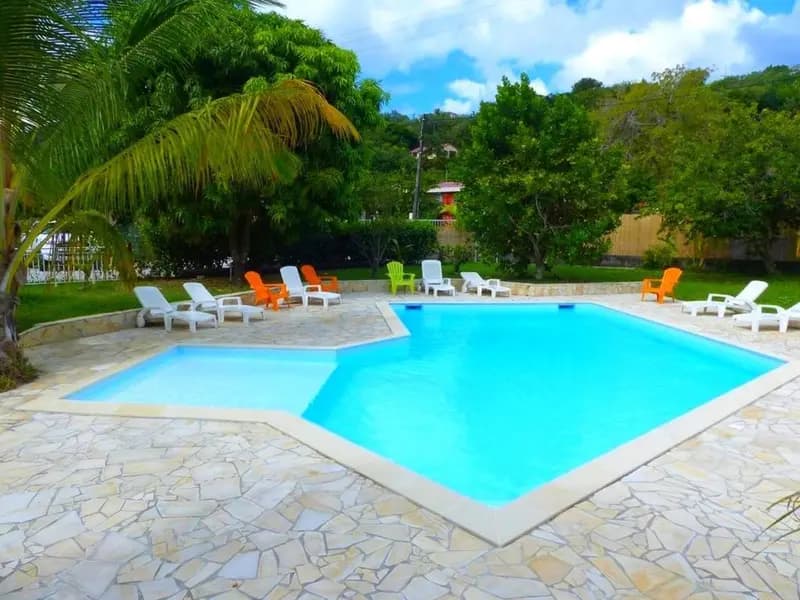
Habitation Diamant - Apparts & Spas
★ 8.8/10 (20 reviews)
3.6 km away as the crow flies
Dive centre · Anses-d'Arlet · Martinique
4.6102 Google reviewsExplore the wreck of the Nahoon and the underwater arches of Rocher du Diamant with a small group of five divers maximum.
For subtitles in English: start the video firstthen click the gearat the top right of the video, select “Subtitles/CC”, then “Auto-translate” and choose “English”.
Located in the heart of Anses-d'Arlet, Nautitan serves as a gateway to the diverse marine environments of Martinique. With bases in both the local village and Fort de France, the centre is positioned to access both the sheltered reef flats and the more significant offshore sites.
The operation is built around a small-group philosophy, ensuring that no more than five divers are on a boat at any one time. This approach allows for a more focused experience, whether you are navigating the depths of a wreck or exploring the limestone formations of the local reefs.
The centre is officially affiliated with FFESSM and CMAS, providing a structured framework for both recreational and technical progression. They manage a range of training programmes, including specific courses for children aged 8 to 12.
Instruction is delivered by qualified monitors, with a strict ratio of one guide for every five divers. This ensures close supervision during all activities, from initial discovery dives to more complex night dives or advanced training modules.
Nautitan provides a comprehensive curriculum following the FFESSM and CMAS standards. For those starting their journey, they offer 'Baptême' discovery dives and the Niveau 1 certification. The progression continues through Niveau 2 and Niveau 3, catering to divers looking to deepen their technical skills and autonomy.
For divers seeking specialised depth training, the centre offers PE12, PE20, and PE40 courses. They also provide specialised training for children between the ages of 8 and 12, ensuring the next generation of divers can begin their training in a controlled environment.
The centre operates boats designed for small groups, with a maximum capacity of five passengers per trip. These vessels facilitate access to the most iconic sites in the area, including the deep wrecks and the rocky outcrops of the coast.
In addition to guided diving trips, Nautitan offers boat rentals that can be taken with or without a skipper, as well as options for those without a skipper's permit.
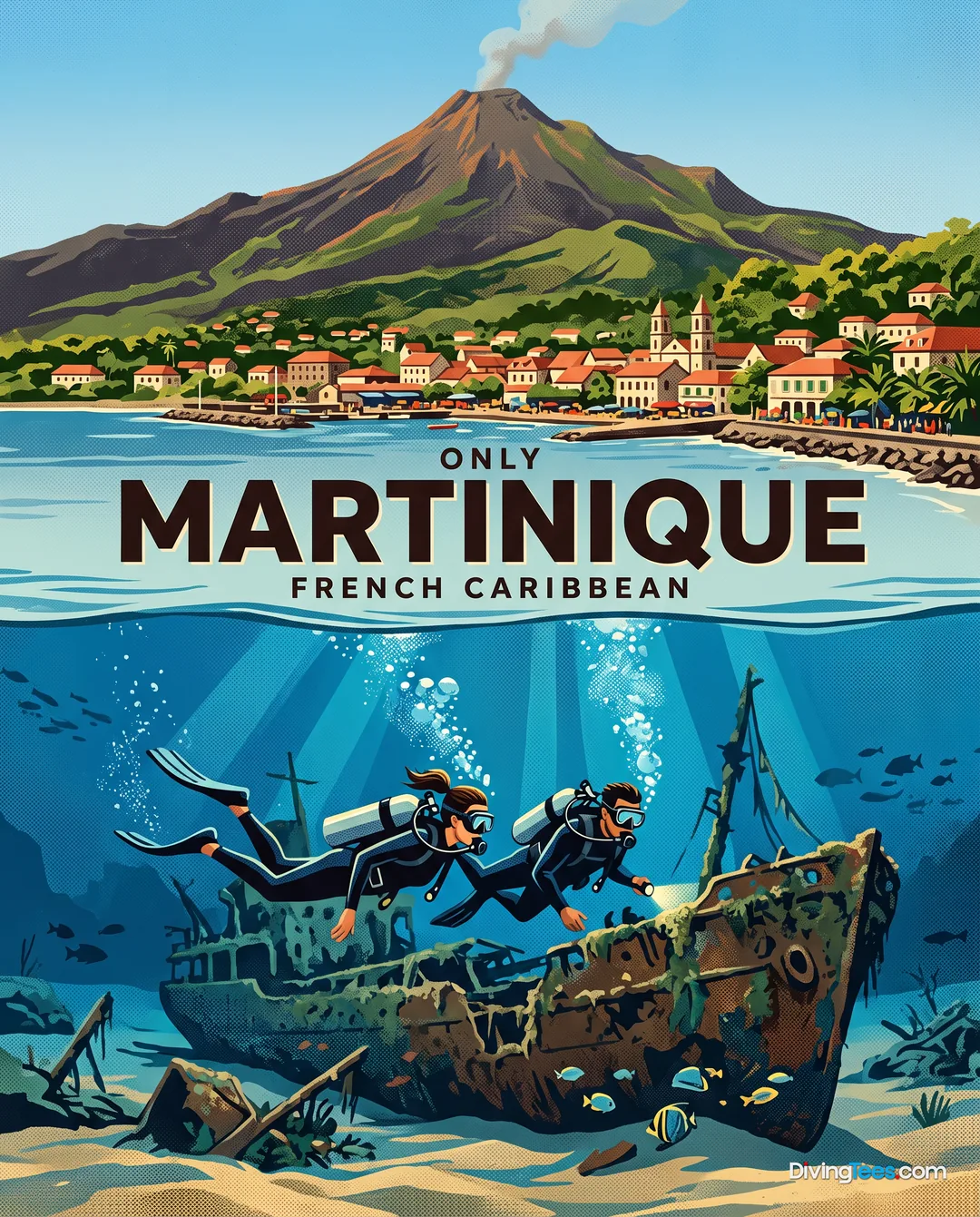
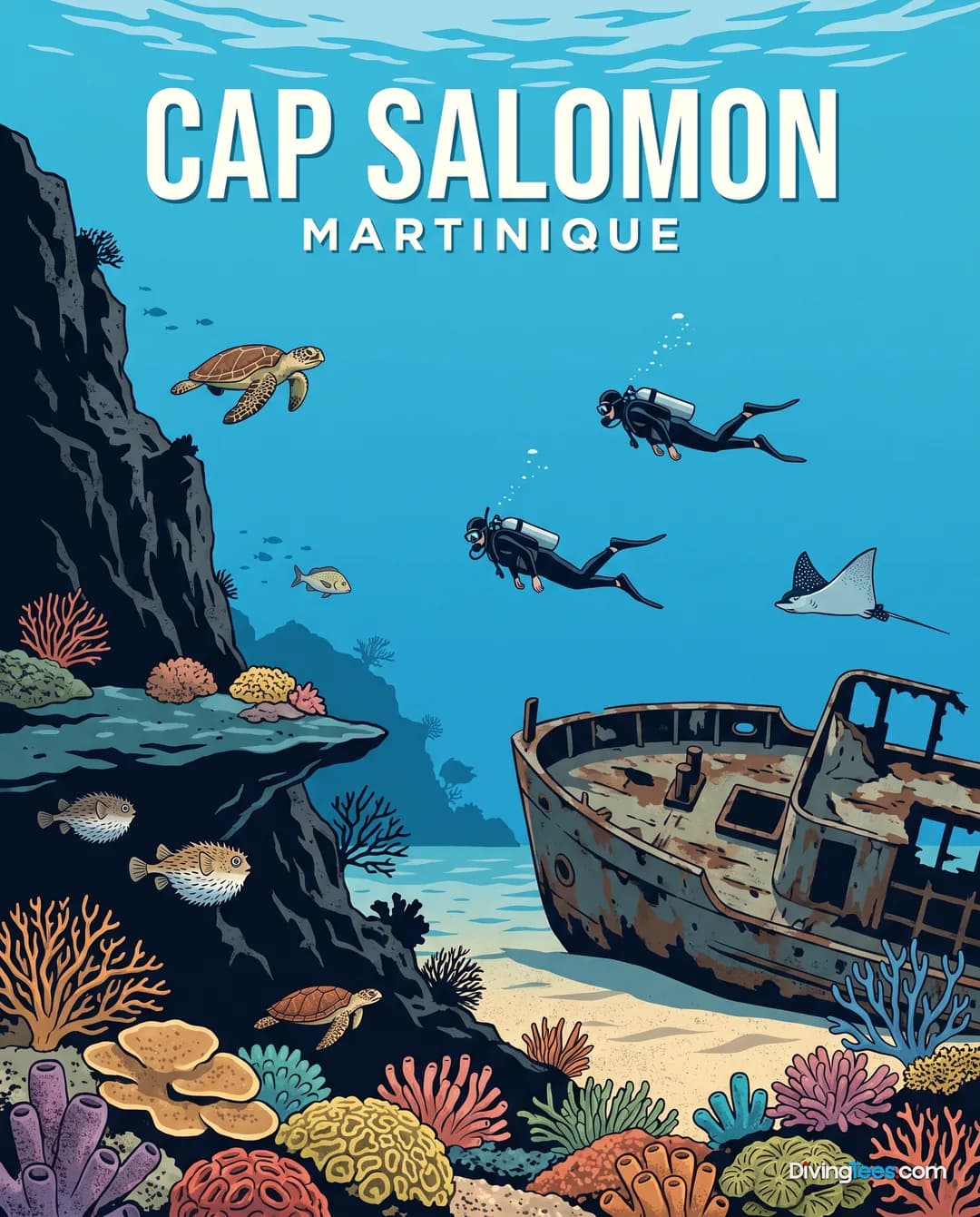
The Nahoon is a renowned wreck site located at depths exceeding 30 metres. It offers a significant exploration opportunity for those looking to dive more complex structures and historical remains.
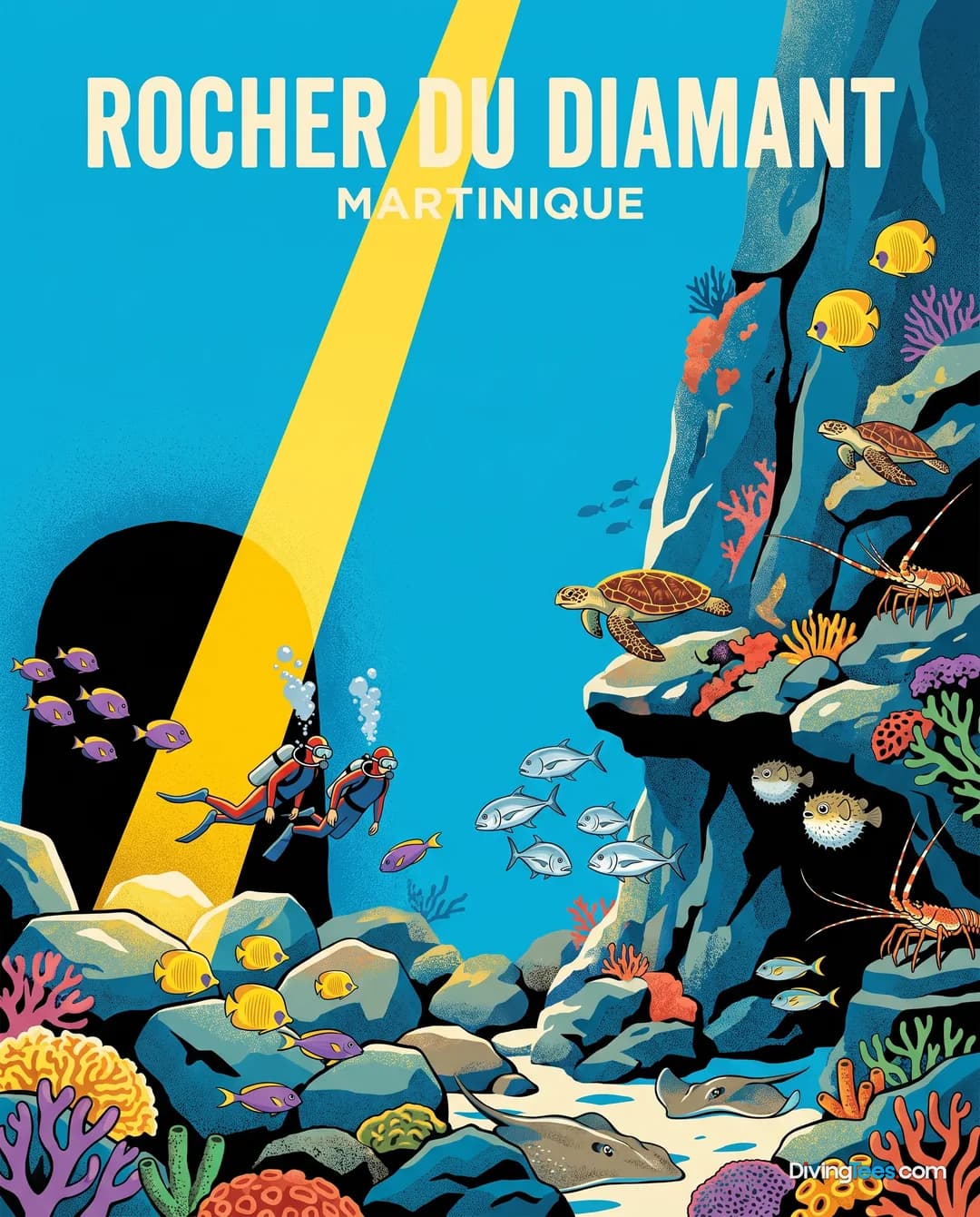
Rocher du Diamant is a diverse site characterized by its underwater arches, faults, and caves. It is a high-activity area for fish, providing a variety of topographical features to explore.
The Manman Dlo site in Saint-Pierre offers a unique experience among submerged concrete statues. It is a highly unusual environment that provides a different perspective on underwater exploration.
The Lakay underwater trail is located directly in the Bourg des Anses d'Arlet. This sentier sous-marin provides an accessible way to observe the local marine life in a controlled setting.
And some of the dive sites the centre runs.
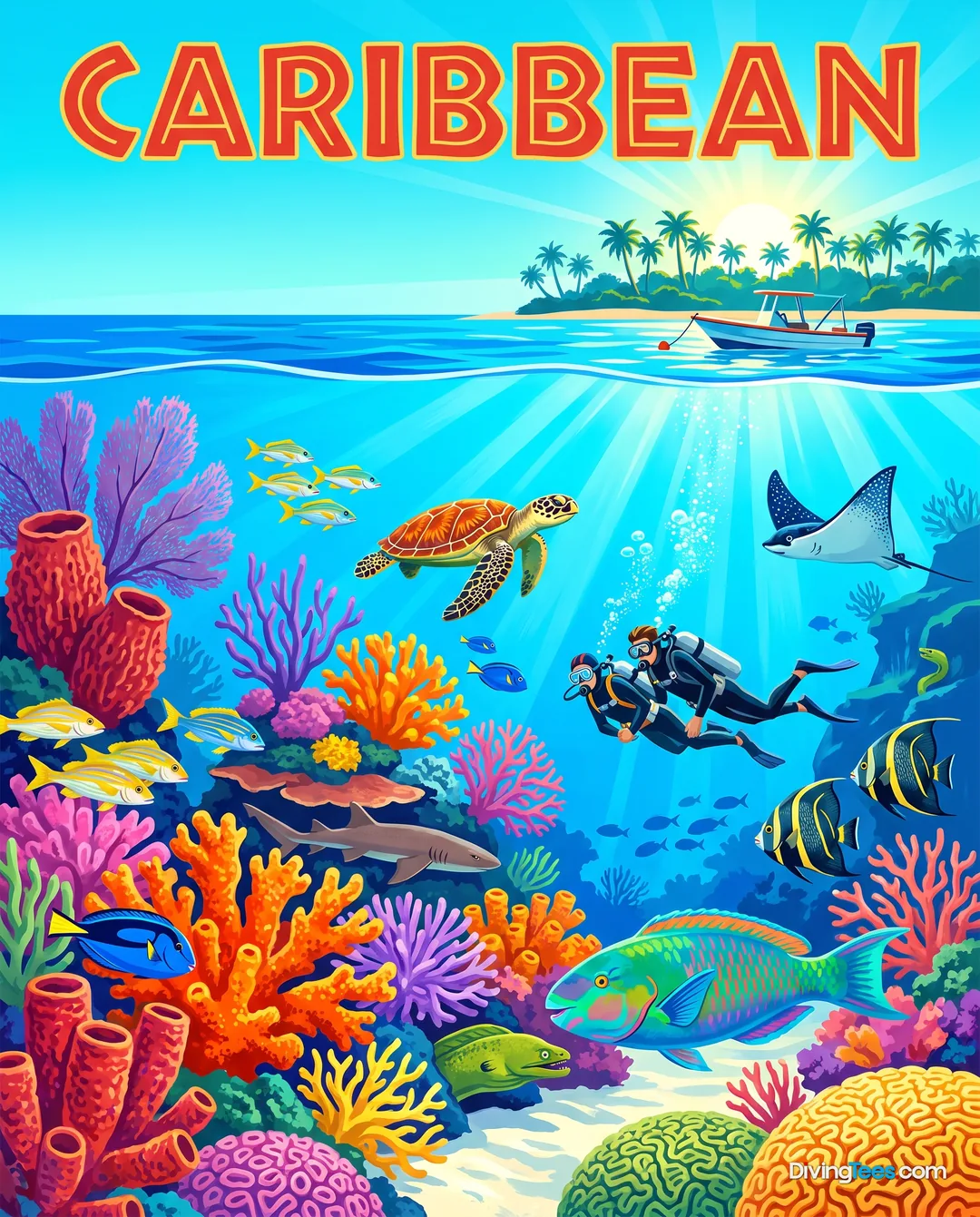
The marine life around Anses-d'Arlet is diverse, with sightings of sea turtles, rays, and various pelagic species. You may encounter Spanish mackerel (Scomberomorus), Jacks (Carangidae), and wahoos cruising the water column, alongside schools of bigeye trevally (Caranx). Larger predators such as lemon sharks, tiger sharks, nurse sharks, blacktip reef sharks, and bull sharks are also present in the area.
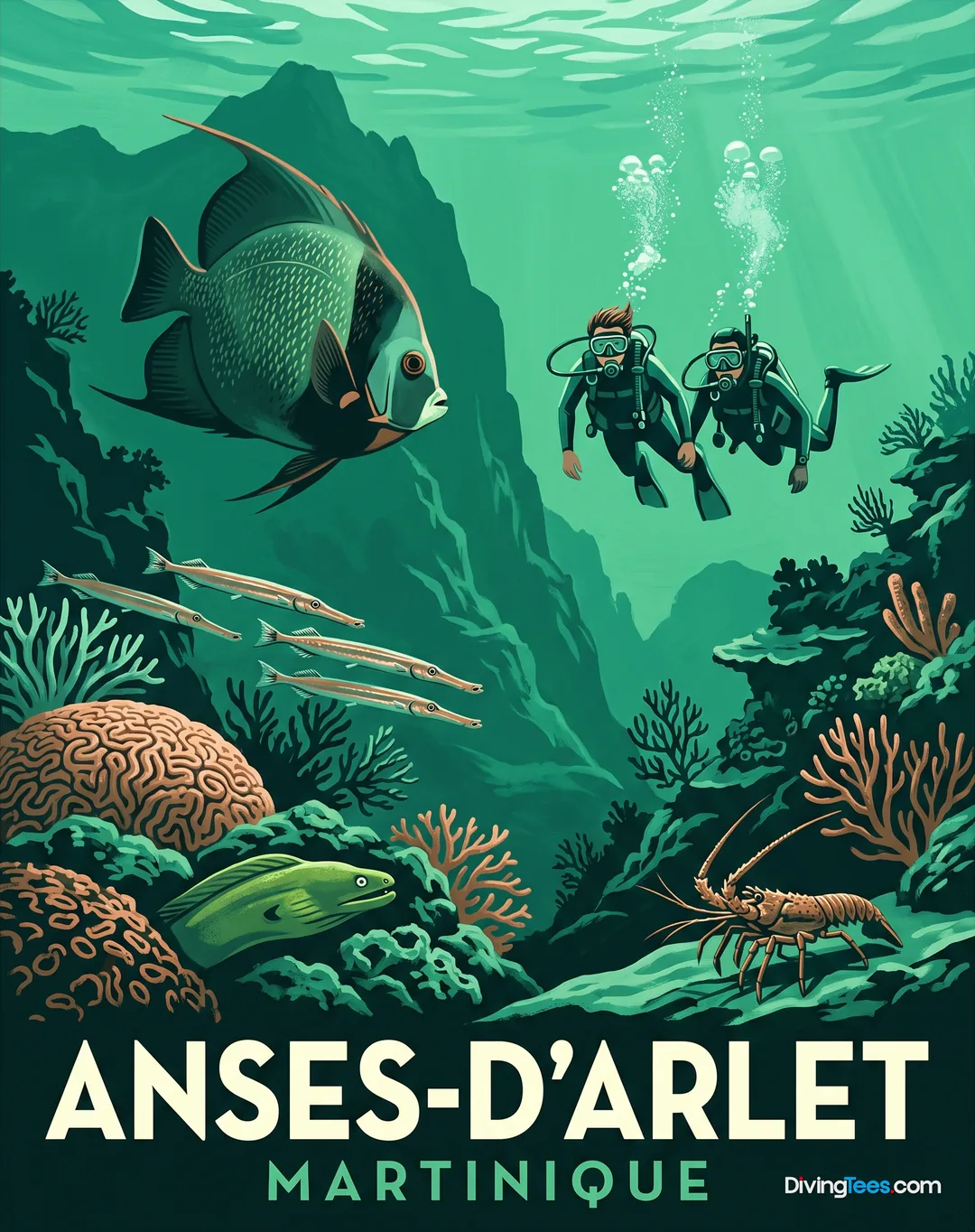
The reef habitats are populated by a wide array of tropical fish, including angelfish (Pomacanthidae), snapper (Lutjanus), triggerfish (Balistidae), and various species of parrotfish and damselfish. Moray eels (Muraenidae) and groupers are often found near the reef structures and caves.
Macro life and crustaceans are abundant, with spiny lobster (Palinuridae) and other lobster species frequently spotted. You can also find sea urchins, crabs, and various species of starfish and sponges decorating the seabed.
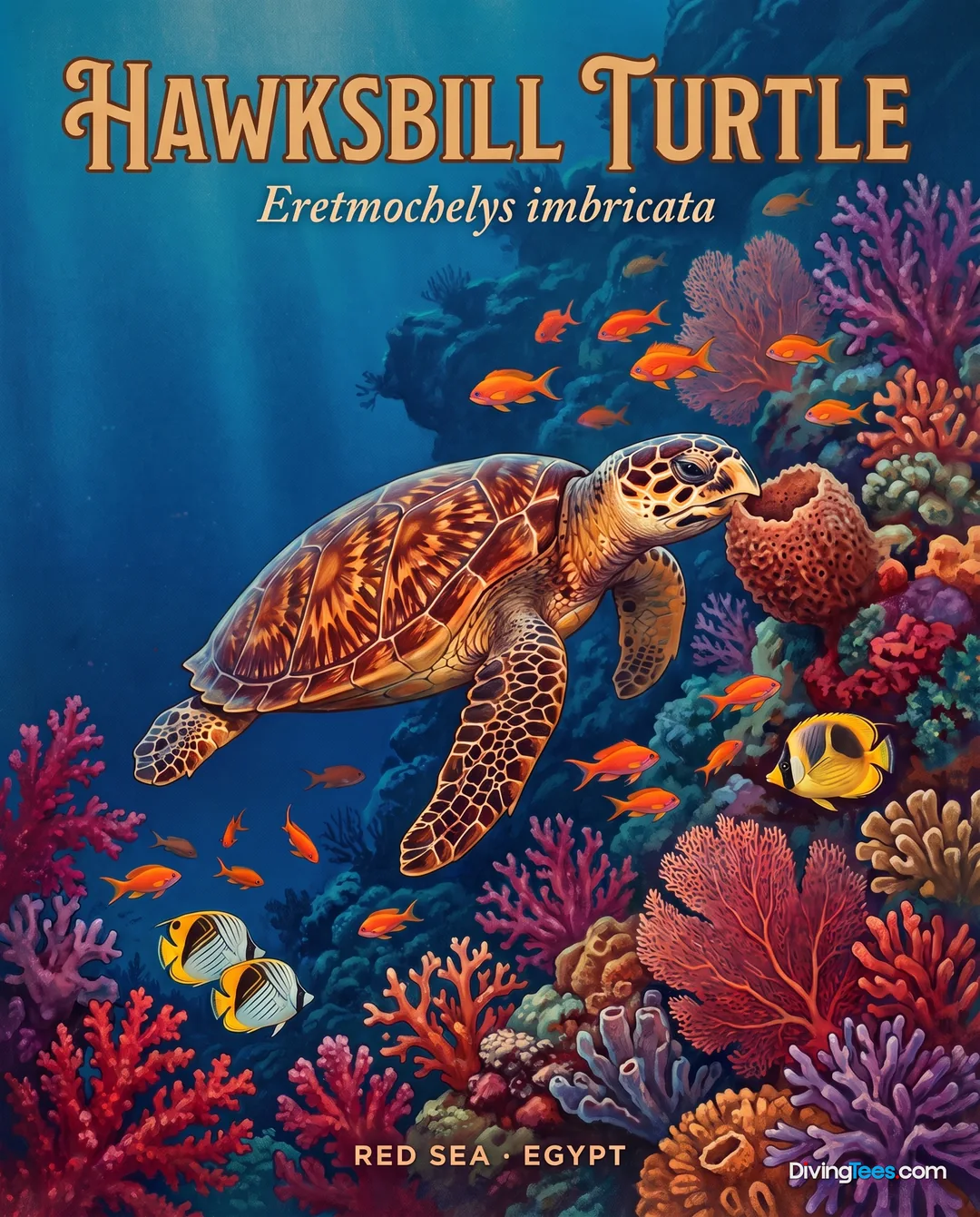
Seasonality plays a role in certain sightings; Hawksbill turtle (Eretmochelys imbricata) nesting can be observed between June and September, while general sea turtle reproduction occurs from March to October.
The diving season is effective for much of the year, though the period from August to November can bring increased rainfall and the potential for milky water conditions due to cyclonic activity.
Water temperatures typically range between 26°C and 28°C. Divers should be aware that currents can occasionally become significant, particularly when visiting offshore sites or navigating around major rock formations.
Hello, I'm Marina, DivingDeal.com's AI assistant. I answer in detail about hotels, dive centres and liveaboards.

Thinking about the whole trip and the flights? Talk it over with Edith →
Marina is an AI. Some links are affiliate links: DivingDeal may earn a commission, at no extra cost to you. Bookings are made with the partner.