CAP KARAIB Grande Villa
★ 9.9/10 (10 reviews)
2.4 km away as the crow flies
Dive centre · Anses-d'Arlet · Martinique
4.9365 Google reviewsExplore the volcanic reefs of Martinique from the Kalliste, a spacious new boat departing from the Baie de Grande Anse.
For subtitles in English: start the video firstthen click the gearat the top right of the video, select “Subtitles/CC”, then “Auto-translate” and choose “English”.
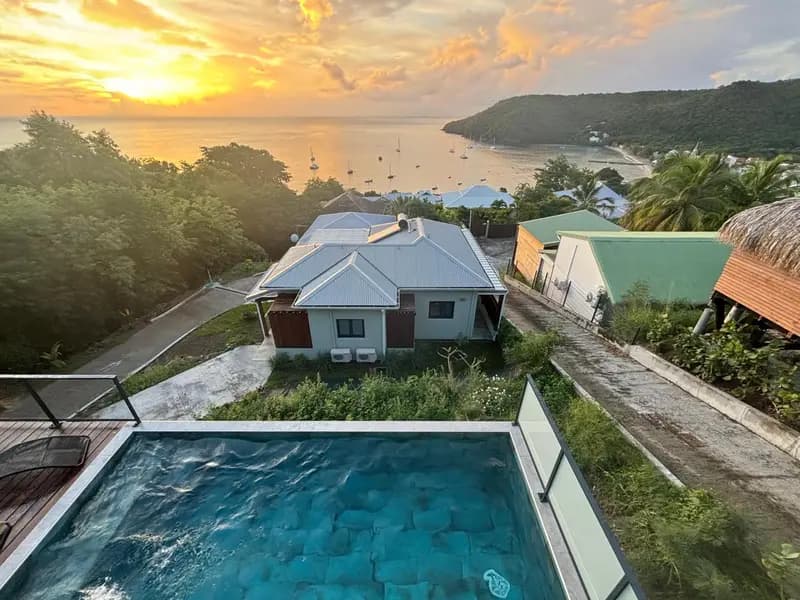
O Fil de l’Eau is situated in the Anses d’Arlet, positioned directly on the water within the Ti Sable restaurant. This location provides immediate access to the Baie de Grande Anse, making it an ideal base for both boat-based excursions and shore dives.
The centre serves as a hub for Caribbean diving, offering everything from introductory baptisms to advanced technical training. With a focus on the diverse underwater topography of Martinique, you can choose between sheltered coves for training or deeper offshore sites for more challenging immersions.
The team consists of five qualified instructors capable of guiding divers through a wide range of certification levels. They manage everything from initial skills acquisition to advanced technical courses, ensuring that each diver is matched with appropriate supervision.
Instruction is provided in French, and the team is experienced in handling various diving disciplines, including night dives and rebreather operations. The atmosphere is built around a cohesive, professional crew that manages both the dive operations and the logistics of the shore-based facilities.
The centre offers a comprehensive curriculum through FFESSM, ANMP, and SSI affiliations. For beginners, courses include Scuba Diver, Open Water Diver, and the various French Niveau 1, 2, and 3 progression paths.
Advanced divers can specialise through courses such as Advanced Open Water, Deep Diving, Wreck Diving, and Perfect Buoyancy. The centre also provides Nitrox certification, with both simple and advanced options available.
Technical training is a significant part of the offering, featuring Triton M3S rebreather initiation and Diluant Air rebreather training. This allows divers to move beyond recreational limits into more complex underwater exploration.
The centre operates the Kalliste, a new and spacious boat designed to accommodate up to 17 divers. The vessel is equipped with a taud for shade, ensuring comfort during transit to the dive sites.
On board, you will find refreshments including water, tea, syrup, and fresh fruit, alongside local accras. The boat is configured for various trip types, including day dives and night dives, with Nitrox available for those who require it.
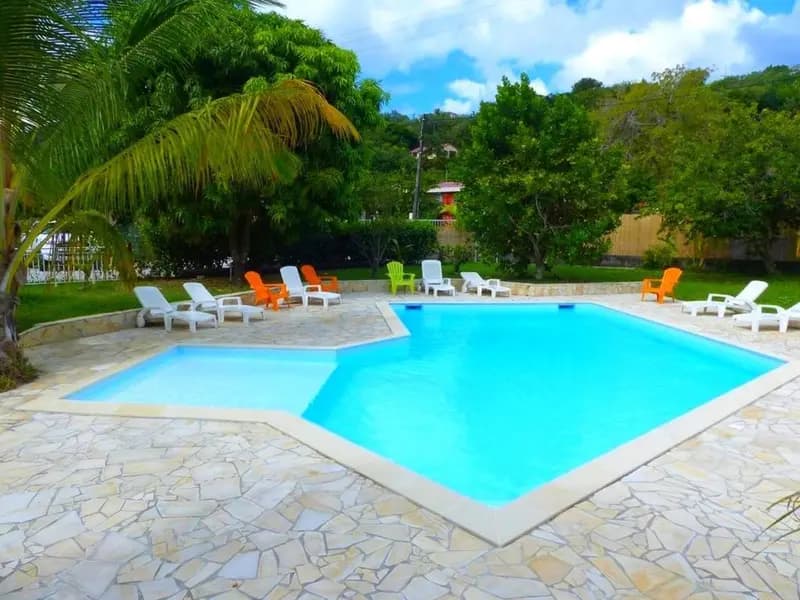
Shore-based facilities include changing rooms, showers, and toilets for use between dives. The centre is integrated with the Ti Sable restaurant, allowing for easy relaxation after you have finished your session.
Full kit hire is available for those not bringing their own equipment, including masks, snorkels, fins, and wetsuits. For those looking for more leisure time on the surface, the centre also provides transparent kayaks and Stand Up Paddle boards.
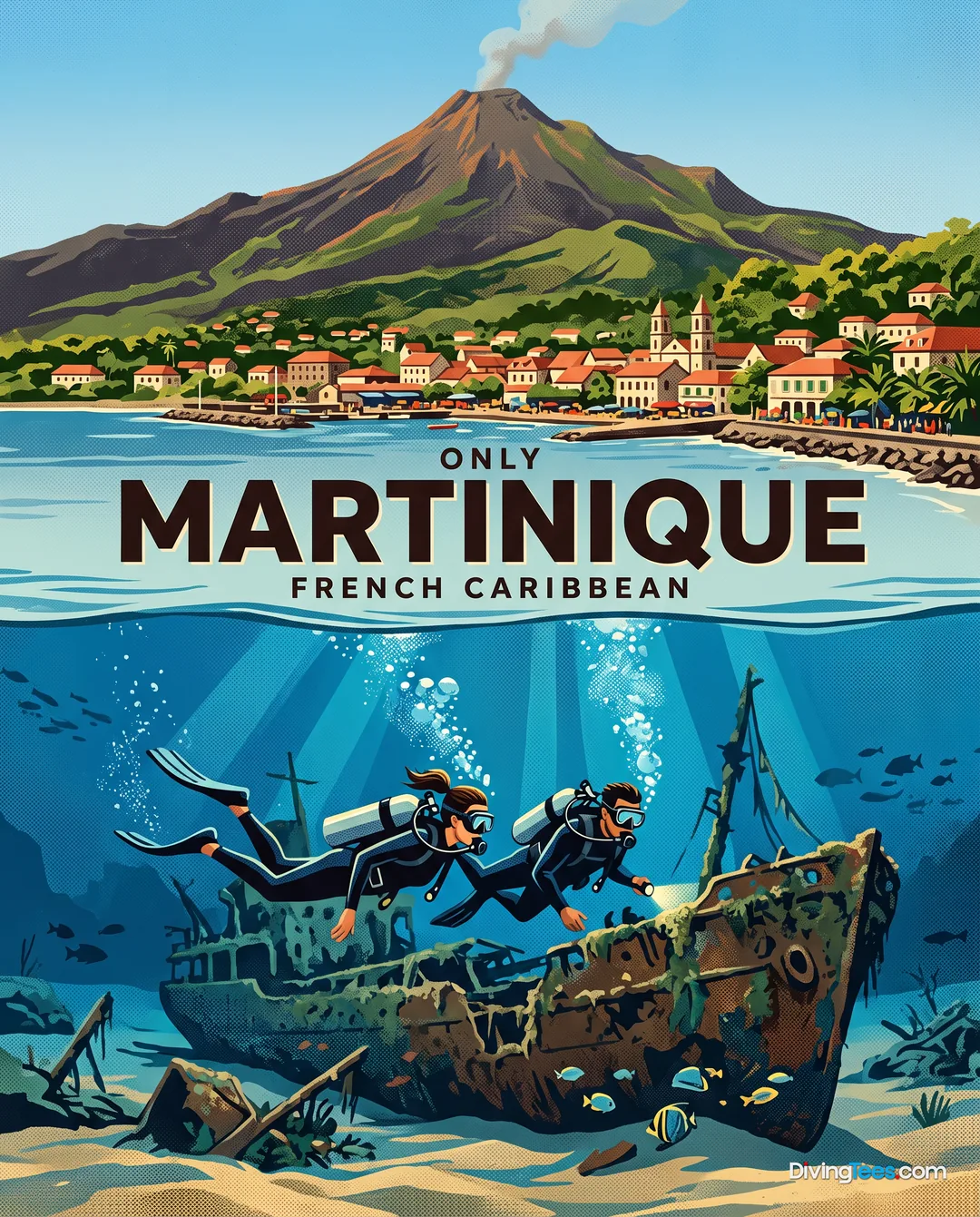
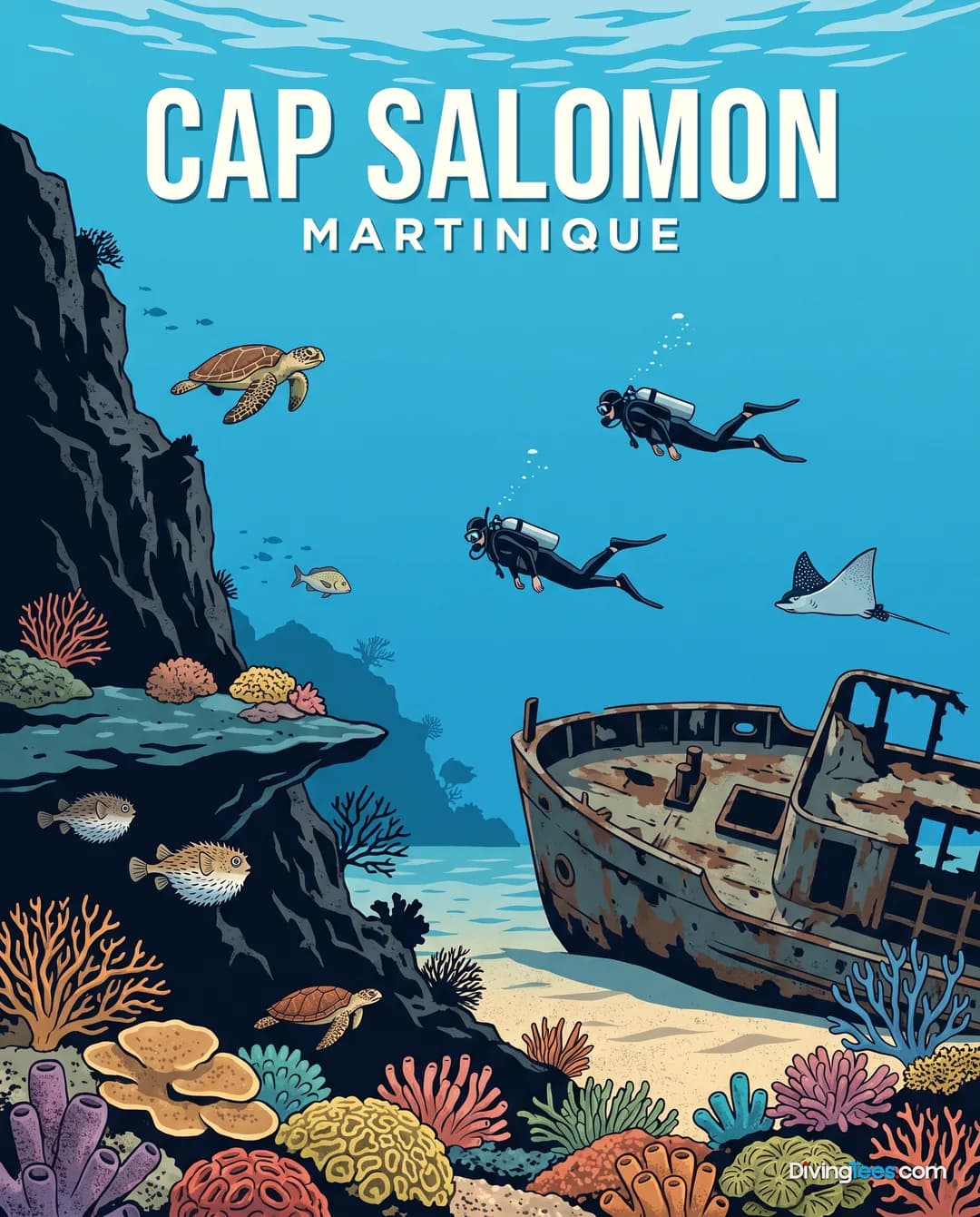
L’épave du Nahoon is a three-masted vessel resting at 35 metres. This wreck has become a thriving habitat for local fauna, including barracuda and various reef fish.
La Pointe de la Baleine offers exceptional visibility and diverse topography, ranging from coral gardens to a drop-off at 25 metres. It is a prime spot for seeing turtles and various reef species in a tranquil environment.
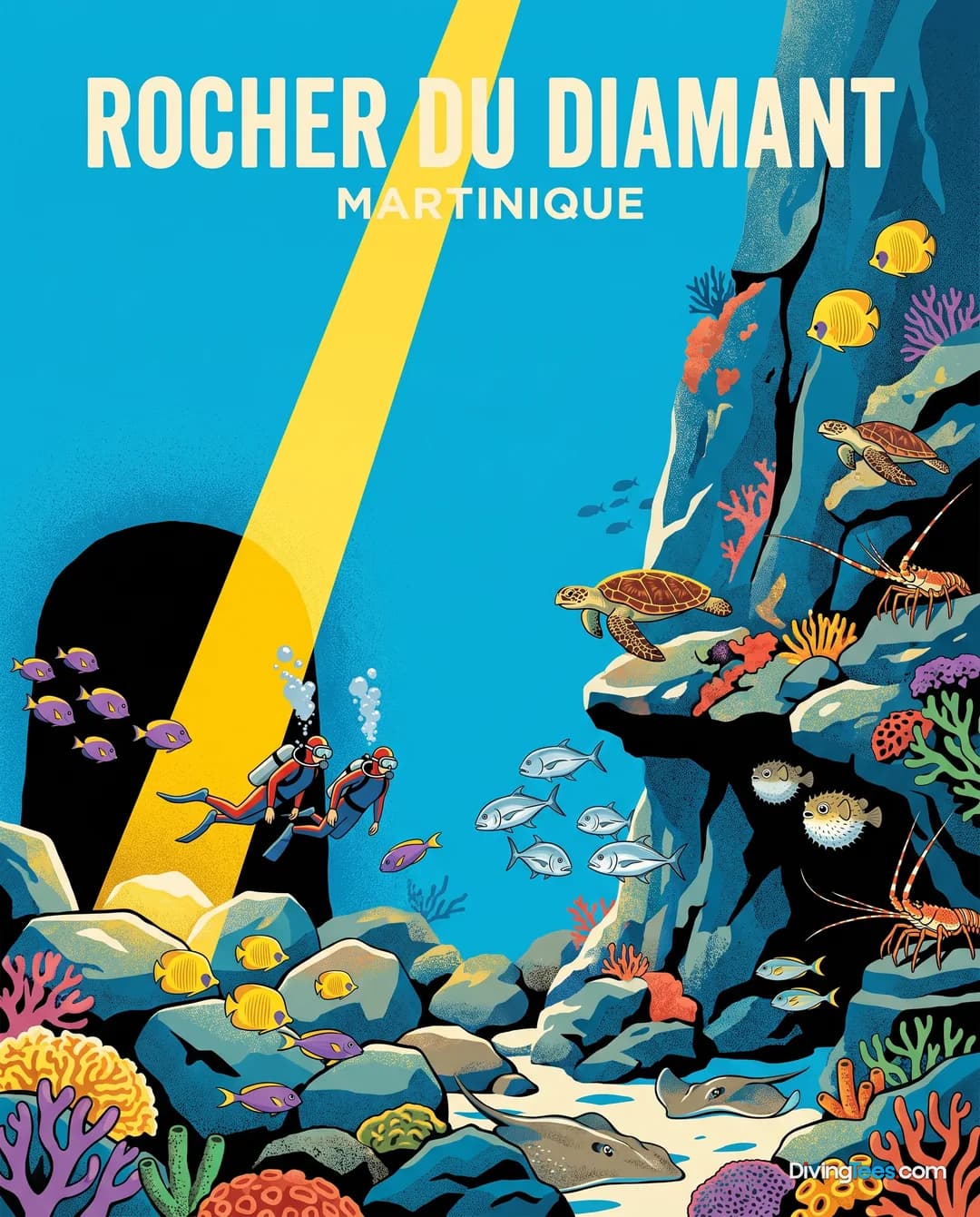
Les Grandes Jorasses are impressive volcanic reliefs that descend into the blue, with walls reaching depths of 60 metres. These sites can experience strong currents and are suited for more experienced divers looking to explore canyons and plateaus.
L’anse trois airs is a shallow, sheltered site perfect for beginners or those doing their first wreck dive. The remains of a small boat lie just a few metres deep, providing a safe environment to observe octopus and schools of squid.
And some of the dive sites the centre runs.
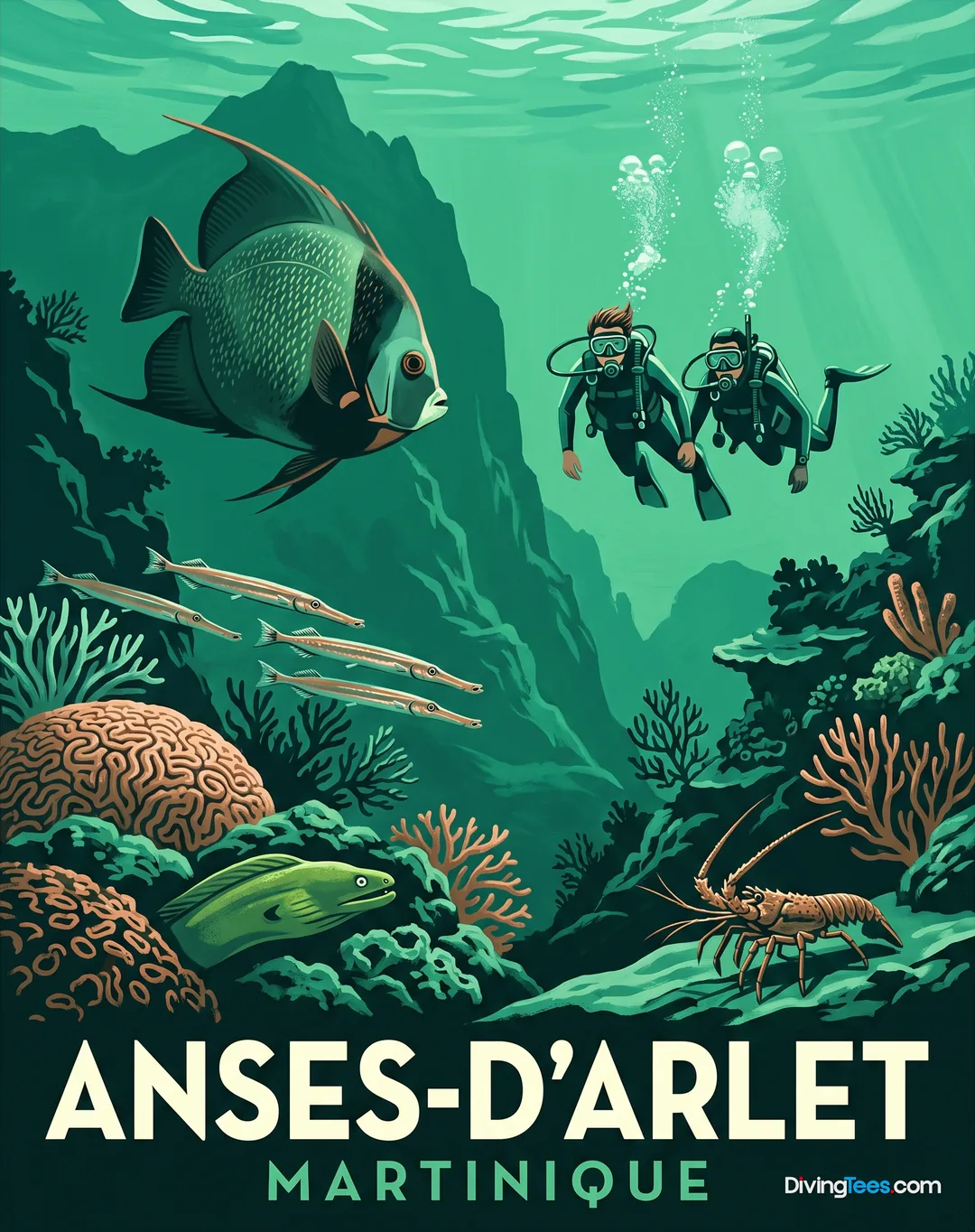
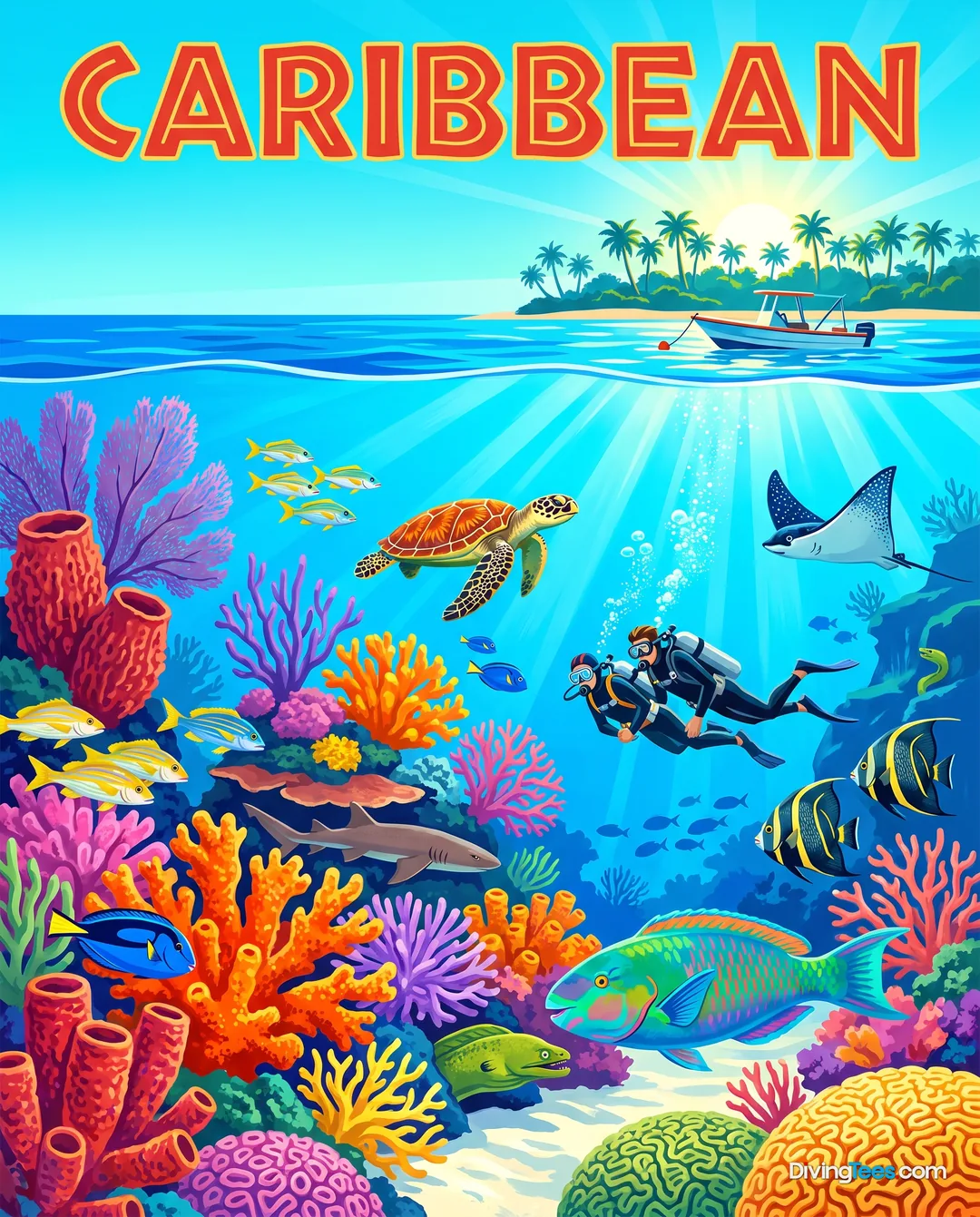
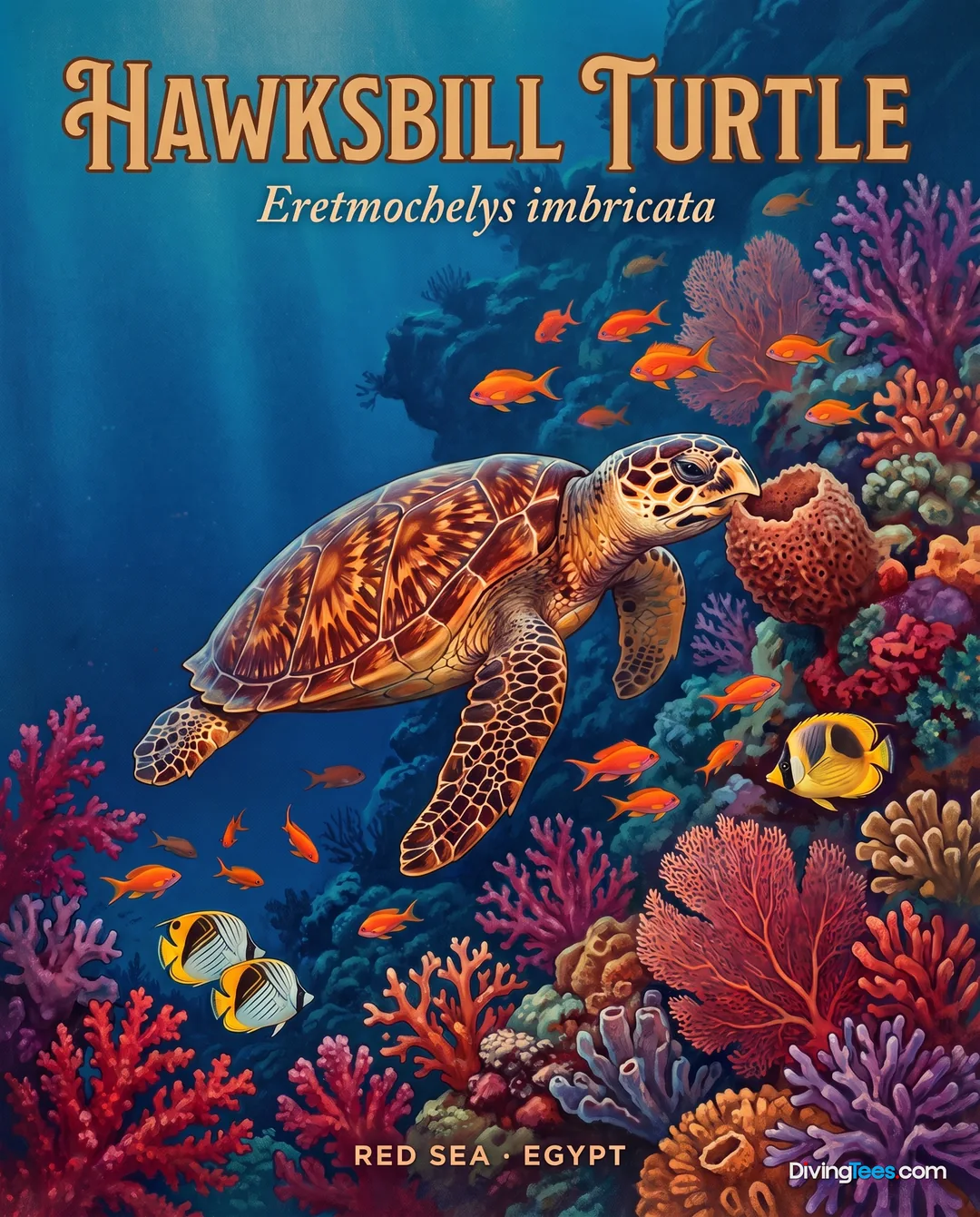
The reefs are teeming with life, particularly around the coral gardens and drop-offs. You will frequently encounter Green sea turtle (Chelonia mydas) and Hawksbill turtle (Eretmochelys imbricata) grazing on the reef. Schools of fish are a constant presence, including snapper (Lutjanus), jack (Carangidae), and various species of sergeant majors.
Macro life and smaller inhabitants provide endless interest for observant divers. You can find octopus, various species of crabs, and sea urchins tucked into the crevices. Look closely for seahorses, trumpetfish, and various species of shrimp among the corals.
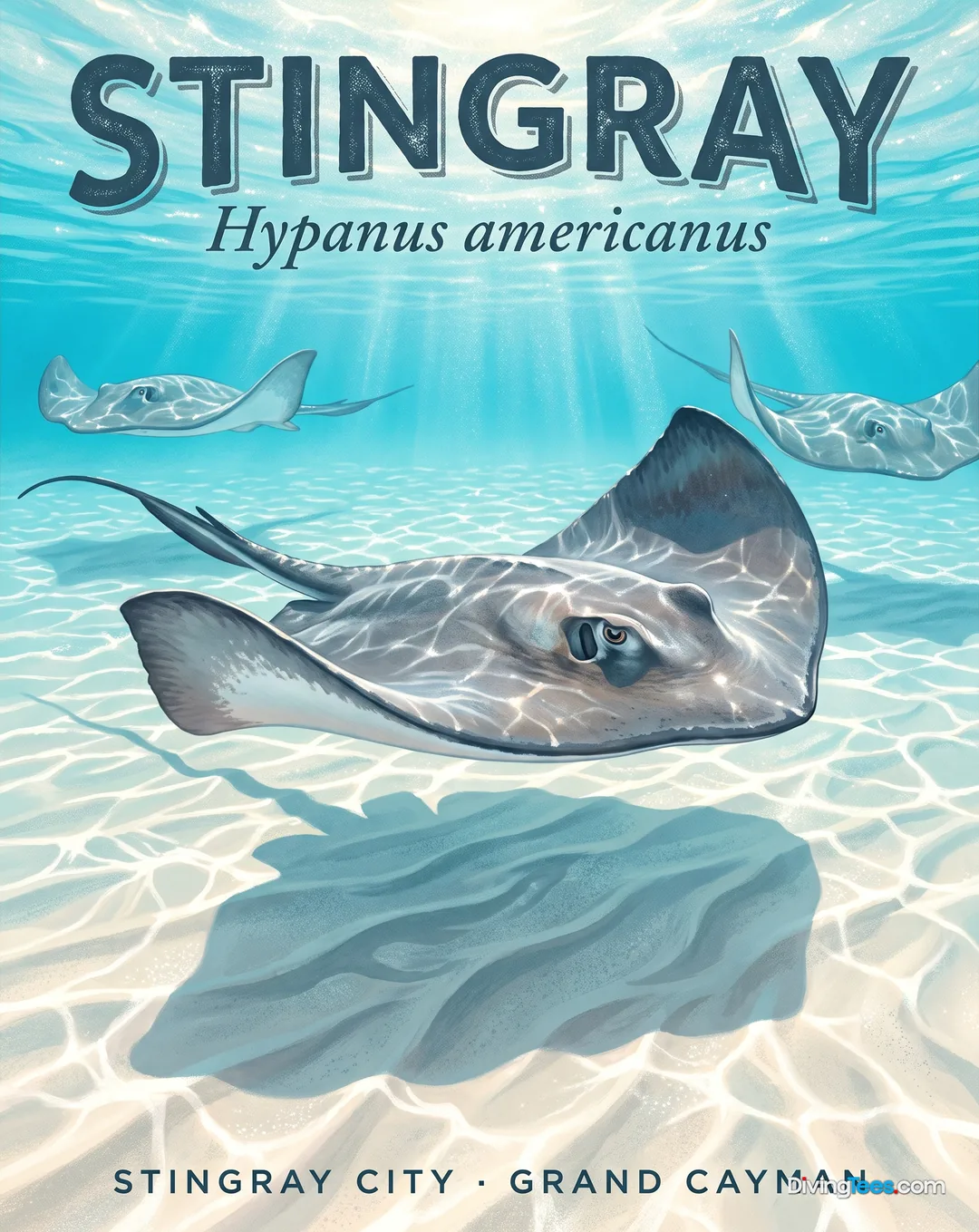
The larger pelagics and predators occasionally pass through the area, especially near the deeper walls. Barracudas, Spanish mackerel (Scomberomorus), and various species of jacks patrol the edges of the drop-offs, while stingrays and leopard rays can often be seen on the sandy patches.
Diving in this region involves a variety of environments, from sheltered coves with no current to offshore sites like Les Jorasses where currents can become strong. The topography varies from shallow reef flats to significant vertical walls.
While many sites like L'anse trois airs offer calm, protected waters, the deeper offshore sites require more experience to manage the occasional current and different surge conditions.
Hello, I'm Marina, DivingDeal.com's AI assistant. I answer in detail about hotels, dive centres and liveaboards.

Thinking about the whole trip and the flights? Talk it over with Edith →
Marina is an AI. Some links are affiliate links: DivingDeal may earn a commission, at no extra cost to you. Bookings are made with the partner.