
Natiyabel
Google 4.9/5 (165 reviews)
Martinique · Caribbean
Sheltered bays, coral drop-offs, Pointe Marin and hawksbill turtles shape a flexible, shore-based diving holiday for visiting divers in southern Martinique.
For subtitles in English: start the video firstthen click the gearat the top right of the video, select “Subtitles/CC”, then “Auto-translate” and choose “English”.
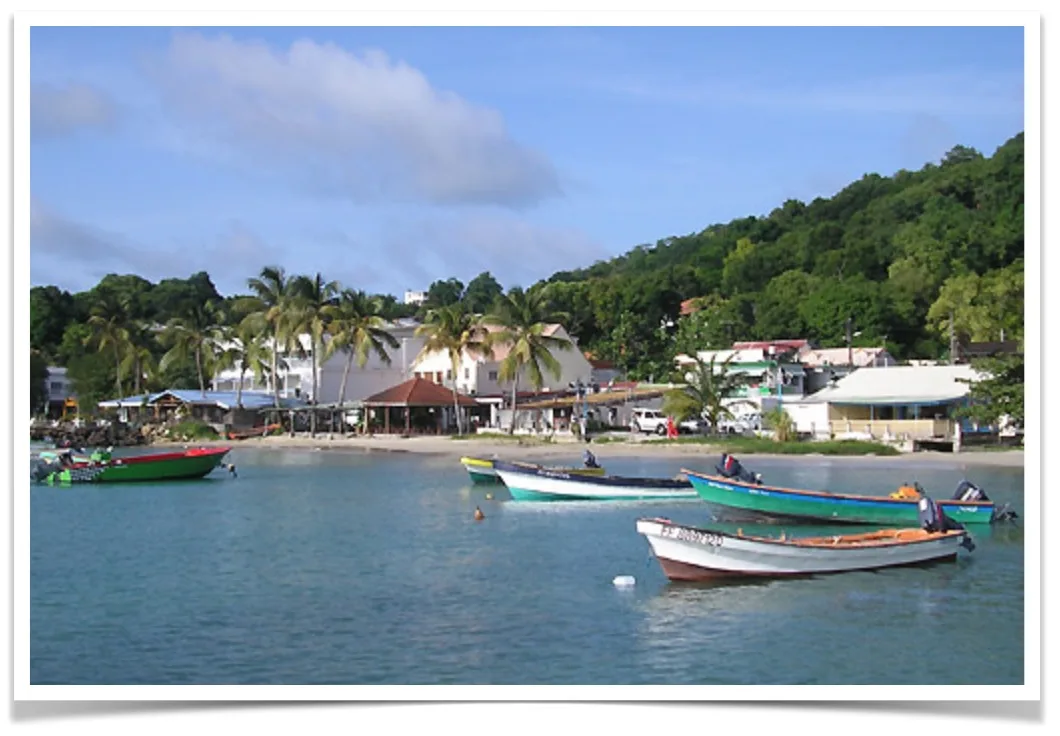
At Pointe Borgnesse, coral plateaux and drop-offs introduce Sainte-Anne's underwater character without demanding an ambitious first dive. The bay keeps outings approachable, while boats can head towards more exposed Atlantic terrain when conditions suit. This is a Martinique base for a proper week on land, not a liveaboard destination: dive in the morning, return to the village, and leave time for the beaches, the islets and the Salines. Beginners and experienced divers can share the same holiday while choosing different sites.
Most diving is by boat, with departures serving the bay of Sainte-Anne, Pointe Borgnesse, Pointe Marin and nearby coral walls. Underwater, expect coral plateaux leading to drop-offs rather than a catalogue of wrecks or deep technical objectives. Currents are generally light, which makes the sheltered sites useful for a steady first day, a refresher, or simply an unhurried look at tropical reef life. Visibility commonly sits between 10 and 20 metres, but rain, runoff and a rough surface can reduce it. Ask whether the boat is staying in the bay or heading towards the Atlantic: the latter brings greater exposure and is better reserved for experienced divers. The result is a practical mix of calm, close-to-home diving and more open-water outings, with a safety stop that is rarely complicated by strong current.
Hawksbill turtles are the signature encounter around Sainte-Anne, and they may be seen at any time of year rather than during a dependable seasonal passage. Give them room and follow the guide's line rather than turning a sighting into a chase. Coral habitats and drop-offs also bring tropical fish, including passing shoals over the plateaux and along the walls. The reserve around the islets adds a protected coastal setting to the holiday, although protection does not make every animal appear on every dive. December to April usually gives the clearest conditions for spotting life, while heavy rain can wash sediment into the coastal water and make a good reef harder to read.
December to May is generally the most comfortable window, with calmer seas and better visibility than during the rainy season. December to April is the clearest part of that period for underwater viewing, while September and October are the months to treat with most caution because weather disturbances and cyclonic conditions are more likely. Rain also matters after it falls: runoff can cloud the water and alter departure plans. In the wetter months, keep the itinerary flexible and use the bay when exposed Atlantic trips are less attractive. The dry season is busier, so the calmest conditions may also bring more boats and divers.
This coast is exposed to sargassum strandings, whose intensity varies greatly from year to year. To find out more, see the “Sargassum alert” panel on this page.
Sainte-Anne works for newly qualified divers, holiday refreshers and experienced divers travelling together. PADI, SSI and BSAC qualifications should fit the usual recreational framework, with the bay and Pointe Borgnesse offering the gentler introduction. More exposed Atlantic departures call for sound open-water experience, comfort with changing surface conditions and sensible judgement about whether the planned site matches the day. No specialist certification is identified as necessary for the local diving, but experience matters once the boat leaves the shelter of the bay.
From London Heathrow, London Gatwick or Manchester, allow for an international journey to Martinique followed by a road transfer to Sainte-Anne. The final approach is by road from the international gateway or from Fort-de-France, with no ferry or internal flight needed to reach the village. Exact journey times depend on the connection, traffic and where the road transfer begins, so avoid building a tight same-day diving plan around arrival. A hire car gives the most freedom between Sainte-Anne, neighbouring southern sectors and accommodation away from the centres. Taxis are the alternative, while guests staying near Pointe Marin or the village may be able to walk to the diving operation. There is no general centre shuttle to assume when booking farther out.
Start in the bay or at Pointe Borgnesse, particularly after arrival or when the sea is unsettled. Before booking a boat, ask one direct question: does the trip stay inside the bay, or does it run out towards the Atlantic? That distinction matters more here than a generic site description. Keep at least one flexible day between June and November, when rain and rougher water can change visibility and departures. In the dry-season peak, reserve boat places ahead if travelling as a group or taking a course. Match the open-water trips to the calmest forecast days and keep the bay as your fallback, rather than filling the week with exposed outings. If staying away from Pointe Marin or the village, arrange the journey to the centre yourself. Around the Sainte-Anne islets, check current navigation, landing and activity rules locally instead of assuming that a nature reserve means unrestricted access. Do not count on a turtle appearing, and do not pursue one when it does.
Plan on seven to ten days in one land-based base, using Sainte-Anne for daily boat trips rather than moving between hotels. A location near Pointe Marin or the village simplifies mornings, while a more distant stay needs a car or taxi arrangement. Leave room for a non-diving day: the Salines, the beaches, the islets, coastal walks and non-motorised watersports make useful alternatives when the sea turns awkward. Sainte-Anne also works well for a mixed group, with divers returning to the boat schedule while companions explore the coast.
Hello, I'm Marina, DivingDeal.com's AI assistant. I guide you through destinations, areas and countries.
Thinking about the whole trip and the flights? Talk it over with Edith →
Marina is an AI. Some links are affiliate links: DivingDeal may earn a commission, at no extra cost to you. Bookings are made with the partner.
Visit Sainte-Anne from December to May for calmer seas and more dependable diving. December to April usually brings clearer underwater conditions, while September and October deserve extra caution because weather disturbances and cyclonic conditions are more likely. Rain can bring runoff, reduce visibility and alter departures, so keep plans flexible outside the drier period.
Sainte-Anne suits newly qualified divers, holiday refreshers and experienced divers travelling together. Sheltered sites in the bay and at Pointe Borgnesse provide a gentler introduction, with generally light currents. Trips towards the exposed Atlantic require sound open-water experience, comfort with changing surface conditions and sensible judgement about whether the site suits the day.
In Sainte-Anne, expect coral plateaux, coral drop-offs, tropical fish and passing shoals along the walls. Hawksbill turtles are reported throughout the year, although no sighting is guaranteed. Visibility commonly ranges from 10 to 20 metres, but rain, runoff and rough surface conditions can cloud coastal water and make the reef harder to read.
Plan a land-based stay in Sainte-Anne, using daily boat trips rather than moving between hotels. Staying near Pointe Marin or the village simplifies mornings; farther accommodation may require a hire car or taxi. Begin in the bay or at Pointe Borgnesse, keep a flexible day for changing conditions and leave time for beaches, islets and the Salines.