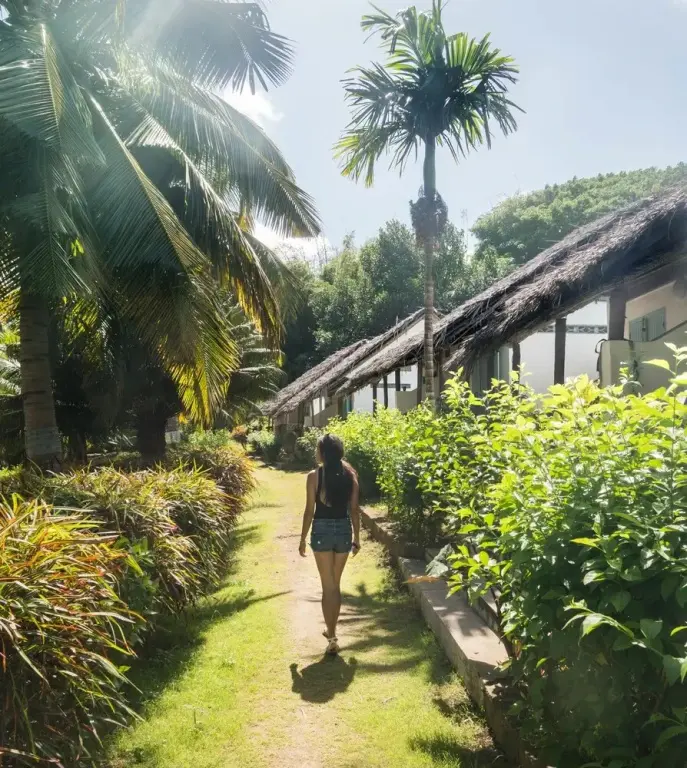
 Dive centre in the hotel
Moheli Laka Lodge
★★★
Google 4.3/5 (105 reviews)
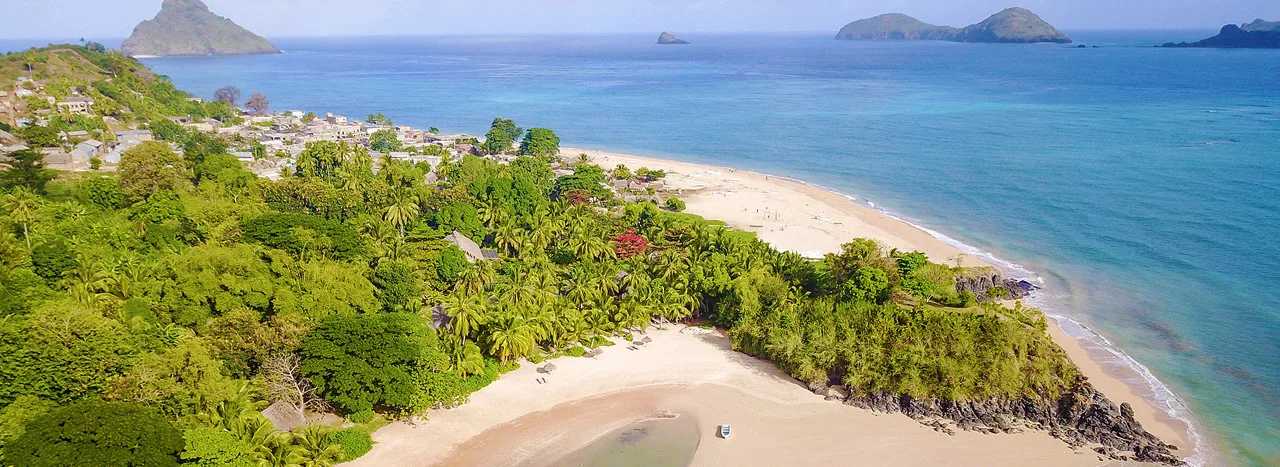
The dive centre
Laka Lodge Dive Center
Google 4.3/5 (6 reviews)
Dives: Les rochés magiques, Mchaco, l’ile aux oiseaux, Récif du Laka Lodge
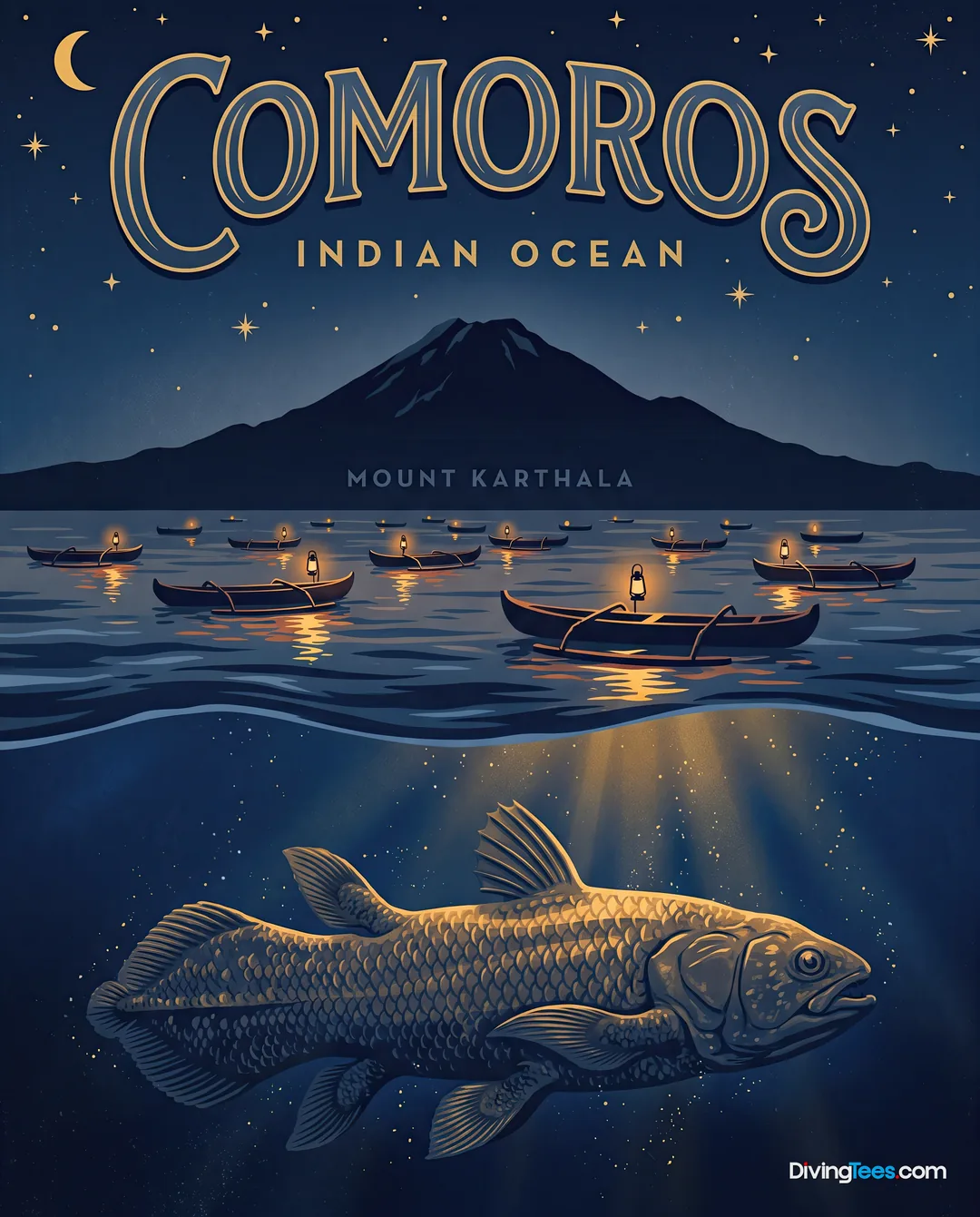
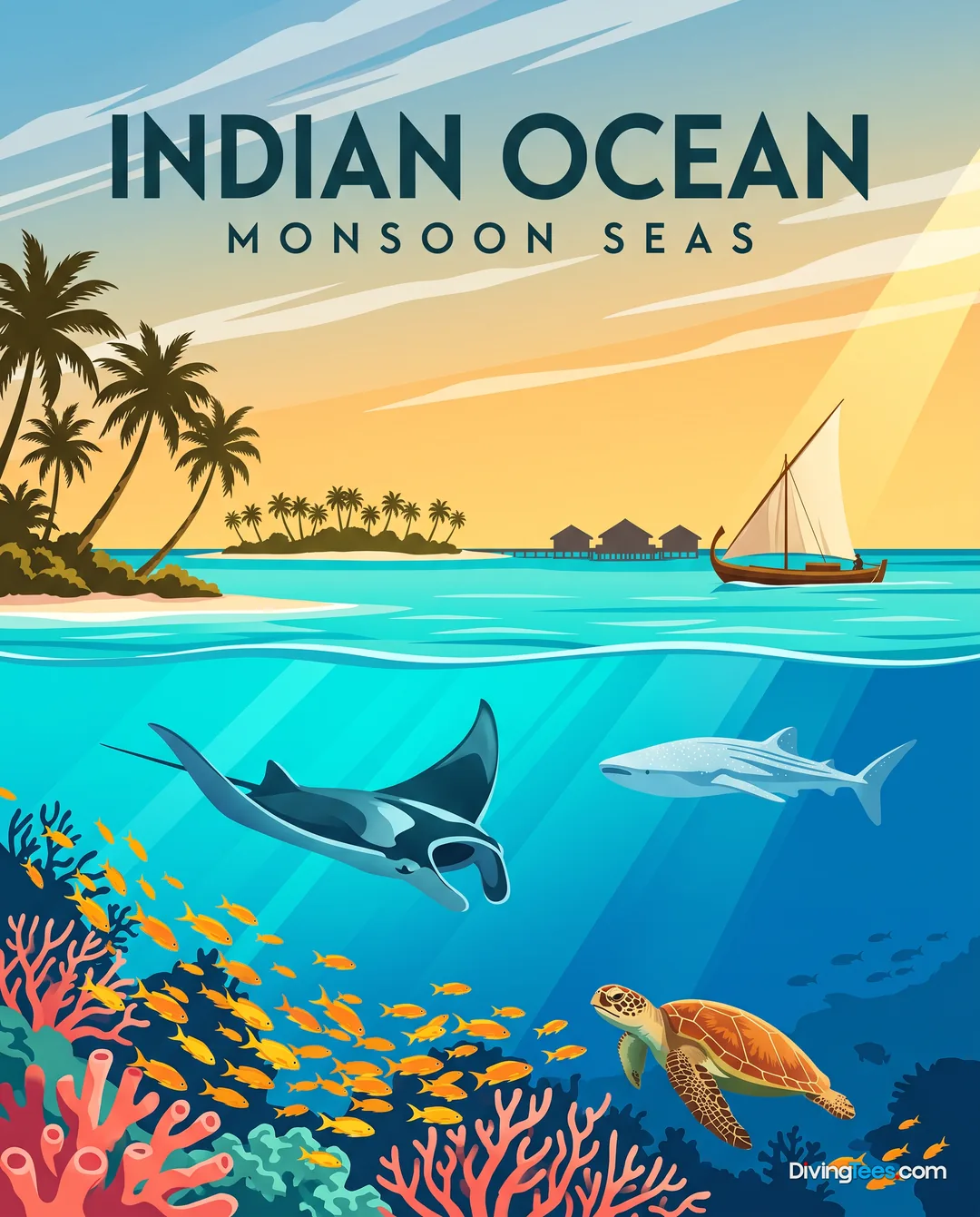
Comoros · Indian Ocean
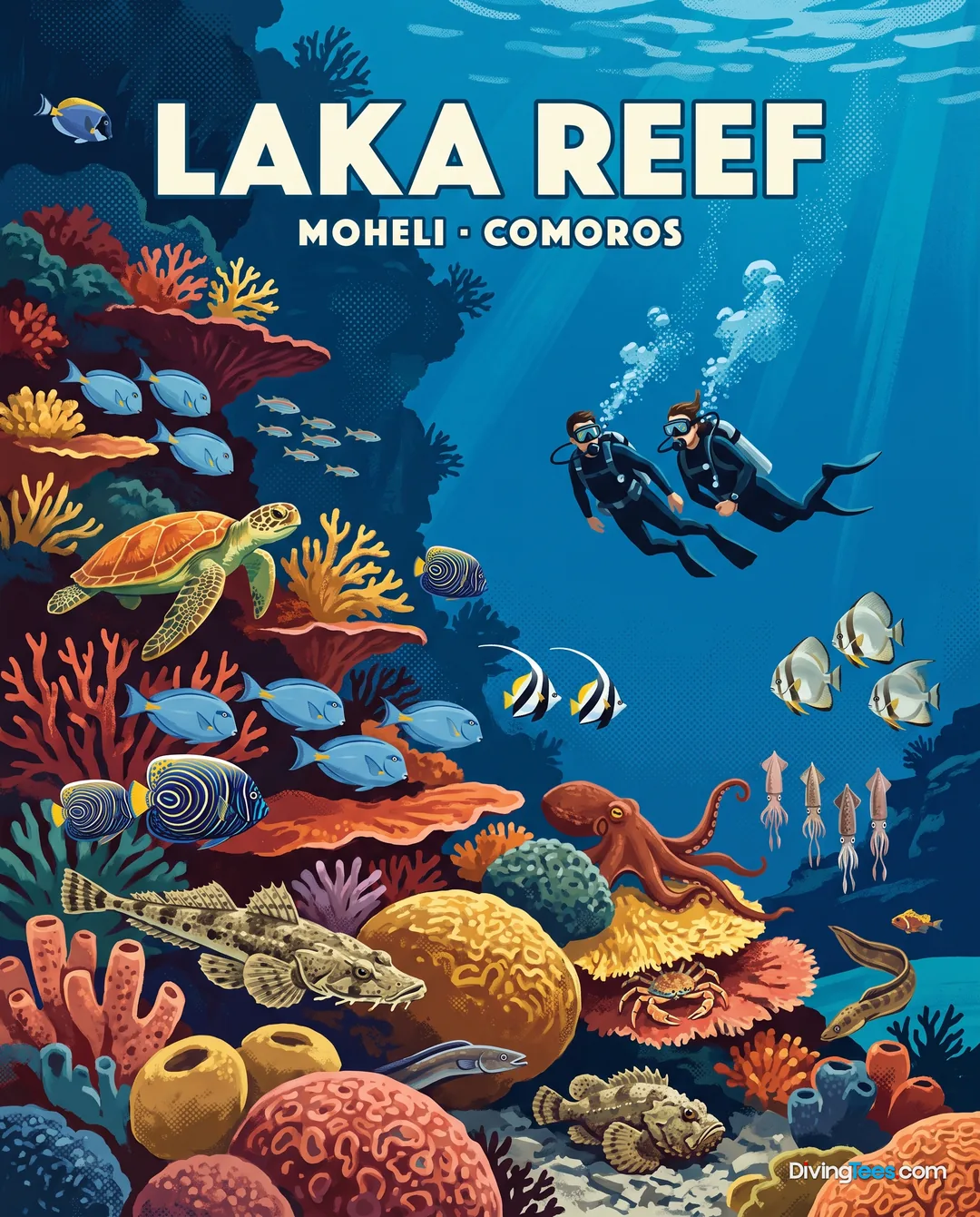
Moheli brings together shallow coral reefs, a 35-metre drop-off, feeding Sea turtles and current-swept passages where tuna, barracuda and reef sharks may appear.
For subtitles in English: start the video firstthen click the gearat the top right of the video, select “Subtitles/CC”, then “Auto-translate” and choose “English”.
Moheli is the Comoros destination for divers who would rather follow the reef than chase a packed itinerary. A protected marine park frames coral reefs, lagoons and coastal habitats, while outings run mainly by boat from the island. The diving suits a broad range of experience, from easy shallow water at the Récif du Laka Lodge to the more demanding currents around Mchaco. Expect a simple, slow-moving island base, with nature and sea time taking priority over resort infrastructure.
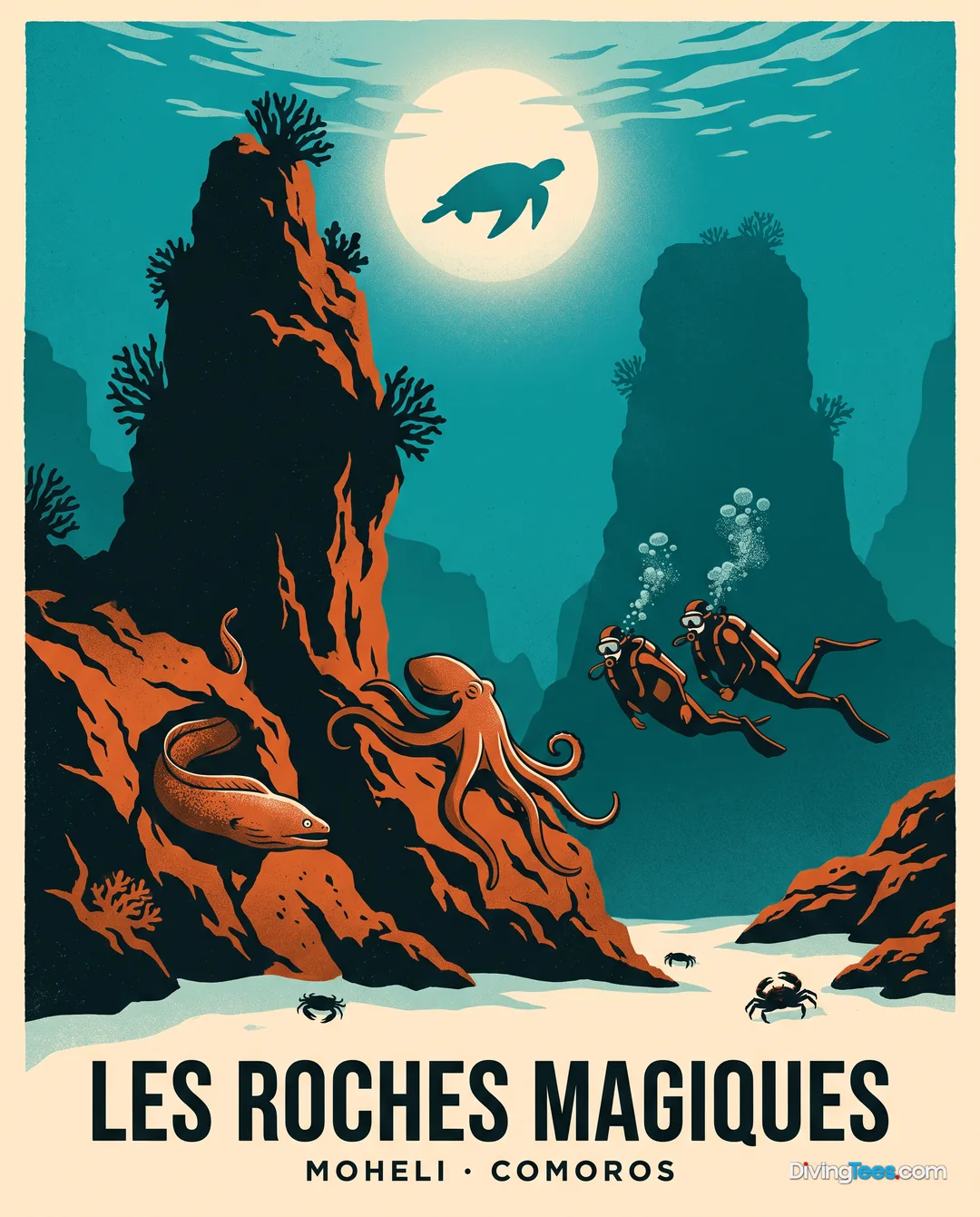
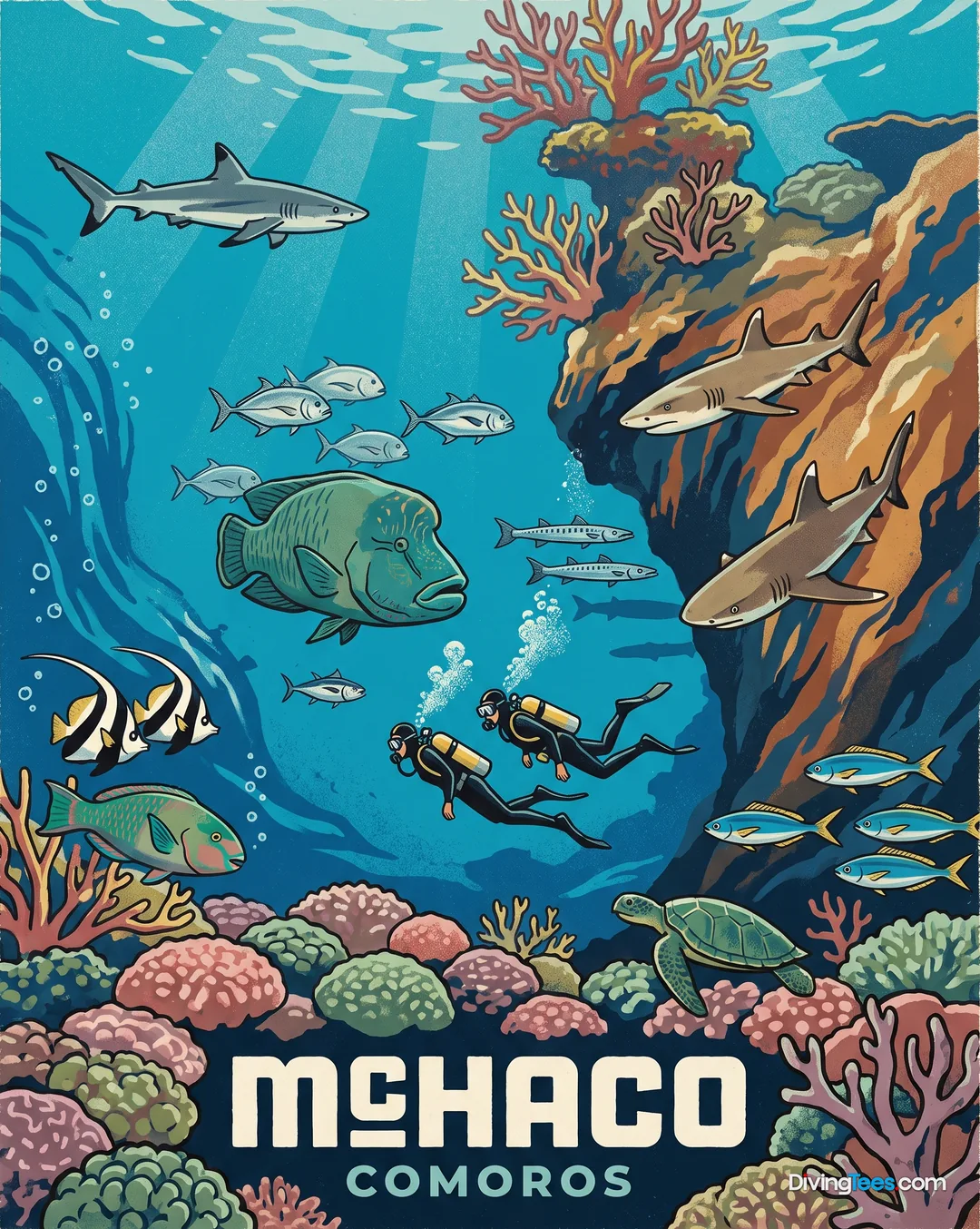
The underwater landscape moves between barrier reef, shallow coral plateaux, sandy bottoms and coastal drop-offs. At Les Rochés Magiques, two large coral formations give the dive a clear visual focus: divers can work around the shallower reef before following the relief towards a drop-off reaching 35 metres. The Récif du Laka Lodge offers an unusually convenient alternative, beginning at two metres and descending to a 20-metre drop-off, with both daytime and night activity on the house reef. Most diving is boat-based, and current is variable rather than a constant feature. Mchaco is the exception: this exposed islet can carry strong current and descends to 40 metres, so the dive demands control, fitness and a willingness to let the water dictate the route. Visibility is not something to book the island around; conditions vary and should be treated as part of the day's briefing.
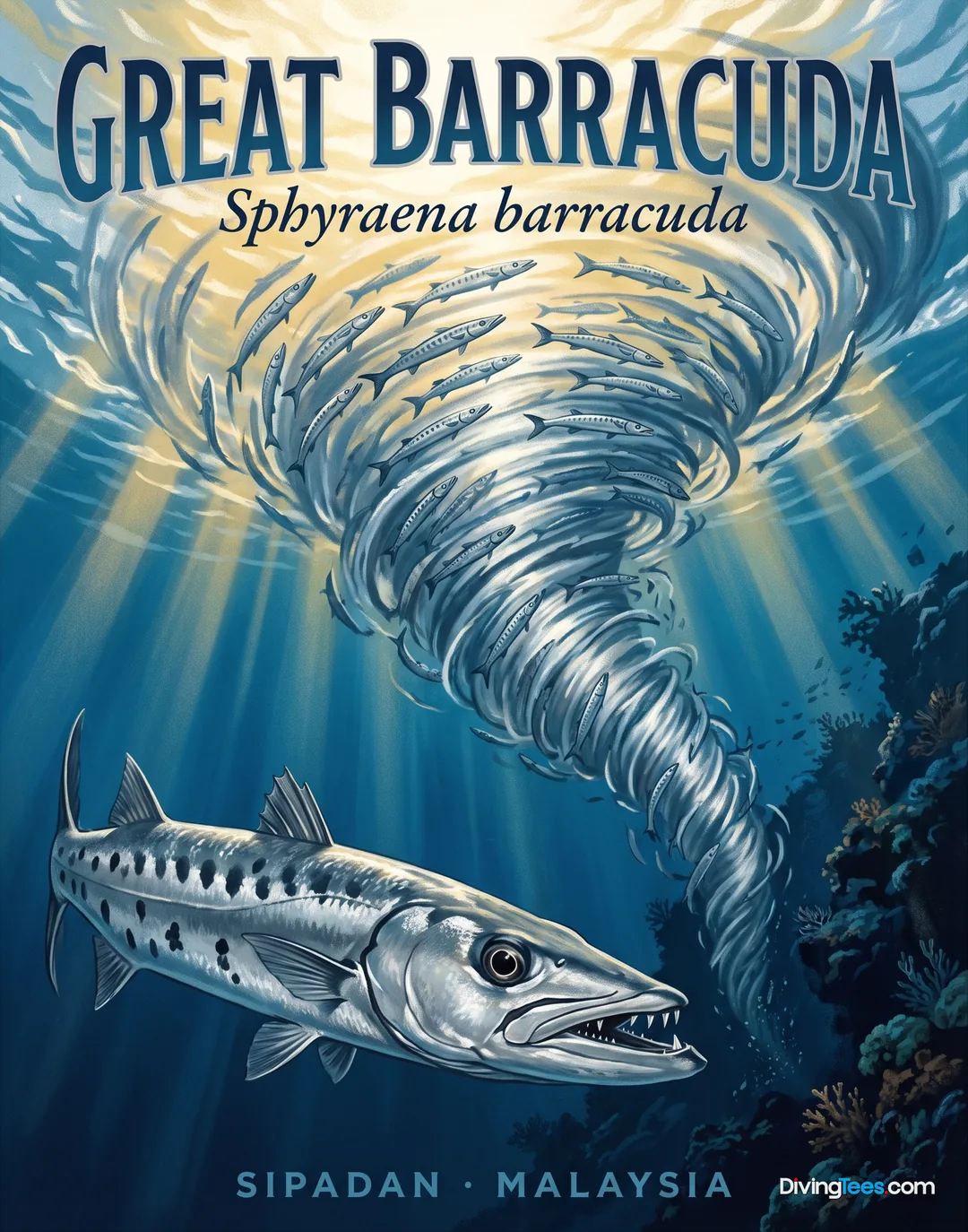
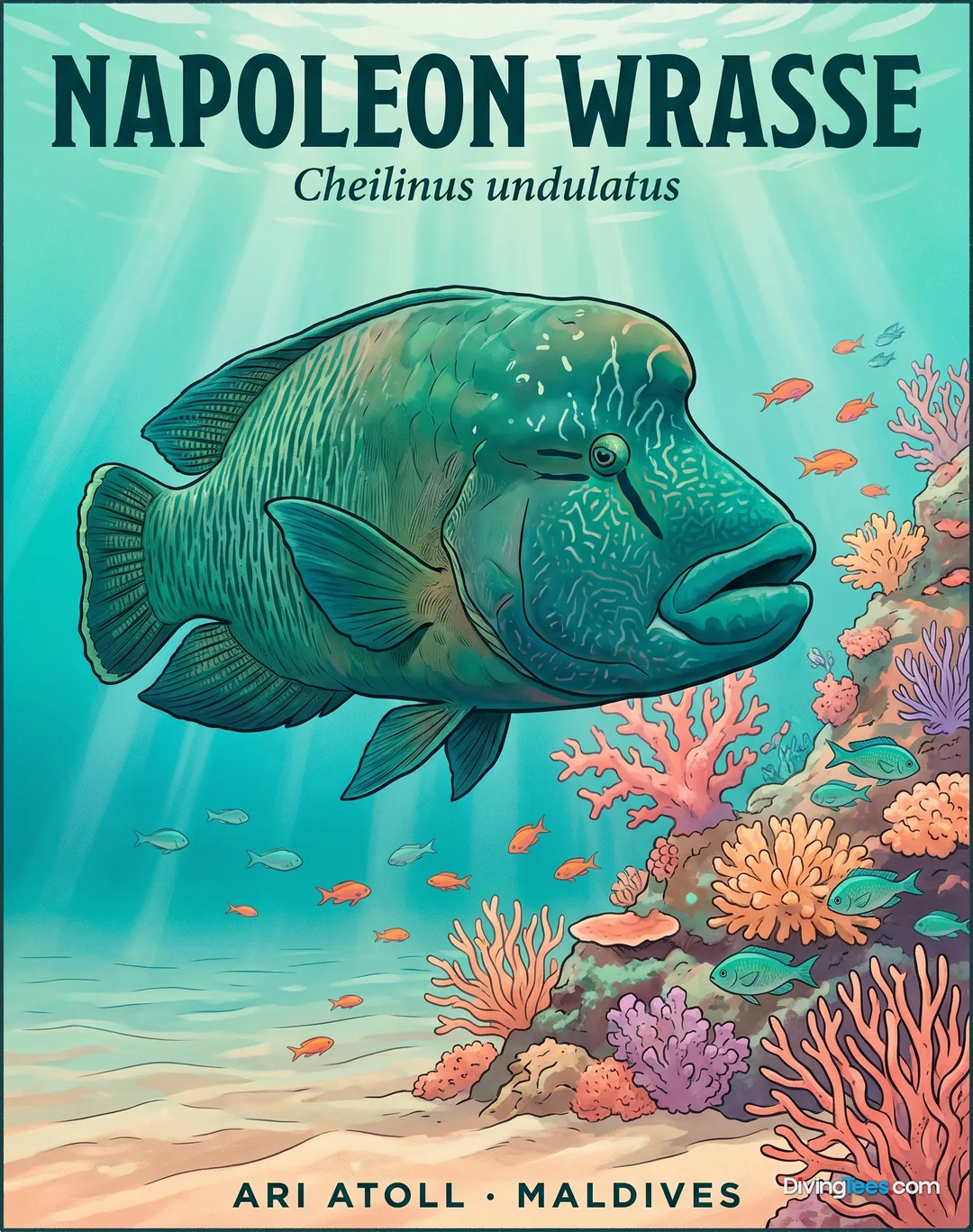
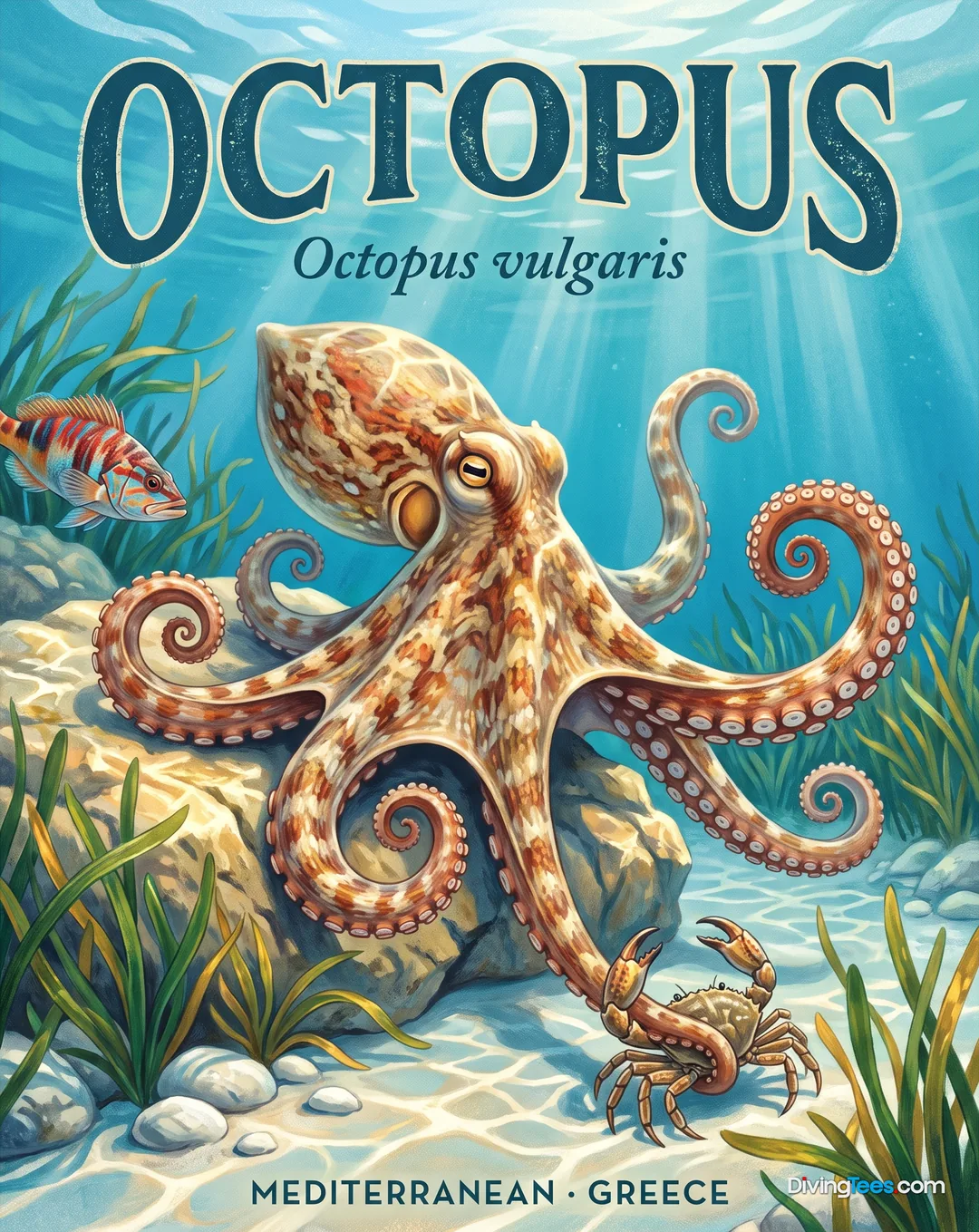
Sea turtles are among Moheli's most dependable encounters, particularly around protected coastal habitats and the Récif du Laka Lodge, where they may be seen feeding over the reef. Octopus suit the slower inspection of coral formations, sandy edges and shallow reef, rewarding divers who stop looking for movement and start examining the structure. Pilotfish add the open-water element, while Mchaco can bring larger gatherings: reef sharks, Napoleon wrasse, tuna, trevally and barracuda are associated with the strong current around the exposed islet. The available site material does not support a narrow species calendar. October to March brings the calmest measured seas, while May to November is the drier period; those windows may shape the comfort of outings more reliably than any promise of a particular animal.
Moheli works best when the season is read in two overlapping ways. Rainfall is lowest from May through November, making that period the practical choice for a nature-focused stay and for allowing slack in the island schedule. The calmest measured sea conditions fall from October through March, which matters when boat trips and exposed sites are involved. October and November therefore offer a useful compromise between drier weather and calmer water. There is no need to exclude a whole month on the available evidence, but the island rewards flexibility: sea state, wind and the exposed nature of sites such as Mchaco can still decide what is sensible on a given day.
The destination suits beginners, returning divers and experienced divers, provided each diver matches the site to current and sea conditions. Les Rochés Magiques and the Récif du Laka Lodge offer manageable profiles, including shallow water and sandy bottoms. Mchaco is different: its strong current, exposed position and 40-metre depth call for advanced experience and confident boat-diving skills. PADI, SSI and BSAC qualifications are all relevant; Nitrox is useful where the planned profile and local arrangements support it.
From London Heathrow, London Gatwick or Manchester, Moheli requires an international journey into the Comoros followed by a regional connection. The final approach is normally by domestic flight or an inter-island sea link, depending on the route operating at the time; there is no direct European arrival into the island. That extra leg is the structural constraint, so the itinerary needs generous allowance for connections rather than a tightly timed onward plan. Once on Moheli, divers generally reach the boat or local dive operation from nearby island accommodation by local road transfer or an organised shuttle. This is not a place to assume that every movement will be immediate or interchangeable. A sensible plan builds in spare time before the first dive and keeps the return journey from depending on a perfect chain of connections.
Treat the inter-island transfer as the part of the journey most likely to shape the holiday. Leave comfortable margins around it, and keep a spare day rather than turning Moheli into a rapid island-hopping exercise. The island makes more sense as one slow sequence of diving, shoreline and village time. Bring the personal equipment that matters most to you, particularly if you rely on a familiar mask, computer or exposure setup; a small island base is unlikely to carry the depth of backup stock found at a major diving hub. Ask for the marine-park briefing before boarding and follow the anchoring ban and no-touching rules without treating them as optional etiquette. Mchaco should not be folded into a routine novice schedule: strong current, an exposed islet and a 40-metre profile make it a day for divers who are comfortable managing themselves in moving water. Finally, do not judge the destination by the standards of a highly equipped resort. Its value lies in protected reefs, small-scale outings and time that is allowed to run at island pace.
A five- to seven-day stay gives the journey enough room to absorb inter-island delays and still leave time for several boat outings. Days can alternate between reef dives, the Récif du Laka Lodge house reef and quiet coastal exploration, with Mchaco reserved for suitable conditions and experience. Accommodation is generally close enough to the local operation for a short road transfer. Non-divers are best served by the shoreline, lagoons, villages and nature rather than nightlife. Keep the final day calm before flying.
Hello, I'm Marina, DivingDeal.com's AI assistant. I guide you through destinations, areas and countries.
Thinking about the whole trip and the flights? Talk it over with Edith →
Marina is an AI. Some links are affiliate links: DivingDeal may earn a commission, at no extra cost to you. Bookings are made with the partner.
In each one, the dive centre is inside the hotel: step out of your room and go diving.
Dive centre in the hotel★★★
Google 4.3/5 (105 reviews)
The dive centre
Laka Lodge Dive Center
Google 4.3/5 (6 reviews)
Dives: Les rochés magiques, Mchaco, l’ile aux oiseaux, Récif du Laka Lodge
Choose Moheli from May through November for drier conditions, especially if you want a nature-focused stay with flexibility in the island schedule. The calmest measured seas fall from October through March. October and November can suit you if you want an overlap between drier weather and calmer water, while daily conditions still guide boat trips.
Moheli suits beginners, returning divers and experienced divers when you match the site to your ability and the conditions. Shallow water and sandy bottoms at the Récif du Laka Lodge and Les Rochés Magiques support manageable dives. Mchaco requires advanced experience, confident boat-diving skills, control and fitness because of its exposure and strong current.
In Moheli, you can explore coral reefs, lagoons, shallow plateaux, sandy bottoms and coastal drop-offs. Sea turtles may feed over protected reefs, while octopus reward careful searching around structure. Pilotfish add open-water interest. Around Mchaco, suitable conditions may bring reef sharks, Napoleon wrasse, tuna, trevally and barracuda in the current.
Plan Moheli as a slow island stay, allowing generous time for the international journey, regional connection and final domestic flight or sea link. Keep spare time around inter-island travel and before your first dive. A five- to seven-day visit allows several outings, house-reef time and coastal exploration without relying on tightly timed connections.