
Moheli Laka Lodge
★★★
Google 4.3/5 (105 reviews)
less than 1 km away as the crow flies
Dive centre · Moheli · Comoros
4.36 Google reviewsExplore the untouched reefs of the Mohéli National Park with the island's pioneering dive operator.
For subtitles in English: start the video firstthen click the gearat the top right of the video, select “Subtitles/CC”, then “Auto-translate” and choose “English”.
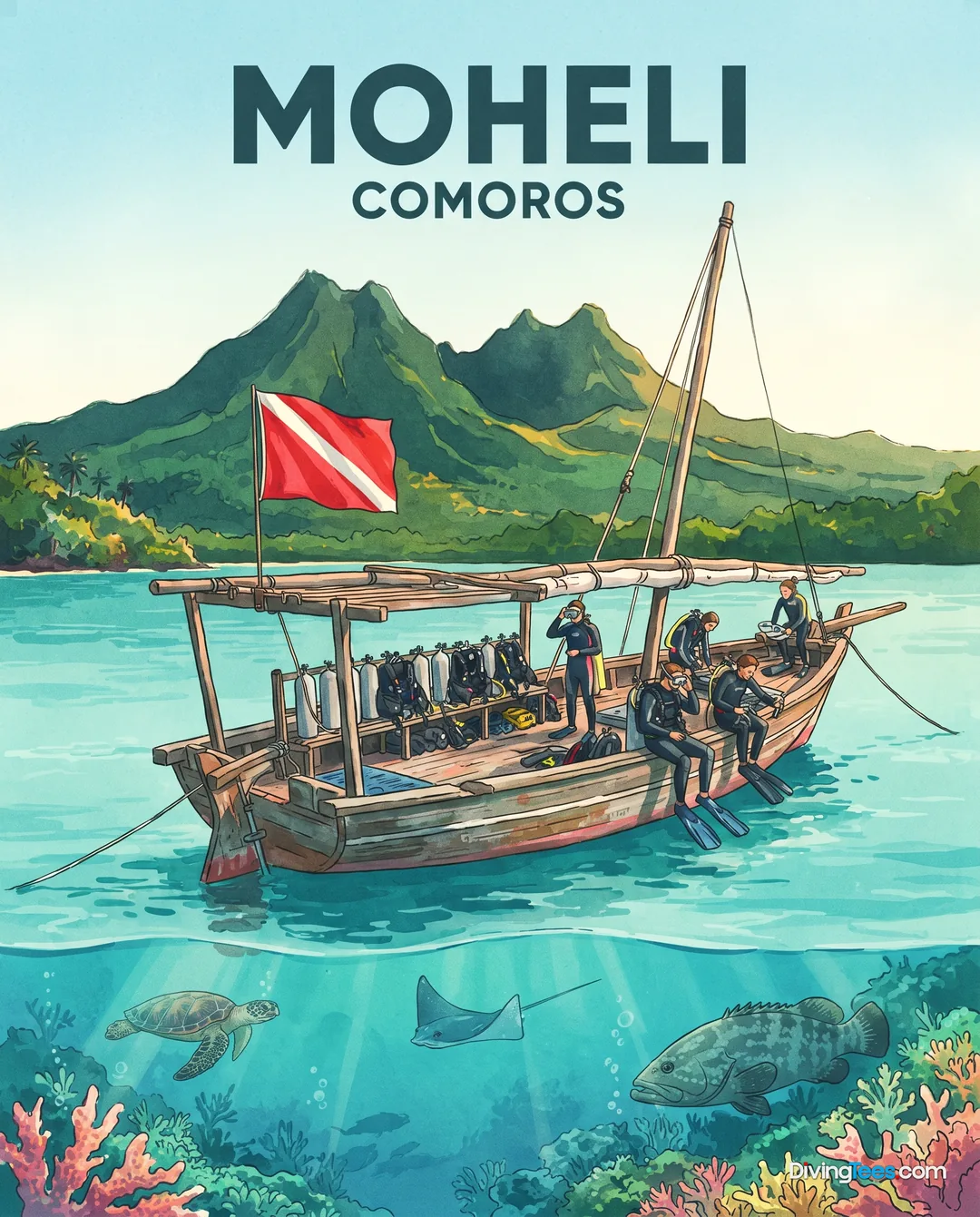
Established in 2013, Laka Lodge Dive Center is the first dive operator on the island of Mohéli. It is situated in the heart of the Mohéli National Park, a 400km² marine protected area that covers the southern waters of the island. This location provides a rare opportunity to dive in waters that remain largely unvisited by mainstream tourism.
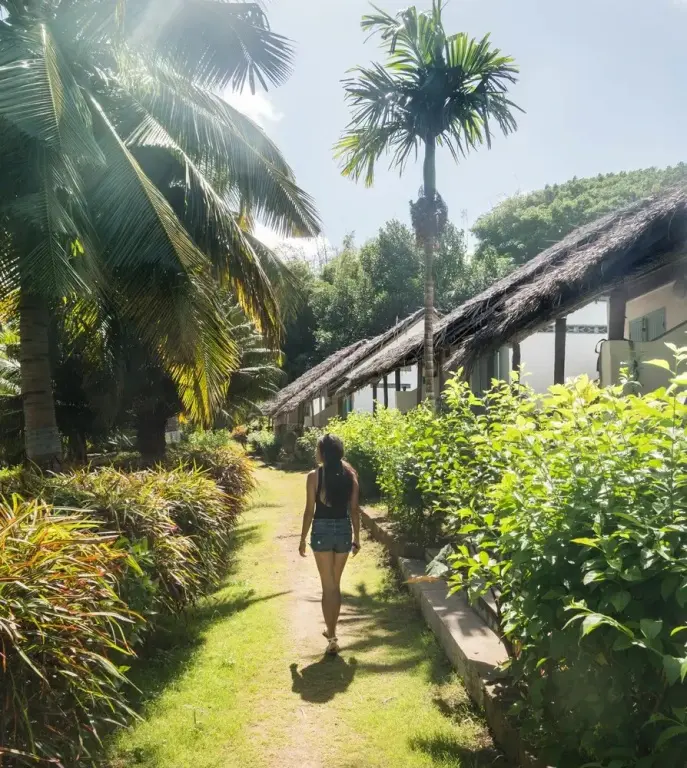
The centre is integrated into the Laka Lodge, an eco-lodge powered by solar energy. This setting allows you to transition directly from the reef to your accommodation, with several rooms offering immediate access to the beach. The lodge operates on a full-board basis, serving local and international cuisine prepared with fresh ingredients.
The dive centre is run by a team of qualified instructors and guides who lead all excursions. To ensure safety and a personalised experience, the centre maintains a ratio of maximum eight divers per guide.
All dives are conducted for certified divers only. The team is proficient in both French and English, making communication easy for international visitors. For those arriving from other islands, the centre can assist with domestic flight bookings and provides a driver to meet you at the Mohéli airport.
The centre focuses on guided explorations for certified divers rather than training programmes. Please note that there are no certification courses offered during 2026.
A full range of rental equipment is available for hire, including masks, snorkels, fins, BCDs, and regulators. Because kit availability is managed locally, you should reserve your equipment in advance of your arrival.
Safety is a primary focus; all divers are required to hold valid diving insurance. If you do not have coverage, the centre can assist you in subscribing to DAN insurance on-site, which covers divers from the USA, Canada, and Europe.
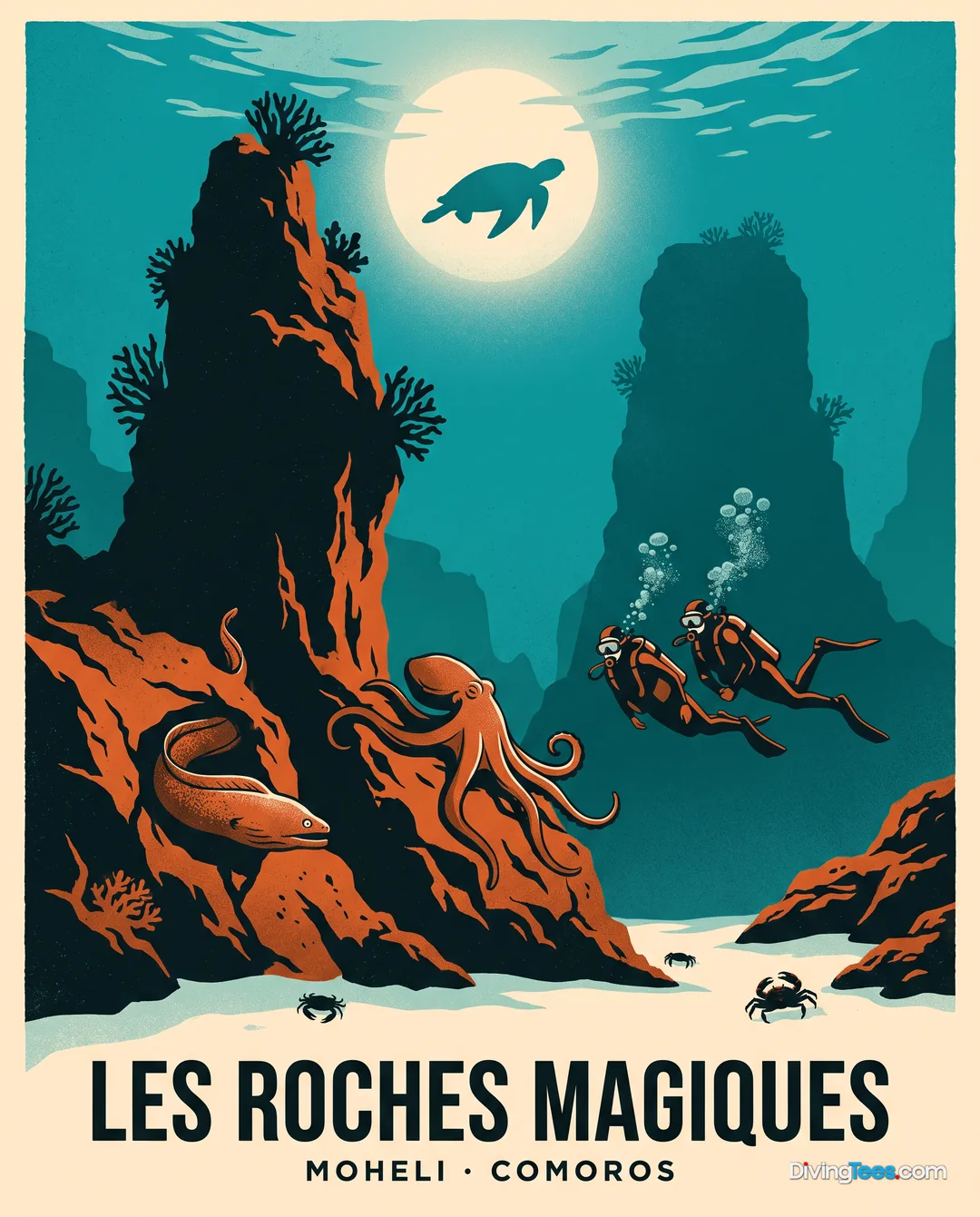
Les Rochés Magiques is the most frequently visited site, featuring two massive coral heads. It offers a sandy bottom for less experienced divers and a 20-metre drop for those looking for more depth, with a coral garden plateau for safety stops.
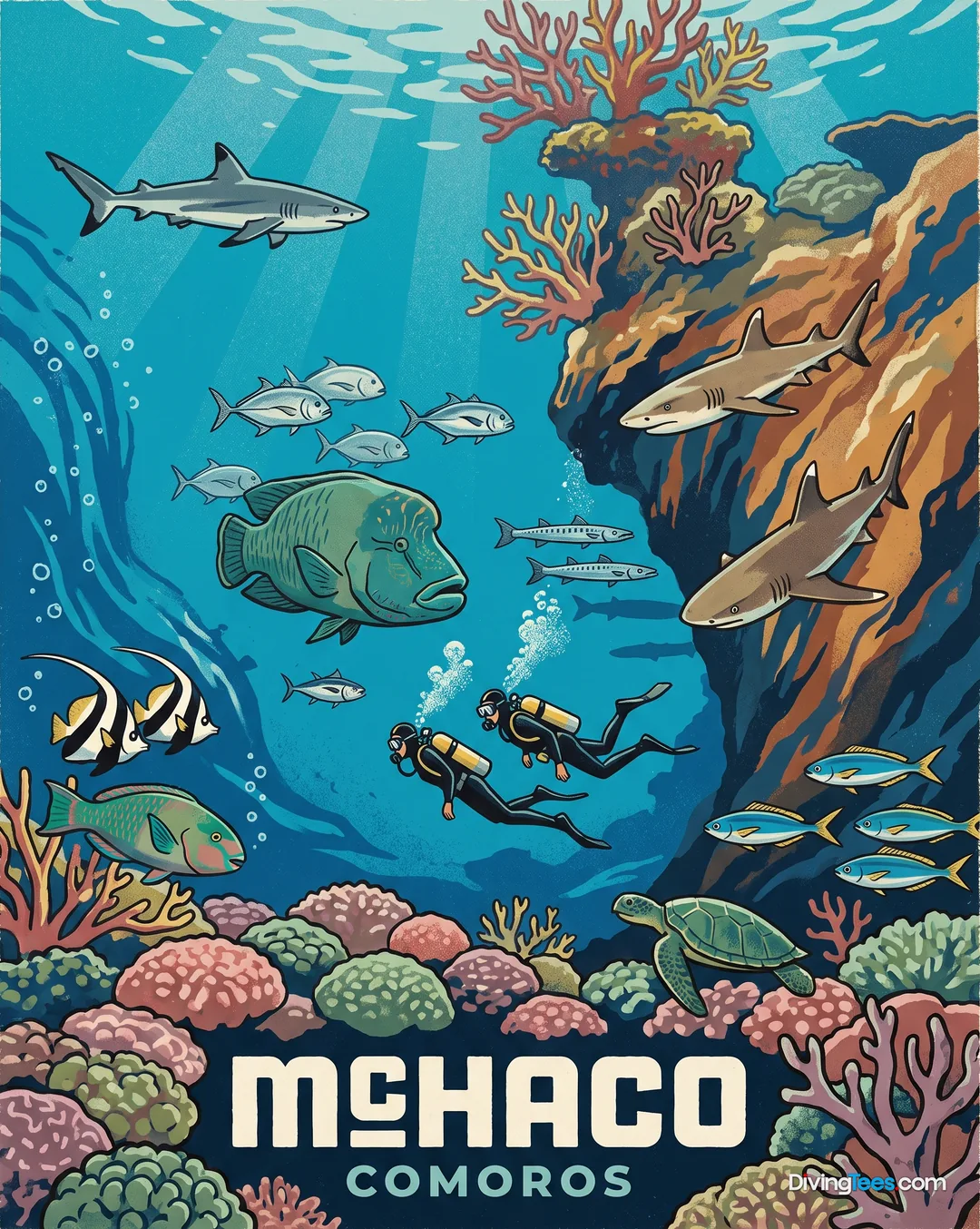
Mchaco, l’ile aux oiseaux, is an advanced site located within the National Park. Characterised by strong currents and a rocky bottom, this site is ideal for seeing large pelagics and schools of fish in open water.
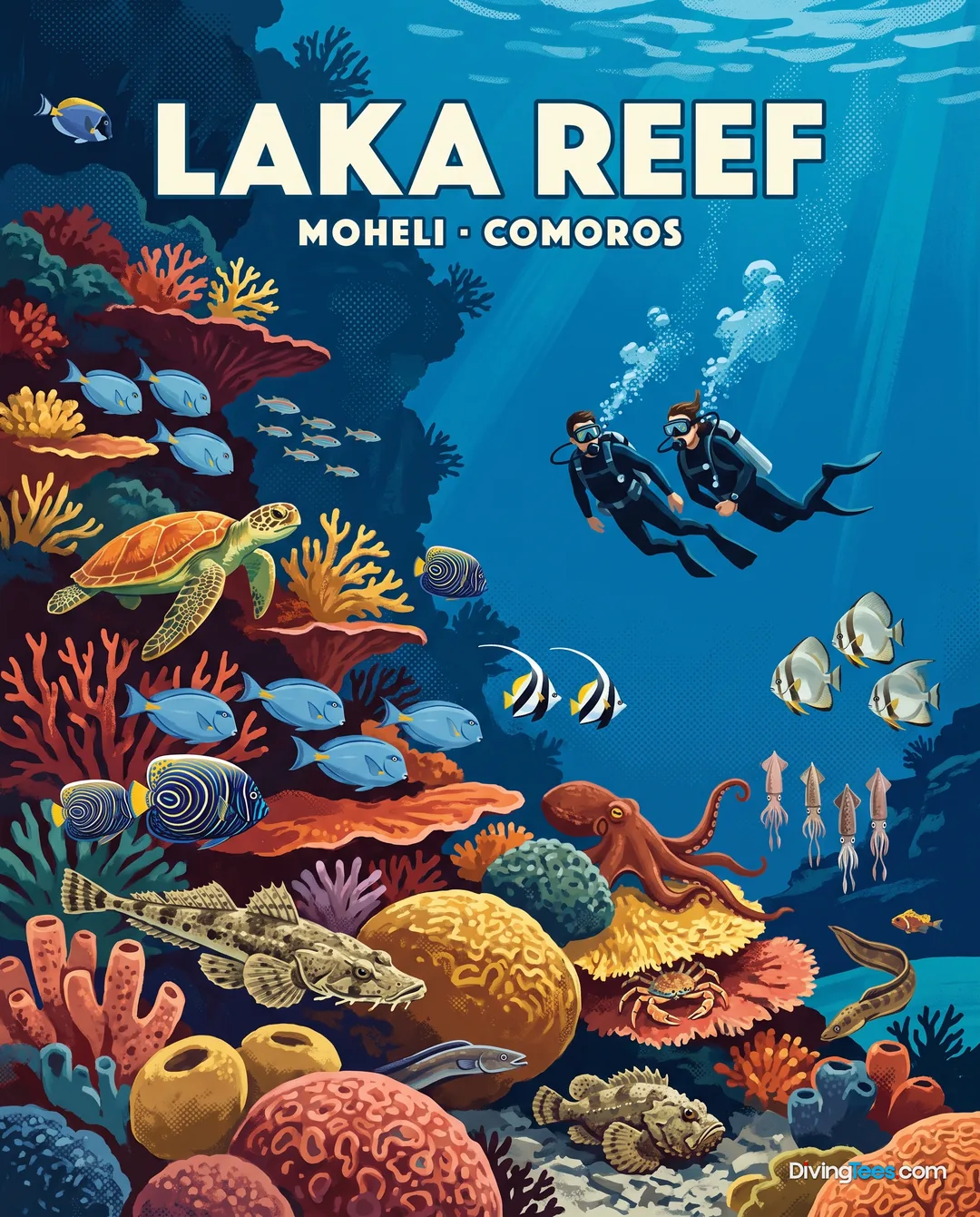
Laka Lodge Reef is a house reef located directly in front of the lodge. It features an algae-covered plateau that extends to a drop-off, where sea turtles frequently come to feed.
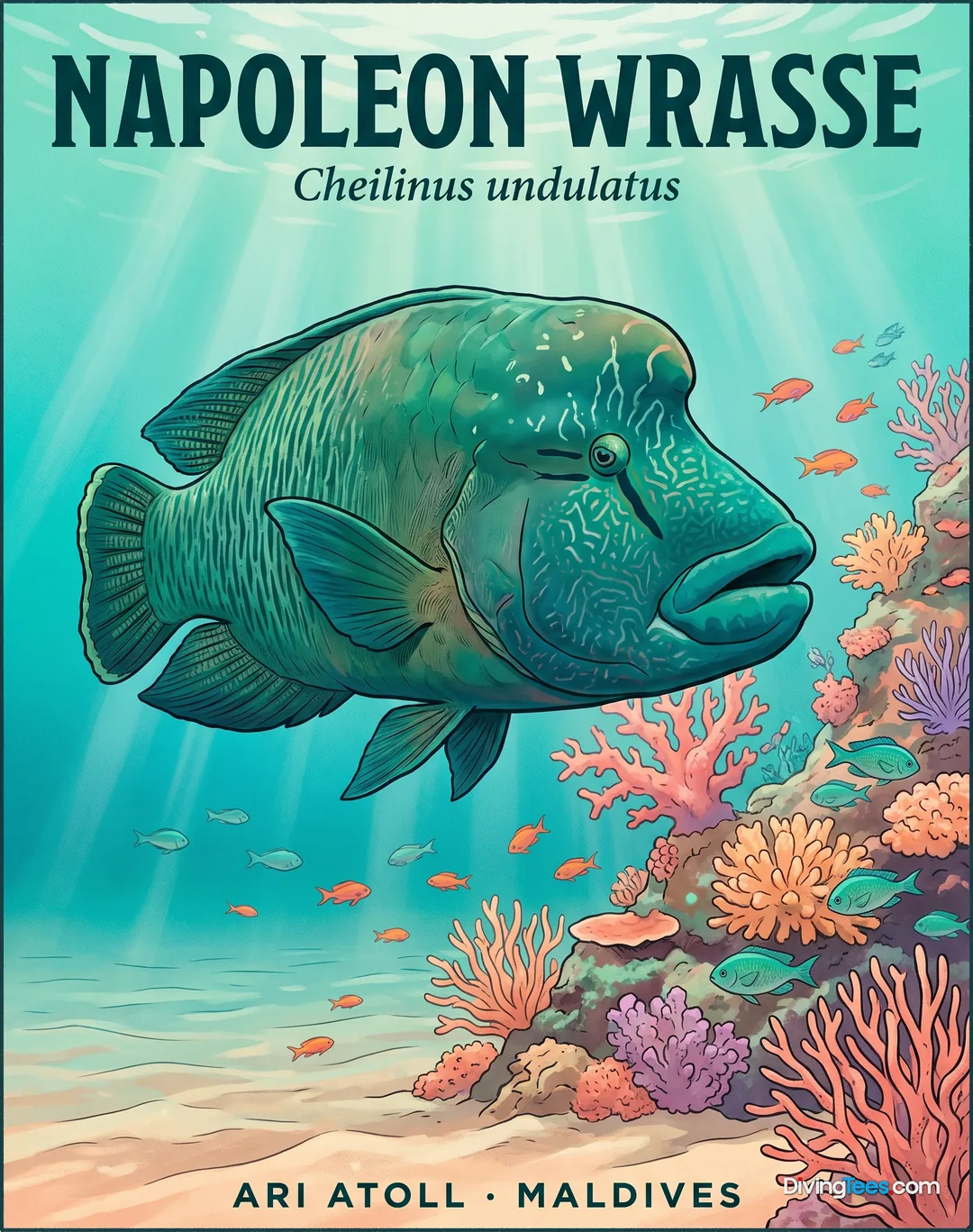
The marine life in the Mohéli National Park is exceptionally diverse. You will regularly encounter Green sea turtle (Chelonia mydas), white-tip reef sharks, and grey sharks. Larger pelagics such as Napoleon wrasse (Cheilinus undulatus), Tuna (Thunnus), jacks, and Great barracuda (Sphyraena barracuda) are also part of the local ecosystem.
The reef structures are built upon vibrant corals, providing a home for a multitude of colourful species including parrotfish, surgeonfish, angelfish (Pomacanthidae), bannerfish, and various species of wrasse (Labridae). You may also spot dolphins and rays patrolling the area.
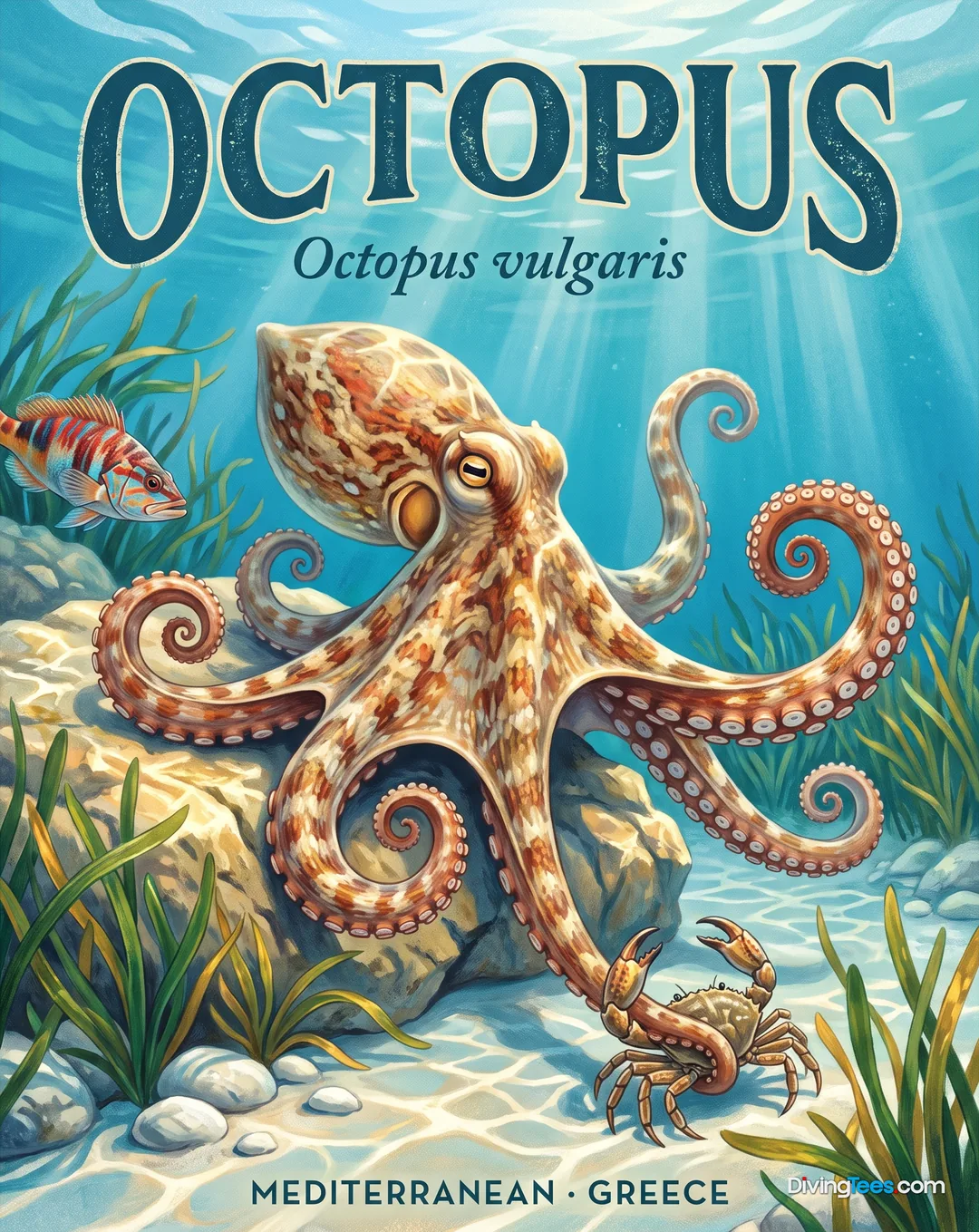
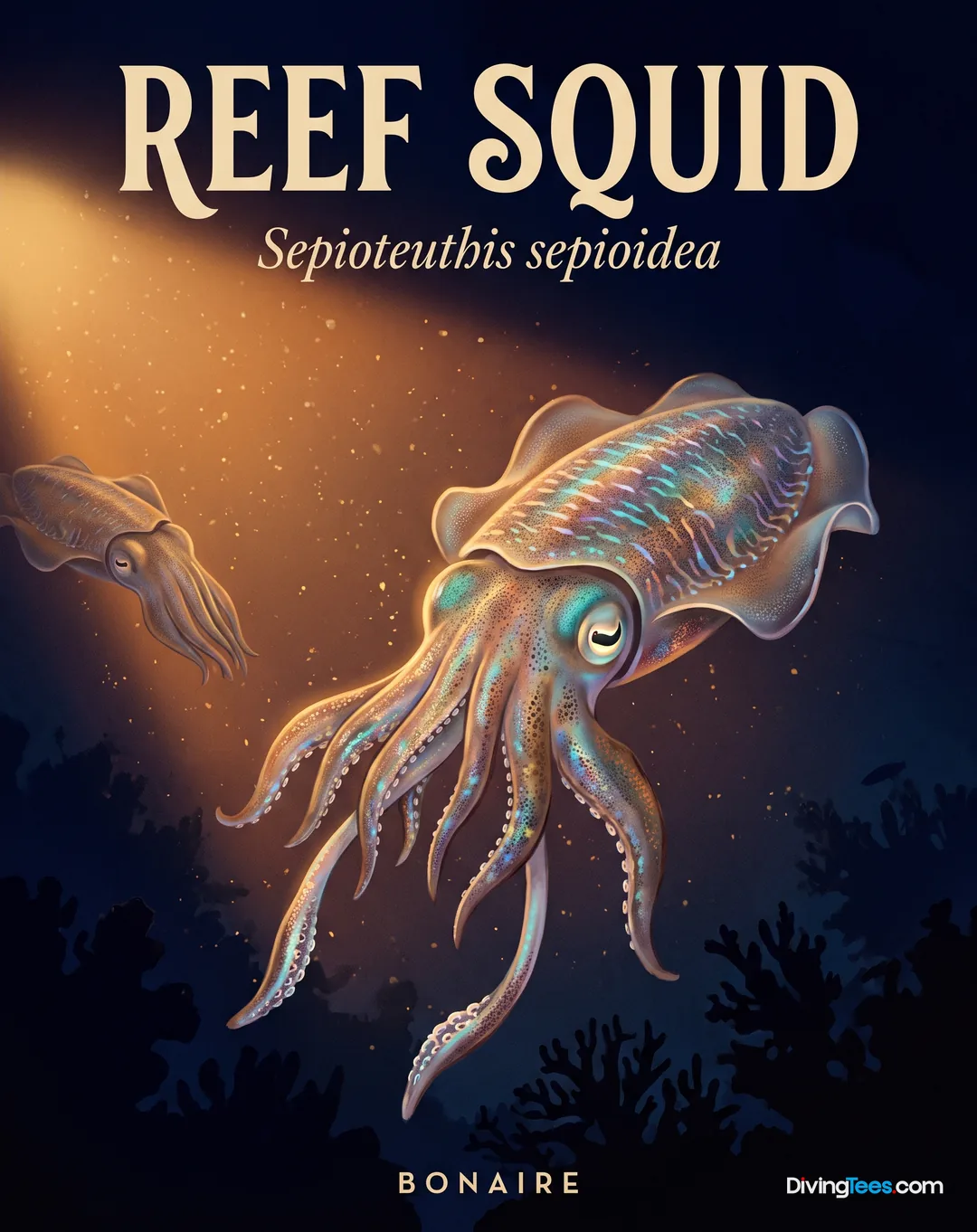
For those interested in macro life, the reefs host a variety of crustaceans, mollusks, and octopuses. Look closely for decorator crabs (Brachyura), scorpionfish (Scorpaenidae), stonefish (Synanceia), and various species of moray eel (Muraenidae). The crevices and sandy patches are also home to squid (Sepioteuthis sepioidea), conger eels (Congridae), and tentacled flathead (Papilloculiceps longiceps).
Humpback whales can be observed from mid-August to mid-October, and sea turtle nesting occurs throughout the year.
Conditions can vary significantly depending on the site, with Mchaco being known for its strong currents. The dry season runs from June to October, while February is typically the wettest month of the year.
Hello, I'm Marina, DivingDeal.com's AI assistant. I answer in detail about hotels, dive centres and liveaboards.
Thinking about the whole trip and the flights? Talk it over with Edith →
Marina is an AI. Some links are affiliate links: DivingDeal may earn a commission, at no extra cost to you. Bookings are made with the partner.
 Compare dive centres