
Bouba Diving Centre
Google 4.5/5 (74 reviews)
Rodrigues · Mauritius · Indian Ocean
Descend into Pointe aux Canonniers to explore a dynamic underwater landscape sculpted by walls, canyons, and small caves teeming with diverse marine life.
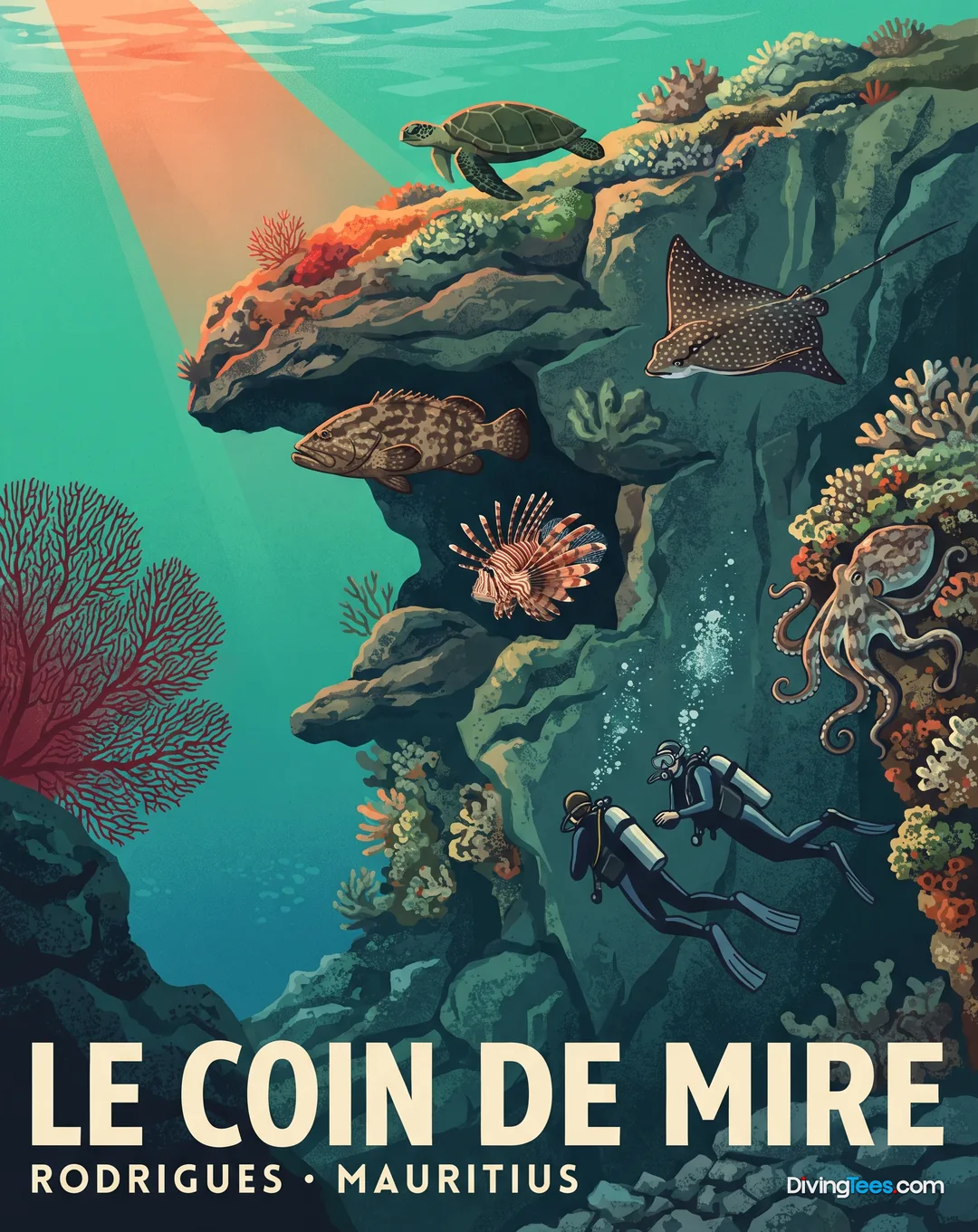
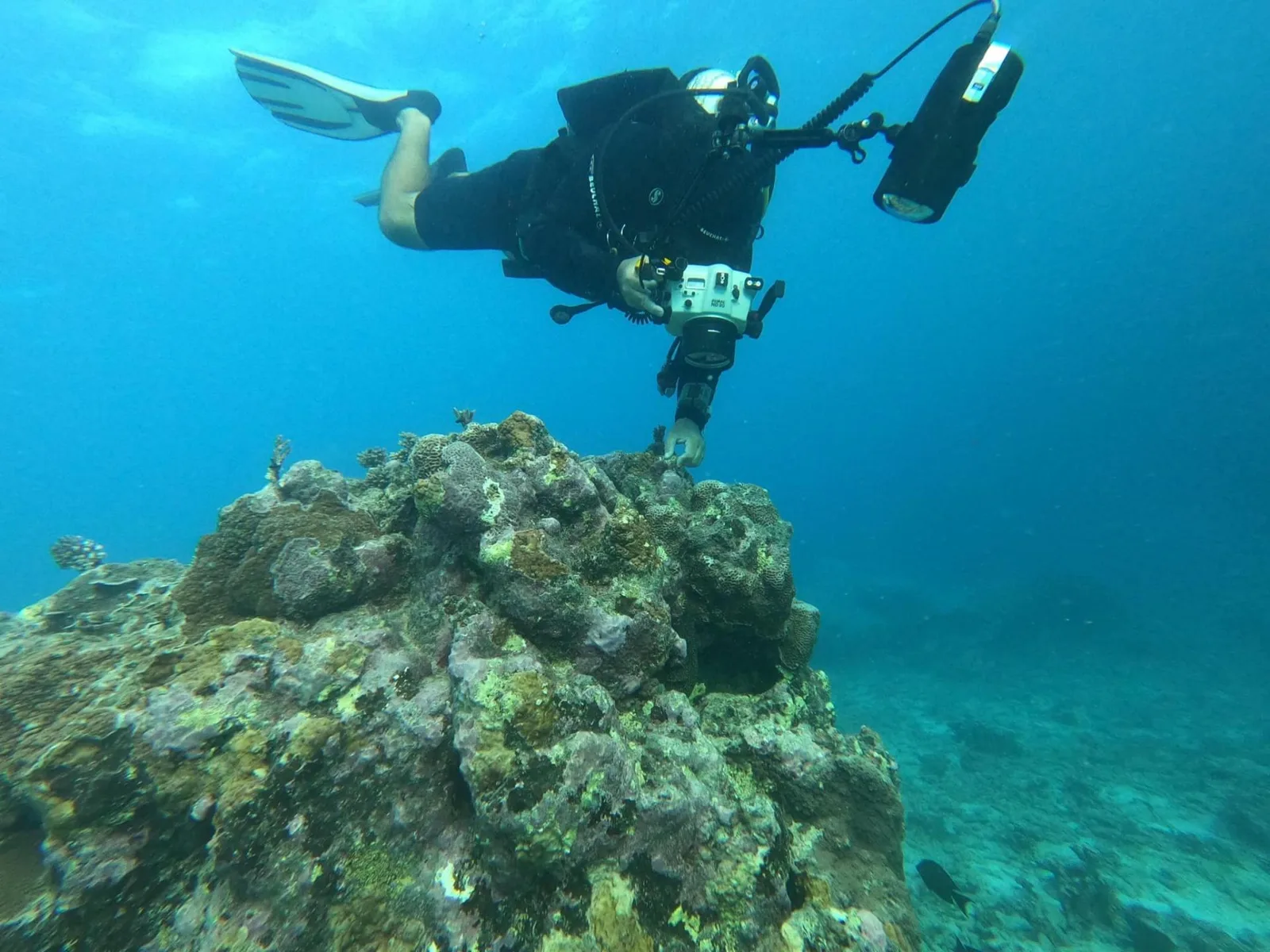
Pointe aux Canonniers presents itself as a dive site of compelling geological diversity, a submarine landscape shaped by millennia of oceanic forces. As you begin your descent, you are immediately introduced to an environment where dramatic walls plunge into deeper waters, seamlessly transitioning into a network of smaller, more intimate grottoes. These features create a habitat that feels both expansive and intricate, inviting exploration into every crevice and overhang.
The journey through Pointe aux Canonniers is a continuous visual feast, with each section revealing a different facet of its underwater character. Following the contours of the reef, you'll find yourself navigating through canyons that carve impressive pathways, their walls often adorned with a rich tapestry of coral and sessile invertebrates. These sculpted channels offer unique perspectives, guiding you deeper into the site's varied topography and revealing hidden corners.
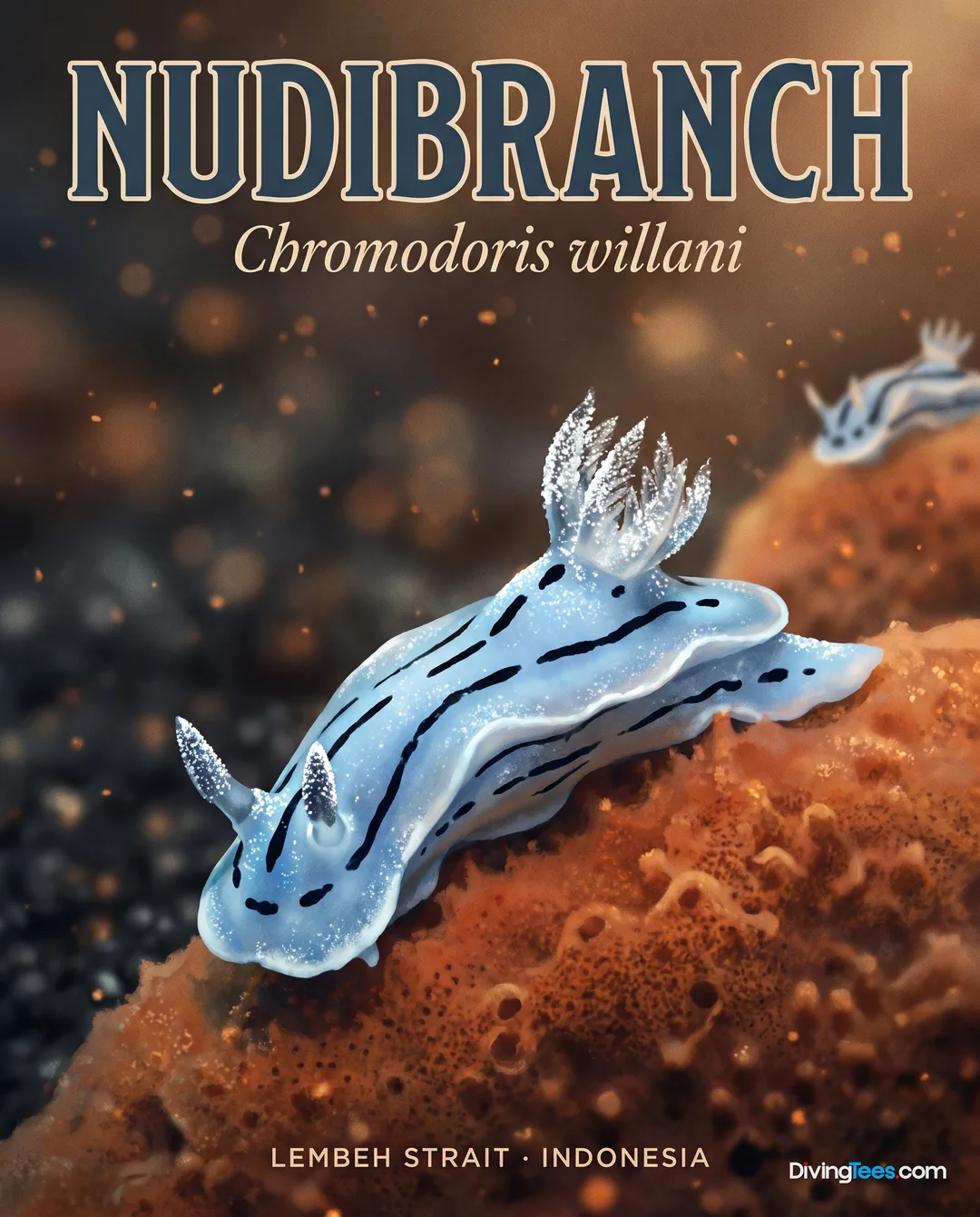
Within the sheltering alcoves and under ledges, the resident marine life thrives, making close inspection a rewarding part of the dive. Look closely and you may spot the delicate forms of nudibranchs (Nudibranchia) crawling across the reef, their vibrant colours a stark contrast to the substrate. The intricate folds of the reef also provide perfect camouflage for leaf fish, masters of disguise that drift almost imperceptibly amidst the coral, waiting for unsuspecting prey.
Exploring the more open sections of the walls and the canyon floors, you'll encounter a variety of other fascinating creatures. Trumpet fish (Aulostomus maculatus) often hover vertically among gorgonians or hard corals, blending seamlessly with their surroundings as they stalk smaller fish. Deeper within the cracks and under the rocky overhangs, lobsters (Palinuridae) can be observed, their antennae often the first sign of their presence, adding to the site's rich biodiversity.
At Pointe aux Canonniers, you can explore dynamic walls that plunge into deeper water, then move through smaller caves and coral-lined canyons. Following the reef contours leads you along sculpted channels, overhangs, grottoes, and canyon floors, creating a dive route with varied geological features and sheltered spaces to investigate.
At Pointe aux Canonniers, you may encounter colourful nudibranchs crawling across the reef, camouflaged leaf fish blending with coral, and trumpet fish hovering vertically among gorgonians or hard corals. Lobsters may be hidden in cracks and beneath rocky overhangs, so careful observation around the reef can reveal additional encounters.
At Pointe aux Canonniers, inspect sheltering alcoves, ledges, crevices, and reef folds for marine life. Nudibranchs may crawl across the reef, while leaf fish can be difficult to distinguish from surrounding coral. Look for lobster antennae in cracks and beneath overhangs, where these animals remain partly concealed.
Pointe aux Canonniers combines broad walls with intimate caves, coral-lined canyons, open sections, and canyon floors. As you follow the changing contours, each area offers a different perspective on the reef. Close inspection rewards you with small creatures, while open sections provide opportunities to observe vertically hovering trumpet fish.