
Bouba Diving Centre
Google 4.5/5 (74 reviews)
Rodrigues · Mauritius · Indian Ocean
Descend on Le Coin de Mire, a prominent rock formation off Rodrigues known for its vibrant marine life and exhilarating drift dives.
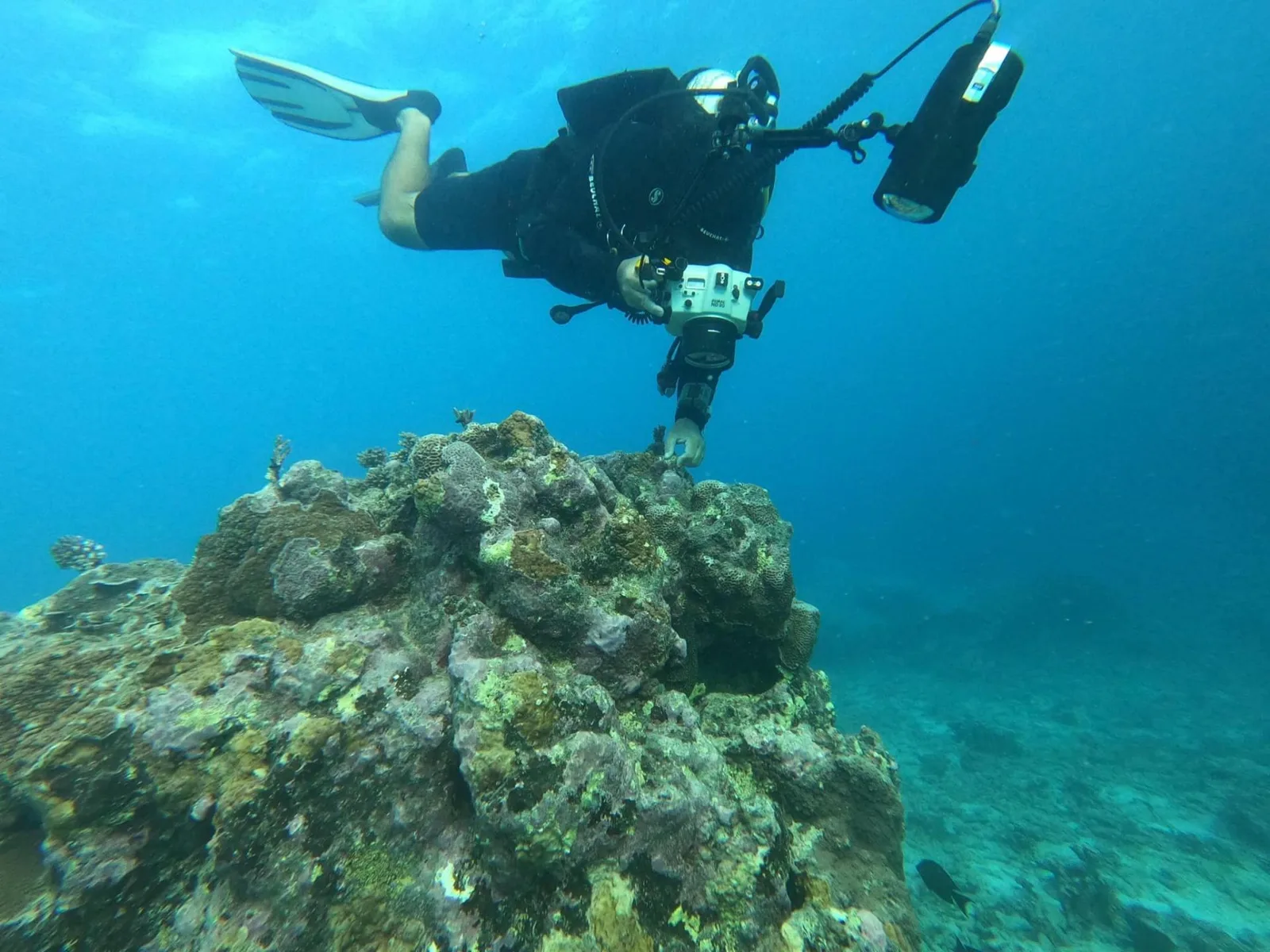
Approaching Le Coin de Mire, you're immediately struck by the iconic rock formation that breaks the surface. Below, this extends into a vibrant underwater pinnacle, creating a diverse environment where pelagic and reef life converge. The shape of the pinnacle, constantly interacting with the currents, sculpts a habitat that supports a dense population of marine inhabitants, making each dive a journey through a thriving ecosystem.
The inherent nature of Le Coin de Mire as a drift dive adds another dimension to the experience. Instead of fighting against the flow, you become part of it, gliding effortlessly past corals and marine life, conserving energy while covering a greater expanse of the site. This method of diving allows for a more fluid observation of schooling fish and larger pelagics, often encountered as they too ride the currents.
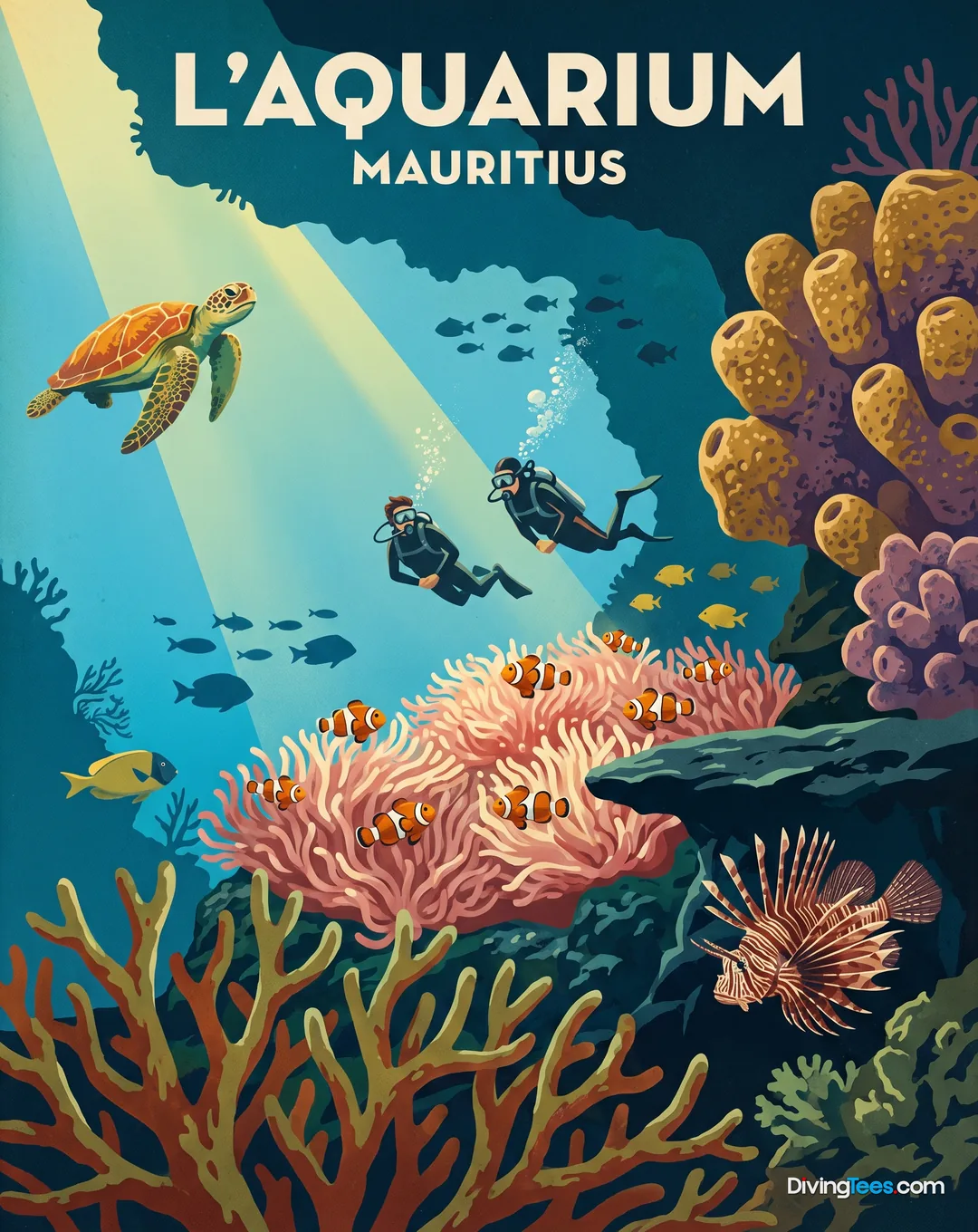
As you move along the site, keep an eye out for the resident green sea turtles (Chelonia mydas), often found gracefully navigating the reef ledges or resting amidst the coral formations. Their calm demeanor offers a stark contrast to the dynamic schools of trevally (Caranx ignobilis) that frequently sweep through, creating spectacular visual displays as they hunt or simply move in unison.
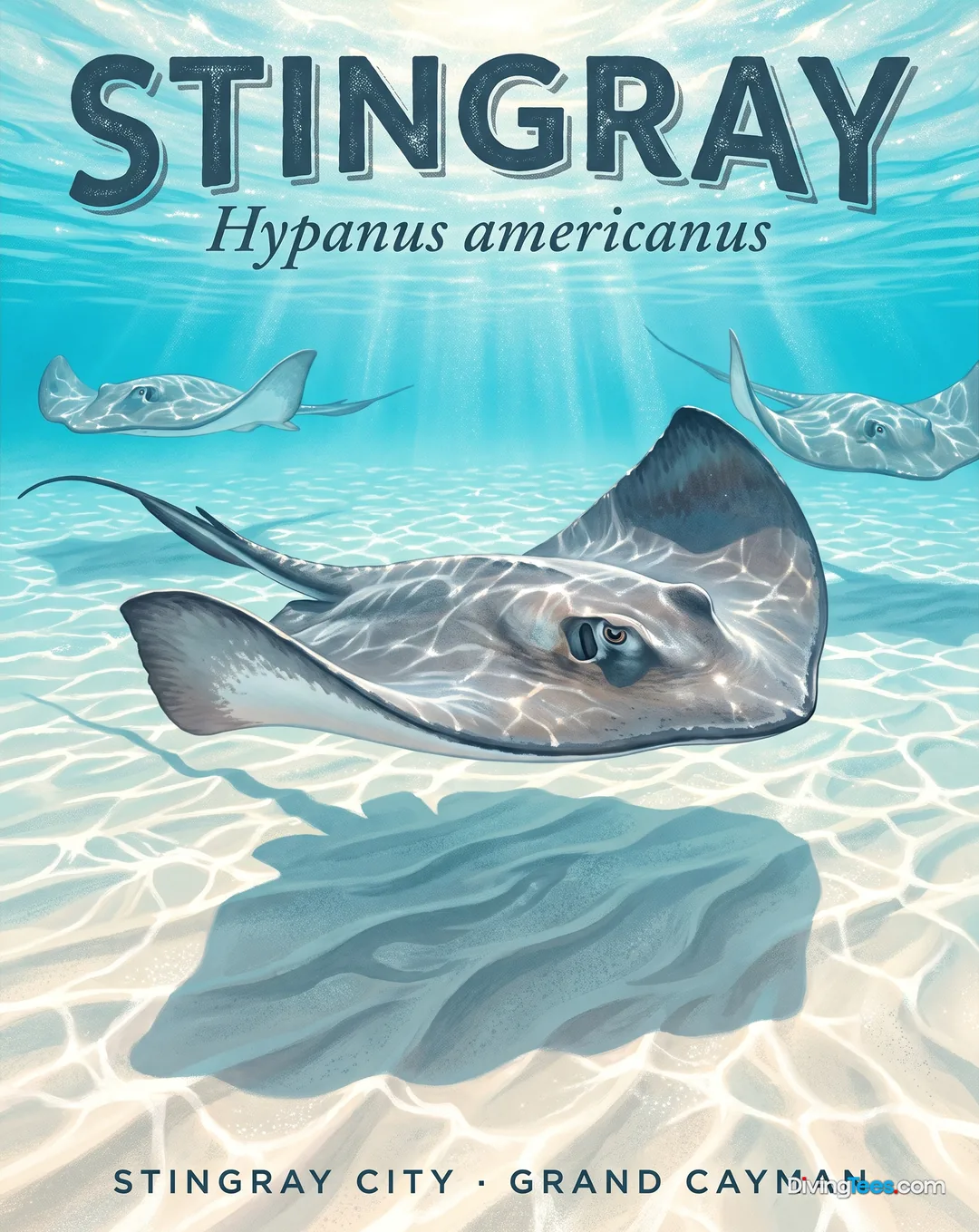
The site is also a reliable spot for encountering stingrays (Dasyatis pastinaca), which can be seen cruising over the sandy patches or occasionally making an appearance on the reef itself. Their elegant, undulating movements add a quiet majesty to the dive, and observing them from a respectful distance is always a highlight, particularly in the quieter pockets away from the main current.
Among the deeper crevices and underhangs, the impressive giant moray eels (Gymnothorax javanicus) make their presence known. These large, serpentine predators are often seen peeking out from their rocky shelters, their powerful jaws and watchful eyes a testament to the thriving predatory chain within Le Coin de Mire's rich waters. Their size alone is enough to command respect and admiration.
The biodiversity here is supported by excellent conditions for much of the year, providing a consistent environment for the variety of species Le Coin de Mire hosts. This stability allows for the sustained health of the reef and its populations, from the smallest invertebrates to the largest pelagics. It's a system in balance, offering a rewarding experience for those who appreciate a rich, natural underwater world.
Le Coin de Mire offers excellent diving conditions for almost the entirety of the year. The currents here are often conducive to drift diving, which is the preferred method for exploring this site.
You can dive Le Coin de Mire during almost the entire year, as the site offers excellent diving conditions for much of the year. This consistency supports the reef and its marine populations, giving you a reliable opportunity to explore the underwater pinnacle and observe its varied inhabitants.
Le Coin de Mire is shaped by currents that often suit drift diving, the preferred way to explore the site. You can move with the flow instead of fighting it, conserving energy while passing corals and marine life. The current also helps you encounter schooling fish and larger pelagics moving through the area.
At Le Coin de Mire, you can see an iconic rock formation above the surface continuing underwater as a vibrant pinnacle. Its shape and currents create varied habitats where reef life and pelagic species meet. The site offers corals, reef ledges, sandy patches, crevices, and underhangs to explore while drifting along.
At Le Coin de Mire, you may encounter green sea turtles navigating reef ledges or resting among coral formations. Large schools of trevally can sweep through the site, while stingrays cruise over sandy patches or appear on the reef. Giant moray eels may also be visible inside deeper crevices and underhangs.