
Happy Divers
Google 4.7/5 (122 reviews)
Mayotte · Indian Ocean
Current-cut passes, an 80-metre outer wall, sandy plateaux and tuna give M'Tsangamouji its character as a boat-diving base in north-west Mayotte.
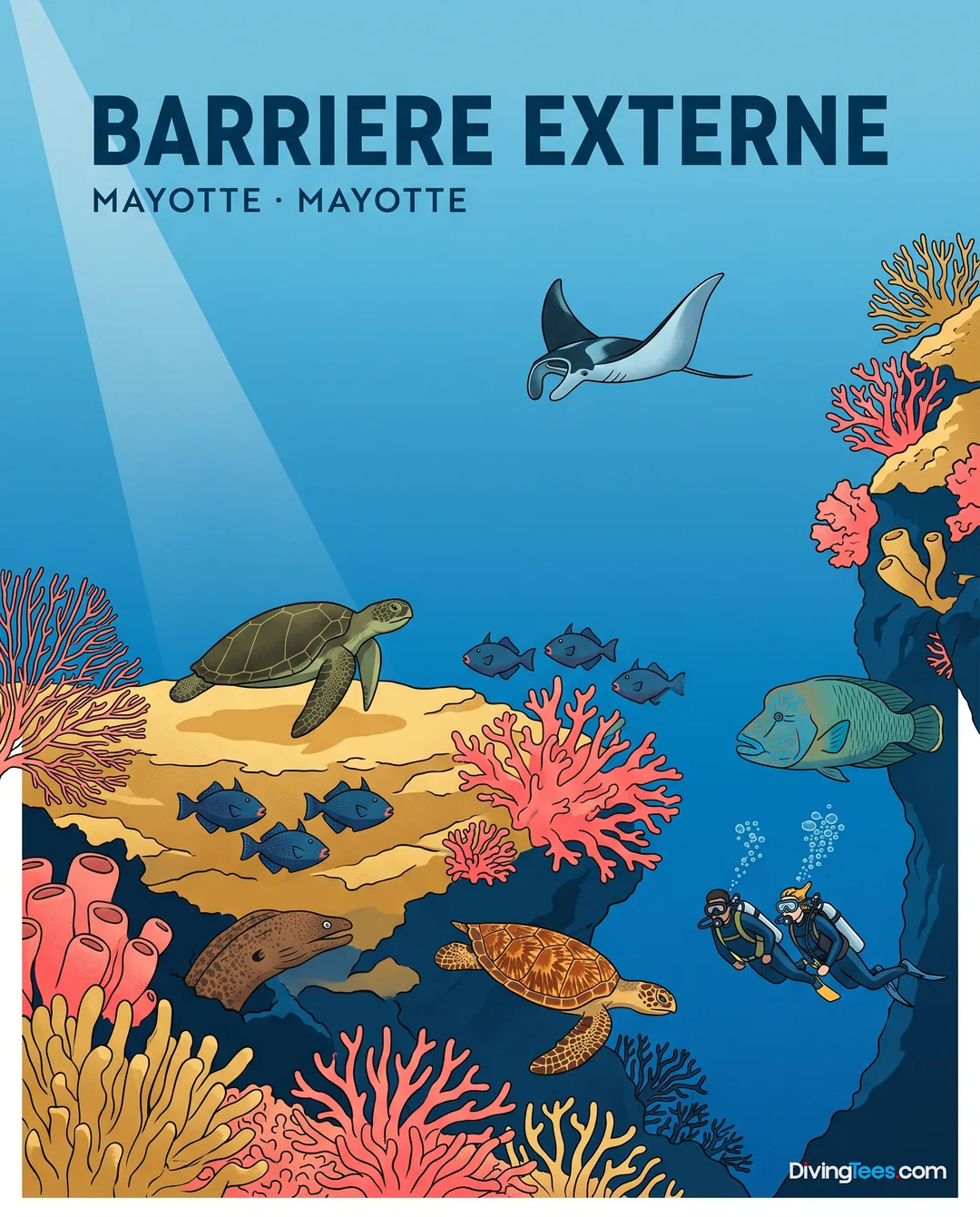
At La barrière externe, the reef falls away through deeper wall sections and caves, while the passes turn the lagoon into moving water. M'Tsangamouji is primarily a land-based diving stay, with boats leaving the nearby lagoon shore for reefs, passes and drop-offs rather than for beach dives. It suits divers who want several days on the water and a quiet coastal base, accepting that the non-diving scene is modest and that the boat timetable shapes each day.
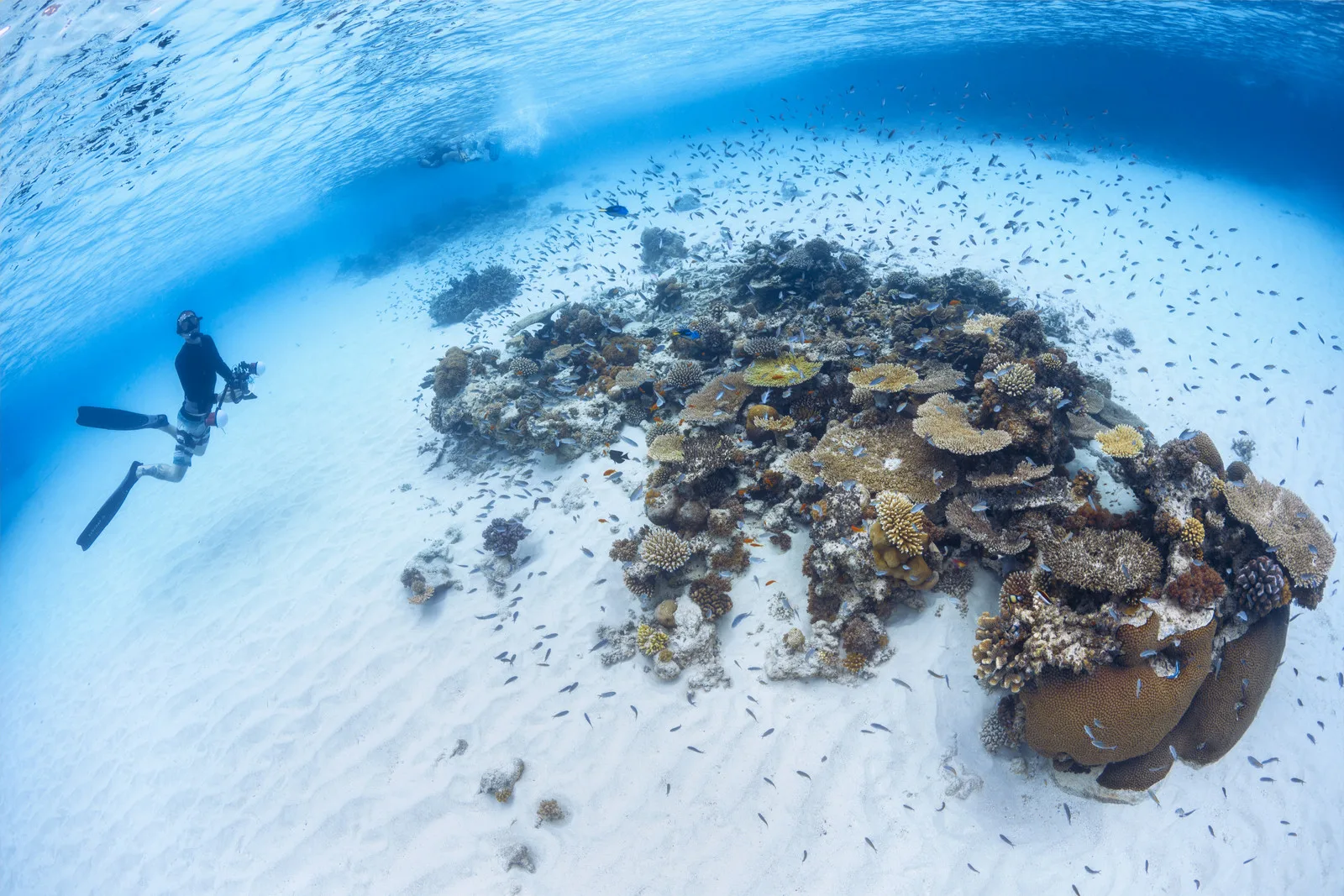
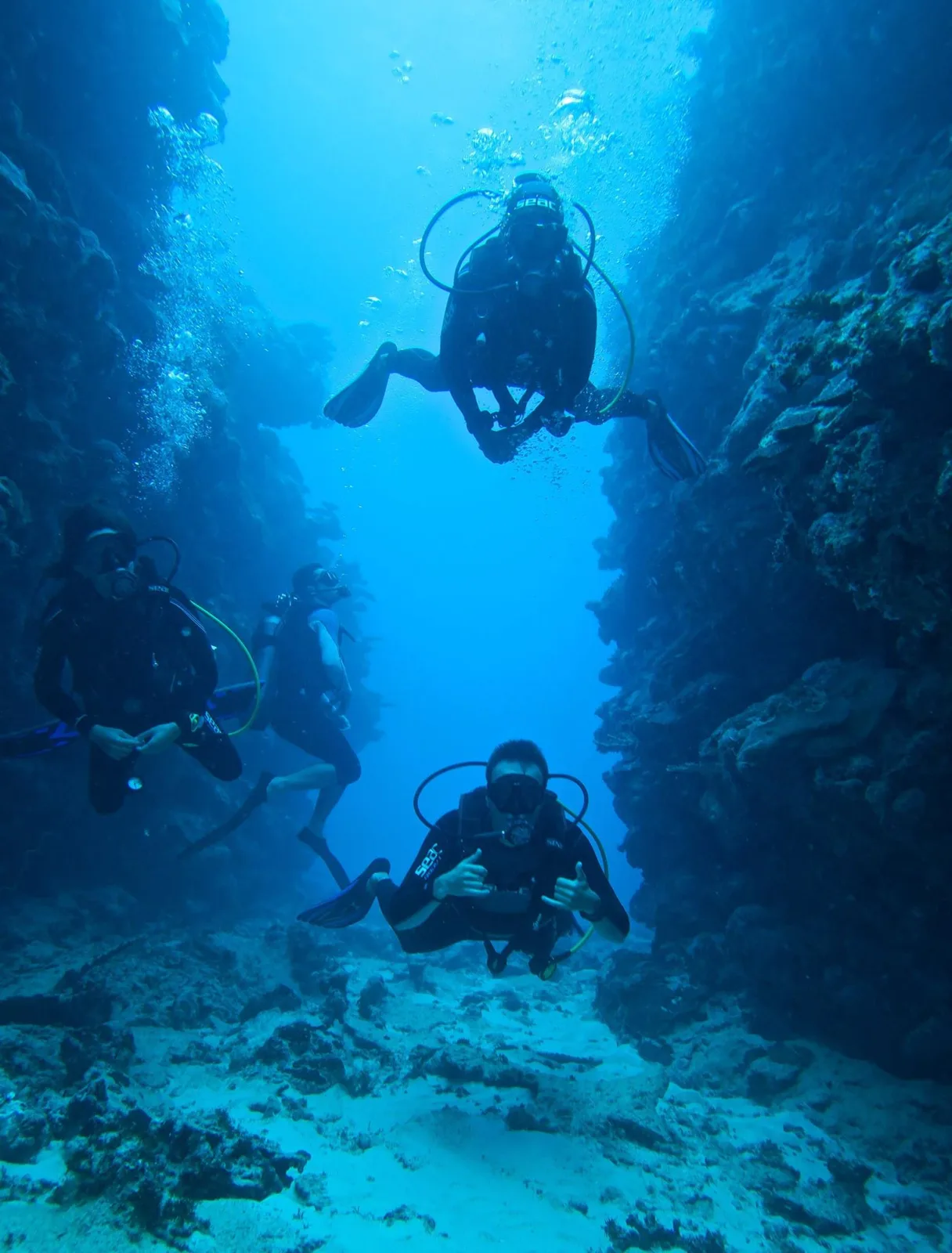
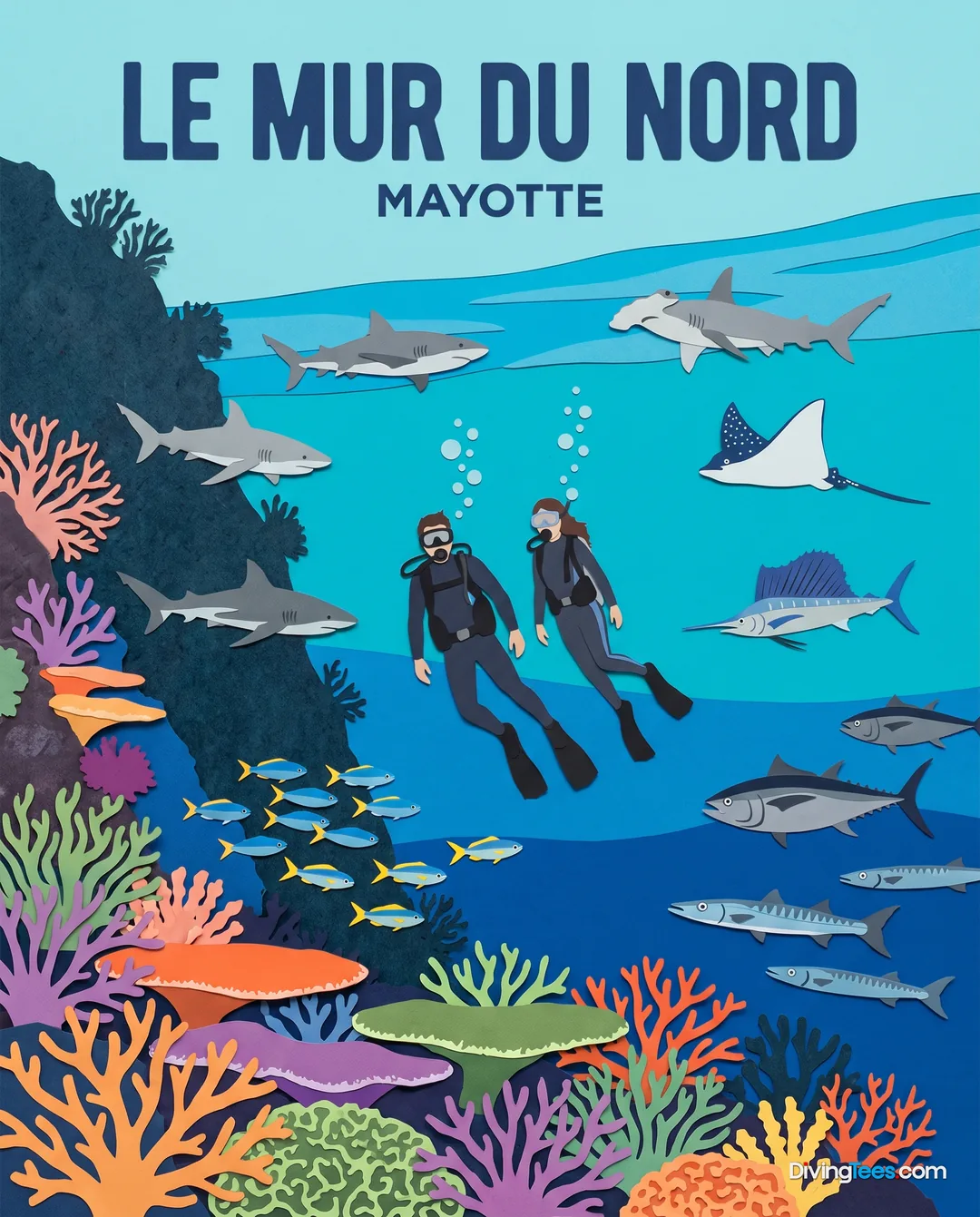
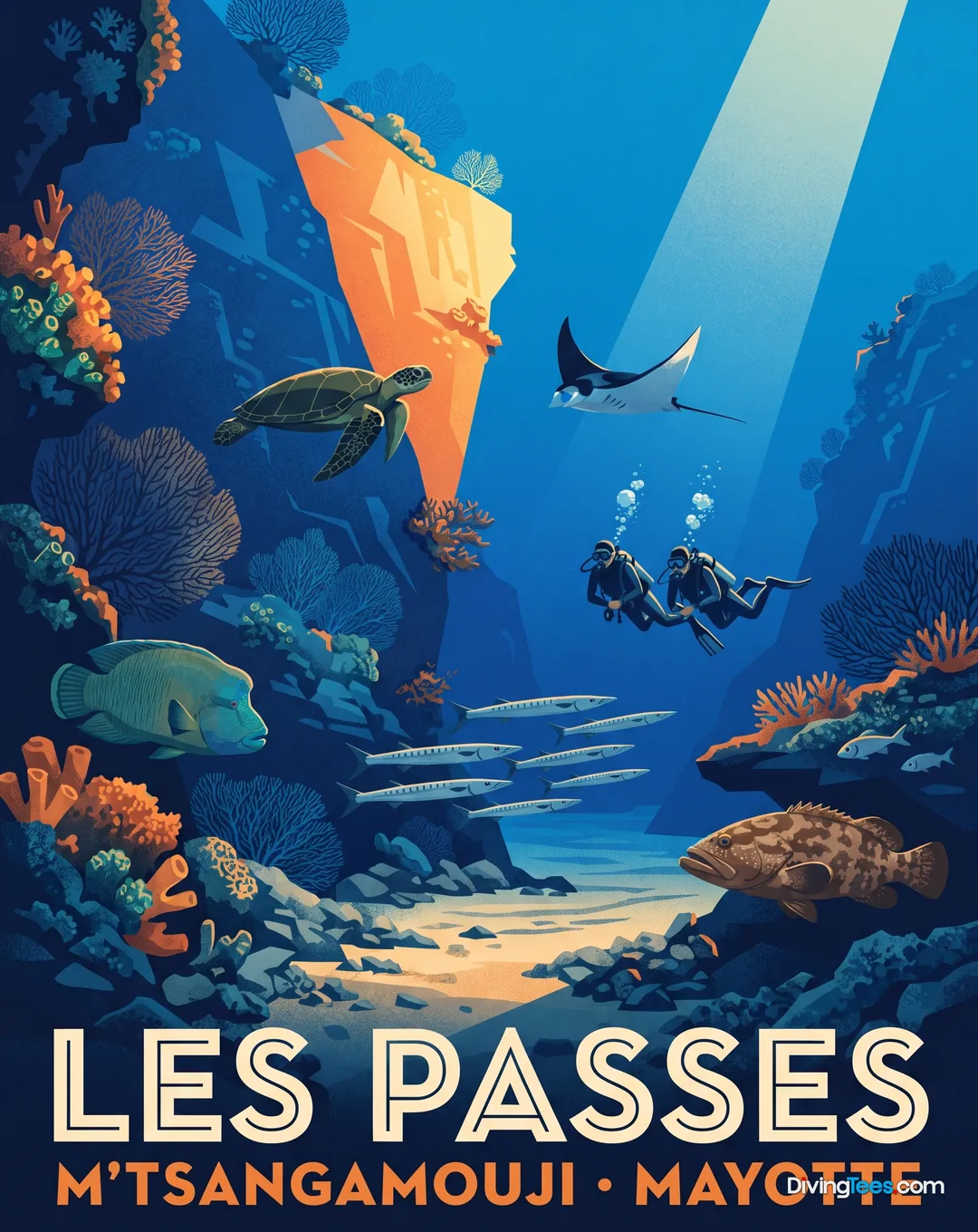
The diving alternates between lagoon reefs, exposed walls and current-swept passes. Les passes, including Acoua, Choizil and Grande passe de l’Ouest, are natural funnels cut by ancient rivers; their moving water is the reason they can draw schooling trevally, tuna and sharks. Drift diving is part of the character here, and current strength can change with the site and the chosen pass. La barrière externe offers a broader range of profiles, from shallower reef to a wall descending towards 80 metres, with caves in the deeper sections. Le Mur du Nord is more committed: a sandy plateau at 30 metres, coral bommies, open-water exposure and possible variable or strong current. Visibility figures are not established for the area, so planning should follow the sea state and the day's site choice rather than an assumed standard.
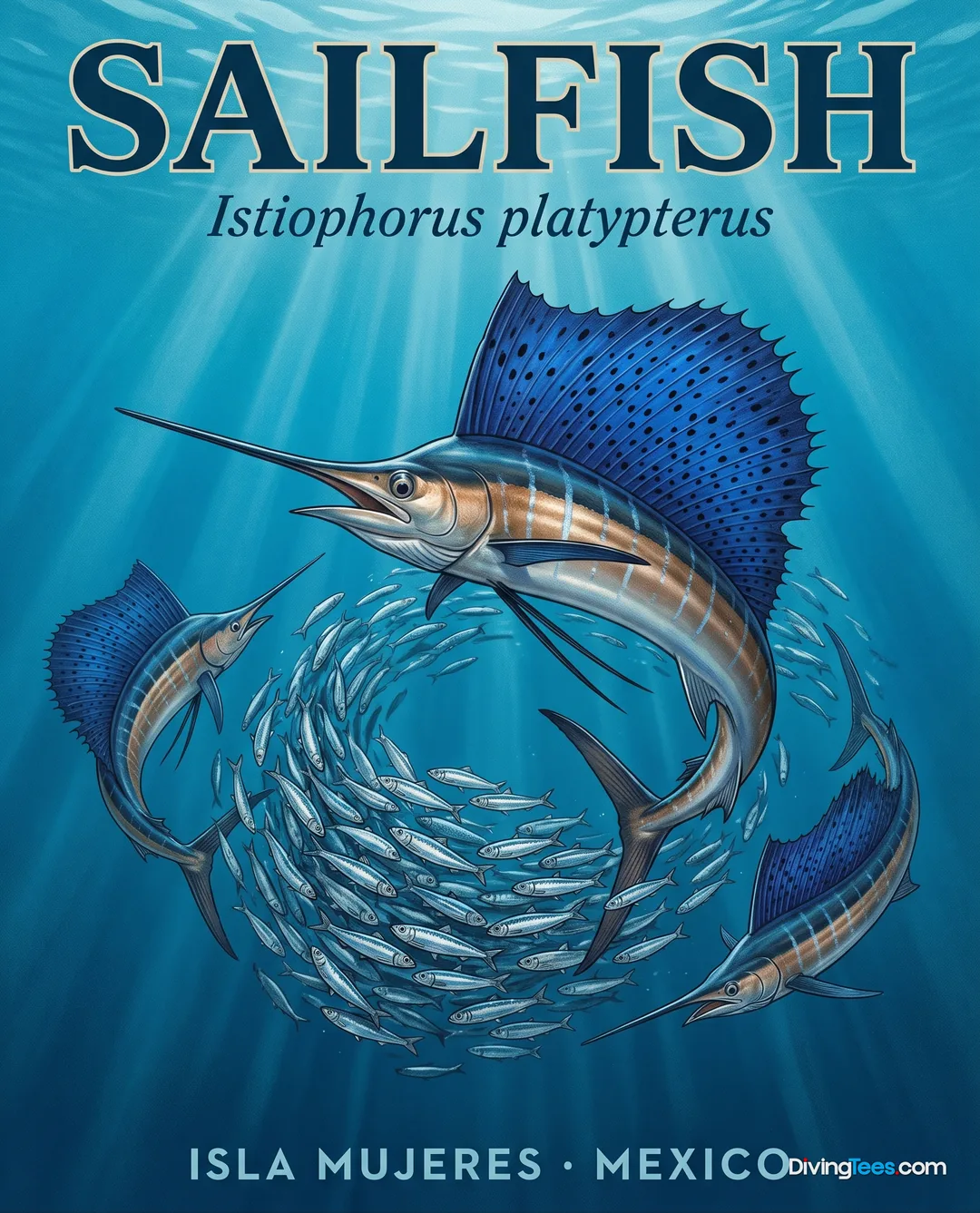
The passes are the places to look for movement in the blue: schooling trevally, tuna and different shark species may gather where current is forced through the reef. Reef sharks are also part of the local picture, while Le Mur du Nord adds the possibility of sailfish over its sandy plateau and coral bommies. These are not encounters to schedule like a wildlife show; they depend on current, exposure and where the boat can safely put divers in. The practical approach is to treat the passes and open-water sites as condition-led wildlife dives. A good position in the water column and a calm, controlled drift matter more here than covering ground.
M'Tsangamouji is best planned with flexibility rather than around a named month or a guaranteed wildlife season. Weather and sea-state changes can affect which pass or outer-reef site is workable, so a five-to-seven-day stay gives the boat programme room to adapt. That extra time also absorbs the road transfer after arrival and the possibility of a day when exposed sites are not sensible. The passes reward the right conditions, not simply the right page on a calendar; the most useful question before travelling is which sites are normally being run during the intended period.
The area is described as suitable for all levels, particularly on the more sheltered or varied reef profiles. That does not make every dive a beginner dive: the passes can carry strong current, and Le Mur du Nord reaches 25–35 metres in exposed open water. Advanced certification is useful for those deeper profiles, while current and drift-diving experience is more important than a particular agency label. Advanced training and Nitrox can both be valuable additions; BSAC, PADI and SSI divers should match the site to recent experience and comfort in moving water.
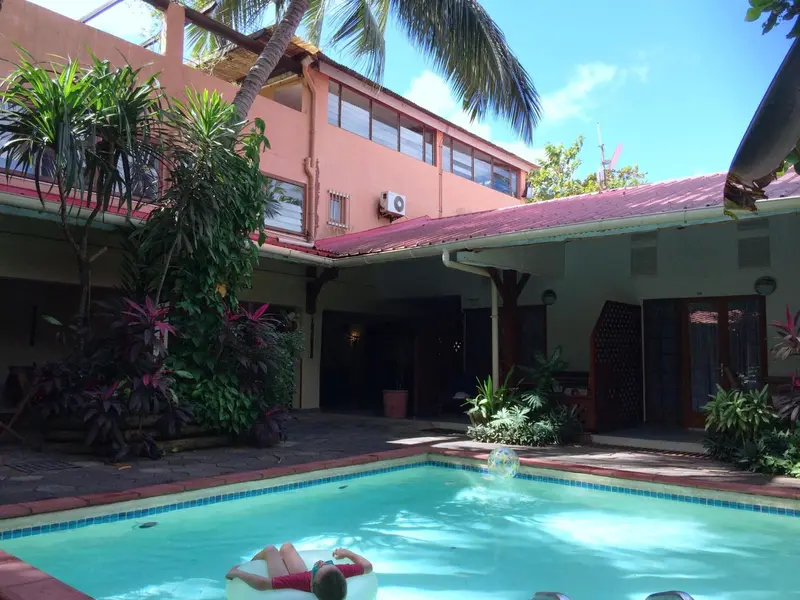
From London Heathrow, London Gatwick or Manchester, the journey begins with a flight to Mayotte's principal airport. From there, M'Tsangamouji is reached by road along the island towards the north-west coast. The diving itself starts from the nearby lagoon shoreline, with boat travel continuing out to the selected reef, pass or wall. This is therefore not a fly-and-walk-to-the-dive-centre destination: the road transfer and the boat departure are separate parts of the journey. Accommodation should be arranged with the embarkation point in mind, and a flexible local transport solution is sensible because walking access between a chosen base and the boat cannot be assumed.
Treat the boat departure as the centre of the trip. Before boarding, ask whether the plan is for a sheltered lagoon reef, a pass or an exposed outer wall; the difference affects current, depth and how demanding the dive will feel. Keep trim and buoyancy especially tidy in protected areas, where touching coral, the bottom or marine life is prohibited. Do not assume that a reserve or managed sector follows the same access rules as the rest of the lagoon: check whether the route enters a regulated area and what controlled access applies. Carry the exposure and current information into your equipment choice, particularly for Le Mur du Nord and Les passes. A small amount of transport flexibility between accommodation and the launch point is worth arranging in advance. Finally, leave a quiet day before flying home; the island transfer structure and changeable sea conditions make a rushed final dive a poor bargain.
Allow five to seven days on land, with boat dives arranged as day outings rather than as a liveaboard itinerary. That length gives enough time to explore lagoon reefs, passes and outer walls without making one weather-affected day spoil the stay. M'Tsangamouji suits a quiet routine of diving, returning to shore and keeping the rest of the day unhurried. For non-divers, the appeal is mainly the coast, lagoon and nearby beaches and viewpoints; the area is not presented as a dense resort centre.
Hello, I'm Marina, DivingDeal.com's AI assistant. I guide you through destinations, areas and countries.
Thinking about the whole trip and the flights? Talk it over with Edith →
Marina is an AI. Some links are affiliate links: DivingDeal may earn a commission, at no extra cost to you. Bookings are made with the partner.
Plan M'Tsangamouji with flexibility rather than around a named month or guaranteed wildlife season. Weather and sea-state changes may affect which pass or outer-reef site is workable. A stay of several days gives the boat programme room to adapt, while allowing for road transfer, unsuitable exposed conditions and changing site choices.
M'Tsangamouji offers diving for all levels on sheltered or varied reef profiles, but every site is not suitable for beginners. Passes may carry strong current, and Le Mur du Nord involves exposed open water and deeper profiles. Current and drift-diving experience matter, while advanced training and Nitrox can be useful additions.
At M'Tsangamouji, you can explore lagoon reefs, sandy plateaux, coral bommies, caves, exposed walls and current-swept passes. Acoua, Choizil and Grande passe de l’Ouest may attract schooling trevally, tuna and sharks, while Le Mur du Nord offers possible sailfish. Encounters depend on current, exposure and the boat’s safe entry point.
Plan M'Tsangamouji as a land-based, boat-diving stay, with accommodation arranged around the launch point. Allow several days for day outings across lagoon reefs, passes and outer walls. Your journey includes a flight to Mayotte, a road transfer north-west, and boat travel from the nearby lagoon shoreline, so keep transport and scheduling flexible.