
Le Lagon Maoré
Google 4.9/5 (129 reviews)
Mayotte · Indian Ocean
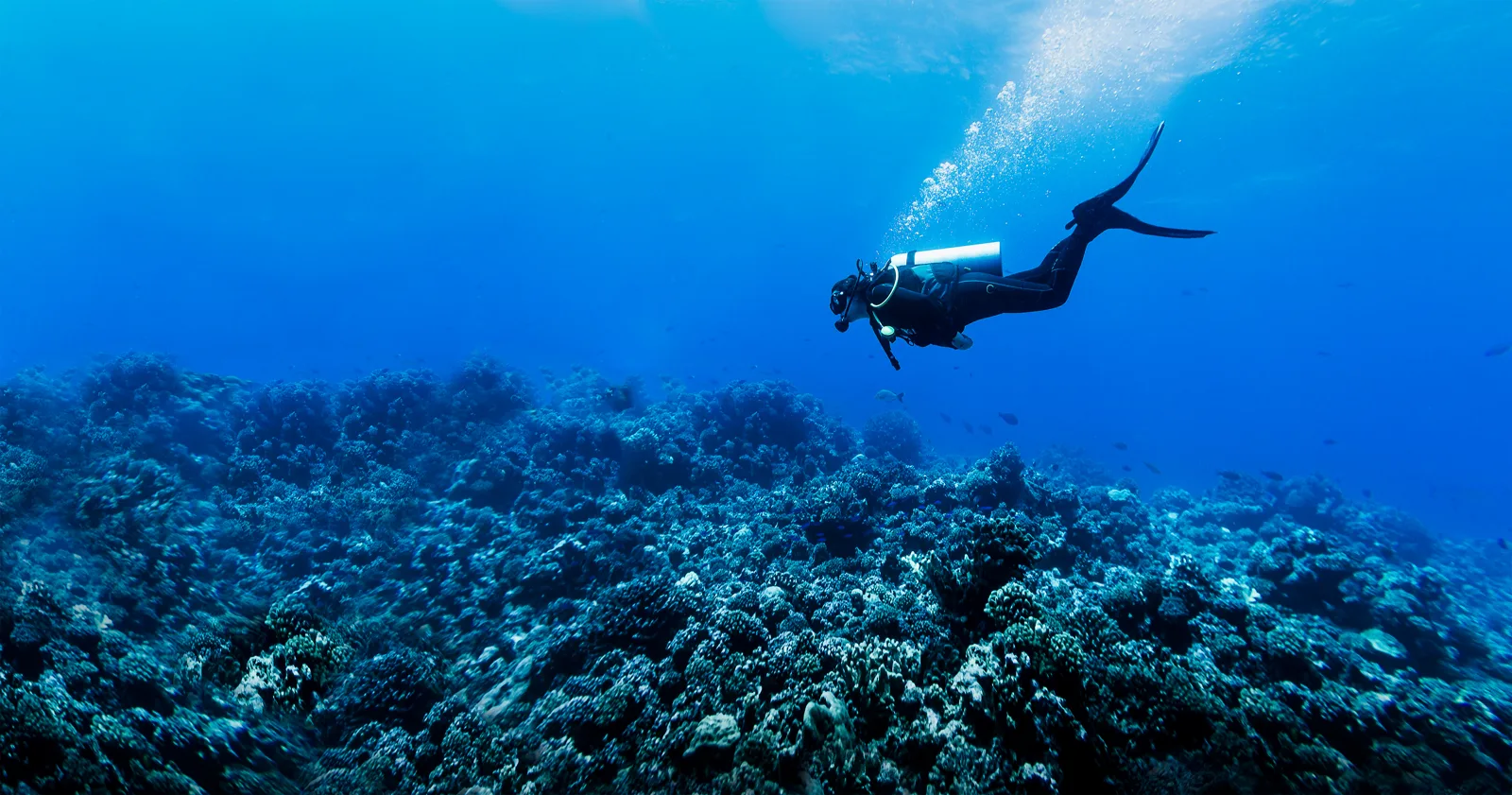
N'Gouja combines coral walls, sandy plateaux, steep drop-offs and shallow gardens where nudibranchs, reef fish and passing sharks reward careful observation.
For subtitles in English: start the video firstthen click the gearat the top right of the video, select “Subtitles/CC”, then “Auto-translate” and choose “English”.
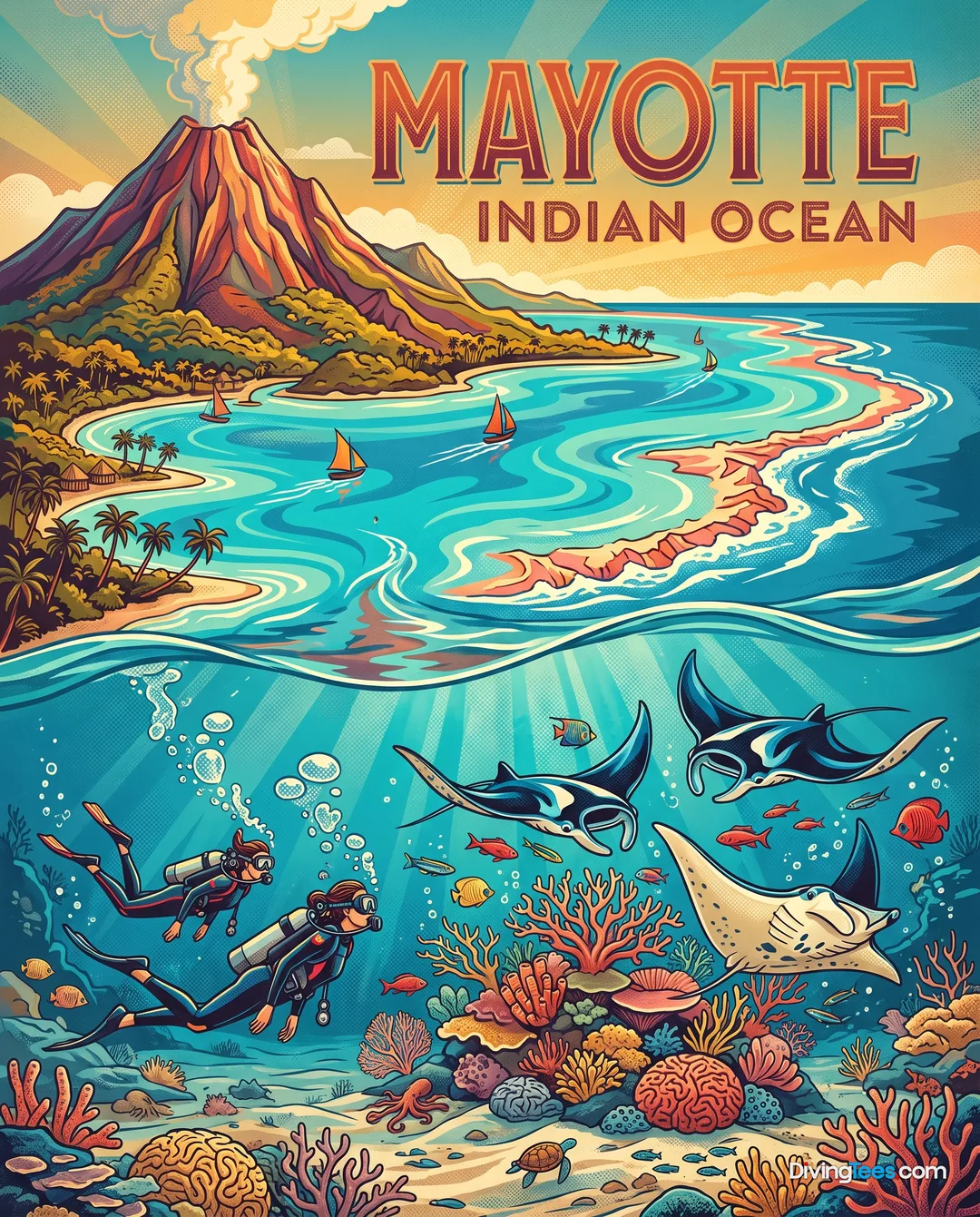
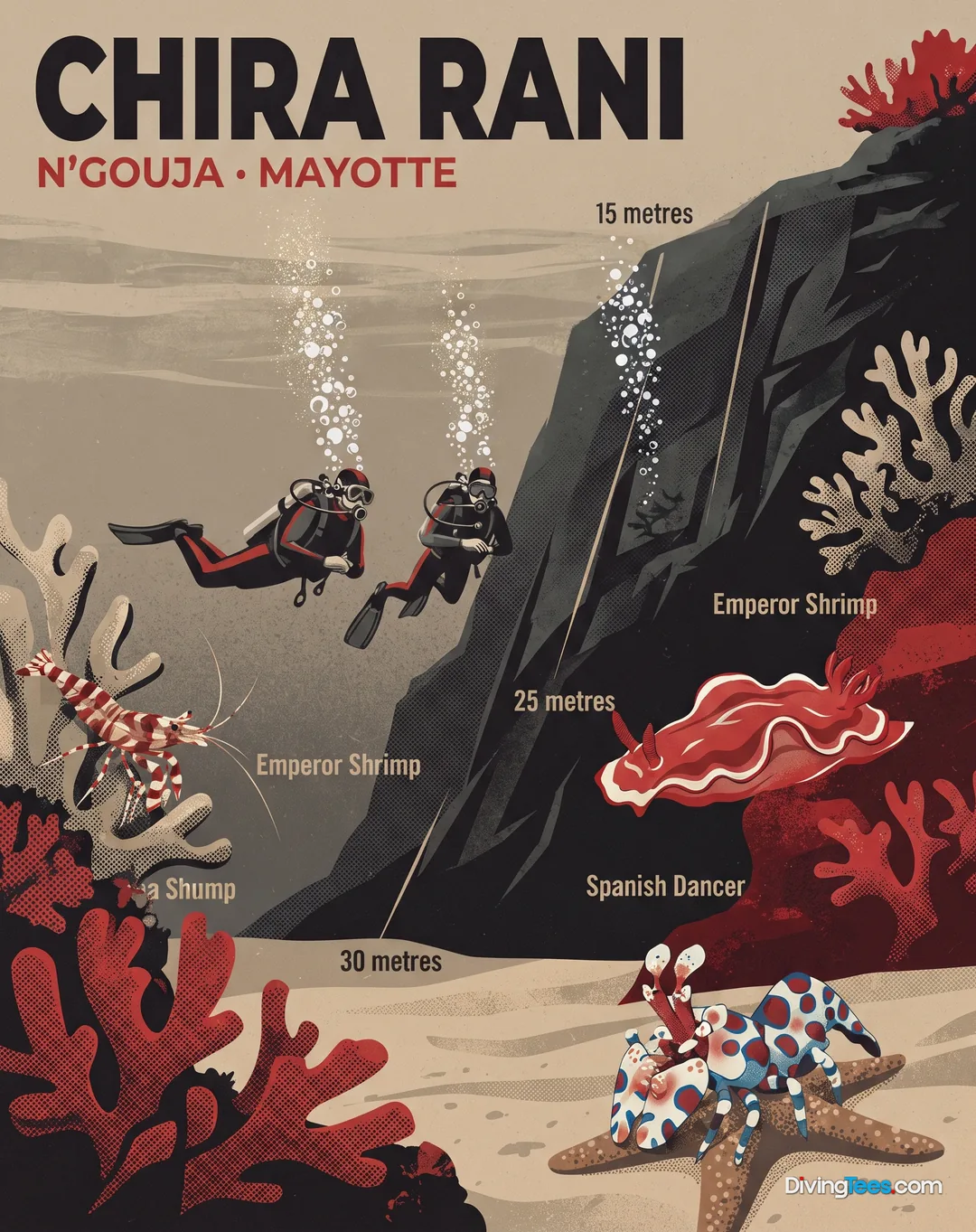
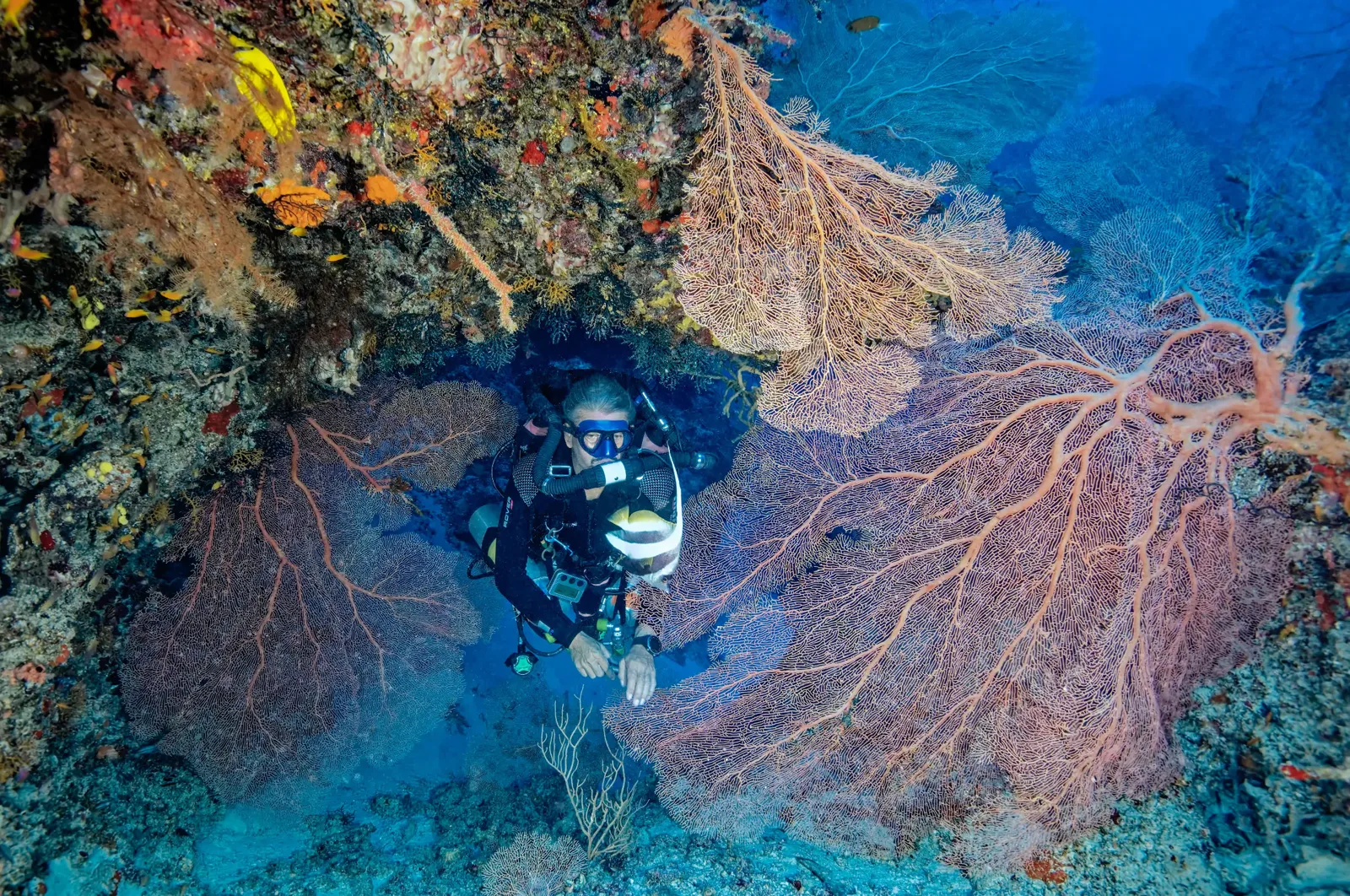
N'Gouja is a base for exploring Mayotte's coral passes, walls and enclosed reef formations rather than a single, repetitive underwater landscape. The area's sites move from shallow coral gardens to serious drop-offs, with Chira Rani finishing among vibrant shallows and Ranikiki winding between large coral-encrusted blocks. Further out, Passe Bateau and Passe Bouéni bring stronger current, deeper profiles and the possibility of pelagic encounters. It suits divers who like changing the pace from patient reef searching to committed drift diving.
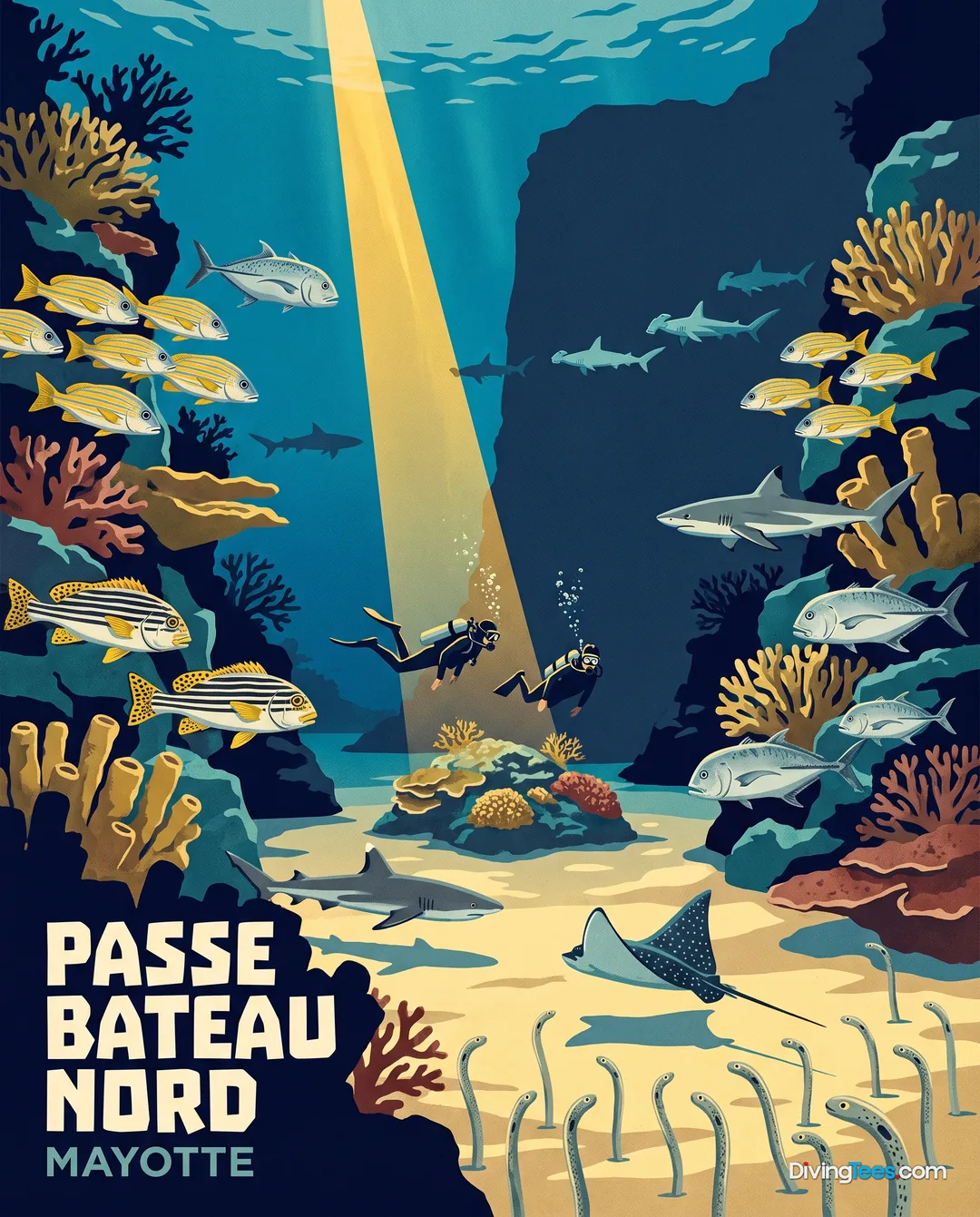
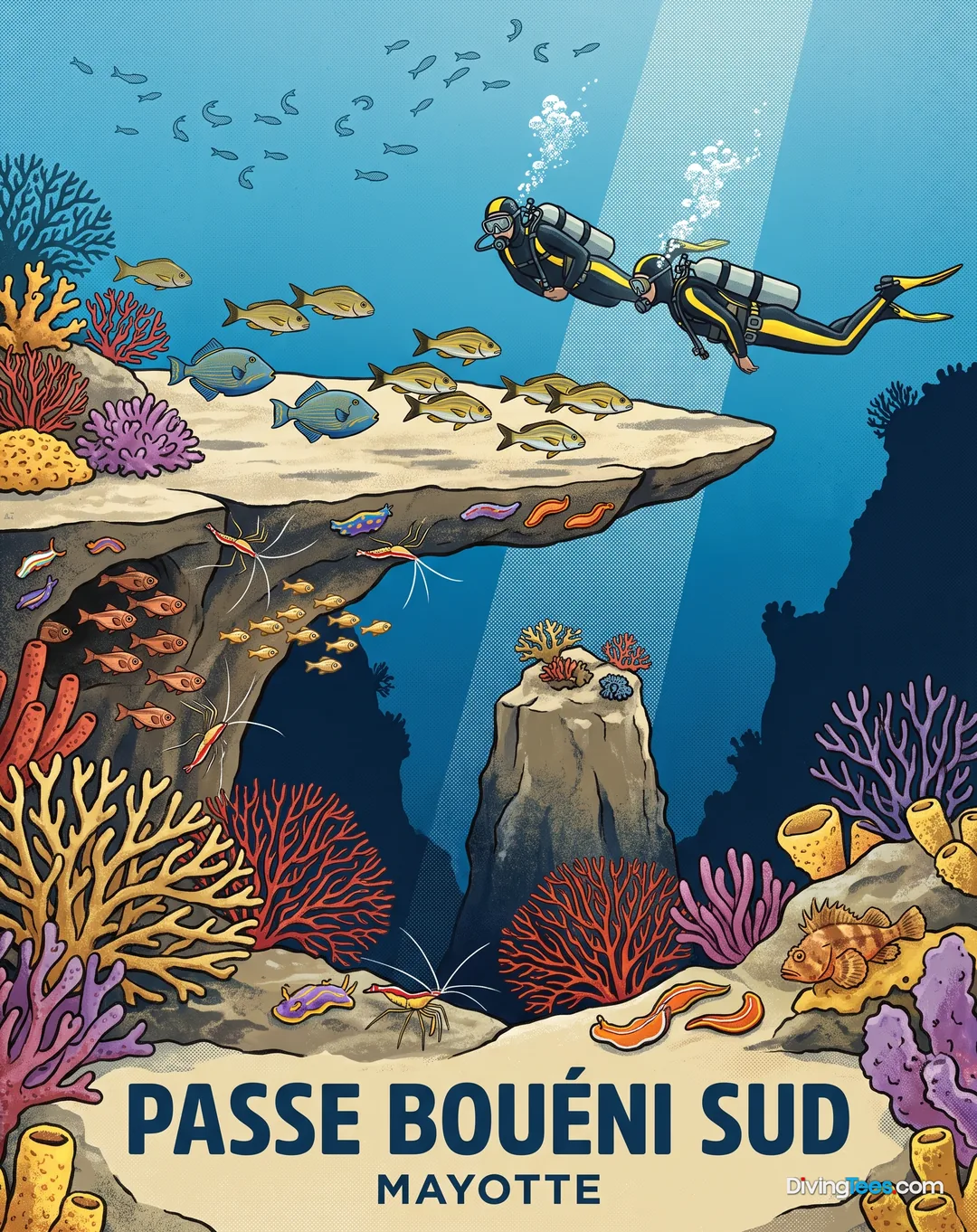
The underwater character changes sharply from sheltered-looking coral terrain to exposed pass diving. Chira Lepoe begins on a coral-rich sandbank, follows a slope down to 40 metres and ends in a protected pool. Ranikiki stays shallower, descending from four to 25 metres through a labyrinth of coral-covered blocks. The passes are a different proposition: Passe Bateau South follows a wall from five to 40 metres, while the northern side reaches 70 metres in its deeper sections. Passe Bouéni North combines a 150-metre coral development, sandy plateaux and drop-offs, with some sections reaching 80 metres. Currents can be strong and are checked by instructors before each dive. Expect drift profiles at the passes; the clearer diving window is generally April to September.
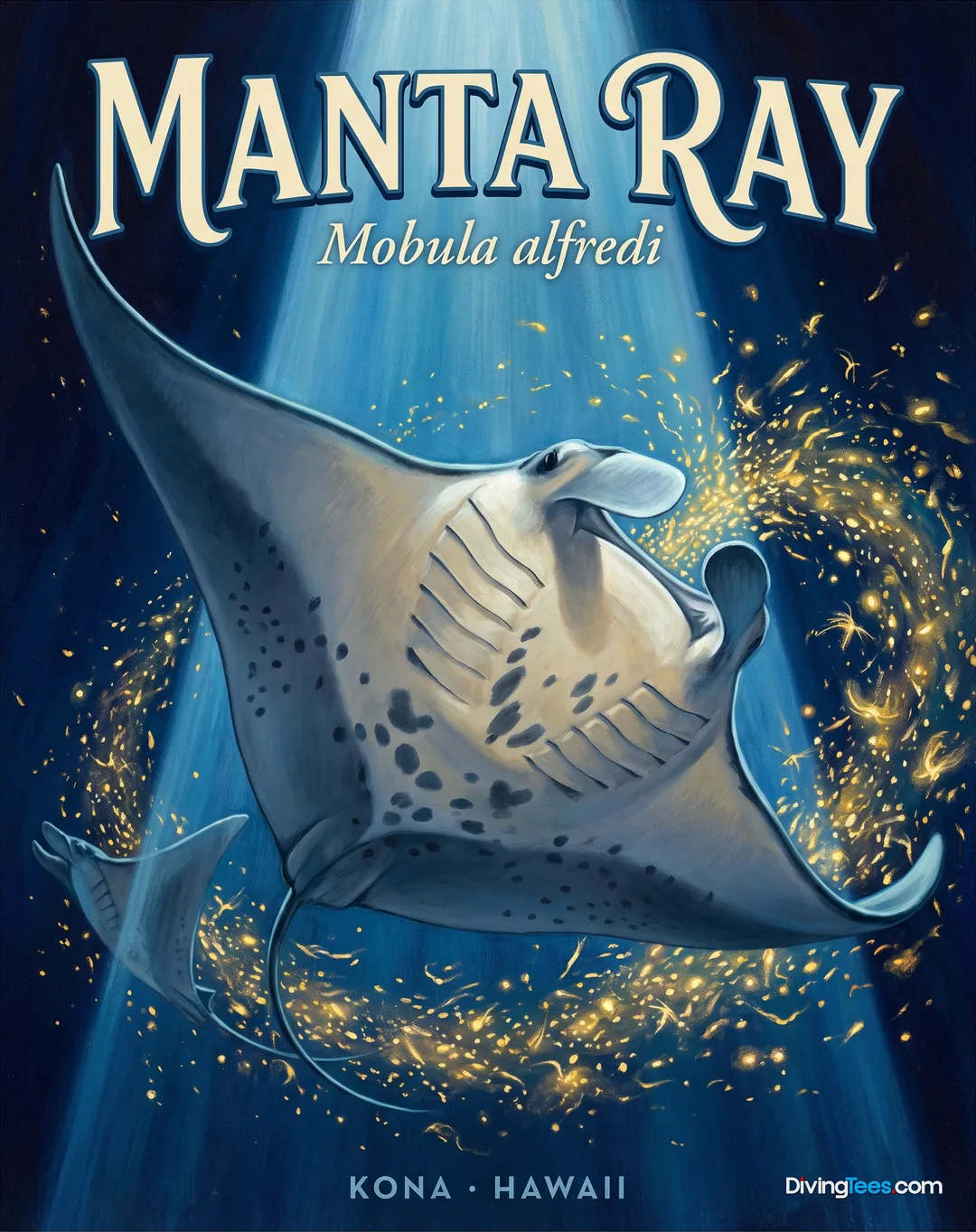
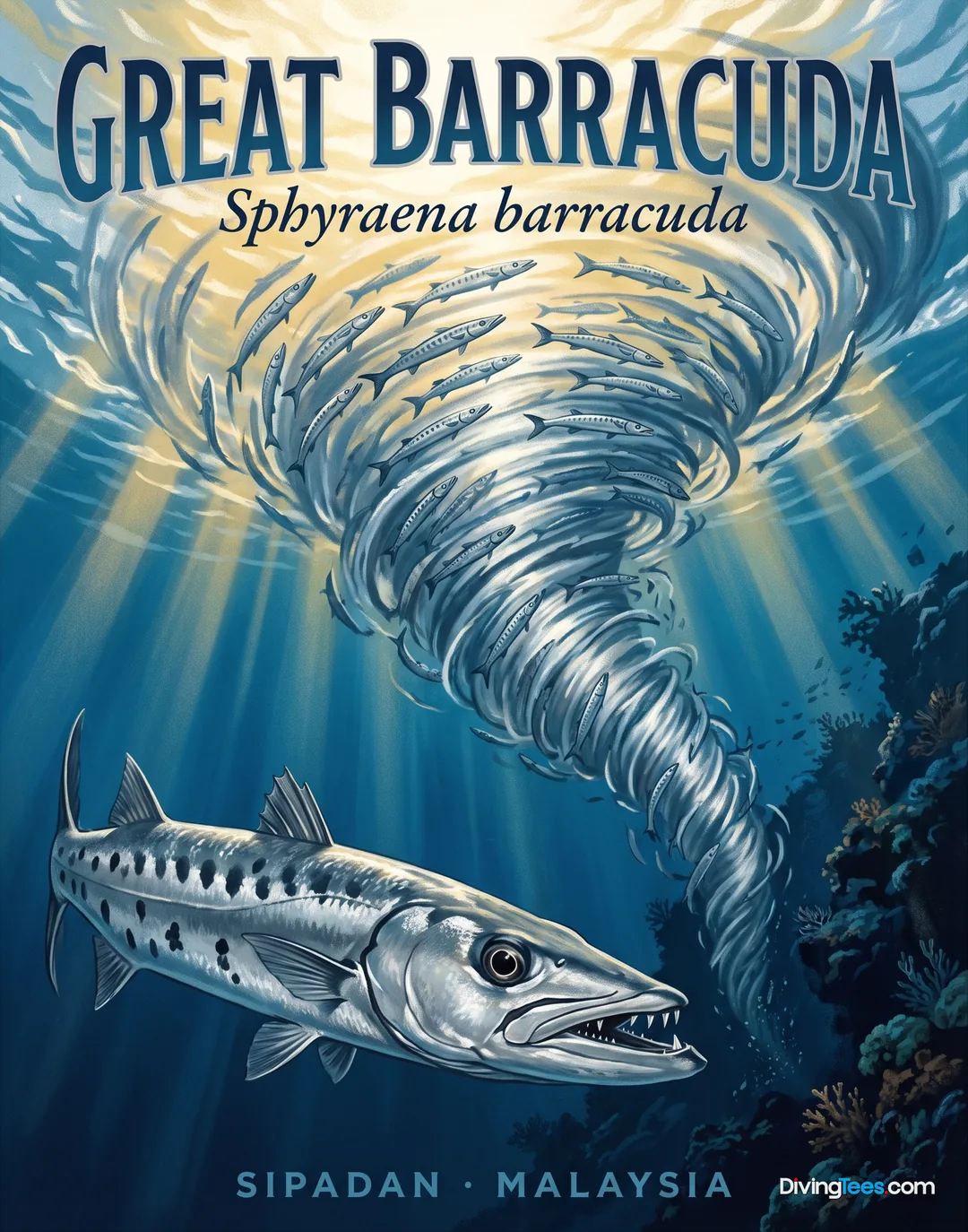
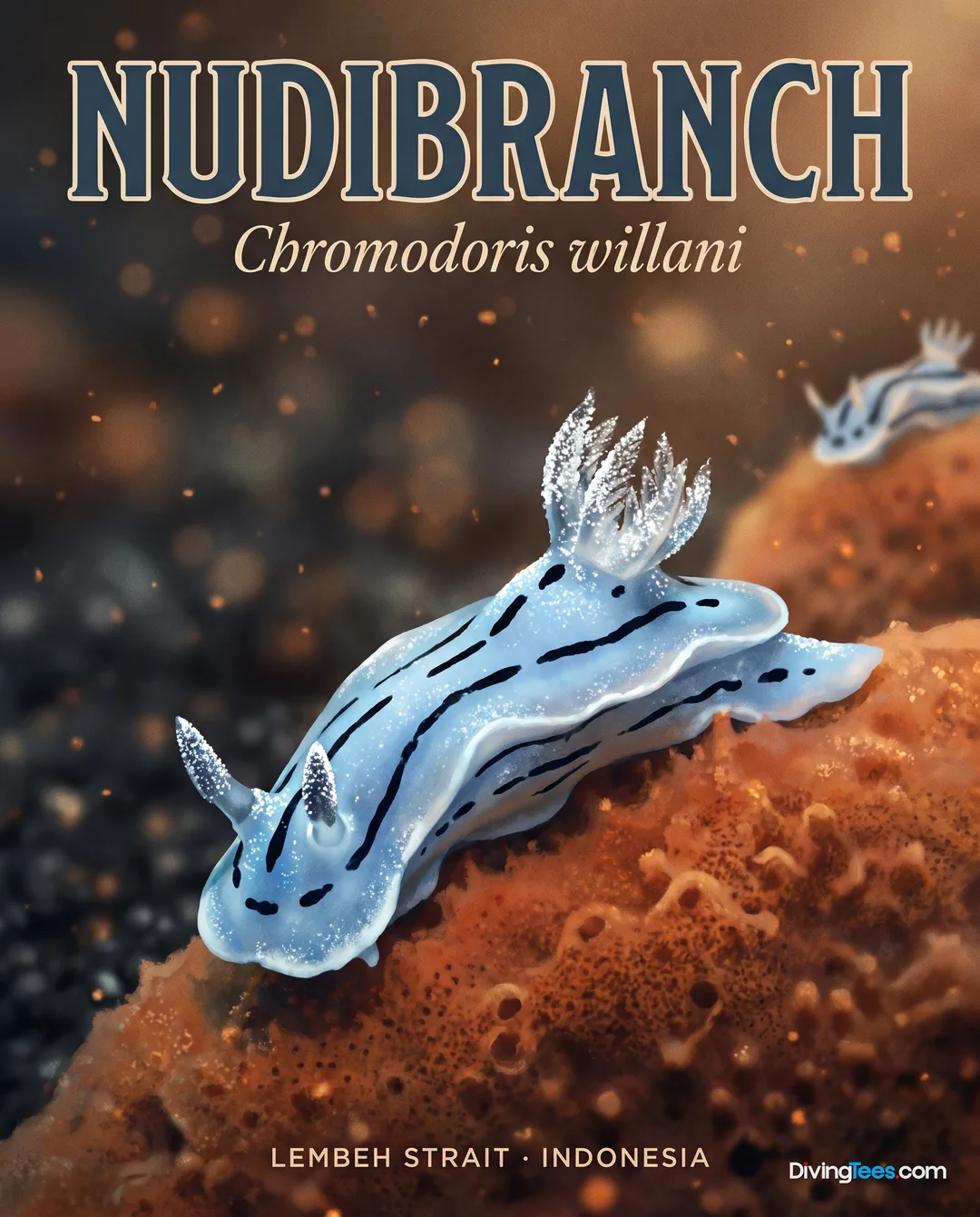
The reef offers both small-scale searching and open-water movement. Ranikiki's coral blocks are a good place to slow down for nudibranchs and colourful polyps, while sponges, moray eels, filefish and blue triggerfish add detail to the reef structure. Shallow coral gardens and plateaux bring fusiliers, snappers and jacks into view, with rays also part of the possible mix. On the more exposed sites, tuna and barracuda may pass over the sandy plateaux, and Passe Bouéni North is noted for its barracuda 'potato'. Various sharks are possible at Passe Bateau North. Seasonal manta rays may appear at Passe Bateau South, adding a pelagic reason to choose the appropriate time of year rather than relying only on reef life.
April to September is the practical season for N'Gouja's more exposed diving. The pass sites describe this period as offering the better conditions, while October to March brings heavier rain and reduced visibility, making deep walls and strong-current profiles less attractive. The distinction matters most at Passe Bateau and Passe Bouéni, where the dive depends on reading the current and holding a sensible line through the profile. The clearer season also gives the best chance of enjoying the walls, plateaux and pelagic encounters without the weather working against the outing. Manta rays at Passe Bateau South are a seasonal possibility, not a year-round expectation.
N'Gouja can accommodate all levels on selected reef profiles. Chira Lepoe, Chira Rani and Ranikiki offer manageable shallower sections, with maximum depths of 40, 30 and 25 metres respectively. Open Water divers can reach the shallower part of Passe Bateau South, but the full wall and current profile demand experience. Advanced training and appropriate depth experience are needed for the deeper sections of Passe Bateau North, Passe Bouéni and Passe Sada. PADI, SSI and BSAC divers should match their qualification and recent experience to the specific site, not simply to the destination name.
For British divers, the journey begins from London Heathrow, London Gatwick or Manchester and must be planned as a complete trip to Mayotte, followed by the local transfer to N'Gouja. The supplied route information does not establish a single airport, airline or flight duration, so connections should be checked as one itinerary rather than assumed from the departure city. Once based in N'Gouja, the centre is not equally close to every outing: Passe Bouéni is 13 kilometres away and Passe Sada 15 kilometres away. Those longer runs should be allowed for when arranging dive days, particularly if several pass dives are planned.
Do not judge a pass by its maximum depth alone. Passe Bateau South has shallower sections suitable for Open Water divers, but the current and full wall profile change the character of the dive. Ask before committing to the deeper part, especially at Passe Bateau North, Passe Bouéni and Passe Sada. Keep Chira Lepoe, Chira Rani or Ranikiki in the plan for a slower day: their coral slopes, gardens and block formations offer worthwhile diving without making every outing a current exercise. At Ranikiki, the detail is in the blocks and nudibranchs, so a measured pace pays off. At the passes, expect the instructor to check the current before departure; that assessment is part of the site's normal planning, not a formality. Treat April to September as the useful window for the exposed sites, and leave flexibility for the 13-kilometre and 15-kilometre runs to Passe Bouéni and Passe Sada.
A sensible N'Gouja stay mixes the area's contrasting profiles rather than repeating the deepest passes. Begin with Chira Rani, Ranikiki or Chira Lepoe to settle into the local reef shapes, then reserve days for Passe Bateau and Passe Bouéni when current checks are favourable. Keep enough time for the longer runs to the distant passes, and use the shallower sites as valuable alternatives when conditions or energy make a demanding drift dive unattractive.
Hello, I'm Marina, DivingDeal.com's AI assistant. I guide you through destinations, areas and countries.
Thinking about the whole trip and the flights? Talk it over with Edith →
Marina is an AI. Some links are affiliate links: DivingDeal may earn a commission, at no extra cost to you. Bookings are made with the partner.
April to September is the practical season for N'Gouja's exposed pass diving, with clearer conditions for walls, plateaux and possible pelagic encounters. From October to March, heavier rain and reduced visibility can make deep walls and strong-current profiles less attractive. Seasonal manta rays at Passe Bateau South are possible, not guaranteed.
N'Gouja has selected reef profiles for different experience levels. Chira Lepoe, Chira Rani and Ranikiki offer manageable shallower sections, while the shallow part of Passe Bateau South can suit Open Water divers. Deeper sections of Passe Bateau North, Passe Bouéni and Passe Sada require appropriate advanced training, depth experience and comfort with currents.
N'Gouja offers coral gardens, sandy plateaux, walls, drop-offs and coral-encrusted blocks. You may find nudibranchs, colourful polyps, moray eels, filefish, blue triggerfish, fusiliers, snappers, jacks and rays. Tuna and barracuda may cross exposed plateaux, sharks are possible at Passe Bateau North, and seasonal manta rays may appear at Passe Bateau South.
Plan a varied N'Gouja stay rather than repeating the deepest passes. Start with Chira Rani, Ranikiki or Chira Lepoe, then schedule Passe Bateau and Passe Bouéni when instructors find the current suitable. Allow time for the longer runs to Passe Bouéni and Passe Sada, and keep shallower sites available when conditions or energy favour an easier dive.