Plongee Pei
Google 4.9/5 (451 reviews)
1.9 km away as the crow flies
La Réunion · Réunion · Indian Ocean
Max. depth · 60 mDescend along the Grand Tombant de la Pointe au Sel, a dramatic vertical drop in Saint-Leu, where powerful currents often bring large pelagics close to the wall.
For subtitles in English: start the video firstthen click the gearat the top right of the video, select “Subtitles/CC”, then “Auto-translate” and choose “English”.
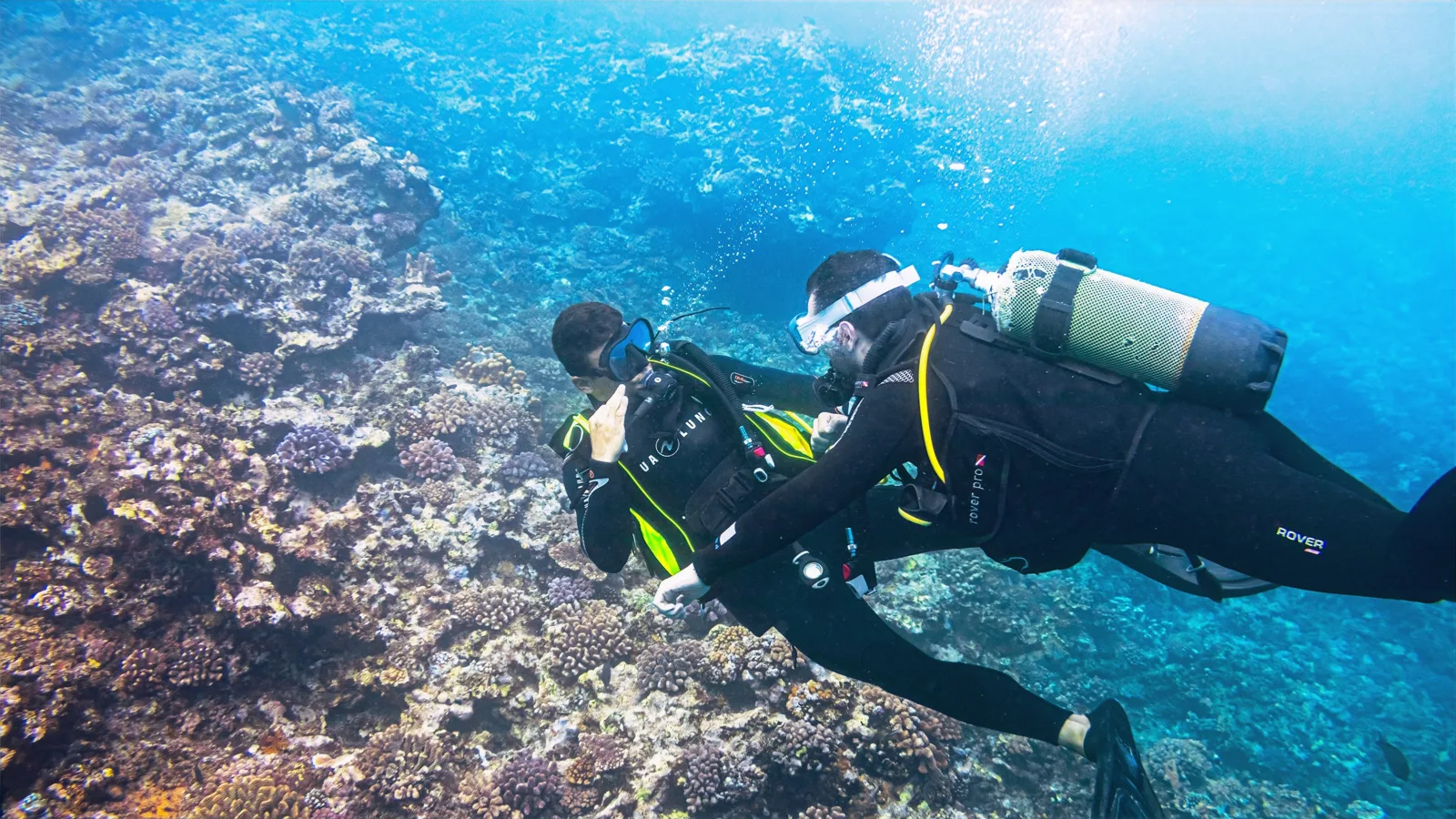
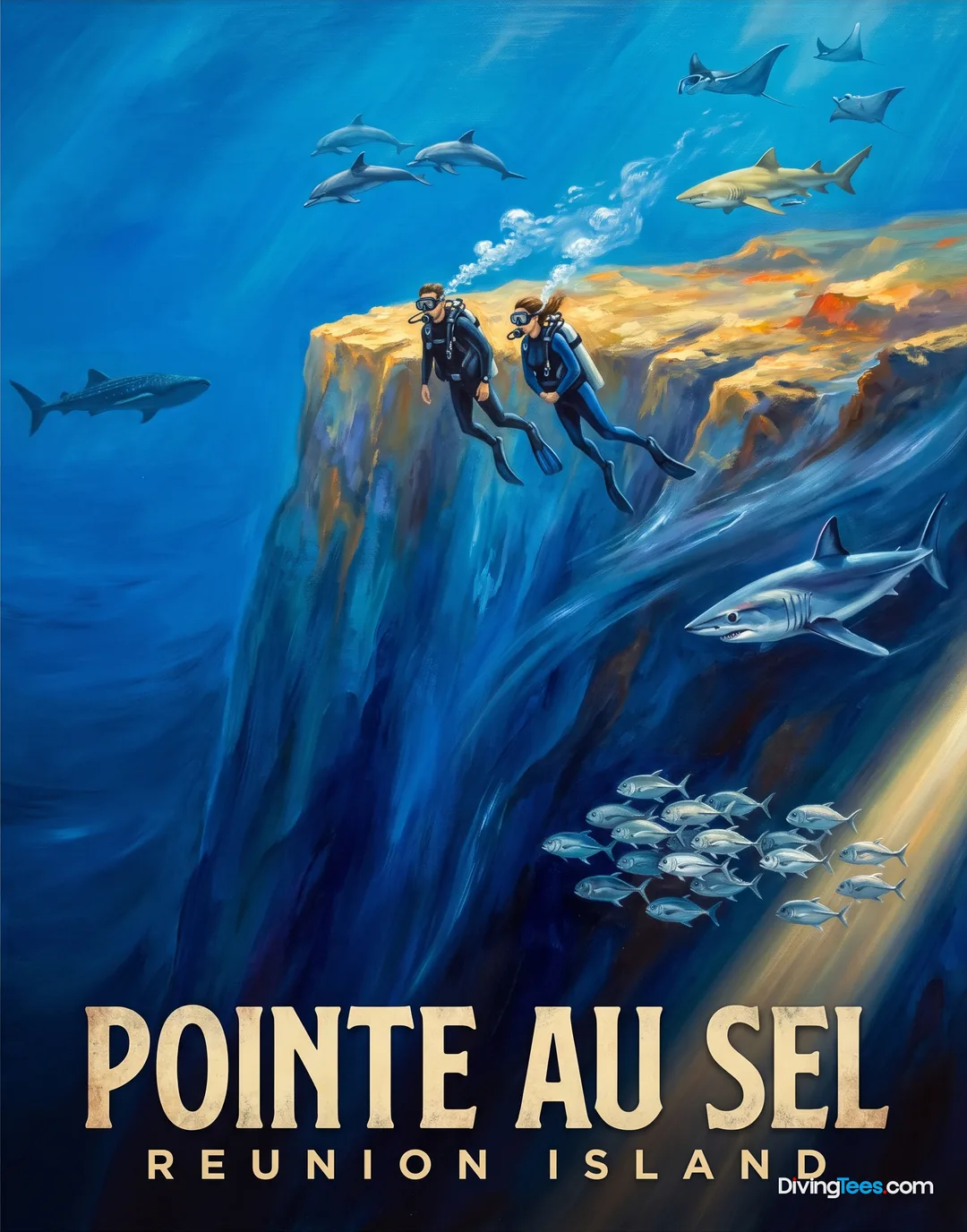
The Grand Tombant de la Pointe au Sel is a dive that begins with an immediate sense of scale, a sheer drop into the blue that local divers speak of with reverence. You’ll begin your descent over the edge of this vertical reef, feeling the water column open up beneath you as the sunlight from the surface slowly gives way to the deeper blues. This isn't a gentle slope, but a true 'tombant' — a precipitous wall that demands attention and respect from the moment you enter the water, setting the tone for the adventure that awaits.
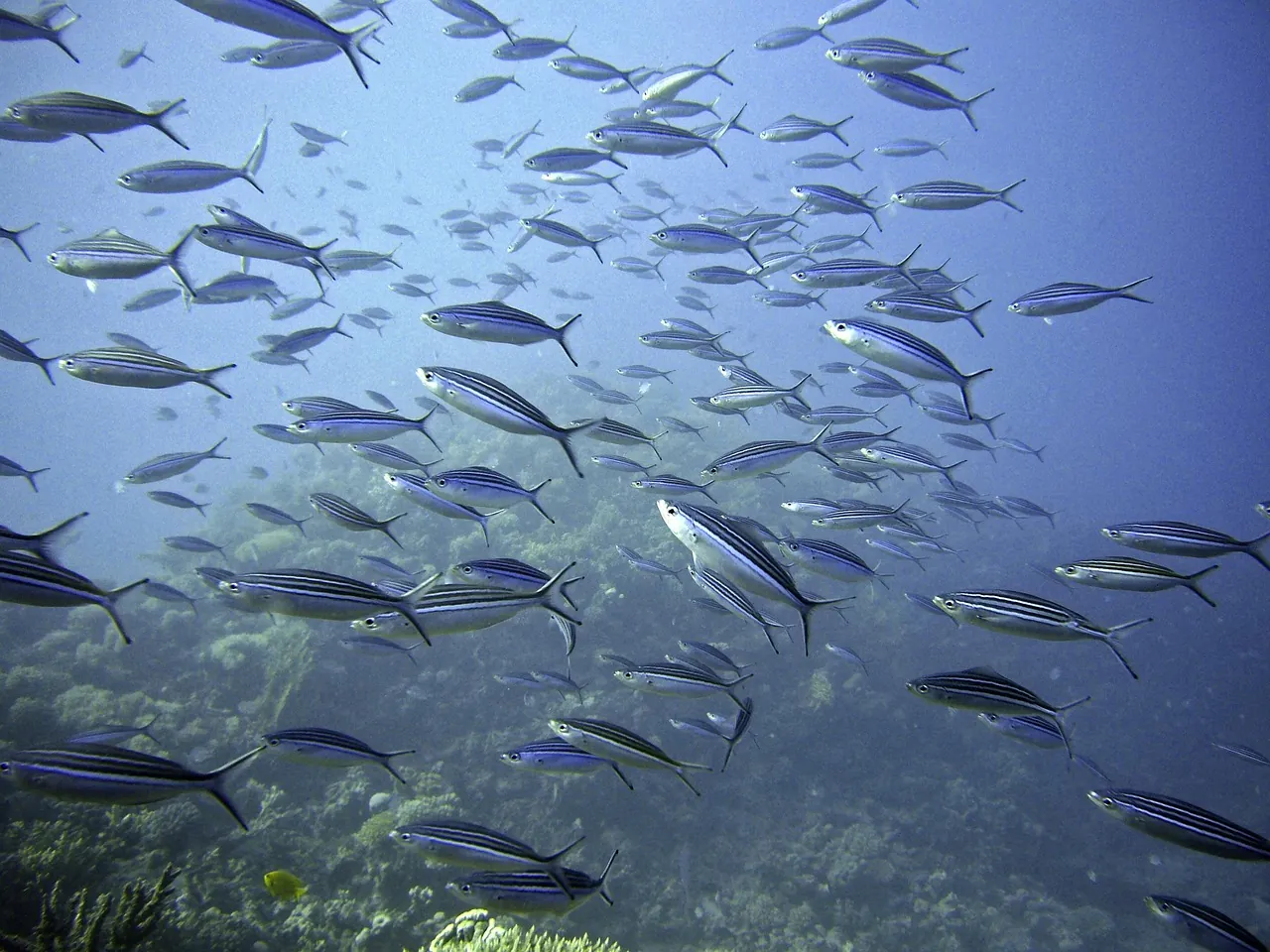
As you follow the contour of the wall, often swept by invigorating currents, the abundance of life becomes immediately apparent. Schools of sleek trevally (Carangues) move with purpose, their scales flashing as they navigate the currents. You might encounter powerful tuna (Thons) slicing through the water, indicators of a thriving open-ocean environment. Keep an eye out for triggerfish (Poissons cochers), whose distinctive shapes and colours add to the tapestry of reef life, often seen actively feeding along the reef face.
The currents are a defining feature of this site, often exposing the Grand Tombant to a dynamic flow that fuels its rich ecosystem. This exposure is precisely why you'll witness such a concentrated display of marine activity, as pelagic species are drawn to these nutrient-rich conditions. The water movement demands good buoyancy control and an understanding of how to use the current to your advantage, allowing you to drift gracefully along the wall and observe the vibrant interactions unfolding around you.
Towards the end of the dive, as you begin your ascent, the upper section of the tombant transitions into a colourful plateau. This shallower area, still teeming with vibrancy, acts as a natural decompression stop and a final flourish to the dive. Here, the light penetrates more deeply, illuminating a different array of reef inhabitants and making for a rich, busy environment. It’s a rewarding contrast to the deep blue of the wall, offering diverse encounters before you make your way back to the surface.
The Grand Tombant de la Pointe au Sel is accessible for divers with a PE40 certification. The dive offers a descent from a minimum depth of 30 metres down to a maximum of 60 metres. This site is frequently exposed to currents, which contribute to its thriving marine life but also require experienced handling. While no specific best period is noted for this site, the regional conditions suggest diving is good year-round, with April to November offering better visibility.
You can dive Grand Tombant de la Pointe au Sel throughout the year according to regional conditions. Visibility is better from April to November. The site’s conditions can vary with its frequent currents, so you should also consider your experience with moving water when planning this dive.
Grand Tombant de la Pointe au Sel is accessible to divers with a PE40 certification. Because the site descends along a vertical wall and is frequently exposed to currents, you need experienced handling, good buoyancy control, and an understanding of how to use the current while drifting along the reef.
Grand Tombant de la Pointe au Sel begins at a minimum depth of 30 metres and descends to a maximum of 60 metres. The dive follows a dramatic vertical reef wall into deeper blue water, before the upper section transitions into a shallower, colourful plateau for safety stops.
Grand Tombant de la Pointe au Sel is frequently exposed to dynamic currents that attract pelagic species and require careful handling. You may encounter large schools of trevally, powerful tuna, triggerfish, and vibrant reef life along the wall, then finish over a colourful plateau illuminated by stronger light.