


Divinguru Nilaveli
Google 4.9/5 (887 reviews)
3.6 km away as the crow flies
Trincomalee · Sri Lanka · Indian Ocean
Max. depth · 15 mWhite Rock offers a diverse reef structure, from vibrant coral gardens to rocky surfaces, attracting a wide array of stingrays and schools of fish in a compact area.
White Rock presents a dynamic and varied underwater landscape, making it a site you can spend repeated dives exploring. The topography shifts between extensive rocky surfaces and areas dense with both soft and hard coral, creating a rich habitat. This isn't a site where you cover great distances; instead, it encourages a more focused approach, allowing you to thoroughly explore its nooks and crannies to appreciate the high diversity of marine life concentrated within a relatively contained area. The maximum depth of 15 metres keeps bottom time generous, giving you ample opportunity to observe the intricate details of this vibrant ecosystem.
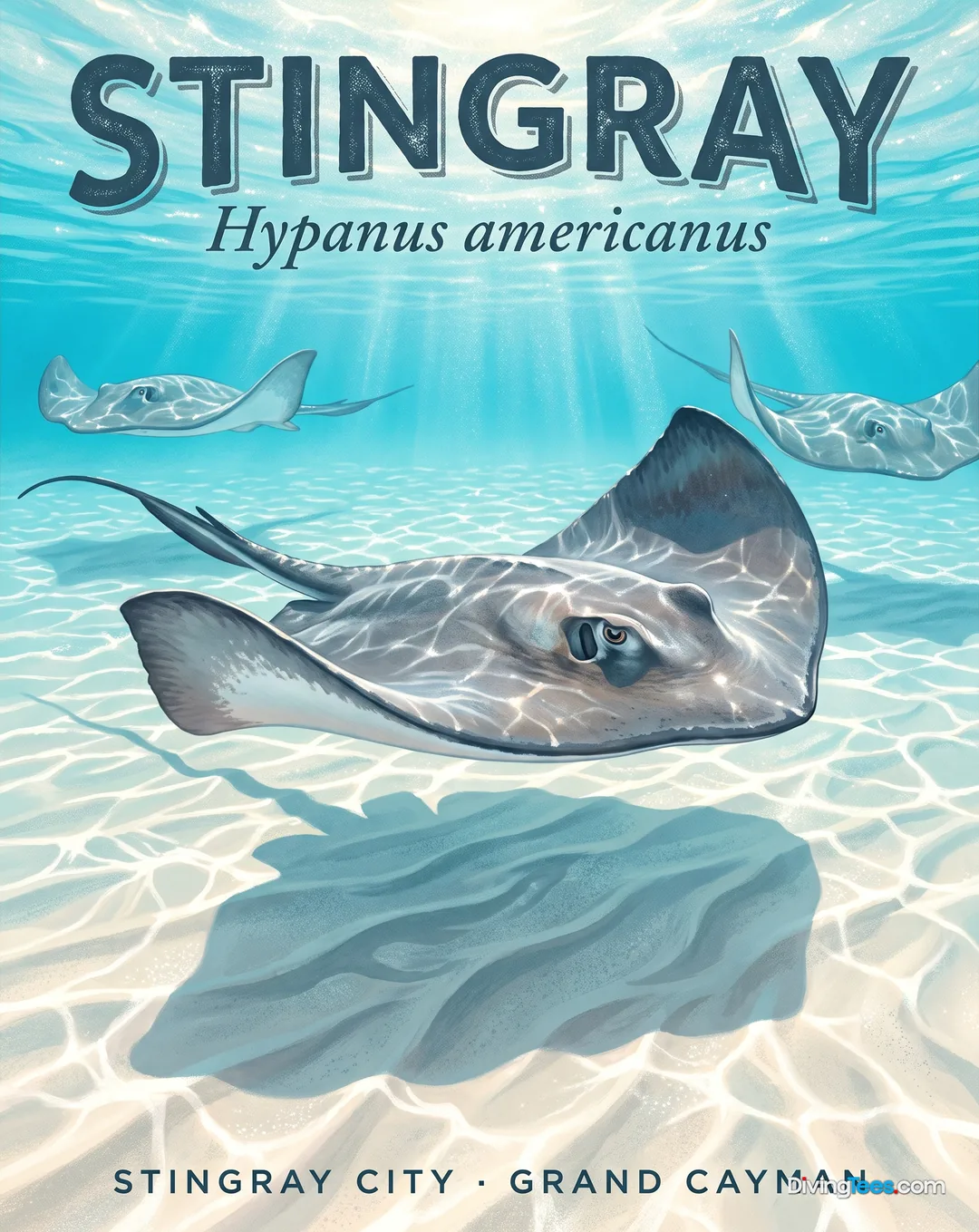
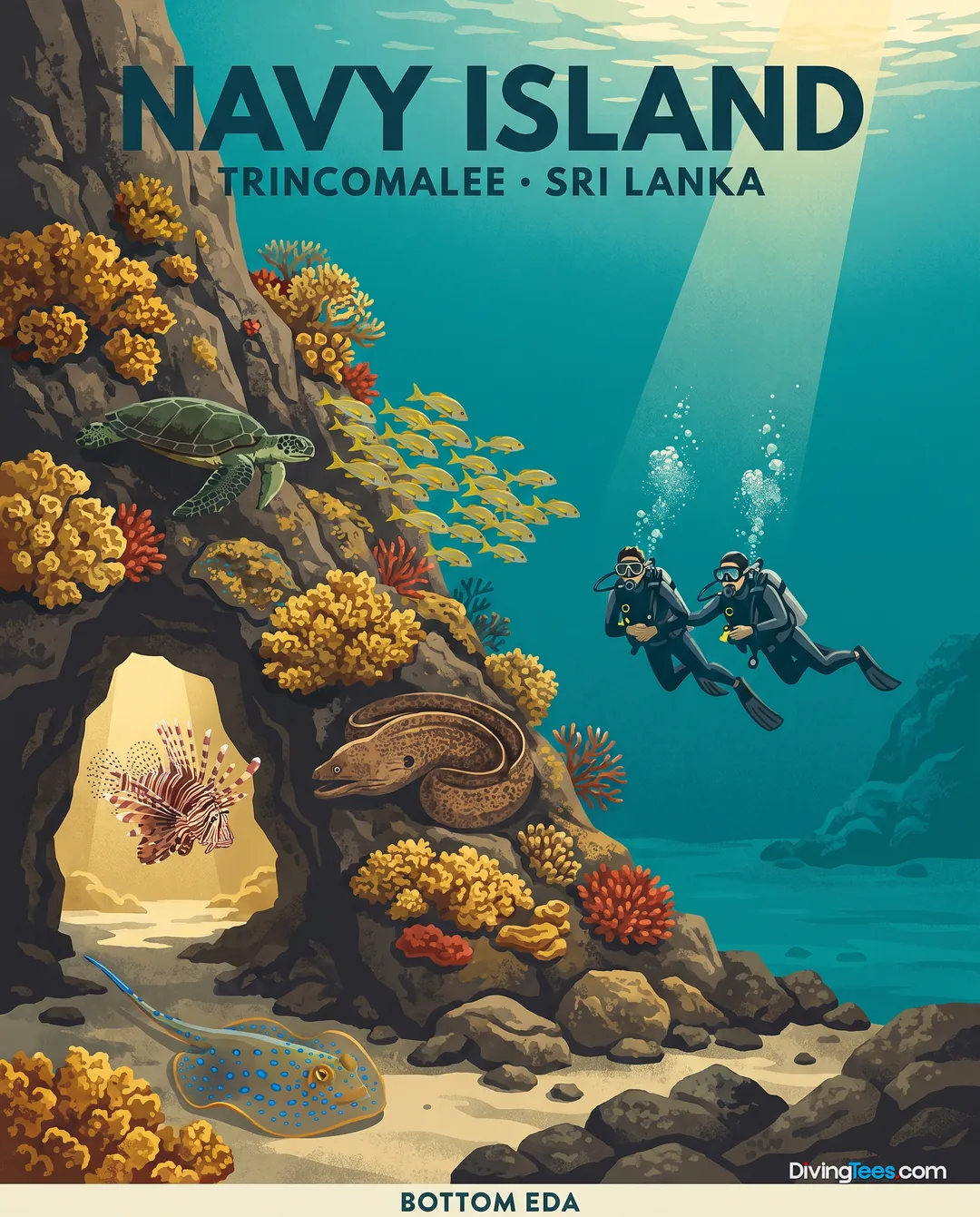
The reef at White Rock is particularly notable for its ray population. You’ll frequently encounter various species of stingrays, including the Blue Spotted Sting Ray, Giant Ray, and Panther Torpedo Ray, which often rest on the sandy patches or cruise just above the reef. Beyond the rays, you’ll find large schools of reef fish that congregate and move together, creating shifting curtains of colour. This constant activity makes it a prime spot for underwater naturalists who prefer observing complex interspecies dynamics rather than just ticking off a checklist of isolated creatures.
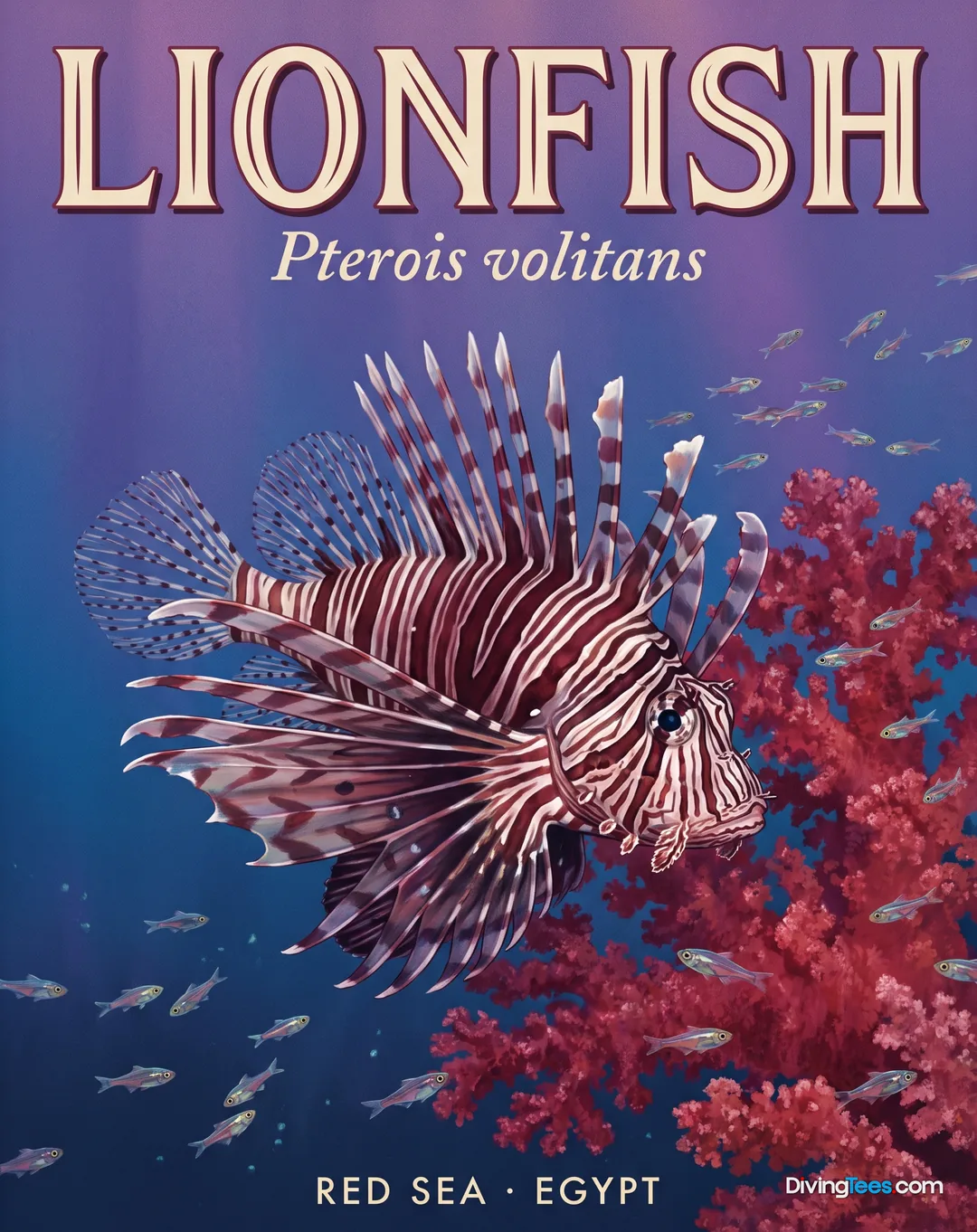
As you navigate the site, you'll encounter numerous anemones, often hosting resident clownfish, adding to the visual spectacle. The rocky terrain provides shelter for larger inhabitants, with Giant Moray Eels frequently seen peeking from their crevices. Barracudas are also a common sight, often patrolling the edges of the reef, while lionfish are typically found tucked away, showcasing their distinctive finnage. This density of marine life in distinct micro-habitats within a single site is one of White Rock's defining characteristics.
Visibility at White Rock generally holds consistently good, which is an advantage given the site's expansive reef structure and the sheer volume of marine interaction happening. This clarity allows for clear observation of the diverse coral formations and the many species that call them home, from the smallest coral fishes to the larger pelagic visitors like barracuda. The dive here is less about navigating complex structures and more about detailed observation of a thriving, well-populated reef environment.
White Rock offers dives between 10 and 15 metres. It is accessible from Open Water Diver level. While specific current details for the site aren't always consistent, the regional waters generally experience weak to moderate currents. Visibility is typically good overall.
White Rock is accessible from Open Water Diver level, making it suitable if you hold that certification. The dive runs between 10 and 15 metres, with a maximum depth of 15 metres. This depth can allow extended bottom time while you explore the reef’s rocky surfaces, coral areas, and sheltered spaces.
Specific current details at White Rock are not always consistent. The regional waters generally experience weak to moderate currents, so you should be prepared for some water movement while diving. Visibility is typically good overall, helping you observe the reef and its marine life clearly despite changing current conditions.
At White Rock, you can encounter a high diversity of stingrays, including Blue Spotted Sting Rays, Giant Rays, and Panther Torpedo Rays. Large schools of reef fish move across the reef, while anemones, clownfish, Giant Moray Eels, barracudas, lionfish, and varied hard and soft corals add further interest.
White Rock is best explored with a focused approach rather than by covering great distances. Extensive rocky surfaces, sandy patches, and areas of hard and soft coral create concentrated habitats to inspect. You can examine reef nooks and crannies, watch marine interactions, and spend time observing its varied underwater life.