


Divinguru Nilaveli
Google 4.9/5 (887 reviews)
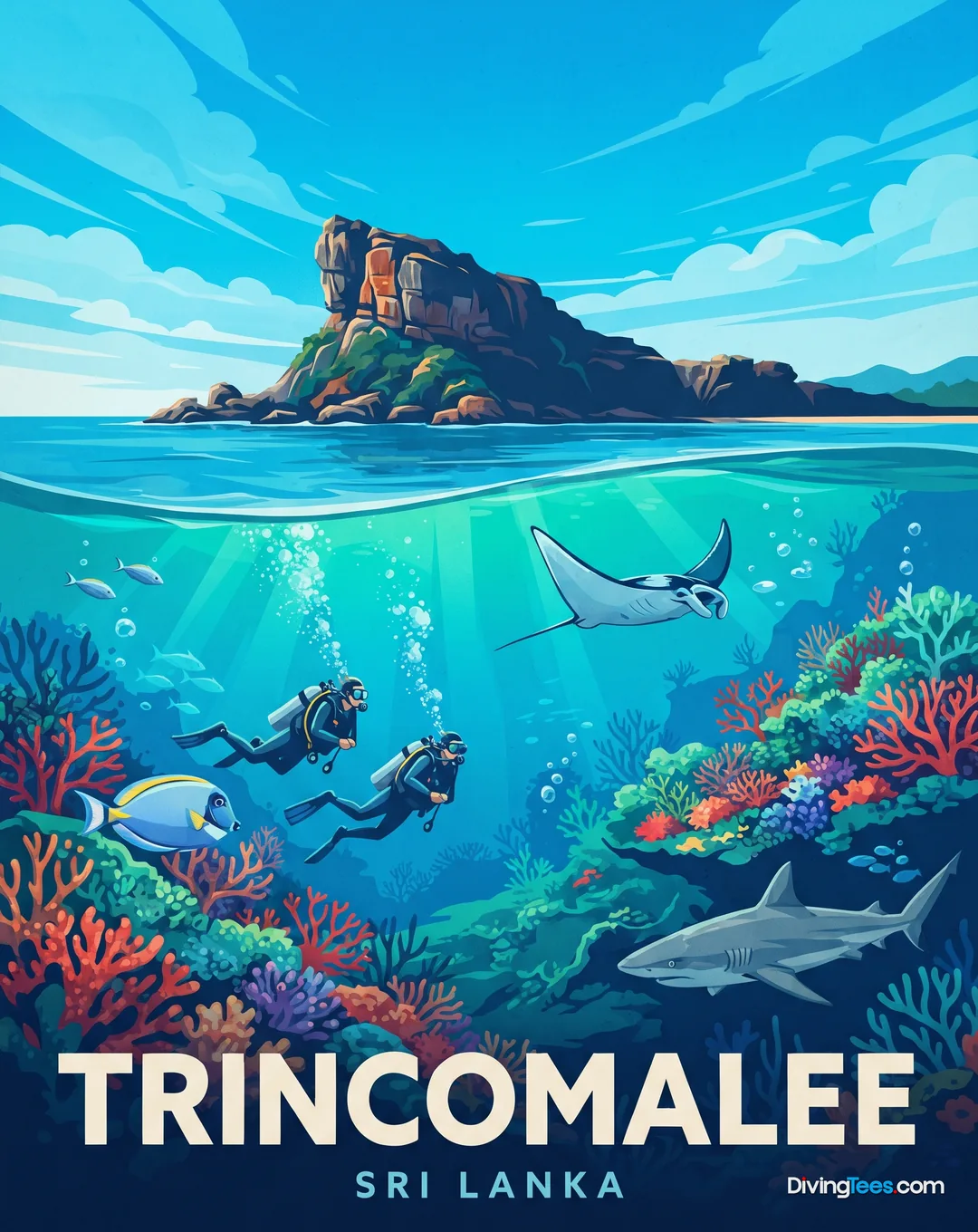
Trincomalee · Sri Lanka · Indian Ocean
Max. depth · 14 mExplore the peaceful remains of a 19th-century British iron sailing ship, the Earl of Shaftesbury, resting at 14 metres on a sandy seabed just off Trincomalee.
The Earl of Shaftesbury is an iron sailing ship, an 85-meter four-master built in the late 19th century that found its resting place off the coast of Trincomalee in May 1893. While salvage efforts and time have taken their toll, significant sections of the wreck remain. You'll find yourself descending onto a flat, sandy bottom, with the wreck spread across it, an experience distinct from the dense steel structures found elsewhere in the region.
As you approach the 14-meter mark, the outline of the Earl of Shaftesbury starts to take shape beneath you. Portions of the hull, some mast sections, and cabin sides are clearly visible. The wreck structure has settled over more than a century, creating a series of elegant forms and textures that are now widely colonized by marine growth. This provides a natural canvas for a variety of reef fish and invertebrates, creating many photographic opportunities beyond the sheer size of the wreck itself.
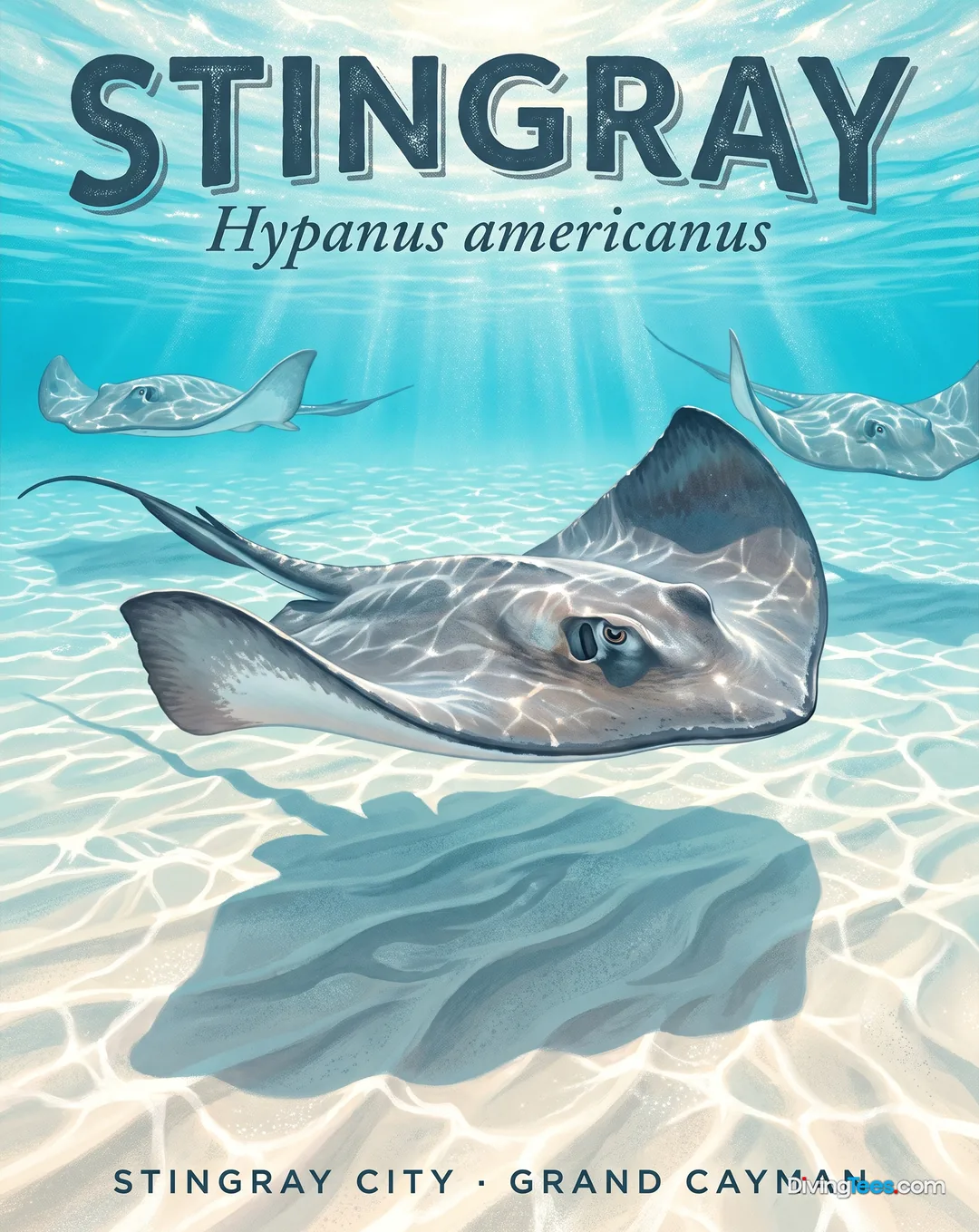
Moving through the site, you'll encounter groups of native sweetlips and silver batfish weaving through the aged structures. Keep an eye out for larger stingrays often resting on the sandy bottom around the wreck, a common sight here. The overall calm conditions and good visibility typically found at the site enhance these encounters, allowing for unhurried observation and photography of the resident fauna in their habitat.
The site hosts a diverse array of smaller inhabitants beyond the larger fish. Numerous nudibranchs and other small creatures are found nestled within the wreck's crevices and on the growth-covered surfaces. For those with an eye for detail, the calm environment makes it an ideal spot for macro photography. You can spend a good hour exploring the entirety of the wreck and its surrounding sandy areas without feeling rushed, even at this relatively shallow depth.
Unlike the more dramatic, imposing wrecks found deeper, the Earl of Shaftesbury offers a quiet, almost artistic dive. The exposed skeleton of the ship creates striking silhouettes against the clear water, a peaceful contrast to the hustle of more active reef sites. This unique atmosphere sets it apart, providing a different kind of wreck diving experience that focuses on the subtle beauty of marine life reclaiming a man-made structure.
This site is accessible from a minimum depth of 12 metres down to 14 metres on a sandy bottom, making it suitable for beginner divers. Current here is typically weak, offering calm conditions for exploration. Visibility is generally good, enhancing the overall experience. The best time to dive this specific area of Sri Lanka, off the East Coast, is between April and October.
You can dive Earl of Shaftesbury between April and October, the best time for this area off Sri Lanka’s East Coast. During this period, generally good visibility helps you appreciate the wreck, its marine growth, and the reef creatures living among its remaining structures.
Earl of Shaftesbury is suitable for beginner divers. You descend onto a sandy bottom and explore the wreck from twelve to fourteen metres, where portions of the hull, masts, and cabin sections remain visible. Its relatively shallow depth also allows longer bottom time for a relaxed exploration.
At Earl of Shaftesbury, the current is typically weak, creating calm conditions for exploration. You can move across the sandy bottom and around the wreck without feeling rushed, while generally good visibility supports unhurried observation. These conditions also suit divers interested in macro photography and smaller marine life.
At Earl of Shaftesbury, you can see portions of an historic iron sailing ship, including the hull, masts, and cabin sections. Stingrays rest on the sandy bottom, while native sweetlips, silver batfish, and Fosters barracuda move around the wreck. Look closely for nudibranchs and other small reef creatures.