 Dive centre in the hotel
Hotel Priscapac Resort & Apartments
Google 4.3/5 (366 reviews)
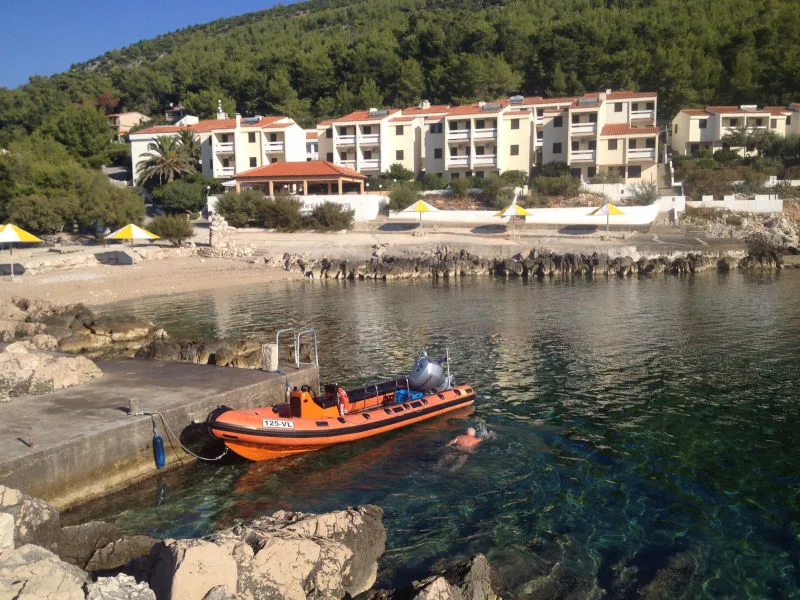
The dive centre
Priscapac Diving Center
SDI · TDI
Google 4.7/5 (53 reviews)
Croatia · Mediterranean
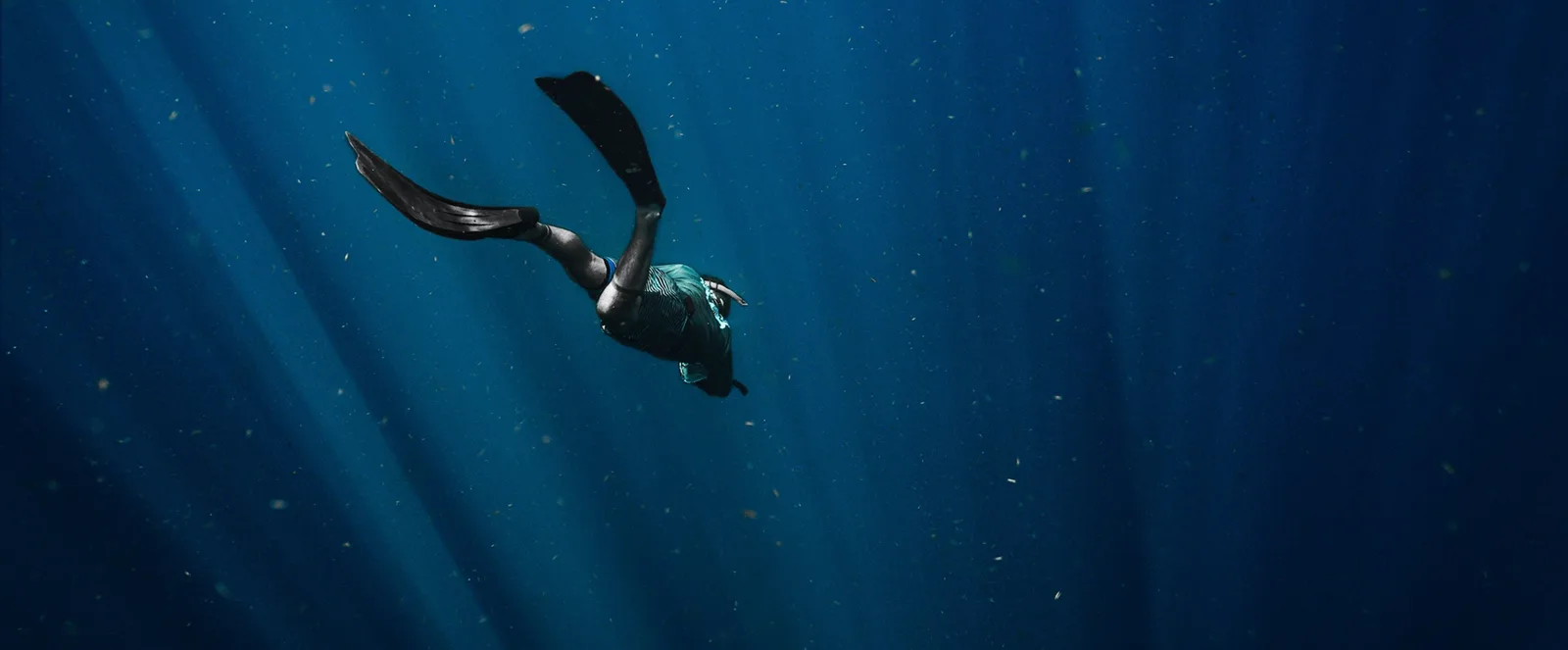
Rocky walls, small caves, seagrass beds and the Pakleni islands give Hvar a distinctly Adriatic mix of coastal and boat diving.
For subtitles in English: start the video firstthen click the gearat the top right of the video, select “Subtitles/CC”, then “Auto-translate” and choose “English”.
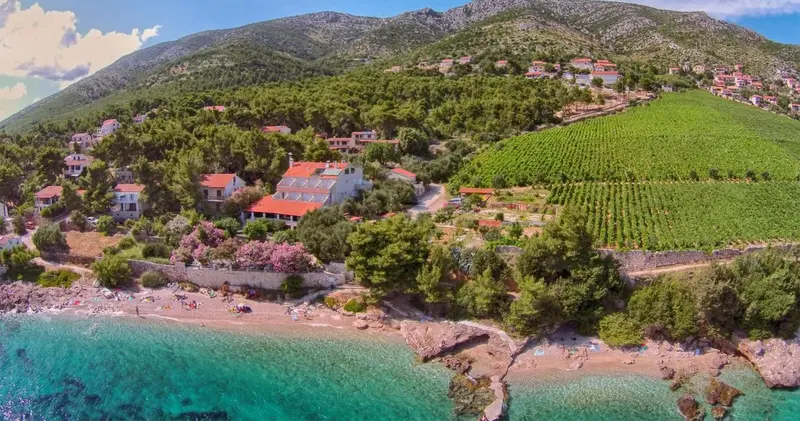
Rocky walls drop away from Hvar’s coast, while small caves, shallow reefs and seagrass beds add variety before the boat heads towards the Pakleni islands. This is a place for a proper land-based diving holiday rather than a liveaboard-only itinerary. Hvar Town and Stari Grad offer different starting points, and the island gives a non-diving companion plenty to do between outings. Expect a flexible Adriatic trip shaped by boat access, weather and the choice of coastline.
The underwater landscape is mostly hard limestone relief: rocky reefs, walls, small caves, shallows and isolated features reached by boat. The Pakleni islands, the Kabal area and several southern capes are the sort of places that justify a longer outing, with the boat taking you beyond the simplest shore entries. Currents are variable rather than a constant feature, so a site may be a relaxed coastal dive on one day and less straightforward when conditions change. There is no single Hvar profile: easy, shallow terrain sits alongside deeper walls and cavities that need more judgement. Visibility is often especially clear from April to June, although it varies by site and conditions. Most diving is organised as day trips from Hvar Town or Stari Grad, mixing local shore dives with boat excursions to reefs and islands.
On the rocky reefs, look for the ordinary but engaging cast of Adriatic diving: fish moving over the stone, octopuses tucked into holes, crabs in cracks and nudibranchs on the rock. Seagrass beds bring a softer texture to the underwater scene, contrasting with the walls and small caves around the island. The attraction is close observation rather than a promise of large pelagic encounters. Marine life is encountered across the diving season, while the clearer spring water can make a slow search of reef detail and nudibranchs particularly rewarding. Ask locally which habitat suits the day, since the character of a shallow grass bed is quite different from a boat dive along a wall.
Hvar’s organised diving season runs from spring into autumn. May, June, September and October are the sensible compromise months: the island is quieter than in high summer, boat traffic is lighter, and the diving programme is still practical. April to June is particularly appealing when clear water matters, while July and August bring the most dependable holiday activity but also the greatest concentration of leisure boats around Hvar Town, the Pakleni and popular anchorages. November to March is a poor fit for a straightforward diving holiday, with much less organised activity. In summer, an early departure is worthwhile. It puts the popular sites ahead of the day’s boat traffic and leaves more room for a calm surface interval.
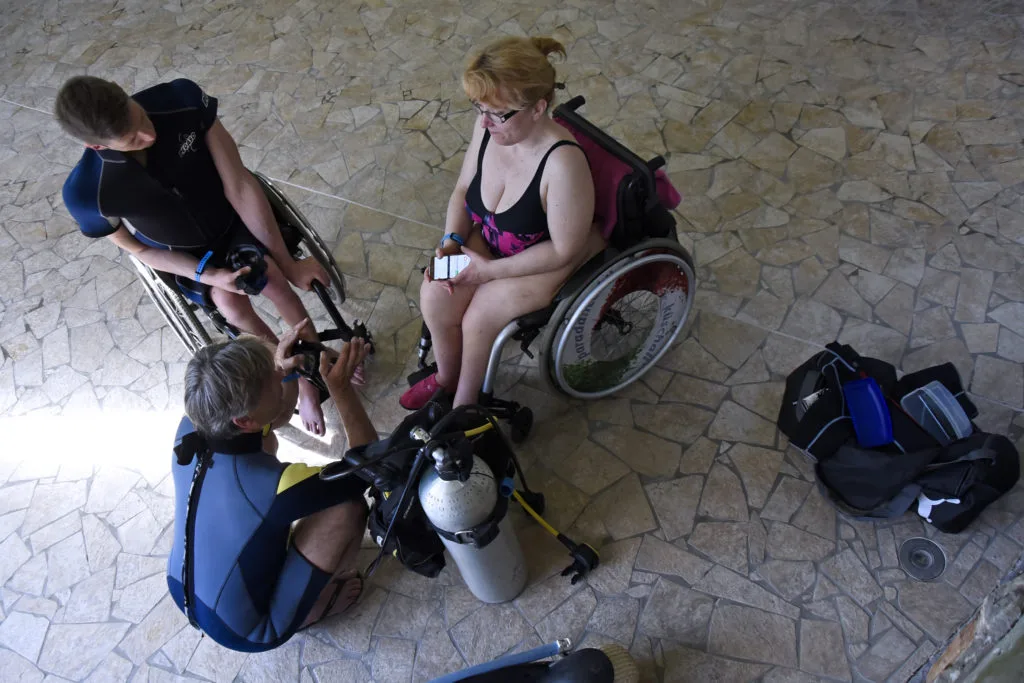
Hvar can suit beginners, newly qualified divers and experienced divers, provided the site matches the diver rather than the other way round. PADI, SSI and BSAC qualifications should be understood locally in the usual way, but the important question is the planned terrain. Shallow reefs are one thing, while walls, deeper water and small cavities demand better buoyancy, comfort and situational awareness. Caves here should mean guided, suitable cavities, not overhead cave diving without the relevant training. Let the local team match the outing to recent experience and current conditions.
From London Heathrow, London Gatwick or Manchester, travel first to Split, then continue by sea. A passenger catamaran to Hvar Town usually takes less than an hour, while the vehicle ferry from Split to Stari Grad takes about two hours. There is no commercial airport on Hvar, so the ferry connection is part of the journey, not a minor final transfer. Another route is to reach Drvenik and take the vehicle ferry to Sućuraj, a crossing of roughly 35 to 40 minutes, then drive across the island. Catamarans also serve Jelsa and other ports seasonally. Allow time for the air-to-ferry connection and ferry capacity, particularly in summer. Once on Hvar, walking works well near a harbour-based centre; taxis or a car are more useful between villages and ports.
Decide on the base before booking the accommodation. Hvar Town is the practical starting point for the Pakleni and south-western outings, while Stari Grad serves different parts of the coast, and moving between them adds road time. If you arrive by ferry at Stari Grad, do not assume you have arrived in Hvar Town. In July and August, book boat days ahead and avoid putting every dive around the Pakleni at midday, when leisure traffic is busiest. Early departures are the simplest way to reduce that problem. Travelling without a car is workable if the room is within walking distance of the harbour and centre, but taxis become useful elsewhere. Keep a spare day before a ferry home, especially after several diving days. The island’s boat timetable and summer capacity can upset a tightly packed ferry-to-flight connection.
Plan on five to seven days ashore. That gives enough time to combine local diving from Hvar Town or Stari Grad with a boat day around the Pakleni, while leaving space for weather and ferry disruption. Keep a day free for Hvar Town’s fortress and old lanes, Stari Grad and its historic plain, or the southern coves. A boat trip, snorkelling, a walk through the vineyards and local food make useful alternatives when diving is not running.
Hello, I'm Marina, DivingDeal.com's AI assistant. I guide you through destinations, areas and countries.
Thinking about the whole trip and the flights? Talk it over with Edith →
Marina is an AI. Some links are affiliate links: DivingDeal may earn a commission, at no extra cost to you. Bookings are made with the partner.
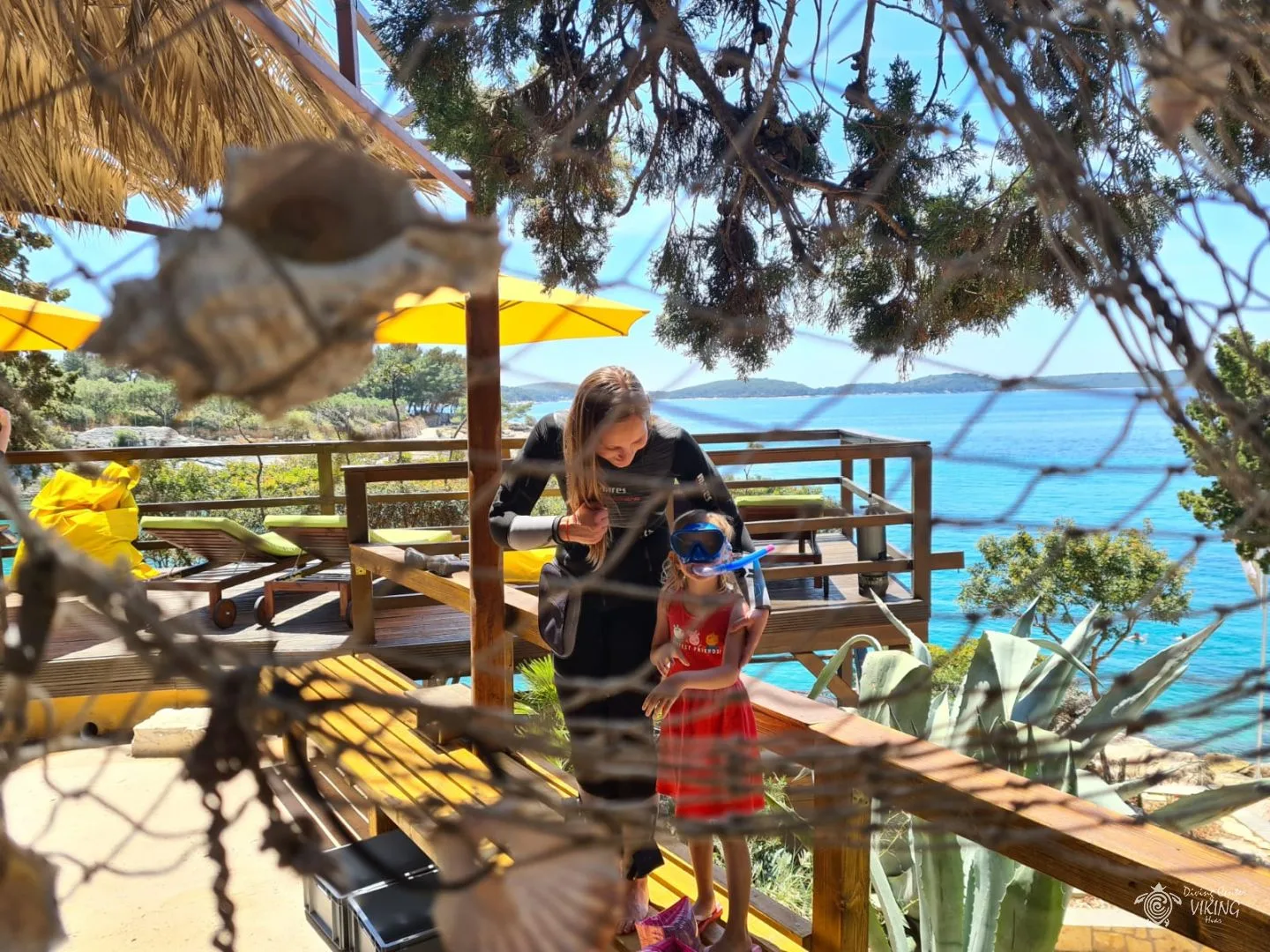
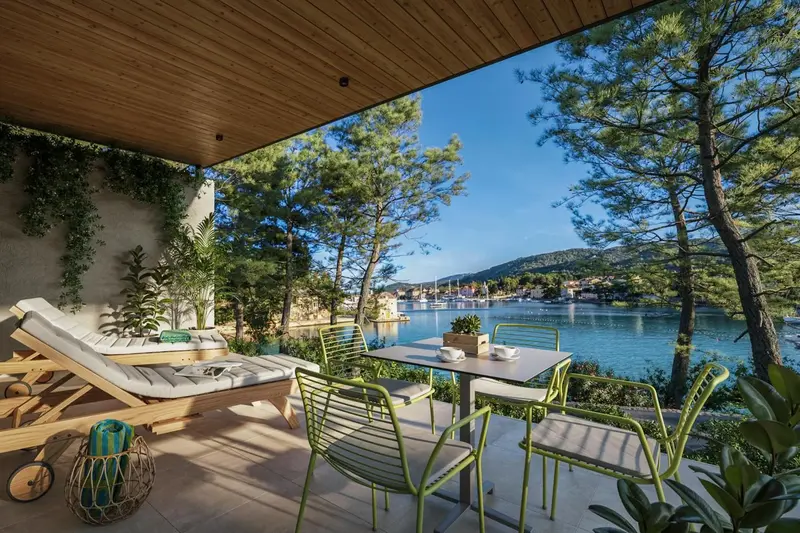
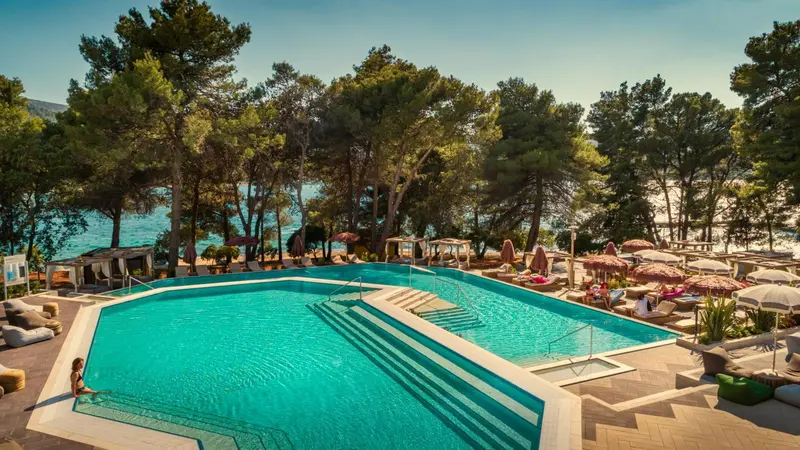
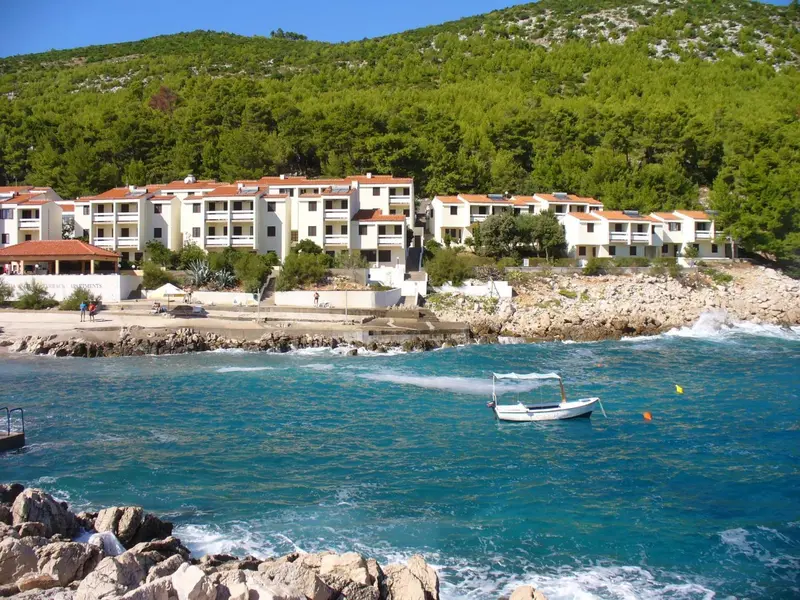
In each one, the dive centre is inside the hotel: step out of your room and go diving.
Dive centre in the hotelGoogle 4.3/5 (366 reviews)
The dive centre
Priscapac Diving Center
SDI · TDI
Google 4.7/5 (53 reviews)
Hvar’s organised diving season runs from spring into autumn. May, June, September and October offer lighter boat traffic and a quieter island while keeping diving practical. April to June can bring particularly clear water. July and August have dependable holiday activity, but popular sites around Hvar Town and the Pakleni are busier.
Hvar suits beginners, newly qualified divers and experienced divers when the site matches your ability. Shallow reefs are approachable, while walls, deeper water and small cavities require stronger buoyancy, comfort and awareness. Treat caves as guided, suitable cavities rather than overhead environments, and let the local team assess conditions and experience.
Diving in Hvar combines rocky reefs, walls, shallow areas, small caves, isolated features and seagrass beds. Around the Kabal area, southern capes and Pakleni islands, you may find fish over stone, octopuses in holes, crabs in cracks and nudibranchs on rock. The appeal is close observation of varied Adriatic habitats.
Plan a land-based stay in Hvar, choosing Hvar Town for Pakleni and south-western outings or Stari Grad for different coastal access. Arrive through Split and continue by catamaran or ferry, allowing time for connections. Combine shore dives and boat trips, reserve summer outings early, and keep space for weather and ferry disruption.