
Diving Center Venus
Google 4.7/5 (241 reviews)
Croatia · Mediterranean
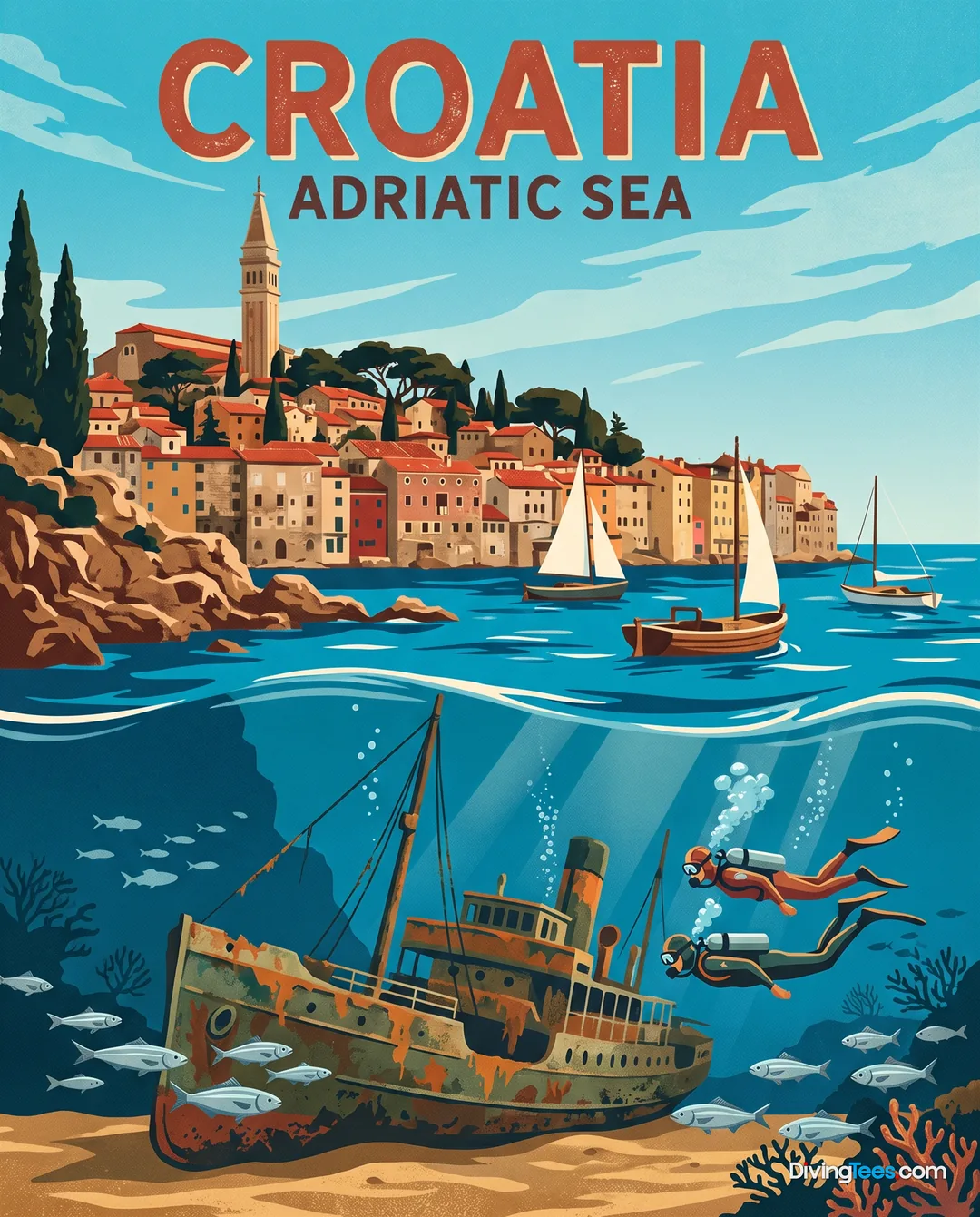
Rocky drop-offs, karst caves, wrecks, octopuses and island passages shape day-boat diving from Split to Brač, Šolta, Hvar and Vis.
For subtitles in English: start the video firstthen click the gearat the top right of the video, select “Subtitles/CC”, then “Auto-translate” and choose “English”.
Split works best as a Dalmatian base rather than a single-site holiday. From the coast and nearby islands, day boats reach rocky walls, canyons, karst caves and wrecks, with Brač, Šolta, Hvar and the more distant Vis extending the range. Shore diving and easier boat sites suit newcomers, while deeper walls, exposed channels and wreck penetration give experienced divers something more demanding. The city also makes sense for a mixed group, with history, beaches and island trips beyond the diving.
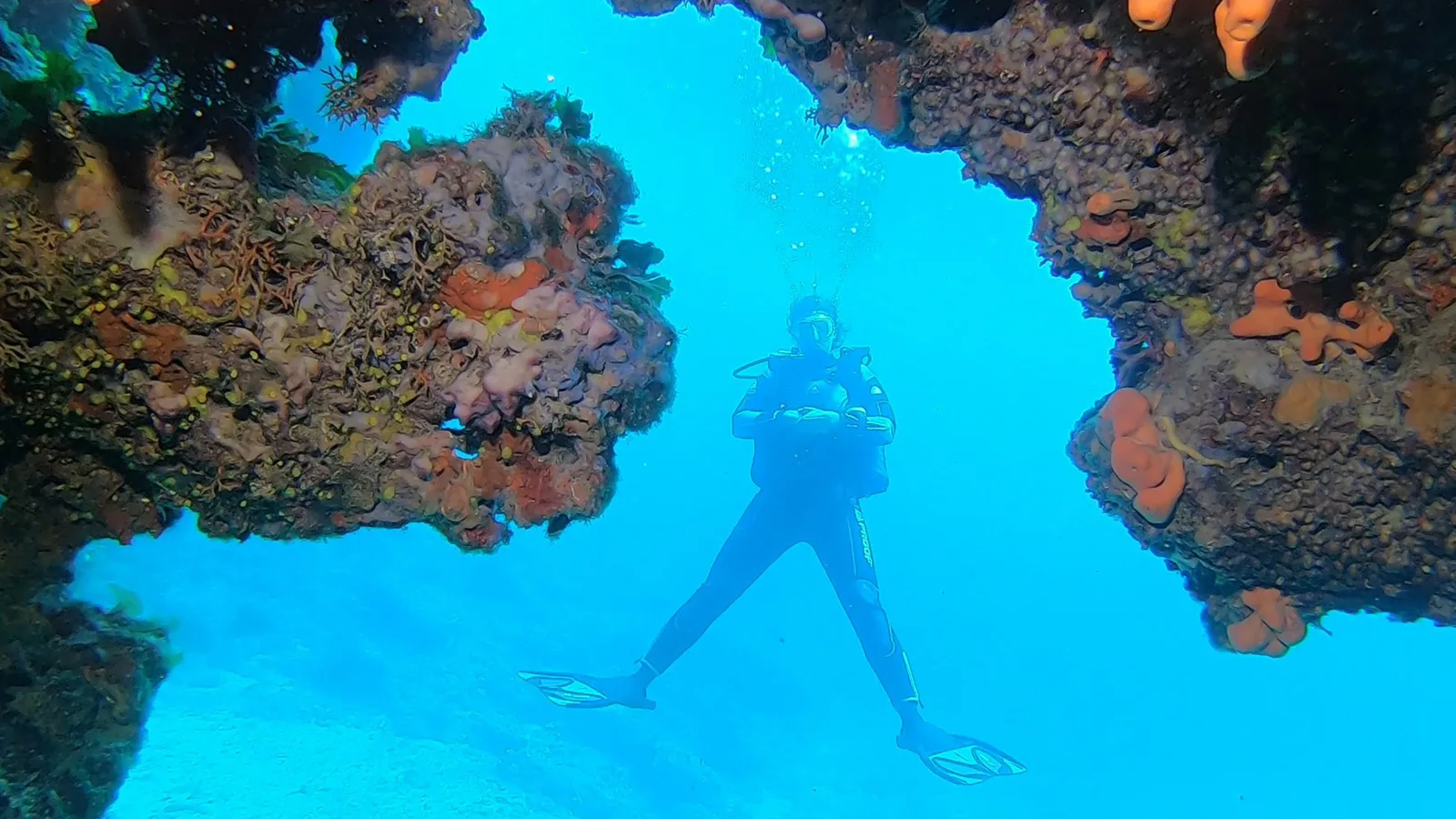
The underwater scenery is predominantly Mediterranean rock: drop-offs, broken reefs, canyons and caves, with wrecks adding a very different shape to the day. Around Marjan and the coast, diving can be straightforward and sheltered; further out, the character changes as channels and island walls become more exposed. Currents are variable rather than a constant feature, but some sites suit a drift dive and require attention to the planned direction, especially around passages between islands. Visibility is commonly 15 to 30 metres from June to September, although rain, runoff and rough water can reduce it, and conditions may differ sharply between Split and an exposed island. Most of the interesting diving is by boat, so a day may include a longer crossing to reach a particular island and fewer dives than a local coastal outing.
Octopuses, scorpionfish and spiny lobsters are the dependable characters of Split's rocky ground, tucked into cracks, ledges and the darker parts of caves. Spiny lobsters and octopuses can be encountered throughout the diving season, while groupers are possible from May to October rather than something to build the whole trip around. Gorgonians appear occasionally on suitable walls. The pleasure here is in slowing down over the rock and looking into crevices, then turning a corner on a drop-off or wreck. Away from the busiest coastal areas, some walls and island habitats remain well developed, while urban shores and heavily visited sites show more effect from boat traffic, anchoring and general coastal pressure.
May, June, September and October are the sensible months for a balanced Split trip. The sea is generally less crowded than in July and August, when boat traffic and sightseeing excursions are most noticeable around the coast. June to September usually offers the clearest water, but visibility can fall after rough seas, rain and coastal runoff. Early and late season therefore reward flexibility: when the weather allows, there are fewer boats competing for accessible sites. A 5 mm wetsuit is the useful all-round choice for repeated dives, with lighter protection only for divers who are comfortable in high summer.
Split suits all levels, provided the day's site matches the diver's experience. Beginners can use the easier coastal and sheltered island sites for training or guided diving. Advanced Open Water is useful for deeper walls and wrecks, while a Wreck specialty is appropriate where penetration is planned. A Drift specialty helps with channels and exposed areas. Do not assume that an advertised wreck outing is suitable for a new diver: depth, navigation and entry into the wreck can change the demands considerably.
From London or Manchester, a seasonal direct flight to Split is generally the quickest route when available. Outside that pattern, allow more time for a connection. Driving follows the Croatian motorway network, while ferries and catamarans link Split with the Dalmatian islands once you are on the coast. Some diving boats leave directly from the city, but a trip to Vis or another distant sector may require a direct boat outing, or an overnight stay on the island, depending on the operator. In Split itself, central accommodation may be within walking distance of a centre. Elsewhere, allow for a taxi or hire car, and check whether transfers are actually included rather than assuming they are.
Treat Split as a regional base and ask exactly where the boat is going. A day described as island diving may mean a long crossing, so keep a reserve day for Vis or another distant sector and do not place it immediately before a flight or important ferry. Check the meeting point carefully around the port and Marjan, where quays and traffic routes are spread out. For a first outing, start with a coastal or sheltered island site before committing to an exposed channel. Confirm the depth, qualification and whether penetration is planned on any wreck. Biševo's Blue Cave is a tourist boat visit, not permission for a cave dive. Independent diving also means checking Croatia's authorisation rules, prohibited ports and channels, and the required surface marking. Finally, take a properly fitting 5 mm suit if your build is difficult to kit out, and leave room in the schedule for a late return after repeated boat dives.
Allow five to seven days to combine local outings with at least one island day, adding time if Vis or several distant islands are central to the plan. Split is primarily a shore-based holiday with day boats, not a destination that requires a liveaboard. A non-diving companion can fill surface days with Diocletian's Palace, the old town, Marjan, beaches, kayaking, walking and ferry trips. Keep the final day before flying for land-based plans rather than repeated boat diving.
Hello, I'm Marina, DivingDeal.com's AI assistant. I guide you through destinations, areas and countries.
Thinking about the whole trip and the flights? Talk it over with Edith →
Marina is an AI. Some links are affiliate links: DivingDeal may earn a commission, at no extra cost to you. Bookings are made with the partner.
Choose May, June, September or October for a balanced trip, with fewer boats than during July and August. June to September usually brings clearer water, although rain, runoff and rough seas can reduce visibility. Early and late season reward flexibility, and a five millimetre wetsuit suits repeated dives.
Split suits all levels when the site matches your experience. Beginners can choose easier coastal and sheltered island sites, while deeper walls and wrecks demand more preparation. Advanced Open Water helps with deeper diving, a Wreck specialty suits planned penetration, and Drift training helps around channels and exposed areas.
Expect Mediterranean rock, rocky drop-offs, broken reefs, canyons, karst caves and wrecks around Split and its islands. Octopuses, scorpionfish and spiny lobsters live among cracks and ledges, while groupers may appear from May through October. Gorgonians occur occasionally on suitable rocky walls, adding colour to selected sites.
Use Split as a regional base and confirm exactly where each boat is going, since island outings can involve long crossings. Allow five to seven days for local and island diving, keep a reserve day for distant sectors, and leave your final day before flying for land-based plans. Check meeting points, transfers, qualifications and wreck penetration details.