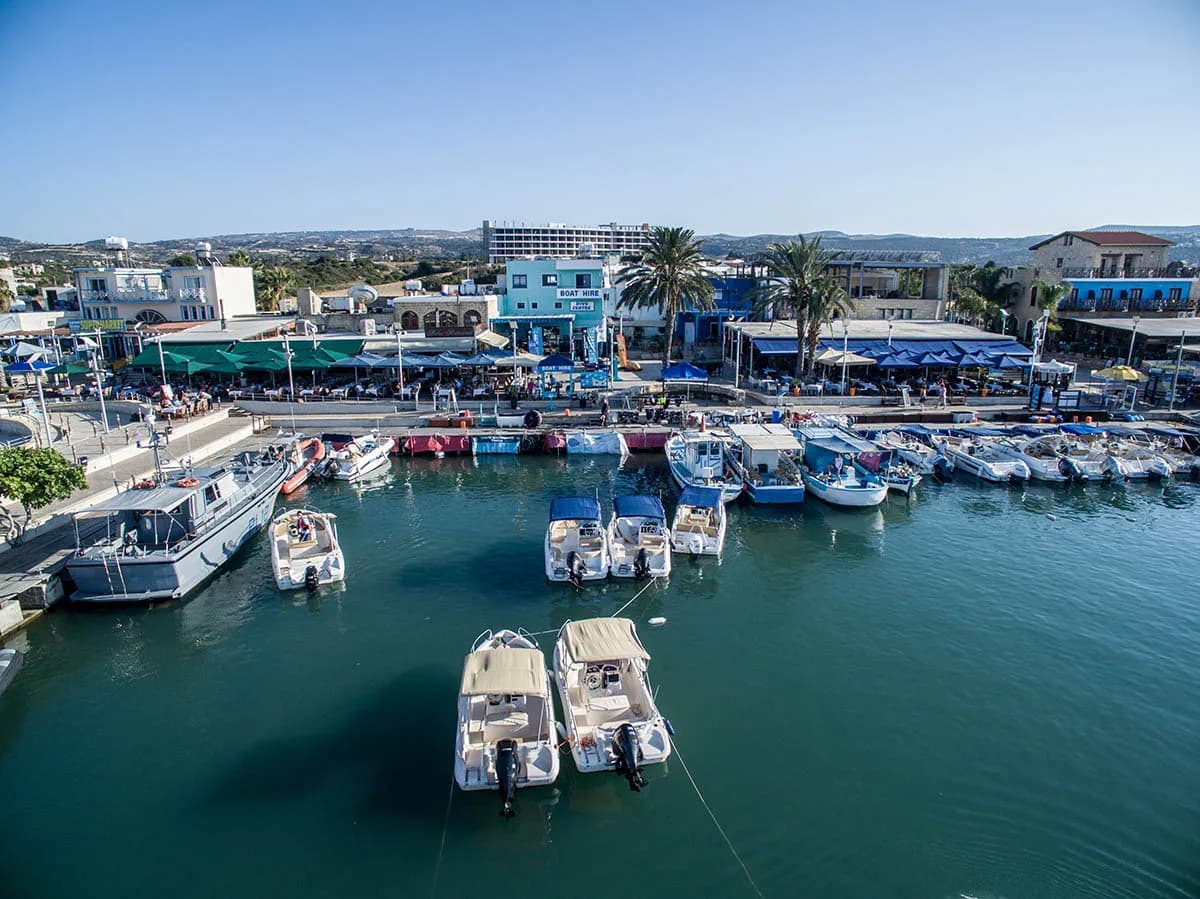

Latchi Watersports Centre
★ 4.9/5 (1,088 reviews)
25 km away as the crow flies
Cyprus · Mediterranean
Upright wrecks, cave-cut shoals and octopus among the reef life make Paphos a practical base for shore dives, boat outings and unhurried days ashore.
For subtitles in English: start the video firstthen click the gearat the top right of the video, select “Subtitles/CC”, then “Auto-translate” and choose “English”.
The MV Elpida and Lady Thetis give Paphos two very different wreck experiences, while Amphitheatre adds caves, overhangs and a shallow geological setting. This is a mainland base for divers who prefer a proper holiday town to a liveaboard routine: local centres arrange shore entries and boat trips, with reefs, wrecks and easy coastal sites close to the Paphos area. It also works neatly for couples or groups where only one person dives.
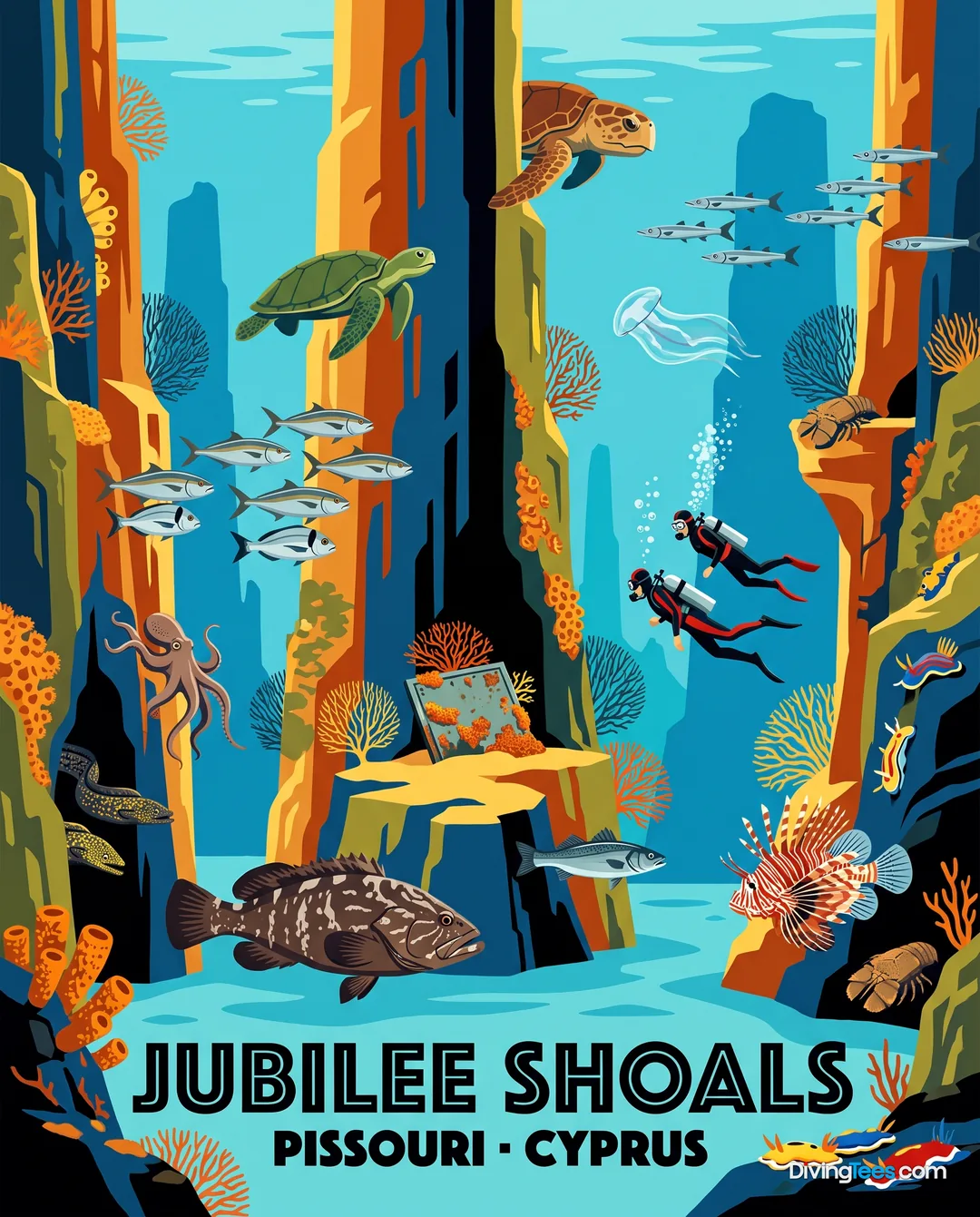
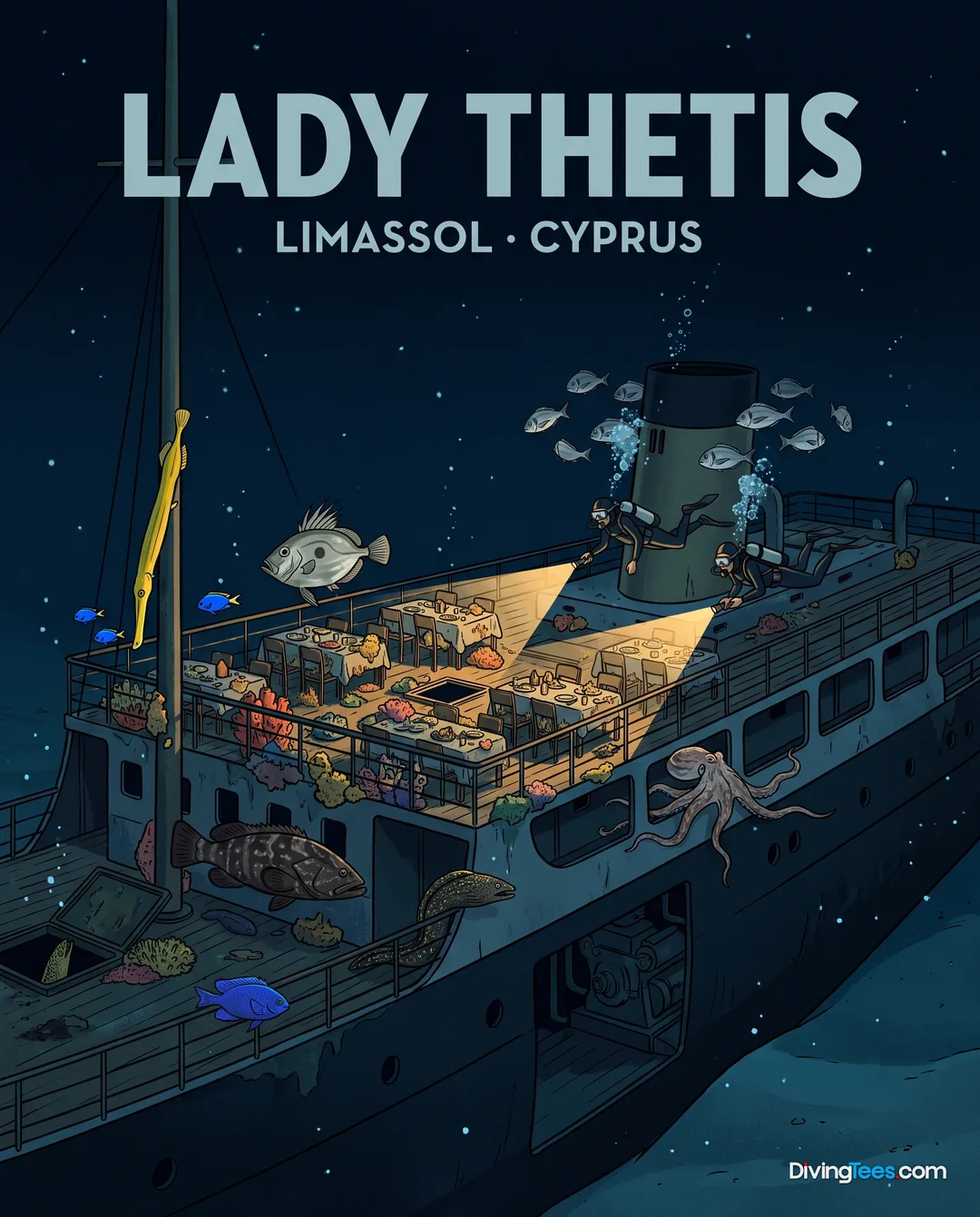
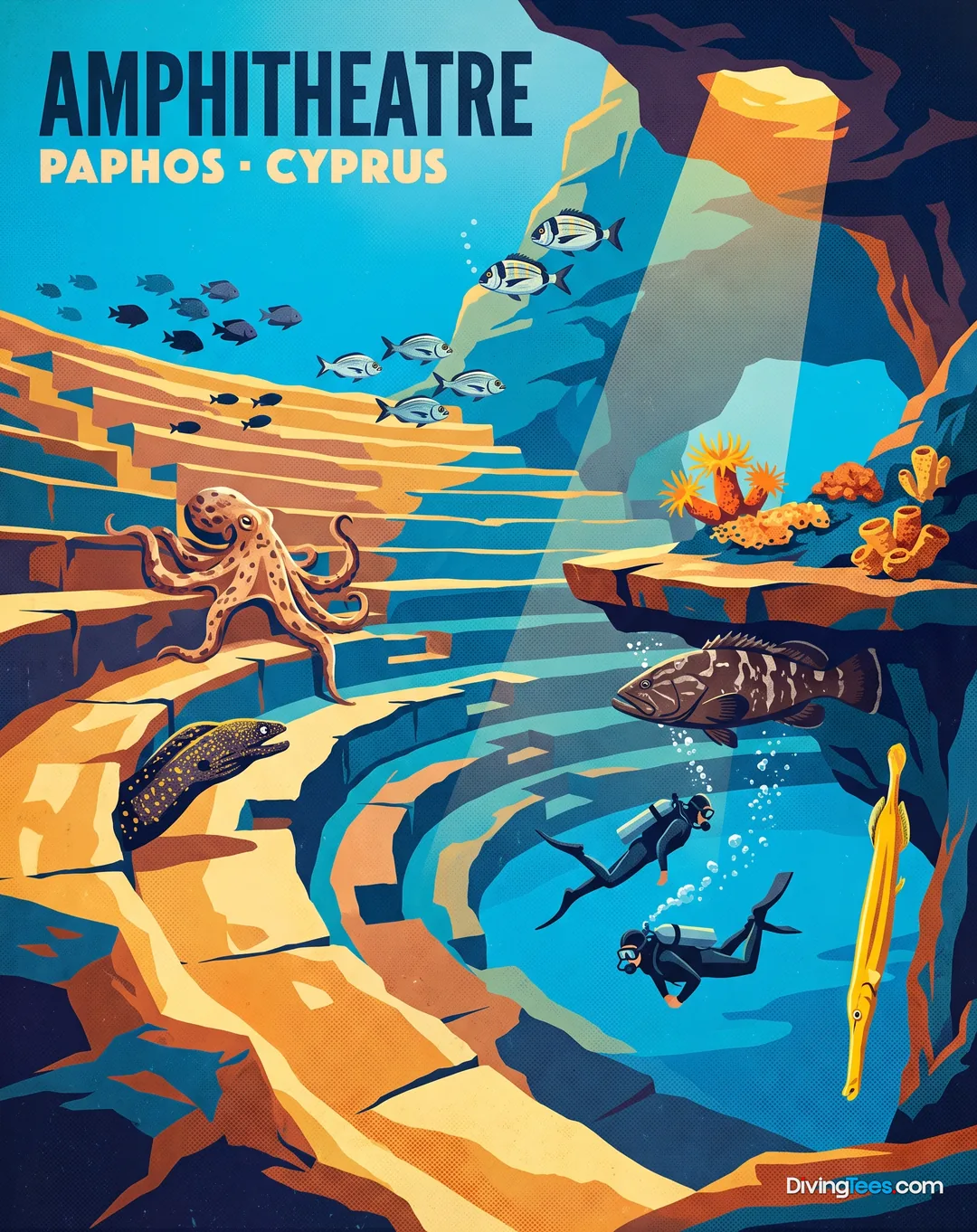
Paphos combines shore diving, boat trips, natural reef and wreck exploration rather than revolving around one type of site. Amphitheatre moves from the shallows to 24 metres, with its main formations around nine to twelve metres and generally mild current. Lady Thetis lies on a sandy seabed at 19 metres, with the bridge and engine room offering optional interior exploration. The MV Elpida is a more substantial proposition: the upright 70-metre cargo ship has its main deck at 20–22 metres and reaches 28 metres at the propeller. Jubilee Shoals brings a different profile, with pinnacles, caves and a 1.3-kilometre wall; moderate current can turn it into a drift dive, and depths extend to 40 metres for recreational diving. Costandis reaches 25 metres and can experience stronger current. The overall character is calm and manageable, but site choice still matters.
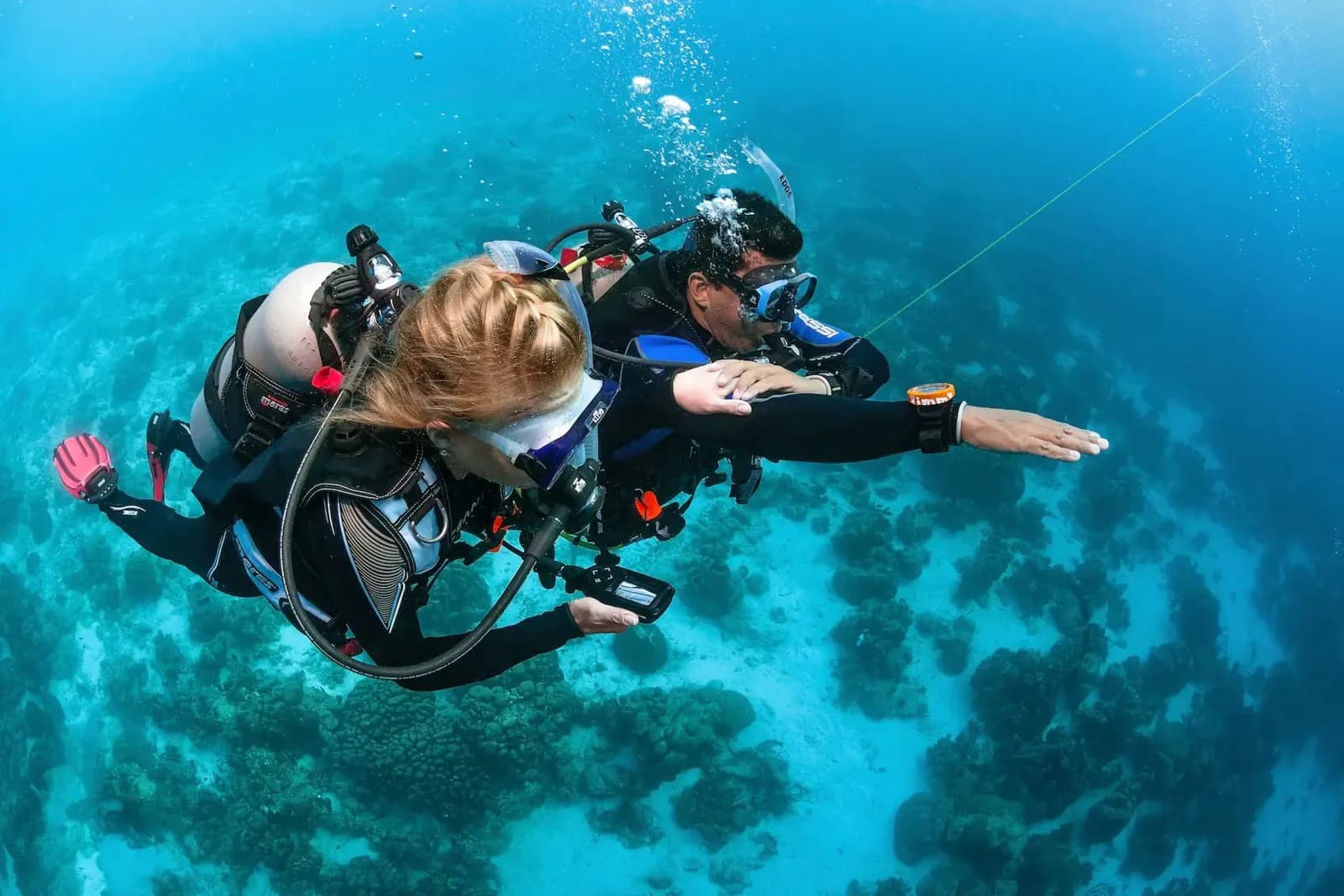
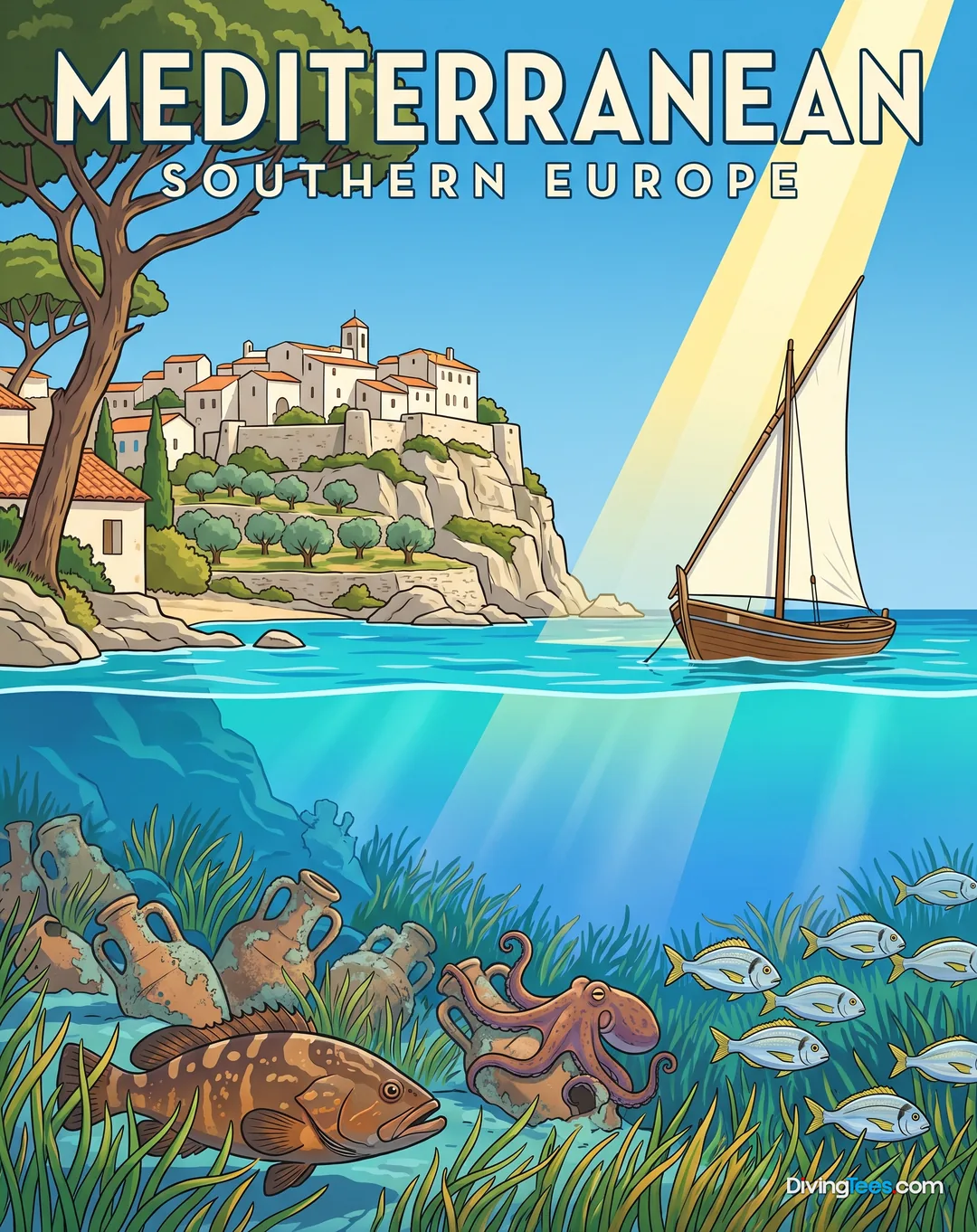
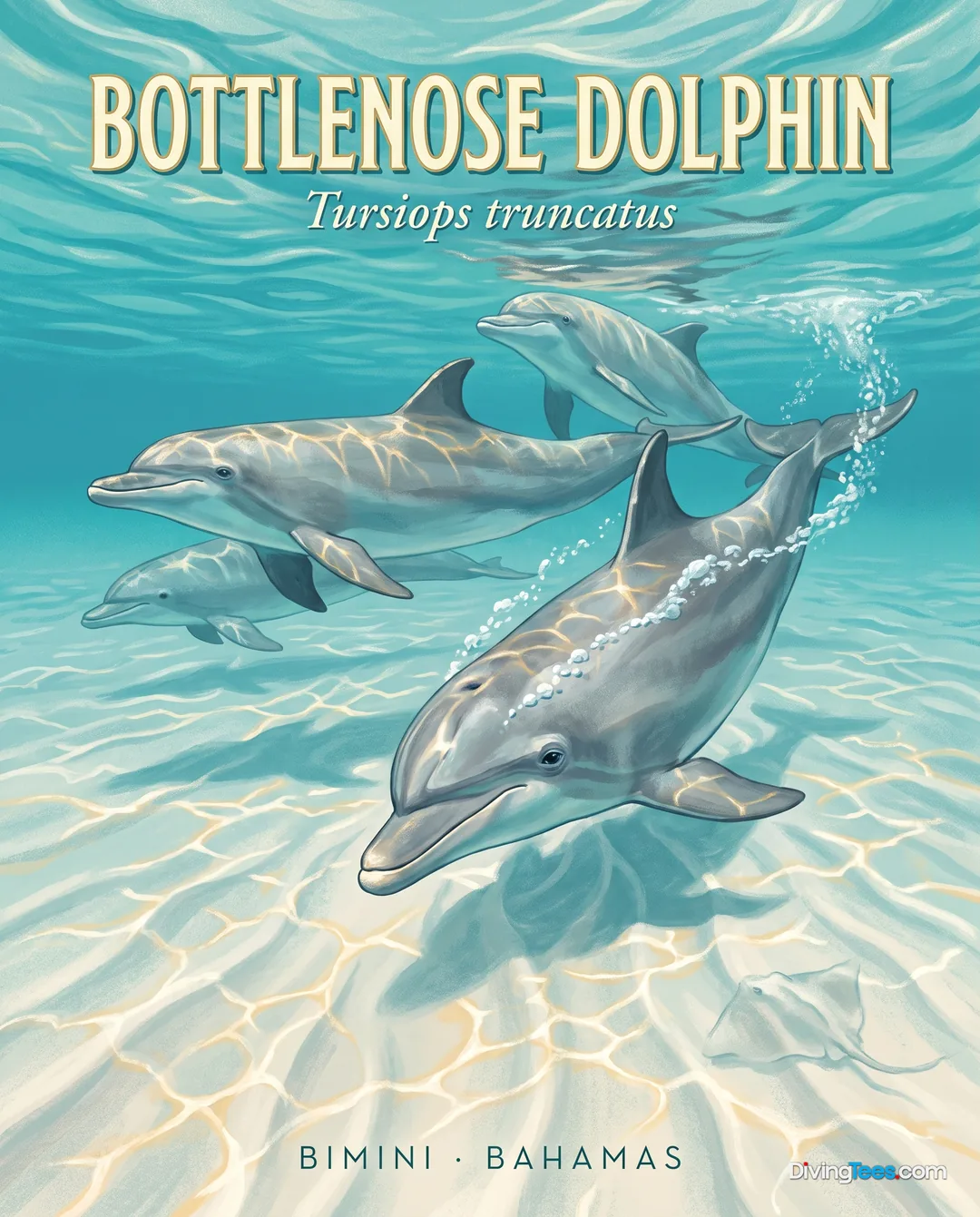
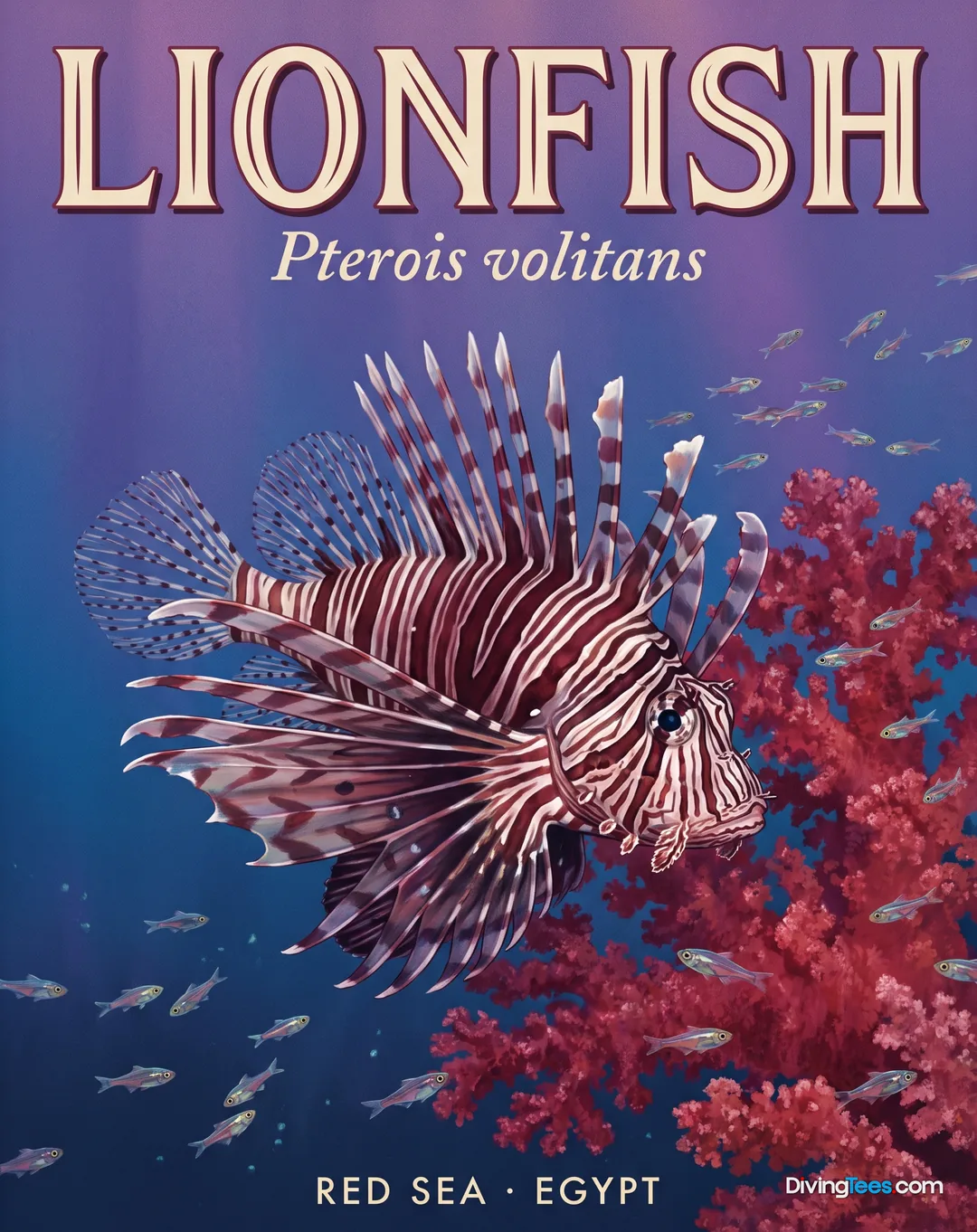
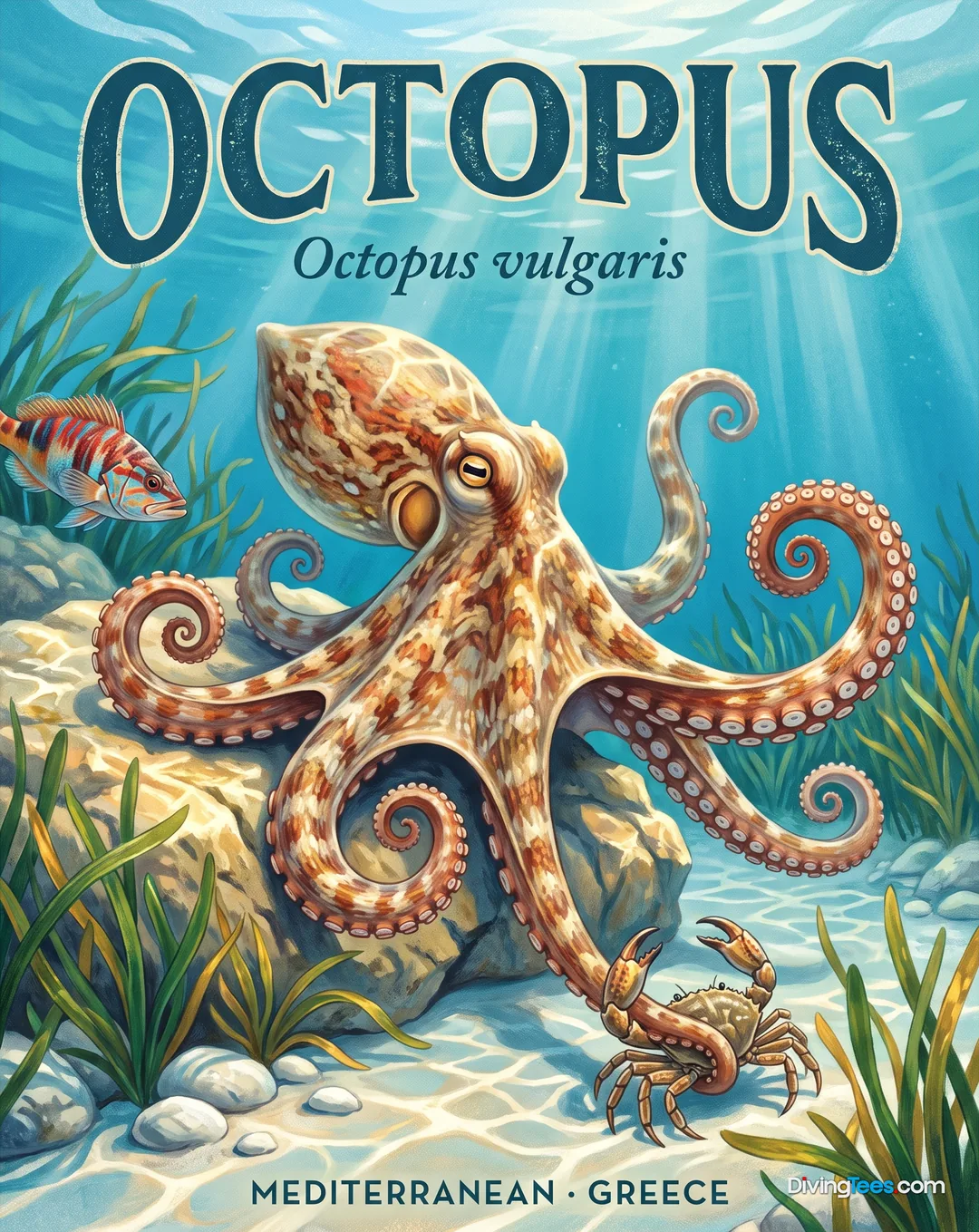
The likely cast is familiar Mediterranean reef life rather than a promise of constant large-animal action. Gilt-head bream and damselfish move over the rocks, while octopus may be tucked into a hole or under an overhang. Moray eels, groupers and trumpetfish add interest around the reef and wreck structure. Lady Thetis, the MV Elpida and Costandis provide plenty of places to search rather than simply swim past, and the caves and passages at Jubilee Shoals reward a slower look. Sea turtles and dolphins are among the possible larger encounters, while lionfish may also appear. The sensible approach is to treat these as wildlife encounters on a mixed itinerary, not as guaranteed seasonal attractions.
June to October is the clearest choice when sea conditions are the priority: this is the measured period when the water is generally at its calmest. May to October also has the lowest rainfall, which suits a land-based holiday built around several day trips and time outdoors. The calmer summer-to-autumn window makes boat access and the more exposed parts of Jubilee Shoals easier to plan, while shore diving remains useful for keeping the schedule flexible. Paphos is therefore well suited to a trip arranged around reliable local outings rather than a tightly packed expedition timetable.
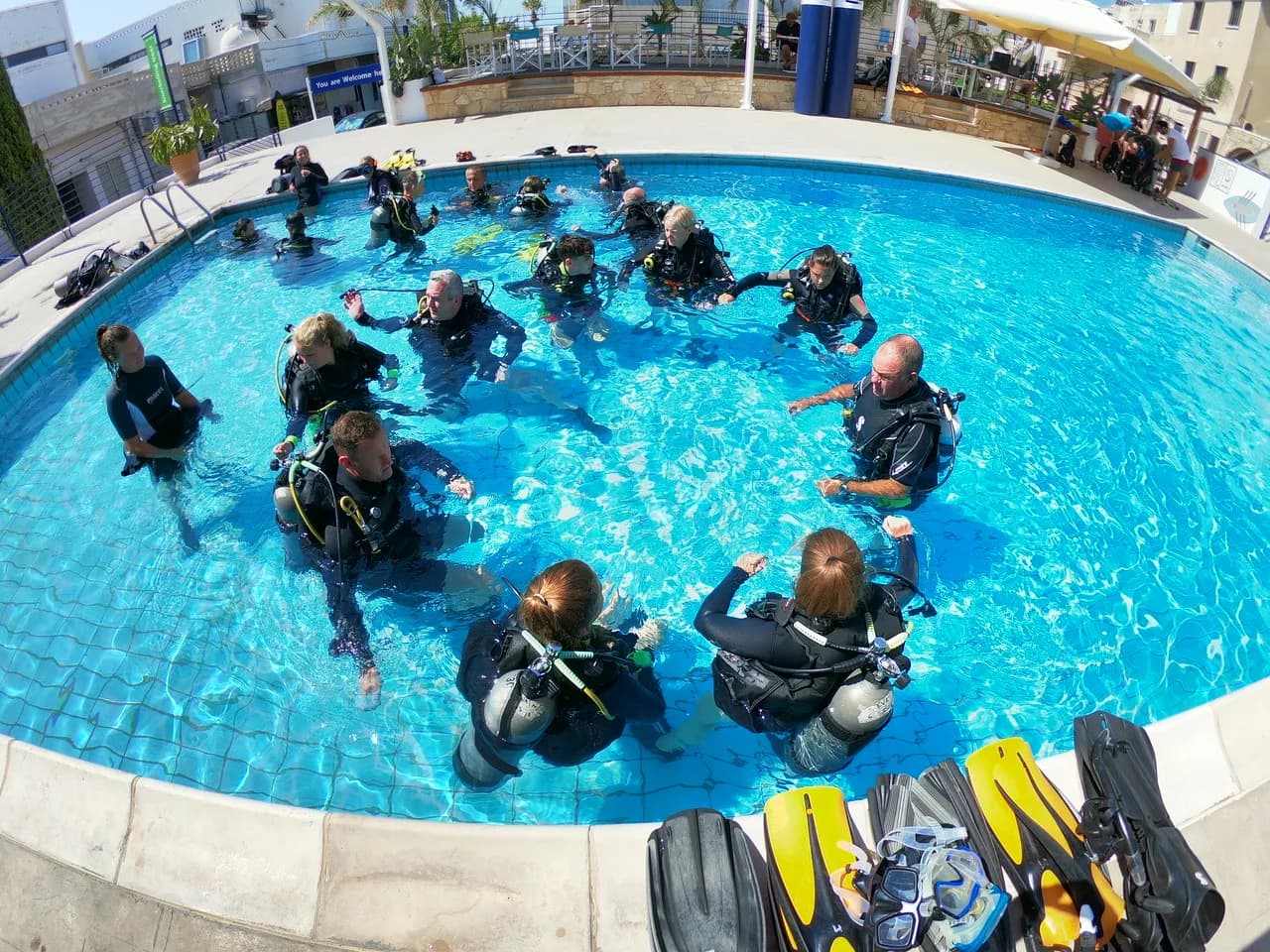
Paphos suits all levels, with gentle shore sites and shallower wreck options for newer divers or those returning to the water. Open Water divers can make good use of Lady Thetis, while Amphitheatre keeps its main features within a comfortable recreational profile. Advanced Open Water or equivalent experience is more appropriate for the deeper sections of the MV Elpida, Jubilee Shoals and Costandis, particularly where wreck penetration or current is involved. BSAC, PADI and SSI divers should match the planned dives to their actual depth, wreck and current experience.
From London Heathrow, London Gatwick or Manchester, the journey begins with a flight to Cyprus followed by a road transfer into the Paphos area. Allow roughly four to six hours overall from Western Europe, depending on the routing and connections available. There is no structural ferry crossing or domestic flight to add once the island journey is arranged: Paphos is a fly-and-drive or fly-and-transfer destination, not an island-hopping dive route. On arrival, divers staying centrally can often walk to the dive centre; those in nearby hotels will generally use a taxi or a short local transfer. The diving itself then starts from the coast or from local boat departures.
Treat Paphos as a day-dive base, not as a remote expedition or liveaboard destination. Its strength is the ability to combine a shore entry with a boat outing, so a mixed plan is more sensible than expecting every dive to leave from a boat. Start with local, straightforward dives, then leave the deeper or more boat-dependent sites until the group has settled into the local rhythm. That is particularly useful before tackling Jubilee Shoals, Costandis or the deeper parts of the MV Elpida. Pack the small pieces of dive-critical equipment in the preferred configuration rather than assuming resort rental will match every personal requirement. Keep the itinerary flexible: Paphos works best when conditions can influence the order of dives. The main mistake is arriving expecting one signature environment; the rewarding part is moving between wreck interiors, sandy seabeds, caves, shoals and easy coastal water.
Four to seven days gives enough room for several local day dives without turning the holiday into a succession of early starts. A typical stay can mix shore entries, boat dives and a rest day for Paphos’s coastal sights and archaeological visits. The arrangement is especially comfortable for mixed groups: the diver can make a short local outing while a non-diving companion stays in town, walks the waterfront or spends time on the beach.
Hello, I'm Marina, DivingDeal.com's AI assistant. I guide you through destinations, areas and countries.

Thinking about the whole trip and the flights? Talk it over with Edith →
Marina is an AI. Some links are affiliate links: DivingDeal may earn a commission, at no extra cost to you. Bookings are made with the partner.
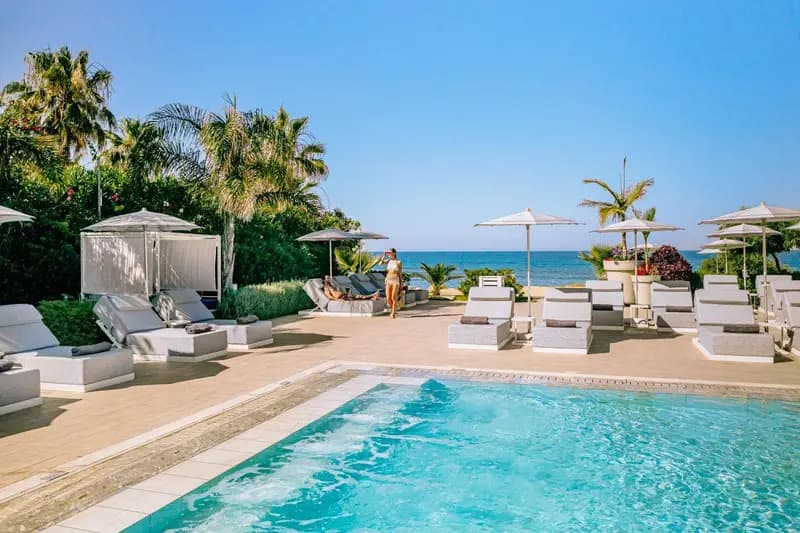
★★★★★
★ 9.4/10 (824 reviews)
8.6 km away as the crow flies
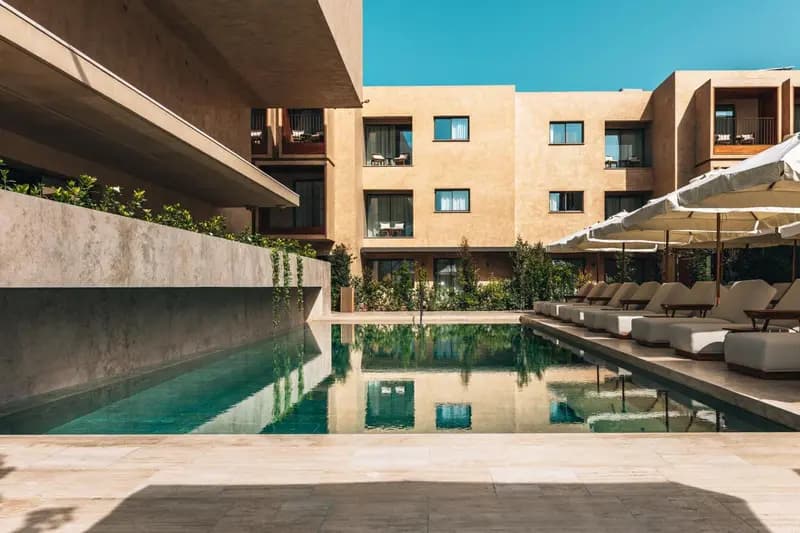
★★★★★
★ 9.1/10 (2,185 reviews)
6.3 km away as the crow flies
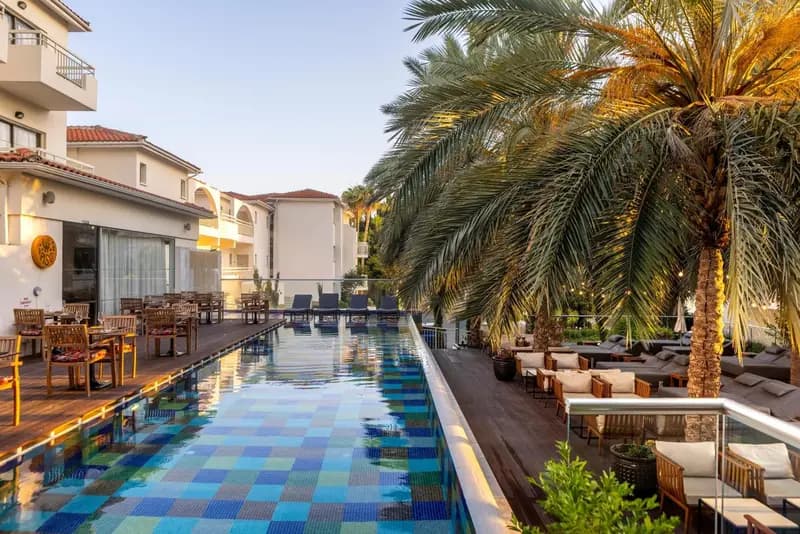
★★★★
★ 9.4/10 (391 reviews)
5.9 km away as the crow flies
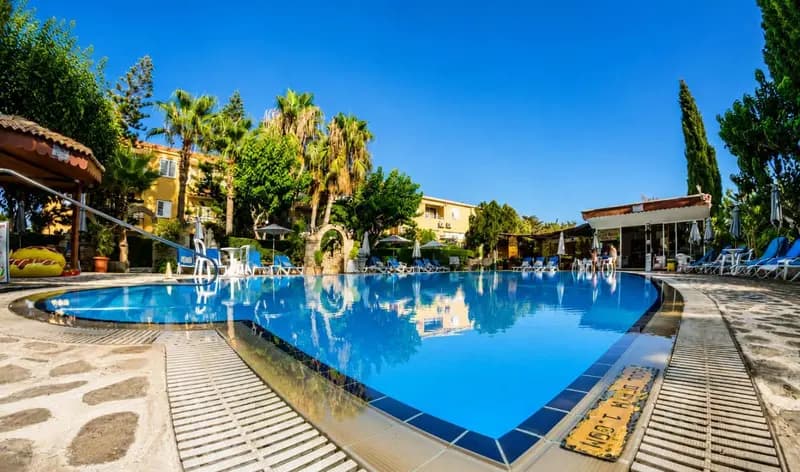
★★★★
★ 9.4/10 (334 reviews)
6.4 km away as the crow flies
Your last day stays dry: no diving in the 18-24 hours before a flight the perfect window to see the destination from another angle.
 Culture
⏱ 9 h · ★ 5.0 (72 reviews)
from €65
see on Viator ↗
 Culture
⏱ 8 h · ★ 5.0 (37 reviews)
from €620
see on Viator ↗
 City
City⏱ 4 h · ★ 4.9 (162 reviews)
from €89
see on Viator ↗
 Nature
⏱ 4 h · ★ 5.0 (3 reviews)
from €75
see on Viator ↗
Ratings and reviews collected by Viator and Tripadvisor.