
Orca Diving Ustica
Google 4.9/5 (500 reviews)
2.6 km away as the crow flies
Sicily · Italy · Mediterranean
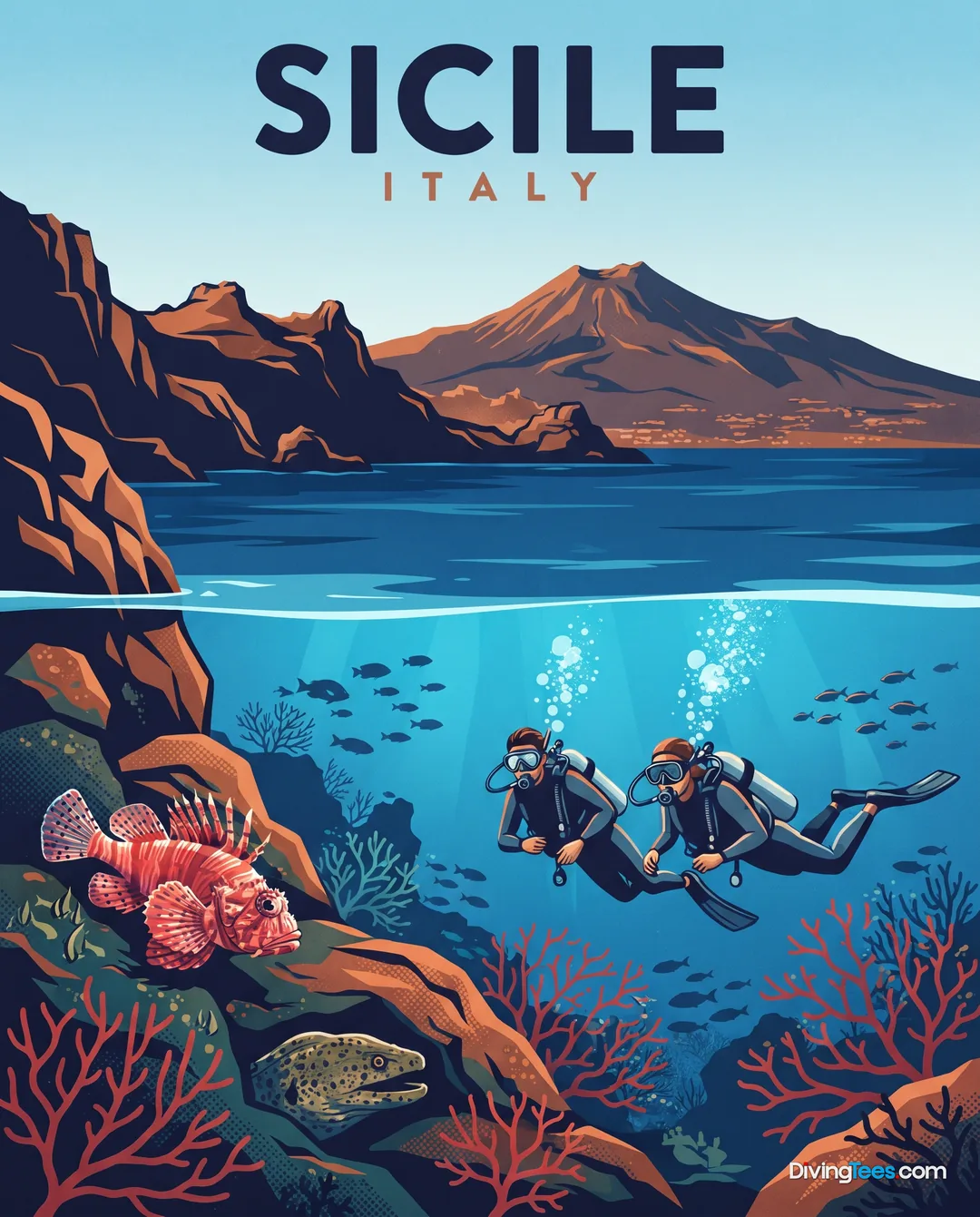
Max. depth · 42 mExplore a dramatic volcanic landscape defined by vertical walls and dense red gorgonian forests reaching depths of 42 metres.
For subtitles in English: start the video firstthen click the gearat the top right of the video, select “Subtitles/CC”, then “Auto-translate” and choose “English”.
The approach to Punta Dell'arpa begins in a sheltered bay, providing a calm starting point before the terrain shifts. From the mooring area, you descend through extensive meadows of Posidonia seagrass that cover the seabed. As you move toward the edge of the point, the sandy bottom drops away, revealing the primary structure of the site. The topography is defined by two massive volcanic rocks that rise sharply from a sandy floor sitting at approximately 40 metres. These formations create a complex underwater landscape where vertical walls and steep inclines dominate the dive profile.
As you transition from the seagrass meadows to the rocky structures, the depth increases significantly. The site features steep walls and heavily inclined sections that run between 12 and 35 metres. These vertical faces provide a stable substrate for a wide variety of sessile organisms. You will find that the transition from the sandy bottom to the rock faces is abrupt, creating distinct ecological zones. The interplay between the volcanic rock and the surrounding water creates numerous crevices and passages that define the mid-depth experience.
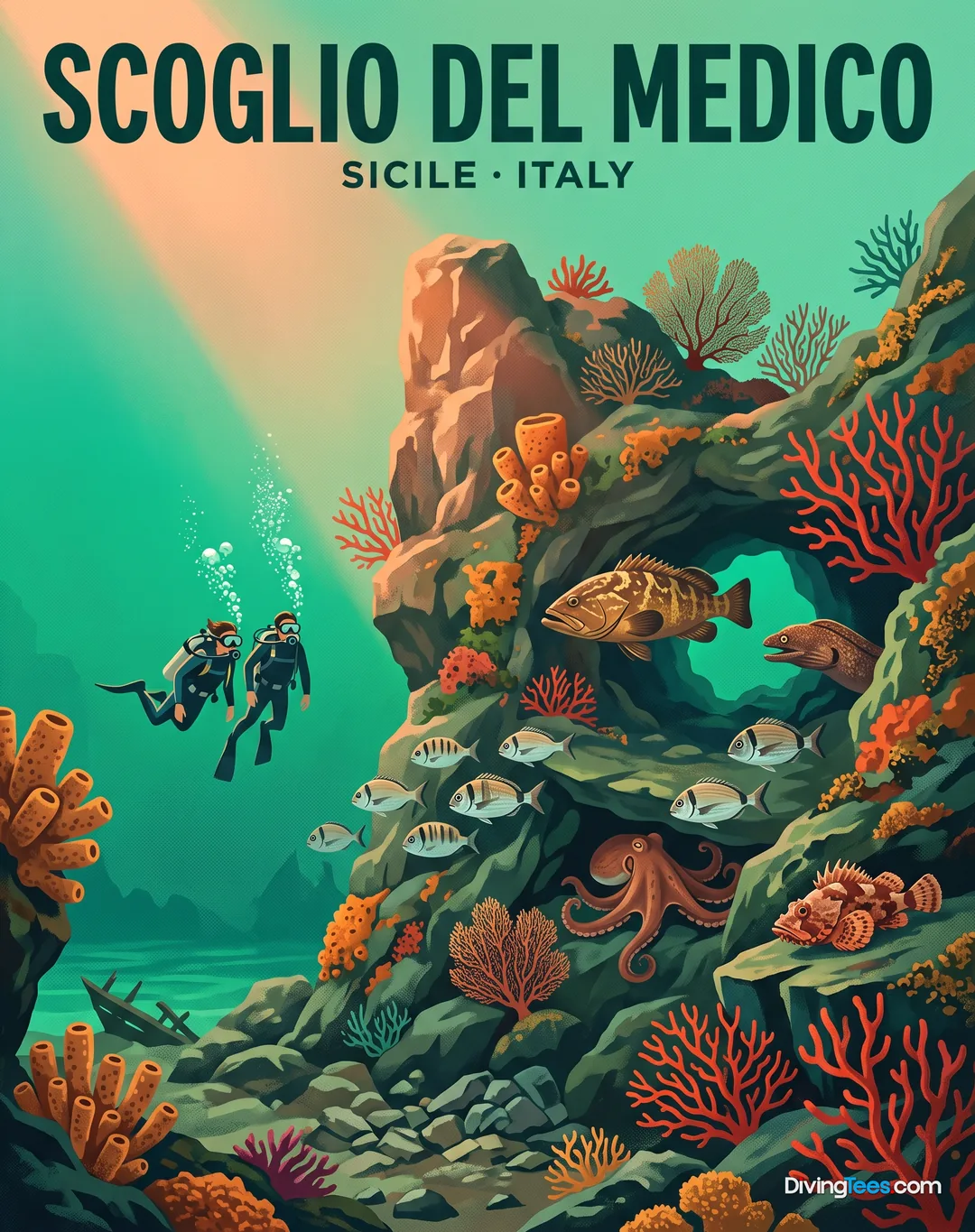
The most striking feature of the deep sections is the abundance of gorgonians. Large forests of red gorgonian and yellow gorgonian cover the volcanic rocks, particularly as you approach the 35-metre mark. Mediterranean fan coral and Mediterranean red coral also populate the steeper sections of the wall. This dense biological cover transforms the dark volcanic stone into a textured, colourful environment. These forests are not merely decorative; they provide essential structure for the local marine life, creating a complex three-dimensional habitat.
The mid-depth zone, between the shallower crevices and the deep wall, offers a different experience centered around the large volcanic rocks. These structures act as natural shields, providing areas of relative calm when the moderate current picks up. Around these rocks, you can observe various sponges and calcareous algae that cling to the hard surfaces. The light filtering through the water at these depths creates shifting patterns across the rock faces and the gorgonian branches. It is in these intermediate depths that the site's topography feels most varied and interactive.
Resident fish populations are closely tied to the structure of the walls and the crevices. Mediterranean grouper often occupy the larger holes and shaded passages within the volcanic rock. You can also find white seabream and common two-banded seabream patrolling the edges of the gorgonian forests. Mediterranean chromis are frequently seen in groups around the shallower rocky outcrops. These species utilize the complex architecture of the site for both hunting and protection from the current.
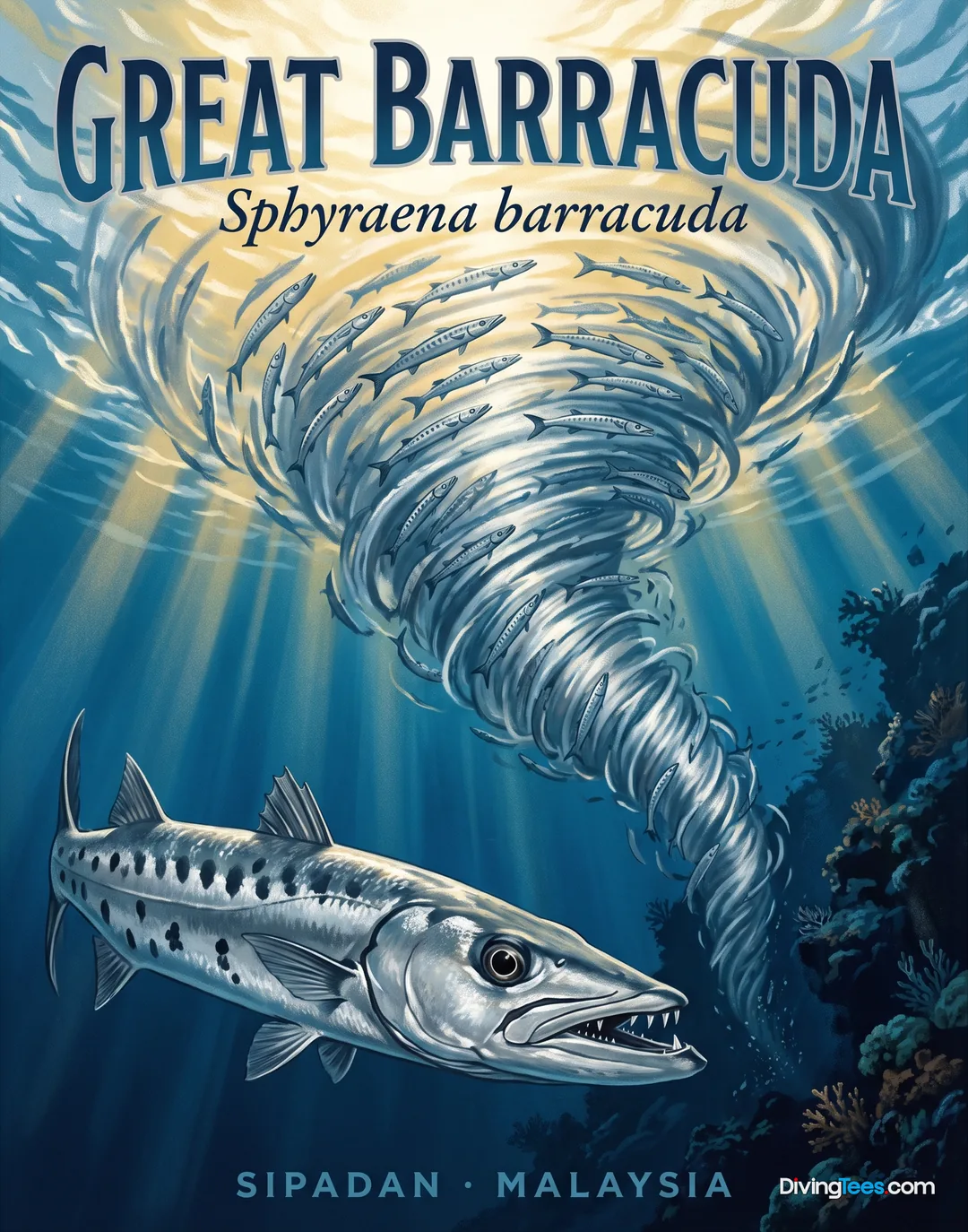
Further out in the water column and along the edges of the wall, larger predators become more visible. Amberjack and barracuda are known to cruise the area, often appearing as silhouettes against the light or moving through the deeper currents. The presence of these fish is a direct result of the nutrient-rich environment created by the upwellings around the volcanic peaks. Watching these predators navigate the transition between the deep wall and the open water is a core part of the experience at Punta Dell'arpa.
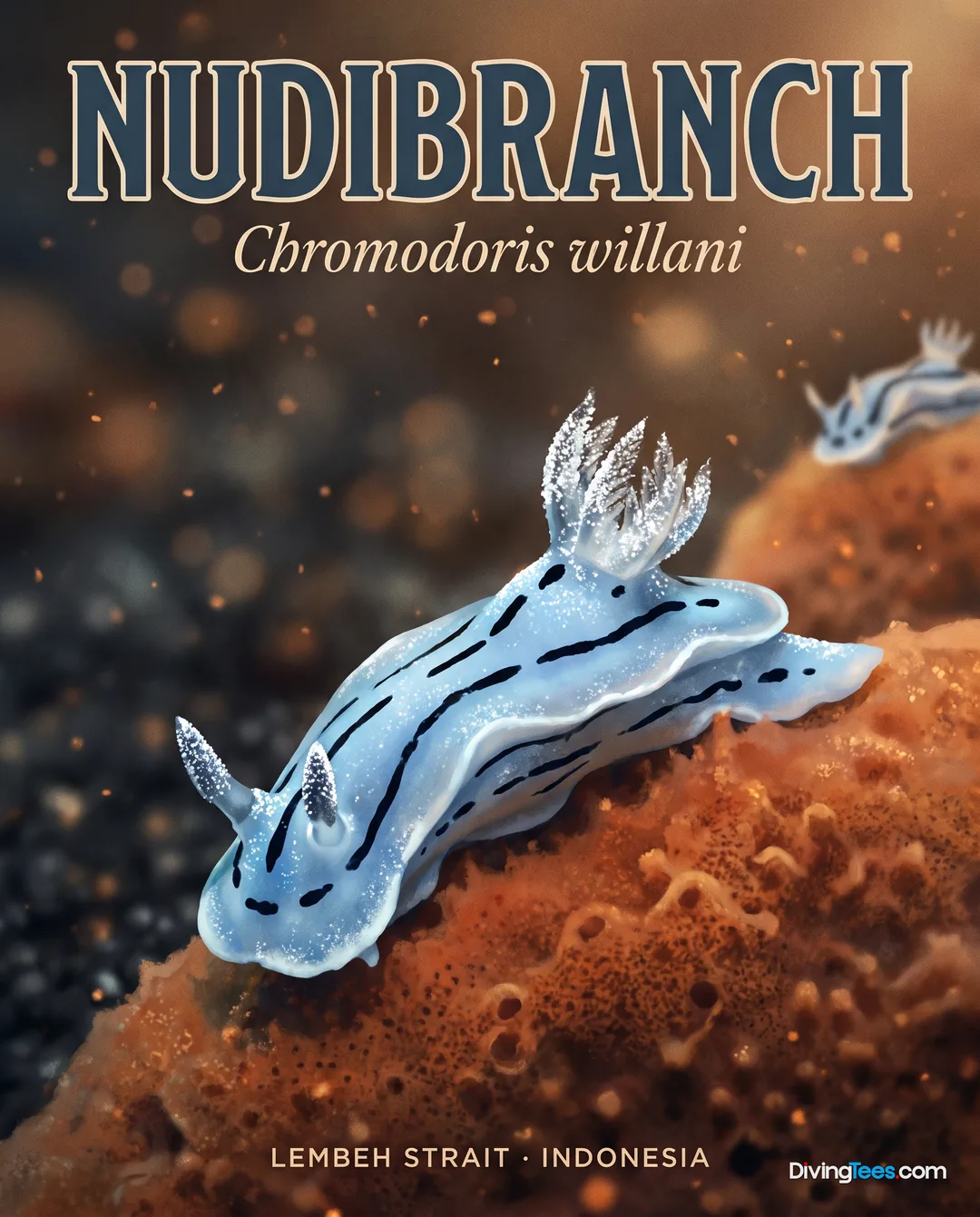
The smaller details of the site are found within the volcanic rubble and the shallower crevices. For those looking closely at the rocks, nudibranchs and various sponges provide intricate points of interest. The seabed itself, particularly where the Posidonia meets the volcanic debris, hosts a variety of smaller life forms. This combination of large-scale wall diving and micro-habitats ensures that the site offers different levels of engagement depending on your focus and depth.
The overall character of the dive is shaped by the transition from a protected bay to the exposed point. While the initial descent is calm, the environment becomes more dynamic as you reach the volcanic formations. The depth reaches up to 42 metres, requiring a controlled ascent and careful gas management. The site effectively combines the characteristics of a deep wall dive with the complexity of a volcanic reef system, making it a distinct destination in the Sicilian marine landscape.
The site has a maximum depth of 42 metres. It requires an Advanced level of certification and is recommended for divers with experience in deep diving. Expect moderate currents, which can feel more pronounced around the exposed volcanic rocks and the tip of the point. Visibility typically ranges between 20 and 30 metres, and the best diving season is from May to October.
You can plan dives at Punta Dell'arpa from May to October, the stated best diving season. Visibility typically ranges between 20 and 30 metres. The site begins in a sheltered bay, then progresses toward exposed volcanic rocks and the point, where the underwater environment becomes more dynamic.
Punta Dell'arpa requires Advanced certification and is recommended for divers with experience in deep diving. You should be comfortable with a controlled ascent and careful gas management, because the dive reaches deep volcanic walls and sandy bottom near the site's deeper formations.
Punta Dell'arpa descends to a maximum depth of 42 metres. The dive moves from Posidonia seagrass meadows into steep walls and inclined sections between 12 and 35 metres, while two large volcanic rocks rise from a sandy floor at approximately 40 metres. Crevices and passages shape the middle depths.
At Punta Dell'arpa, expect moderate currents that can feel more pronounced around the exposed volcanic rocks and the tip of the point. You can see red and yellow gorgonian forests, Mediterranean grouper in holes, amberjack and barracuda in open water, plus seabream, chromis, nudibranchs and sponges.