
Pearl Dimaniyat Diving Center
Google 5/5 (2,641 reviews)
Mascate · Oman · Middle East
Beyond Mutrah's energy, Bandar Khayran Bay unveils over 22 distinct dive spots, from vibrant coral gardens to secluded lagoons teeming with life, promising encounters with zebra sharks and giant rays.
For subtitles in English: start the video firstthen click the gearat the top right of the video, select “Subtitles/CC”, then “Auto-translate” and choose “English”.
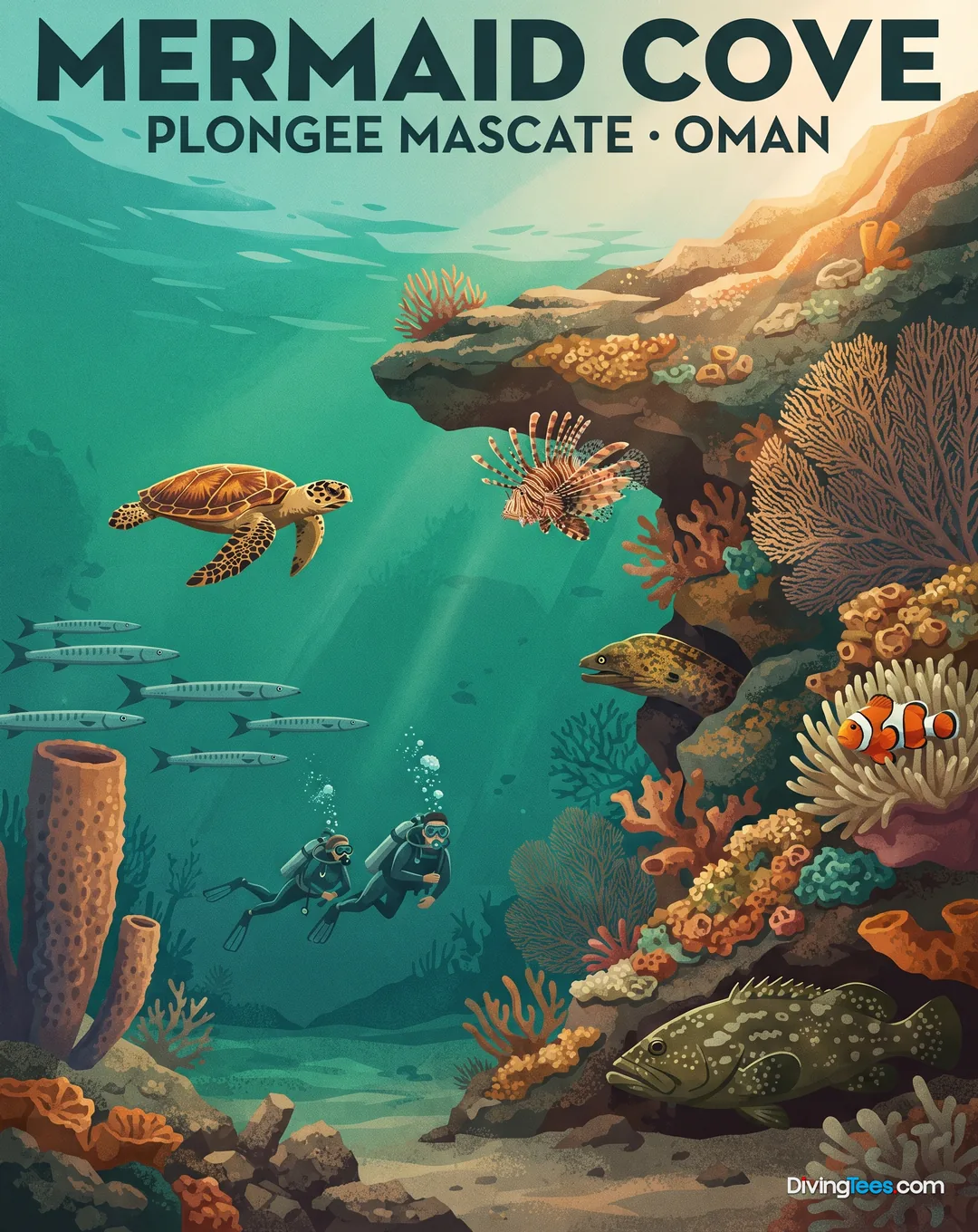
Steering beyond the bustling district of Mutrah, you'll find the stunning Bandar Khayran Bay, a true maritime treasure along Muscat’s rugged coastline. This extensive bay isn't just a single dive spot but an entire aquatic region, boasting over 22 distinct dive and snorkeling locations. These sites, such as 'Mermaid Cove' and 'Coral Garden', are primarily reefs and secluded coves, accessible almost exclusively by boat, typically a 20-minute journey from Marina Bandar Al Rowdha, setting the stage for an exploration away from the shore's activity.
The topography here is defined by a series of natural harbors and inlets that guard hidden lagoons, each with its own character. As you descend, you're not just dropping onto a single reef; you're entering a bustling marine ecosystem where vibrant corals form the backdrop of your dive. The diversity of these formations means that each site, from 'Aquarium' to 'Garden of Eden', presents a unique underwater landscape, encouraging varied dive profiles whether you're navigating through a coral-rich canyon or exploring a gentle, sloping reef.
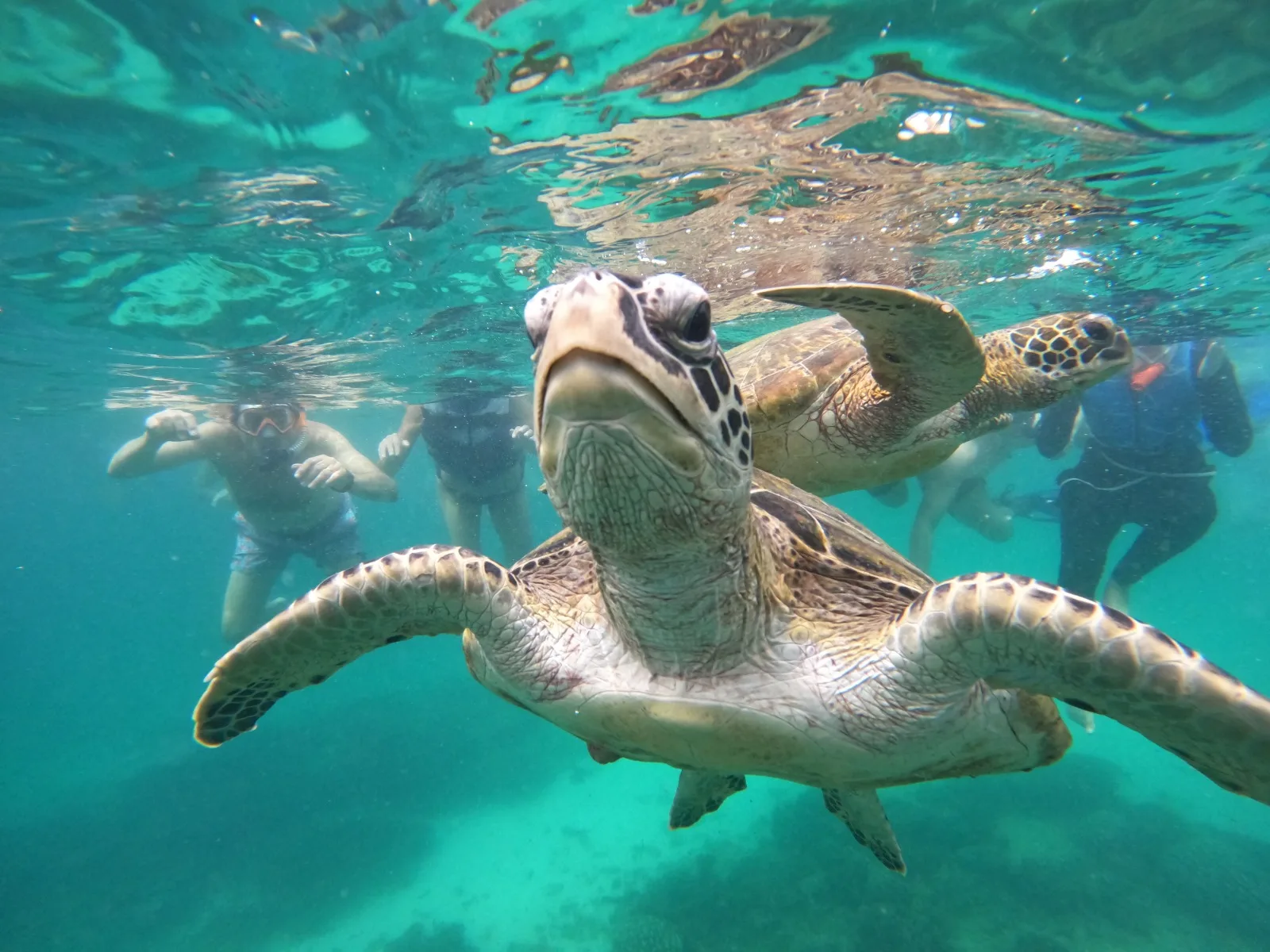
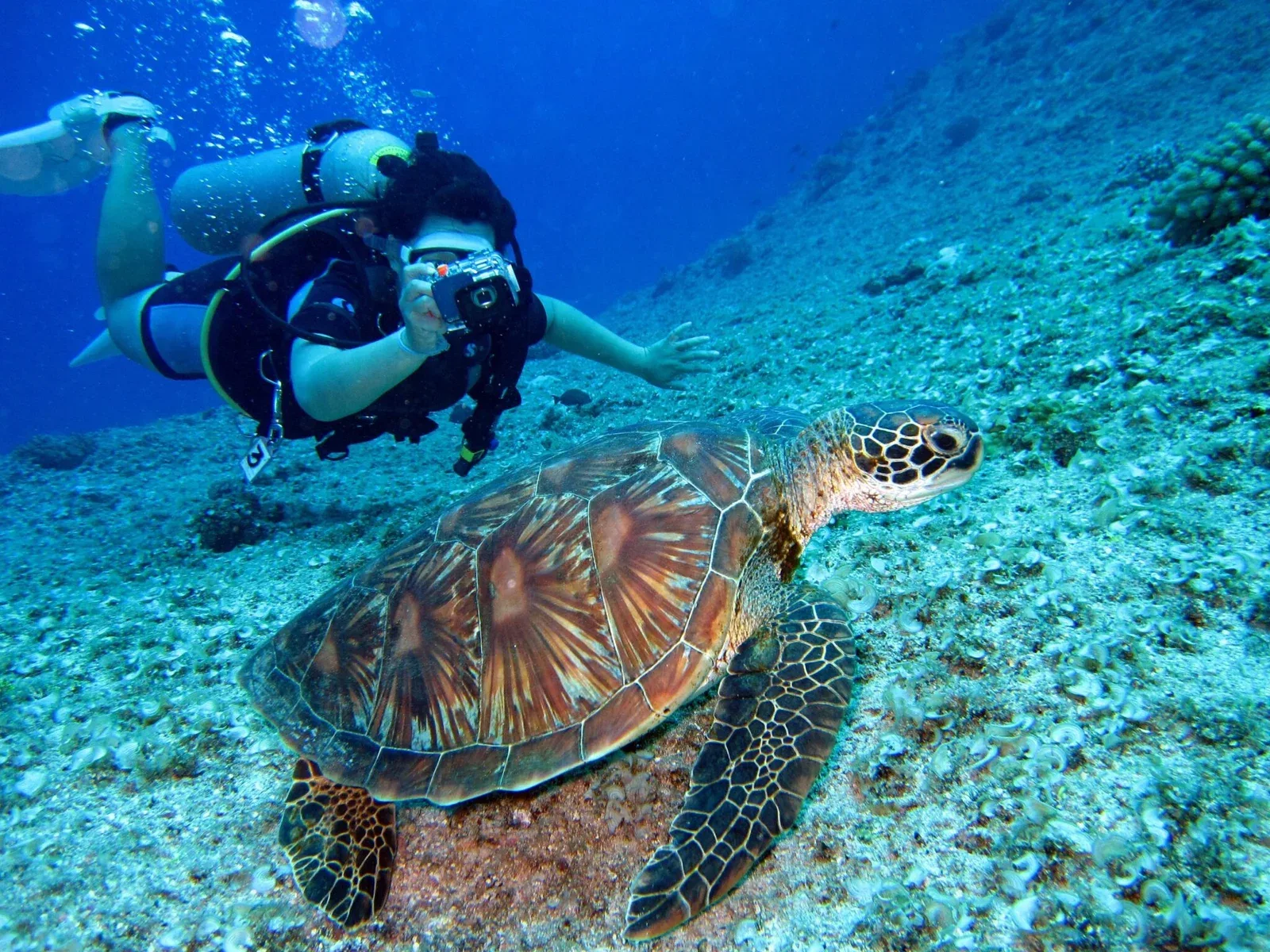
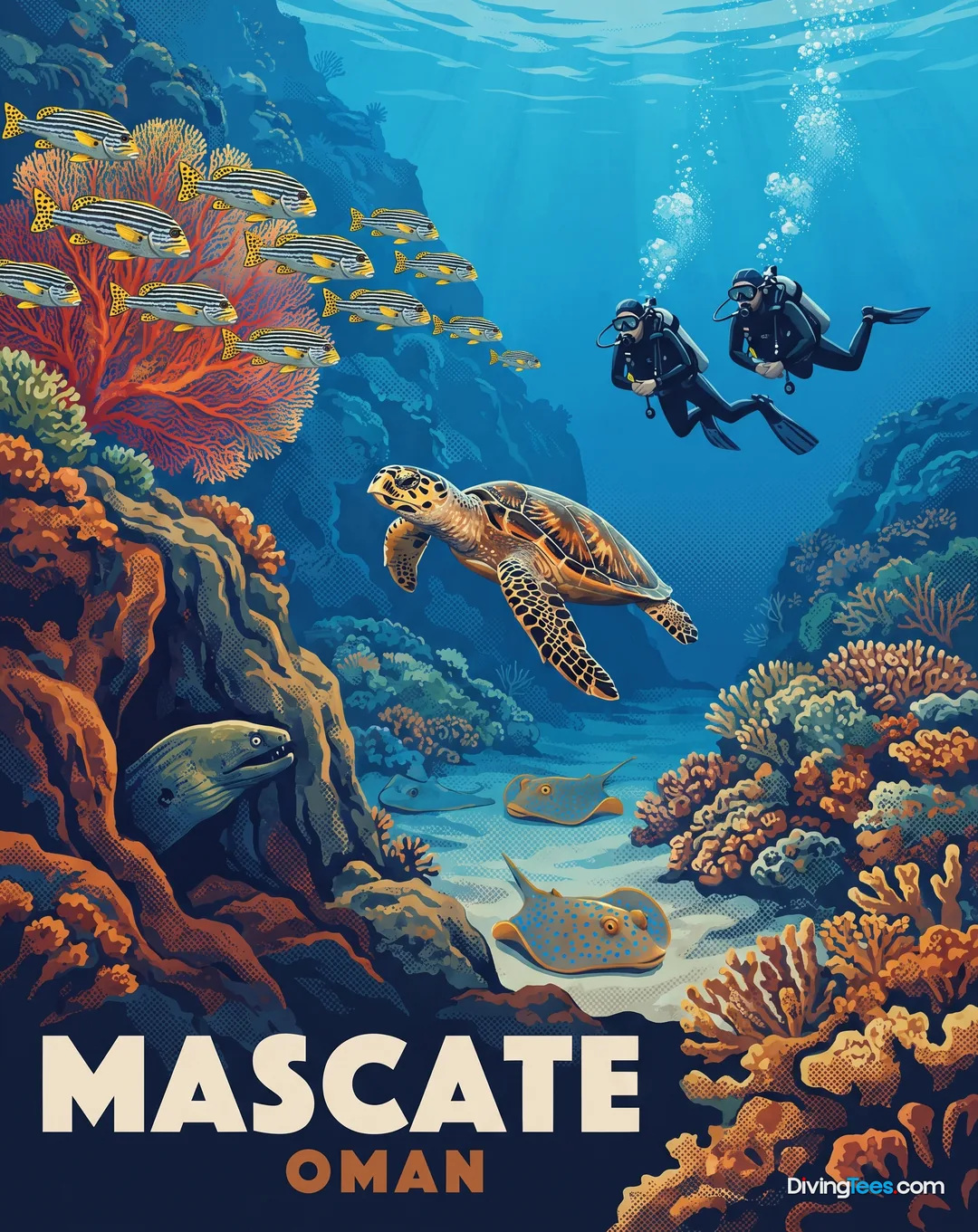
Life within these dive sites is prolific and diverse. You'll find yourself sharing the water with numerous fish species, sometimes in large schools that engulf you in a shimmering cloud as you move through the water column. Keep a keen eye out for the resident green sea turtles (Chelonia mydas), often seen gracefully gliding over the coral formations or resting in sheltered spots. The vibrant environment also provides ample opportunities to observe the intricate behaviours of reef fish, from the territorial displays of damselfish to the foraging habits of parrotfish.
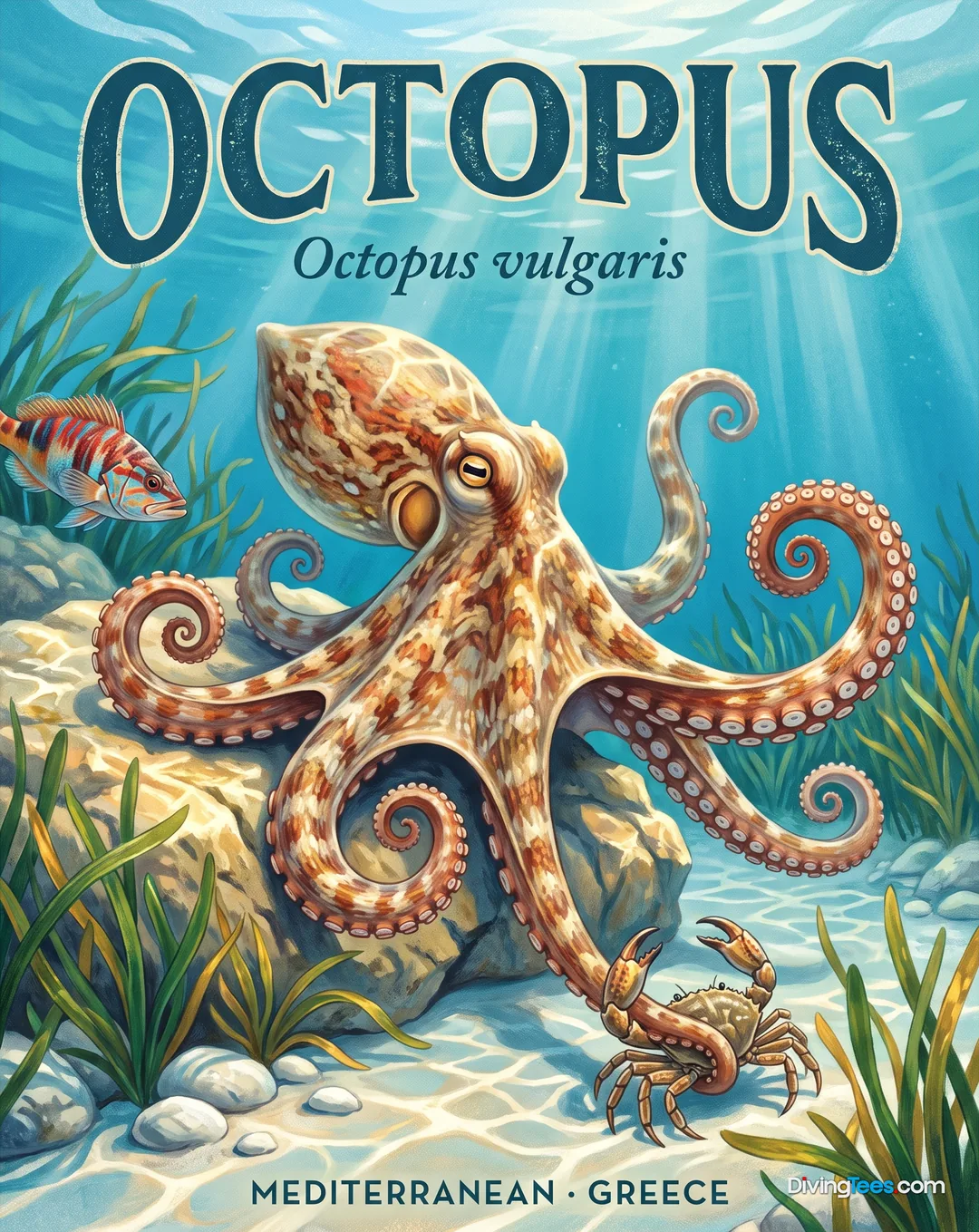
The bay is a known habitat for some truly impressive pelagic and demersal species. Giant rays (Myliobatiformes) are a common sight, often cruising along the deeper sections or gliding over sandy patches, their size and elegance a constant draw. Octopus (Octopoda) are masters of camouflage here, sometimes revealing themselves from clever hiding spots within the reef's crevices. For those with a sharp eye, the distinctive patterns of zebra sharks (Stegostoma tigrinum) might emerge from the blue, a docile and captivating encounter that adds a unique thrill to your dive.
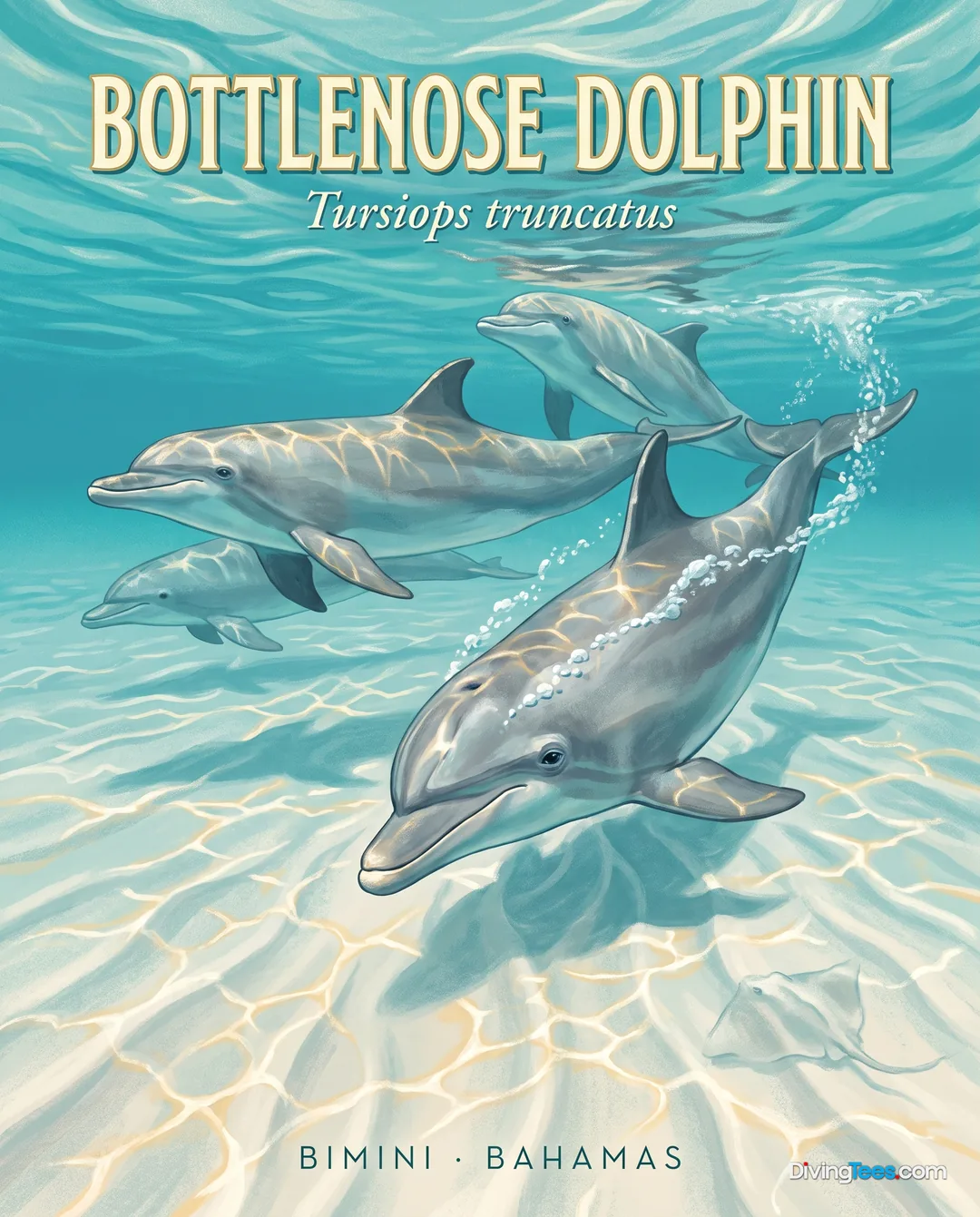
While exploring Bandar Khayran, you'll also encounter the gentle grace of dolphins (Delphinidae), often observed playful in the bay or during transits to the dive sites, a delightful prelude or epilogue to your underwater adventures. Below the surface, the diverse hard and soft coral structures support a complex food web, underpinning the rich biodiversity you'll witness. This thriving environment, encompassing reefs, wrecks, coves, and lagoons, offers an experience that is both intimate and expansive, setting it apart from many other destinations.
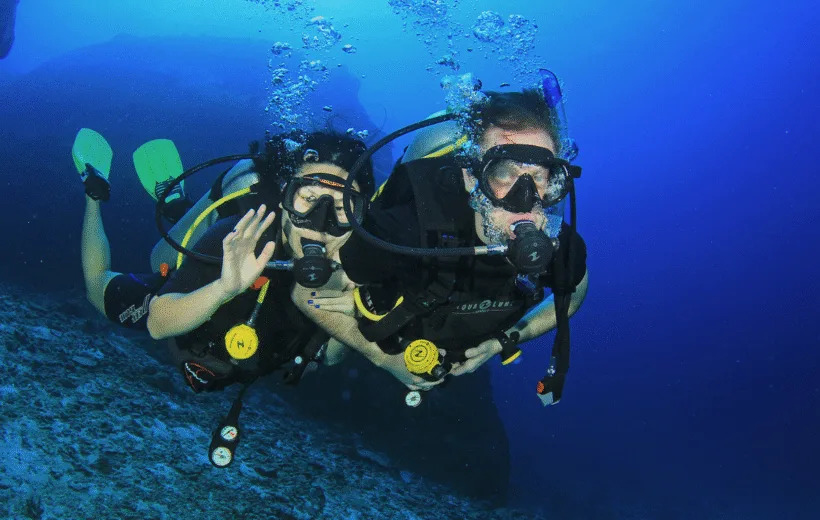
Bandar Khayran is accessible to divers of all levels. While specific depth ranges are not provided, the varied nature of its sites, including reefs and coves, offers experiences suitable for a wide range of certifications. The best period for diving in the region generally spans from October to May, with April and May offering the best visibility. However, even during the summer months (June to September), when planktonic activity might reduce visibility to between 10 and 15 metres, the increased presence of plankton can attract larger marine life.
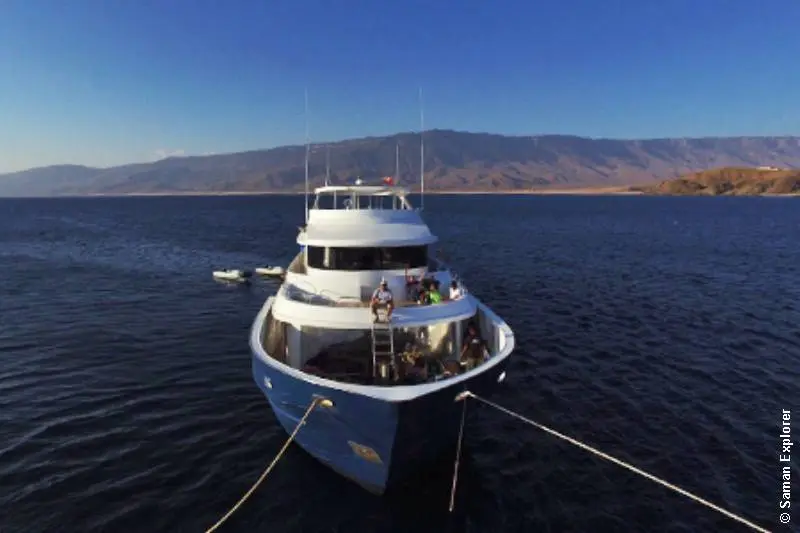
One liveaboard runs trips to Mascate.
Plan Bandar Khayran between October and May for the region’s main diving period. April and May offer particularly clear visibility. From June to September, planktonic activity can reduce visibility, while also attracting larger marine life into the water around the bay.
Bandar Khayran is accessible to divers of all levels. Its reefs and coves offer experiences suitable for a wide range of certifications, while varied sites support different dive profiles. You can explore coral-rich canyons, gentle sloping reefs, hidden lagoons, and secluded coves.
Bandar Khayran is not a single drop onto one reef. Its varied sites include reefs, coves, hidden lagoons, coral-rich canyons, and gentle sloping reefs, creating different dive profiles. You can choose among distinct underwater landscapes rather than expecting one uniform depth throughout the bay.
At Bandar Khayran, you can see diverse coral reefs, large schools of fish, green sea turtles, giant rays, octopus, and zebra sharks. Dolphins may appear in the bay or during transits to the sites. Hidden lagoons, secluded coves, and hard and soft corals add varied scenery.