Liveaboards · Oman
Oman Explorer, a steel liveaboard for focused Omani diving
What makes this boat unique
- The Oman Explorer is a 34-metre steel liveaboard refitted in 2015 for up to 22 divers.
- Muscat to Muscat itineraries visit Fahal Island and Bandar Khayran over 7 nights or 6 nights.
- The dive programme offers 3 to 4 dives per day, with 1 to 2 dives on the final diving day.
- Two 5.5-metre dinghies take divers to sites away from the main dive platform.
- The boat carries 12-litre tanks as standard, while 15-litre tanks, rental equipment and nitrox cost extra.
For subtitles in English: start the video firstthen click the gearat the top right of the video, select “Subtitles/CC”, then “Auto-translate” and choose “English”.
The invitation
The Oman Explorer is for divers who want Oman's coast rather than a resort with a boat attached. The route links Fahal Island, Bandar Khayran and the wreck of the Munassir, with walls, coral gardens, caves and open-water encounters that still feel less processed than the better-known Red Sea circuits. A steel hull, a proper dive deck and two diving tenders matter here because the itinerary is built around reaching sites along a long, varied coastline. The boat suits divers who are happy with a practical liveaboard routine: several dives a day, buffet meals, a shaded place to sit between them and English-speaking guidance. It is not a tech-diving platform, and nitrox is an extra. What brings people aboard is the combination of straightforward logistics and Omani sites where a single week can move from a shallow fringing reef to a naval wreck, a cave swim-through or a wall dropping to 40 metres.
Boarding
The Oman Explorer comes across as a working dive vessel rather than a floating hotel. Its steel construction gives the boat a solid, purposeful character, and the 2015 refit keeps the shared spaces suited to a week built around diving. Inside, the air-conditioned saloon is the practical centre of the boat, while the open-air saloon and sun deck spread people out after a dive. Movement between the living areas and the dive deck is direct, which matters when equipment, towels and wet kit are in constant rotation. The boat has room for groups and charters, but the atmosphere remains that of a dive vessel first. English is the working language on board. There is no Wi-Fi, so the sea gets a larger share of the week.
The atmosphere on board
The Oman Explorer carries an international crew of around ten, with up to two experienced dive guides, and English is used throughout the boat. That staffing keeps the day practical rather than theatrical: guides brief the next dive, crew manage the boat and tenders, and divers return to a deck prepared for the next entry. The air-conditioned saloon, buffet meals and open deck give the group several places to gather without forcing everyone into one room. By evening, conversations tend to stay close to the day's sites, conditions and sightings. The lack of Wi-Fi changes the social balance in a small but real way. People have fewer reasons to disappear into a screen and more time to remain part of the group.
The sites you’ll dive
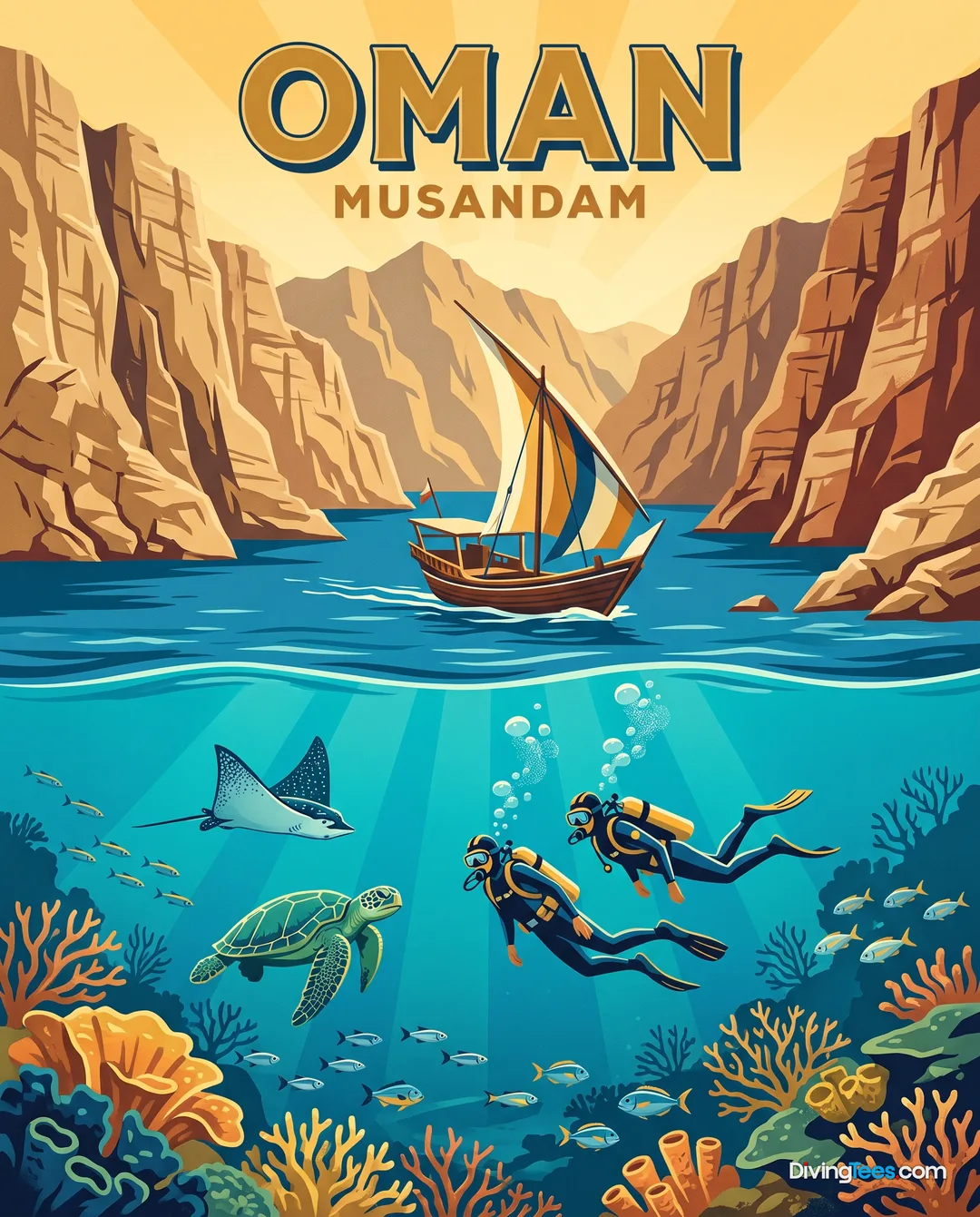
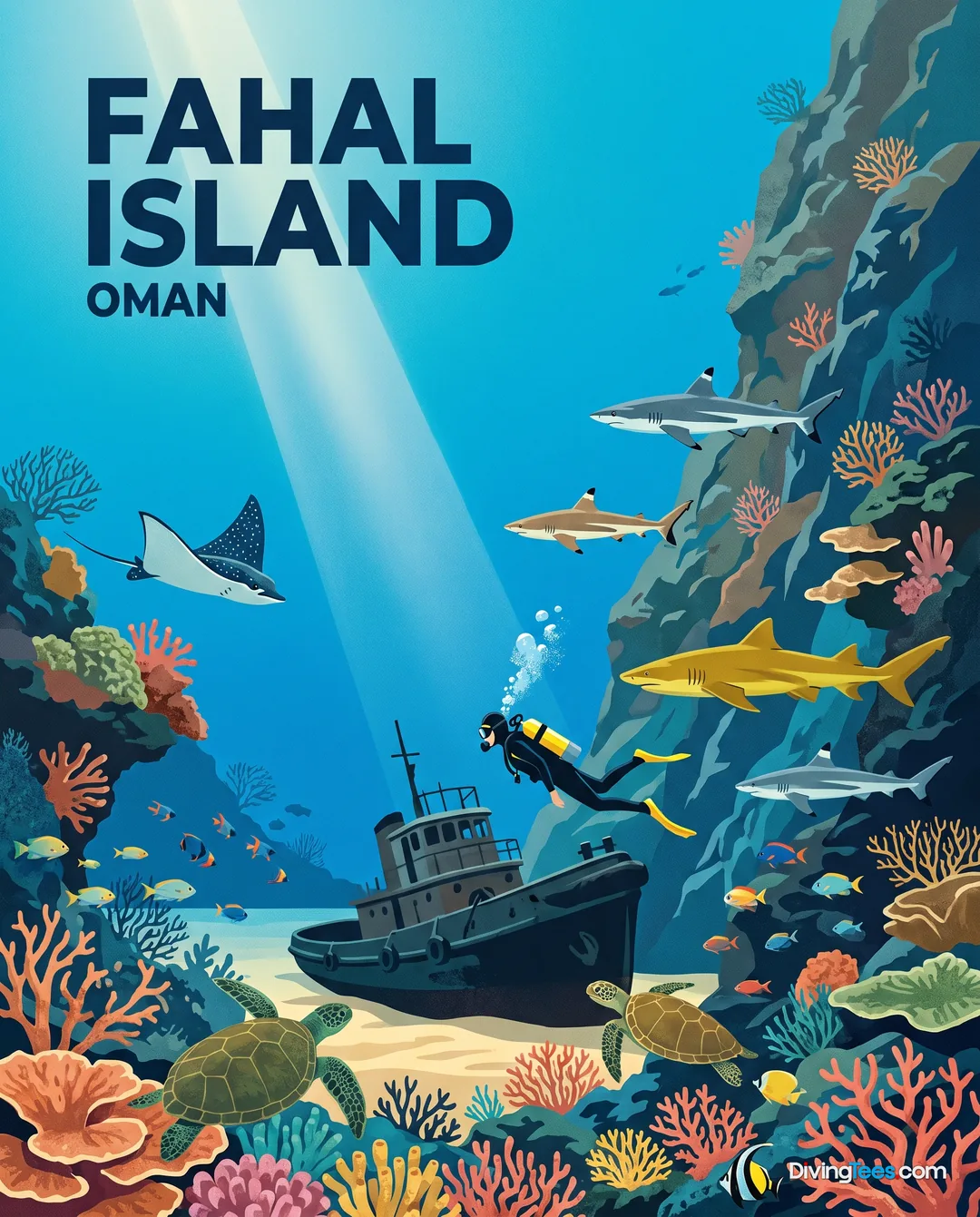
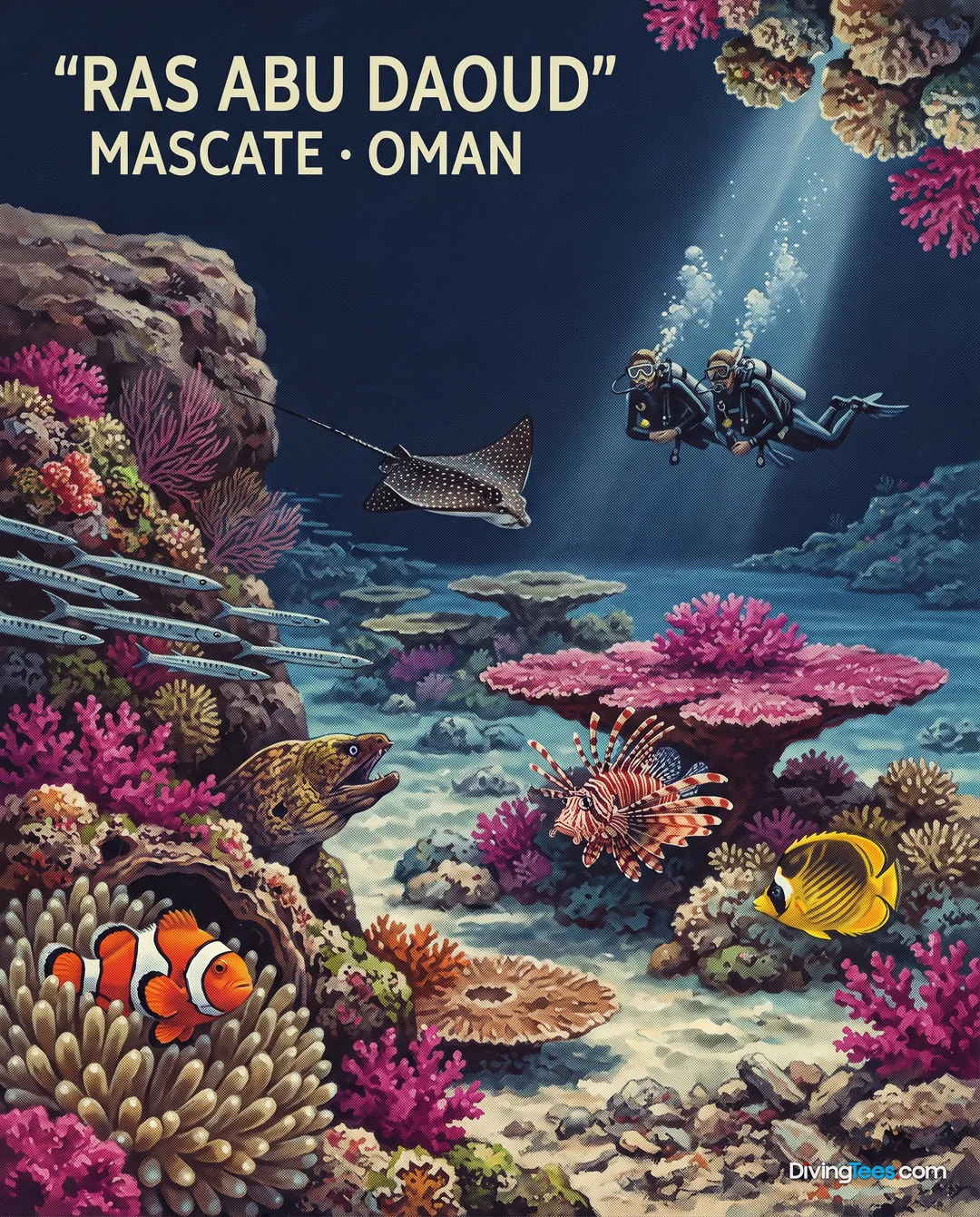
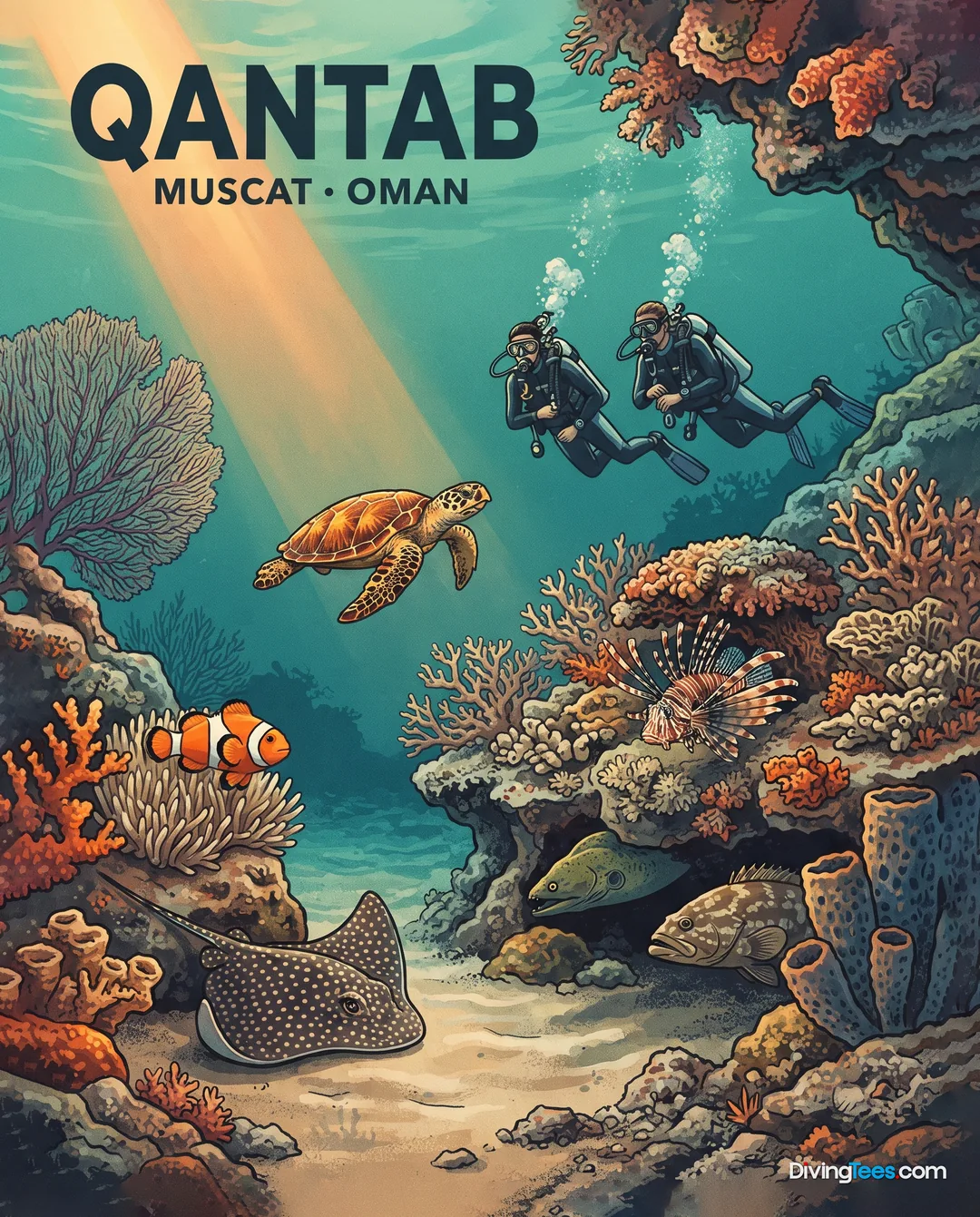
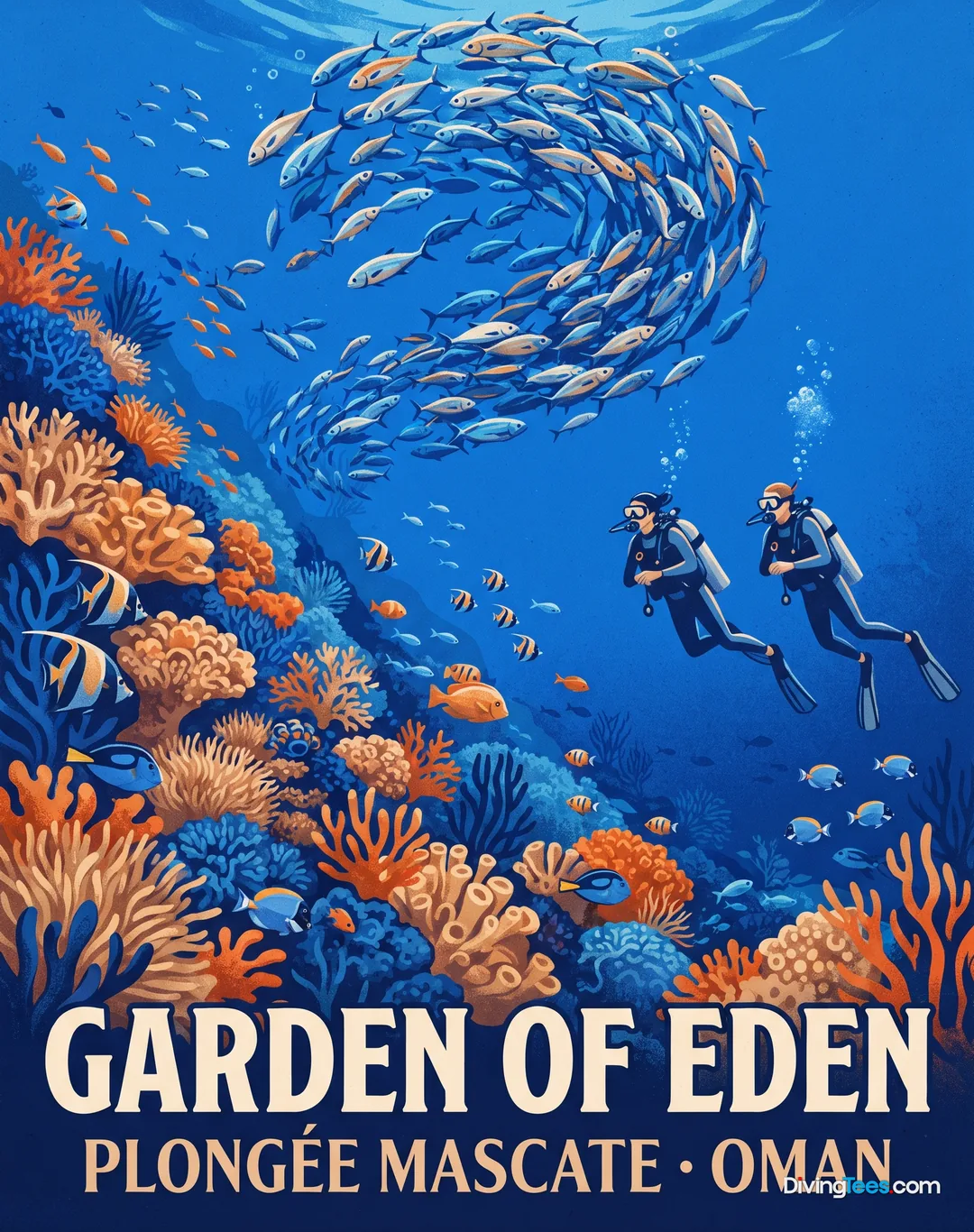
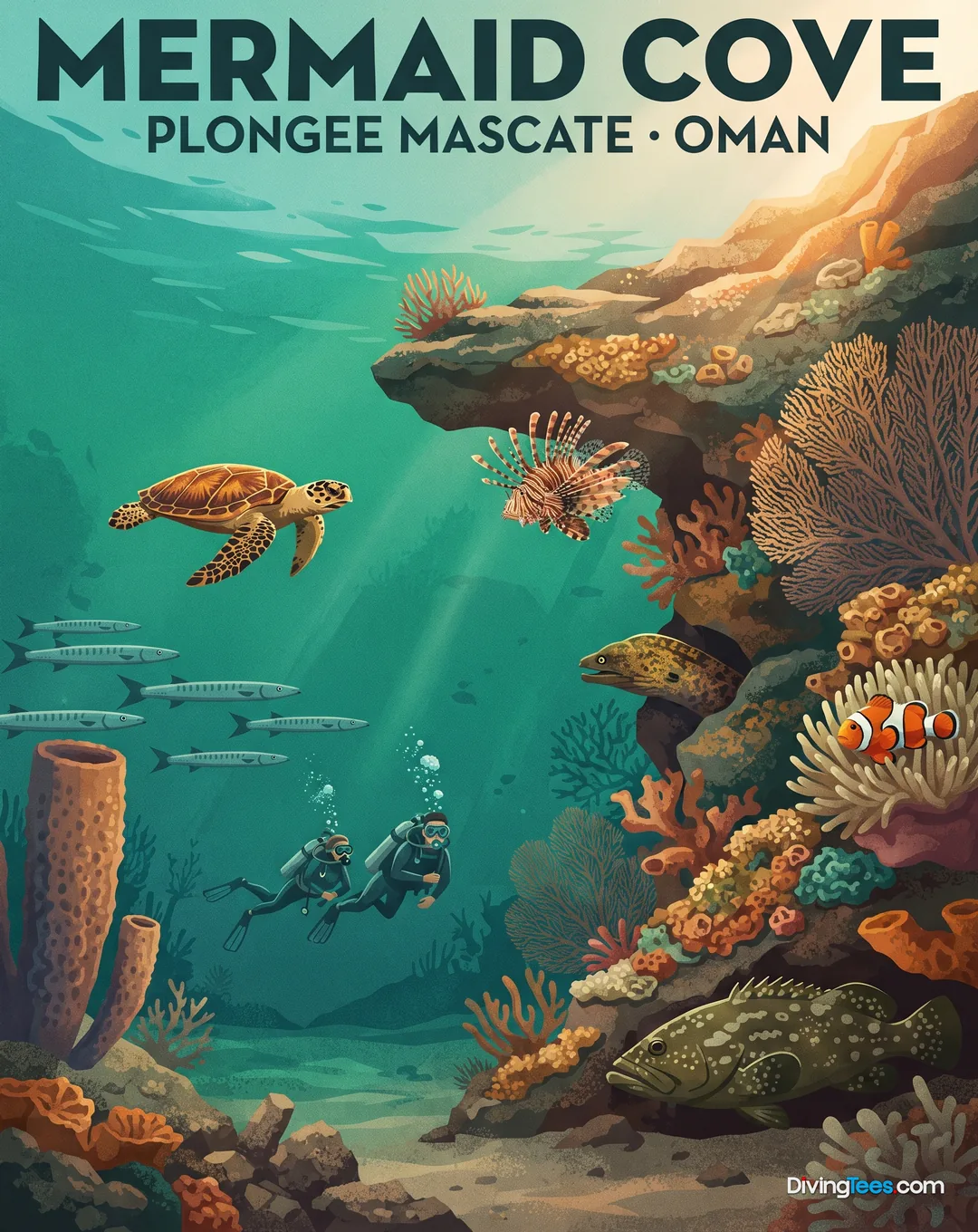
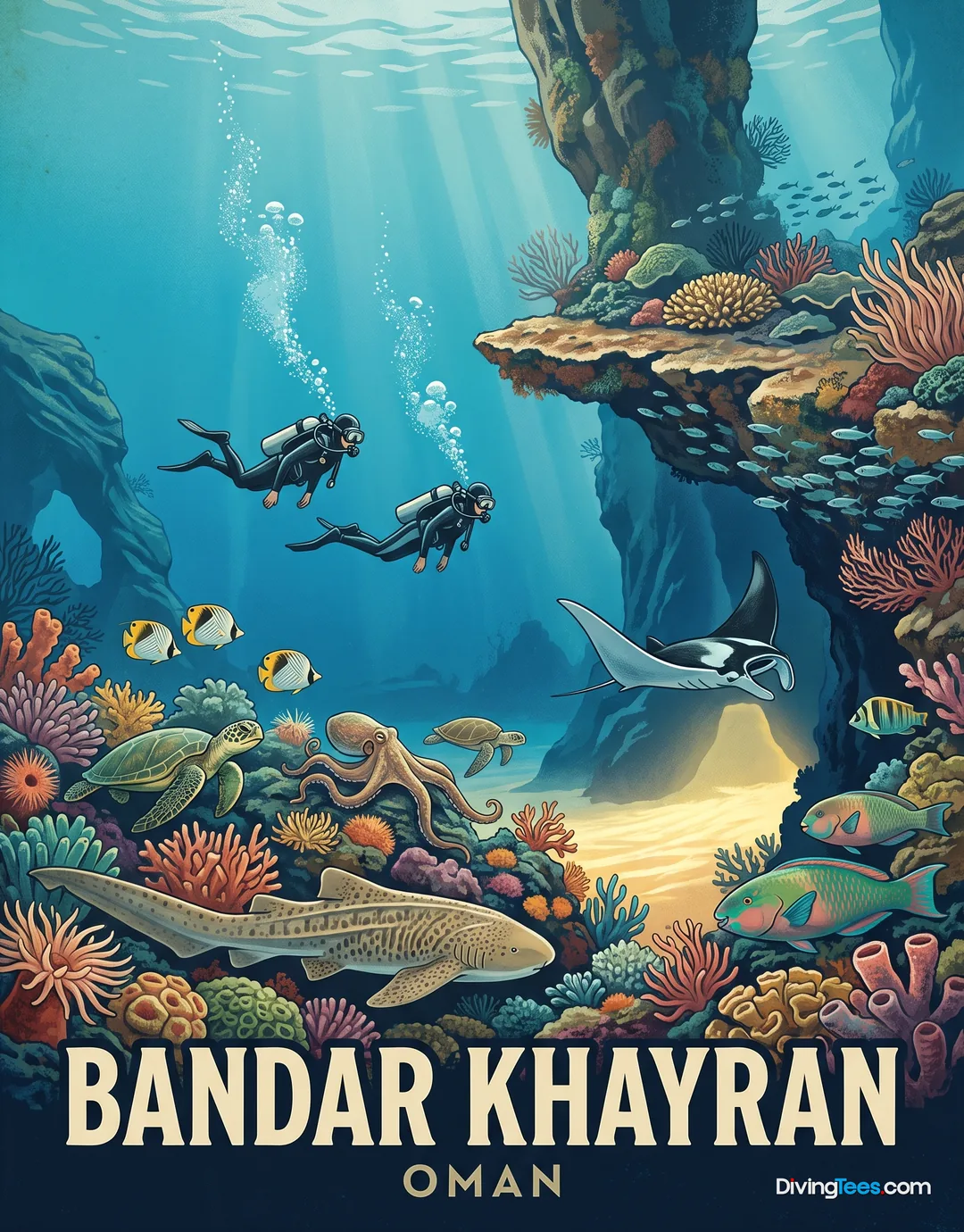
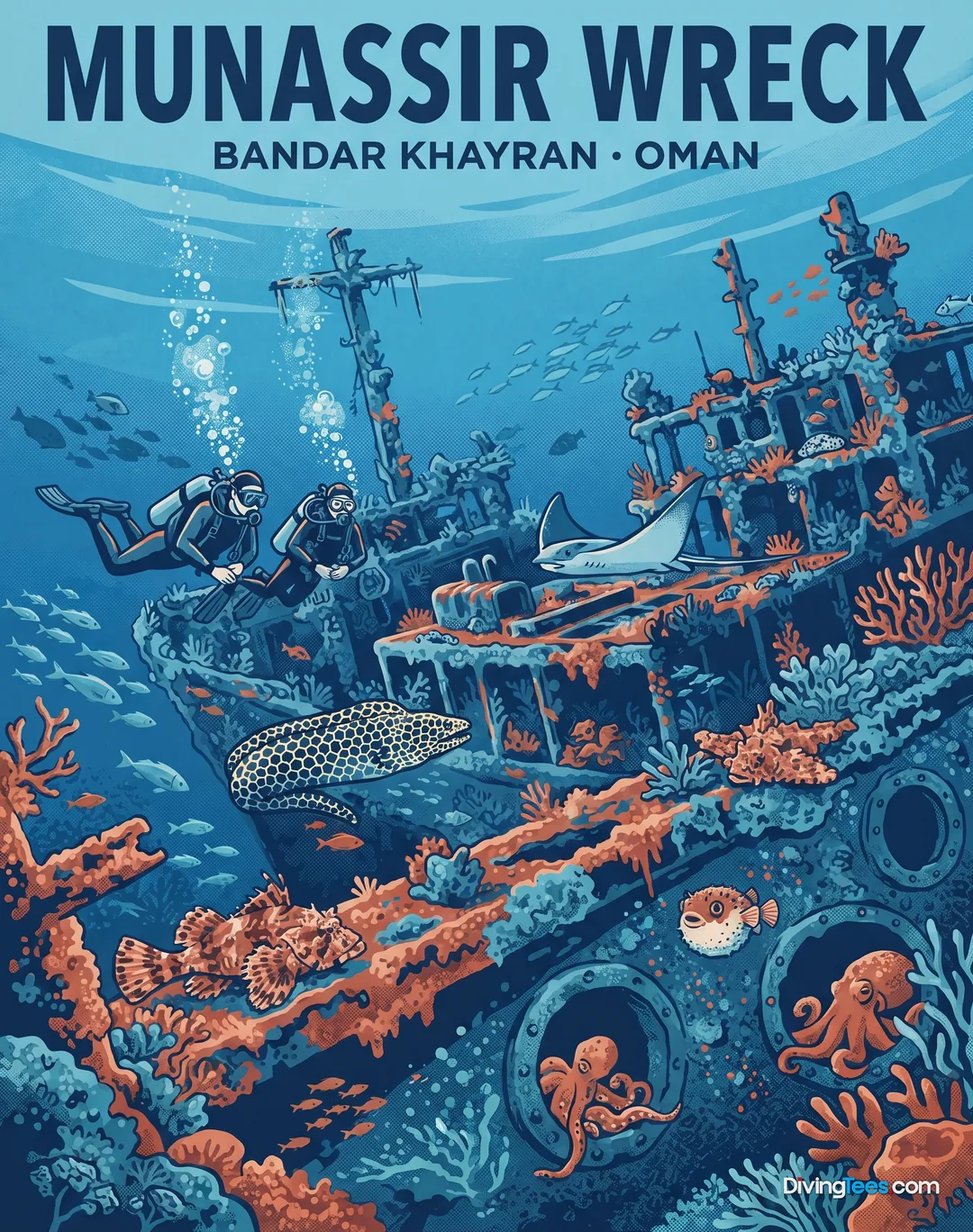
The Best of Daymaniat route runs from Muscat to Muscat over 7 nights, with one recorded itinerary lasting 6 nights. Fahal Island reaches a maximum of 40 metres, combining coral gardens, a cave swim-through and the possibility of shark encounters. At Ras Abu Daoud, walls fall from shallow reef into deeper coastal water, with a maximum of 30 metres. Qantab stays shallower at a maximum of 16 metres, where a fringing reef and rock formations shelter lobsters, reef fish, rays, turtles and sharks. Garden of Eden and Mermaid Cove both reach a maximum of 23 metres. Garden of Eden is a wall dive set against dense schools of reef fish, while Mermaid Cove moves from a sandy training bay to a coral-covered drop-off. Bandar Khayran adds more than 22 distinct sites, from coral gardens to secluded lagoons, while the Munassir Wreck offers an artificial reef made from a former naval vessel.
Itineraries, dates and prices
Prices per person. Each month shows its lowest price: click a month, or pick an itinerary.
Next departures · 30 departuresfrom £1,298$1,735€1,550
November 2026
December 2026
January 2027
February 2027
See dates and prices
If you click these links and make a purchase on the partner site, DivingDeal may earn a commission, at no extra cost to you.
Dates and prices taken from Divebooker, updated 20 October 2026
What you’ll meet underwater
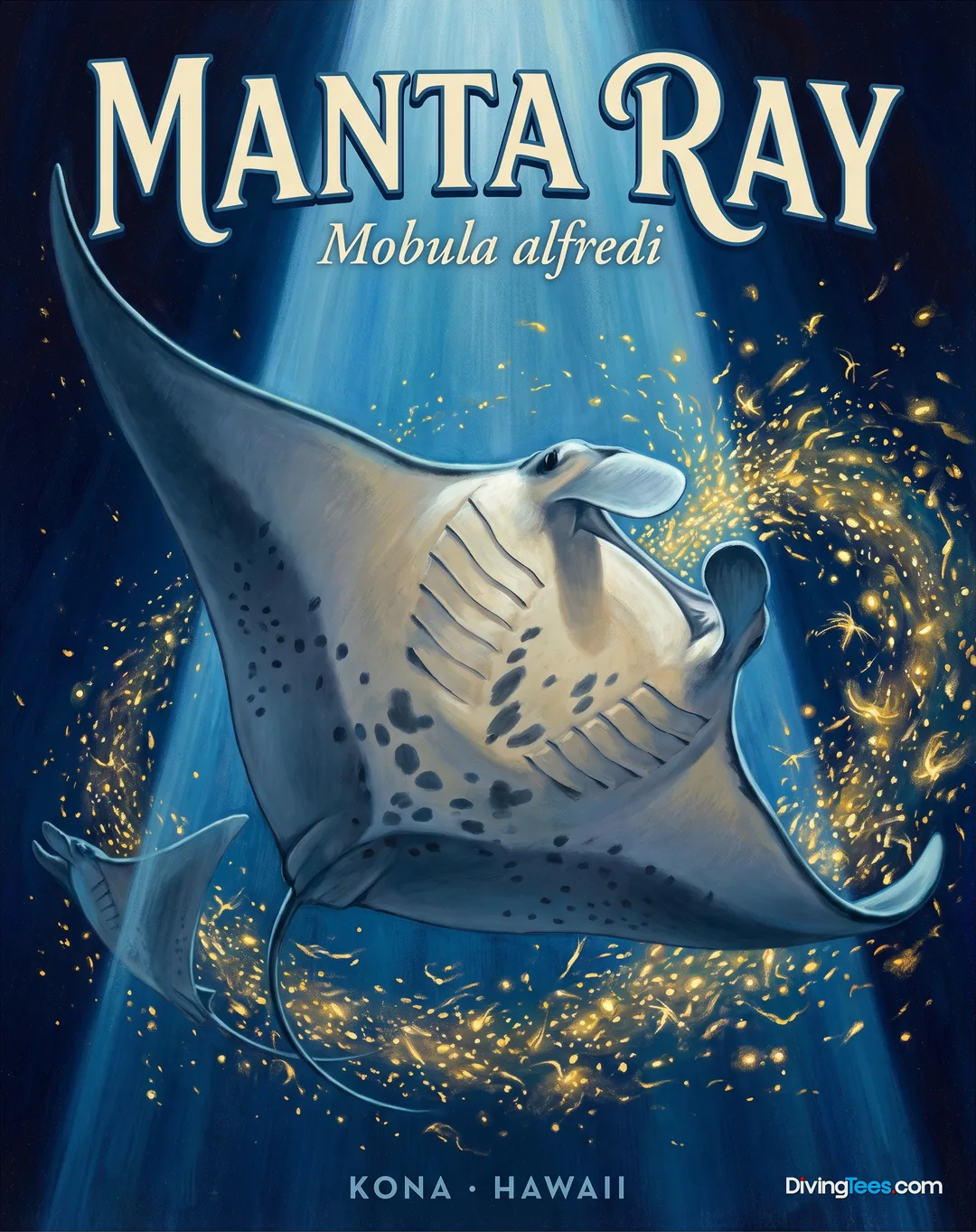
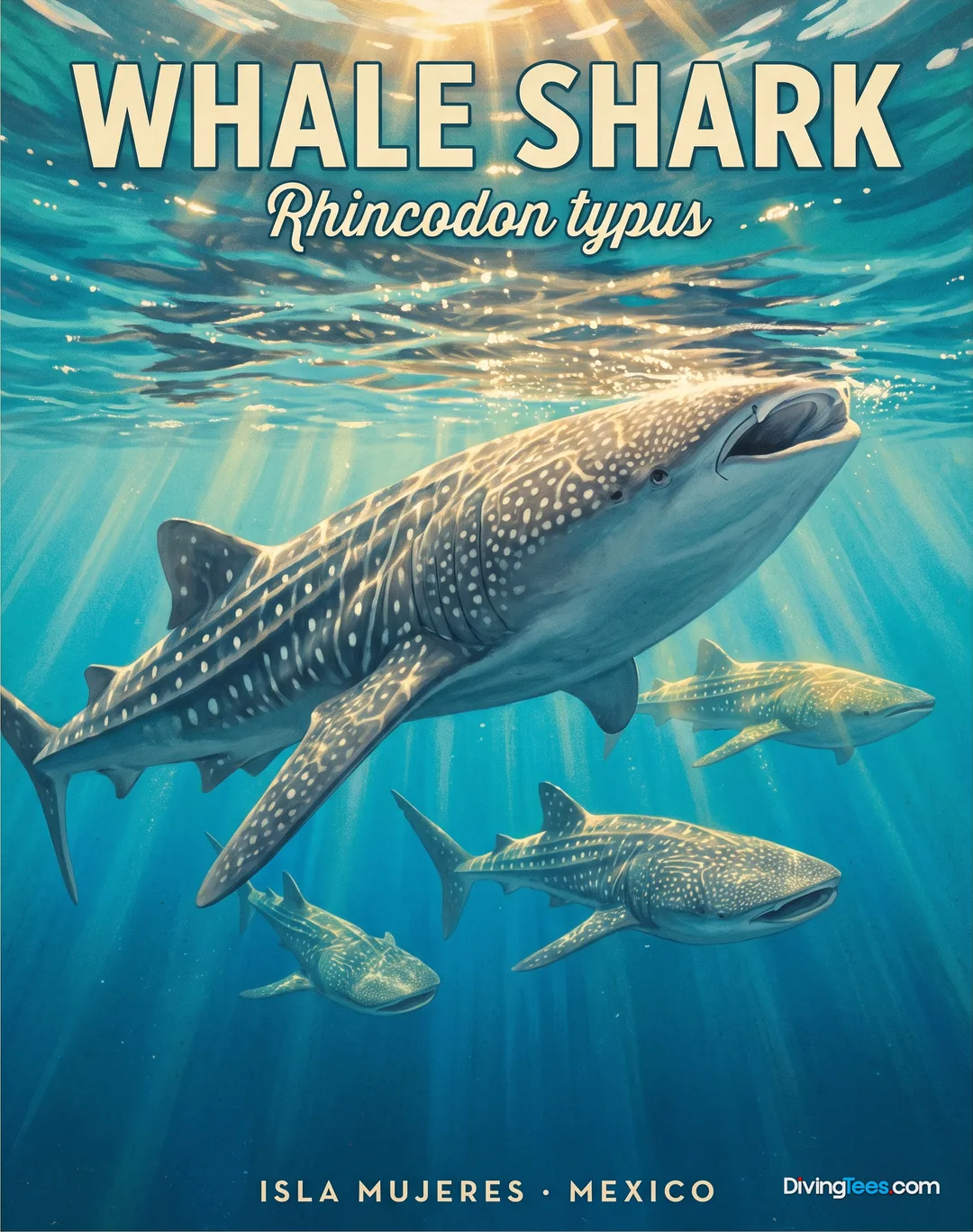
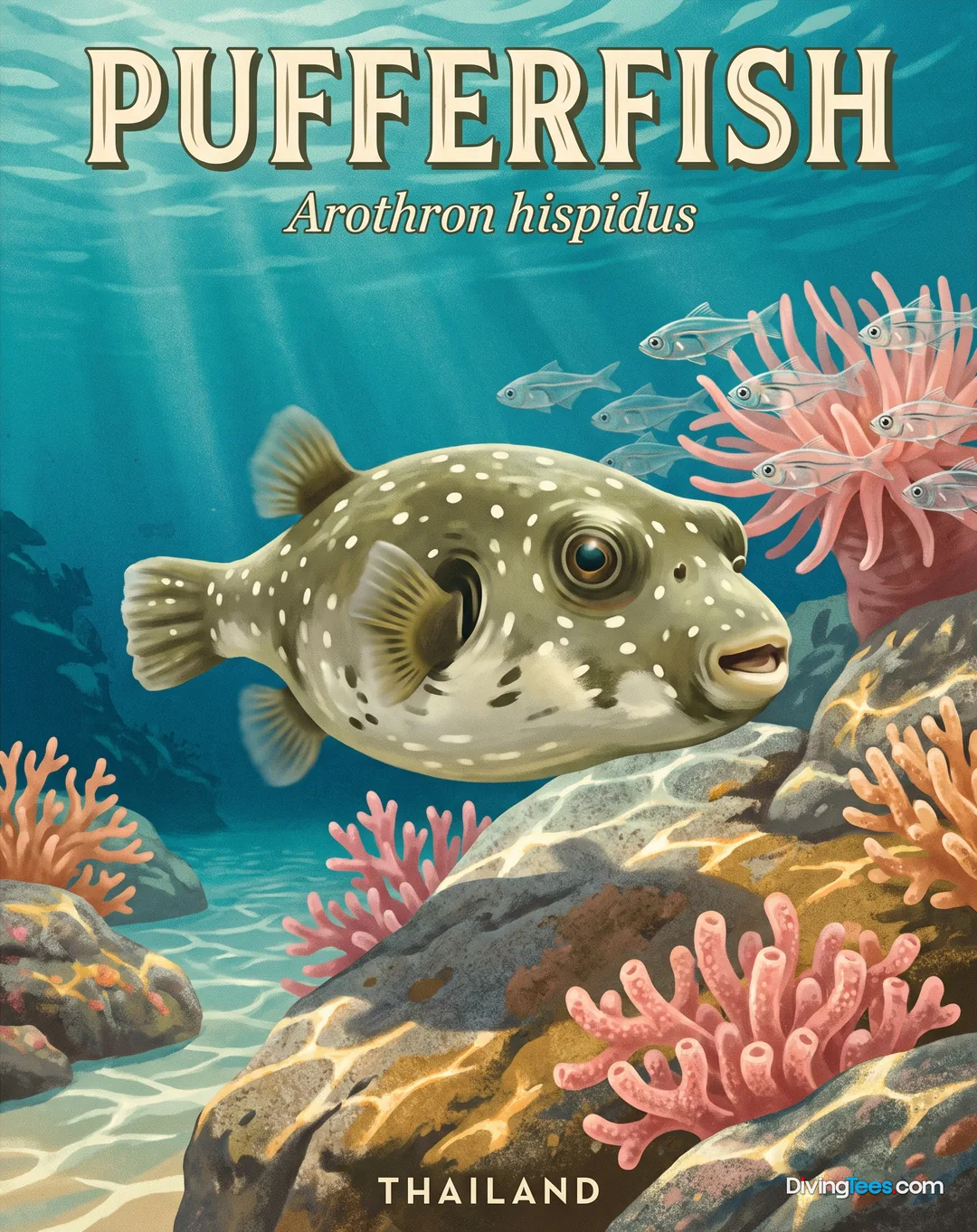
Soft corals, sea turtles, nudibranchs and rays form the recurring cast across this route, with reef fish moving through the coral gardens and walls. The individual sites add the reasons to pay attention. Fahal Island is where barracuda, reef sharks and blacktip reef sharks are recorded. Ras Abu Daoud is the site associated with manta rays, hammerheads and seahorses, as well as the chance of leopard sharks, dolphins and whale sharks. Bandar Khayran is the place for a green turtle, butterflyfish and parrotfish. Qantab brings the possibility of a shark encounter and lobsters in the reef. The Munassir Wreck has honeycomb morays, rays, scorpionfish, octopus and the route's recorded pufferfish. None of these sightings is guaranteed, which is precisely why the briefings and the choice of site matter.


Who puts you in the water
Up to two experienced dive guides work with the group, supported by an English-speaking crew of around ten. Briefings take place before each dive, with the guides setting out the site and the way divers will enter from the platform or a dinghy. The required level is Open Water Diver with a Deep speciality, or an equivalent qualification, plus at least 30 logged dives. The boat is therefore aimed at divers who already manage their buoyancy, gas and surface procedures independently. Full safety equipment is carried on board, including oxygen, medical equipment and a defibrillator. The boat is not intended for technical diving, and courses are not presented as part of the liveaboard programme.
The dive deck and the gear
The dive deck is laid out for repeated use, with storage for personal equipment, rinse tanks, freshwater showers and a WC. Diving can begin directly from the platform or from either of the two 5.5-metre dinghies, each powered by a 40 hp engine. The standard cylinders are 12-litre aluminium tanks with DIN and INT fittings, and DIN adaptors are available. Fifteen-litre tanks, rental equipment and nitrox are available at extra cost. Nitrox is produced through a membrane system and is intended for certified nitrox divers. Two compressors support the filling operation. The deck is the working heart of the boat: kit stays organised, entries are made from the platform or tenders, and the freshwater shower is waiting when divers come back aboard.
Between dives
Between dives, the boat gives the choice of shade, air conditioning or open air. The sun deck has loungers, and the upper deck provides a more sheltered seating area for those who want to stay outside without lying in full sun. The open-air saloon is the natural middle ground, close enough to the sea to keep watching the surface while still offering a place to settle with a drink or a snack. There is no Wi-Fi to draw attention back to shore. On a boat carrying out several dives a day, that absence is useful: the quiet hours belong to drying equipment, eating, sleeping or watching the coastline pass.
A day on board
The day is shaped by the diving rather than by a fixed sightseeing timetable. A briefing comes before each entry, followed by the dive from the platform or one of the two dinghies, a return to the dive deck and time to rinse gear, eat, rest or move into the shade. The usual programme is 3 to 4 dives in a day, with the final diving day reduced to 1 or 2. Breakfast, lunch, dinner and snacks arrive around that pattern, and the boat moves between the sites that make up the itinerary. The useful rhythm is simple: prepare, dive, recover, eat, then do it again. When the last dive is over, the sun deck and saloon take over from the dive deck.
What you eat aboard
Full board is served buffet-style, with both Western and local food. Breakfast, lunch and dinner keep the day moving without turning meals into a long production between dives, and snacks are available throughout the day. Water, coffee, tea, juice and hot and cold soft drinks are included. Dietary restrictions can be catered for. The buffet suits this kind of trip because divers can choose a proper plate after a demanding dive or keep it light when the next briefing is close. The table is less a restaurant occasion than the point where the group refuels, compares the last dive and checks what is coming next.
Nights at sea
The eleven cabins are arranged as twin cabins and a master cabin, all with air conditioning, a fan, a wardrobe and a private bathroom with shower and WC. Twin cabins have two single beds, with upper-deck cabins offering sea views. The master cabin has a king-size bed, a refrigerator and a television. These are functional liveaboard rooms, arranged for divers who spend their waking hours on deck or underwater rather than inside a cabin. The air conditioning gives the night a cooler retreat after repeated dives, while the private bathroom removes one of the daily frictions that can wear on a full boat. Cabin space is for sleeping and changing. The larger living areas are outside the door.
Twin Cabin
Master Cabin
What to know before boarding
The Oman Explorer departs from Muscat and returns to Muscat. Transfers are not included in the liveaboard arrangements. Arriving in Muscat the night before gives the trip a margin for flight delays and makes boarding less rushed.
- Year renovated
- 2015
- Length
- 34 m
- Beam
- 9 m
- Maximum number of passengers
- 22
- Number of cabins
- 11
- Engines
- 2 Daewoo engines, 720 hp each
- Tenders
- 2 dinghies (5.5 m), 40 hp each
- Website
- extradivers-worldwide.com ↗
Hello, I'm Marina, DivingDeal.com's AI assistant. I answer in detail about hotels, dive centres and liveaboards.
Thinking about the whole trip and the flights? Talk it over with Edith →
Marina is an AI. Some links are affiliate links: DivingDeal may earn a commission, at no extra cost to you. Bookings are made with the partner.