

Khasab - Musandam Discovery Diving
Google 4.7/5 (144 reviews)
Musandam · Oman · Middle East
Max. depth · 45 mDescend along the wall of Abu Rashid Island to 45 metres, navigating moderate currents through extensive fields of purple soft corals.
For subtitles in English: start the video firstthen click the gearat the top right of the video, select “Subtitles/CC”, then “Auto-translate” and choose “English”.
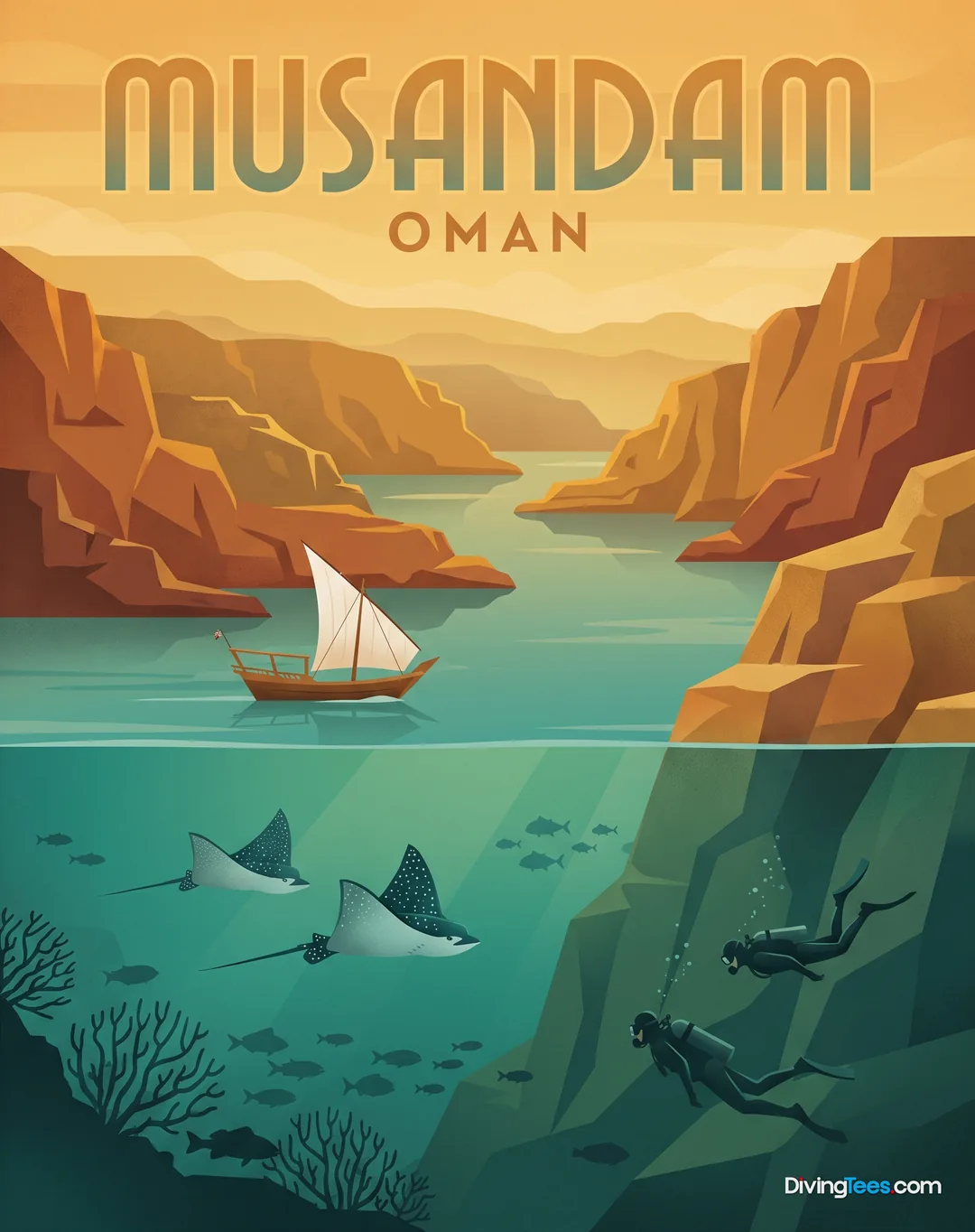
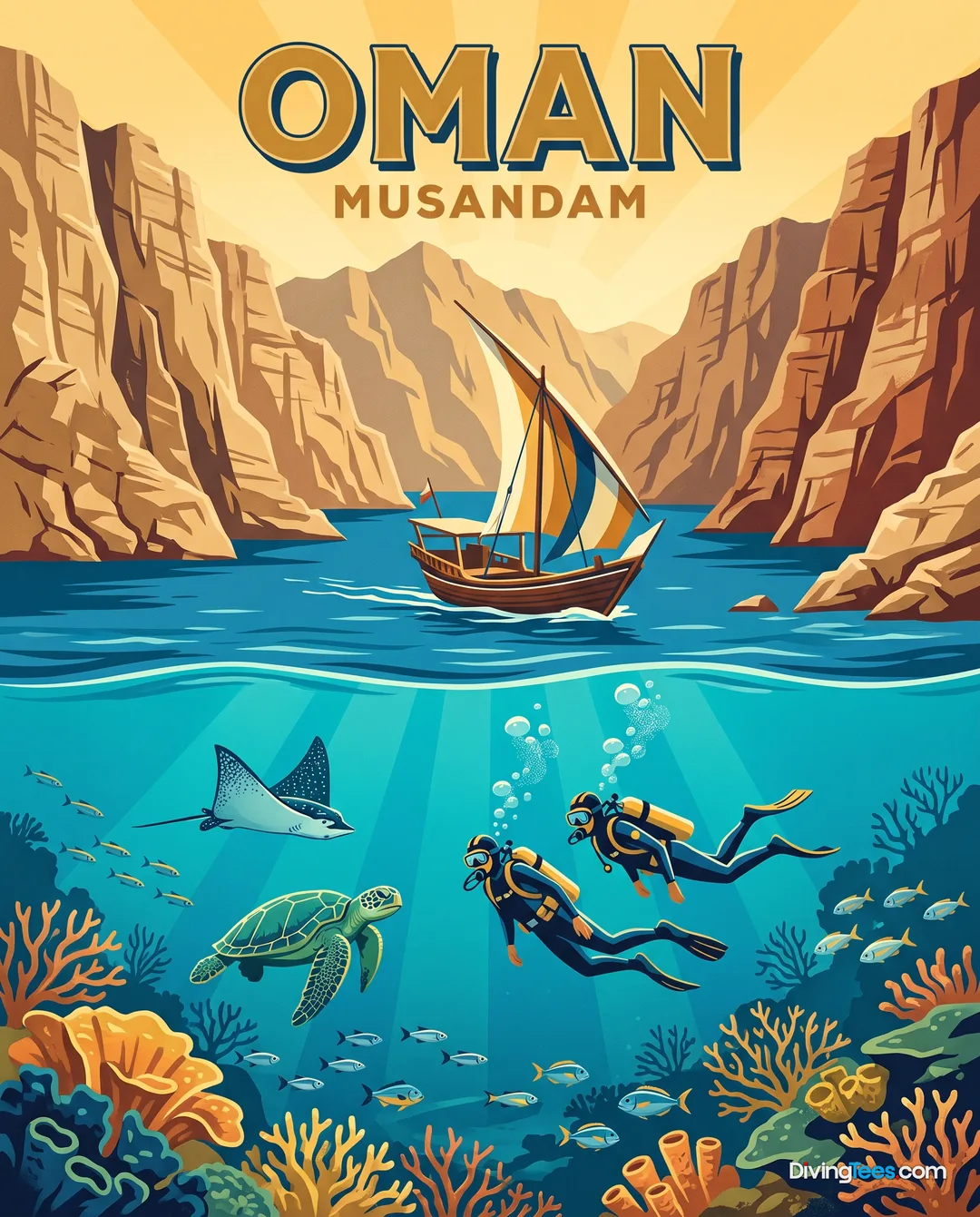
Abu Rashid Island is situated approximately an hour's fast boat ride from Khasab and presents a strong wall and deep dive experience. From the drop, you'll find yourself on a vertical face that plunges well beyond recreational limits. This site is typically dived as a drift, allowing you to cover more ground along the wall, carried by the prevalent current.
The primary draw at Abu Rashid is the visual impact of its soft coral fields. These are not isolated patches, but rather extensive growths of vibrant purple soft corals that carpet sections of the wall. As you descend, the sheer density and colour provide a unique backdrop, distinct from many other sites in the region. Maintaining your buoyancy and trim here is key, allowing you to absorb the scale of these coral gardens.
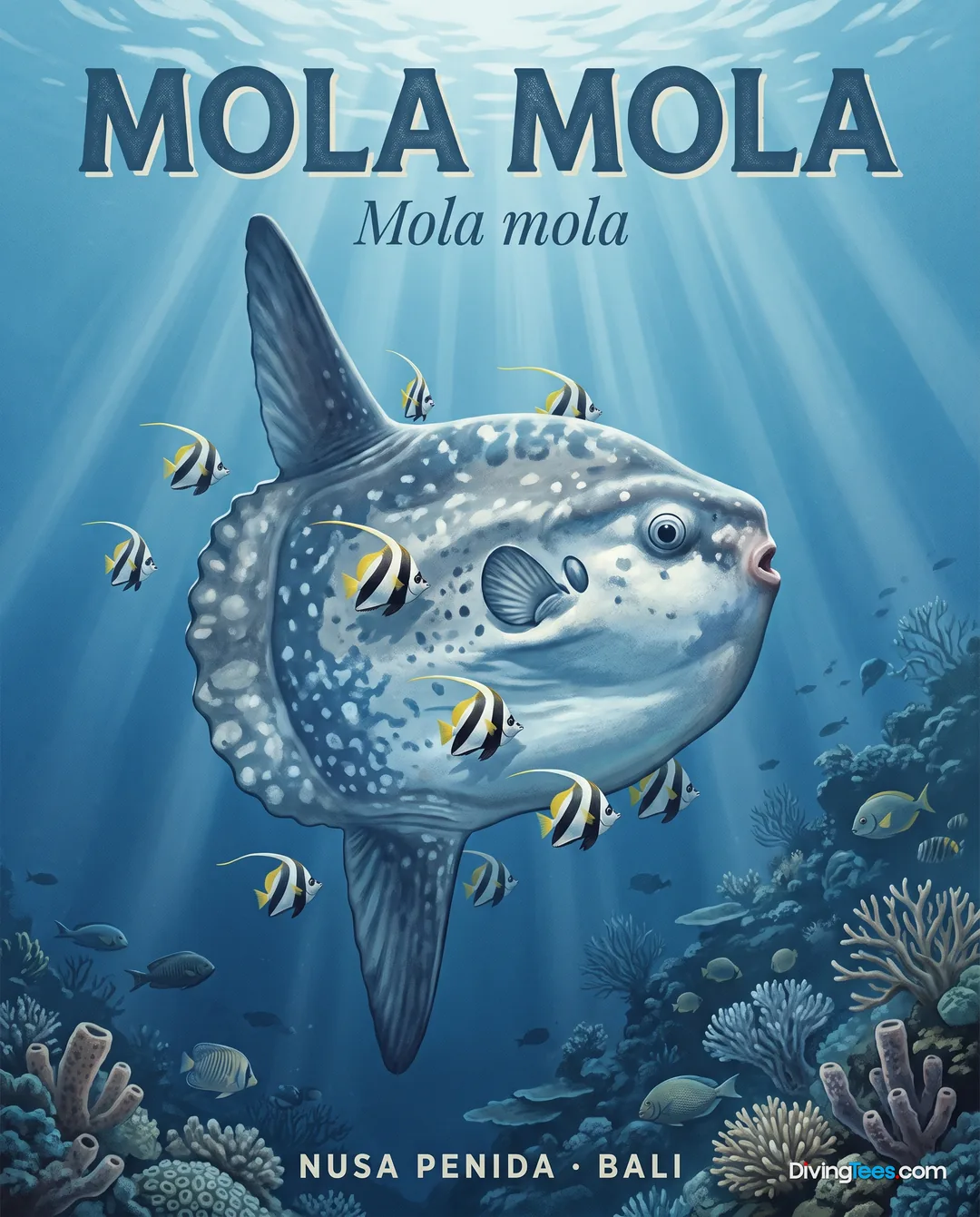
While exploring the wall's profile, keep an eye on the blue. The deeper sections, extending past 40 metres, are where larger pelagic activity is more often observed. Sharks are a regular sight, and there's a strong possibility of encountering mola mola (ocean sunfish), especially when conditions in the wider Musandam area draw them in. This is a big animal dive, but you need to be at depth to fully appreciate the potential for these encounters.
Currents at Abu Rashid Island are generally moderate. This is what drives the drift diving experience and keeps the wall clean, feeding the soft corals that thrive here. Managing your position relative to the wall and your dive buddy is essential under these conditions, particularly when stopping to observe marine life or to check your gauges. Your dive plan needs to account for this consistent water movement.
The general water movement in the Musandam region is influenced by cold-water upwellings, leading to plankton abundance. This rich feeding ground is a key factor in attracting the larger marine life that visits Abu Rashid Island. While the plankton can sometimes reduce overall visibility, it's also the engine for the food chain supporting the sharks and mola mola you might encounter. Understanding this connection helps frame the dive experience.
Abu Rashid Island is an advanced dive, with a maximum depth extending to 45 metres. Given the potential for deep conditions and the often moderate current, a minimum of an Advanced Open Water certification and comfort with drift diving is advised. The site often features prevalent moderate currents, requiring careful planning and confident buoyancy control.
Abu Rashid Island is an advanced dive reaching 45 metres, with deep conditions and moderate current. You should have at least Advanced Open Water certification and be comfortable with drift diving. Confident buoyancy control, careful planning, and maintaining position relative to the wall and your buddy are important here.
Abu Rashid Island features a vertical wall that plunges to 45 metres and beyond recreational limits. The dive begins from the drop and follows the wall, generally as a drift. The deeper sections extend past 40 metres, where larger pelagic activity is more often observed, including sharks and possible mola mola.
Abu Rashid Island typically has moderate currents that drive the drift dive along the wall. You need to manage your position relative to the wall and your buddy, especially when pausing to observe marine life or check gauges. Careful planning and confident buoyancy control help you handle the consistent movement.
At Abu Rashid Island, extensive vibrant purple soft corals carpet sections of the wall, creating a distinctive backdrop. Sharks are regular sightings, while mola mola may also appear, particularly when conditions draw them into the wider Musandam area. Plankton-rich water supports this larger marine life, though it can reduce visibility.