


Khasab - Musandam Discovery Diving
Google 4.7/5 (144 reviews)
Musandam · Oman · Middle East
Max. depth · 12 mDescend onto the Humsi Wreck, a small Omani dhow resting in 10 to 12 metres of water, transformed into a vibrant artificial reef near Khasab.
For subtitles in English: start the video firstthen click the gearat the top right of the video, select “Subtitles/CC”, then “Auto-translate” and choose “English”.
Dropping onto the Humsi Wreck, you'll find the distinctive silhouette of a traditional Omani dhow, approximately 10 to 12 metres long, resting on a sandy seabed. This isn't a deep, imposing steel structure, but rather a more personal exploration of a vessel that once plied these waters. The wreck lies in relatively shallow water, making the descent straightforward and allowing for extended bottom times to observe the transformation of its wooden hull into a living structure.
The shallow depth ensures ample light penetration, illuminating the vibrant colours that have colonized every available surface of the dhow. Marine growth has firmly established itself over time, slowly turning the wooden hull into a complex habitat. A continuous coral transplantation project actively fosters new reef structures, meaning that with each visit, you might observe subtle changes as young corals take hold and begin to flourish, making the Humsi a dynamic canvas of growth.
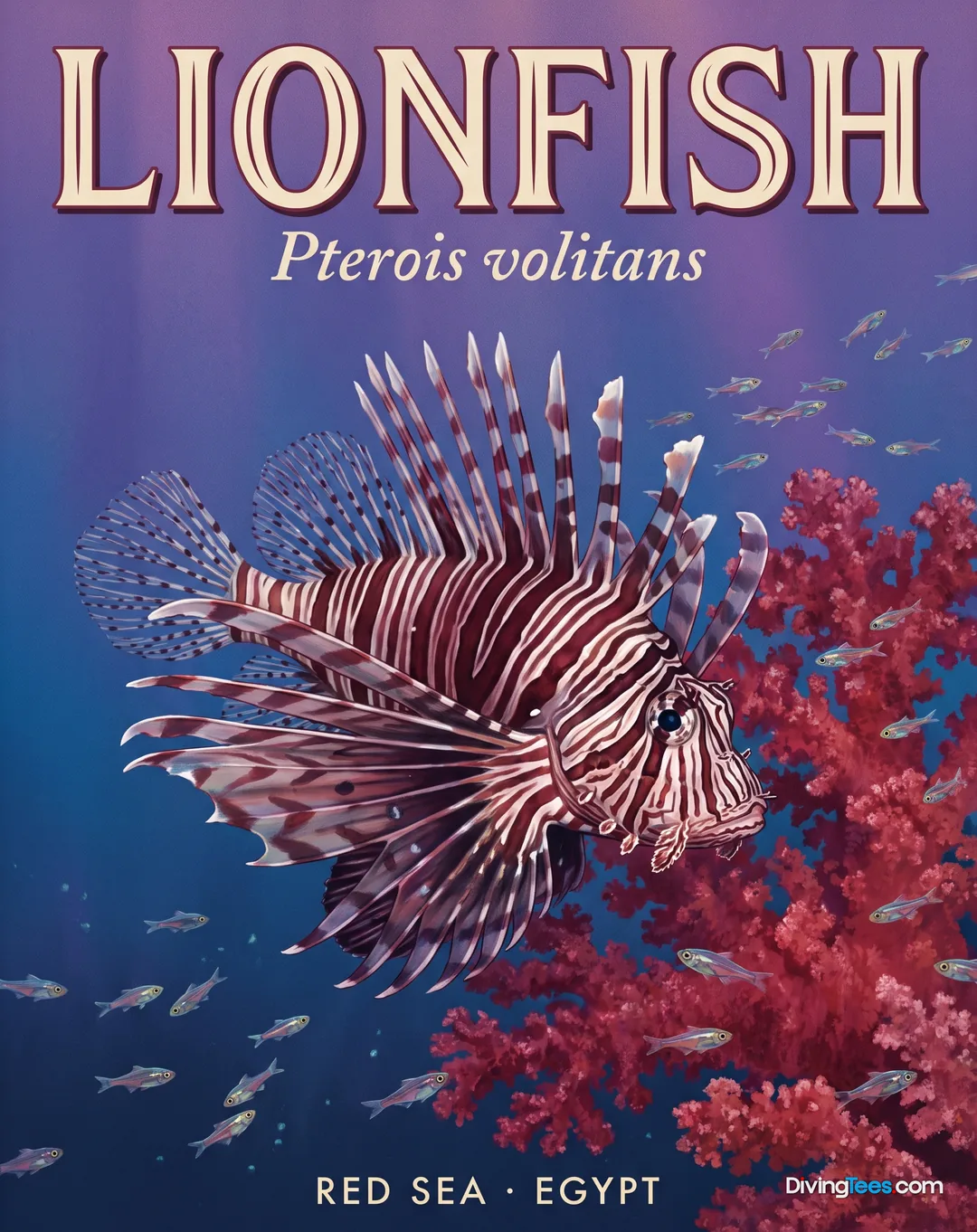
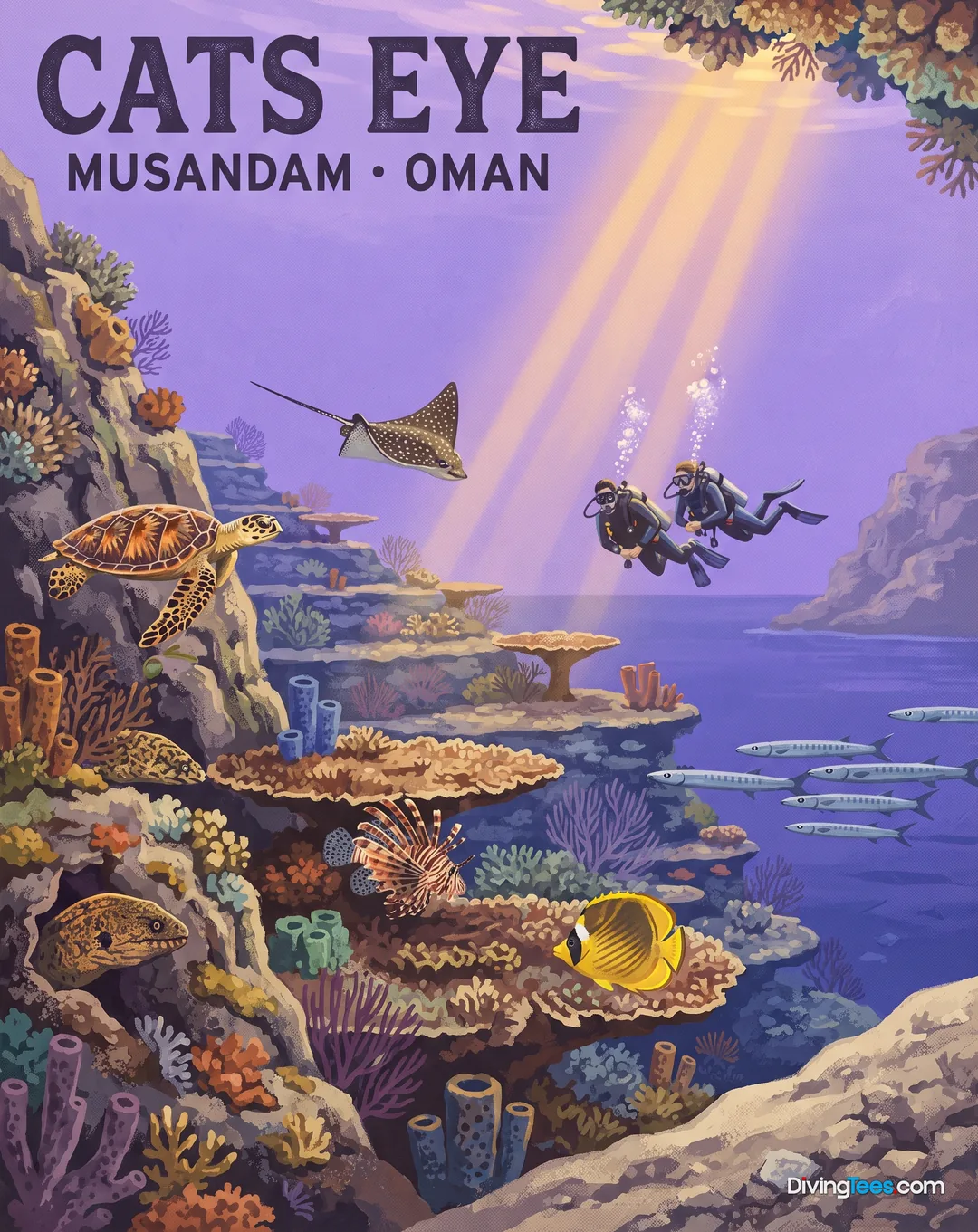
The Humsi Wreck serves as a sanctuary for a diverse range of marine species, utilizing the wreck's nooks and crannies for shelter. As you explore the structure, you'll encounter resident reef fish, snappers, and groupers. Lionfish often hover in sheltered spots, while moray eels peer from crevices, and parrotfish, butterflyfish, and angelfish graze on the surrounding growth.
This site is particularly rewarding for macro enthusiasts and patient observers. The sheltered nature of the wreck provides an ideal environment to spot smaller, more sedentary creatures like nudibranchs, shrimp, and crabs. These invertebrates are often found tucked away in the details of the wreck, offering opportunities for close observation of their behaviour and interactions within this artificial ecosystem.
Even after the sun sets, the Humsi Wreck offers a different dimension for divers. Night dives here unveil nocturnal creatures emerging from their daytime hiding spots. The wreck's structure provides perfect cover for species that become active after dark, transforming the site into a hunting ground and a stage for unique behaviours less visible during daylight hours. It's a dive that rewards repeat visits at different times, presenting new perspectives with each descent.
The wreck is surrounded by white sand, with nearby rocky outcrops and coral patches that extend the exploration beyond the dhow itself. While the wreck is the focal point, these adjacent areas contribute to the overall biodiversity of the site. The combination of the artificial structure and natural elements creates a varied environment for marine life, enhancing the overall dive experience.
The Humsi Wreck is accessible for divers of all levels, including those undertaking training dives, due to its shallow depth, ranging from 10 to 12 metres. Access is by speedboat, typically a 10-minute ride from Khasab harbour. Current at the site can be variable, influenced by local tidal movements and boat traffic near Khasab harbour, so surface conditions should be monitored, and an SMB is recommended for ascent. Visibility is low to moderate, and can sometimes be very poor, resembling 'pea soup' conditions, particularly closer to Khasab. This variability in visibility should be considered when planning your dive.
The Humsi Wreck can be explored during daylight, when light reaches the shallow dhow and illuminates its marine growth. A night dive reveals nocturnal creatures emerging from hiding and using the wreck as cover. Visibility is low to moderate and may become very poor, particularly closer to Khasab, so plan accordingly.
The Humsi Wreck is accessible to divers of all experience levels, including people undertaking training dives. Its shallow setting makes the descent straightforward and allows you to explore the dhow and surrounding sandy seabed without needing advanced experience. Nearby rocky outcrops and coral patches also extend the dive beyond the wreck.
The Humsi Wreck rests in shallow water at a depth of 10 to 12 metres on a sandy seabed. This depth allows ample light to illuminate the wooden hull and its marine growth, while giving you time to examine the structure, coral transplantation project, and surrounding habitat during the dive.
Currents at the Humsi Wreck can vary with local tidal movements and boat traffic near Khasab harbour. Monitor surface conditions and use an SMB for ascent. Around the dhow, you may see reef fish, snappers, groupers, lionfish, moray eels, nudibranchs, shrimp, crabs, and nocturnal creatures on night dives.