Ocean Free & Ocean Freedom - Cairns Premier Great Barrier Reef & Island Tours
★ 4.9/5 (1,520 reviews)
76 km away as the crow flies
Great Barrier Reef · Australia · Pacific
Max. depth · 15 mTwo distinct coral formations create a shallow wall and swim-throughs at 12 metres.
For subtitles in English: start the video firstthen click the gearat the top right of the video, select “Subtitles/CC”, then “Auto-translate” and choose “English”.
Split Bommie is a distinctive geological feature located on the outer edge of Hastings Reef in the Great Barrier Reef. Unlike a continuous reef wall, this site consists of two large, rounded coral formations that have separated from the main reef structure, creating a pair of distinct pinnacles. This separation forms a notable channel and a shallow wall-style topography that rises from a sandy bottom located at roughly 8 to 10 metres. The site's configuration provides a variety of micro-habitats, from open sandy areas to complex vertical structures.
As you descend toward the structures, the topography transitions from the surrounding sandy floor into the rising faces of the bommies. The depth profile is relatively shallow, with the main features sitting between 5 and 15 metres, making it an accessible site for many divers. The twin circular formations create a unique layout where you can navigate through cracks and crevices formed by the split. A significant feature is a swim-through located at approximately 12 metres, which allows divers to move through the heart of the formations. This depth allows for plenty of natural light to reach the coral surfaces.
The physical structure of the bommies is heavily colonized by diverse coral life. You will find large fan corals projecting from the vertical faces, adding texture and complexity to the site. These hard corals and sea fans thrive in the water movement that passes through the split. The crevices and overhangs within the two formations provide essential shelter for various resident species. Exploring the tight spaces between the two rounded peaks reveals a high level of structural complexity that is not found on flatter reef sections.
The southern position of Split Bommie on Hastings Reef plays a critical role in the local ecology. Because it sits on the edge of the reef, the site is subject to the influence of swell wrapping around the reef edge. This positioning often creates a current line that travels along the southern edge of the structure. This movement of water is a key factor in the site's productivity, as it brings nutrients and oxygen directly to the coral colonies. The current can range from light to moderate depending on the prevailing wind and swell conditions.
This current line acts as a natural corridor for marine life, making the site a reliable location for observing larger species. You will often encounter schooling fish and pelagic species moving along the edge of the bommies. The presence of reef sharks is a common occurrence, as they utilize the current and the structural protection of the pinnacles. These sharks typically patrol the perimeter or hover near the reef edge. The combination of structured habitat and moving water makes this a highly active zone for both resident and passing fauna.
For those looking closer at the reef structure, the crevices offer a different kind of encounter. The sheltered spots within the cracks of the split bommies are prime habitats for lobsters. These crustaceans tend to stay tucked away in the darker, more protected parts of the formation. You can also observe various small reef fish that inhabit the spaces between the hard corals and the fan corals. The diversity of the small-scale life is just as significant as the larger pelagics passing through the area.
The visibility at Split Bommie is generally good, typically ranging between 15 and 25 metres. This clarity allows you to see the relationship between the twin pinnacles and the surrounding reef wall clearly. On days with high visibility, the scale of the bommies and the movement of pelagic fish in the blue can be easily tracked. The light penetration at these depths ensures that the colours of the sea fans and the reef fish are well-defined. This makes the site suitable for both relaxed exploration and more focused marine life observation.
The site has a depth range of 5 to 15 metres and is accessible from Open Water Diver level. Currents are variable, ranging from light to moderate, often influenced by swell wrapping around the southern end of Hastings Reef. Expected visibility is between 15 and 25 metres.
★ 4.9/5 (1,520 reviews)
76 km away as the crow flies
★ 5/5 (207 reviews)
78 km away as the crow flies


★ 4.8/5 (298 reviews)
77 km away as the crow flies
★ 4.8/5 (100 reviews)
76 km away as the crow flies
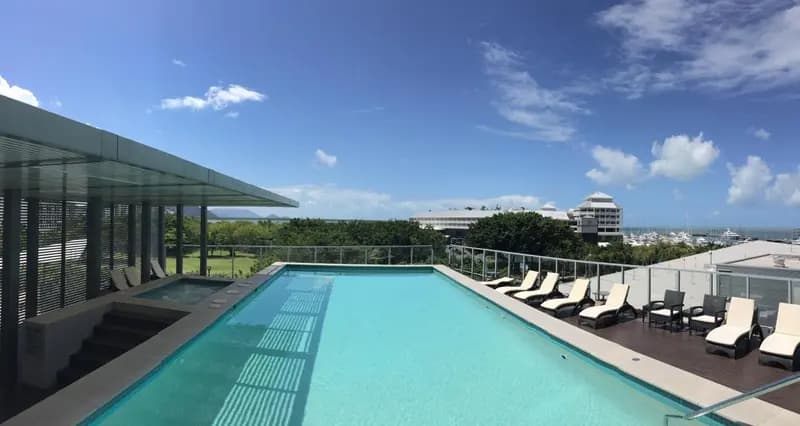
★★★★
★ 9.1/10 (1,006 reviews)
76 km away as the crow flies

★★★★★
★ 8.4/10 (3,673 reviews)
76 km away as the crow flies
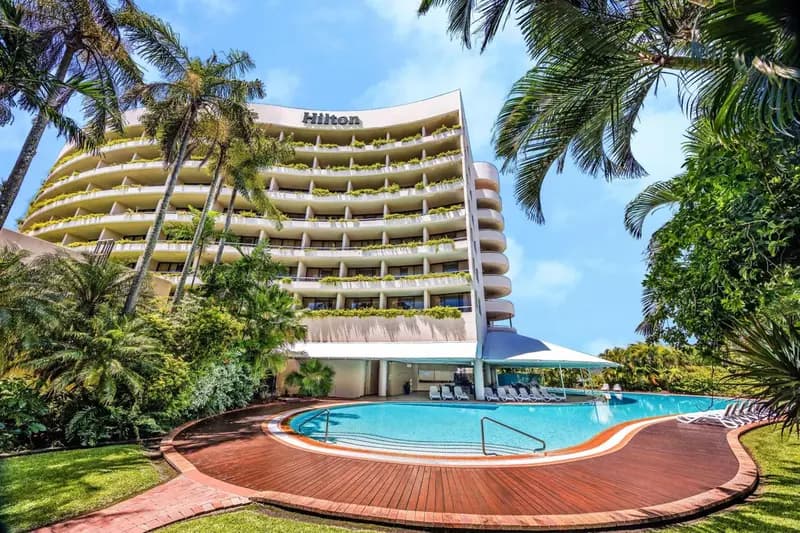
★★★★★
★ 8.4/10 (2,444 reviews)
76 km away as the crow flies
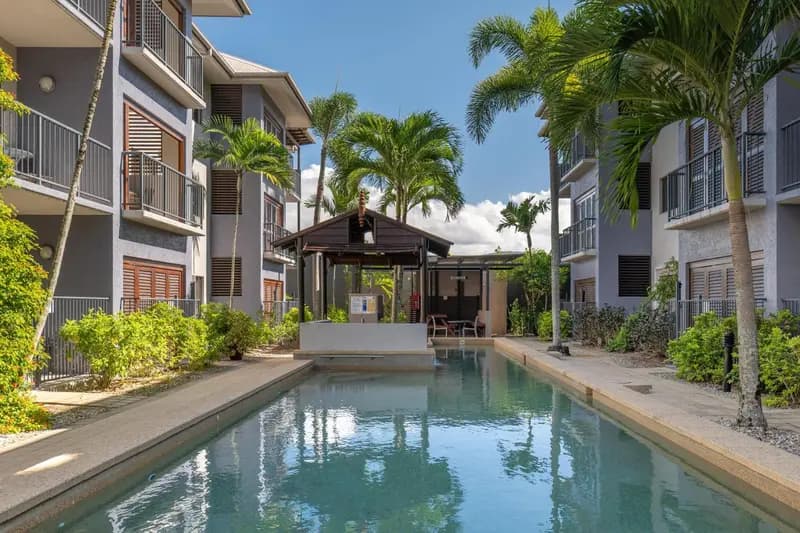
★★★★
★ 8.4/10 (1,685 reviews)
76 km away as the crow flies