Ocean Free & Ocean Freedom - Cairns Premier Great Barrier Reef & Island Tours
Google 4.9/5 (1,552 reviews)
222 km away as the crow flies
Great Barrier Reef · Australia · Pacific
Max. depth · 30 mDescend this isolated coral pinnacle rising from 30 meters to just below the surface, experiencing the full cross-section of reef life from deep gorgonian fans to shallow Acropora thickets.
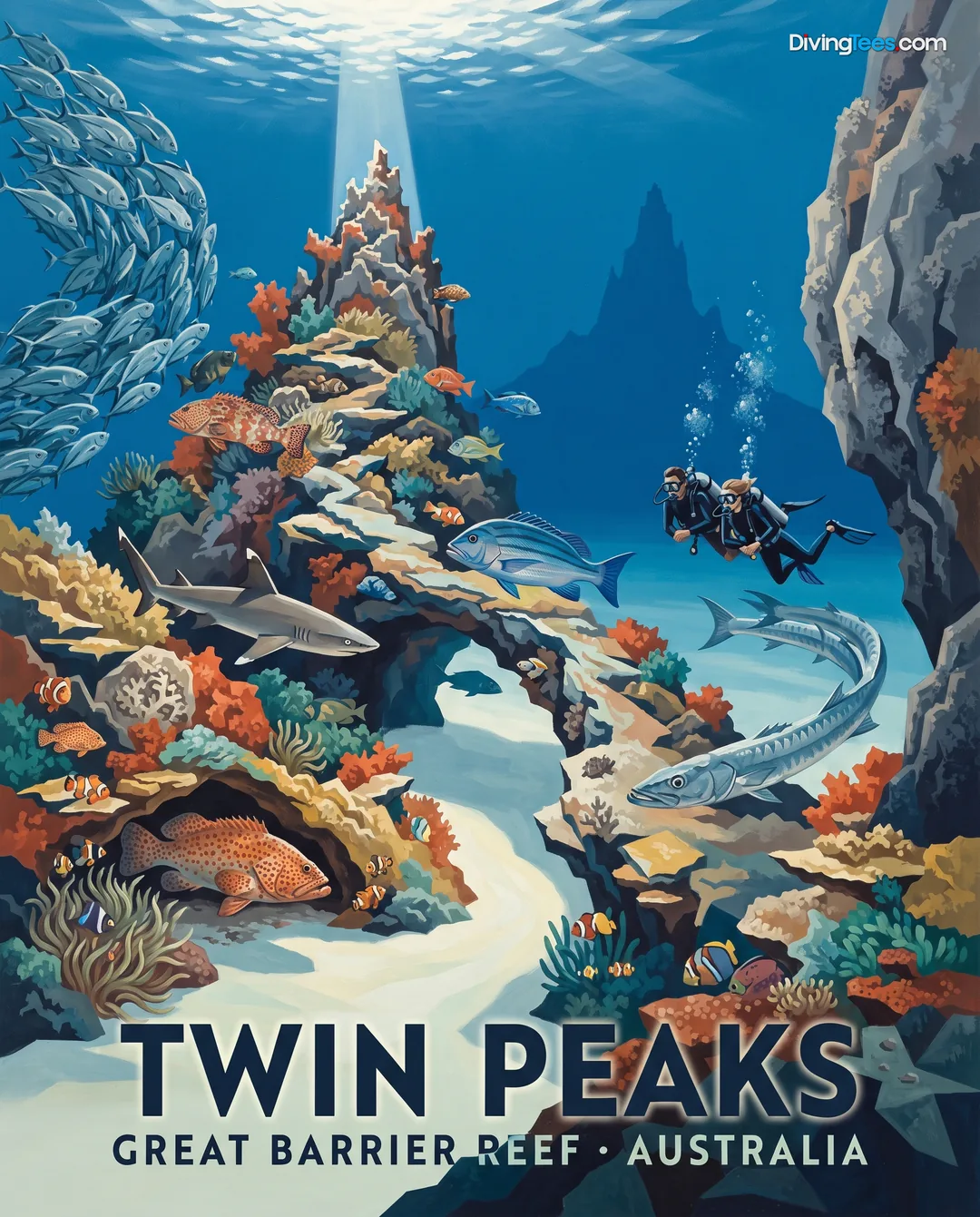
Pixie Pinnacle, sometimes called Pixies Pinnacle, is an isolated coral bommie located between Ribbon Reefs No. 9 and 10. The pinnacle rises sharply from a sandy bottom at approximately 30 meters, culminating just below the surface at a peak depth of 1-2 meters. This topography creates a full cross-section of reef habitats, allowing you to explore different ecosystems as you ascend or descend the structure.
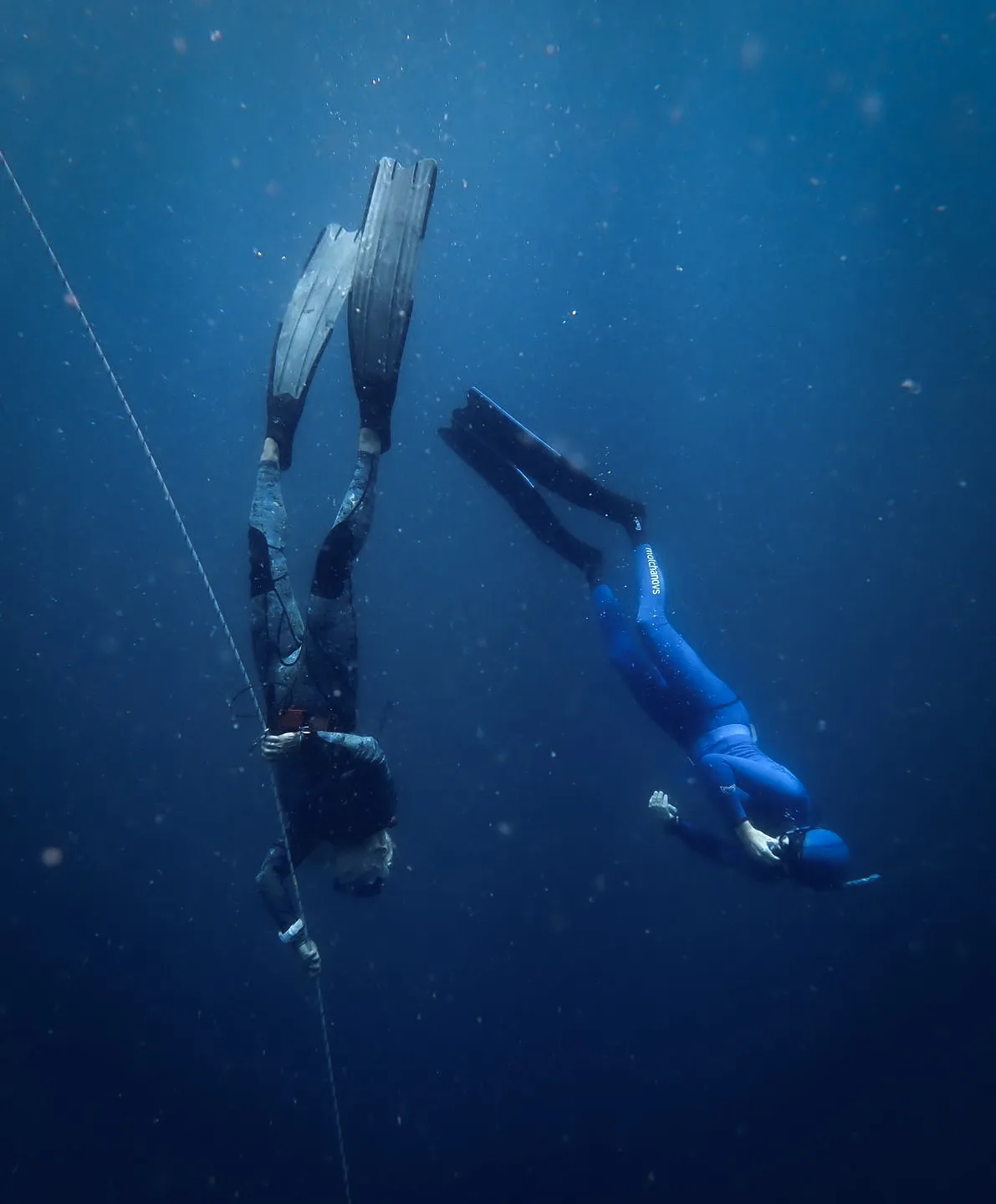
The dive profile typically involves a descent to the base of the pinnacle, often as a free-descend dive, followed by a slow spiral ascent. As you move along the gently sloping sides, you'll encounter talus slopes around 20 meters, along with numerous overhangs, small caves, and crevices that provide shelter for a variety of reef inhabitants. The structure itself is covered in dense hard and soft corals, forming a vibrant and complex habitat.
Expect to find extensive Acropora thickets in the shallower sections, transitioning to large gorgonian fans and sea whips at mid-depths. Sponges and crinoid-covered walls add to the intricate tapestry of the pinnacle's surface. This rich coral growth creates micro-habitats that support a diverse range of smaller creatures, making careful observation worthwhile as you circle the bommie.
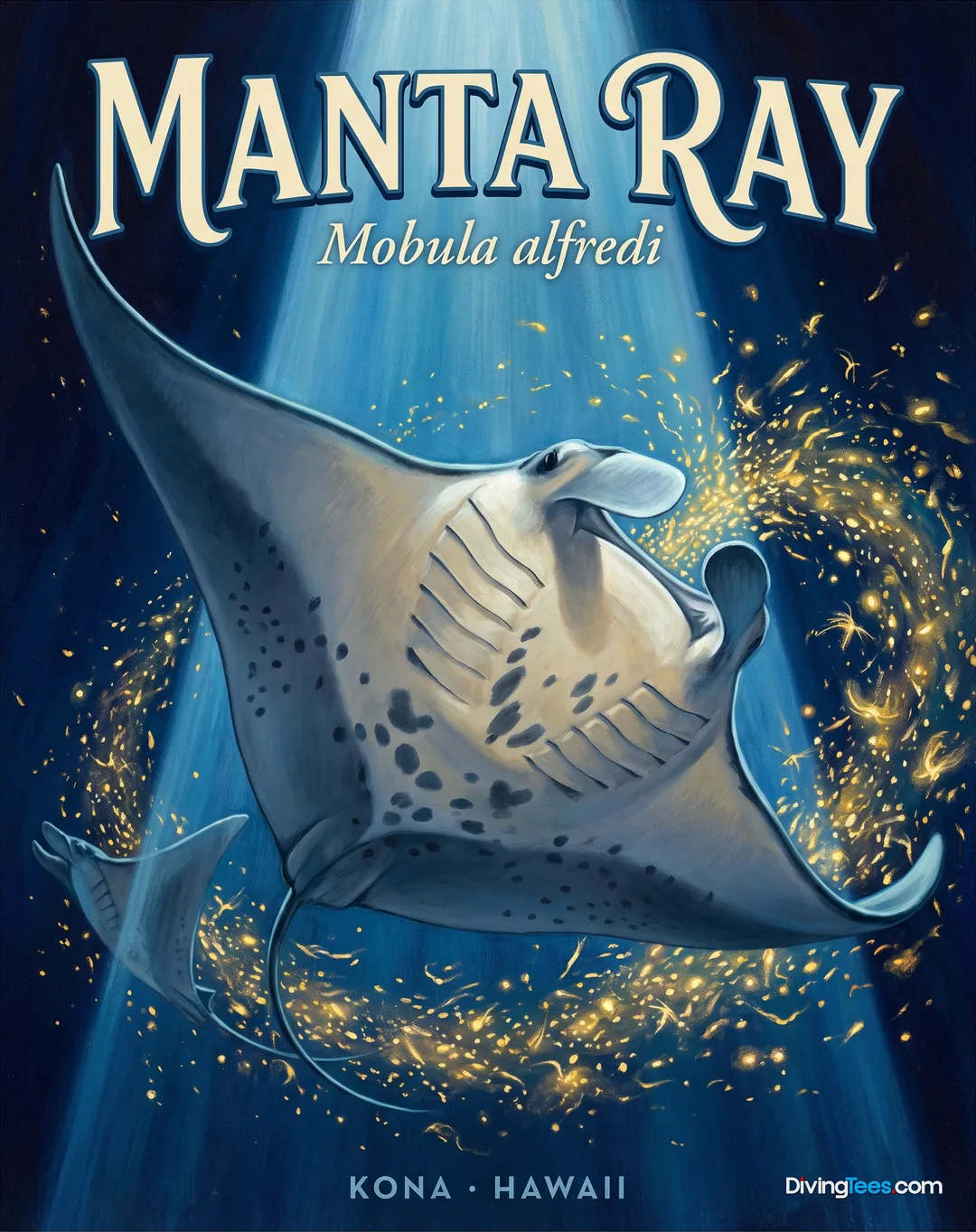
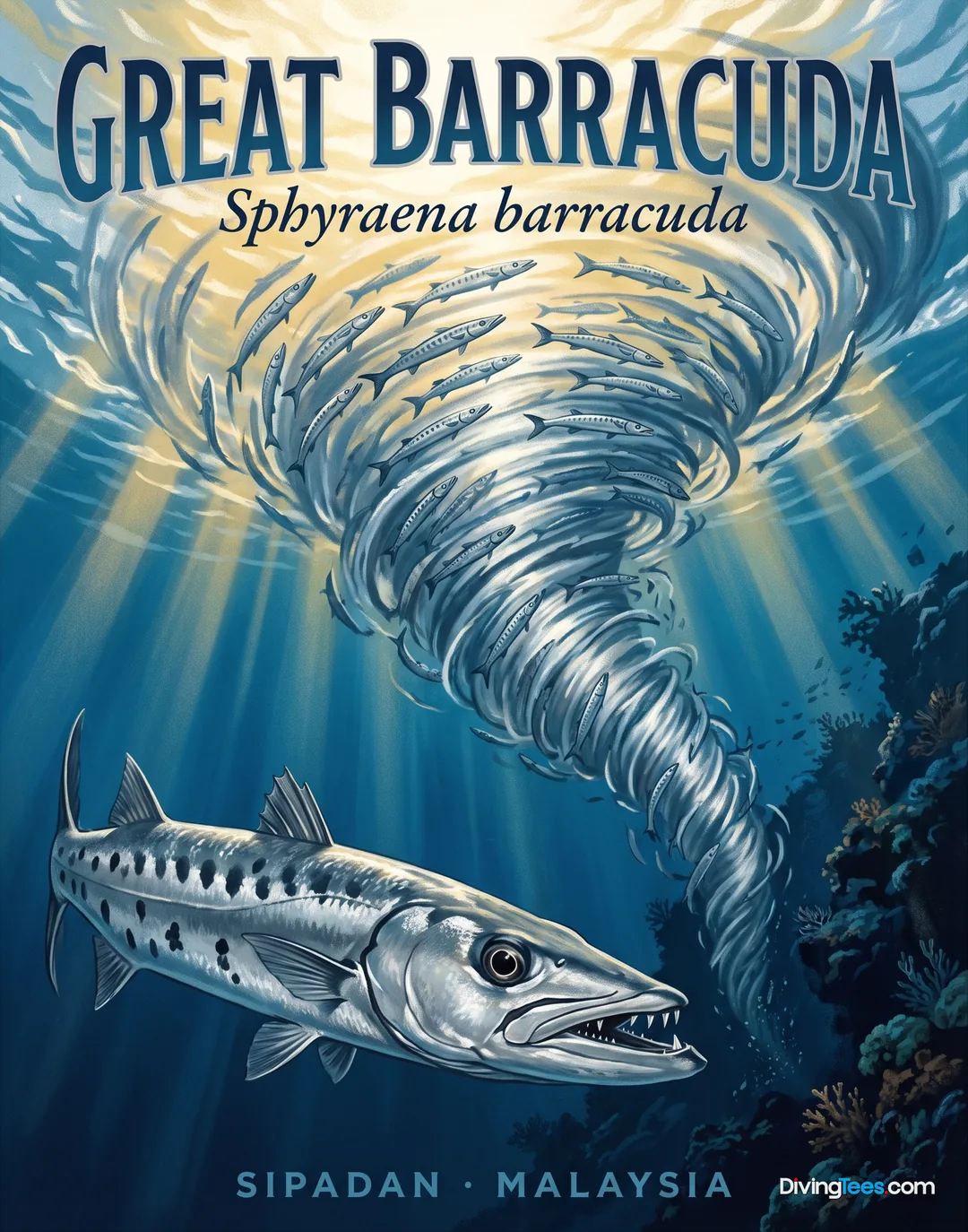
The isolated nature of Pixie Pinnacle, exposed to open water, means you'll frequently encounter schooling fish. Look for fusiliers, trevally, barracuda, and mackerel moving around the pinnacle, especially when currents are present. White-tip reef sharks are also a common sight, patrolling the deeper sections. During the summer months, manta rays (Manta birostris) are known to visit the pinnacle for cleaning, offering opportunities for close encounters.
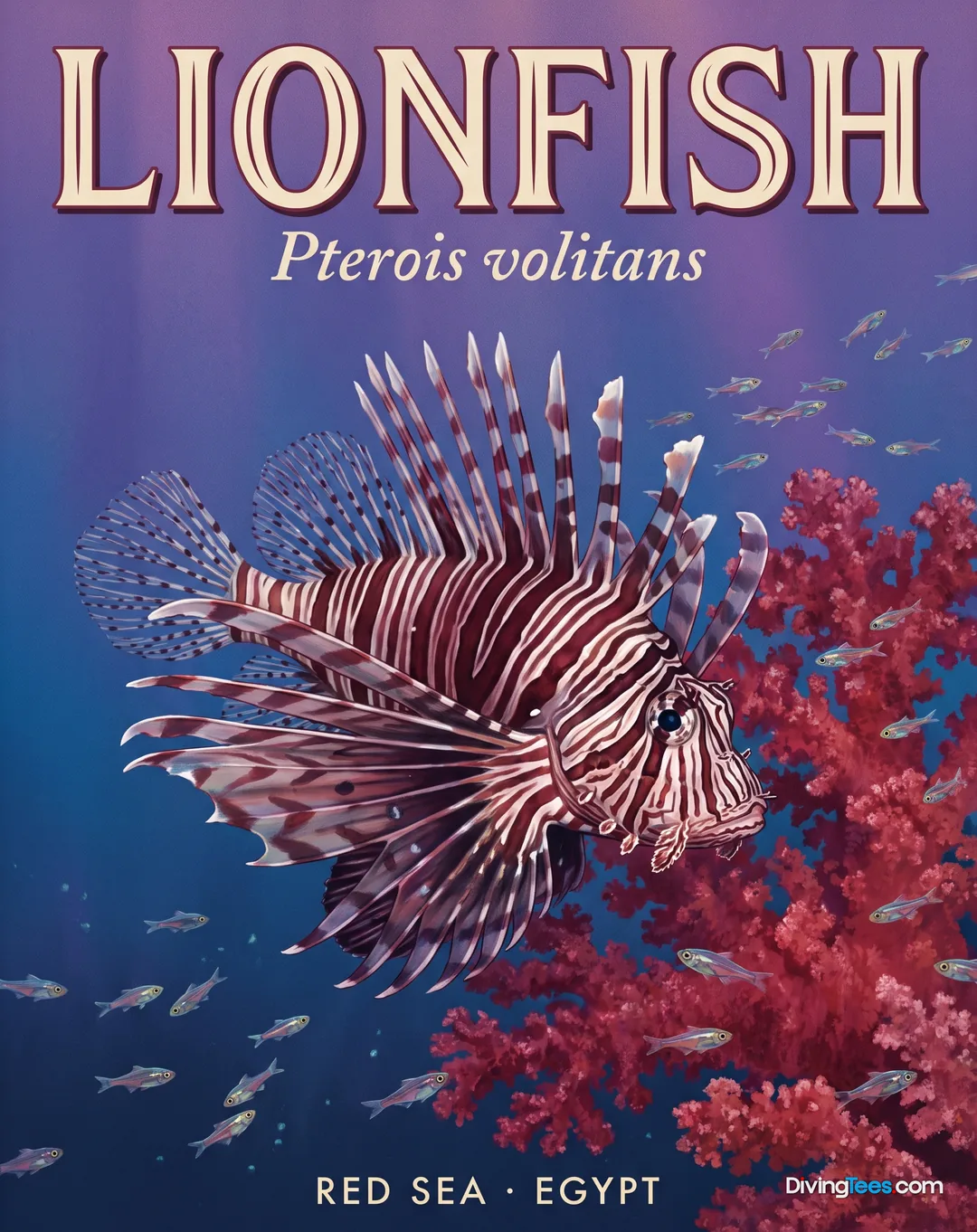
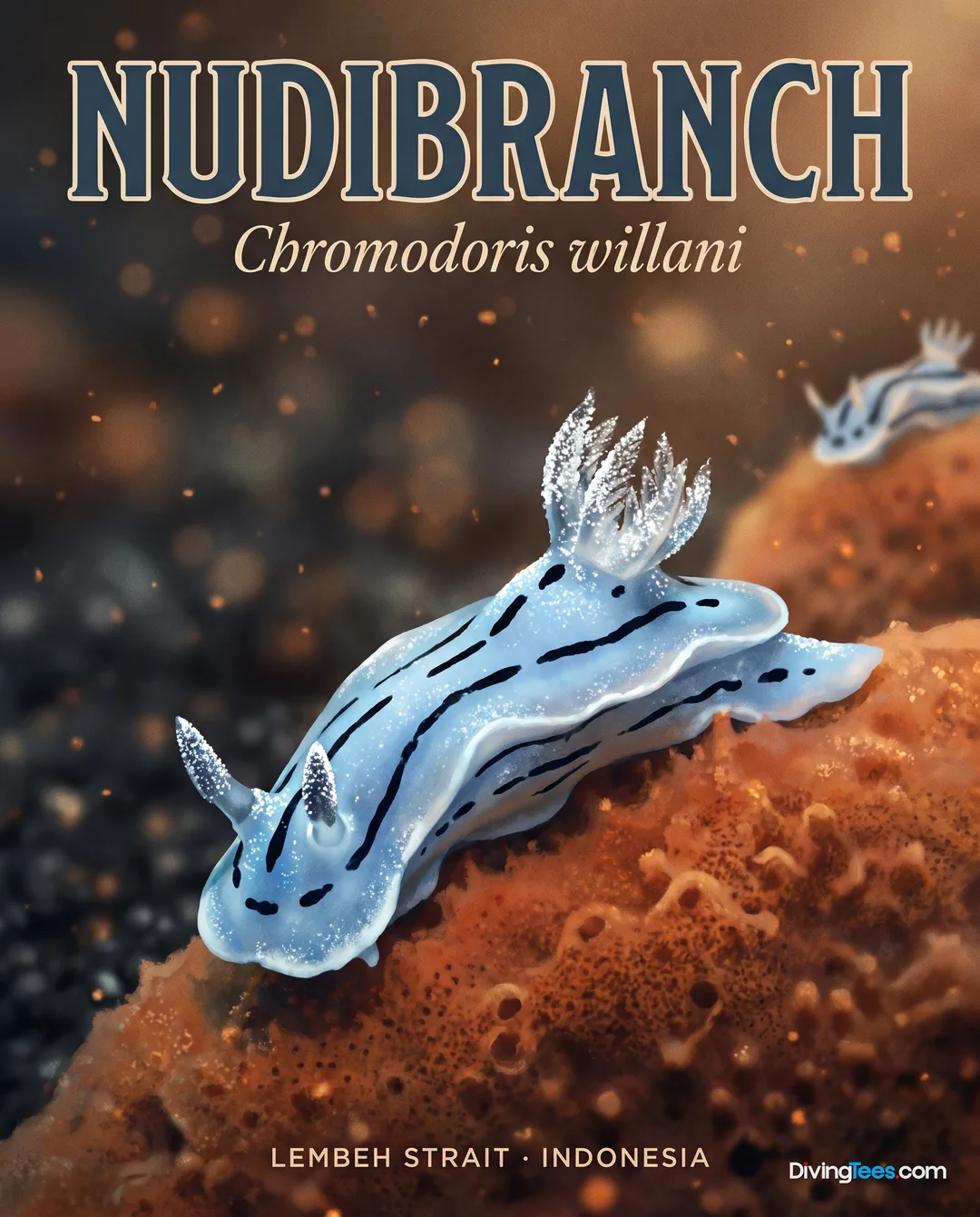
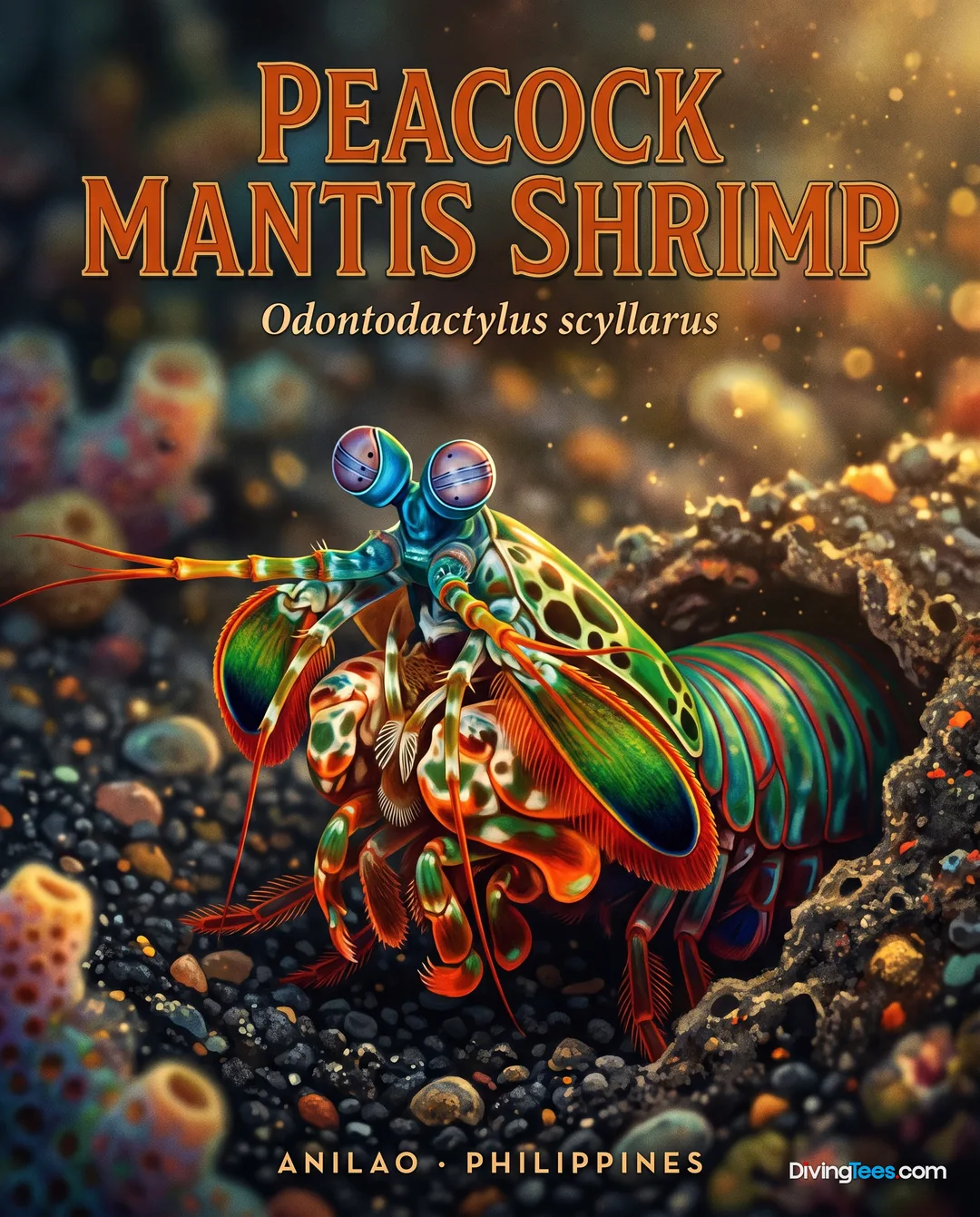
Beyond the pelagics, the pinnacle is a haven for macro life. Keep an eye out for leafy scorpionfish (Rhinopias aphanes) and stonefish (Synanceia verrucosa camouflaged on the reef. Ghost pipefish (Solenostomus paradoxus) and other pipefish (Syngnathidae) species can be found among the corals, along with various nudibranchs and colorful mantis shrimps (Odontodactylus scyllarus). The flame file shell (Ctenoides scaber), also known as the electric clam, adds a unique visual element.
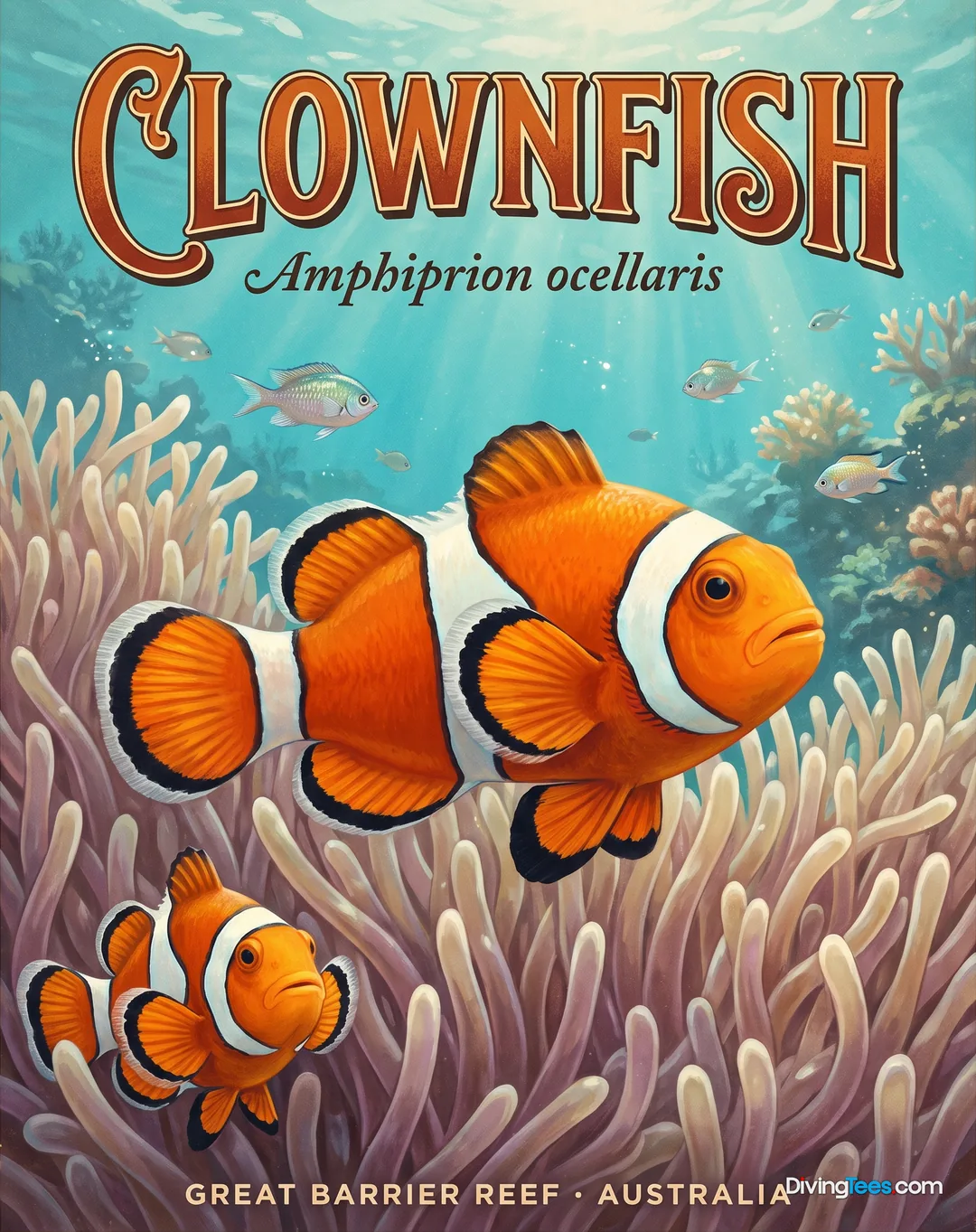
Other resident fauna include giant potato cod (Epinephelus tukula) and large reef cod (Epinephelus fuscoguttatus), along with coral trout (Plectropomus leopardus) and sweetlip (Plectorhinchus spp.). Moray eels (Muraenidae) inhabit the crevices, while anemonefish (Amphiprioninae) find homes in anemones scattered across the reef. Sea snakes (Hydrophiinae) may also be seen traversing the water column. The concentrated marine life around this single structure means your entire dive is spent engaging with the ecosystem of the pinnacle.
Visibility at Pixie Pinnacle can range from 7 to 20 meters, influenced by conditions and current. The currents themselves are variable, ranging from gentle to strong, often changing with the tides. These tidal shifts can bring in schooling fish and feeding fairy basslets, adding to the dynamic nature of the dive. Being an isolated structure, conditions can vary, so being prepared for different current scenarios is advisable.
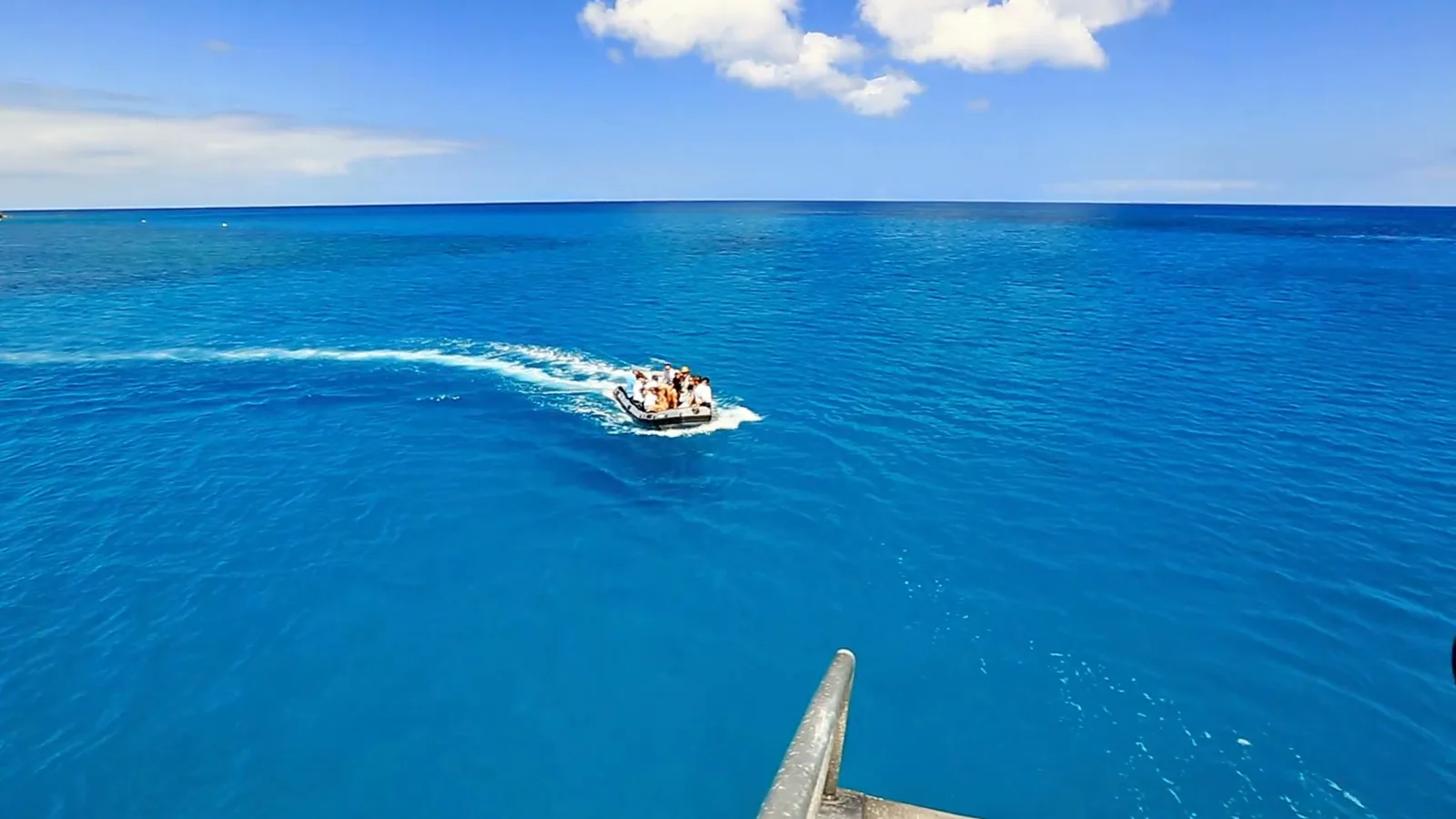
Access to Pixie Pinnacle is exclusively by boat, typically via offshore liveaboards or day trips from Cairns or Port Douglas. The site’s renown for both its dense coral growth and consistent presence of pelagic species, alongside a vibrant macro environment, sets it apart from many other Ribbon Reef sites. It provides a comprehensive dive experience around a single, compact structure, rather than a linear wall dive.
Dive depths at Pixie Pinnacle range from 1 to 30 meters. The site is accessible from Open Water Diver certification, provided you are comfortable with open-ocean pinnacles and mild currents. Currents are variable, shifting with the tides and ranging from gentle to strong, so situational awareness is key. Visibility typically ranges between 7 and 20 meters. The best diving conditions, with warm water and clearer visibility, are generally found from May to July or June to November. Manta ray activity is more frequent during the summer months.
You can find warm water and clearer visibility at Pixie Pinnacle generally from May to July or June to November. Manta ray activity is more frequent during the summer months, when these rays may visit the pinnacle for cleaning. Conditions remain influenced by tides, which can also bring schooling fish and feeding fairy basslets.
Pixie Pinnacle is accessible from Open Water Diver certification if you are comfortable with open-ocean pinnacles and mild currents. The site ranges from 1 to 30 meters, descending to a sandy base before a slow spiral ascent. Its peak lies just below the surface at 1 to 2 meters.
Currents at Pixie Pinnacle are variable and shift with the tides, ranging from gentle to strong. You should maintain situational awareness and be prepared for different current scenarios because the pinnacle is isolated and exposed to open water. Current changes may bring schooling fish and feeding fairy basslets around the structure.
You can explore dense hard and soft corals, Acropora thickets, gorgonian fans, sea whips, overhangs, caves, and crevices. Look for leafy scorpionfish, ghost pipefish, nudibranchs, moray eels, and anemonefish, along with trevally, barracuda, mackerel, white-tip reef sharks, giant potato cod, and summer manta rays.