Ocean Free & Ocean Freedom - Cairns Premier Great Barrier Reef & Island Tours
Google 4.9/5 (1,552 reviews)
Australia · Pacific
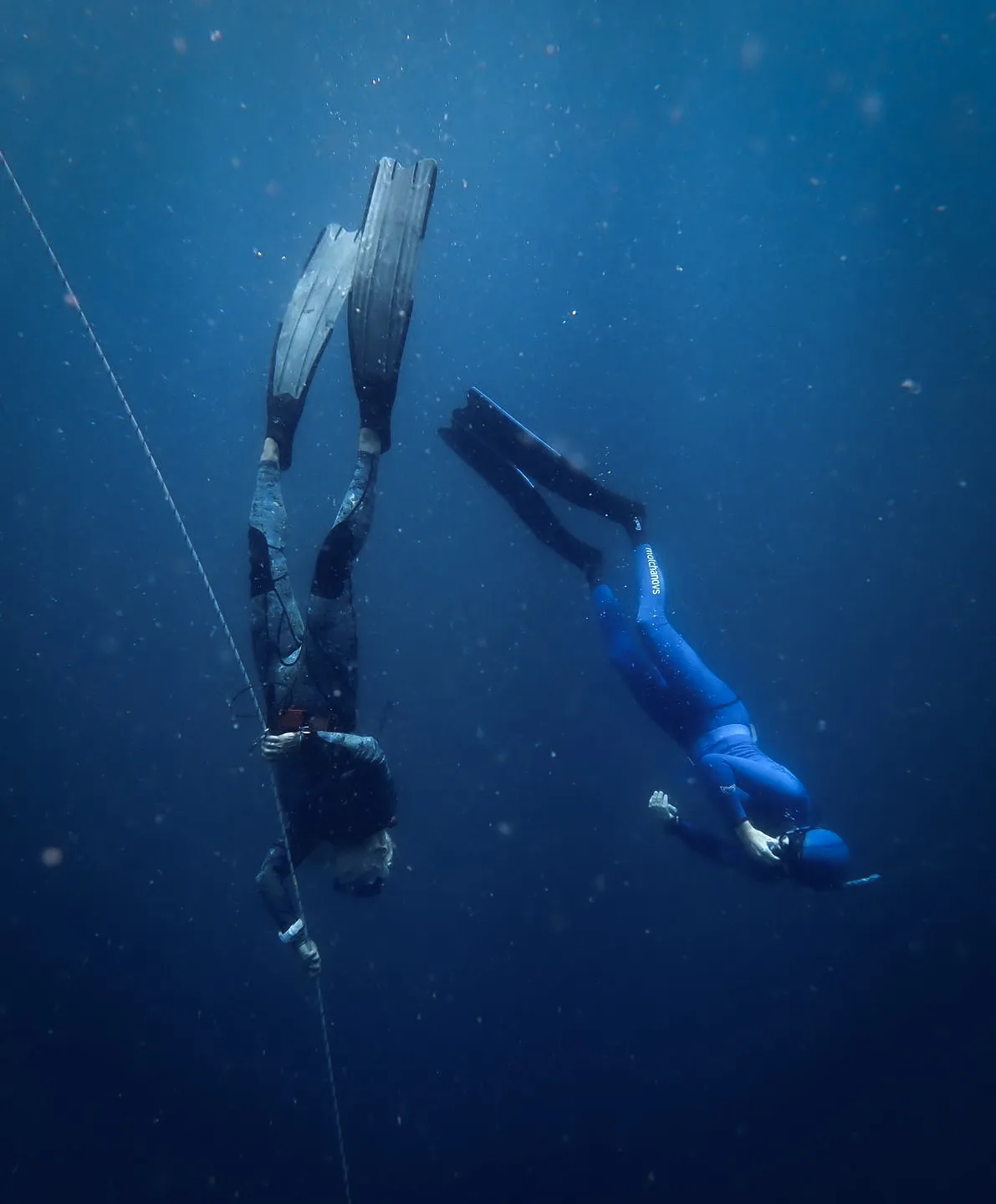
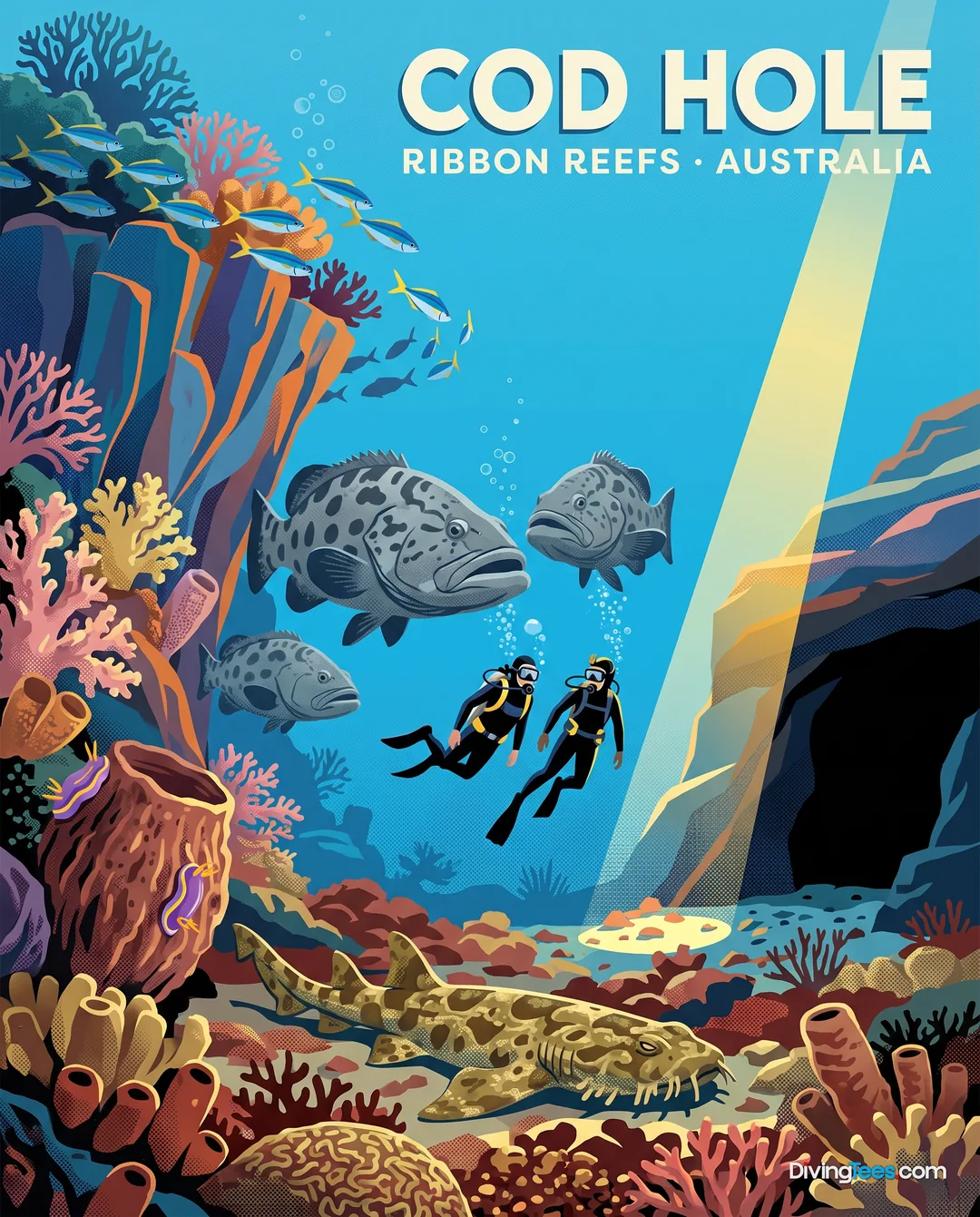
Giant potato cod at Cod Hole, a natural arch between two bommies, coral walls and passing pelagic fish define Cairns beyond the harbour.
For subtitles in English: start the video firstthen click the gearat the top right of the video, select “Subtitles/CC”, then “Auto-translate” and choose “English”.
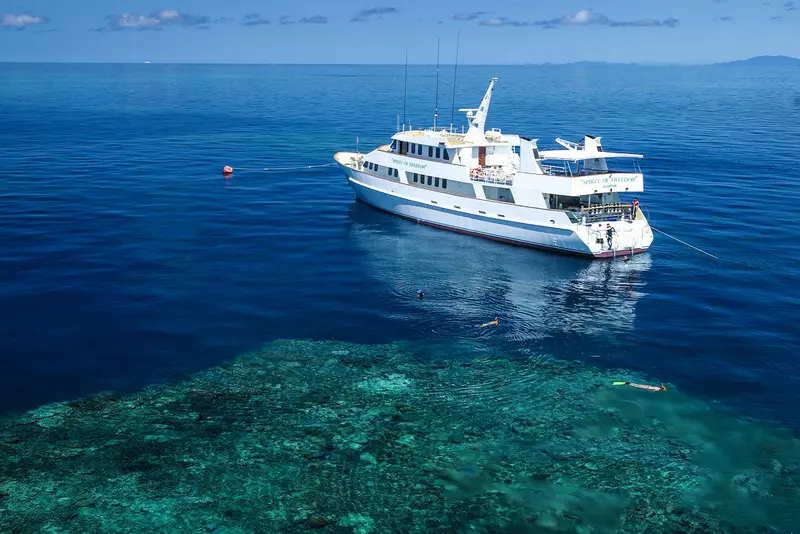
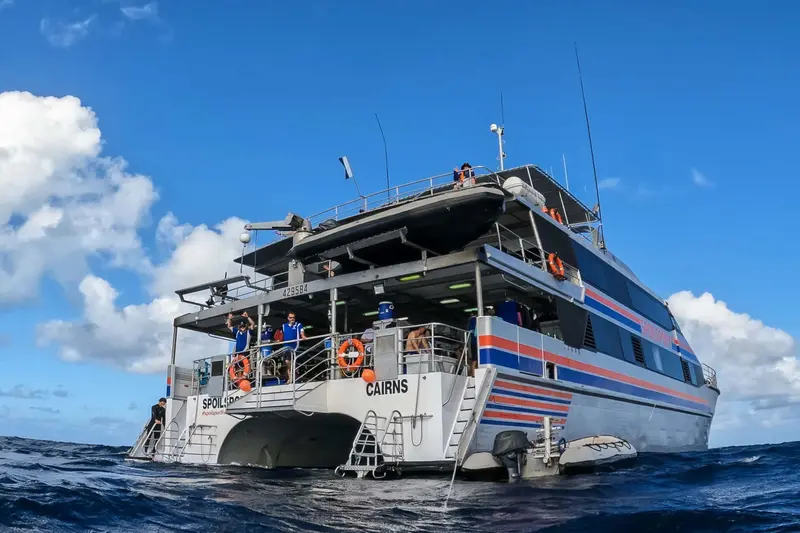
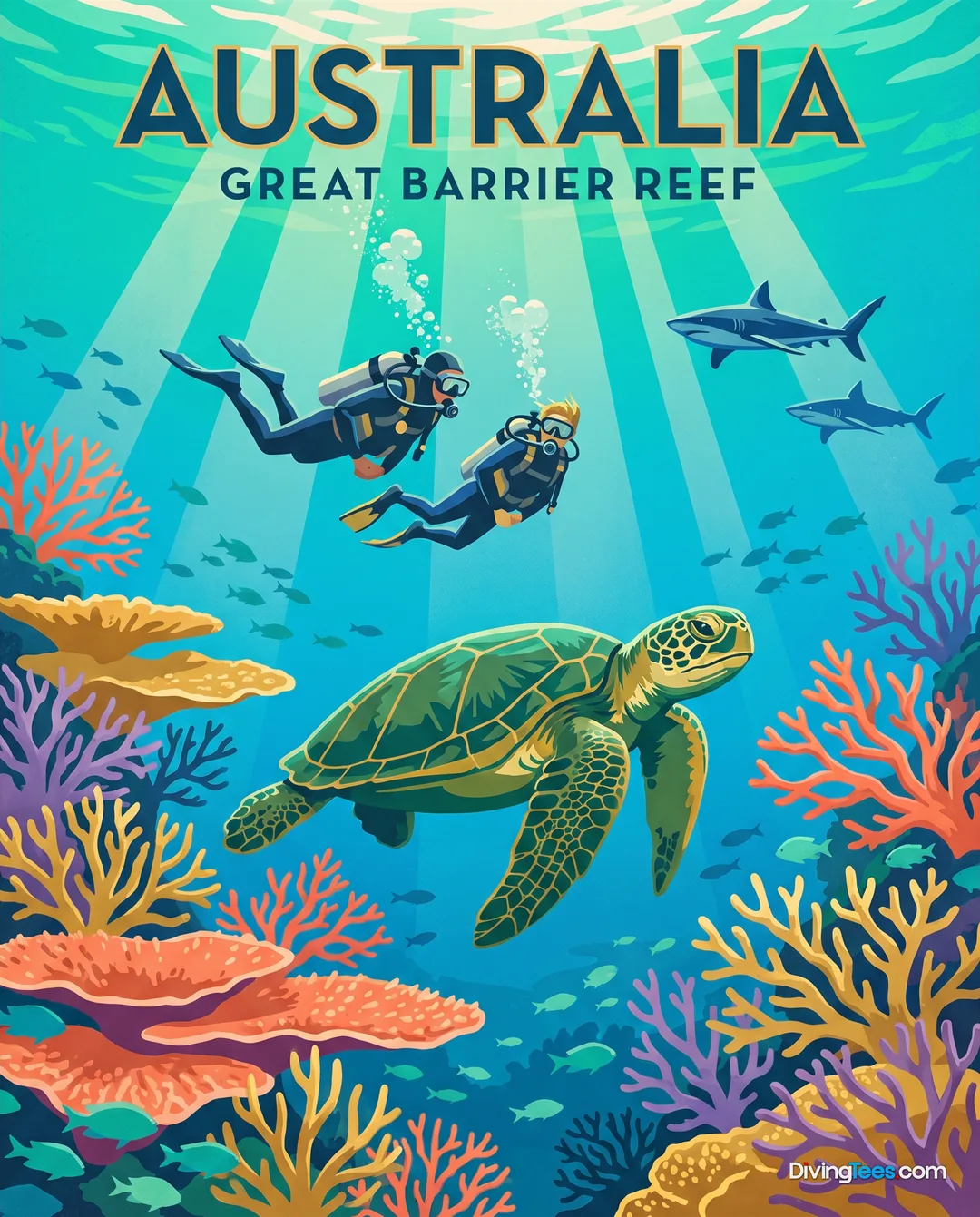
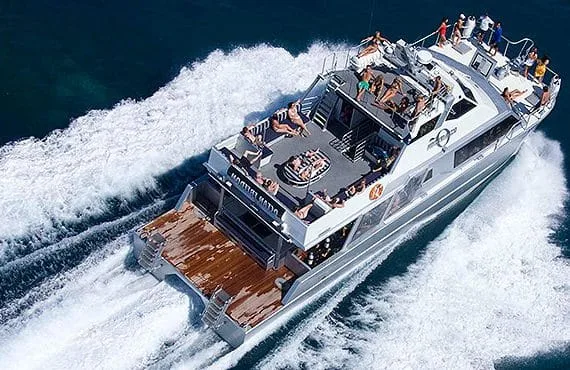
Cairns is a working base for exploring the Great Barrier Reef, with the real diving found offshore rather than along the waterfront. Day boats reach outer reefs, coral cays and more exposed reef sections, while liveaboards extend the range for those wanting longer time at sea. At Cod Hole, divers can drift between two bommies linked by a natural arch, watching giant potato cod at moderate depth. The town also works well for non-divers and for a few recovery days.
This is predominantly boat diving, with the character of each day shaped by the distance offshore, wind and current. Outer-reef sites offer coral bommies, reef walls and open water around structures such as Cod Hole, where the two bommies and their natural arch create a sheltered, unhurried dive between six and sixteen metres. Currents are variable across Cairns, although Cod Hole is generally protected and has little current. Visibility can be clear and consistent, but it is affected by wind, sea state and coastal run-off after heavy rain. The practical choice is between an easier, more sheltered itinerary and a longer run to exposed outer reef. Cairns is not primarily an advanced wreck or cave destination; it is about coral relief, reef fish and the changing light over shallow tropical structures. Nitrox is useful when several relatively shallow dives are scheduled in one day.
Turtles are a year-round possibility on the reefs, while giant potato cod are the defining encounter at Cod Hole, where their size and calm behaviour suit slow observation and photography around the bommies and arch. Manta rays appear occasionally, generally during the dry season on outer reefs and at passing sites. Pelagic fish may move through according to reef and tide, so they are a bonus rather than a timetable. Whale sharks are rare around the wider north-eastern Queensland region and are more associated with offshore areas farther from Cairns than with ordinary Cairns day trips. The sensible expectation is therefore close reef life, turtles and the Cod Hole cod, with larger passing animals dependent on season, route and conditions.
The most reliable all-round window is May to November, when the Australian dry season usually brings steadier weather, less coastal run-off and better visibility. The three-year measured pattern puts the calmest sea from October through March, so October and November can offer a useful overlap between calmer water and the drier part of the year. January to March are less attractive for a planned diving holiday because the wet season brings more rain, variable visibility and a greater chance of disrupted sea conditions. Dry-season months are also busier, particularly during Australian holidays, while quieter periods can mean less pressure on the most accessible reefs.
Cairns suits beginners on straightforward, guided reef dives, provided the day’s sea conditions are manageable. More exposed outer-reef sites and stronger current are better appreciated by divers with sound boat and open-water experience. An Advanced Open Water qualification is useful for deeper or more varied itineraries, but it is not essential for the destination as a whole. BSAC, PADI and SSI divers should check the planned sites and depth profile rather than assuming every boat day will have the same level of exposure.
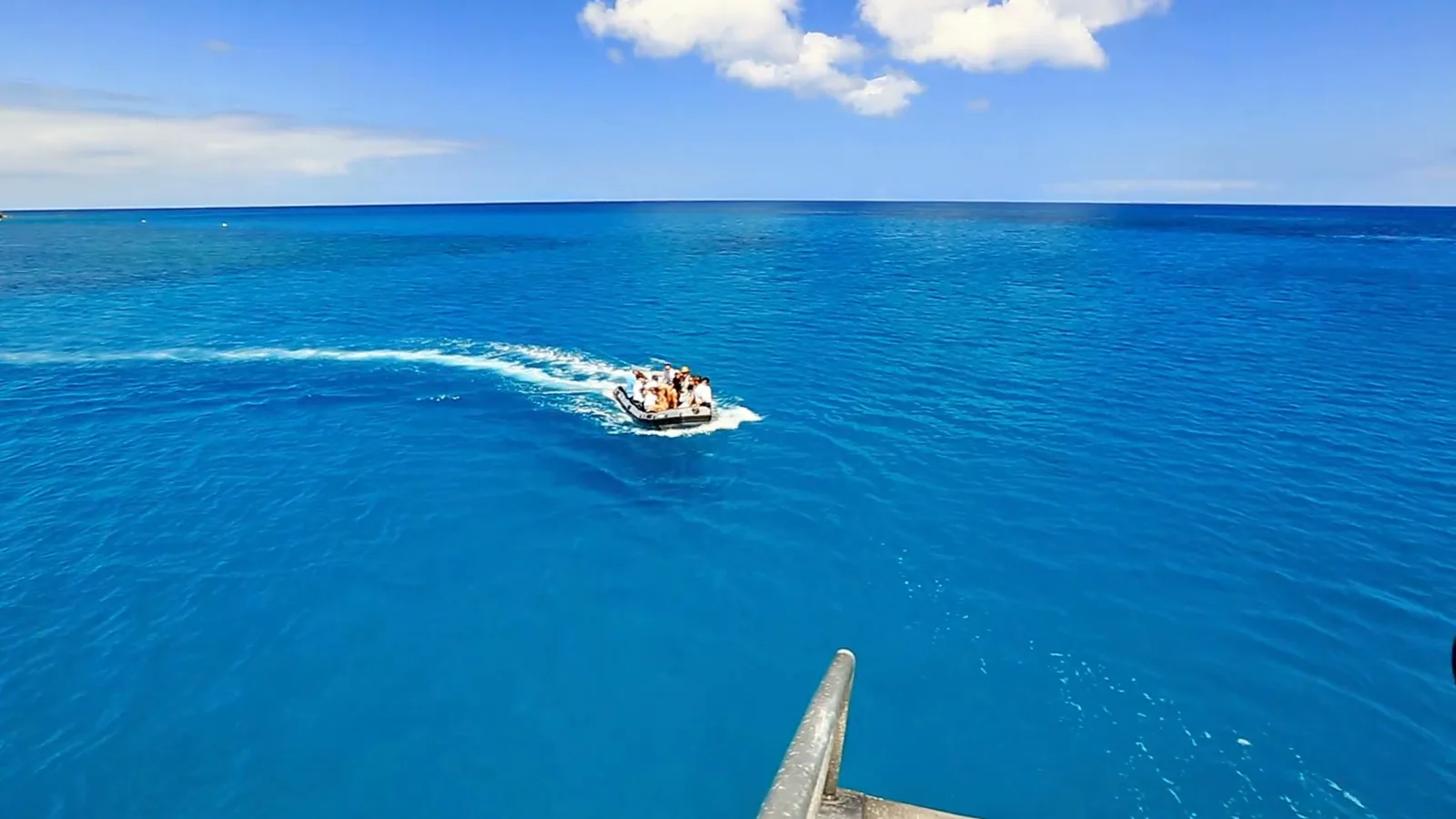
From London Heathrow, Gatwick or Manchester, Cairns is a long-haul journey with one or more connections in Asia or Australia; the exact routing varies, so the boat schedule should not be planned too tightly around arrival. Once in Cairns, diving begins from the harbour or marina rather than from a compulsory ferry crossing or a shore entry. Most accommodation near the centre is close enough to reach the departure point on foot, while taxis or an operator’s shuttle cover the longer gaps. The important logistical point is that the reef day is built around a boat timetable: allow time after landing to collect equipment, settle in and avoid making the first possible departure a critical connection.
Treat Cairns as a boat-based reef trip, not a shore-diving town. The worthwhile question is whether the itinerary reaches the outer reef; a programme confined to the bay misses the main reason to base a holiday here. Keep an extra day in reserve, because wind and sea state can move a planned exposed-reef visit to a more sheltered site. Weekday departures are generally a calmer bet for avoiding the busiest boats during Australian holidays. Nitrox earns its place when several shallow outer-reef dives are planned in succession. Cod Hole rewards a slow pace: stay relaxed beneath the arch and around the bommies rather than rushing after the fish. The Great Barrier Reef Marine Park rules are part of the dive itself, including no contact with coral, no collecting, and no anchoring where mooring buoys are provided. A rainforest day is a useful change of pace if weather removes a boat day or the legs need a break.
Five to seven days works well for a land-based stay, allowing several day boats while leaving room for a weather-related change of plan. Liveaboards make more sense when the priority is reaching farther outer-reef areas rather than returning to town each evening. Cairns is comfortable for a mixed group: non-divers have the Esplanade, waterfront walks and rainforest excursions, while divers can organise the holiday around consecutive boat departures. A quiet final day before the flight is preferable to ending with a rushed dive schedule.
Hello, I'm Marina, DivingDeal.com's AI assistant. I guide you through destinations, areas and countries.
Thinking about the whole trip and the flights? Talk it over with Edith →
Marina is an AI. Some links are affiliate links: DivingDeal may earn a commission, at no extra cost to you. Bookings are made with the partner.
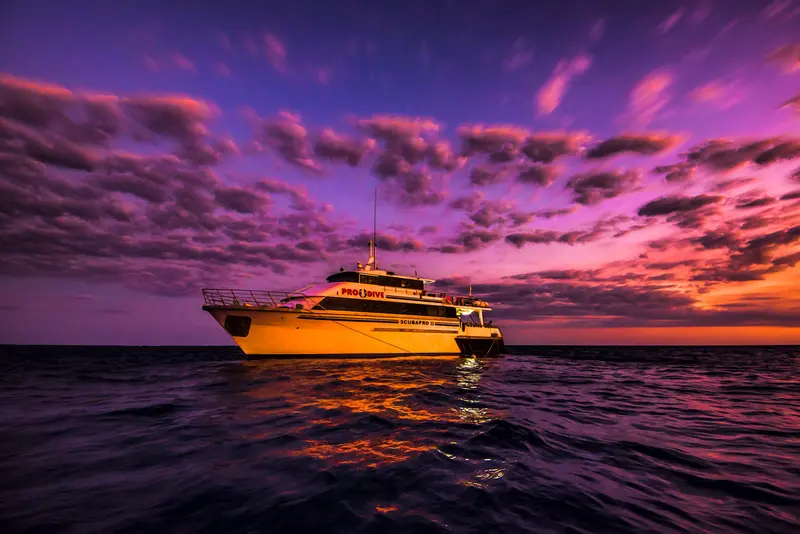
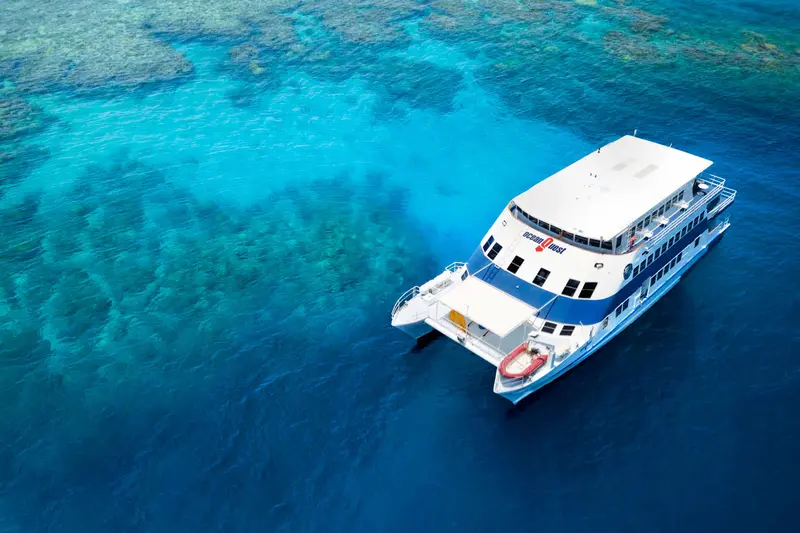
6 liveaboards depart from Cairns another way to explore the region, over several days at sea.
Your last day stays dry: no diving in the 18-24 hours before a flight, the perfect window to see the destination from another angle.
 Culture
⏱ 5 h · ★ 5.0 (20 reviews)
from £626$836€747
see on Viator ↗
 Culture
⏱ 2 h · ★ 5.0 (17 reviews)
from £54$73€65
see on Viator ↗
 Nature
⏱ 12 h · ★ 4.9 (975 reviews)
from £106$142€127
see on Viator ↗
 City
City⏱ 4 h · ★ 4.9 (37 reviews)
from £27$36€32
see on Viator ↗
Ratings and reviews collected by Viator and Tripadvisor.
May to November usually brings steadier weather, less coastal run-off and better visibility. October and November can combine calmer measured seas with the drier season. January to March are less appealing for planned diving because wet-season rain can reduce visibility and disrupt sea conditions. Dry-season periods are also busier during Australian holidays.
Cairns suits beginners on straightforward, guided reef dives when sea conditions are manageable. Exposed outer-reef sites and stronger currents are better suited to divers with solid boat and open-water experience. Advanced Open Water training is useful for deeper or varied itineraries, but check each operator’s planned sites and depth profile.
Cod Hole features giant potato cod beneath a natural arch linking two bommies, with sheltered diving from shallow to moderate depth. Reef dives can bring year-round turtle encounters, coral walls and passing pelagic fish. Manta rays appear occasionally on outer reefs during the dry season, while larger animals depend on route, tide and conditions.
Plan Cairns as a boat-based reef trip, with departures from the harbour or marina and an itinerary that reaches the outer reef. Allow time after arrival to collect equipment and settle in, and keep an extra day available for weather changes. A land-based stay supports several day boats, while liveaboards suit longer outer-reef exploration.