Ocean Free & Ocean Freedom - Cairns Premier Great Barrier Reef & Island Tours
Google 4.9/5 (1,552 reviews)
101 km away as the crow flies
Great Barrier Reef · Australia · Pacific
Max. depth · 25 mExplore the exposed outer edge of the Great Barrier Reef at Agincourt, where oceanic currents meet vibrant coral gardens and active pelagic life.
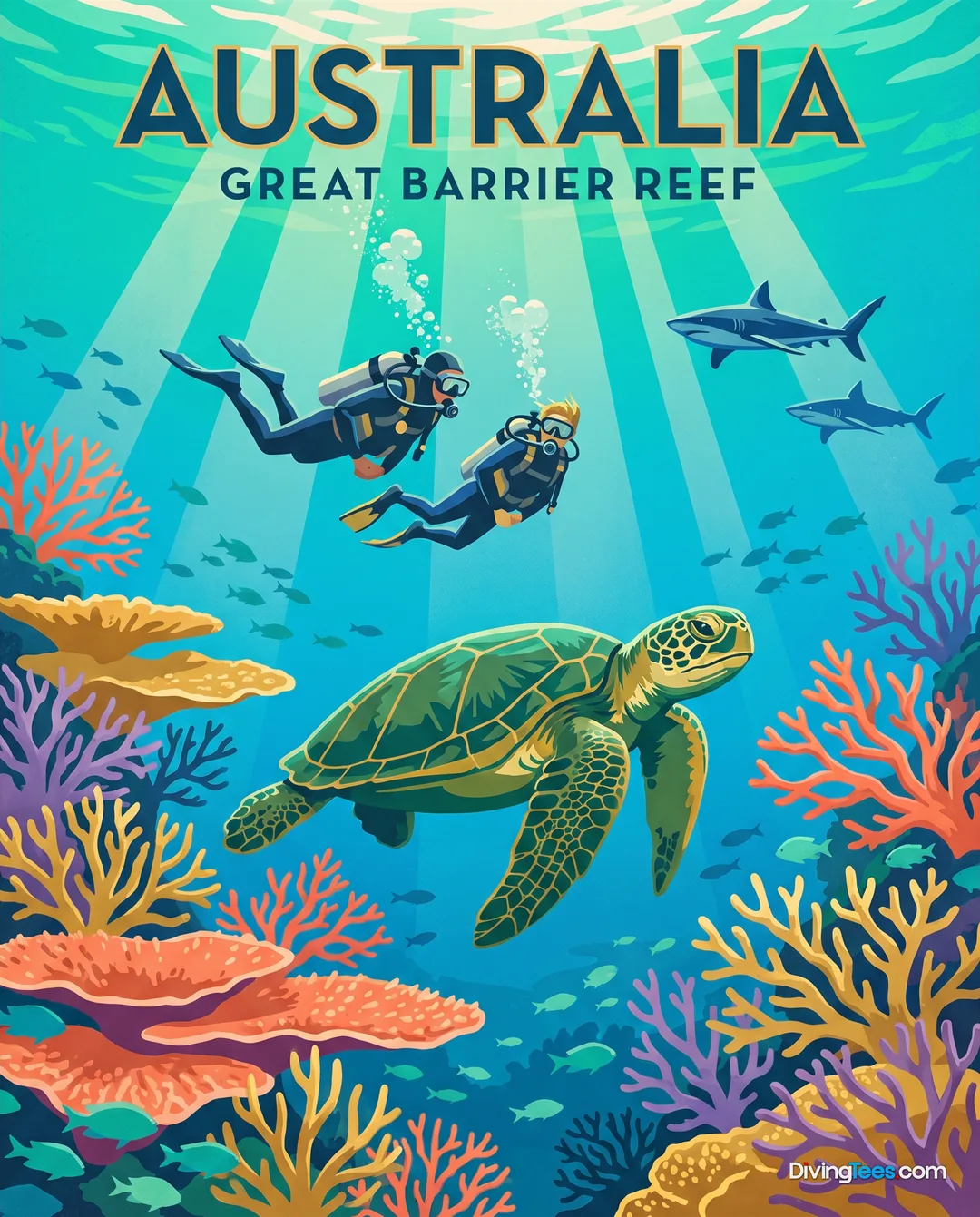
Agincourt Reef sits on the exposed outer edge of the Great Barrier Reef system, directly adjacent to the Coral Sea, providing a distinctive oceanic diving experience. Unlike many inner-reef sites, the water here is consistently clearer, often extending to 30 metres visibility. This position means you'll find an abundance of hard coral gardens on the reef crest and upper slopes, a result of the constant nutrient flow from the open ocean, sustaining a diverse ecosystem.
Diving Agincourt often involves exploring its unique topography, particularly at sites like Agincourt No. 1. The outer edge features a series of gutters and caves that provide shelter and hunting grounds for various species. Below the reef crest, you'll encounter a rubble bottom that gradually transitions into the deeper water, contrasting with the vibrant inner reef where massive porites boulders emerge from sandy patches, creating varied habitats within a single dive.
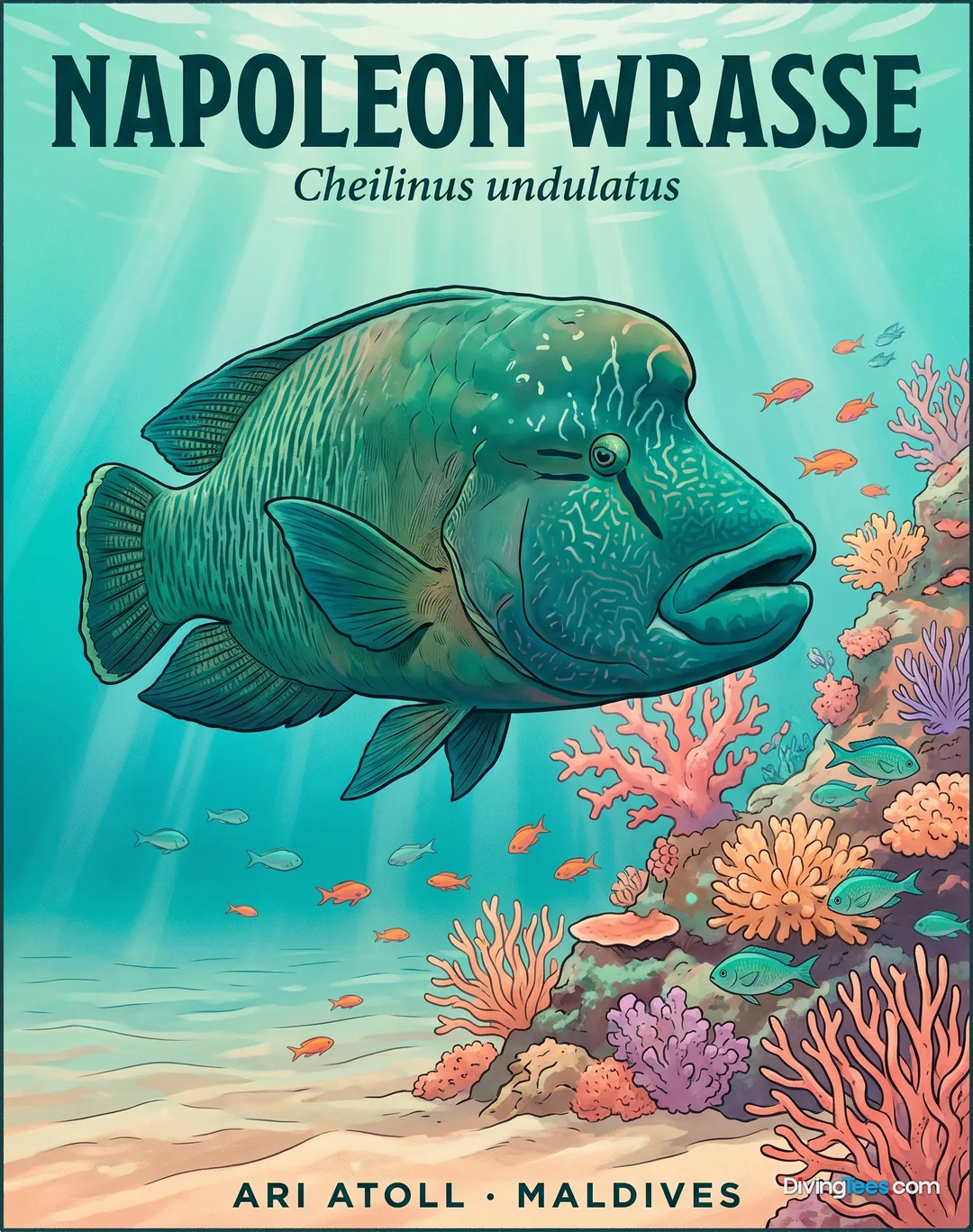
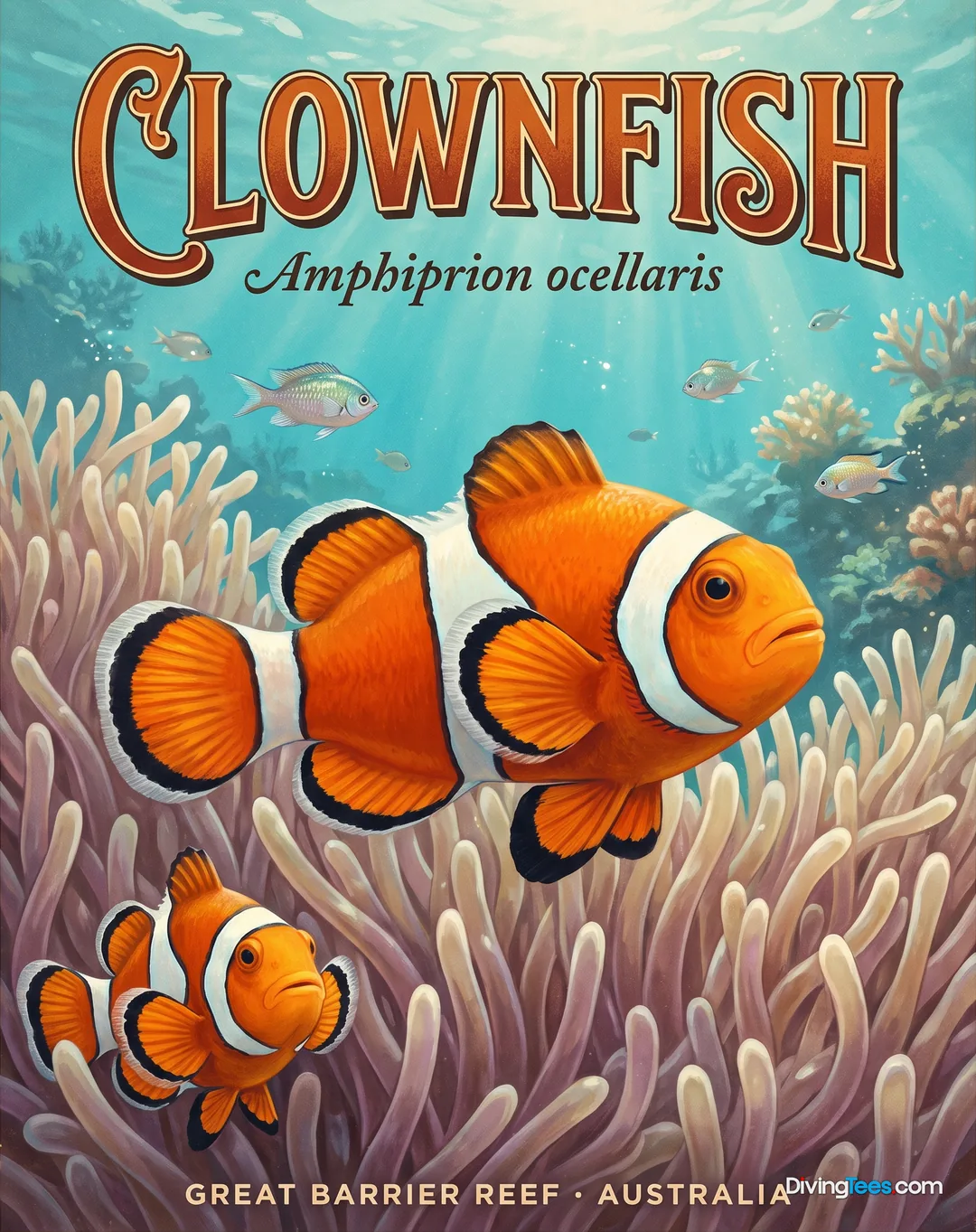
The resident fish population at Agincourt Reef is dense and active. You will regularly encounter large schools of fusiliers and trevally moving through the water column, particularly on the outer sections. The reef itself is home to a wide range of species including parrotfish, surgeonfish, and butterflyfish, with larger individuals like Maori wrasse, tuskfish, and Napoleon wrasse often seen patrolling the coral formations. Look for olive sea snakes gracefully navigating the reef, and the unmistakable common clownfish (Amphiprion percula) tending to their anemones.
Agincourt is also a site where you are likely to encounter sharks. Grey reef sharks (Carcharhinus amblyrhynchos) are a common sight, often observed patrolling the outer reef edges and around the gutters. Lemon sharks (Negaprion brevirostris) are also present, adding to the oceanic feel of the dive. These encounters typically occur at varying depths, particularly where the reef drops away towards deeper water, offering consistent opportunities for observing these pelagic predators.
Specific areas like 'Trigger Fish City' or 'The Point' highlight the site's rich biodiversity. Here, you'll find a higher concentration of triggerfish species, including the large Titan triggerfish (Balistoides viridescens) and the smaller redtooth triggerfish (Odonus niger). The gutters and caves of the outer reef also provide ideal conditions for striped sweetlips (Plectorhinchus diagrammus) and oriental sweetlips (Plectorhinchus vittatus) to school, along with red bass (Lutjanus bohar) and pipefish (Syngnathidae) in more sheltered areas.
Currents at Agincourt can be variable, directly influenced by the tides and prevailing weather conditions. Operators often plan dives around slack water, which occurs during high or low tide, to provide the easiest conditions for exploring the static reef sites. However, for those seeking a different experience, drift diving along the outer edge is possible when the weather and tidal conditions align, offering a dynamic way to cover more ground and interact with the pelagic environment.
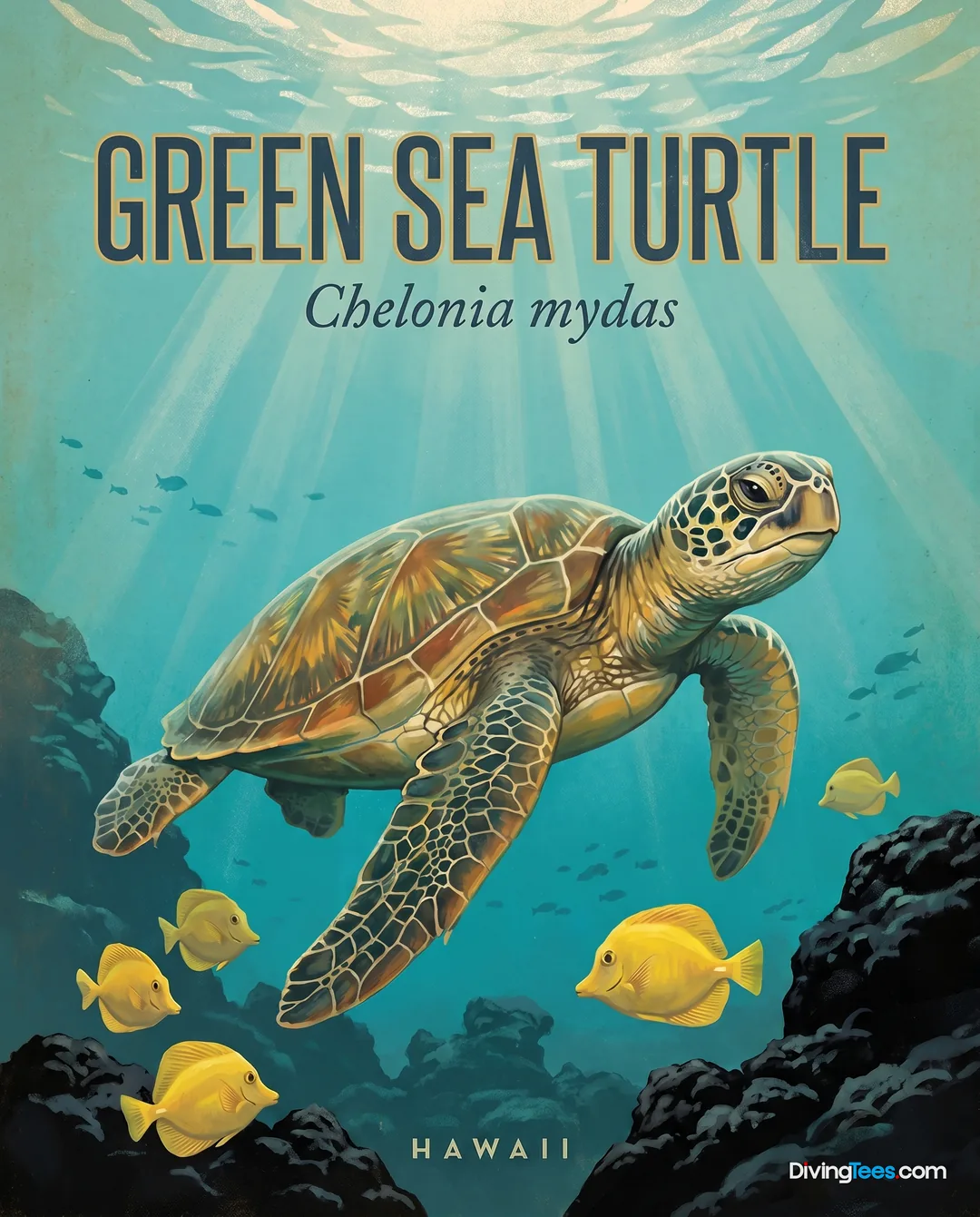
The site supports a healthy population of green turtles (Chelonia mydas), often observed feeding on algae or resting in sheltered depressions. Giant clams (Tridacna gigas) are also a feature of the reef, their iridescent mantles providing flashes of colour against the coral backdrop. The presence of these larger, more iconic species, combined with the clear water and diverse coral structures, ensures that each dive offers varied encounters.
Dive depths at Agincourt Reef range from 5 to 25 metres. This site is accessible from Open Water Diver level, accommodating novice to intermediate divers, though experience with variable currents is beneficial. Visibility typically ranges from 10 to 30 metres, offering clear conditions for exploration. Currents vary with tide and weather; slack water around high or low tide provides the calmest conditions for static diving, while drift diving is undertaken when conditions allow. The months from May to October generally offer the most favourable diving conditions.
May to October generally offers favourable diving conditions at Agincourt Reef. Visibility typically ranges from 10 to 30 metres, providing clear water for exploring hard coral gardens, gutters, caves, and reef slopes. Conditions remain influenced by tide and weather, so dive plans may vary during your visit.
Agincourt Reef is accessible from Open Water Diver level and accommodates novice to intermediate divers. Dive depths range from 5 to 25 metres, with varied terrain including reef crest, upper slopes, gutters, caves, rubble bottom, and deeper water where the reef drops towards the Coral Sea.
Currents at Agincourt Reef vary with tide and weather, so experience with variable currents is beneficial. Slack water around high or low tide provides calmer conditions for static diving. When weather and tidal conditions align, you may undertake drift diving along the outer edge and cover more ground.
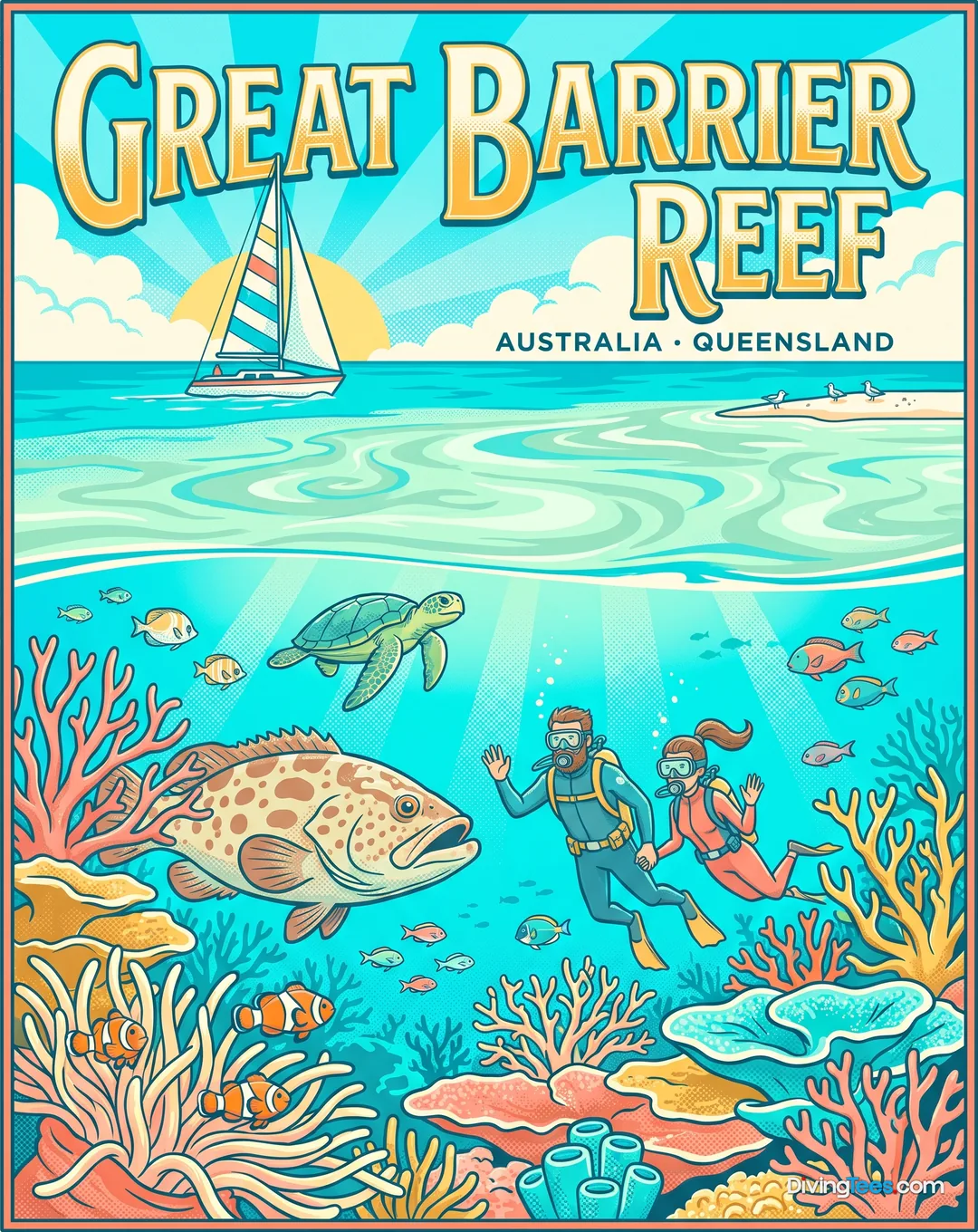
You can see diverse hard coral gardens, large porites boulders, schooling fusiliers, trevally, parrotfish, surgeonfish, sweetlips, and triggerfish. Grey reef sharks and lemon sharks patrol the outer edges, while green turtles, giant clams, olive sea snakes, clownfish, Maori wrasse, and tuskfish inhabit the reef.