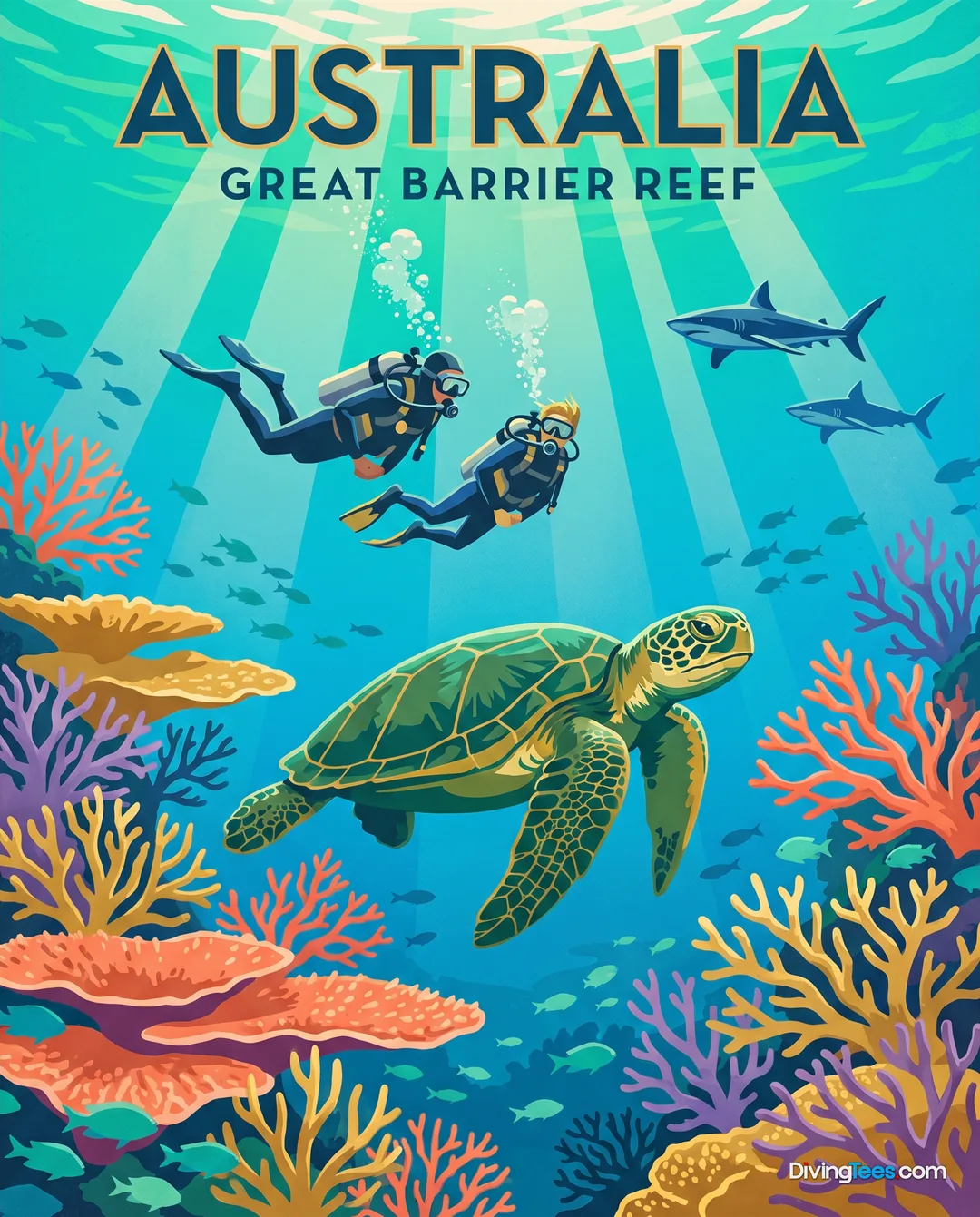
Australia · Pacific
Diving Coral Sea: oceanic walls and pelagic encounters
Sheer atoll walls, 40-metre descents, grey reef sharks and schooling trevally define Coral Sea diving from a liveaboard in open water.
What makes this destination special
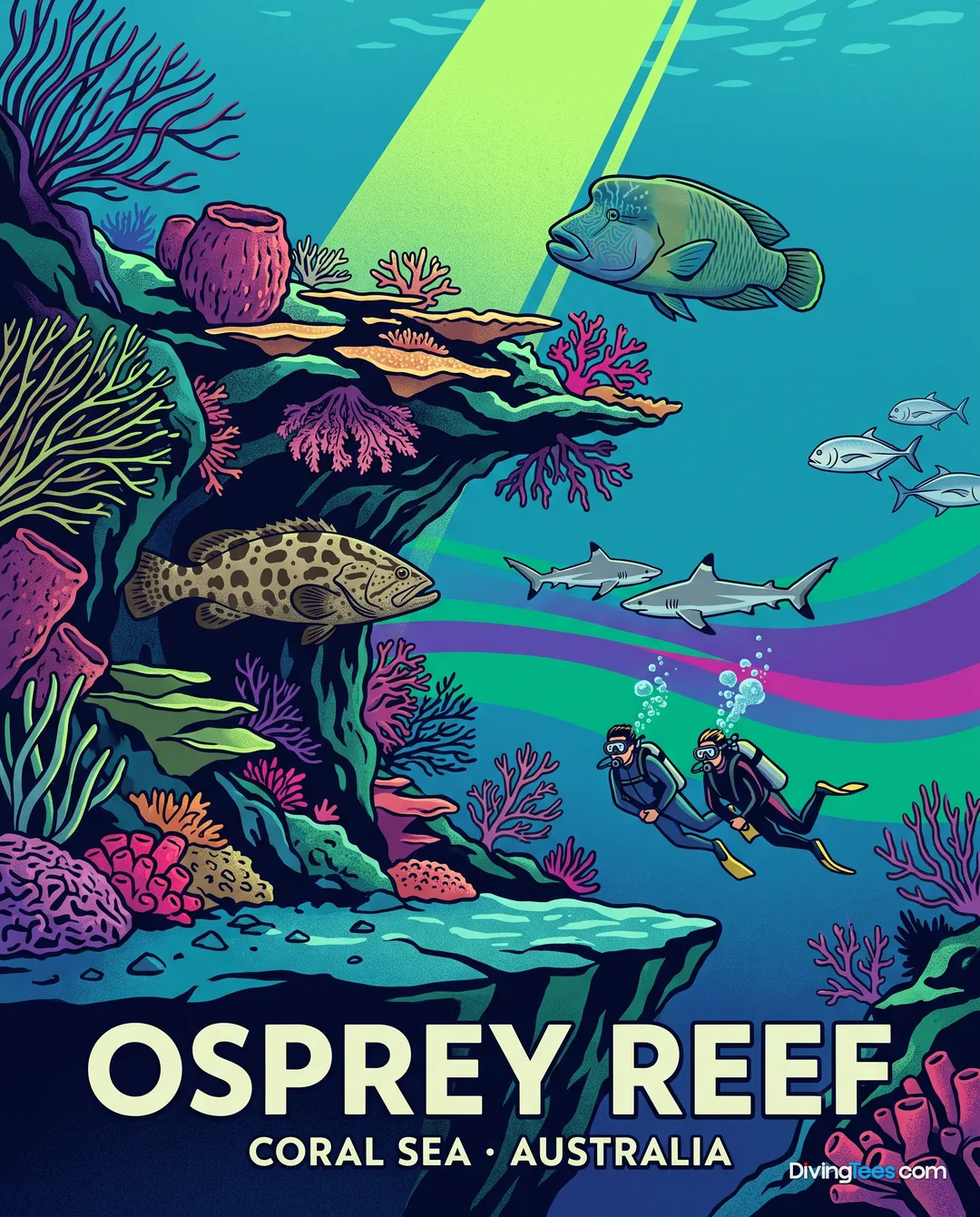
- Osprey Reef’s sheer outer walls dropping to 40 metres
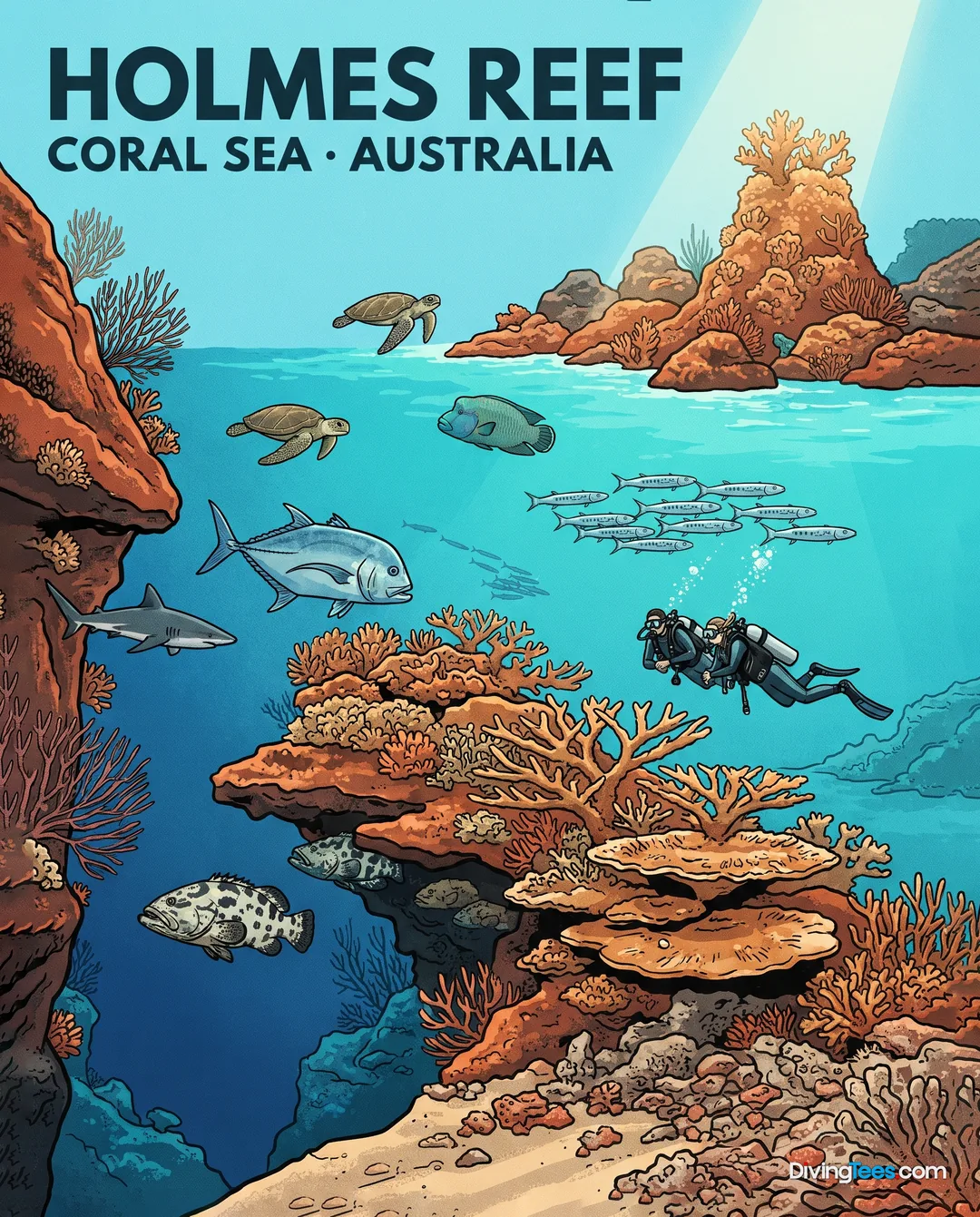
- Holmes Reef pinnacles in clear blue-water conditions
- Grey reef sharks, whitetips and silvertips around exposed reefs
- Potato cod beneath dramatic wall-diving profiles
- Bigeye trevally and great barracuda in open water
- Variable currents suited to drift-diving technique
- Liveaboard access to remote Coral Sea atolls
For subtitles in English: start the video firstthen click the gearat the top right of the video, select “Subtitles/CC”, then “Auto-translate” and choose “English”.
Overview
Osprey Reef’s sheer outer walls are the clearest picture of Coral Sea diving: a blue-water descent, open ocean beyond the drop-off, and the possibility of sharks moving along the reef edge. Holmes Reef adds deep pinnacles and wall dives reached only by boat. This is not a shore-diving base with occasional excursions, but a remote Queensland itinerary built around liveaboard days, exposed sites and the discipline needed to dive well away from land.
Diving here
The underwater landscape is dominated by oceanic atolls, sheer outer walls and deep pinnacles. At Osprey Reef, dives commonly range from 5 to 40 metres, with the walls providing the main sense of scale. Holmes Reef offers a similar blue-water setting, with many dives between 25 and 35 metres and deeper options down to 40 metres. Visibility is described as consistently high: roughly 30 to 60 metres at Osprey and 25 to 40 metres at Holmes. Currents are variable rather than uniformly strong. They may be gentle, but can increase around certain sites or tide changes, so drift-diving skills matter. The normal format is a liveaboard or a specialist boat trip, with entries and exits planned around the vessel, the current and the exposed nature of the reef.
Two dives not to miss
The underwater wildlife
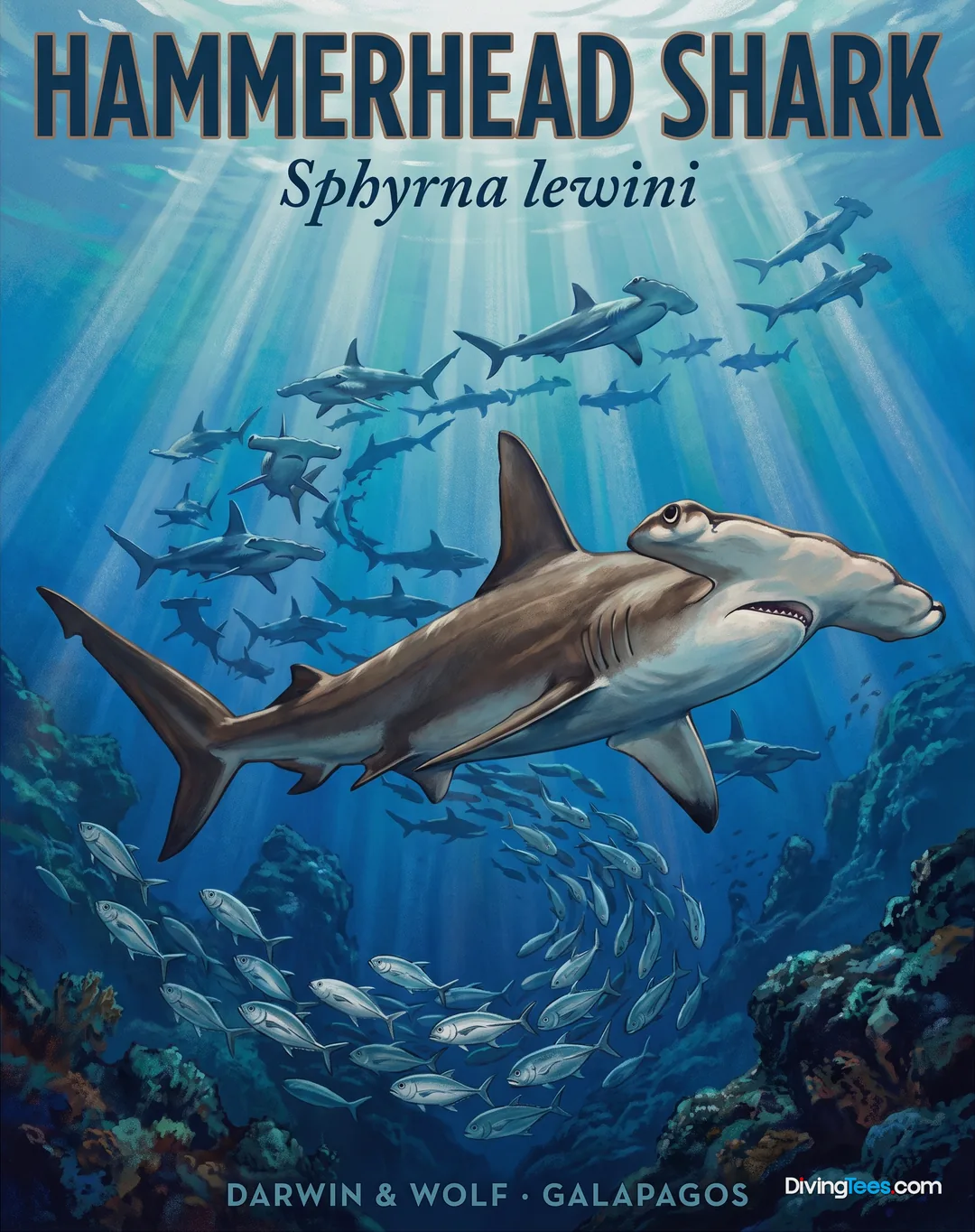
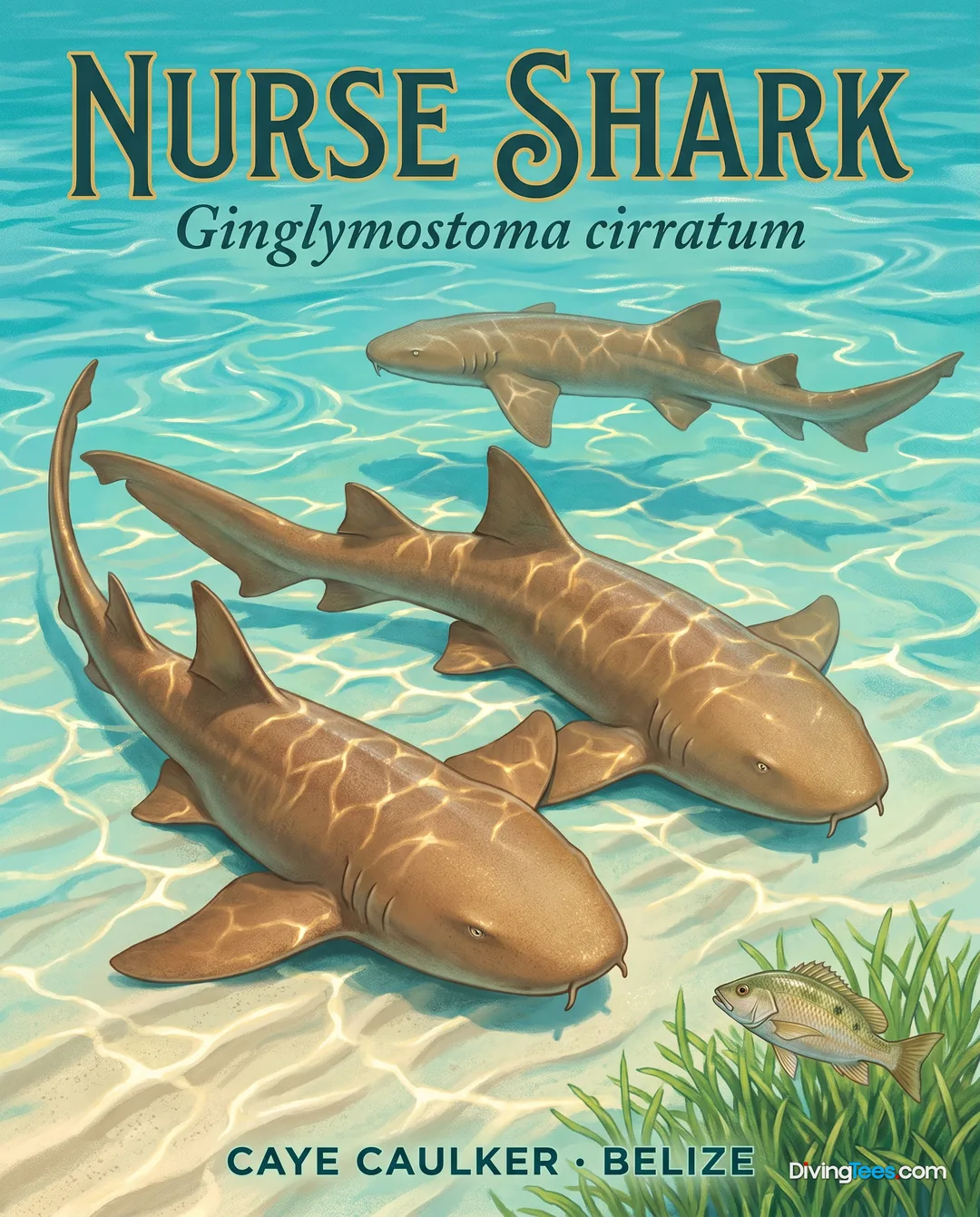
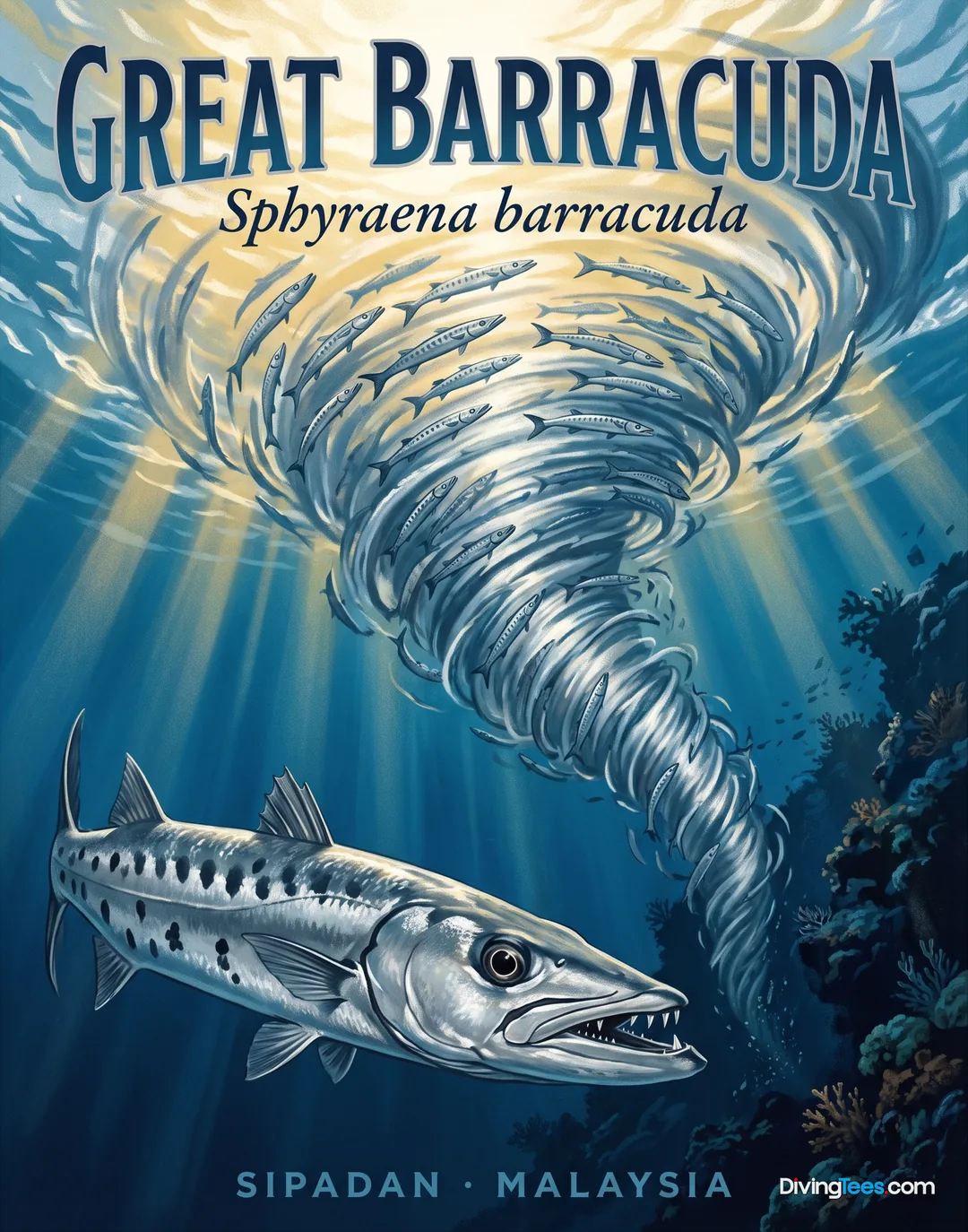
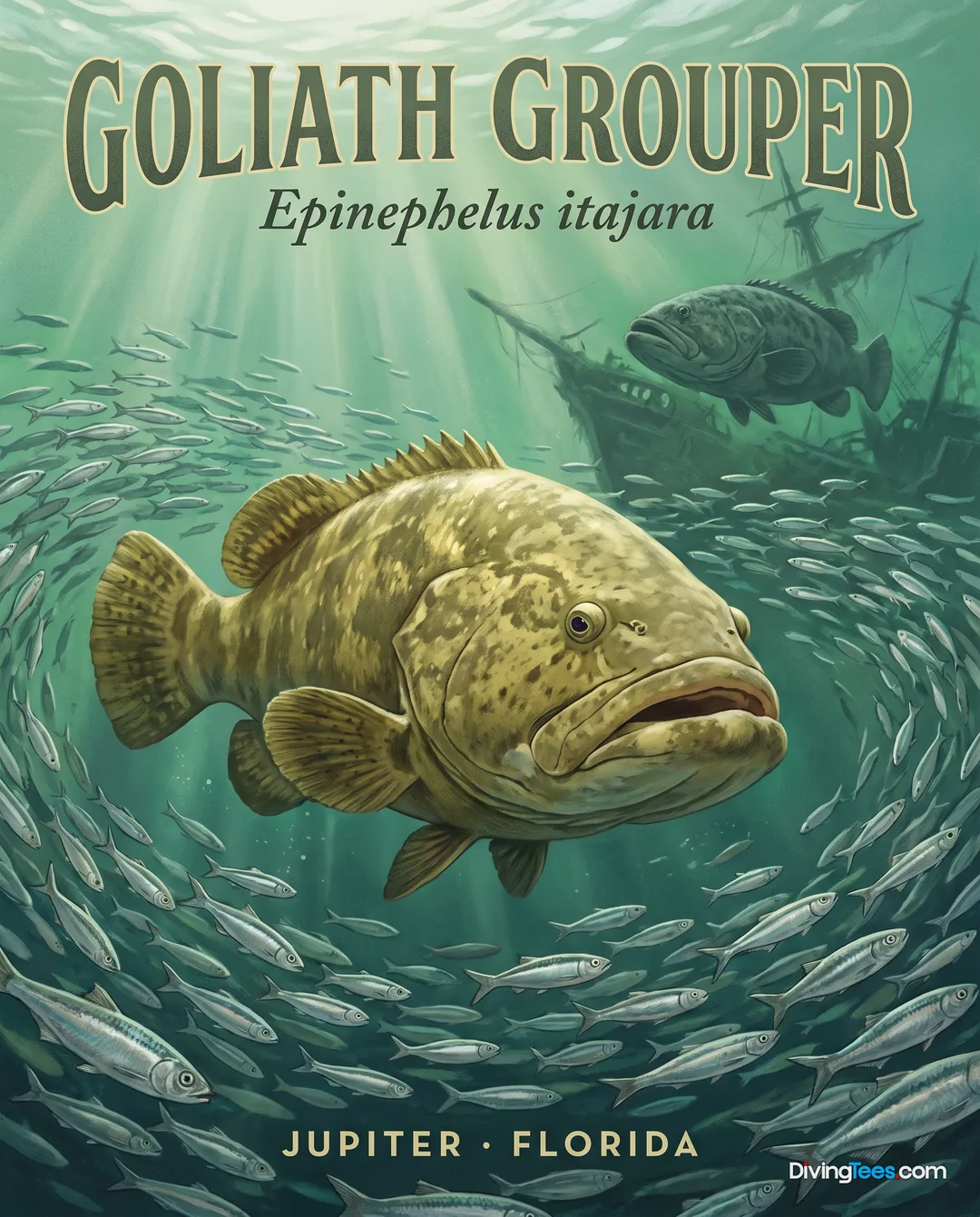
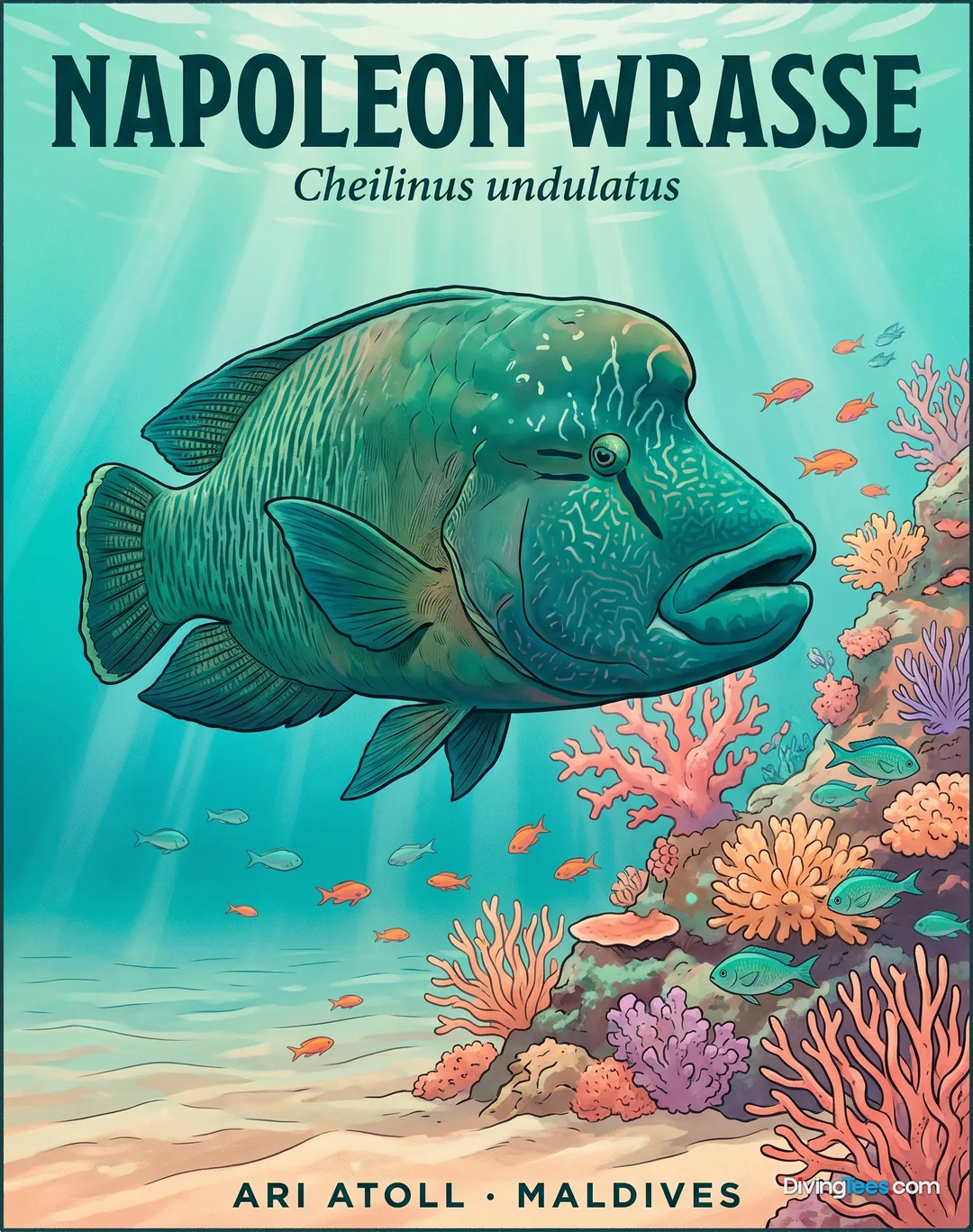
Sharks are a central part of the Coral Sea picture. Grey reef sharks, whitetip reef sharks and silvertip sharks may appear along the walls or out in the blue, where the clear water gives a long view beyond the reef. Potato cod add a heavier presence around the structure, while bigeye trevally and great barracuda bring movement to the open-water scene. These encounters belong to the character of sites such as Osprey Reef and Holmes Reef rather than to a promised animal timetable. The sensible approach is to hold position, keep the reef or wall in view and scan the blue without chasing passing fish. No particular seasonal wildlife window is established for planning purposes.
Possible underwater encounters


When to go
The practical time to go is the sailing window attached to the chosen liveaboard itinerary, rather than a conventional beach-holiday season. These are open-water reefs, so wind, sea state and tide can affect which exposed sites are usable and how much current a dive carries. Holmes Reef is specifically noted for changes around tide turns. A trip should therefore be planned with room for the boat’s weather decisions, not around an unverified promise of a particular animal or visibility month. The reason to favour a settled sailing period is straightforward: calmer surface conditions make the long boat-based operation and repeated blue-water entries more manageable.
Level required
This is for experienced divers, not a first liveaboard or a place to acquire basic confidence. Advanced Open Water, PADI or SSI Advanced, or a comparable BSAC qualification is the sensible baseline, with Nitrox and drift-diving experience useful additions. Osprey Reef carries a recommendation of at least 50 logged dives, while Holmes Reef suits divers comfortable with blue-water wall dives and 25- to 35-metre profiles. Good trim, controlled finning and reliable open-water procedures matter more than simply holding an advanced card.
On the ground
From London Heathrow, London Gatwick or Manchester, the journey begins with travel to Queensland’s north-east coast. The final approach is not by road to a resort or by a short shore transfer: a domestic flight is followed by a boat or liveaboard crossing, and that maritime leg is essential. The trip should be built around the vessel’s fixed departure, with enough margin between the international journey, any domestic connection and embarkation to avoid turning a delayed flight into a missed sailing. Once aboard, the boat is the base for the diving; there is no useful shore-based network from which to reach Osprey Reef or Holmes Reef. This makes the departure port and boat timetable the key pieces of local logistics.
Local tips
Do not book this as a shore-diving holiday with a boat trip added at the end. The boat departure is the spine of the journey, so flights from London Heathrow, London Gatwick or Manchester need a proper margin before embarkation rather than a tight same-day connection. Treat Osprey Reef’s 50-dive recommendation seriously, especially if the trip includes deep walls and exposed entries. A precise frog kick and quiet trim are worth more here than extra speed: they reduce accidental contact with the reef and keep a diver stable when the current changes. Carry practical skin protection for repeated boat and water time, and expect to follow site-specific marine-park rules. Touching coral, collecting souvenirs and approaching wildlife are avoidable mistakes, not part of the experience. Finally, do not build the trip around an unverified seasonal shark or visibility promise; the reef structure, blue water and sailing conditions are the dependable reasons to come.
Planning your stay
A Coral Sea stay is organised around a liveaboard or a specialist boat itinerary, with several days shaped by the vessel’s route and the condition of exposed sites. It suits travellers who are happy for the diving to be the main event and less well those wanting a fixed hotel, easy shore access or a large choice of land-based activities. A sensible plan includes time in the Queensland departure area before boarding, then allows the boat to make the final decisions about current and site exposure.
Hello, I'm Marina, DivingDeal.com's AI assistant. I guide you through destinations, areas and countries.
Thinking about the whole trip and the flights? Talk it over with Edith →
Marina is an AI. Some links are affiliate links: DivingDeal may earn a commission, at no extra cost to you. Bookings are made with the partner.
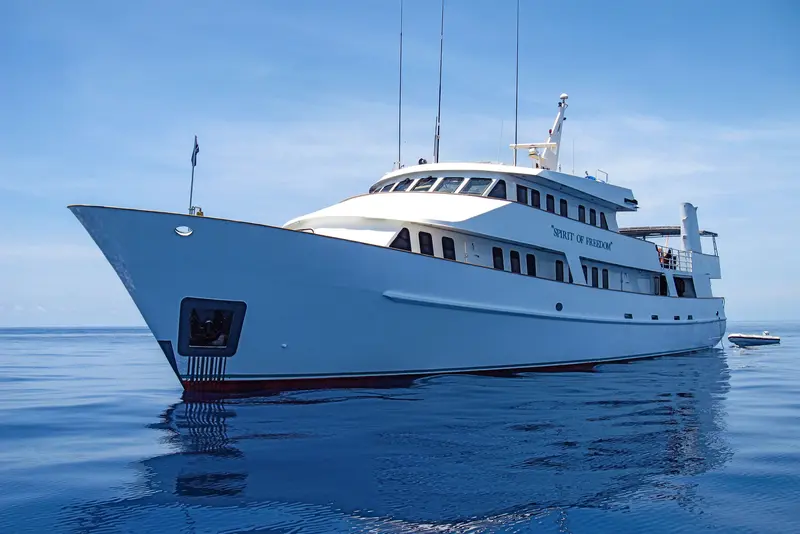
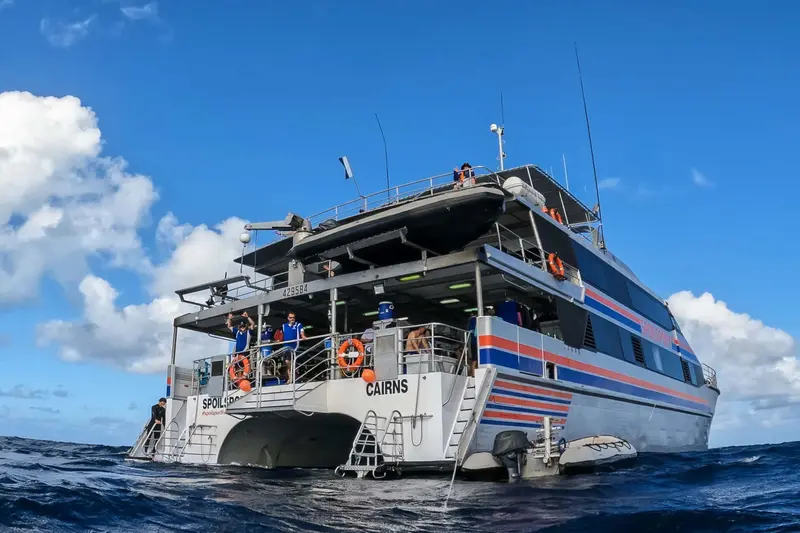
Dive liveaboards Coral Sea
2 liveaboards run trips to Coral Sea.
Frequently asked questions about Coral Sea
When should you go diving in the Coral Sea?
Plan around the sailing window of your chosen liveaboard itinerary, allowing for weather decisions rather than a particular wildlife or visibility season. Wind, sea state and tide can affect exposed sites and currents, especially around Holmes Reef tide turns. A settled sailing period makes repeated boat-based entries and operations more manageable.
What experience do you need to dive the Coral Sea?
The Coral Sea suits experienced divers rather than beginners or a first liveaboard. Advanced Open Water, an equivalent PADI, SSI or BSAC qualification is a sensible baseline, while drift-diving experience and Nitrox are useful. Osprey Reef recommends at least fifty logged dives, with good trim and reliable open-water procedures important.
What can you see while diving in the Coral Sea?
You can explore sheer atoll walls, deep pinnacles and clear blue water around Osprey Reef and Holmes Reef. Grey reef sharks, whitetips, silvertips, potato cod, bigeye trevally and great barracuda may appear along the walls, around structure or in open water. Encounters depend on the site rather than a timetable.
How should you plan a stay in the Coral Sea?
Build your trip around a liveaboard or specialist boat’s fixed departure, with travel to Queensland’s north-east coast followed by a domestic flight and maritime crossing. Leave plenty of margin before embarkation, and allow the vessel to decide sites according to weather, tide and exposure. The boat is your base for diving.