Ocean Free & Ocean Freedom - Cairns Premier Great Barrier Reef & Island Tours
Google 4.9/5 (1,552 reviews)
312 km away as the crow flies
Great Barrier Reef · Australia · Pacific
Max. depth · 20 mHardy Reef offers a diverse outer reef experience, blending shallow, protected coral gardens with sections exposed to the open ocean, all within the accessible Whitsundays region.
Diving Hardy Reef means entering an extensive outer reef system, defined by its blend of sheltered waters and exposed coral formations. The topography here is intricate, featuring numerous bommies that rise from the seafloor, creating a habitat for a variety of reef fish. You'll navigate through plate corals and discover small overhangs, with some sections shallow enough that coral formations nearly break the surface at low tide, revealing the reef's structure even to those looking from above.
The site encompasses a range of environments, from protected, lagoon-like areas ideal for leisurely exploration to more open sections where the reef meets the wider ocean. These protected zones offer a gentle drift over coral gardens, allowing you to observe the resident species without contending with strong currents. The coral here, particularly the plate corals, forms layered structures that provide shelter and hunting grounds for smaller marine life.
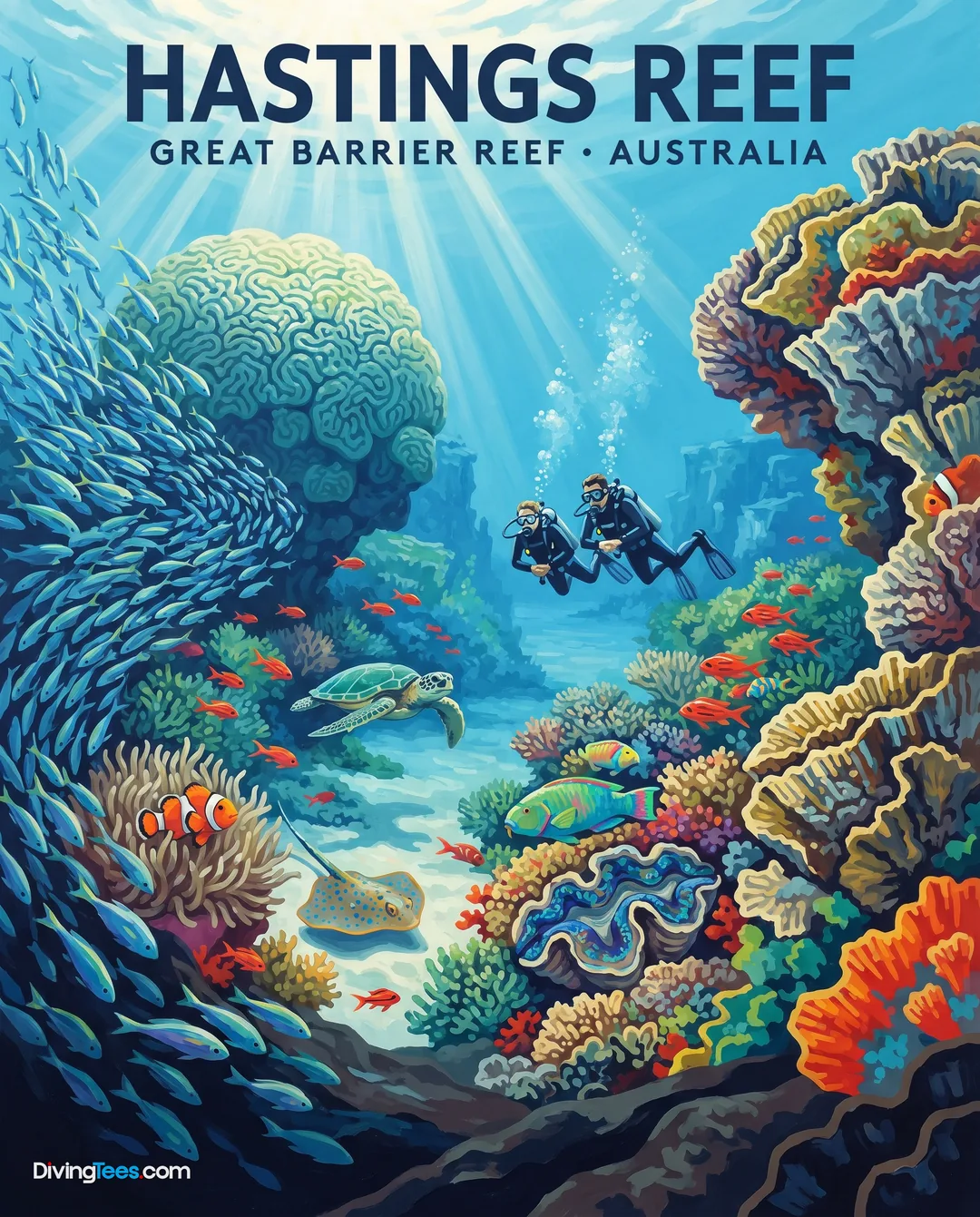
As you descend, typically within the 2 to 20-metre range, the reef continues to reveal itself. Clownfish (Amphiprioninae) are a common sight, sheltering within their anemones, while parrotfish (Scaridae) graze actively on the coral. Wrasse (Labridae) and yellow snapper (Lutjanus fulvus) navigate the reef structure, often in small schools, adding movement and colour to the scene. The shallower sections are particularly vibrant, bathed in ample sunlight that highlights the reef's complex ecosystem.
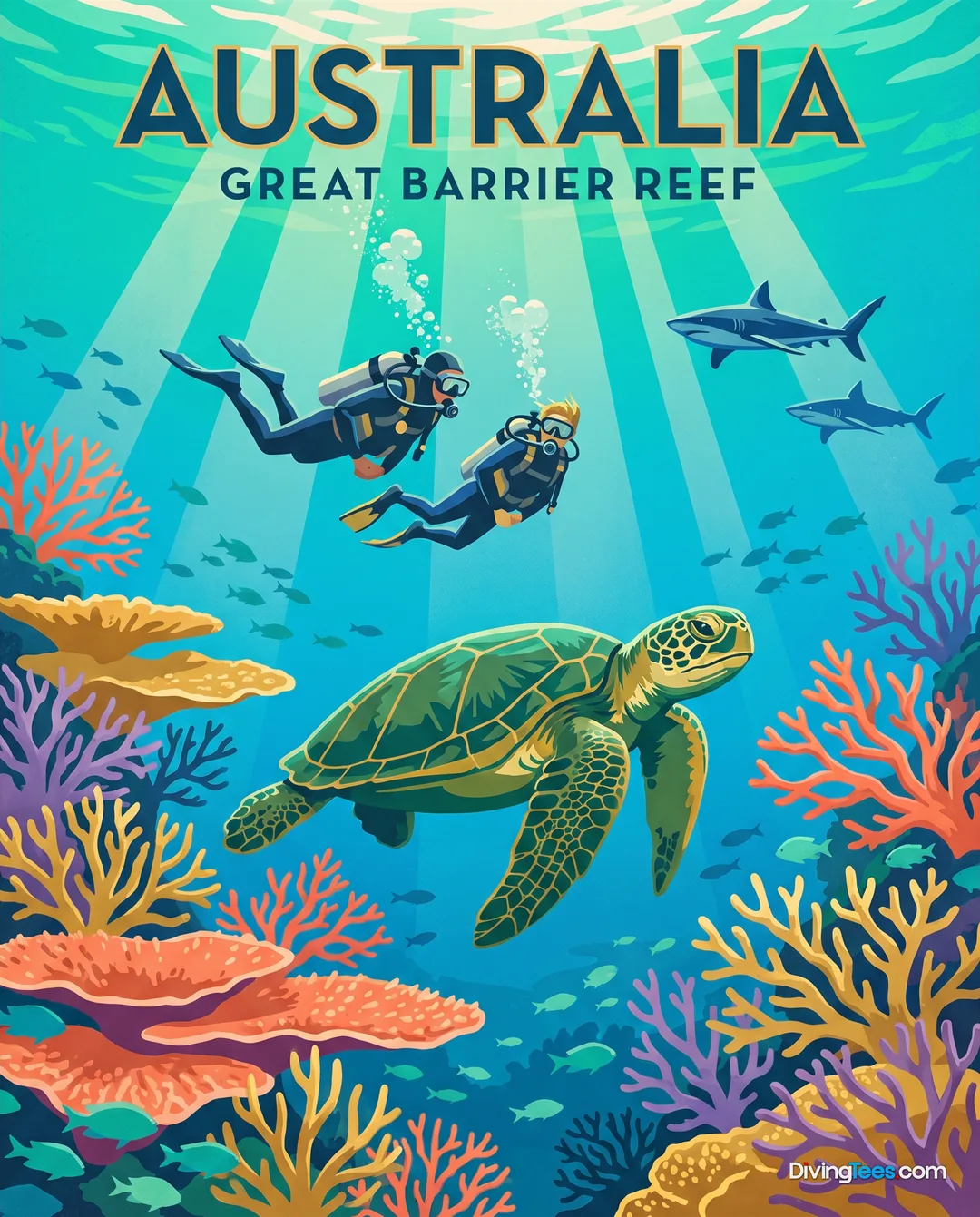
Hardy Reef supports a rich community of marine life, including various species of sea turtles (Chelonioidea) that are often seen gliding along the reef edge or resting in quieter spots. Look for reef sharks (Carcharhinidae), specifically whitetip reef sharks (Triaenodon obesus) and blacktip reef sharks (Carcharhinus melanopterus), which patrol the deeper parts of the reef, keeping an eye on the activity. These sharks are typically curious but unbothered by divers, maintaining a respectful distance.
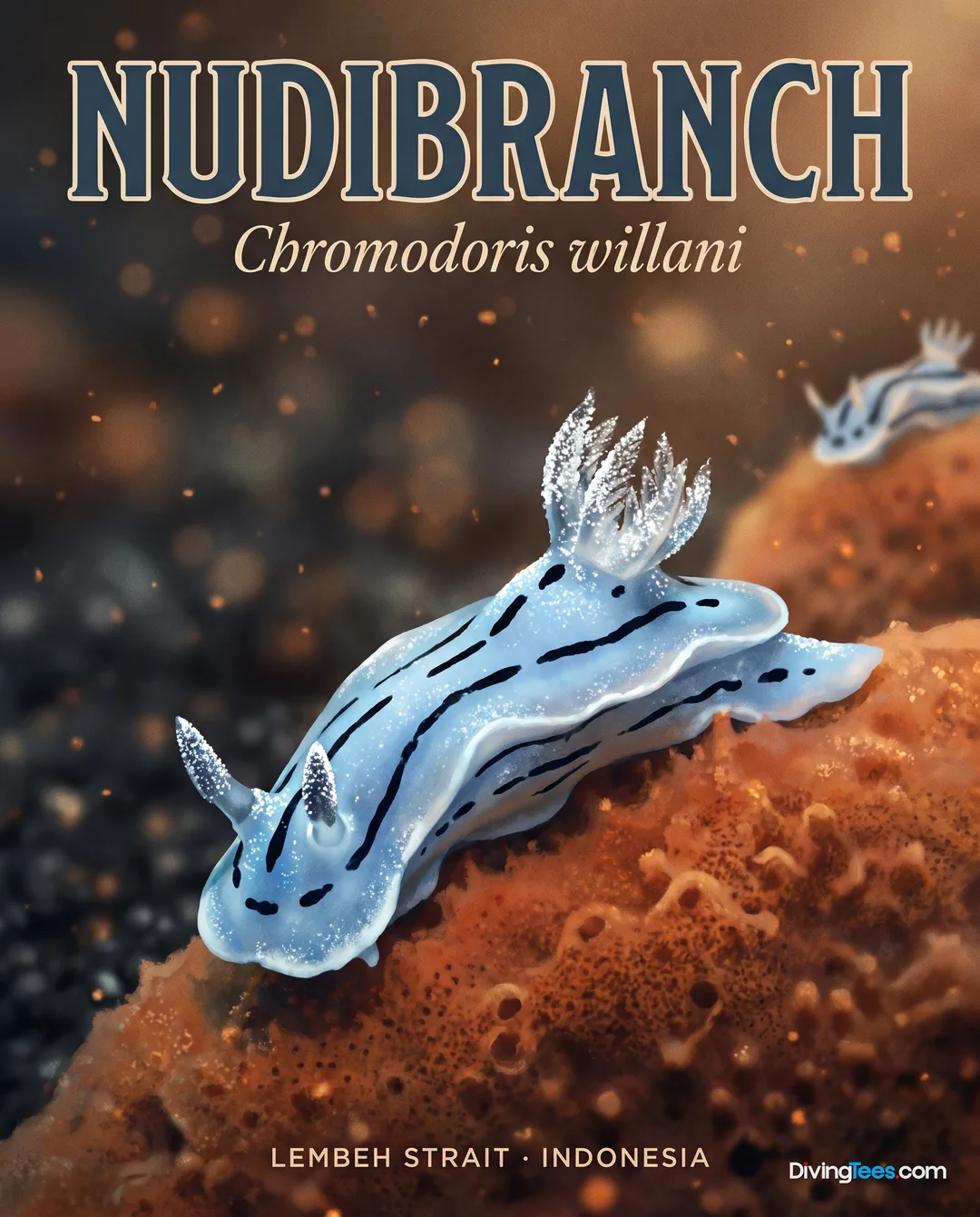
Beyond the larger animals, the site is notable for its macro life. Keep an eye out for nudibranchs (Nudibranchia) crawling across coral and rocky surfaces; their vibrant colours are a testament to the reef's biodiversity. Giant clams (Tridacna) are also present, their mantles displaying an array of patterns and colours as they filter feed from the water column, adding another layer of visual interest to the reef's substrate.
While the protected areas offer calm conditions, the wider reef system does experience variable currents, particularly on the outer sections exposed to tidal influences. This variability means that while much of Hardy Reef is suitable for less experienced divers, navigating the more exposed areas requires awareness of the water movement. These currents, when present, also contribute to the health of the reef by bringing in nutrients, fostering the growth of the diverse coral and invertebrate communities.
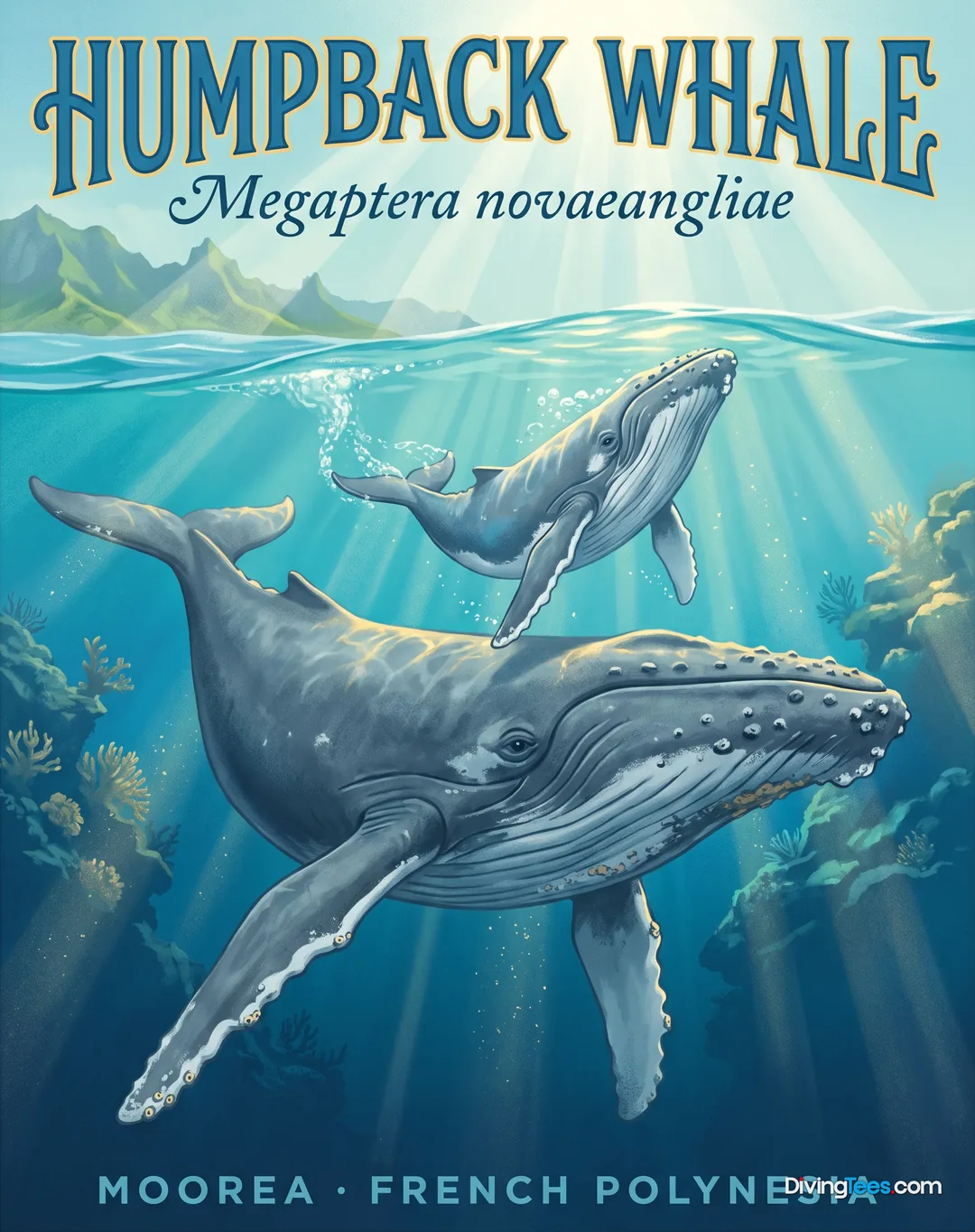
Hardy Reef stands out as a prime example of the accessible outer Great Barrier Reef experience from the Whitsundays. It combines substantial, healthy coral structures with a high diversity of marine life in generally manageable conditions. The site is not just about its resident species; during the migration season, humpback whales (Megaptera novaeangliae) can also be sighted in the surrounding waters, offering a rare encounter for those fortunate enough to be there.
Hardy Reef offers diving depths ranging from 2 metres to a maximum of 20 metres, making it accessible from Open Water Diver certification. The current is generally calm within the protected lagoon areas, although it can be variable on the more exposed outer reef sections, particularly with tidal changes. Visibility typically ranges from 10 to 30 metres. The warmest water and clearest visibility are often found from January to March, though good conditions and visibility are also common between June and November.
Hardy Reef often has its warmest water and clearest visibility from January to March. Good conditions and visibility are also common between June and November. Seasonal humpback whale sightings may occur in the surrounding waters, while the reef offers diving conditions across a range of seasons.
Hardy Reef offers diving from 2 to 20 metres, making it accessible from Open Water Diver certification. You can explore shallow coral gardens and bommies, while deeper parts of the reef contain additional formations and marine life. The site includes areas suited to leisurely exploration.
At Hardy Reef, currents are generally calm inside the protected lagoon-like areas, where you can enjoy a gentle drift over coral gardens. More exposed outer reef sections can have variable currents, particularly with tidal changes. Awareness of water movement is important when navigating these open areas.
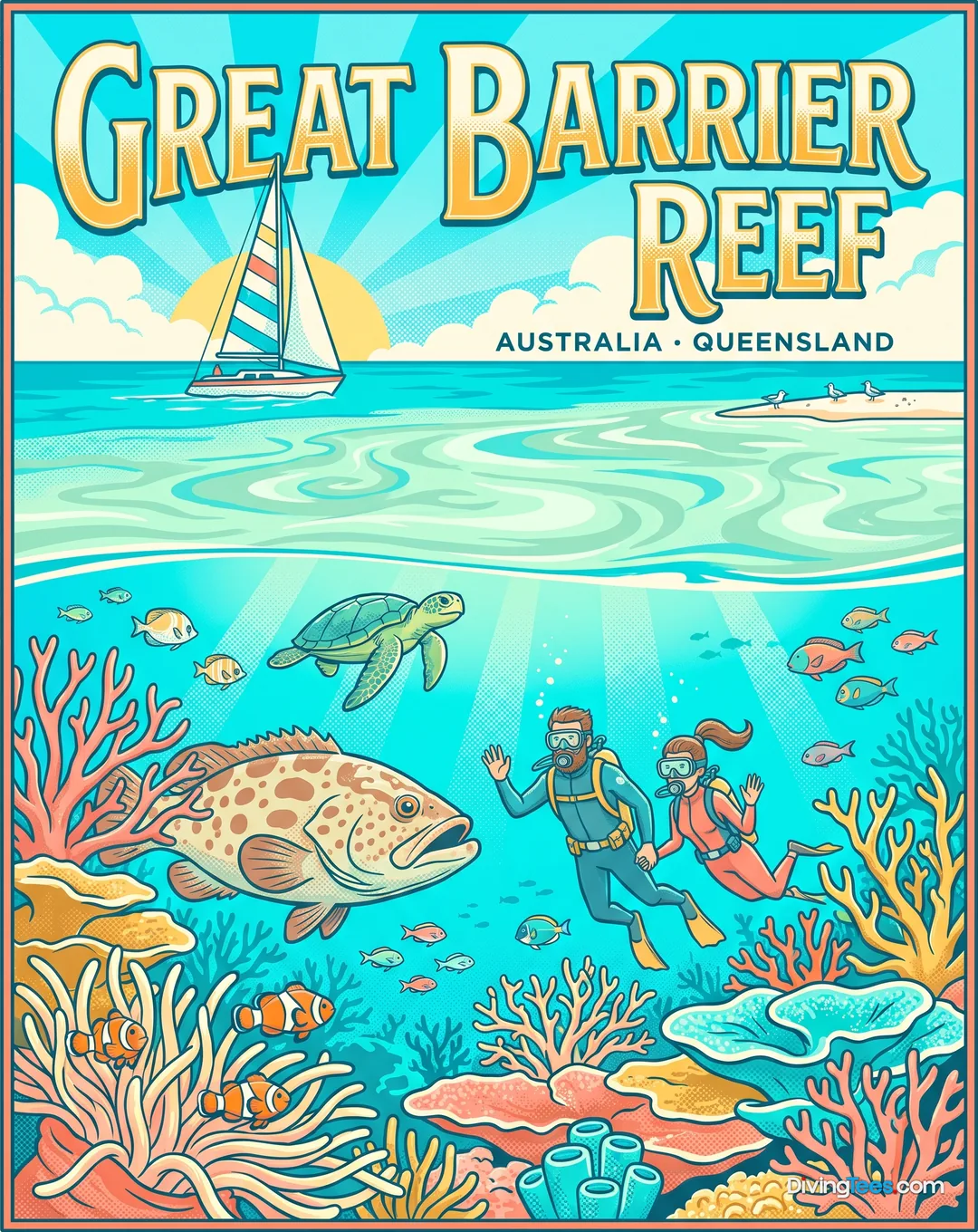
At Hardy Reef, you can see hard and soft corals, plate corals, bommies, clownfish, parrotfish, wrasse, yellow snapper, sea turtles and reef sharks. Macro life includes nudibranchs and giant clams. Humpback whales may be sighted seasonally in surrounding waters, adding another possible encounter.