
Subsurface Musket Cove Resort
Google 4.5/5 (723 reviews)
Fiji · Pacific
Coral ridges, shadowed overhangs, shallow reef shelves and occasional turtles make the Mamanuca Islands an easy-going Fiji base for boat diving.
For subtitles in English: start the video firstthen click the gearat the top right of the video, select “Subtitles/CC”, then “Auto-translate” and choose “English”.
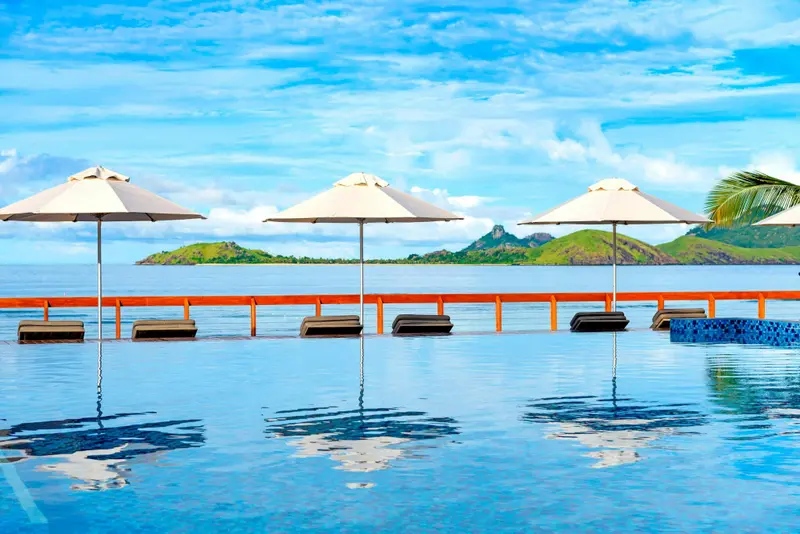
At the Mamanuca Islands, a dive can begin over a shallow reef shelf and finish beside a coral wall, rocky passage or overhang. Most outings leave by boat from an island resort or from Port Denarau on Viti Levu, so the day has a clear island rhythm: a morning departure, one or two reef dives, and a return across open water. It is a sensible Fiji choice for mixed-experience groups, with beaches and water sports for anyone who prefers to stay dry.
The underwater scenery shifts between fringing reefs, coral ridges, drop-offs, overhangs and narrow rocky passages, with a few wrecks adding a change of texture. Operators use sites from roughly eight to 40 metres, although many dives sit near 18 metres. That leaves room for shallow training dives as well as deeper profiles for suitably qualified divers. Currents are variable rather than constant, and a site that is calm one day may demand more attention on another. Ask about the expected flow before booking, particularly where a downcurrent or a drift dive is involved. Visibility can reach 20 to 40 metres in favourable conditions, but rain, coastal run-off, swell and extra plankton can reduce it. These are predominantly boat dives, either from the island where you stay or on an excursion from Port Denarau.
Green sea turtles are the most dependable larger encounter, with sightings possible throughout the year among the reef contours. Manta rays are a seasonal possibility from May to October, though they are never a guaranteed feature of every boat trip. Dolphins may also appear at any time, but they are occasional visitors rather than a reason to book a particular site. Much of the pleasure lies in combining the wildlife with the setting: scanning a coral ridge, looking into an overhang, then following a wall or rocky passage as the boat’s route takes you from inner to outer reef. The Mamanuca experience is therefore less about a single signature animal than about pairing ordinary reef life with changing depth and relief.
May to October is generally the most dependable period, because the drier months usually bring calmer boat conditions and steadier visibility. The rainy season remains diveable, but rainfall can send coastal run-off across the reefs and make the sea less predictable. Visibility may also fall after rain, during swell or when plankton levels rise. The dry-season window is consequently useful for divers who want to move between island sectors by boat rather than spend their days waiting on conditions. It is also when manta rays are an occasional possibility. Turtles remain a year-round prospect, so the wetter months are not a complete write-off.
Beginners can use the shallow, nearby reefs and take training dives in manageable conditions. An entry-level qualification from BSAC, PADI or SSI is appropriate for ordinary guided diving, while deeper sites approaching 30 to 40 metres require the relevant certification and experience. Divers should also be honest about current tolerance: conditions vary across the archipelago, and a site involving a drift dive or stronger flow is not simply an advanced version of a calm reef tour. Ask about the day’s current and depth before committing.
From London Heathrow, London Gatwick or Manchester, the journey leads to Nadi, then by road to Port Denarau. From there, a fast catamaran, scheduled boat transfer or private transfer carries you to the chosen Mamanuca island, with the crossing taking roughly 25 to 90 minutes depending on the island and operating conditions. Some islands may also have an air or helicopter transfer, but the boat is the normal structural link. Build the itinerary around the sailing timetable rather than treating the transfer as an afterthought. A late arrival at Nadi may require a night on Viti Levu before the sea crossing. Once on an equipped island, accommodation and the dive centre are generally reached on foot or through the island’s own internal transport.
Choose the island with the intended reef sector in mind. The islands nearest Denarau are not interchangeable with the more distant ones, and the real crossing time matters more than the apparent distance on a map. If you want both inner reefs and the outer reefs around Malolo, allow an extra diving day rather than trying to force every sector into a short stay. Morning departures are usually the practical choice, giving you the first boat rotations and better odds of avoiding the busiest accessible sites. Take sun and wind protection for the crossing, plus a light layer for surface intervals. From Viti Levu, keep the maritime transfer and the dive departure as separate planning problems, because a late boat can cost the first dive. Do not book an international flight on the day you return from a distant island, and leave the final day free of diving before flying.
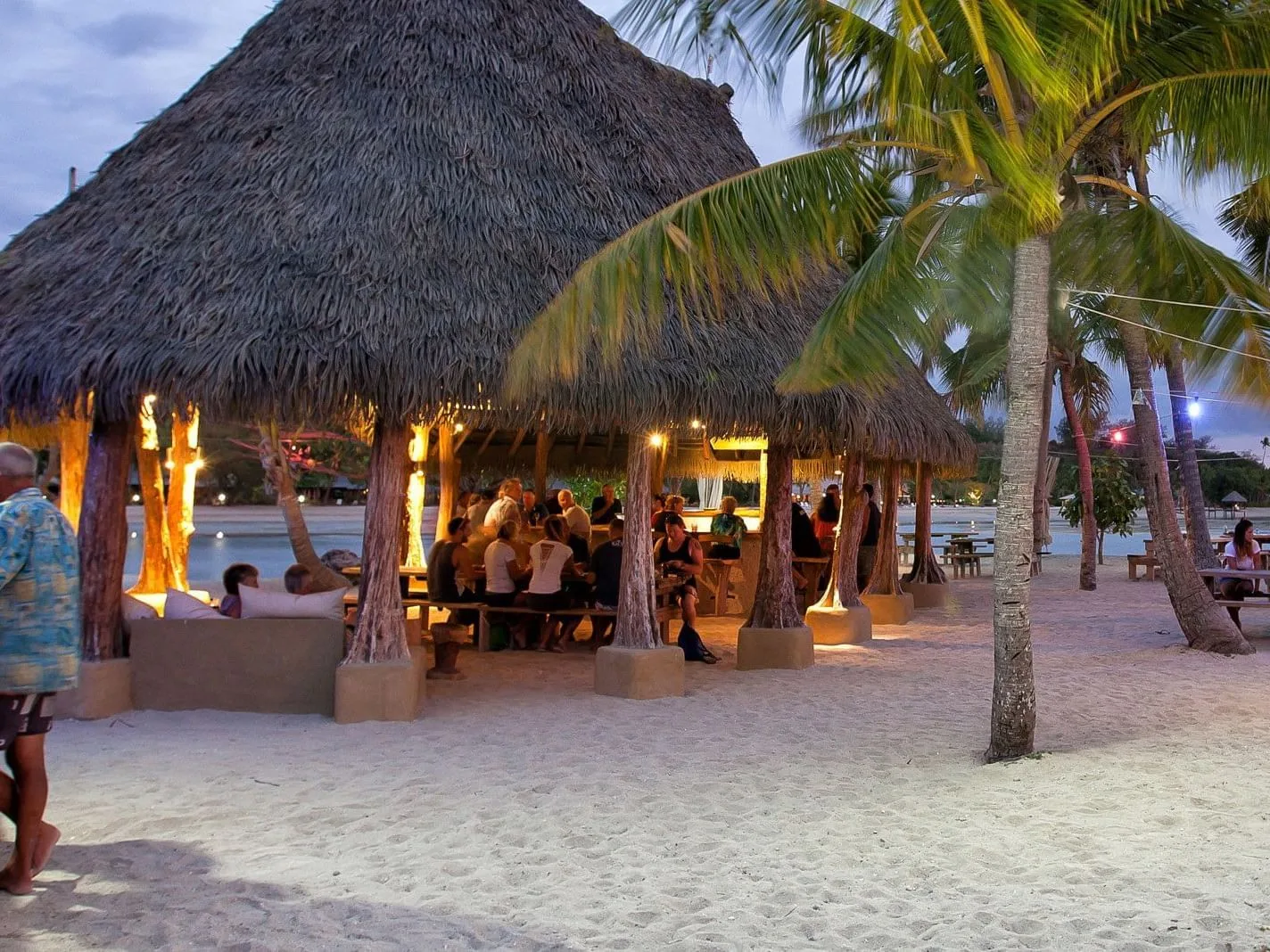
A five- to seven-day stay allows several boat days, a change of reef sector and a non-diving day before the flight home. Base yourself on an island with a dive centre if daily convenience matters, or stay on Viti Levu and treat each trip as an organised excursion from Port Denarau. The island resorts make it easy to combine diving with beach time, while snorkelling, kayaking, paddleboarding and inter-island boat trips fill the surface intervals for non-divers.
Hello, I'm Marina, DivingDeal.com's AI assistant. I guide you through destinations, areas and countries.
Thinking about the whole trip and the flights? Talk it over with Edith →
Marina is an AI. Some links are affiliate links: DivingDeal may earn a commission, at no extra cost to you. Bookings are made with the partner.
May to October is generally the most dependable period, with drier weather, calmer boat conditions and steadier visibility. Manta rays are an occasional possibility during these months, while turtles can be encountered throughout the year. The rainy season remains diveable, although rain, coastal run-off, swell and plankton can reduce visibility.
The Mamanuca Islands suit mixed-experience groups, including beginners using shallow nearby reefs for training dives. An entry-level qualification from BSAC, PADI or SSI is appropriate for ordinary guided diving. Deeper sites require relevant certification and experience, while variable currents, drift dives and downcurrents mean you should ask about conditions before booking.
You can explore fringing reefs, coral ridges, walls, drop-offs, shallow shelves, overhangs and narrow rocky passages, with occasional wrecks adding variety. Green sea turtles are possible throughout the year, while manta rays may appear from May to October. Dolphins can also visit, though they are occasional rather than site-specific encounters.
Plan around the boat timetable, with morning departures from your island resort or Port Denarau. Choose your island according to the reef sector you want to visit, and keep the maritime transfer separate from the dive departure. Allow time for several boat days, a reef-sector change and a non-diving day before flying.