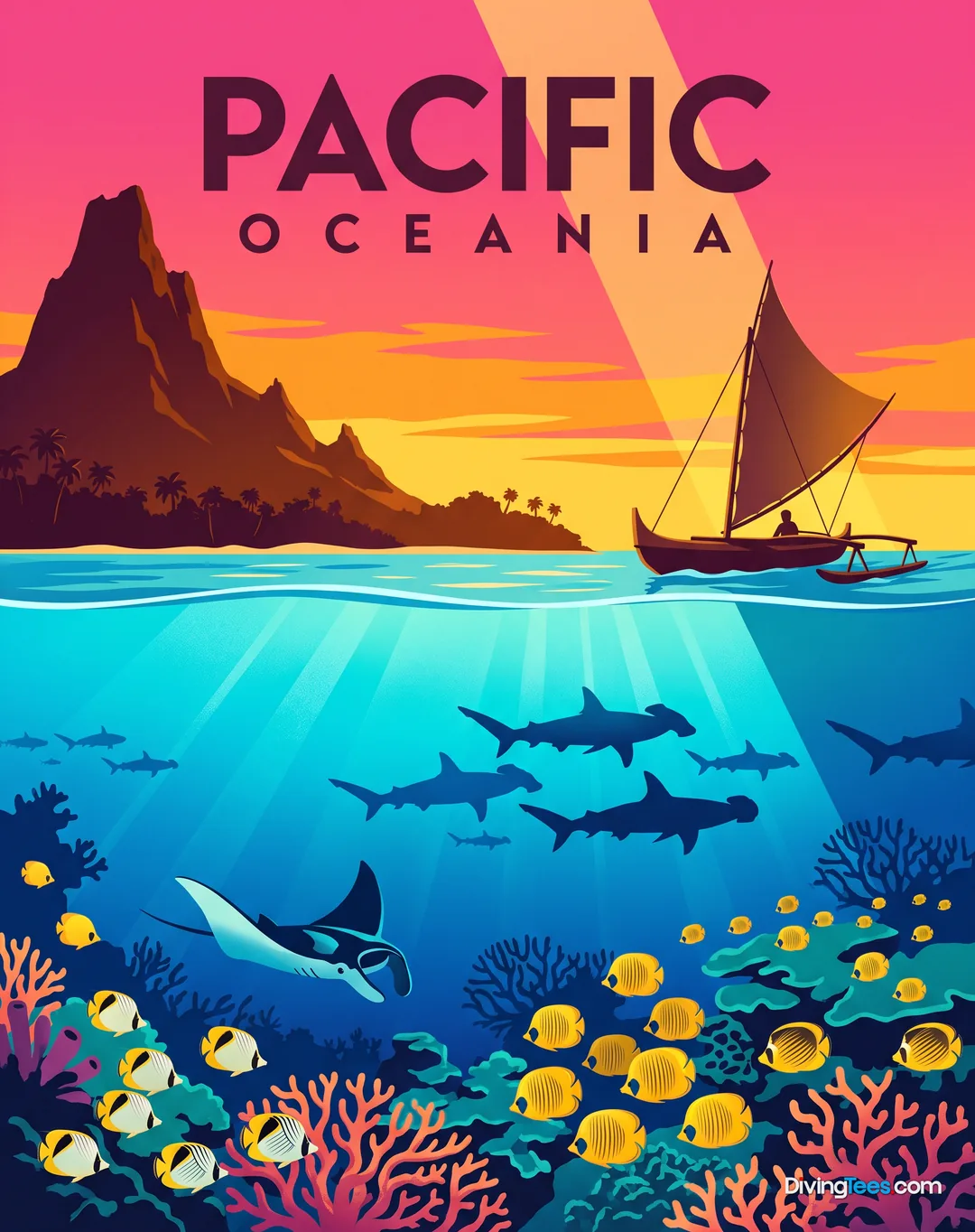
Pacific
Fiji: reefs, islands and deliberate journeys
Fiji brings together Rainbow Reef, the Great Astrolabe Reef, Suva’s markets and village sevusevu, within an archipelago where transfers shape the holiday.
What makes this country unique
- Rainbow Reef between Taveuni and Vanua Levu
- Kadavu’s Great Astrolabe Reef and shark passages
- November to April around Taveuni and Savusavu
- June to October diving choice at Kadavu
- Garden Island walks at Taveuni’s Bouma National Heritage Park
- Kokoda, lovo and rourou on Fiji tables
- Kava ceremonies and sevusevu in island villages
- Suva Municipal Market and Suva Handicraft Centre
For subtitles in English: start the video firstthen click the gearat the top right of the video, select “Subtitles/CC”, then “Auto-translate” and choose “English”.
This country for a diver
Fiji suits divers who want reef variety without pretending the islands are interchangeable. Rainbow Reef gives Taveuni and Vanua Levu a shared marine focus, while Kadavu’s Great Astrolabe Reef belongs to a more remote southern setting. Viti Levu adds the practical base of Suva, Nadi and the main transport network; Savusavu and Taveuni feel more dependent on boats, small aircraft and local timetables. Across the country, the common thread is boat diving shaped by currents, exposure, tides and weather, so a flexible plan matters more than chasing one supposedly perfect day.
How the country divides
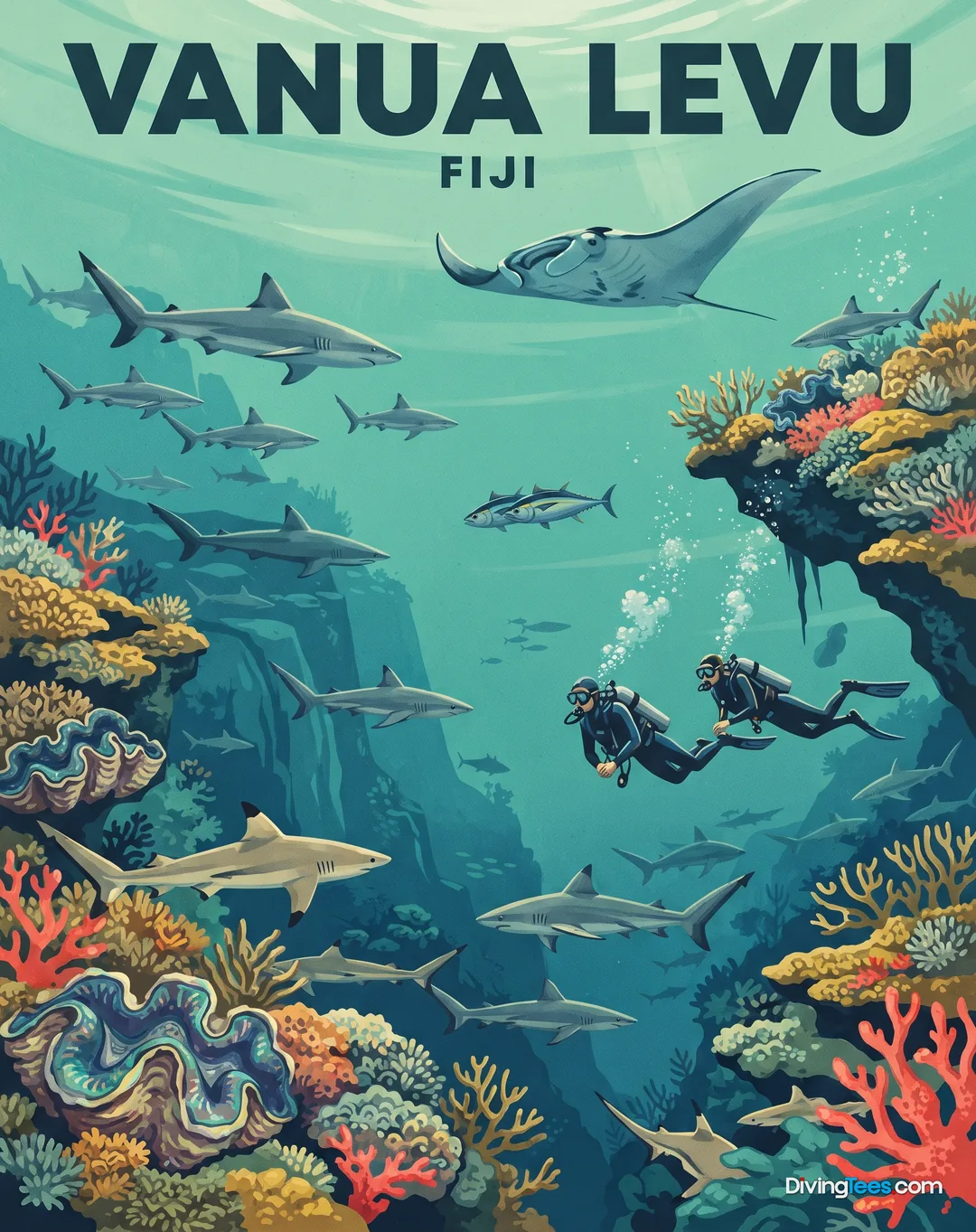
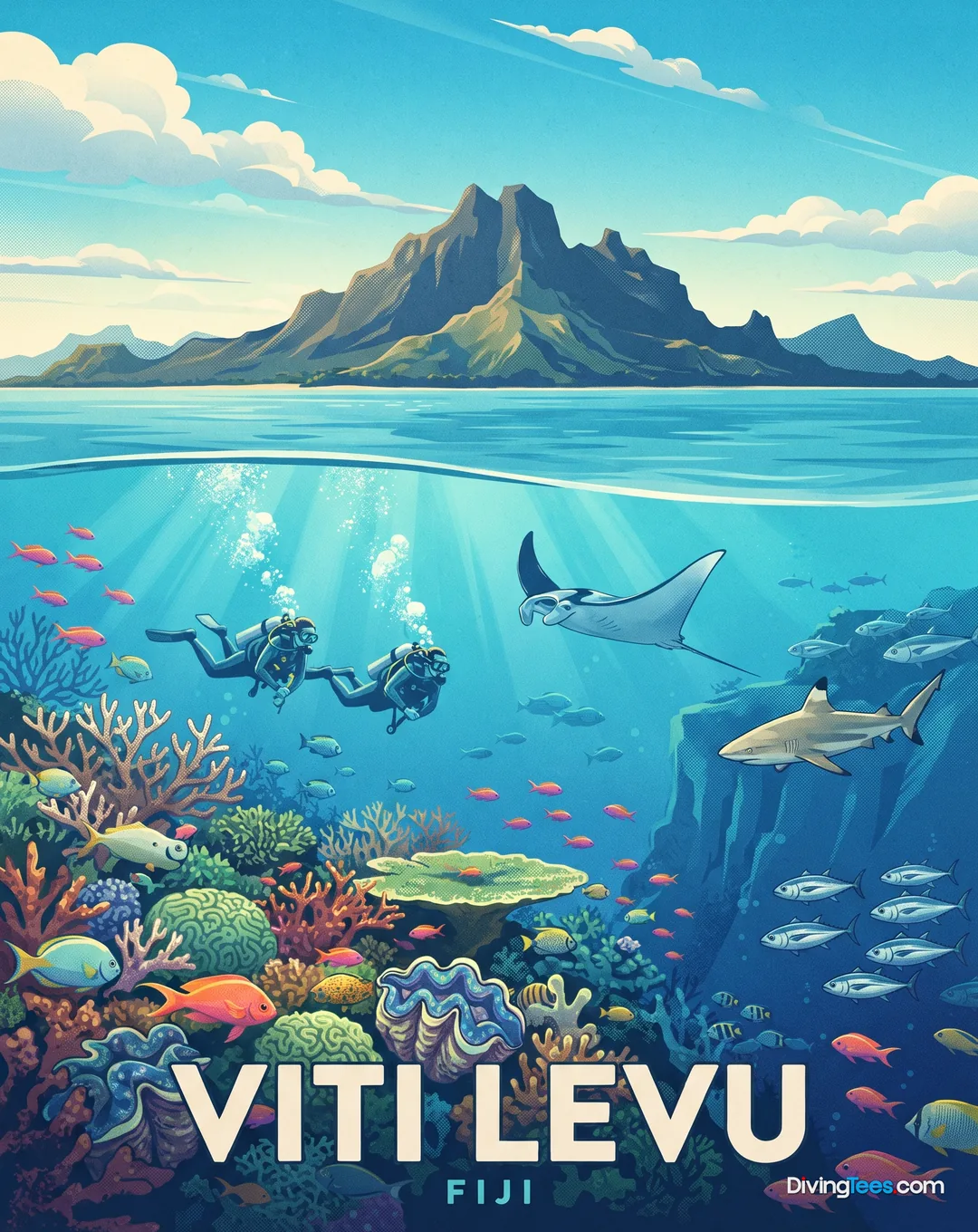
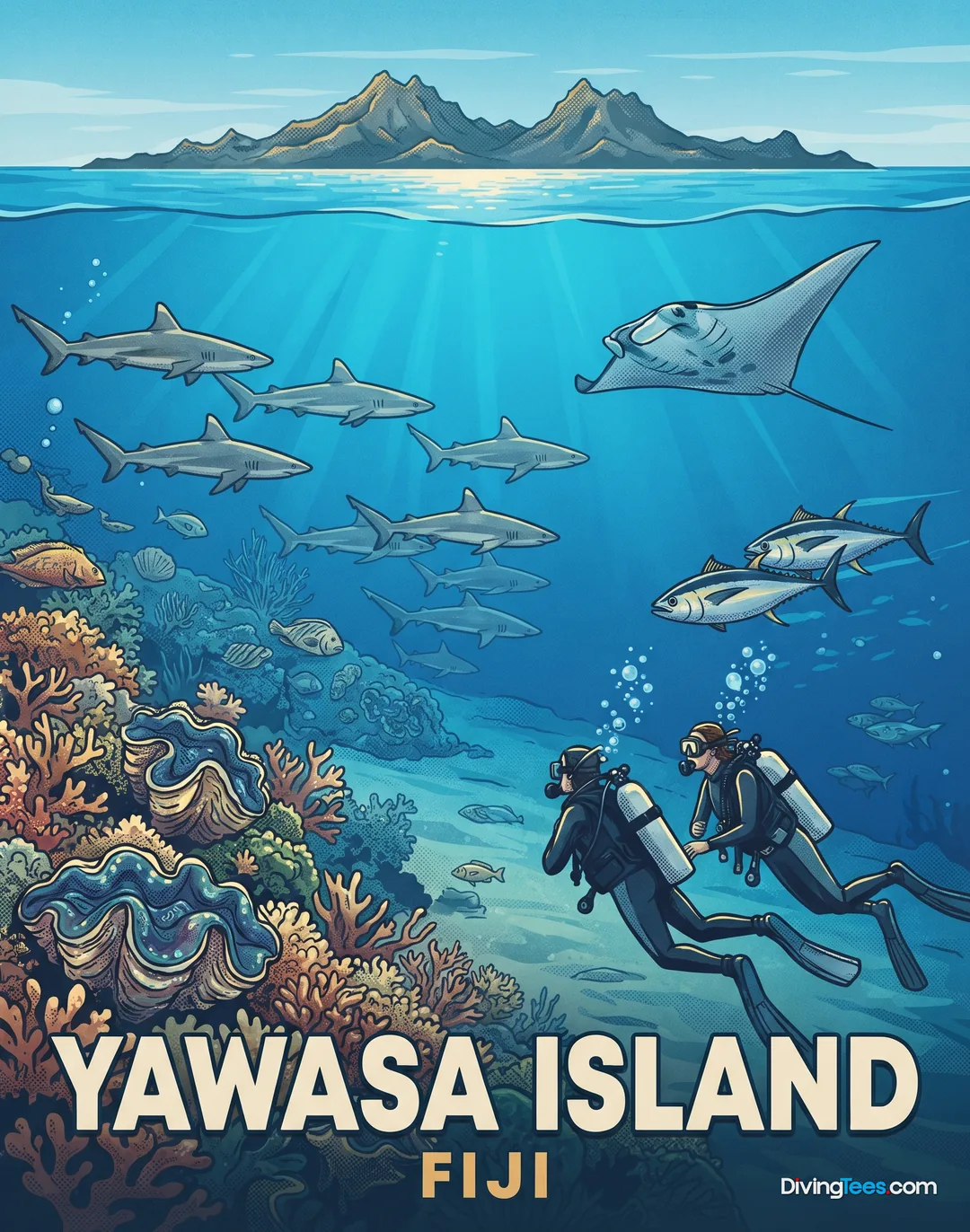
Fiji’s diving divides into three useful travel shapes. The northern grouping centres on Savusavu, Taveuni and Vanua Levu, with the same November-to-April season and short geographical links around the Somosomo Strait. It suits divers wanting a concentrated reef itinerary, particularly if Namena Marine Reserve is central to the plan, although reserve access and sea conditions need arranging rather than improvising from town. Kadavu and Viti Levu form a more mixed southern and main-island option. Kadavu is available throughout the year, while Viti Levu follows the November-to-April window; together they suit travellers combining established transport, culture and reef diving, with Kadavu offering the quieter end of that contrast. Yawasa Island stands apart as an island-chain choice, open from November to May and better suited to a self-contained stay around boat access. It is not a natural add-on to every other region.
Diving destinations
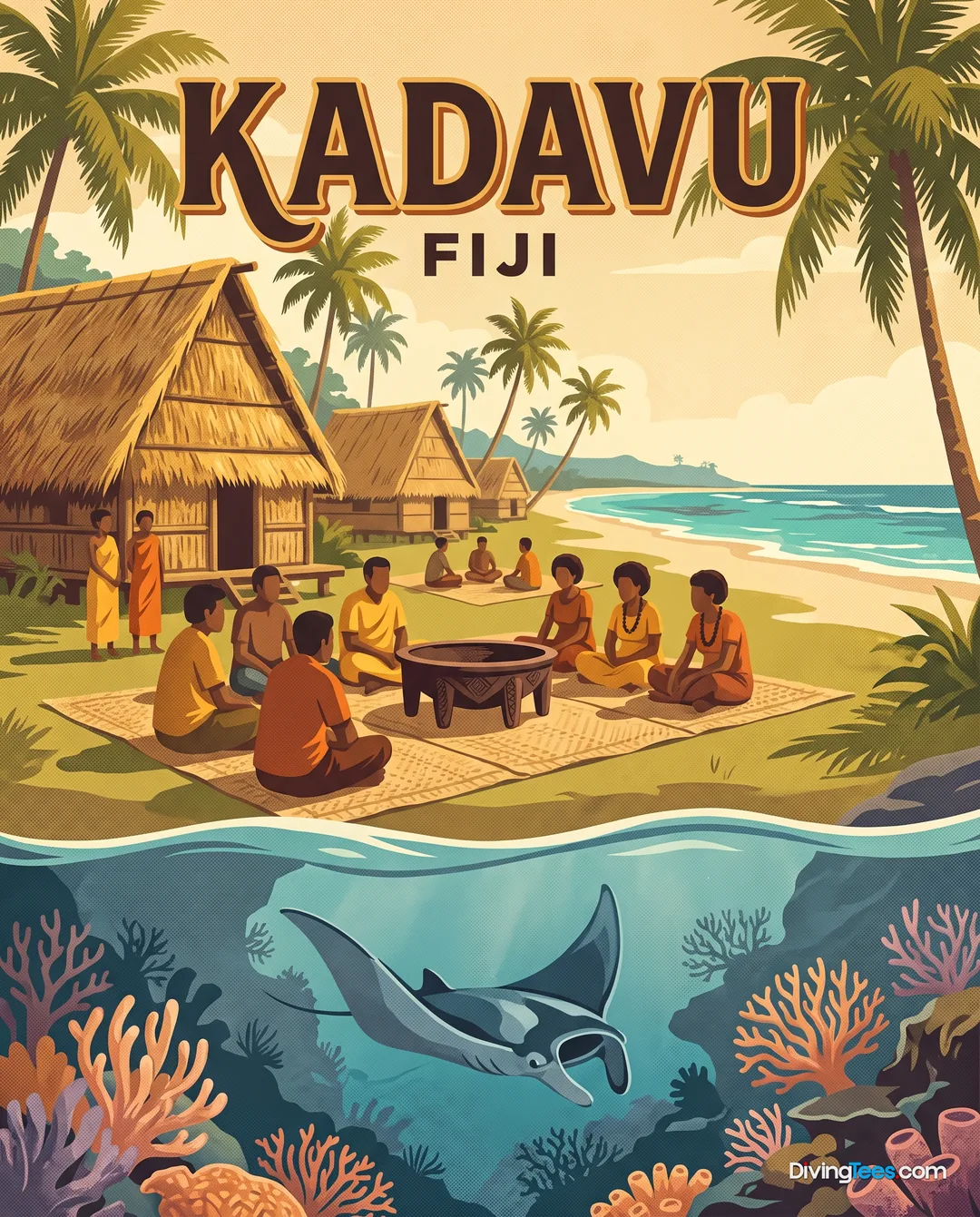
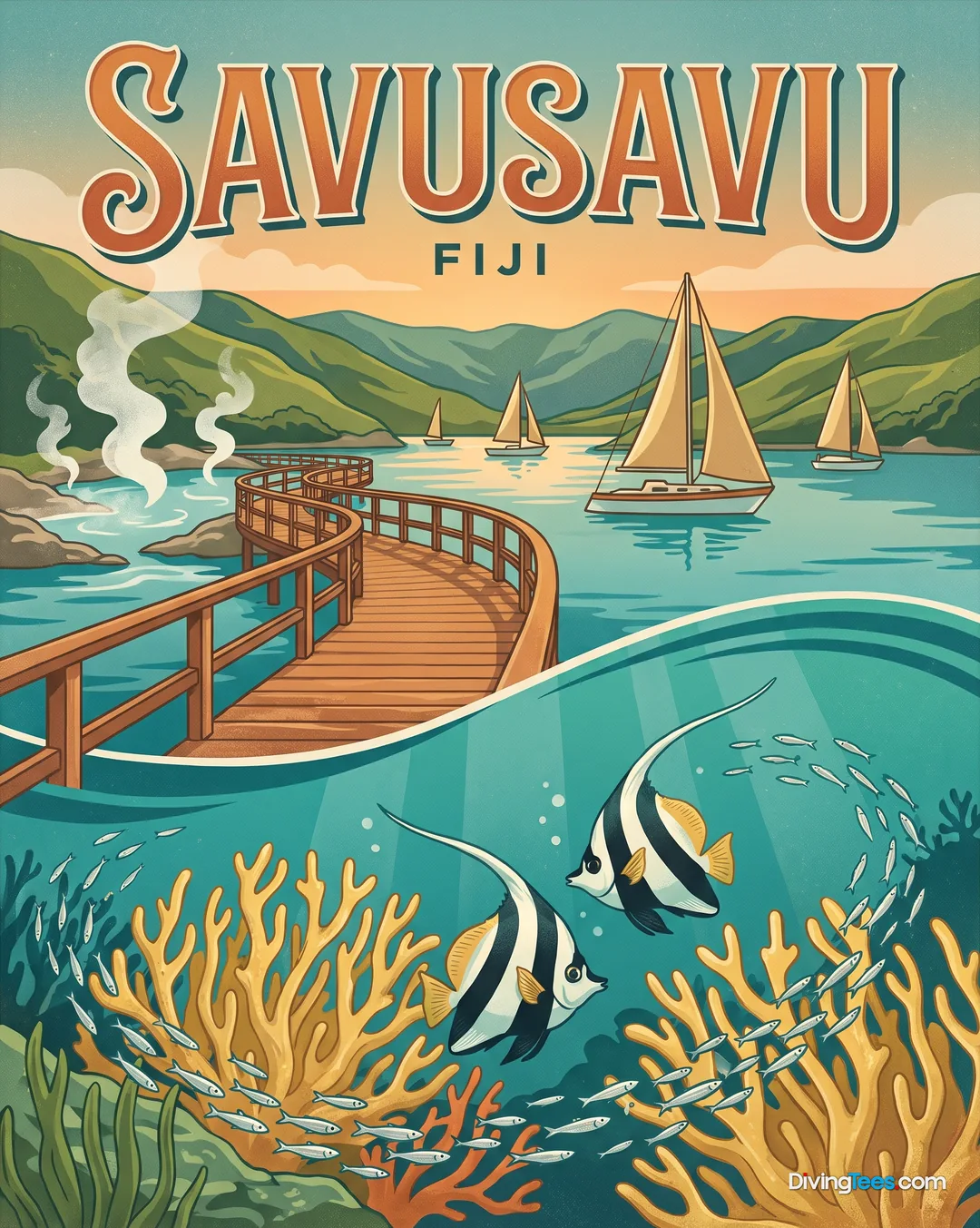
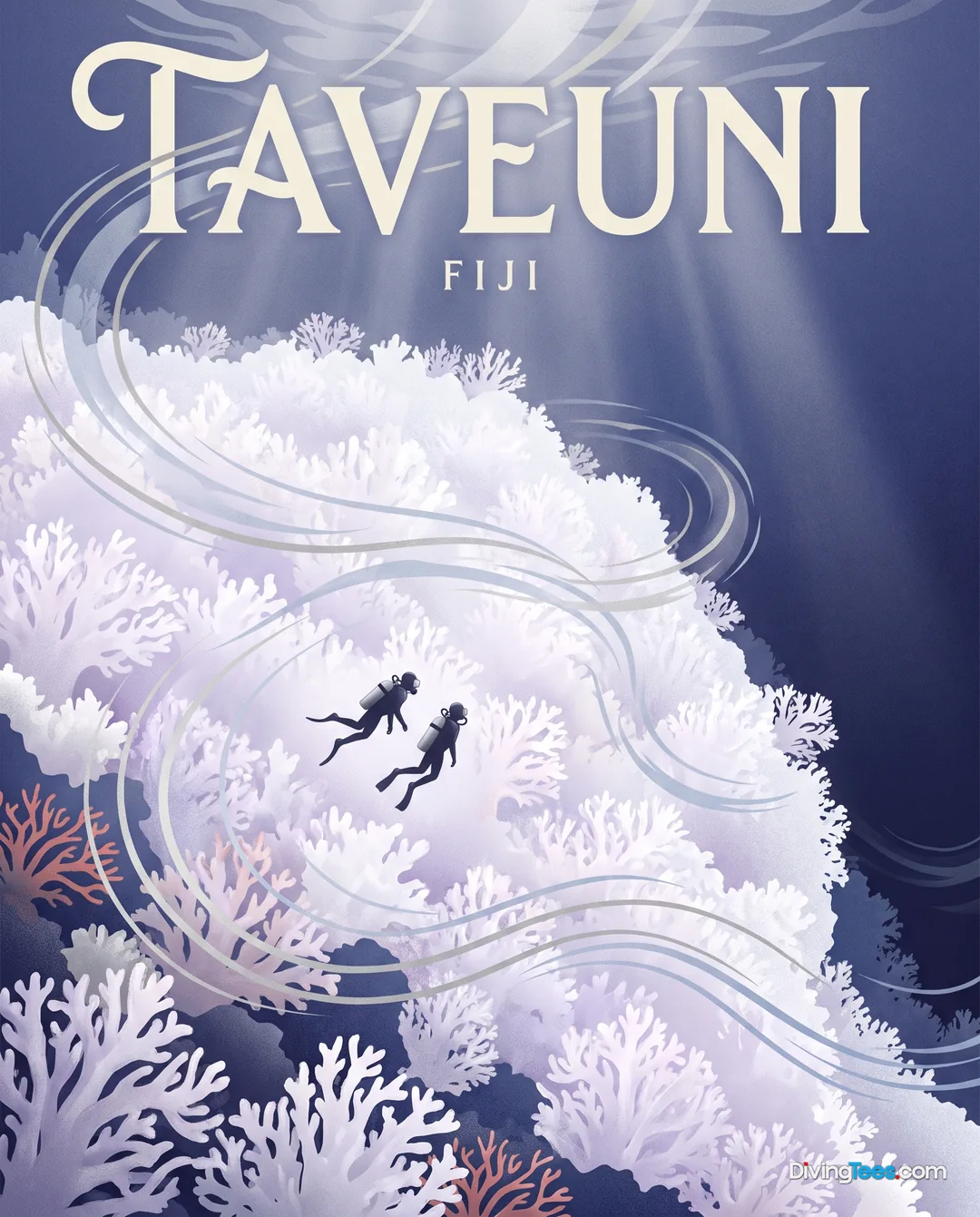
Dive centres


Hotels
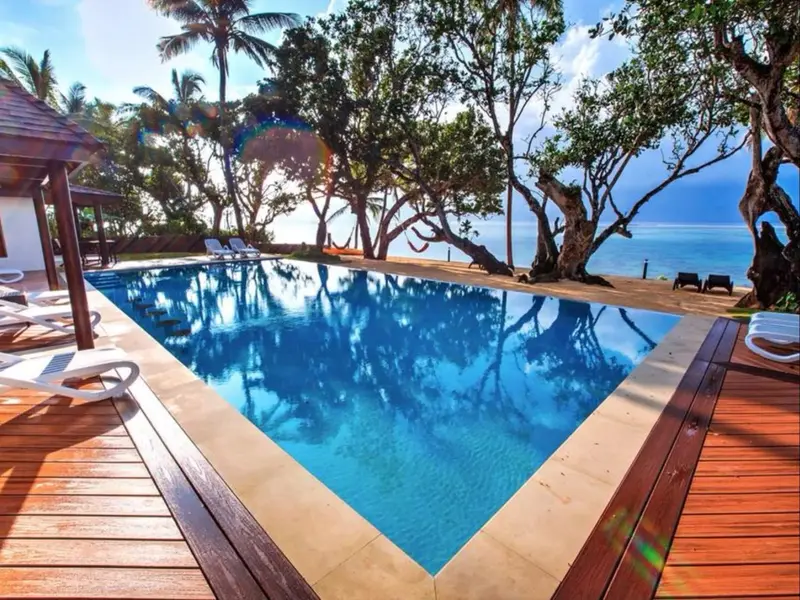
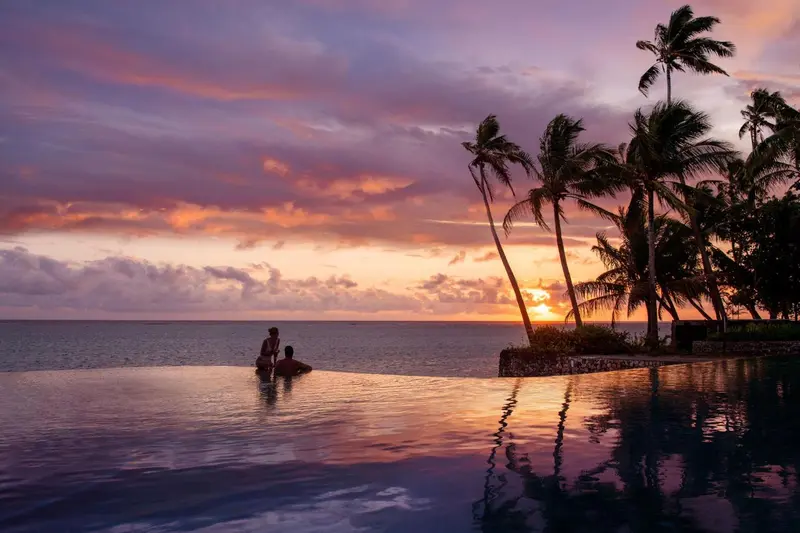
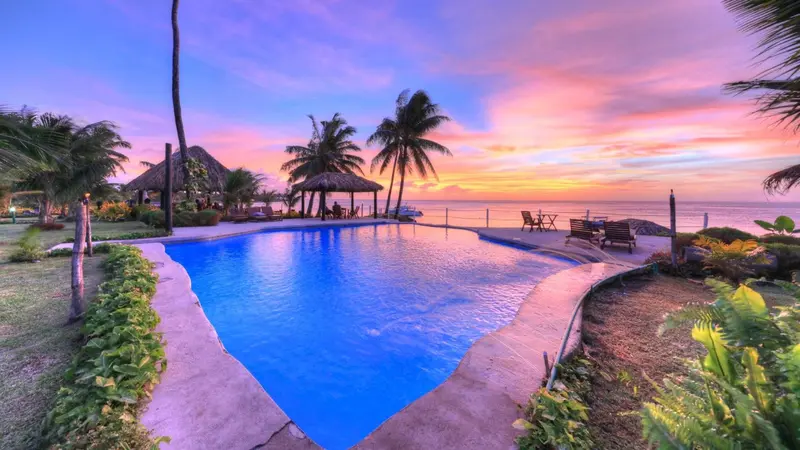
Liveaboards
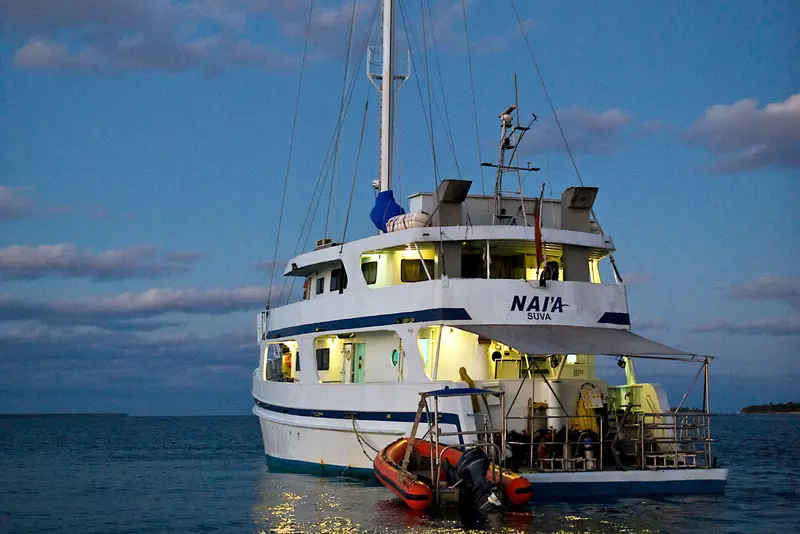
When to go, and where by month
Fiji does not have opposing diving seasons where one coast opens as another closes. The calendar instead leaves Kadavu as the year-round anchor, while the northern islands and Viti Levu share a November-to-April window. January, February, March and April therefore offer the broadest choice across the country, provided the itinerary allows for tide, wind and boat conditions rather than fixing one exact visibility day. May narrows the practical choice to Kadavu and Yawasa Island. From June through October, Kadavu is the clear seasonal option in the country’s diving calendar. November and December reopen the wider pattern, bringing the northern islands, Viti Levu and Yawasa Island back into the same travel season as Kadavu. This makes Kadavu useful for a trip planned around European summer, while the broader island combination fits winter departures from London or Manchester, with a rainy-season or monsoon margin still worth leaving in the schedule.
Marine life, coast by coast
The wildlife picture changes with the island grouping, which is important when choosing an itinerary. Around Savusavu, Taveuni and Vanua Levu, divers may encounter garden eels, anthias, barracuda, trevally, grouper, reef sharks, eagle rays and manta rays, alongside hard coral and dogtooth tuna. That combination gives the northern route both reef detail and larger movement in the water. Kadavu and Viti Levu bring a different emphasis: soft corals, fan gorgonians, clownfish, pipefish, leafy scorpionfish and zebra sharks. A traveller choosing between the two is therefore not simply choosing scenery; the route changes the balance between manta rays and reef predators in the north, and soft-coral structure and unusual fish life farther south.
Getting between the areas
The easiest links are within the northern island group. Savusavu is only 16 kilometres from Vanua Levu as a regional reference point, and Taveuni remains close enough to combine with a carefully built northern itinerary; the sea crossing between Taveuni and Vanua Levu is about 65 kilometres. Kadavu and Viti Levu can also be paired, but their 78-kilometre separation still depends on the right boat or flight connection. The longer island jumps change the character of the holiday. Viti Levu to Yawasa Island is 152 kilometres, while Vanua Levu to Viti Levu is 205 kilometres, before allowing for road transfers and timetables. Ferry schedules structure the journey, and a remote island move can consume a full day or a night. Keep a buffer for a cancelled boat, rather than sacrificing booked diving to protect a tight onward connection.
Take off your mask
Fiji’s land culture is easiest to read through Suva, where the Fiji Museum places drua, pre-colonial objects and colonial history alongside the country’s Indo-Fijian story. Nearby, Suva Municipal Market shows the working food economy, while Suva Handicraft Centre brings together masi, tanoa, pandanus weaving and sulus. Nadi Municipal Market and Lautoka Municipal Market offer a more west-coast view, with fresh produce and practical stalls rather than a purely resort setting. On Taveuni, Bouma National Heritage Park leads into forest, waterfalls and villages managing access; near Suva, Colo-i-Suva Forest Park provides rainforest tracks and natural pools, while Sigatoka Sand Dunes National Park adds coastal archaeology. Food is equally specific: kokoda is raw fish with lime and coconut, lovo is cooked underground for gatherings, and rourou uses taro leaves with coconut. Curries in Suva, Nadi, Lautoka and Labasa carry strong Indo-Fijian influence. In villages, sevusevu introduces the social rules, and kava is shared rather than treated as a quick welcome drink. Hibiscus Festival and Bula Festival turn Suva and Nadi into active public spaces, with music, food stalls, parades and competitions.
What holds true everywhere here
Fiji rewards an itinerary with room to move. Tide and weather can decide whether a signature reef is comfortable on a particular day, and a downcurrent or drift dive may make the same site feel very different from a sheltered reef. Build in a spare day for a boat cancellation, especially when the trip depends on reserve access or a remote island transfer. A non-diving day is more useful when placed beside the route: Suva’s markets, a Coral Coast outing or a lagoon trip can absorb a change without wasting an entire transfer day. Nitrox is genuinely useful on several consecutive boat dives and repetitive reef profiles, provided the diver’s training and the operator’s procedures match. After a current-affected dive, allow the boat team to manage the surface interval and safety stop rather than treating the timetable as immovable.
Frequently asked questions about Fiji
When should you go to Fiji for the diving?
In Fiji, November to April offers shark passages around Taveuni and Savusavu, while June to October is the diving choice at Kadavu. Your preferred island grouping can shape timing: the northern route combines reef detail with larger movement, while Kadavu brings soft corals and fan gorgonians.
What marine life can you see around Fiji’s northern islands?
Around Savusavu, Taveuni and Vanua Levu, you may encounter garden eels, anthias, barracuda, trevally, grouper, reef sharks, eagle rays and manta rays. Hard coral, dogtooth tuna and larger movement in the water add variety, giving this Fiji route a mix of detailed reef scenes and active marine life.
What will you see while diving Kadavu and Viti Levu in Fiji?
Diving around Kadavu and Viti Levu in Fiji brings a different underwater emphasis, with soft corals, fan gorgonians, clownfish, pipefish, leafy scorpionfish and zebra sharks. Choosing this southern route means focusing on soft-coral structure and unusual fish life rather than the northern balance of manta rays and reef predators.
How should you plan your stay in Fiji around diving and island activities?
Plan your Fiji stay around the island grouping you want to explore, because transfers shape the holiday. You can combine diving with Garden Island walks at Taveuni’s Bouma National Heritage Park, village kava ceremonies and sevusevu, or Suva’s Municipal Market and Handicraft Centre, while enjoying kokoda, lovo and rourou.