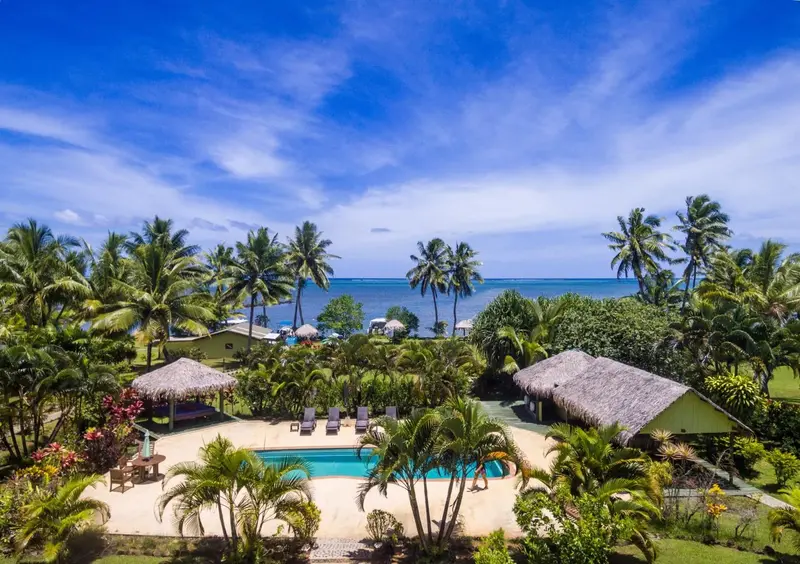
Dive centre in the hotel
Beqa Lagoon Resort
★★★
Google 4.6/5 (248 reviews)
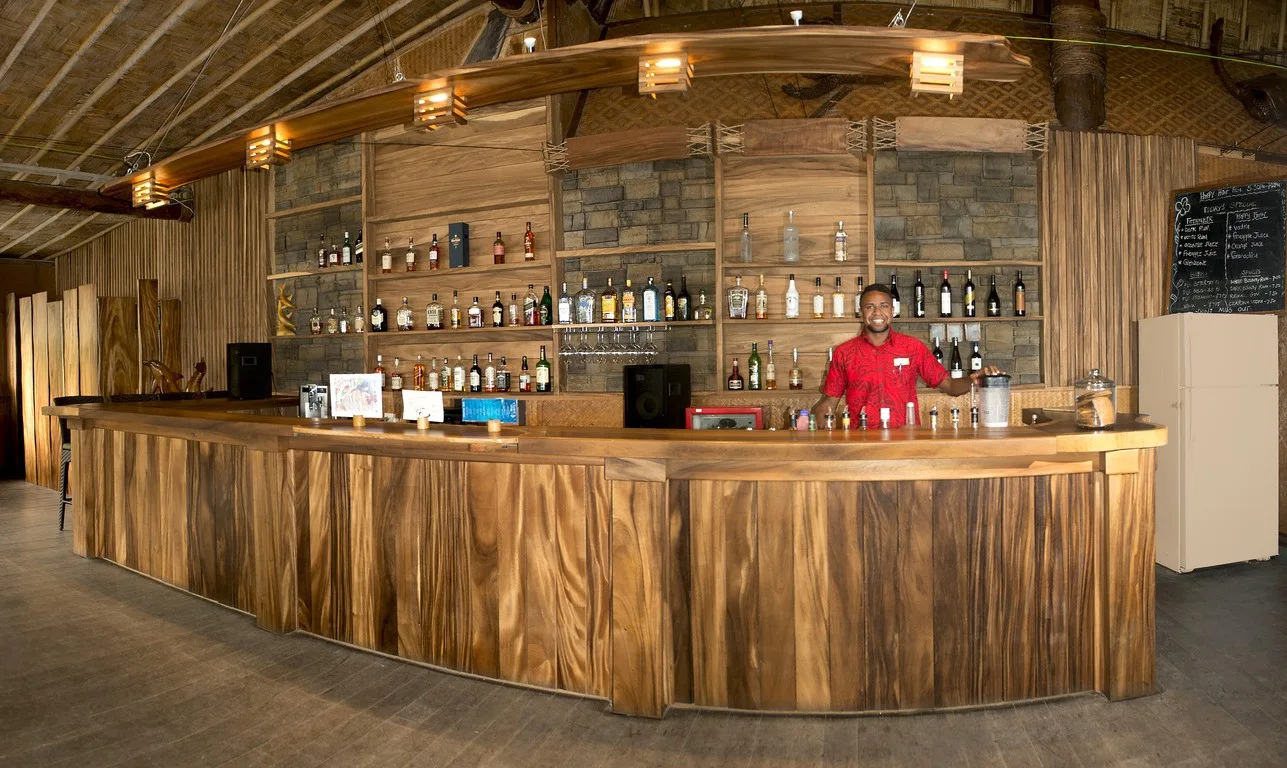
The dive centre
Beqa Lagoon Resort
PADI · NAUI
Google 4.6/5 (249 reviews)
Dives: The Cathedral Shark Dive, The Apex Arena Shark Dive, Fantasea
Fiji · Pacific
Soft-coral pinnacles, a 28-metre wreck, reef sharks and Beqa’s bull sharks shape a shore-based diving holiday along Fiji’s largest island.
For subtitles in English: start the video firstthen click the gearat the top right of the video, select “Subtitles/CC”, then “Auto-translate” and choose “English”.
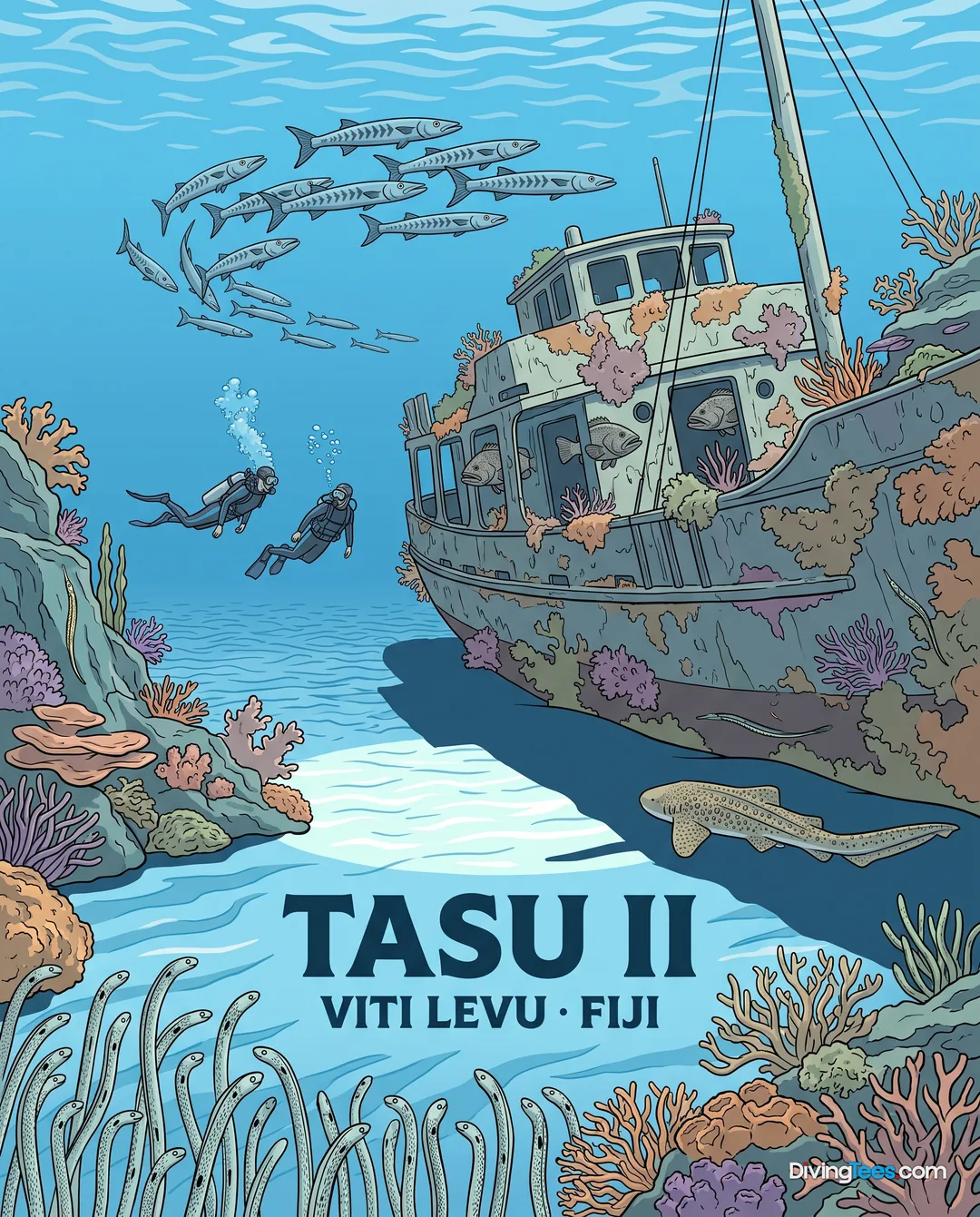
Viti Levu is Fiji’s practical mainland base for divers who want proper boat diving without committing to a liveaboard. The southern coast and Beqa Lagoon put coral gardens, walls, pinnacles, wrecks and shark sites within reach of land-based accommodation. Ceasar's Rock rises from 30 metres to a shallow top, while Tasu II lies upright at 28 metres. Diving can be combined with beaches, lagoon outings and time around Suva, making the island suitable for couples or groups with mixed interests.
The underwater landscape is built around pinnacles, passages, coral gardens, walls and wrecks rather than one uniform reef style. At Ceasar's Rock, five pinnacles crowd together and strong current feeds soft corals and large gorgonians; slack water and calm seas make the site easier to appreciate. E.T. / Cyclops has an 18-metre passage through the pinnacle, while Swim-Through City / Bird Island adds a maze of coral-covered routes in generally weak current. Tasu II offers a calmer wreck dive at 28 metres, and Rusi's Pinnacle reaches 32 metres around a fishing wreck and a natural pinnacle. Current is variable across Viti Levu, becoming more significant around passes and Beqa Lagoon. Visibility is not uniform: runoff, swell and site exposure can change the picture, so the most exposed dives deserve flexible planning.
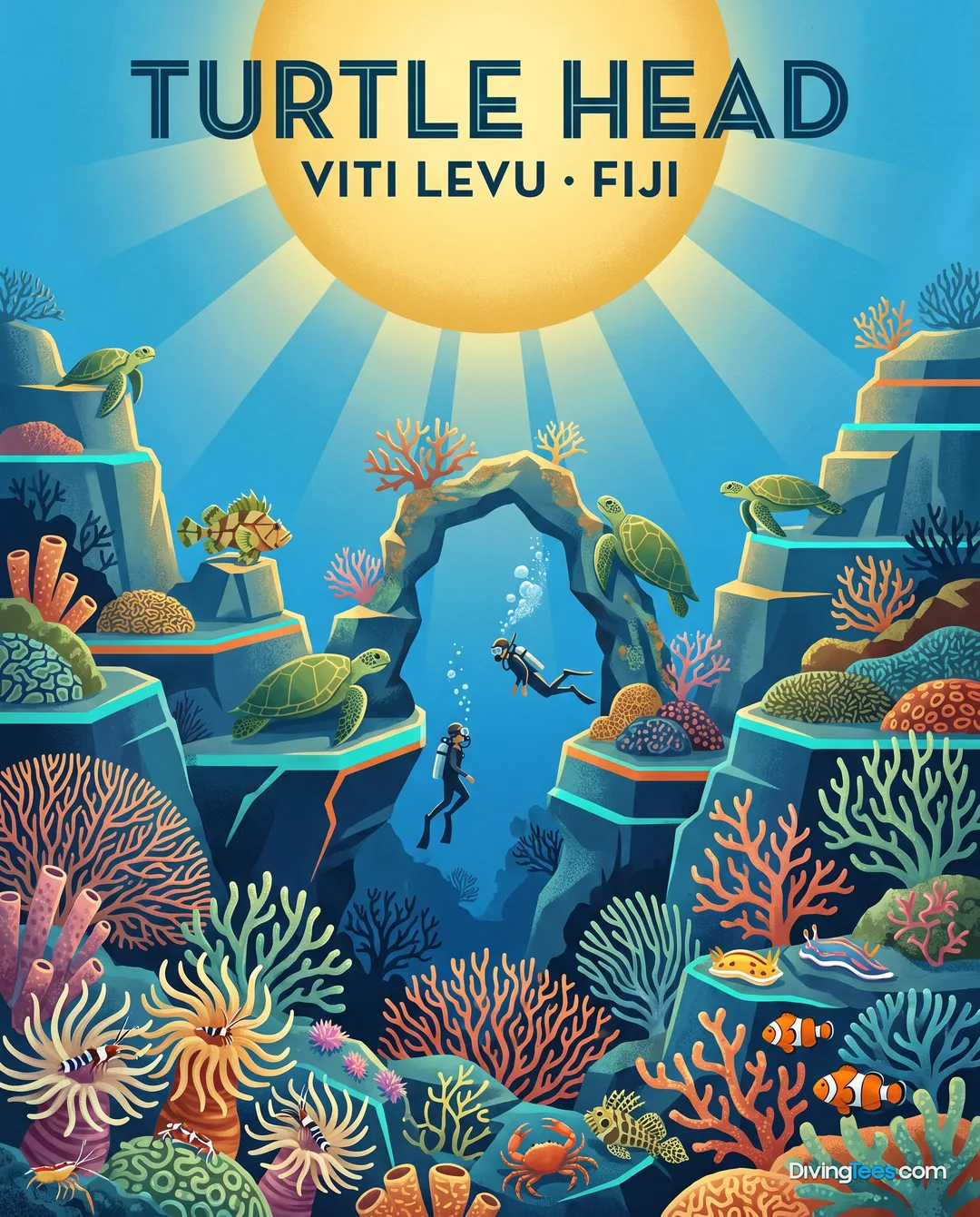
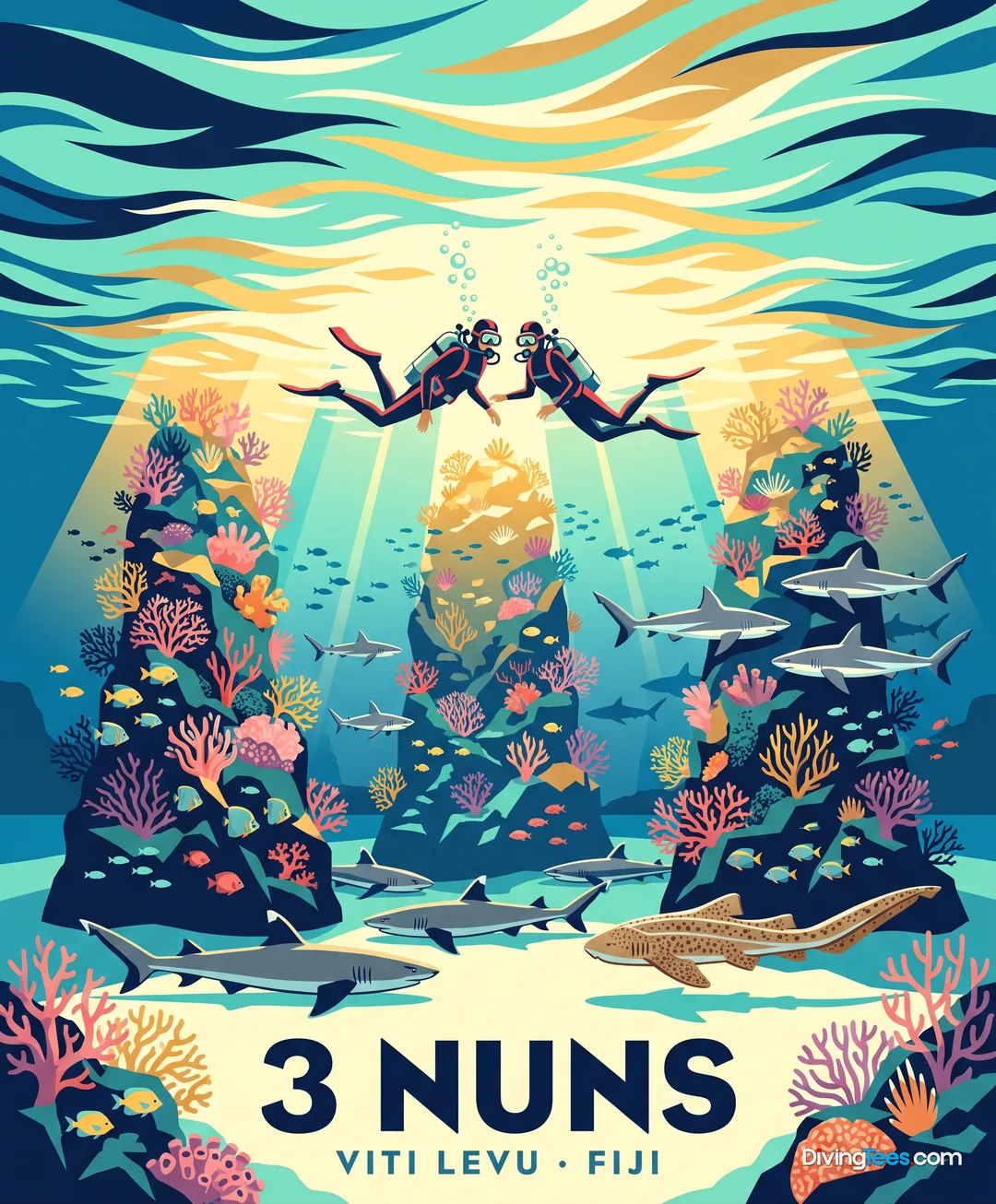
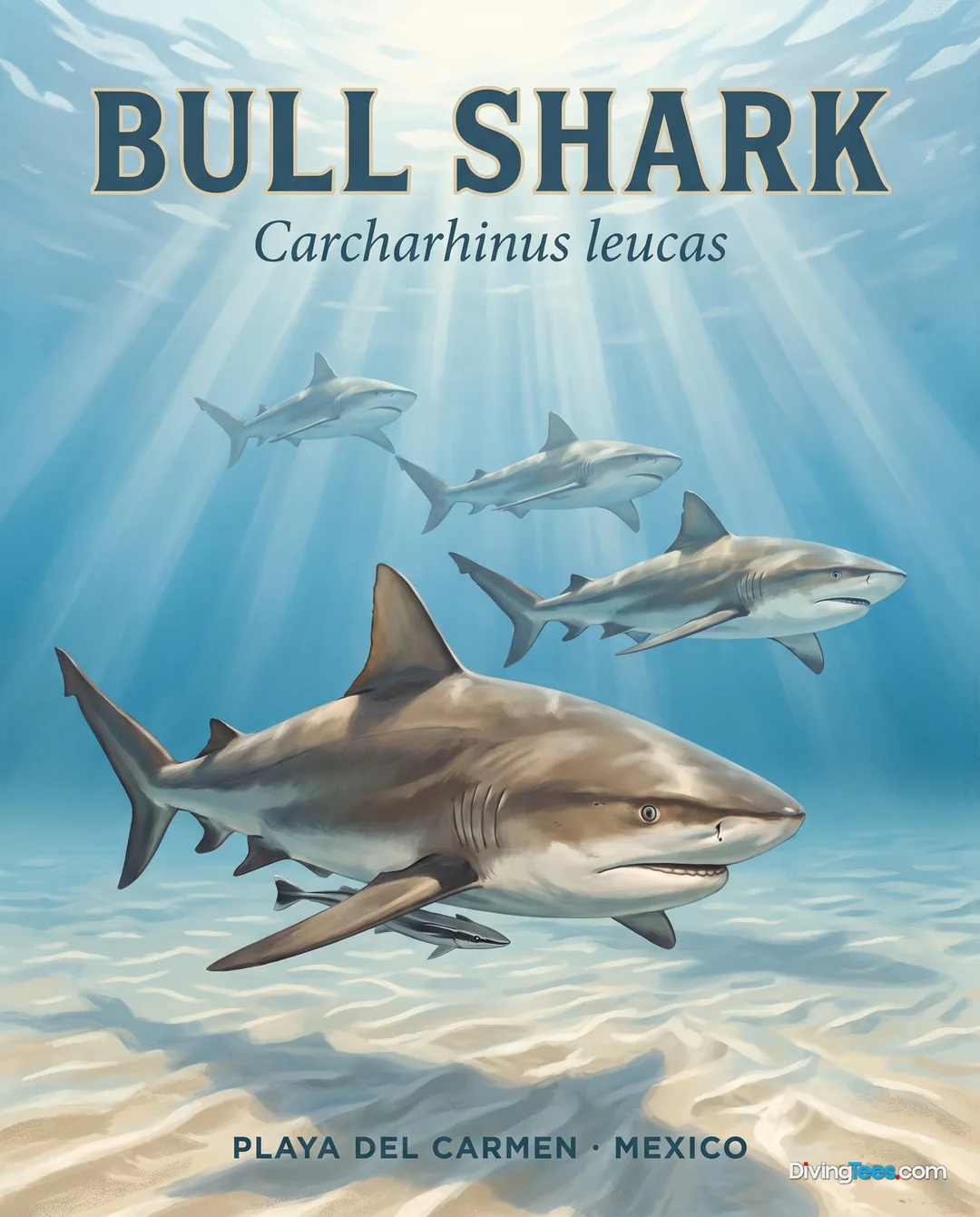
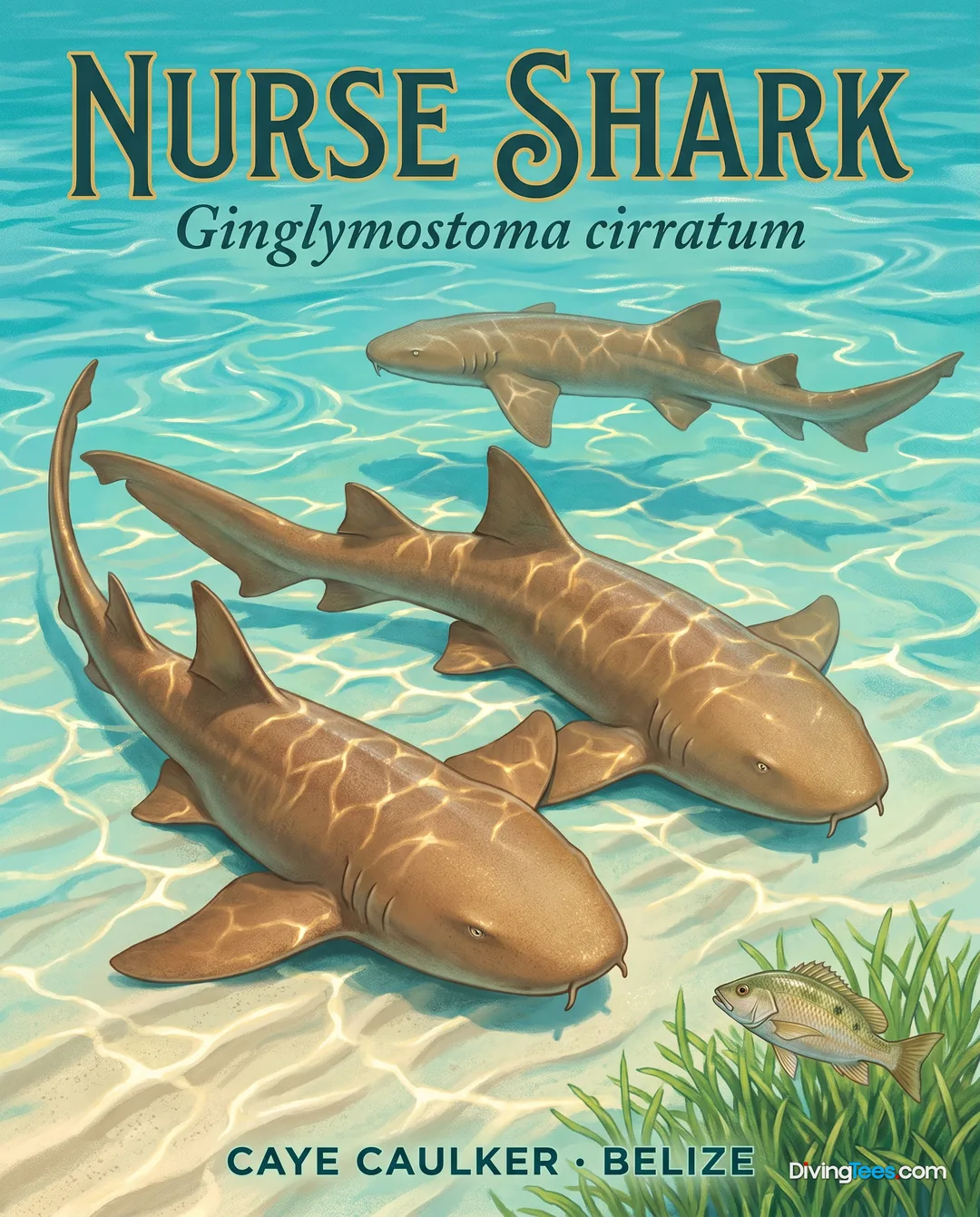
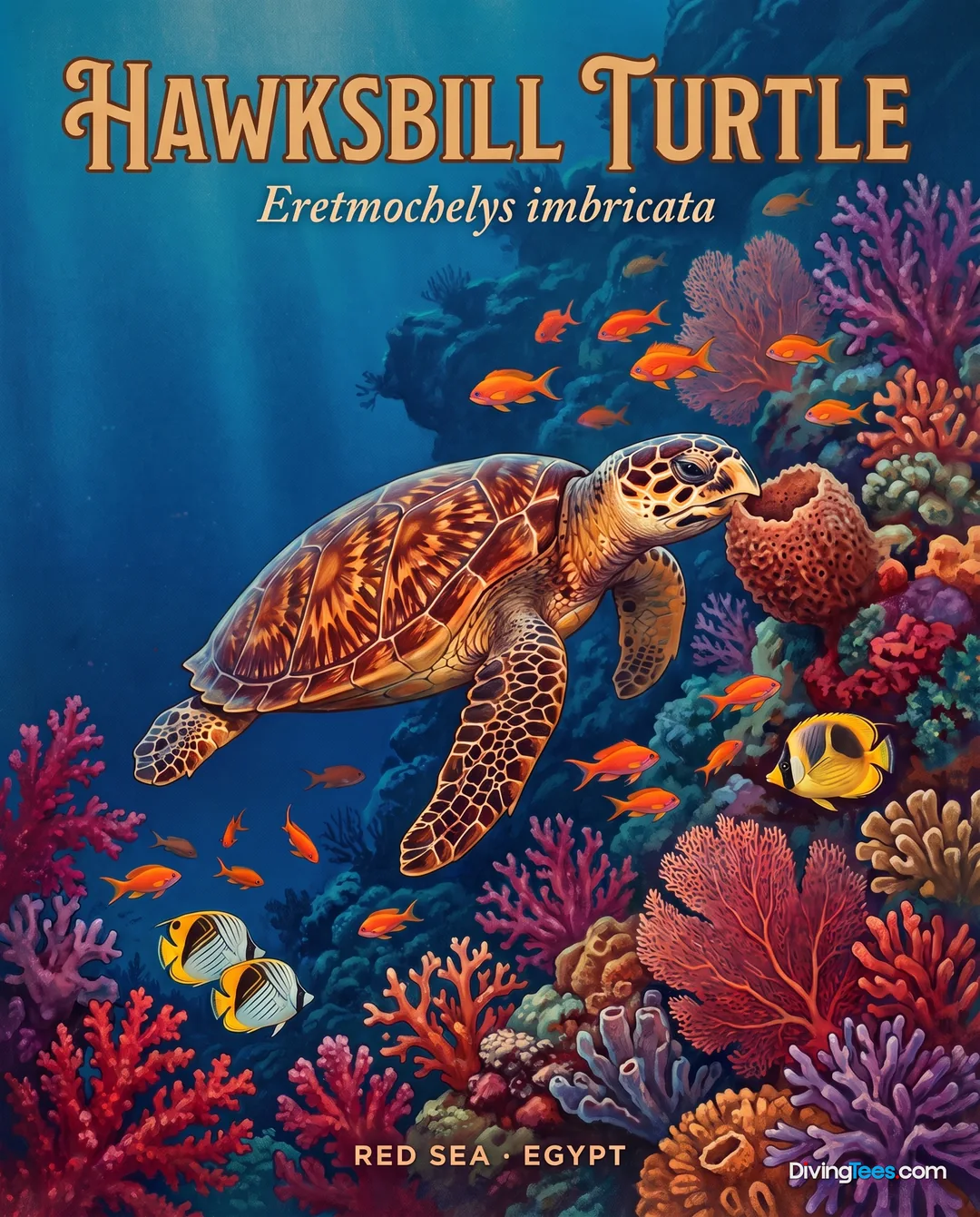
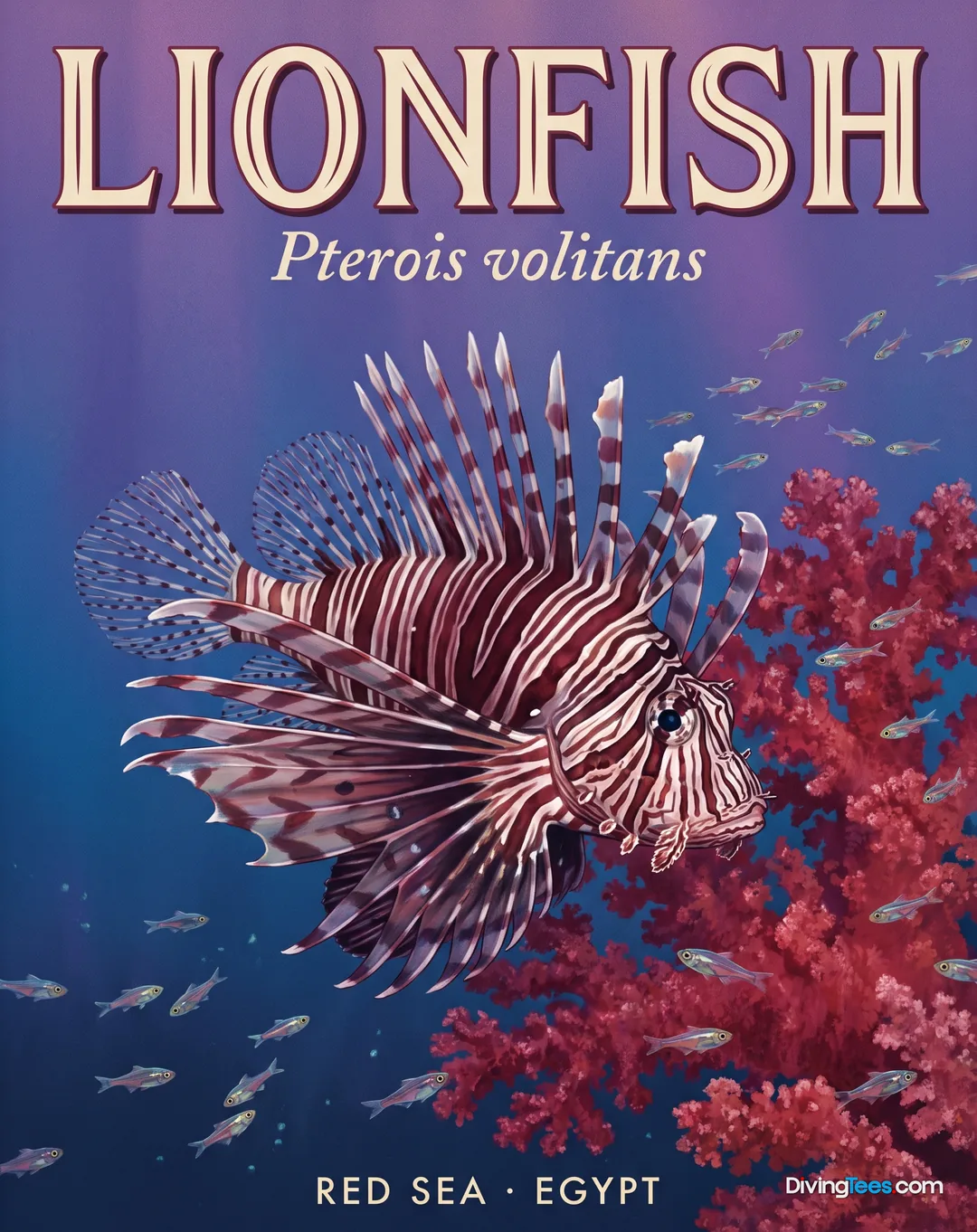
Soft corals, sea fans and reef fish are central to the scenery, with lionfish sheltering among the formations at Ceasar's Rock. Turtle Head is a sensible choice for a slower search through coral gardens, where sea turtles and macro life may share the reef with nudibranchs, pipefish, scorpionfish and leaf scorpionfish. Shark encounters are more structured around Beqa: The Fiji Shark Dive can include bull sharks, grey reef sharks and whitetip reef sharks, with the feeding profile reaching 30 metres. Reef sharks are available year-round, particularly around passes and feeding sites. Zebra sharks are occasional at 3 Nuns and around the Tasu II wreck, while manta rays and passing pelagic fish remain possibilities rather than seasonal guarantees.
The most useful planning window is May to October, especially for a drier trip with less rain and runoff affecting the reefs. June to October brings the lowest rainfall in the measured site record, which can help keep coastal diving clearer. Conditions are not identical throughout the year, however: the same record places the calmest sea from November to April, while the monsoon period brings heavier rain and a greater chance of unsettled water on exposed coasts. January to March is therefore a less attractive compromise for a dive-heavy holiday. A seven- to ten-day stay leaves room to use the best weather days for passes and to keep a land day free.
Viti Levu works for PADI, SSI and BSAC divers from beginner level upwards, particularly on sheltered reefs, coral gardens and shallower pinnacles. The qualification alone is not the deciding factor at Beqa or on drift dives: comfort with current, controlled ascents and holding position matters more than chasing depth. Drift and Nitrox training are useful additions. Shark dives accept Open Water divers, although those with fewer than 30 logged dives are accompanied by a Dive Master.
From London Heathrow, Gatwick or Manchester, the journey requires long-haul connections to Fiji, followed by arrival at Nadi or Suva. Viti Levu is a large island, so the final road transfer matters: the south-western and south-eastern dive bases are reached by road, with journey times depending heavily on the chosen coast. Pacific Harbour is the land gateway for Beqa Lagoon; from there, the island crossing is followed by a boat transfer. Coral Coast diving is mainly reached by road from Nadi or Suva. Once based near the coast, hotel transfers or local taxis are the straightforward options for reaching jetties and marinas. Allowing slack between connections and boat departures is more sensible than building a tightly packed itinerary.
The address of the accommodation is part of the dive plan on Viti Levu. A base on the wrong stretch of coast can turn a simple boat departure into a long daily road transfer, so the intended reefs and passes should be matched to the coastline before booking. Keep the first few days flexible enough to move the current-sensitive dives if the sea freshens; a spare day is more useful here than an overfilled schedule. Ceasar's Rock is best treated as a slack-tide dive, and E.T. / Cyclops needs calm water and low tide if the passage is part of the plan. Do not assume the visibility will be equally clear around the island: rainfall, runoff and exposure affect the result. On Beqa shark dives, a stable position in current is more valuable than extra depth. Protected areas call for no contact with the reef and no anchoring where it is marked.
A seven- to ten-day land-based stay suits Viti Levu better than a rushed stop. The southern coast can support a rhythm of boat-diving days, a weather buffer and at least one day away from the water. Coral Coast beaches and lagoons provide easy non-diving time, while Suva offers coastal and cultural excursions. Staying along the Nadi–Coral Coast–Pacific Harbour axis reduces dead time compared with moving between more isolated bases, and leaves room for a proper rest day before the flight home.
Hello, I'm Marina, DivingDeal.com's AI assistant. I guide you through destinations, areas and countries.
Thinking about the whole trip and the flights? Talk it over with Edith →
Marina is an AI. Some links are affiliate links: DivingDeal may earn a commission, at no extra cost to you. Bookings are made with the partner.
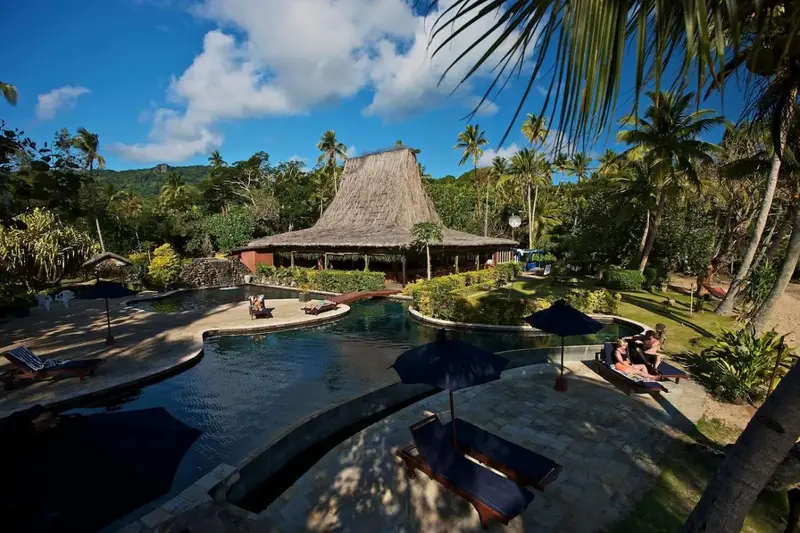
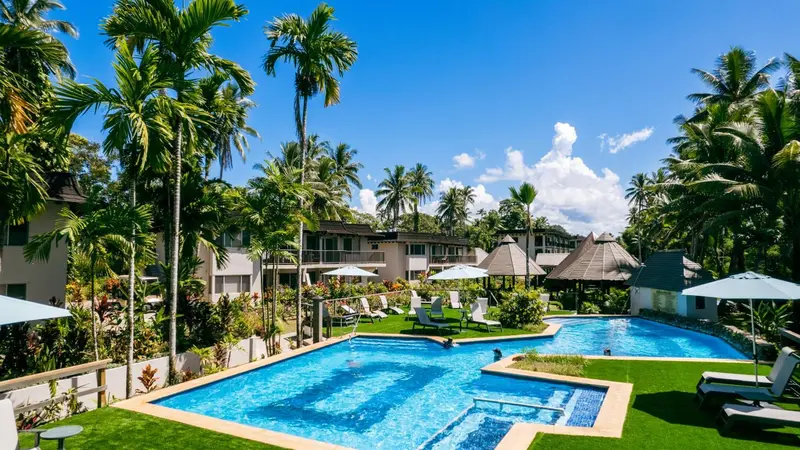
In each one, the dive centre is inside the hotel: step out of your room and go diving.
★★★
Google 4.6/5 (248 reviews)
The dive centre
Beqa Lagoon Resort
PADI · NAUI
Google 4.6/5 (249 reviews)
Dives: The Cathedral Shark Dive, The Apex Arena Shark Dive, Fantasea
Your last day stays dry: no diving in the 18-24 hours before a flight, the perfect window to see the destination from another angle.
 Culture
⏱ 12 h · ★ 4.9 (20 reviews)
from £217$290€259
see on Viator ↗
 Culture
⏱ 4 h · ★ 4.5 (10 reviews)
from £58$78€70
see on Viator ↗
 Nature
⏱ 3 h · ★ 2.0 (1 reviews)
from £81$109€97
see on Viator ↗
Ratings and reviews collected by Viator and Tripadvisor.
Choose Viti Levu from May to October for a drier trip and less rainfall or runoff affecting the reefs. June to October has the lowest rainfall in the measured site record. November to April can bring calmer seas, while the monsoon period brings heavier rain and more unsettled water on exposed coasts.
Viti Levu suits PADI, SSI and BSAC divers from beginner level, especially on sheltered reefs, coral gardens and shallower pinnacles. Beqa and drift dives require comfort with current, controlled ascents and holding position. Shark dives accept Open Water divers, while those with fewer than 30 logged dives are accompanied by a Dive Master.
You can explore soft-coral pinnacles, walls, coral gardens and wrecks, including Tasu II upright at 28 metres and Rusi’s Pinnacle. Ceasar’s Rock has soft corals, gorgonians and lionfish. Turtle Head offers turtles and macro life, while Beqa shark dives can include bull, grey reef and whitetip reef sharks.
Match your accommodation to the reefs and passes you plan to dive, because road transfers across Viti Levu can be lengthy. Pacific Harbour is the gateway to Beqa Lagoon, while Coral Coast sites are reached from Nadi or Suva. Allow flexibility for weather and currents, and include a rest day away from the water.