
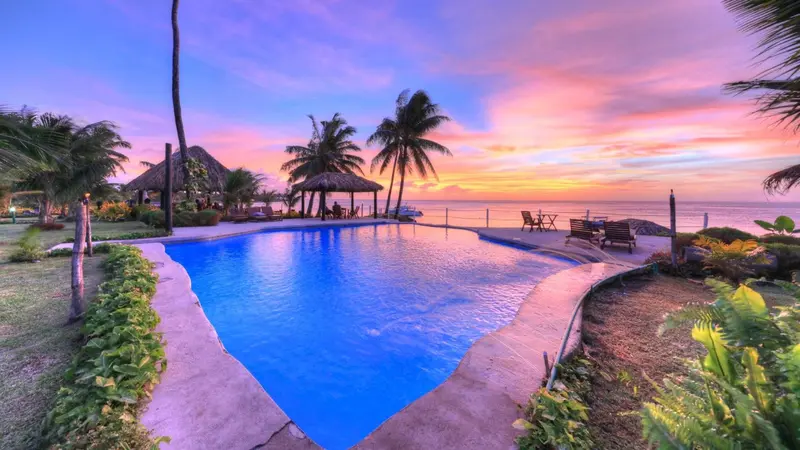
 Dive centre in the hotel
Paradise Resort Taveuni
★★★★
Google 4.8/5 (190 reviews)
The dive centre
Pro Dive Paradise Taveuni
PADI
Google 4.8/5 (192 reviews)
Dives: Rainbow Reef, Great White Wall, Annie’s Bommie
Fiji · Pacific
Soft-coral walls, schooling fish, turtles and tide-led drifts define boat diving through Taveuni’s Somosomo Strait from a quiet island base.
For subtitles in English: start the video firstthen click the gearat the top right of the video, select “Subtitles/CC”, then “Auto-translate” and choose “English”.
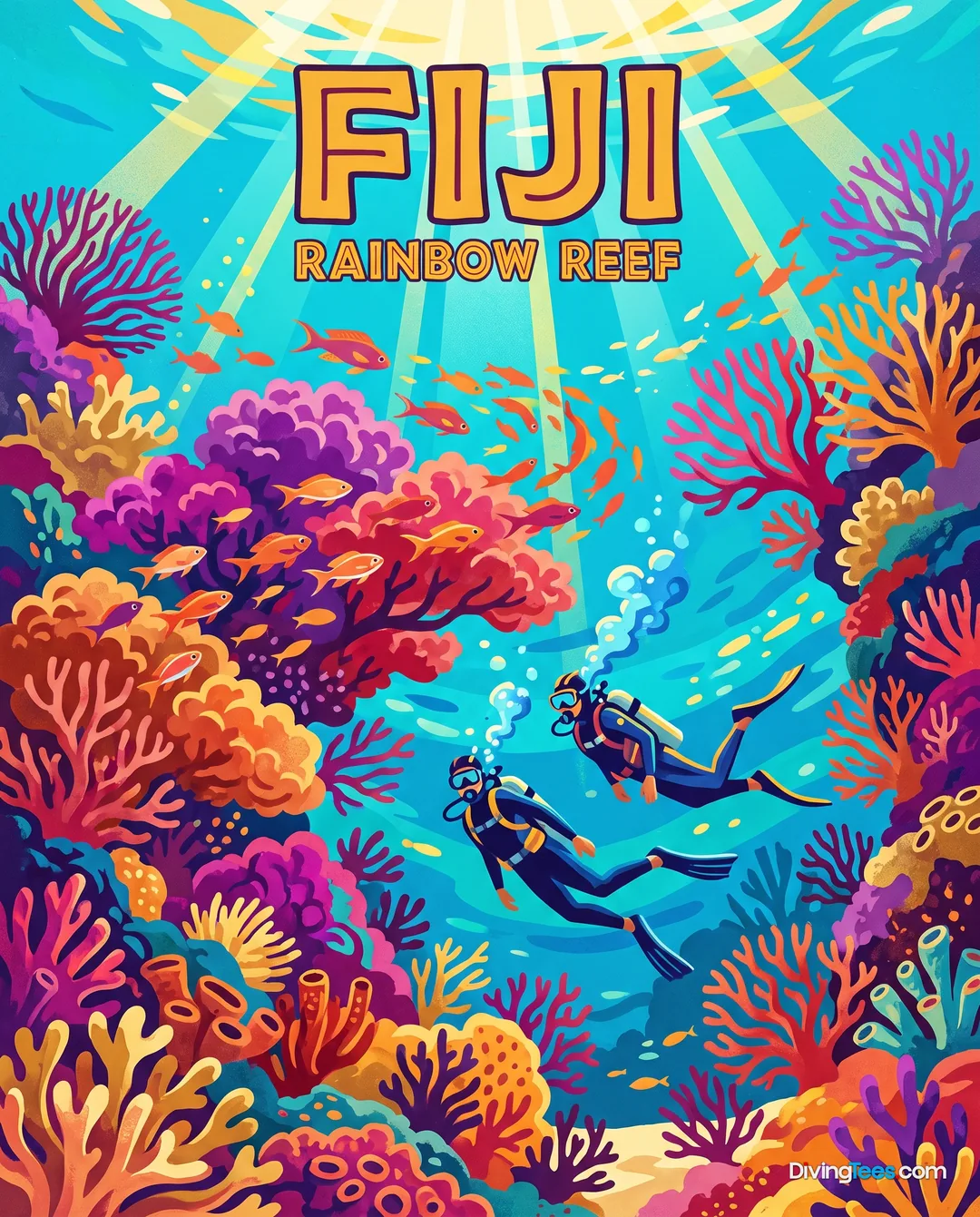
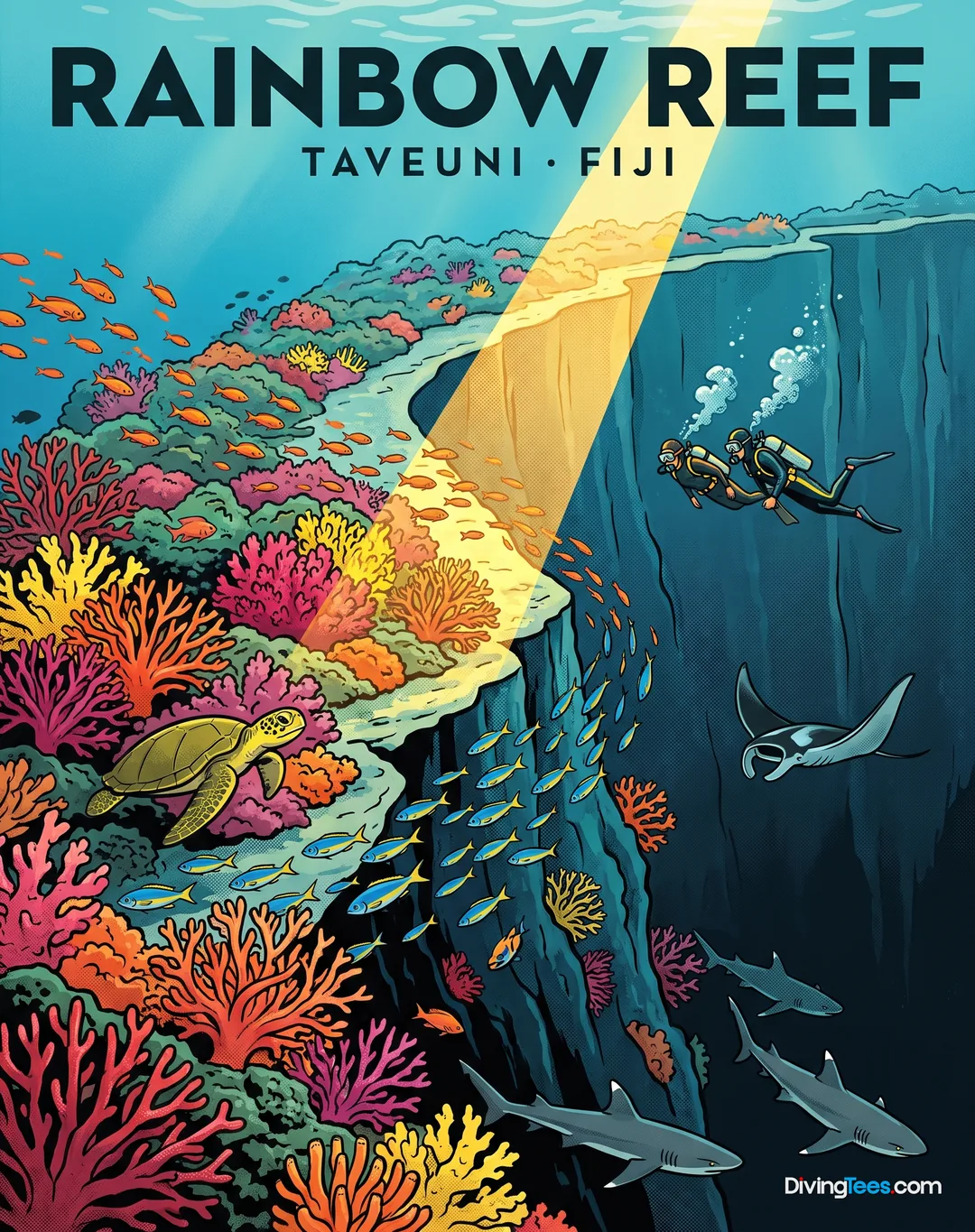
At Rainbow Reef, soft corals cover walls and bommies while anthias, fusiliers and reef fish move through the current. Taveuni is the island base for boat diving in the Somosomo Strait, with short runs to reefs shaped by the tide rather than by wrecks or lagoon entries. The diving suits a week built around colourful reef structure, manageable boat logistics and enough land-based scenery to keep a non-diving companion occupied between outings.
The underwater scenery changes from sloping coral gardens to walls, pinnacles, overhangs and isolated bommies. The Zoo follows a wall from roughly 15 to 25 metres, while The Ledge offers an overhang and coral gardens down towards 40 metres. Fish Factory is the deeper proposition, with the wall reaching 50 metres. Current is the defining practical variable: it can be slack, moderate or strong, and may change during a dive as the tide runs through the strait. Drift-style dives are common, with crews sometimes using a descent line to make the entry and exit more controlled. Visibility is described as excellent at The Zoo, but conditions remain weather- and tide-sensitive, so a rigid expectation of identical water on every dive is unhelpful.
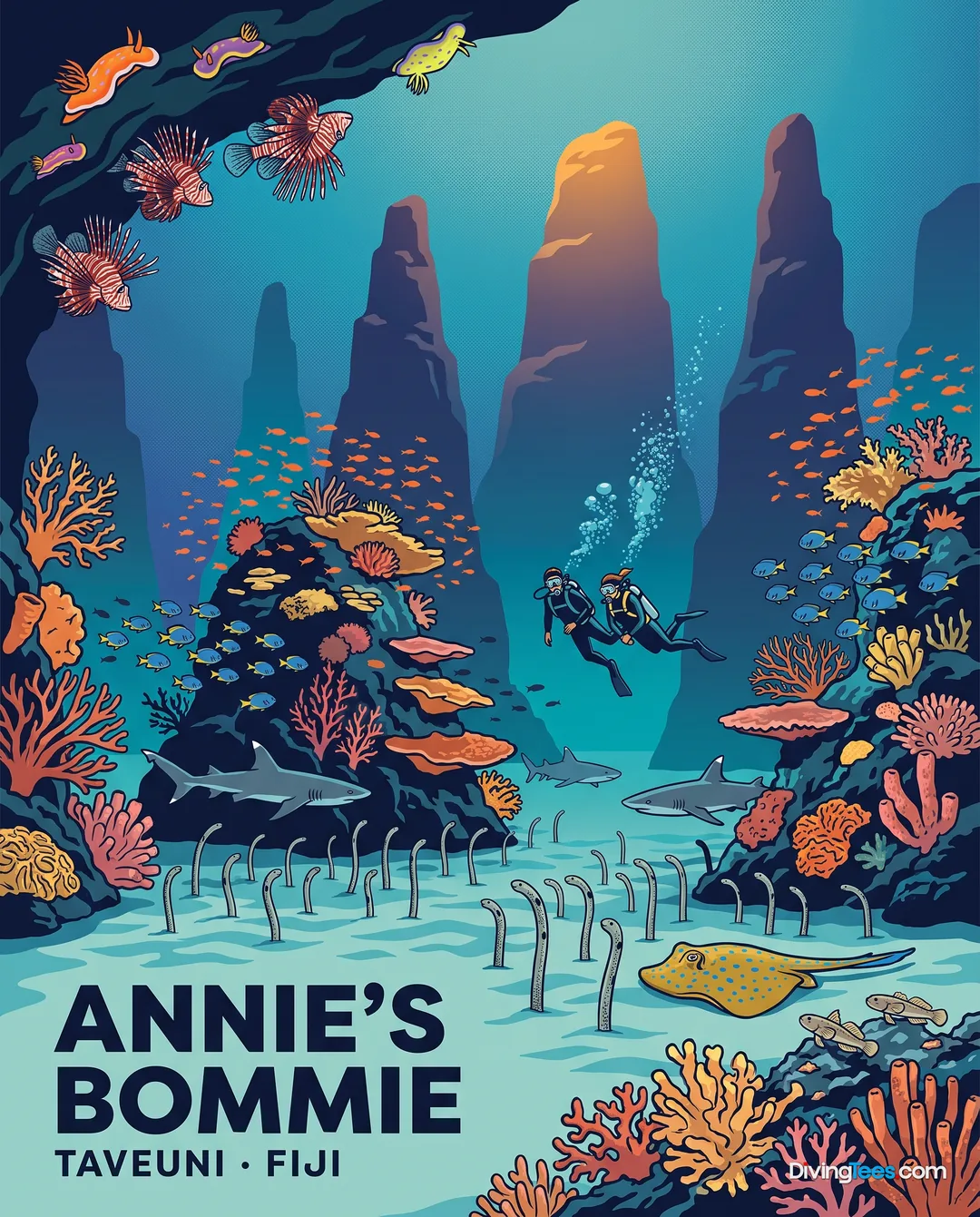
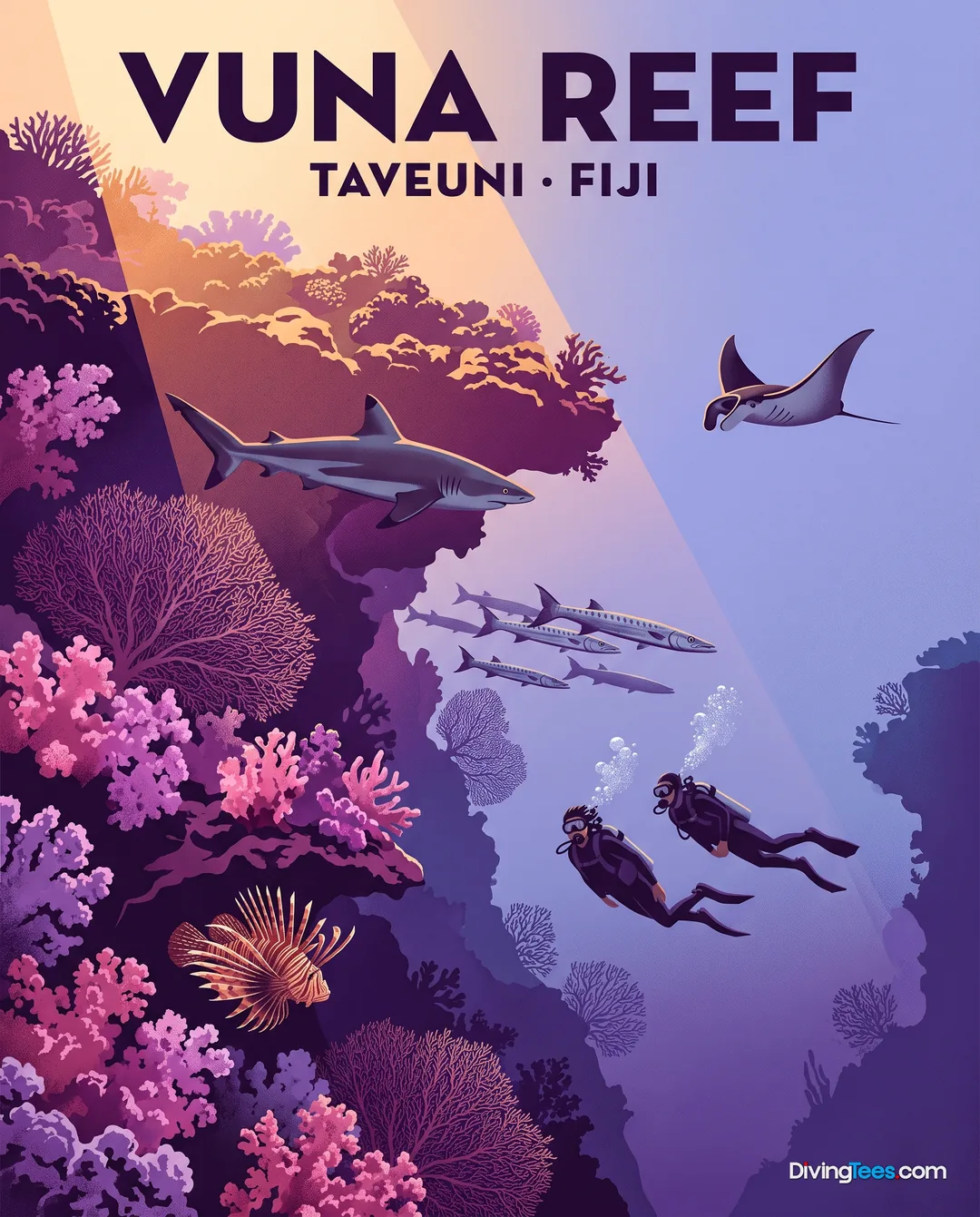
The fish life is spread across both broad coral scenery and small places worth slowing down to inspect. The Zoo and Barracuda Hole can bring grey reef sharks, whitetip reef sharks, barracudas and dense schooling fish into view. Eagle rays, dogtooth tunas and Spanish mackerel are possible open-water encounters, while ribbon eels, Fiji anemonefish, gobies, nudibranchs, flatworms and peacock mantis shrimp reward a closer look around sand, coral and bommies. Hawksbill turtles are regular visitors. Manta rays and sharks are occasional rather than a dependable seasonal appointment, so the reliable appeal is the combination of reef fish, coral and small-life detail. Nuku Reef is particularly suited to macro searches, while Jerry’s Jelly concentrates attention on its two living bommies.
The measured pattern places the calmest sea from November to April, and the drier period runs from April to October. Those facts need balancing: January to March falls within the wetter cyclone season, when swell, runoff and disrupted weather can reduce consistency. April is therefore a useful bridge month, while May to October is the more straightforward window for a reef-focused trip, with generally drier conditions. The settled months also draw more visiting divers, though crowding is normally moderate to low. Keeping a little flexibility in the boat schedule matters more than chasing one supposedly perfect day, because tide and weather decide which current-affected reefs are comfortable.
Taveuni works for all levels, provided the day’s site matches the diver’s current experience. Coral Garden and calmer sections of Rainbow Reef can suit newer divers, while The Ledge, The Zoo, Sam’s Point and exposed Rainbow Reef drifts demand confidence in moving water. Open Water certification is enough for several shallower sites; Advanced Open Water is useful for deeper profiles and current management. Nitrox is worthwhile for repeated boat diving. Good buoyancy and a calm response to a changing flow matter more here than wreck-specialist training, whether the qualification is PADI, SSI or BSAC.
From London Heathrow, London Gatwick or Manchester, the journey begins with a long-haul connection to Fiji, followed by the island leg that makes Taveuni a proper destination rather than a simple hotel transfer. The island is reached either by domestic flight to Matei Airport or by ferry or boat through Fiji’s inter-island network. The connection should be planned as part of the trip, with time allowed for the change between long-haul and island transport and for the final transfer to the accommodation or dive base. Once on Taveuni, the boats leave from island dive centres. Accommodation is generally close enough for a walk, a hotel transfer or a short road transfer, rather than requiring complicated daily transport.
Make the first dive a lighter-current reef, then work up to the more exposed Rainbow Reef drifts once the local flow makes sense. Ask for the least tide-exposed part of the day when planning a famous reef run; in the Somosomo Strait, timing can matter more than a site’s reputation. Keep one or two weather-flexible boat days in the itinerary instead of fixing every dive in advance. Nitrox earns its place on repeated boat days, particularly when several reef dives are planned. A well-fitting mask and a conservative exposure choice are useful insurance against moving water rather than tropical calm. Do not treat Taveuni as a lagoon destination: even an accessible site can become strenuous when the tide runs. In managed marine-park areas such as Waitabu, follow the local permit arrangement, do not touch or collect, do not fish where protection applies, and never anchor on the reef. Midweek departures can reduce bunching around the small boats.
Five to seven days gives the trip enough room for weather changes and several boat days without turning every morning into a race. A typical stay is built around reef diving from the island, with gentler sites early in the week and current-led walls or drifts when the tide and confidence line up. Between dives, rainforest walks, waterfalls, coastal outings and village visits provide quiet alternatives. A non-flying buffer day suits the island’s pace and leaves room for weather-related changes to the diving plan.
Hello, I'm Marina, DivingDeal.com's AI assistant. I guide you through destinations, areas and countries.
Thinking about the whole trip and the flights? Talk it over with Edith →
Marina is an AI. Some links are affiliate links: DivingDeal may earn a commission, at no extra cost to you. Bookings are made with the partner.
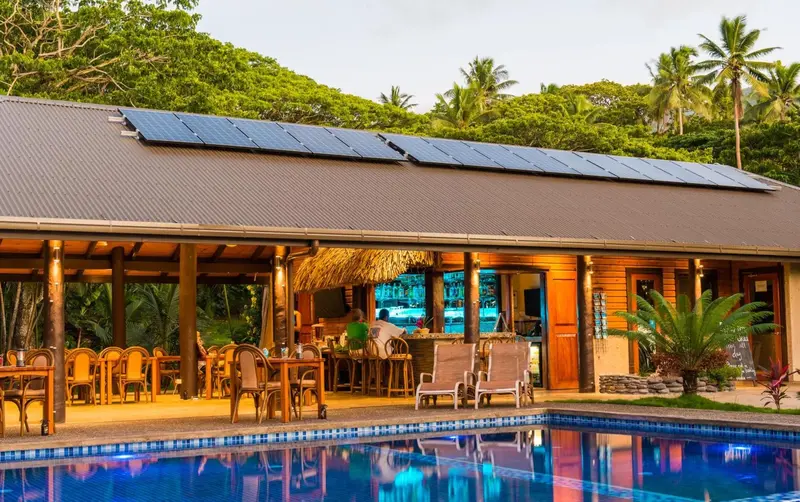
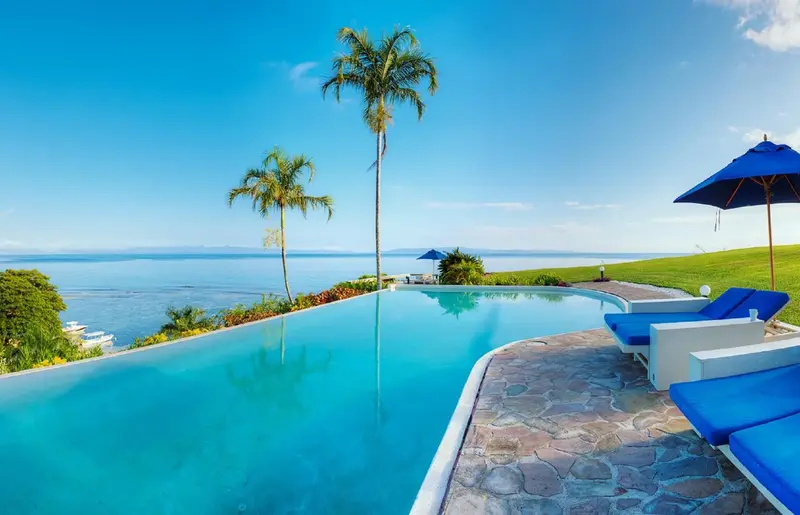
In each one, the dive centre is inside the hotel: step out of your room and go diving.
Dive centre in the hotel★★★★
Google 4.8/5 (190 reviews)
The dive centre
Pro Dive Paradise Taveuni
PADI
Google 4.8/5 (192 reviews)
Dives: Rainbow Reef, Great White Wall, Annie’s Bommie
★★★★
Google 4.6/5 (97 reviews)
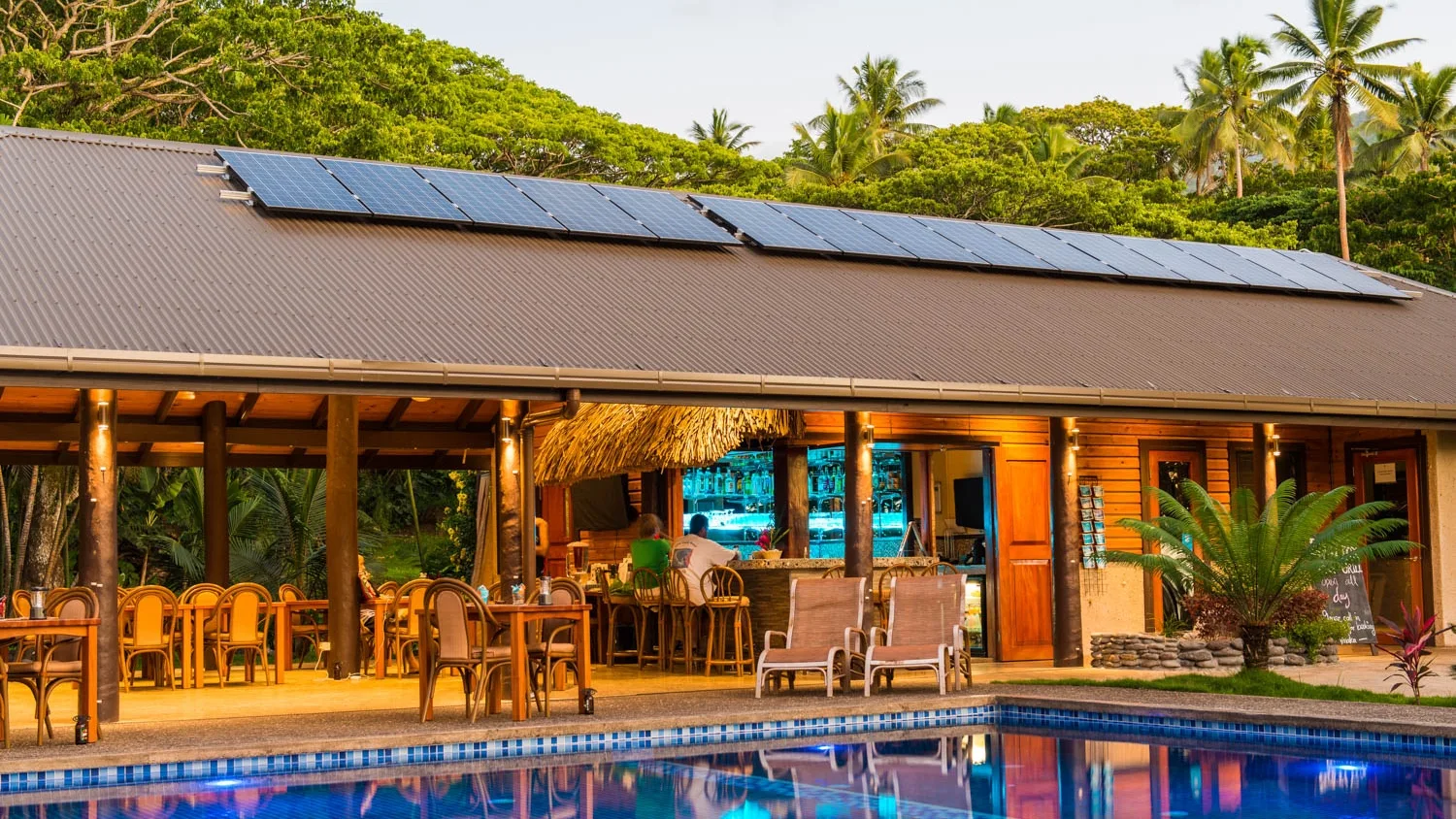
The dive centre
Taveuni Dive Resort
PADI
Google 4.6/5 (100 reviews)
Dives: Great White Wall, Yellow Tunnel
Taveuni’s drier period runs from April to October, with April offering a useful bridge into settled conditions. January to March is wetter and falls within cyclone season, so swell, runoff and disrupted weather may affect consistency. Keep flexibility in your boat schedule, because tide and weather influence which current-affected reefs are comfortable.
Taveuni suits different experience levels when the site matches your ability. Coral Garden and calmer Rainbow Reef sections can suit newer divers, while The Ledge, The Zoo, Sam’s Point and exposed drifts require confidence in moving water. Open Water certification covers several shallower sites, while Advanced Open Water helps with deeper profiles and current management.
Taveuni offers soft-coral gardens, walls, pinnacles, overhangs and bommies across the Somosomo Strait. You may see schooling fish, anthias, fusiliers, reef sharks, barracudas, eagle rays, tunas, Spanish mackerel and regular hawksbill turtles. Slower searches can reveal ribbon eels, gobies, nudibranchs, flatworms and peacock mantis shrimp around coral and sand.
Plan Taveuni as an island-based boat-diving trip, allowing time for the long-haul connection, island transport and final transfer. Start with a lighter-current reef, then build toward exposed drifts as you understand the flow. Keep weather-flexible boat days, consider Nitrox for repeated diving, and allow a non-flying buffer day for changes.